When I was approached last summer by New York University’s Hagop Kevorkian Center for Near Eastern Studies to teach a class this spring, I did not imagine the changes that would take place in the American political landscape. Since Donald Trump took office, his promise to place “America first” has manifested itself in numerous ways. Although I am committed to the university and the students, traveling to the United States is becoming less and less enticing.
Worries in Tehran as Riyadh and Washington Seek to Improve Ties
While Saudi Arabia hailed the Tuesday meeting between President Donald Trump and Deputy Crown Prince Mohammad bin Salman as a “historical turning point” in U.S.-Saudi relations, the Iranian press ex
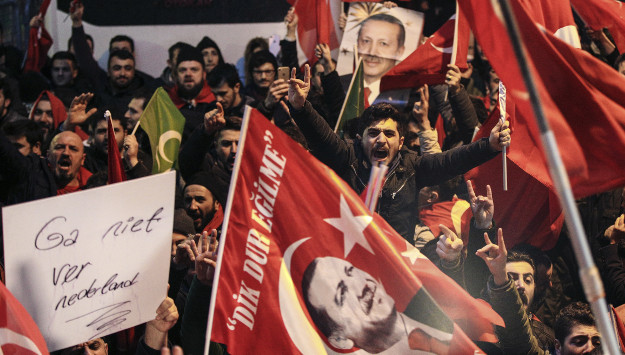
Diplomatic Feud Between Turkey and E.U. Grows | Monday Briefing
In this week’s Monday Briefing, MEI experts W. Robert Pearson, Gerald Feierstein, Yousef Munayyer, and Alex Vatanka provide analysis on recent and upcoming events including the simmering diplomatic feud between Turkey and the Netherlands, the Chinese offer to act as a mediator between Iran and Saudi Arabia, the congressional debate whether to supply aid to the Palestinian Authority, and the growing French business footprint in Iran.
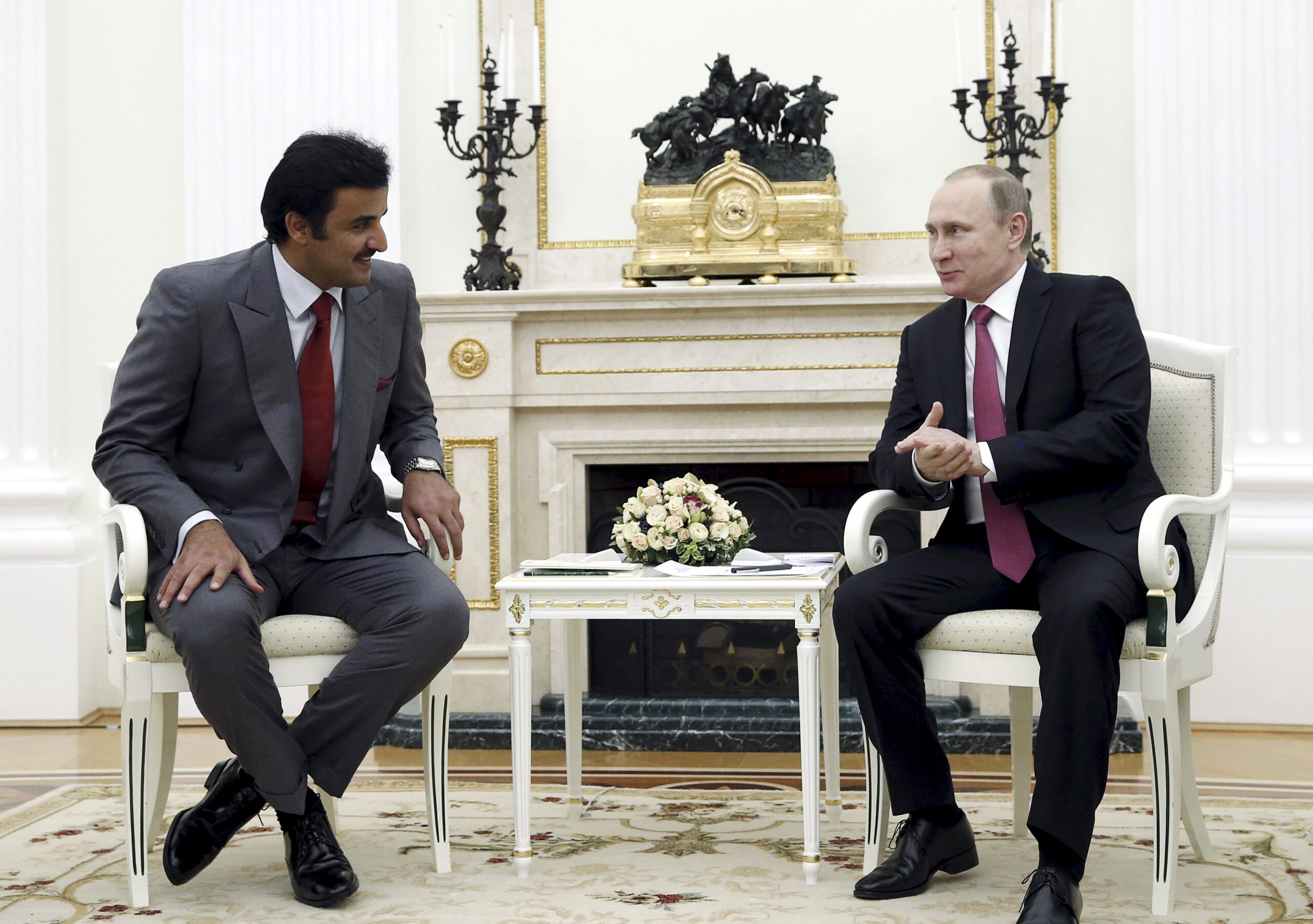
Qatar is throwing its financial muscle to woo Russia in a bid to regain lost political influence in the Syrian conflict, and the broader Middle East. Qatar’s Emir Sheikh Tamim bin Hamad al-Thani visited Russia in January to address Middle Eastern geopolitics and energy issues.
Tehran Worried King Salman’s Asia Tour Aimed at Isolating Iran
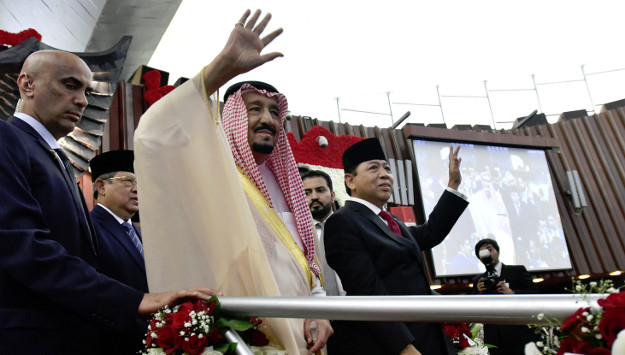
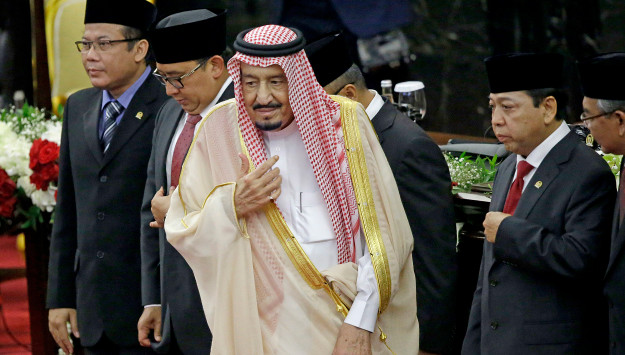
The Iranian media speculates that Saudi Arabia’s King Salman’s month-long tour of Asia-Pacific region is aimed at expanding Riyadh’s “anti-Iran” coalition to pressure and isolate Tehran.
Monday Briefing: Netanyahu to Moscow, Jubeir to Cairo, and the Road Ahead for Geneva 4
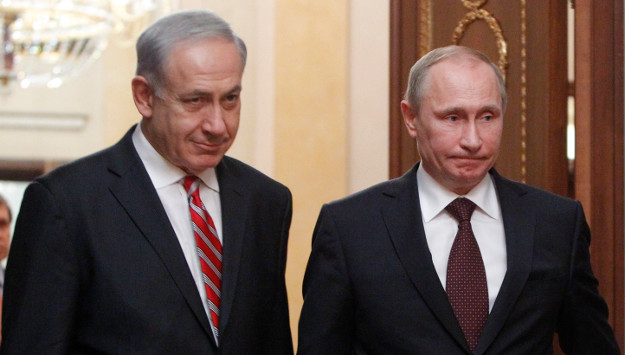
In this week’s Monday Briefing, MEI experts Eran Etzion, Gerald Feierstein, and Robert S. Ford provide analysis on recent and upcoming events including Israeli PM Netanyahu’s upcoming trip to Moscow, Saudi FM Adel al-Jubeir’s upcoming visit to Cairo, and the developing agenda for the Geneva 4 Syria peace talks.
Maldives Rejects Tehran’s Media Project Offer because of Iranian “Meddling” in Regional Countries
The ambassador of Maldives to Saudi Arabia has said that his government refused an Iranian offer to launch a radio station in the South Asian island country.
Growing Ties between Riyadh and Kuala Lumpur Unnerve Tehran
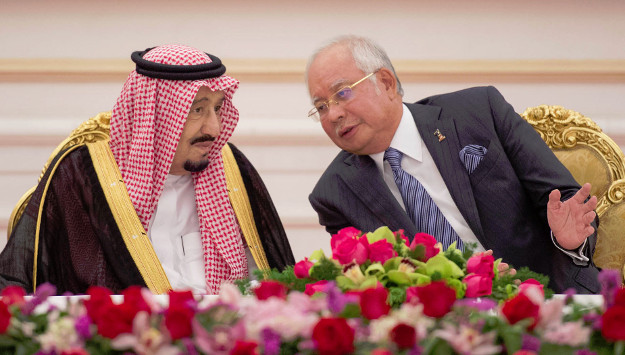
The Iranian media extensively covered Saudi King Salman bin Abdulaziz al-Saud’s recent trip to Malaysia. State-run and semi-official outlets close to the Islamic Revolution Guards Corps (I.R.G.C.), in particular, discussed in details the growing economic and trade ties between Riyadh and Kuala Lumpur.
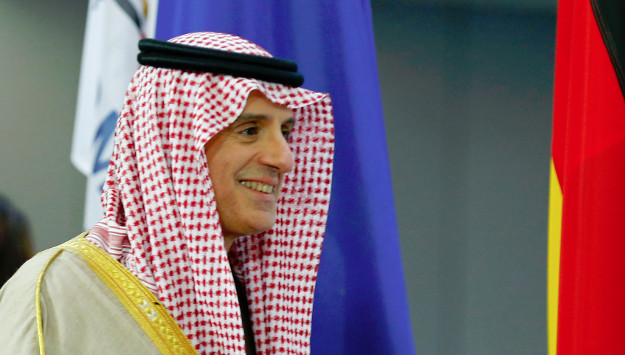
Saudi Foreign Minister’s Baghdad Visit Alarms Tehran and Its Allies in Iraq
Iran’s Fars News Agency (FNA), a mouthpiece of the Islamic Revolution Guards Corps (I.R.G.C.), has published interviews with Iraqi politicians and militia commanders about Saudi Foreign Minister Adel al-Jubeir’s February 25 visit to Baghdad and its potential implications for the war against the Islamic State and for Iraq’s relations with Iran.
Monday Briefing: Al-Qaeda leader killed, U.S. & Russia at odds over Syria
Note: The latest issue of MEI’s Monday Briefing e-mail incorrectly linked to this page. If you’re looking for the Monday Briefing for March 6, click here.
Turkish President Recep Tayyip Erdogan’s official trip to Bahrain, Saudi Arabia and Qatar has prompted anxiety in Tehran. Erdogan arrived in Riyadh on Monday night after a visit to Bahrain, and he is scheduled to go to Qatar next.
I.R.G.C. Continues to Incite Houthi Attacks against Saudi Arabia
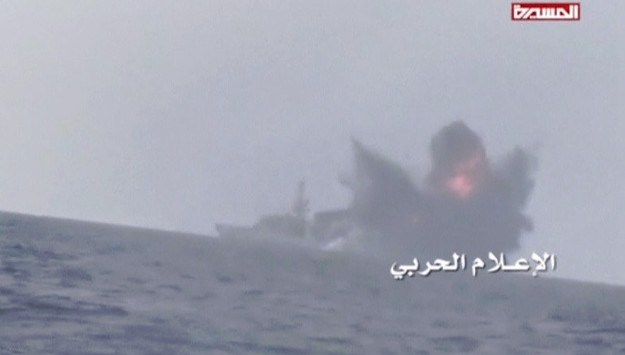
The Islamic Revolution Guards Corps (I.R.G.C.) media outlets continue to justify and encourage attacks by Yemeni Houthi rebels against Saudi Arabia. I.R.G.C.-affiliated Fars News Agency, for example, ran a number of news stories and commentaries today glorifying the Houthis’ latest attacks against Saudi military targets, including a recent attack targeting a Saudi warship and a scud missile that the Houthis claimed hit a military base near the Saudi capital.
Iran Hardliners Urge Escalation in Houthi Attacks on Saudi Arabia
Hardline Iranian media are enthusiastically speculating that the conflict in Yemen will soon enter a more dangerous phase with the intensification in the use of missiles by the Yemeni rebels.