The return of the pharaohs: The rise of Egypt’s civilization-state
After decades of soul searching to define itself as a state, Egypt is building its own civilization-state and seeks to join an emerging club of nations that center historical and cultural tradition in their policy and governance structures and reject the West’s cultural dominance. The civilization-state is the prism through which Western capitals should view and understand Egypt’s domestic and foreign policy moves.
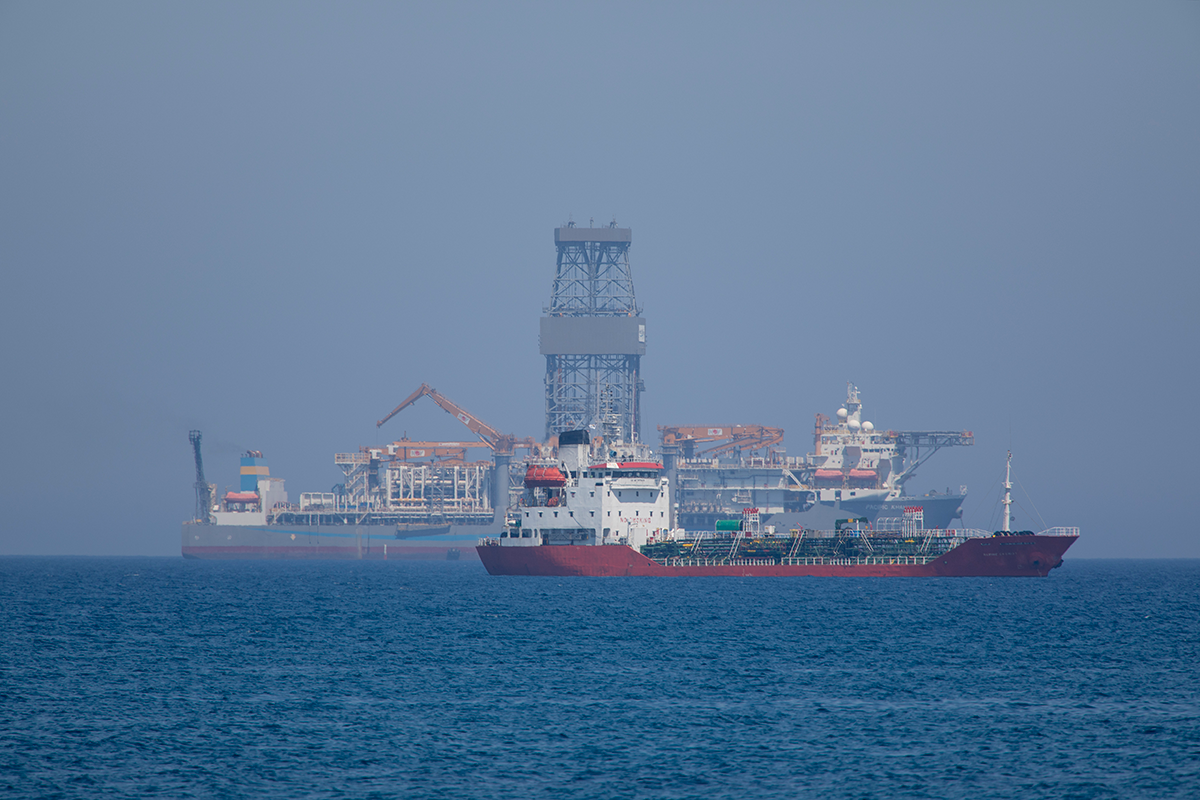
East Med gas needs clean tech and regional integration to support investment case
The viability of Eastern Mediterranean natural gas resources has long been a source of debate for reasons including cost considerations, market demand, and regional geopolitical tensions. The past couple of years have further complicated the debate, introducing new questions about the role of these resources in supporting post-pandemic economic recovery or helping more advanced markets achieve net-zero policies by replacing coal and other fuel sources (a particularly relevant topic of debate given Europe and Asia are key export targets for East Med gas).
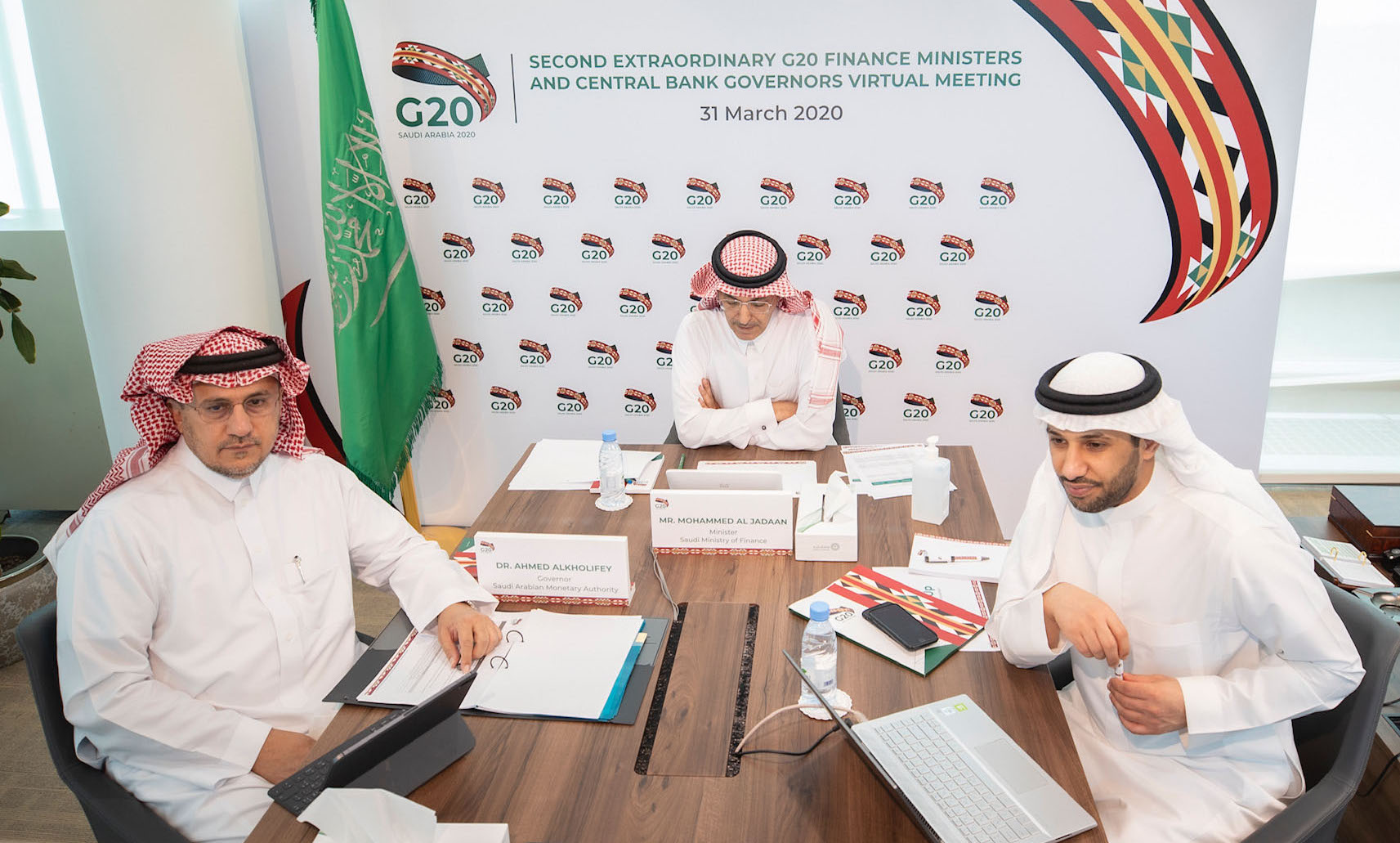
Mega-projects and Small Enterprises: Understanding Saudi Arabian Banks’ Role in Economic Development
Vision 2030 promises a transformation of Saudi Arabia’s economy, and the financial sector will be crucial to achieving this. The sector will facilitate private investment focusing on small and medium-sized enterprise (SME) financing, fund mega-projects, and be a driver for diversifying away from oil. As a result, banks’ role must go from being distributive and largely passive to developmental and active. This article will highlight how the role of the Saudi banking sector has been transformed in the last five years and how its composition is changing to cope.
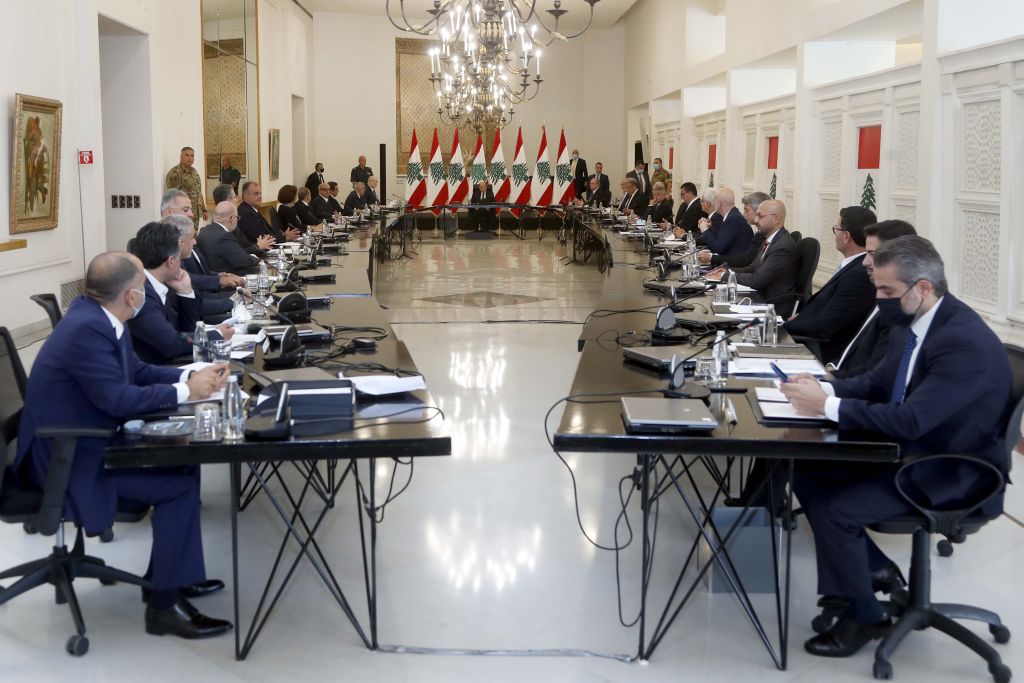
Lebanon’s power crisis is on the agenda, as Arab Gas Pipeline quartet prepares to meet in Amman
These developments come against the backdrop of multiple U.S. hints that Washington is potentially willing to circumvent sanctioning the participating parties under the Caesar Act.
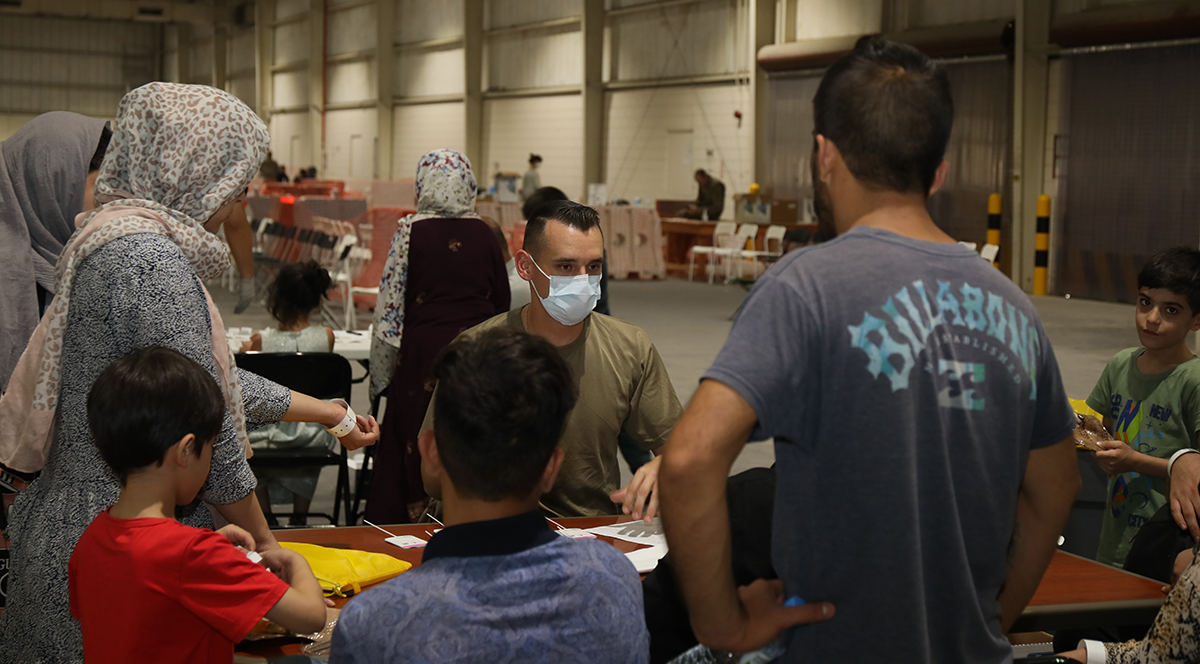
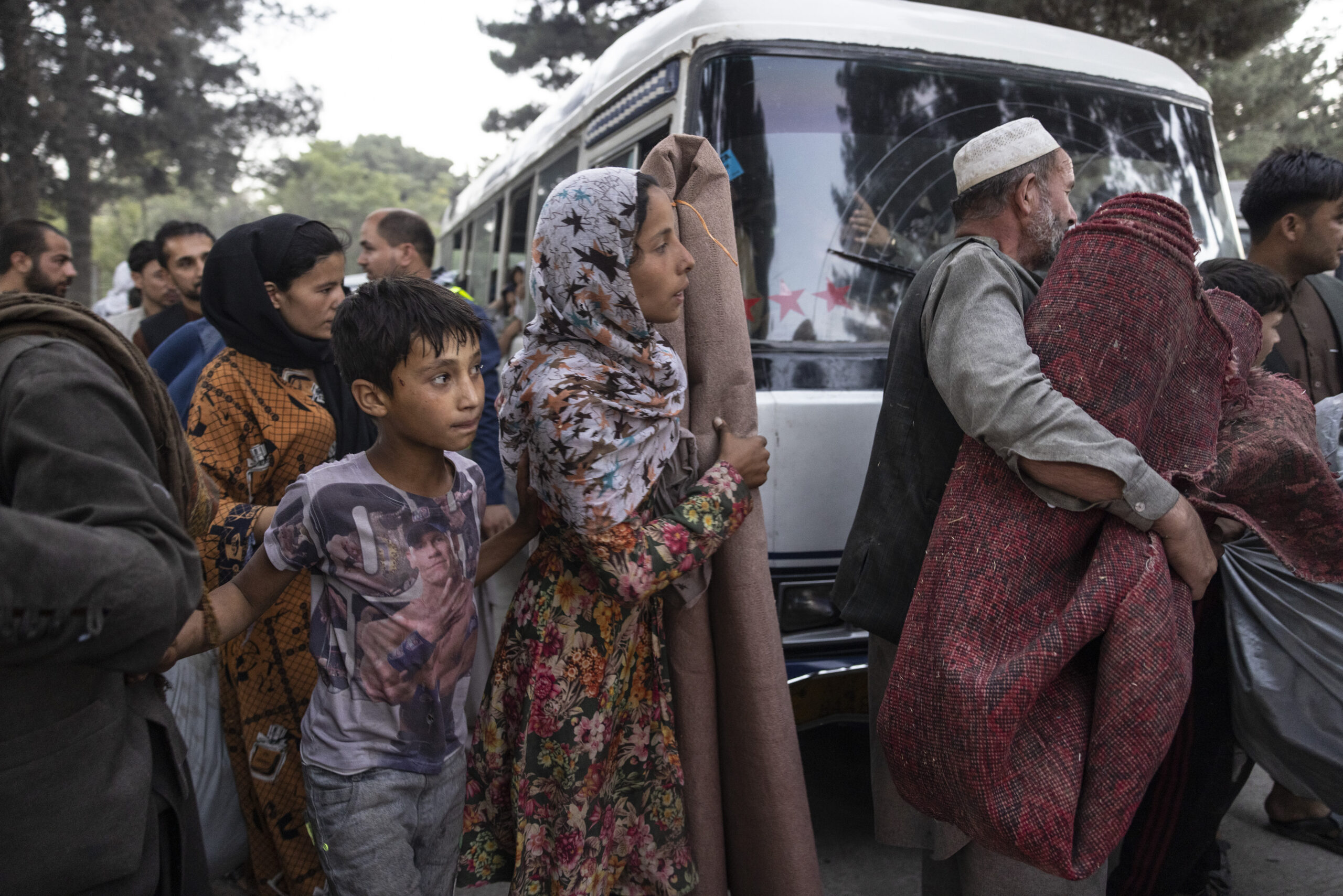
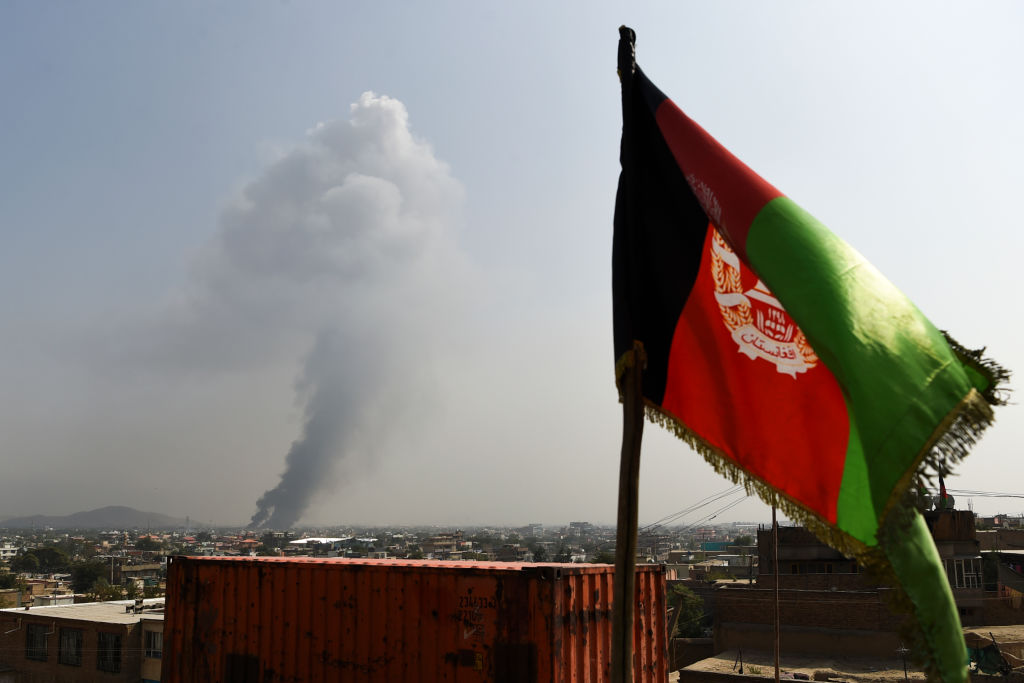
We rarely miss an opportunity to criticize our Gulf Arab partners — sometimes rightly so — for not doing enough to safeguard collective interests. But one must acknowledge that on Afghanistan, and especially our just-completed exit from the country, most of our Gulf Arab partners absolutely shined. They deserve a ton of credit for the role they played in our large, challenging, and deadly evacuation — a role which was nothing short of indispensable.
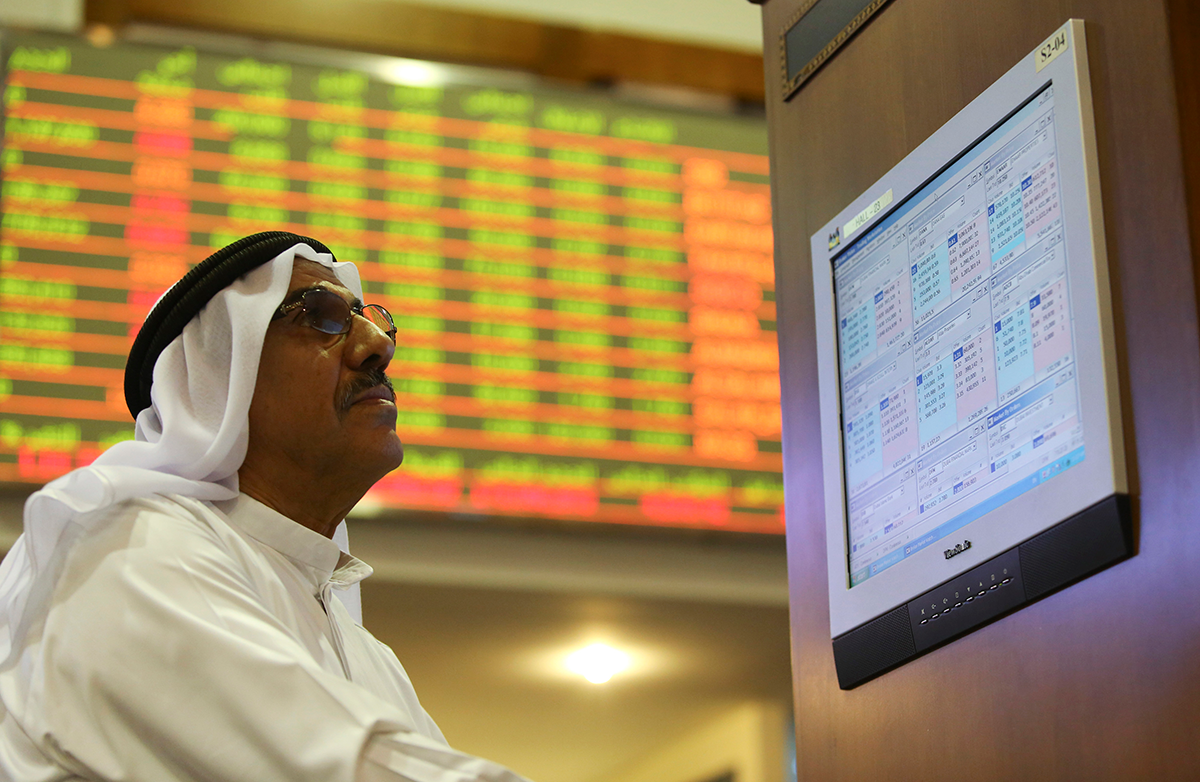
There is a puzzle in the profits of Gulf Cooperation Council (GCC) firms, especially conglomerates. Even as the size of GCC economies has grown considerably in the last two decades, corporate profits have been flat. With a goal of economic diversification to expand private sector business and job opportunities for citizens, the imperative to create an environment for growth is acute for regional governments. Tarek Fadlallah, CEO of Nomura Asset Management Middle East and a member of the Program on Economics and Energy Advisory Council, lays out some of the challenges for Gulf economic diversification and improved corporate profitability.
Southern inclusivity is key to Yemen’s chances for lasting peace
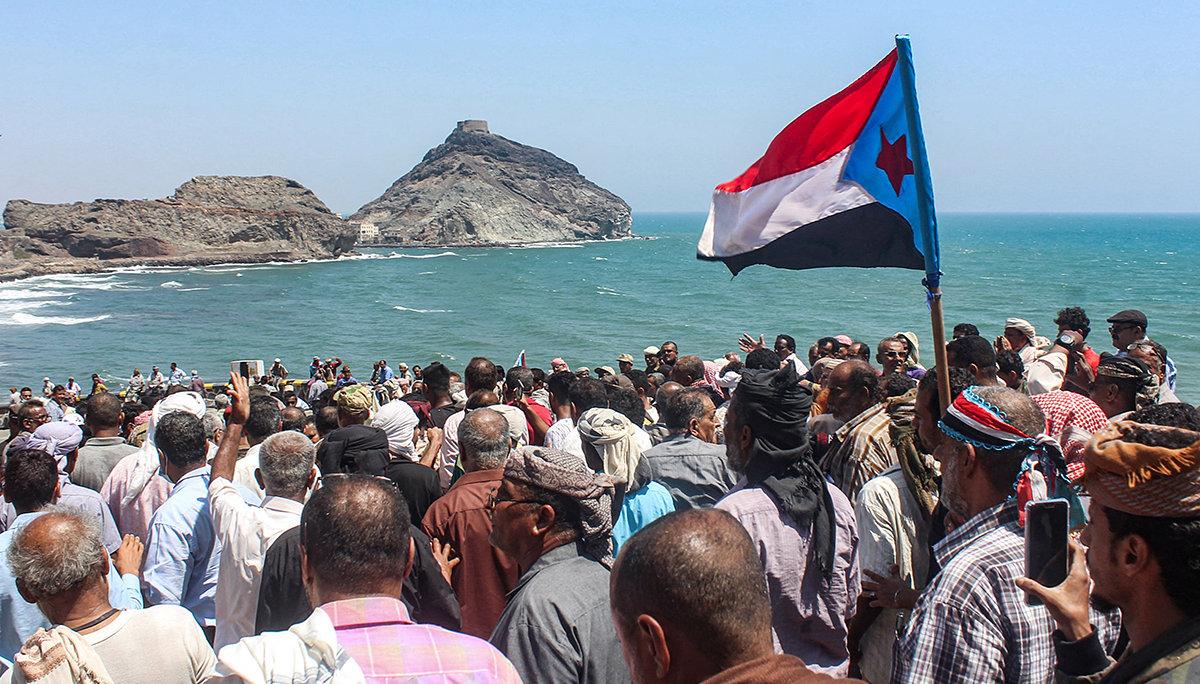
A reinvigorated international approach to Yemen is possible. The current architecture for advancing a negotiated peace is being challenged by both international and local developments. The protracted nature of the conflict, the risk that it could worsen, and local political developments over the past two years necessitate a recalibration of the peace process, informed by realities on the ground, the urgent needs of the population, and the demand for security. Evolving coalition priorities, renewed U.S. engagement, and the appointment of a new U.N. special envoy may be an opportunity to advance conflict resolution. Achieving greater unity among southern actors will be key to the success of national-level talks and is urgently needed to prevent a further descent into violence, extremism, and humanitarian catastrophe.
Sectarianism and ideology: The cases of Iran and Saudi Arabia
Many analysts oversimplify the political conflict between Iran and Saudi Arabia as one driven by sectarianism or Shi’a-Sunni tensions that has shaped the two states’ outlook and actions in the Middle East. However, their political differences are actually much more complex and deeper rooted.
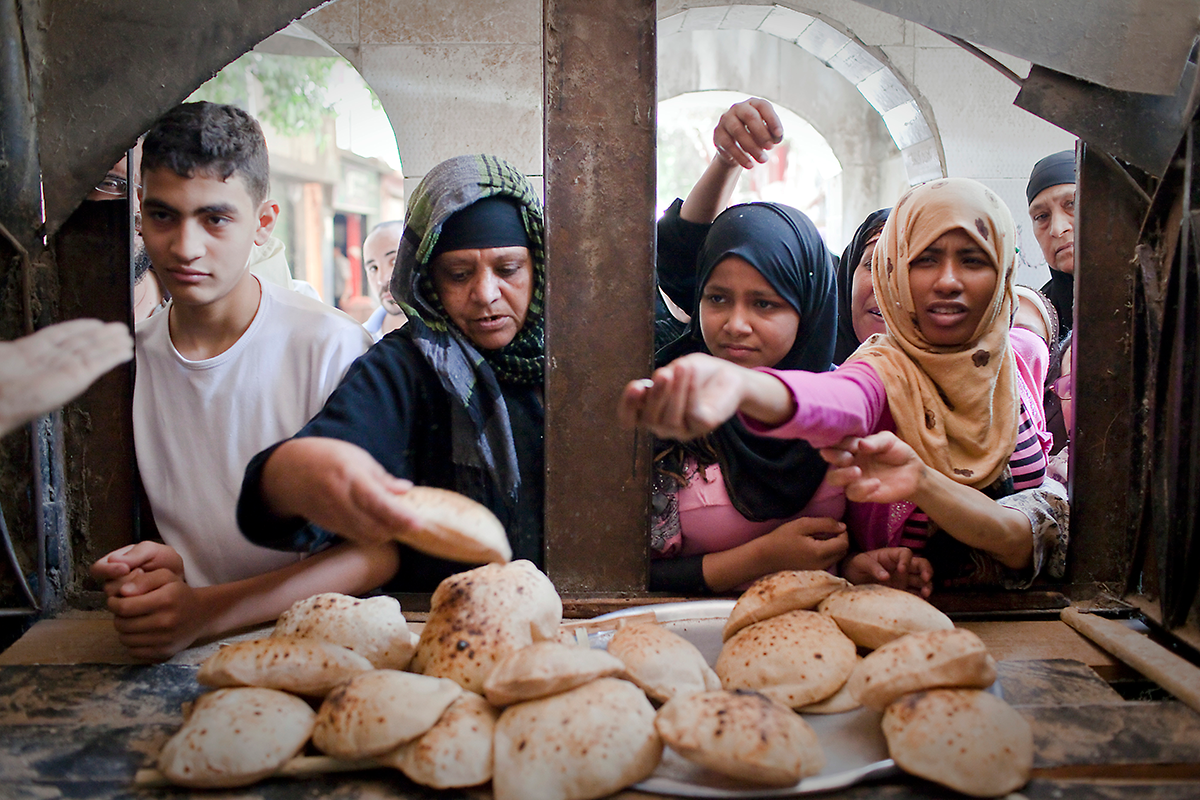
Egypt needs a more inclusive approach to subsidy reform
Speaking at a public event earlier this month, Egyptian President Abdel-Fattah el-Sisi made the surprise announcement that the next step in the country’s economic reform agenda will include the removal of bread subsidies. He becomes the latest in a long line of presidents to target the bread subsidies that provide cheap sustenance to a country of (now) over 100 million people at a huge cost to the state, although none of his predecessors ever successfully managed to remove or significantly reduce them.
إسرائيل ومصر تتصدران توقعات النمو في الشرق الأوسط وشمال إفريقيا: قصة استراتيجيتين متباينتين
الدولتان في الشرق الأوسط اللتان تتمتعان بأعلى توقعات نمو لعام 2022 هما إسرائيل ومصر. وتقدر مؤسسة فيتش سوليوشنز أن الناتج المحلي الإجمالي على مستوى منطقة الشرق الأوسط وشمال إفريقيا سينمو بنسبة 3.6% في عام 2021، بعد انكماش بنسبة 4% في عام 2020. هنا نجد أن مصر وإسرائيل هما الدولتان الوحيدتان في المنطقة اللتان يُتوقع نمو اقتصادهما بما يتجاوز حجم مستويات ما قبل كوفيد-19.
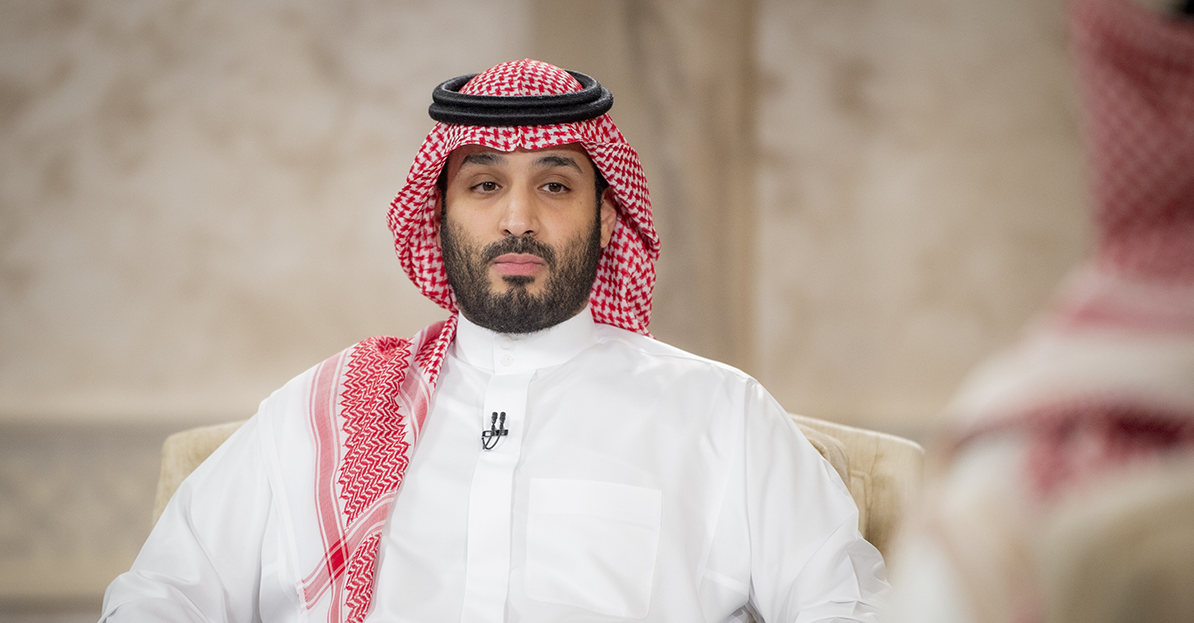
At the dawn of the Biden era of American foreign policy, a more mature, realistic Saudi foreign policy is emerging to match the shifting signals from Washington. In some measure, the Saudis are readopting elements that traditionally characterized their policy preferences before the meteoric rise of Crown Prince Mohammed bin Salman (MbS), the kingdom’s de facto ruler.
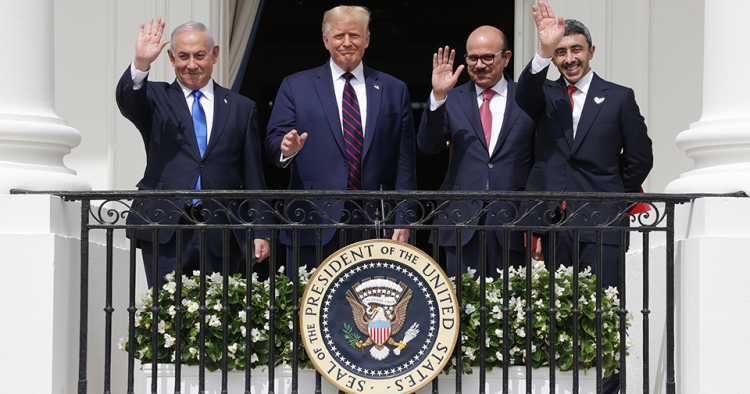
On Sept. 15, 2020, Emirati Foreign Minister Abdullah bin Zayed al-Nahyan, Bahraini Foreign Minister Abdullatif bin Rashid al-Zayani, then-Israeli Prime Minister Benjamin Netanyahu, and then-U.S. President Donald Trump met on the South Lawn of the White House to sign the Abraham Accords, normalizing relations between the two Gulf Arab states and Israel. Morocco followed suit several months later, signing a similar agreement with Israel on Dec. 22, and a week and a half after that, on Jan. 6, 2021, Sudan and Israel also agreed to normalize relations. A year on, these accords have had a significant, if not yet fully realized, impact on the Middle East, affecting everything from geopolitics and economics to tourism and people-to-people (P2P) ties, and they also reflect the changing dynamics in the region and beyond, particularly with the U.S. and China.