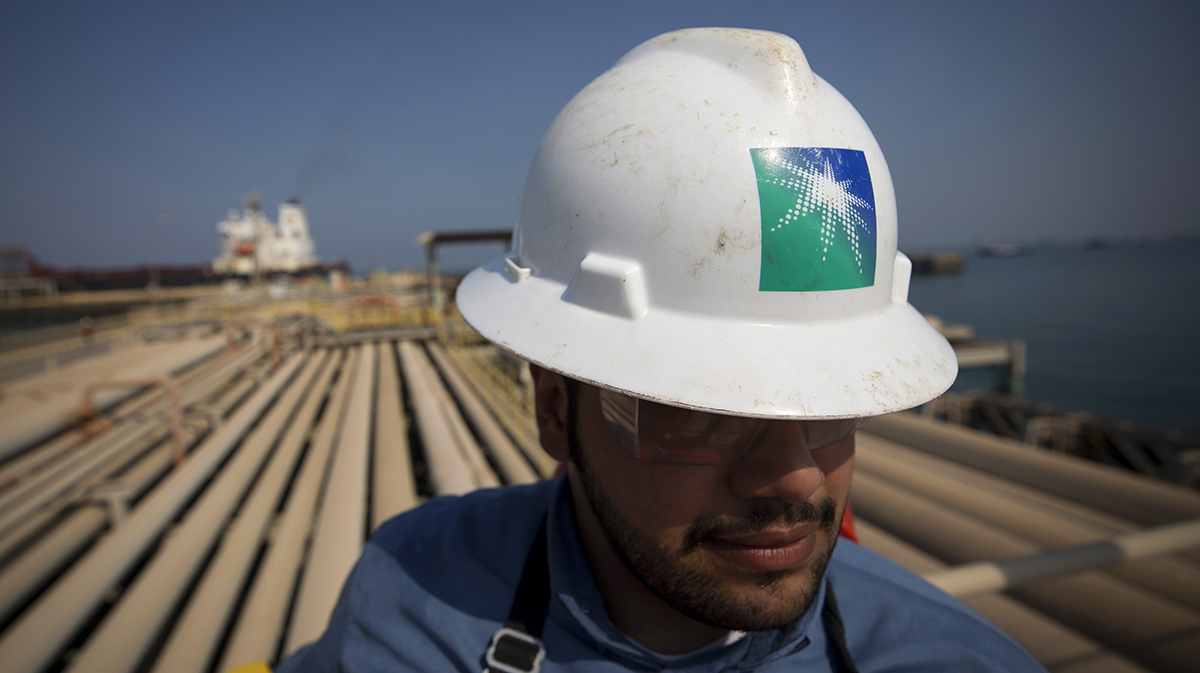
Industry analysts widely agree that OPEC+ production levels are currently well below the members’ authorized quotas and that any production increases will mainly be met by Saudi Arabia and the UAE. The challenges facing the group are daunting, but if met, seven major OPEC countries could feasibly raise crude oil production while utilizing existing infrastructure, significantly narrowing the global demand-supply gap.
Mid-term election success will tempt the American president to go for quick wins, but he must enter into talks with an eye on the global demand for energy
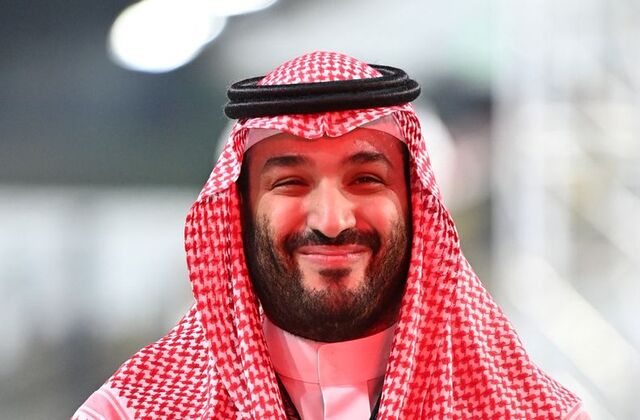
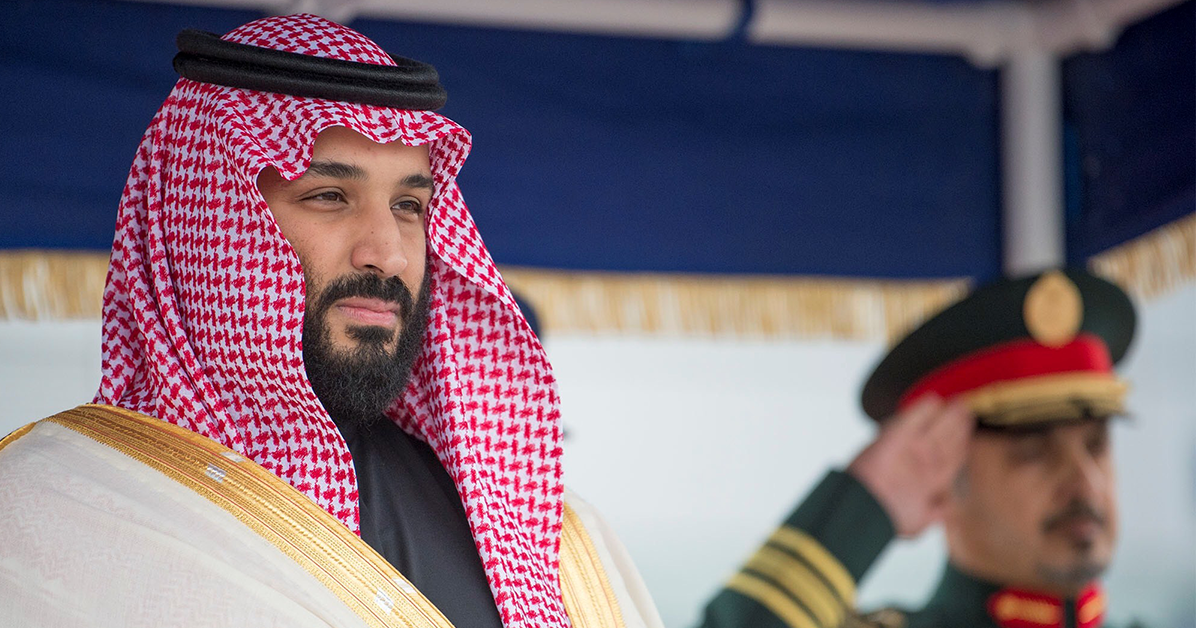
When gaming out the country’s likely political trajectory, most fellow Saudi watchers I know agree that the likelihood of the kingdom imploding is slight, but were that to come to pass, the consequences for the U.S. and the rest of the world would be enormous. Yet Saudi Arabia has managed to negotiate several turbulent events in its recent history with a rather remarkable lack of destabilization. And it’s most likely to continue along that trend, even in the face of what could be more storms to come.
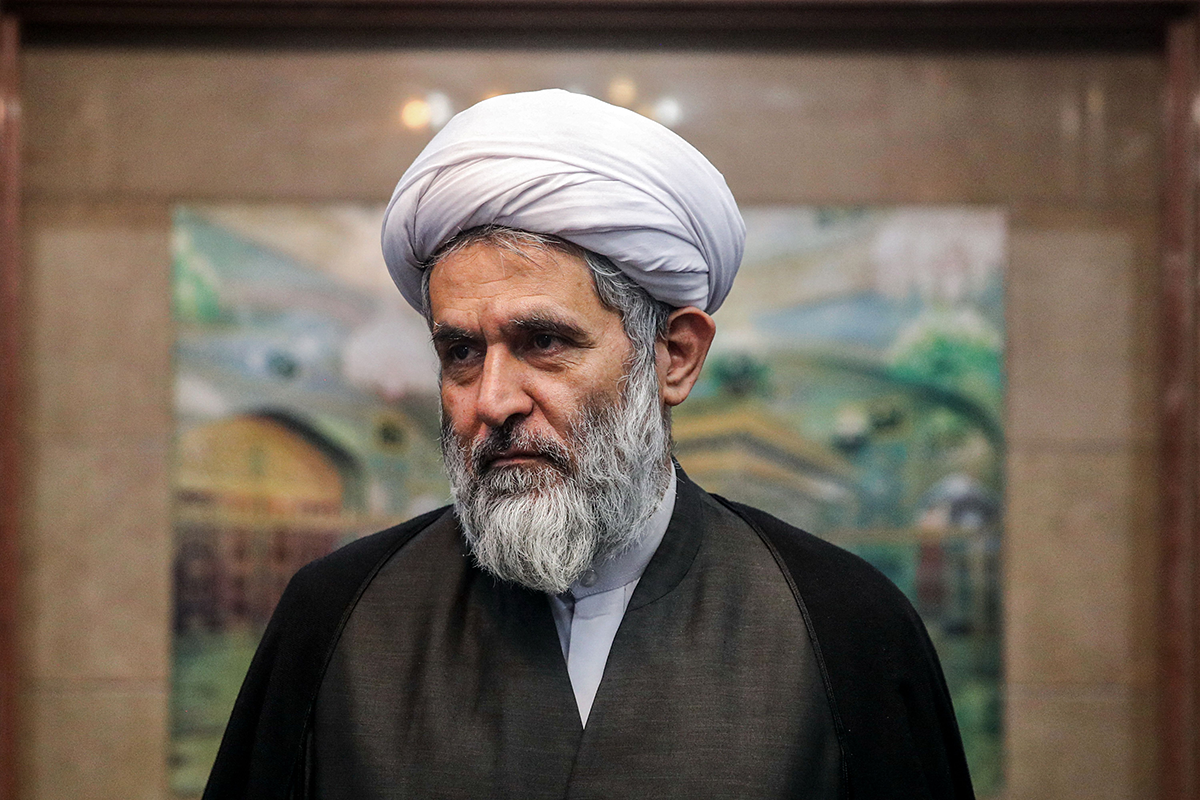
The departure of Hossein Taeb from his post as the head of Iran’s Islamic Revolutionary Guard Corps’ Intelligence Organization triggered a wave of reshuffling in the command structure of the guardsmen. But the story is more than just a reaction to Iran’s unsuccessful terrorist targeting of Israelis in Turkey and counterintelligence lapses. There are internal power struggles and a natural maturation of the Islamic Republic’s security structure that also likely figured into the decision to remove Taeb.
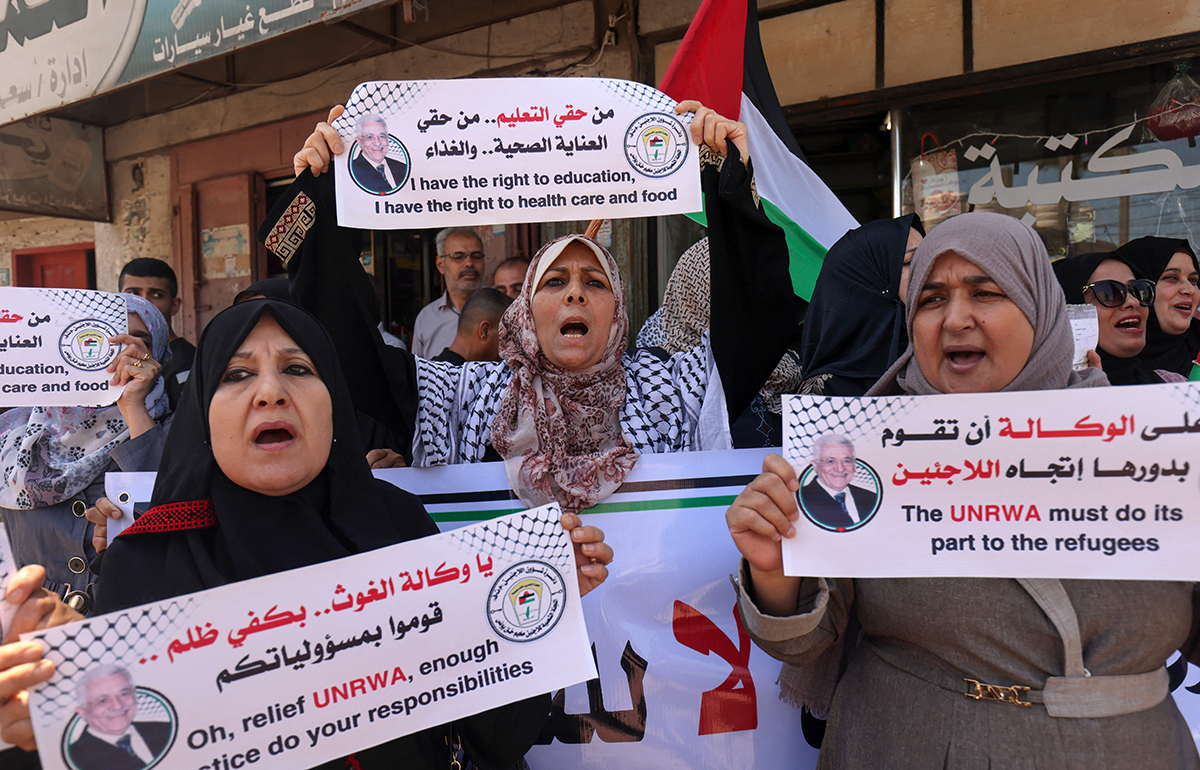
Fearing a collapse: Palestinian refugees and UNRWA’s worsening financial crisis
In early June 2022, the Advisory Commission of the United Nations Relief and Works Agency for Palestinian Refugees in the Near East met in Beirut. Facing a $100 million budget deficit and the indifference of donor countries, UNRWA’s future is uncertain.
حزب الله الحجاز: جماعة شيعية سعودية يكتنفها الغموض
تهدف هذه الورقة البحثية إلى مقاربة النفوذ الإيراني داخل المجتمع الشيعي في السعودية من خلال التركيز على أتباع مرجعية المرشد الأعلى والمعروفين بـ “خط الإمام” والجناح العسكري المنسوب للتيار والمعروف دوليًا بـ “حزب الله الحجاز” أو “حزب الله السعودي” والذي تتوجه له أصابع الاتهام بتنفيذ تفجير الخبر ١٩٩٦.
Hezbollah Al-Hejaz: A Saudi Shi’a Group Cloaked in Mystery
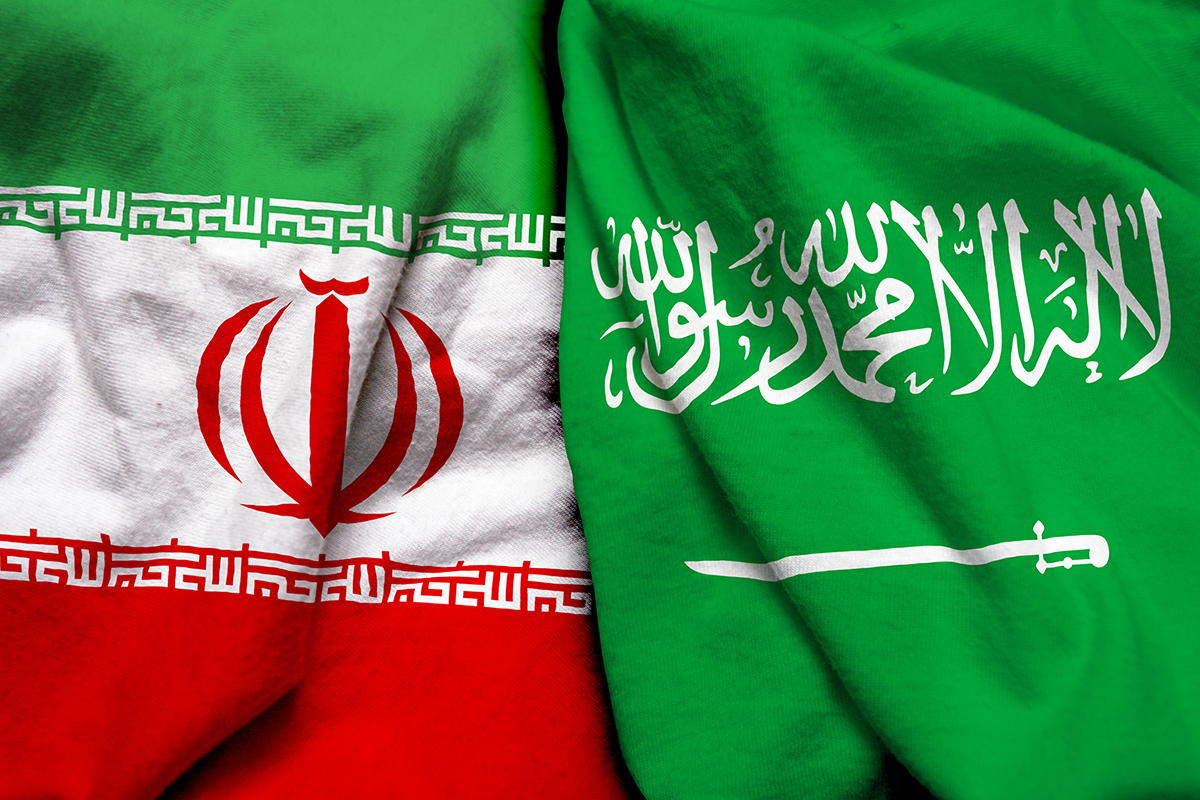
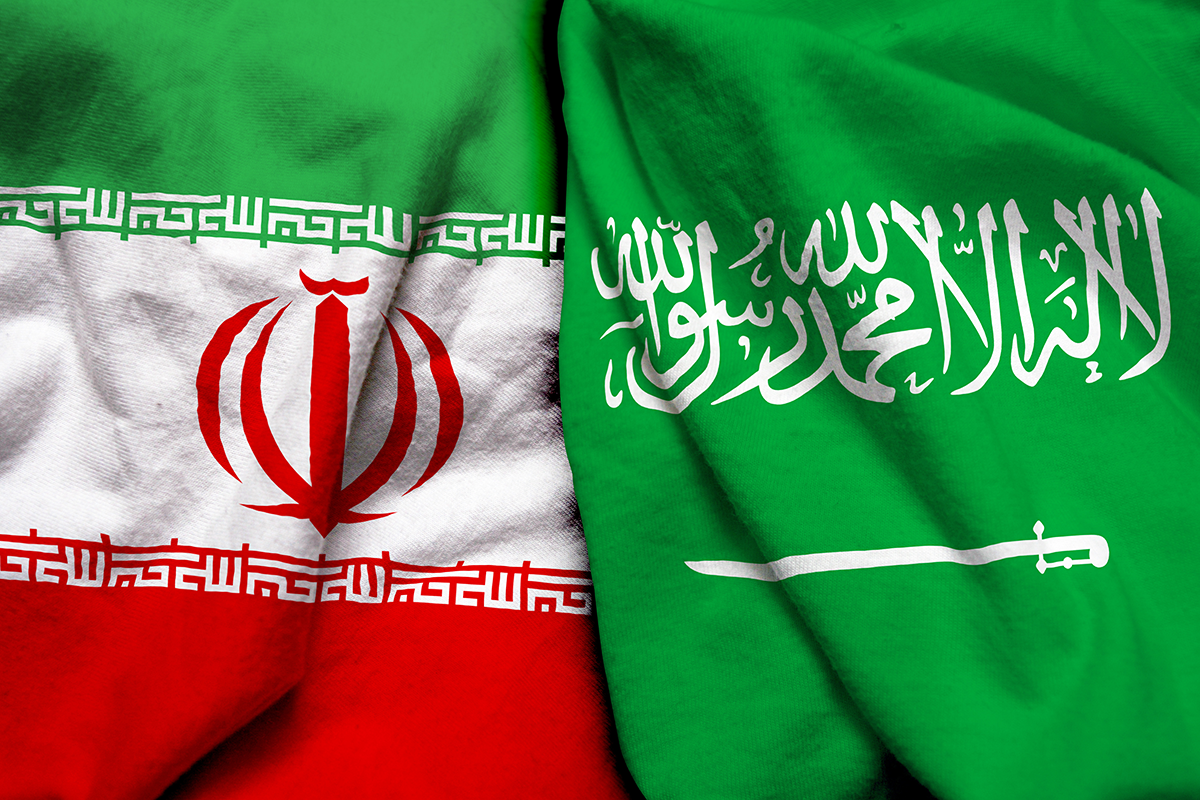
Since the 1979 Islamic Revolution in Iran, Saudi Arabia has been concerned about the potential influence of Iran’s supreme leader among its Shi’a population, especially since Ayatollah Sayyid Ali Khamenei took on the title of Vali-ye faqih, or “guardian-jurist.” Such concern is understandable given that the two countries are both neighbors and rivals: Khamenei is a marj’a, the highest-ranking Shi’a religious authority, but he is also the commander-in-chief of the Iranian Armed Forces. This paper aims to investigate the Iranian influence within the Shi’a community in Saudi Arabia by focusing on the followers of the supreme leader’s marj’aiyyah, known as “Khat al-Imam,” and its military wing, “Hezbollah Al-Hejaz,” often held responsible for carrying out the 1996 Khobar Towers bombing.
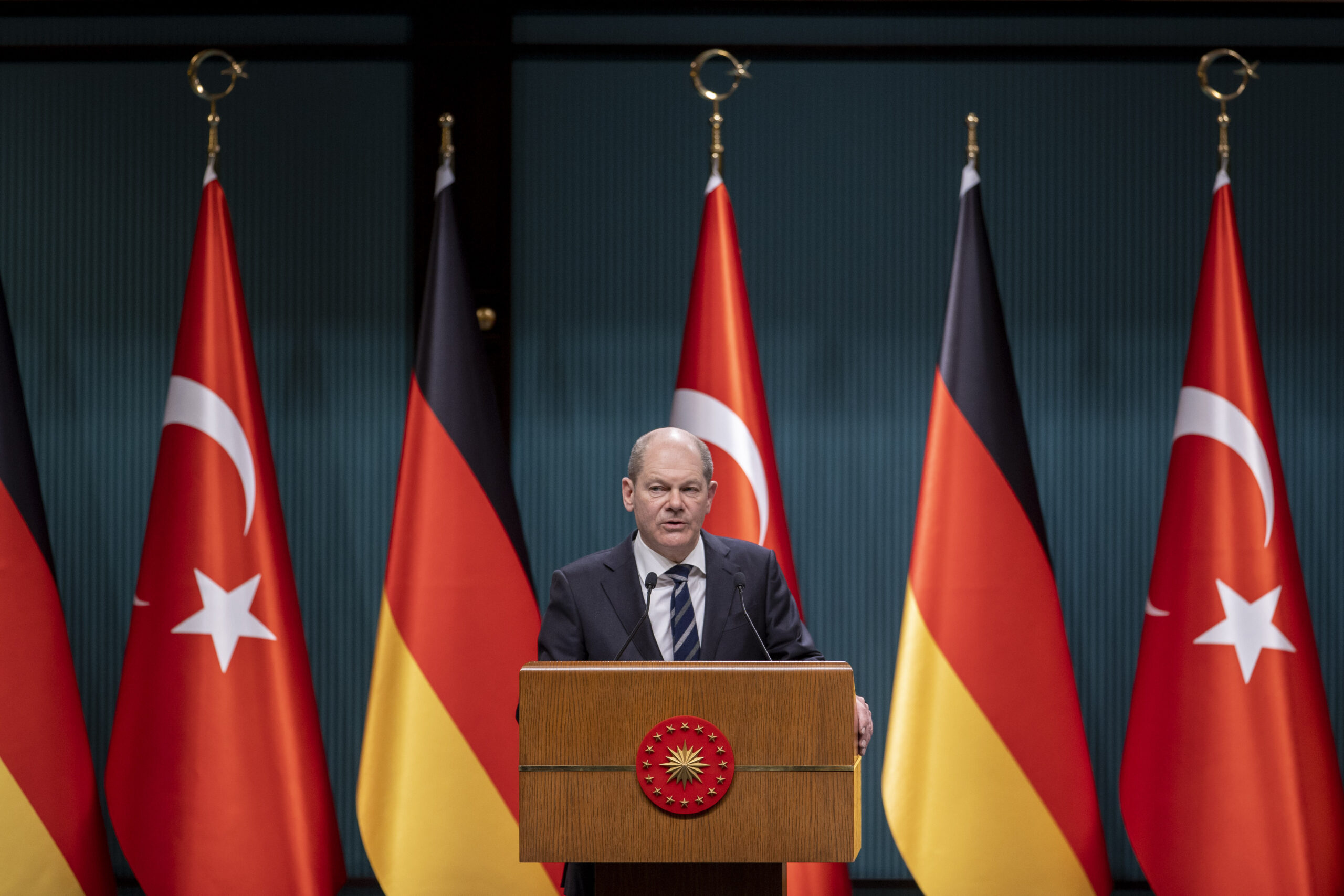
Staying the course … for now: Germany’s MENA policy under the Scholz government
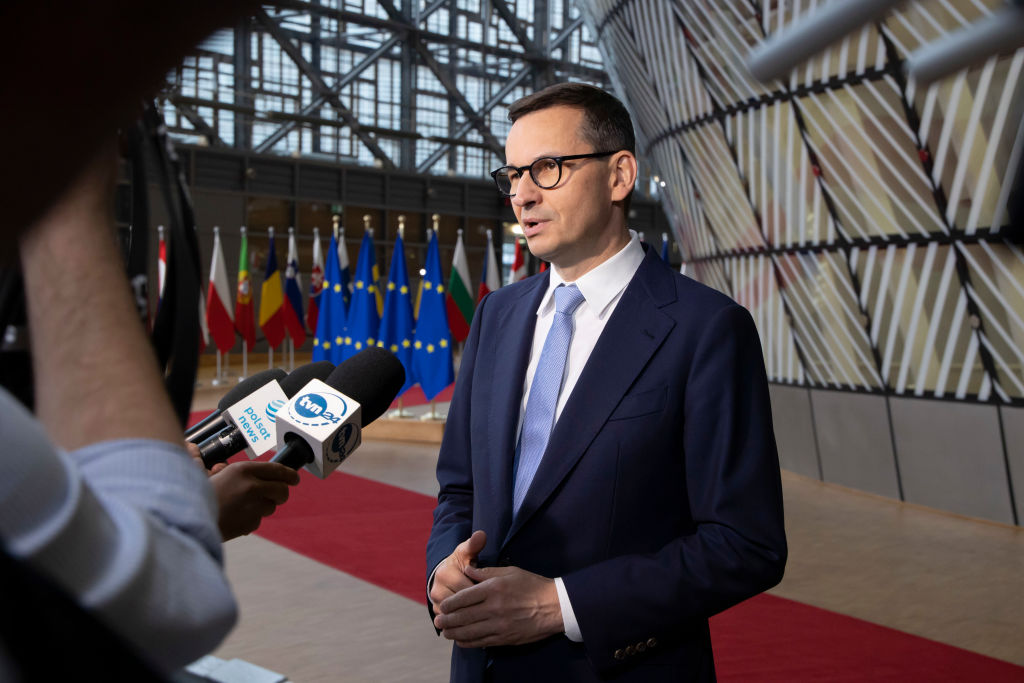
After 16 years under Angela Merkel, Olaf Scholz’s assumption of Germany’s chancellorship on Dec. 8, 2021 marked a new chapter in the nation’s politics. Within the “traffic light” coalition government formed by the Social Democrats, the Free Democratic Party, and the Greens, Annalena Baerbock heads the Ministry of Foreign Affairs. Before taking office, the co-leader of Alliance 90/The Greens was known for both her welcoming attitude toward immigrants and her full-throated condemnation of human rights violations by authoritarian governments. The Middle East and North Africa (MENA) region has no shortage of the latter: According to the Economist Intelligence Unit’s Democracy Index, 17 out of the 20 countries in the region are “authoritarian” and not one is characterized as a “full democracy.” Beyond human rights, other key MENA policy issues for the new government include Iran, Turkey, ongoing conflicts in the region, and immigration. The challenges are numerous, if well-known, but how will Berlin respond? Is Germany’s policy toward MENA likely to change or remain the same under the new government?
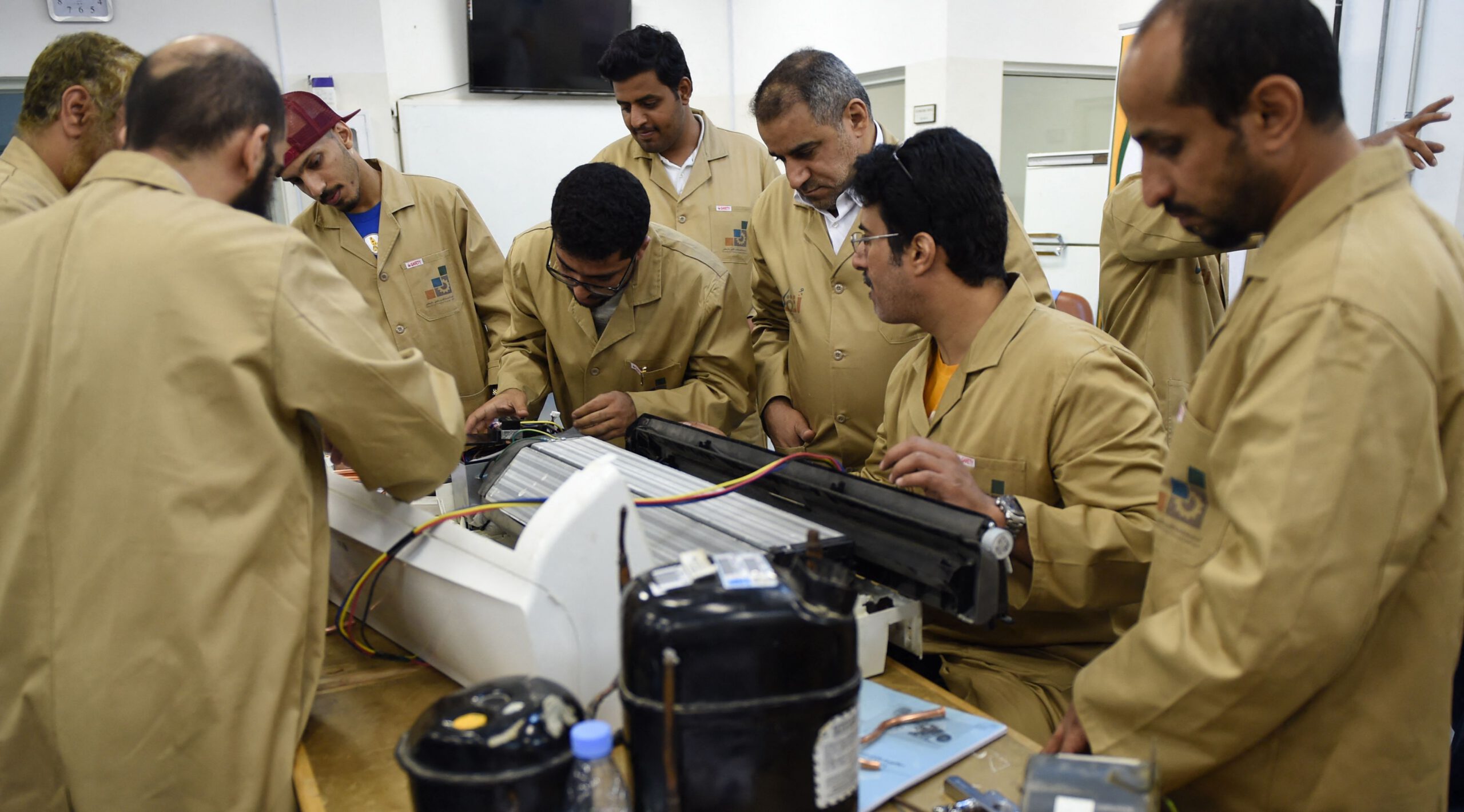
Bridging the Cost Gap: Three Labor Policies to Close the Wage Gap Between Saudi and Foreign Labor
Since the launch of Vision 2030 six years ago, Saudi Arabia has made considerable progress in reducing the labor-cost gap between national and foreign workers in the private sector. While the total unemployment rate has declined recently among nationals, it remains high at 11%. Drawing on evidence from Bahrain’s experience with labor market reform, this can be significantly reduced through policies designed to bridge the cost gap between citizens and foreign labor in the private sector.
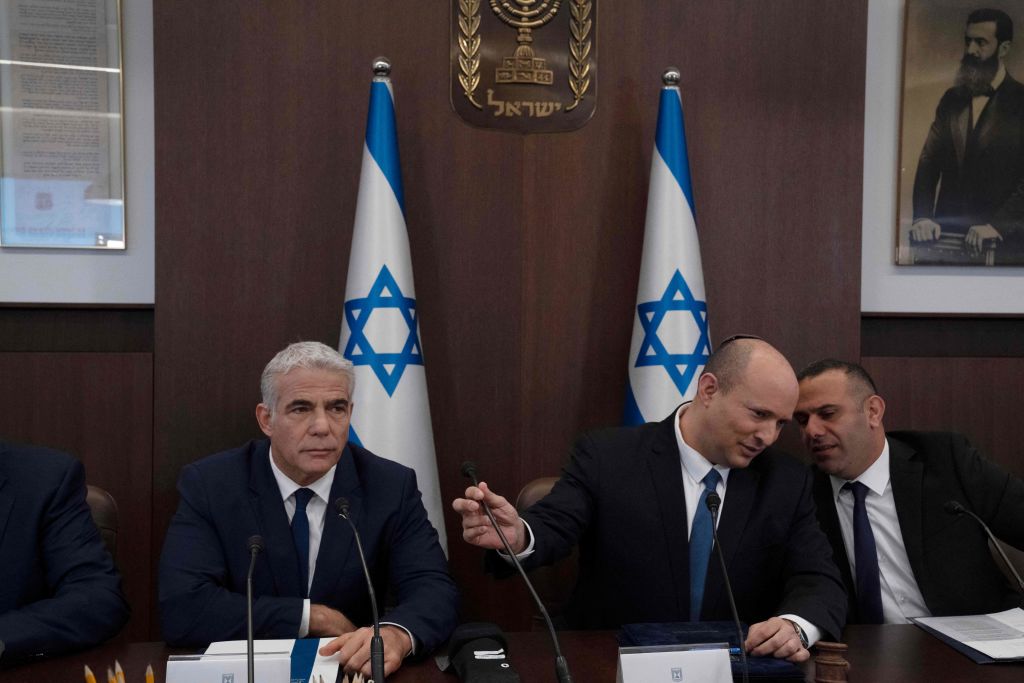
Another blow for the unsteady Israeli coalition government
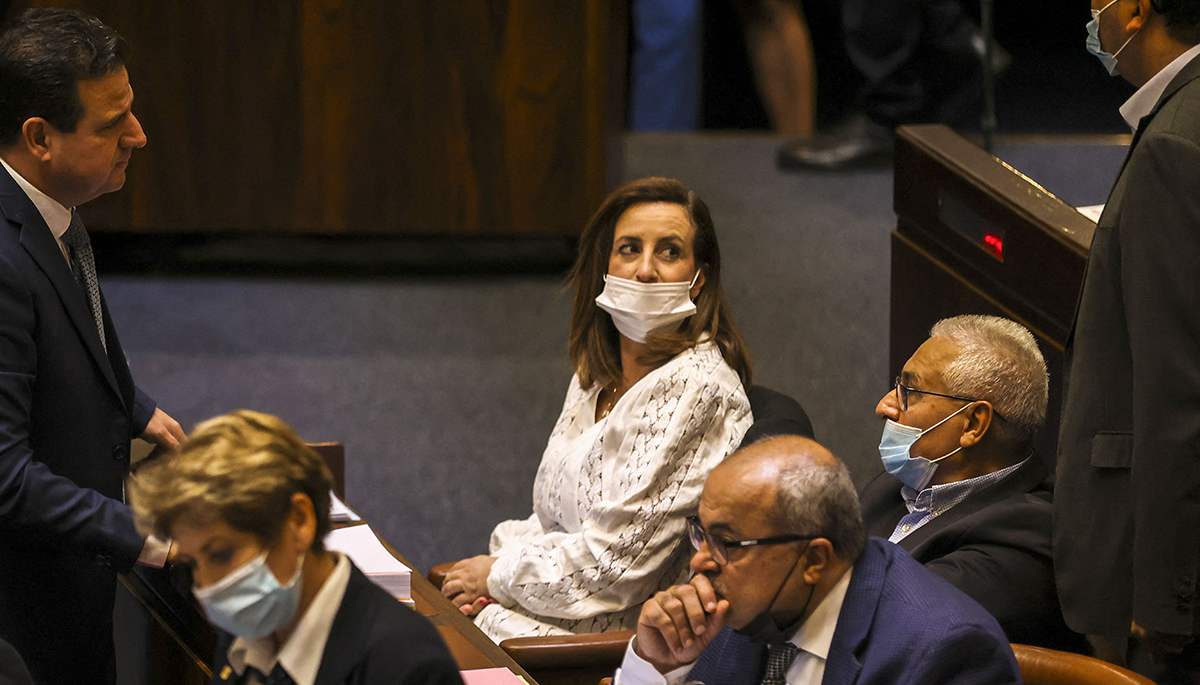
On June 6 Israel’s coalition government lost an important vote, in which more than half of the Knesset members on both sides voted against their own most fundamental beliefs in a desperate effort to either bring down the coalition or to save it. The substance of the legislation was barely more than a pretext, but the opposition smelled blood and was willing to do virtually anything to regain power.
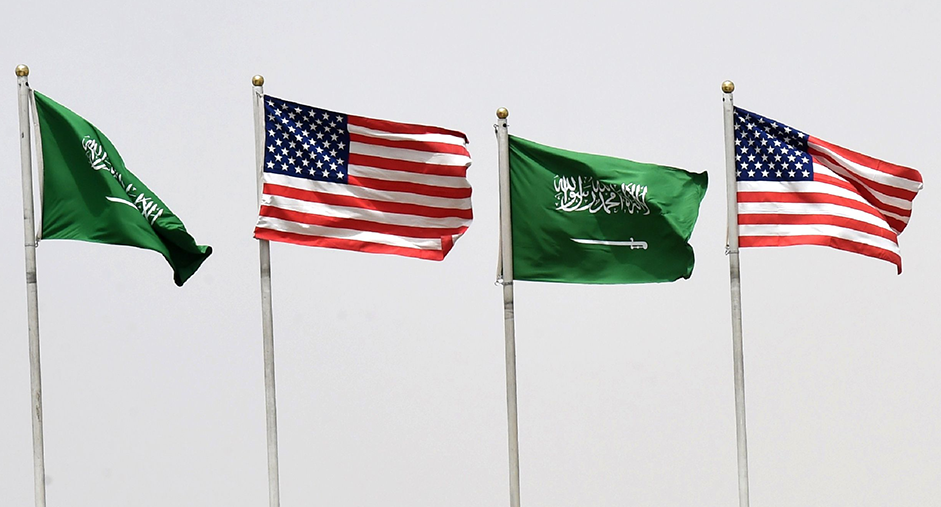
Partnering is a practical necessity for both countries but need not come at the cost of abandoning core values. The U.S. continues to exercise significant leverage and its own interests are better served globally by demonstrating credibility in what it stands for and reliability in its commitments. The U.S.-Saudi relationship has ample room to bend before it risks breaking.
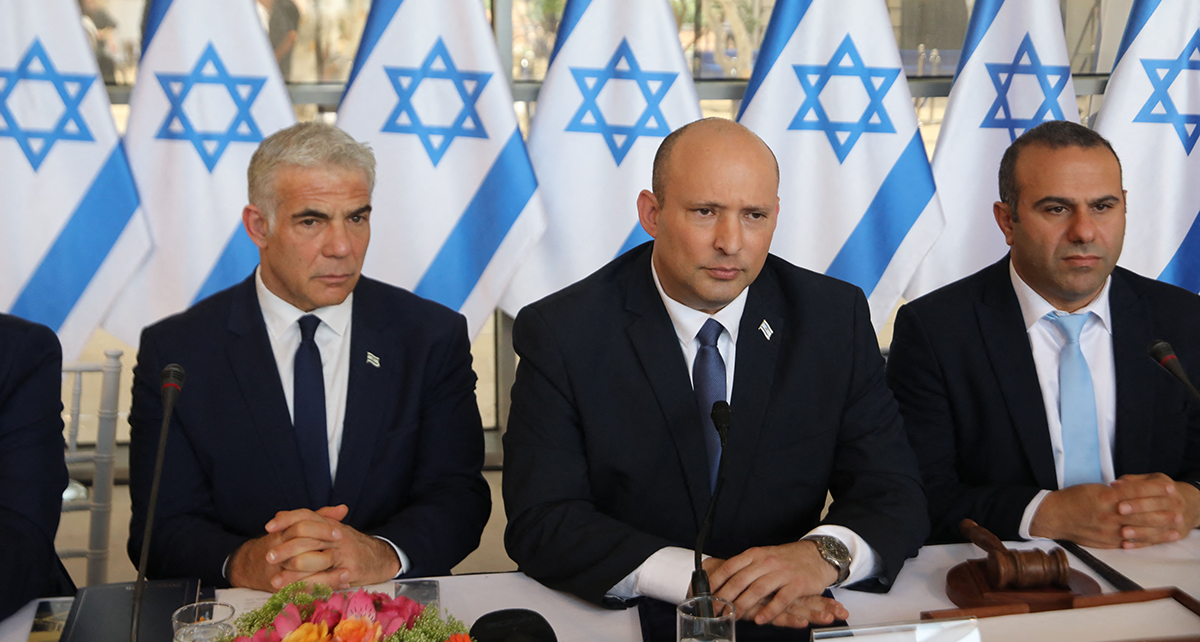
A false alarm or a wake-up call for Israel’s fragile coalition?
On May 19, Ghaida Rinawi Zoabi, one of Meretz’s two Arab Knesset members, announced she was leaving the governing coalition and her party. On May 22, however, it was announced that she had rejoined both. What happened and what does it tell us about the state of Israel’s fragile coalition government?