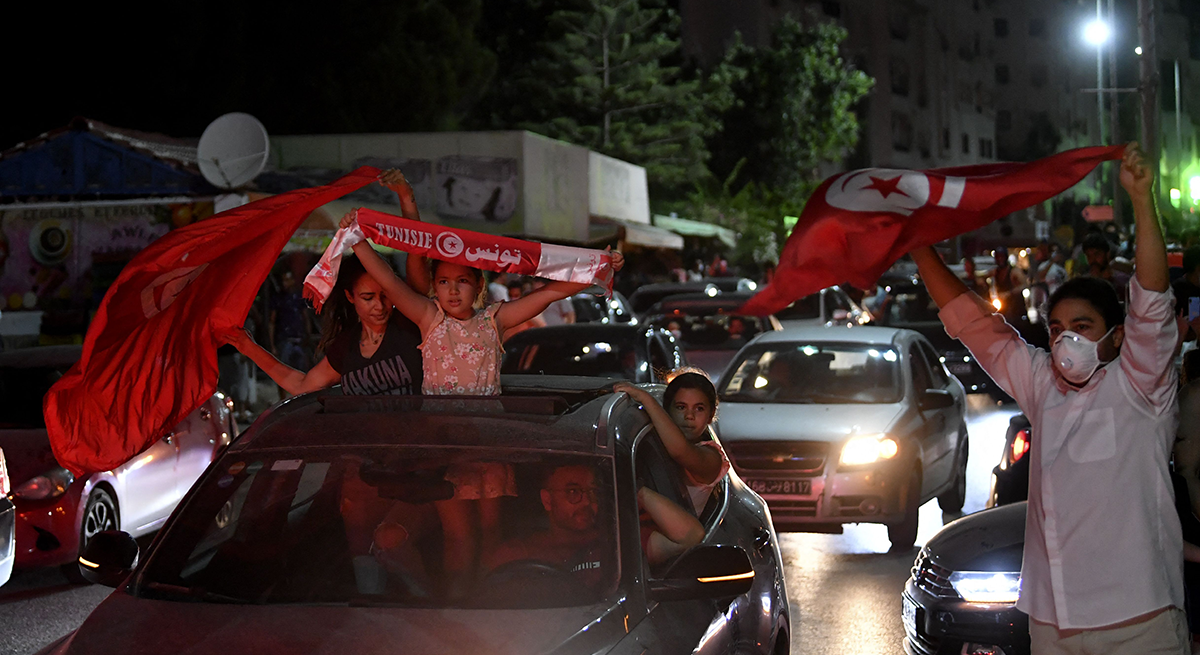
لماذا يحتفل الكثير من التونسيين بقرار الرئيس سعيّد
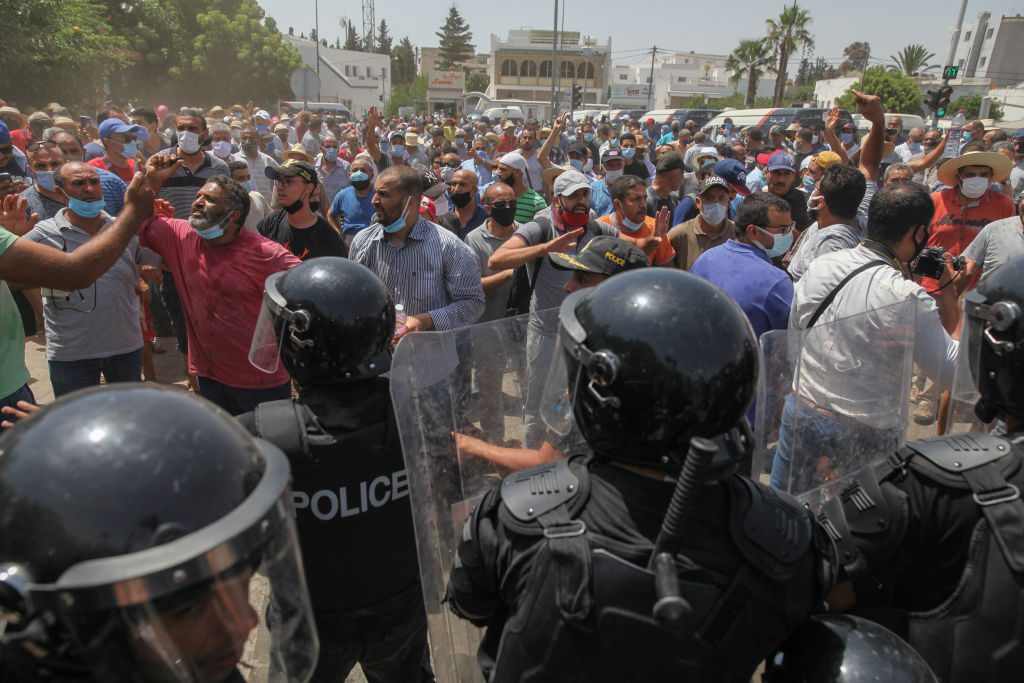
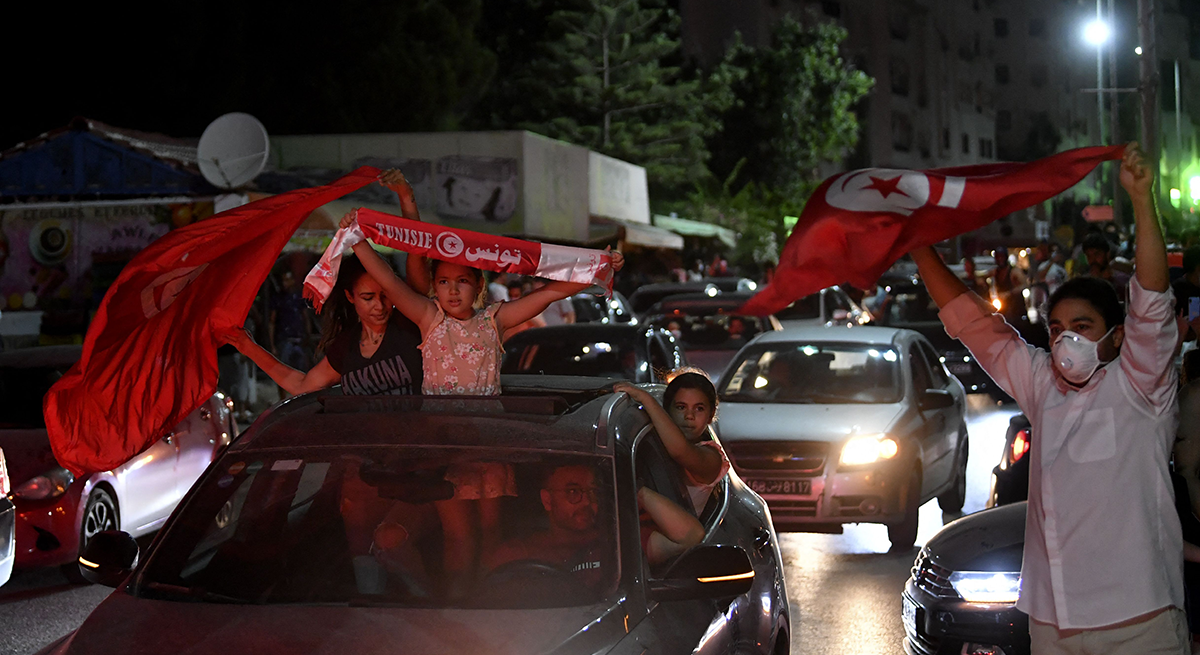
سارع خصوم الرئيس التونسي قيس سعيّد والمعلقون الدوليون الأكثر دراية بمصر إلى إدانة ما وصفوه بـ “الانقلاب”. هنا، إلى جانب الحاجة إلى تقييم الوضع التونسي وفقًا لطبيعته الخاصة، قد يكون من المفيد تنحية التصنيفات القانونية وتلك المرتبطة بالعلوم السياسية جانبًا في الوقت الحالي والتفكر بدلًا من ذلك في سبب احتفال الكثيرين في تونس بقرارات الرئيس الأخيرة.
Why many Tunisians are celebrating President Saied’s decision
Tunisian President Kais Saied’s opponents and international commentators more familiar with Egypt have been quick to condemn what they are calling a “coup.” In addition to the need to assess the Tunisian situation on its own unique terms, it may be useful to set aside legalistic and political science taxonomy for the moment and consider instead why many in Tunisia have celebrated the president’s recent decisions.
After Afghanistan: Western militaries and the rise of new strategic threats
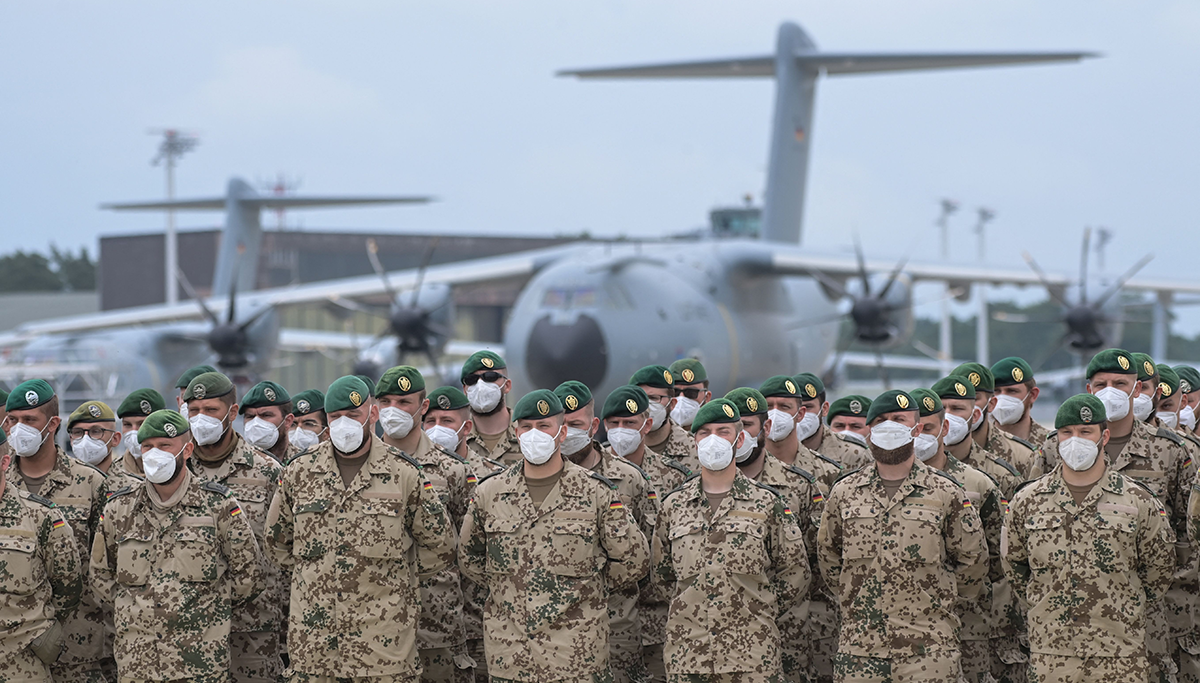
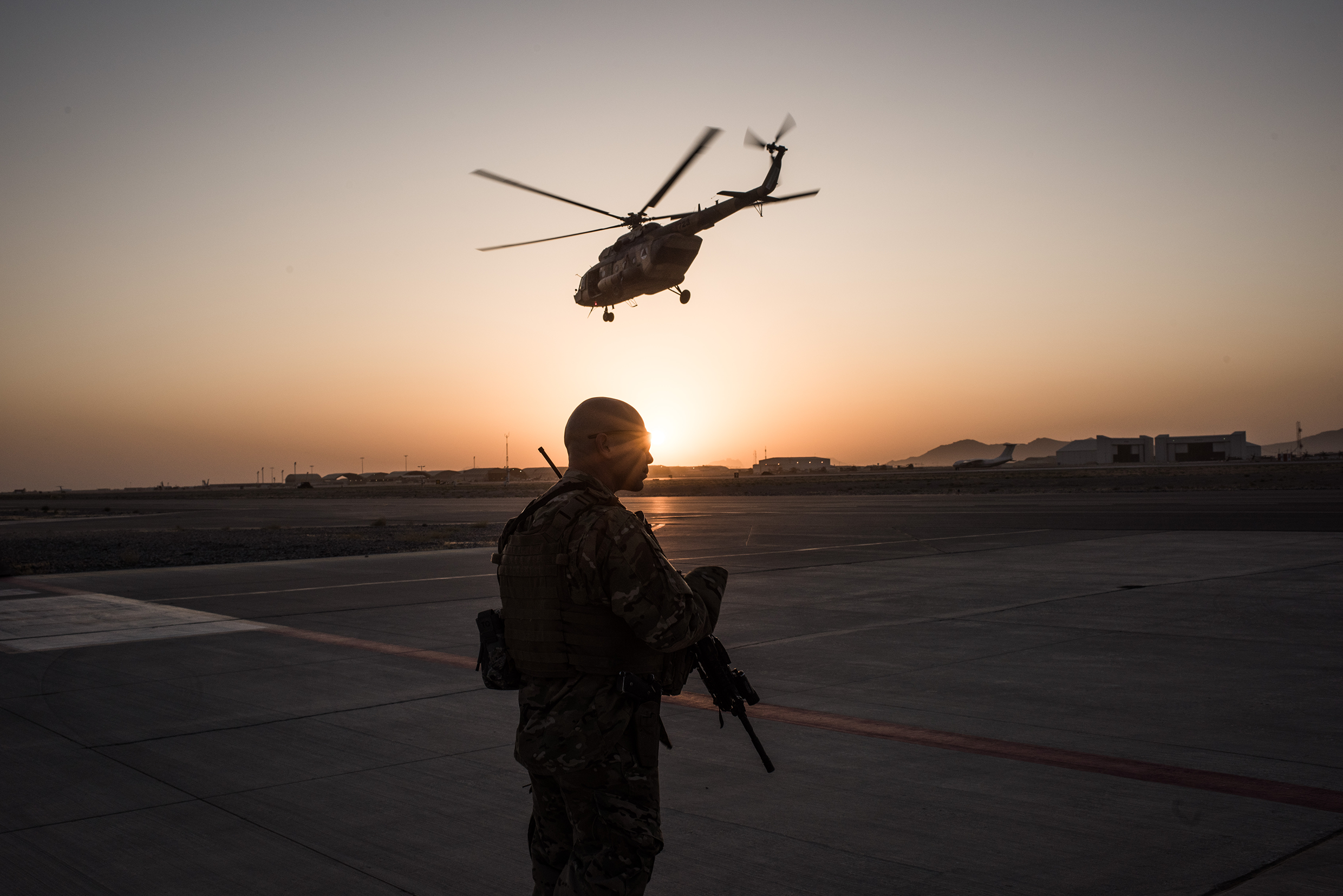
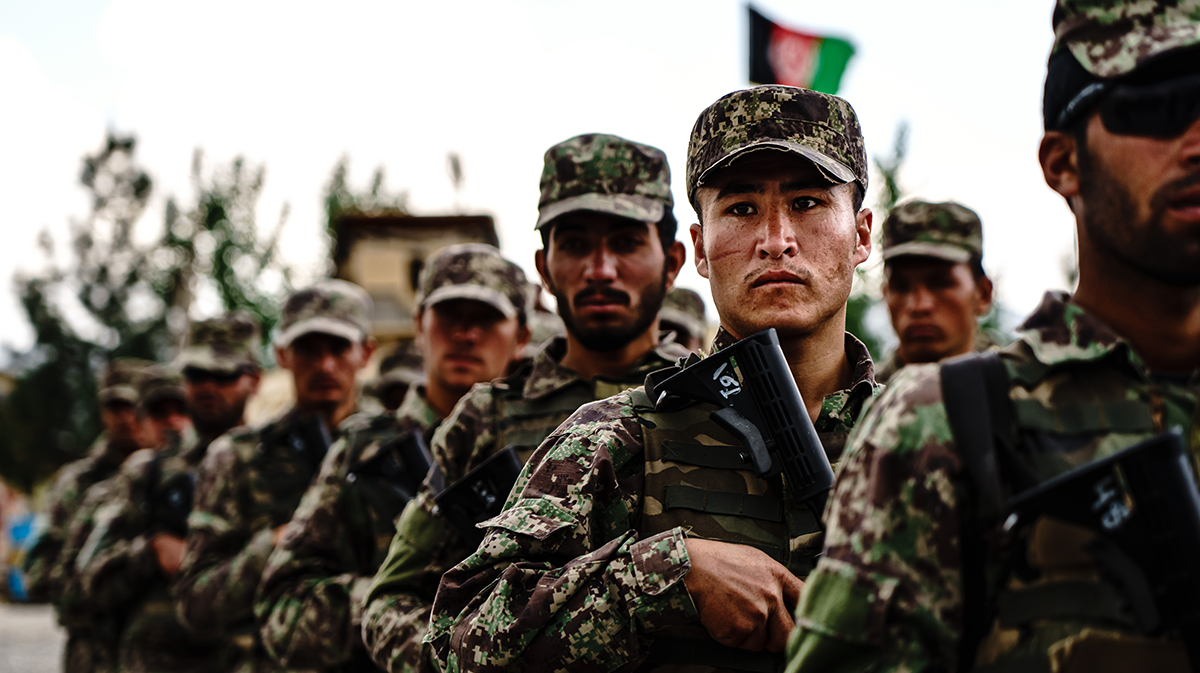
The withdrawal from Afghanistan marks the end of a historic chapter. It involves more than just the conclusion of a drawn-out international military engagement in Afghanistan. Rather, it signals the end of a decades-long phase in which Western militaries placed the broader Middle East and the fight against international terrorism at the center of their strategic attention. With competition between the great powers on the rise, Western militaries have realized their current vulnerabilities vis-à-vis near-peer competitors and the need to shift gears.
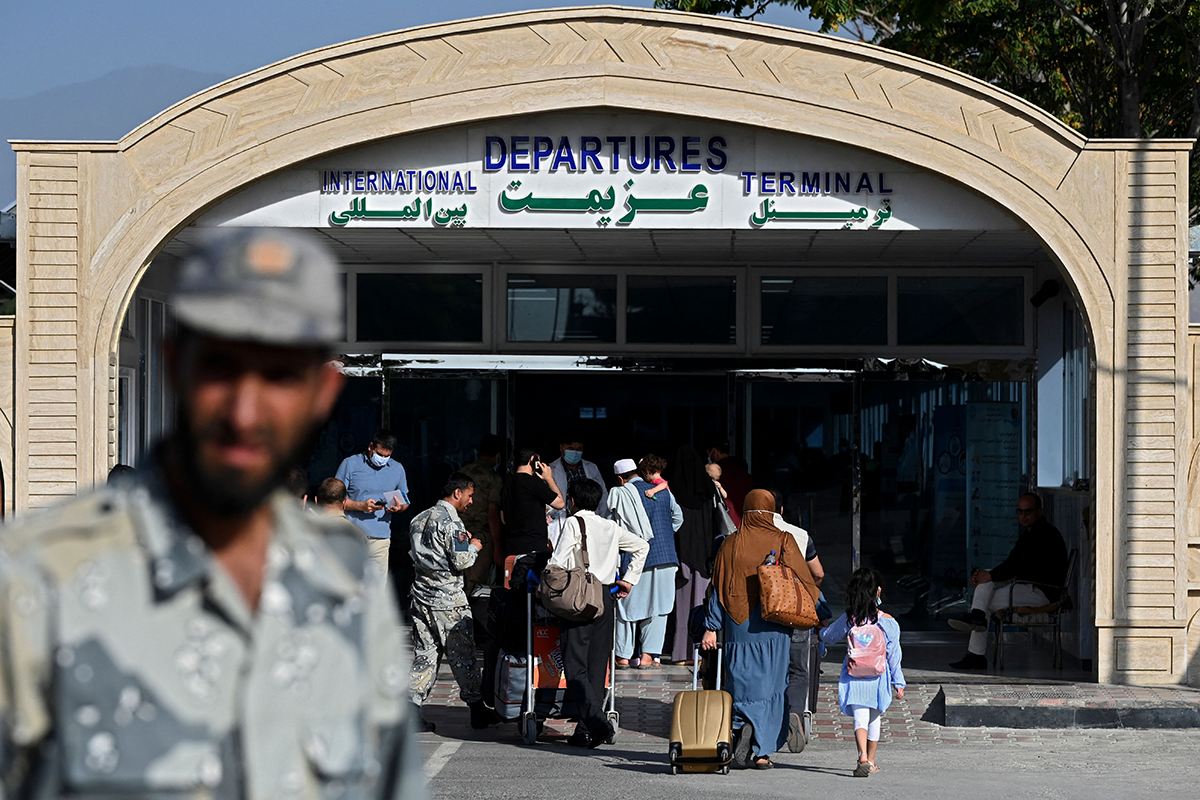
In a politically significant statement, Turkish President Recep Tayyip Erdoğan has asked the Afghan Taliban to “end the occupation of their brothers’ soil.” This follows a Taliban warning of severe consequences if Turkey were to remain in charge of security at Kabul Airport after the exit of American troops. Erdoğan’s message is likely to be interpreted differently by different stakeholders in the unfolding Afghan tragedy, a situation characterized by escalating violence, political uncertainty, and regional chaos.
Marvin Weinbaum, Husain Haqqani, and Mick Mulroy join host Alistair Taylor to discuss the future of Afghanistan following the imminent US military withdrawal.
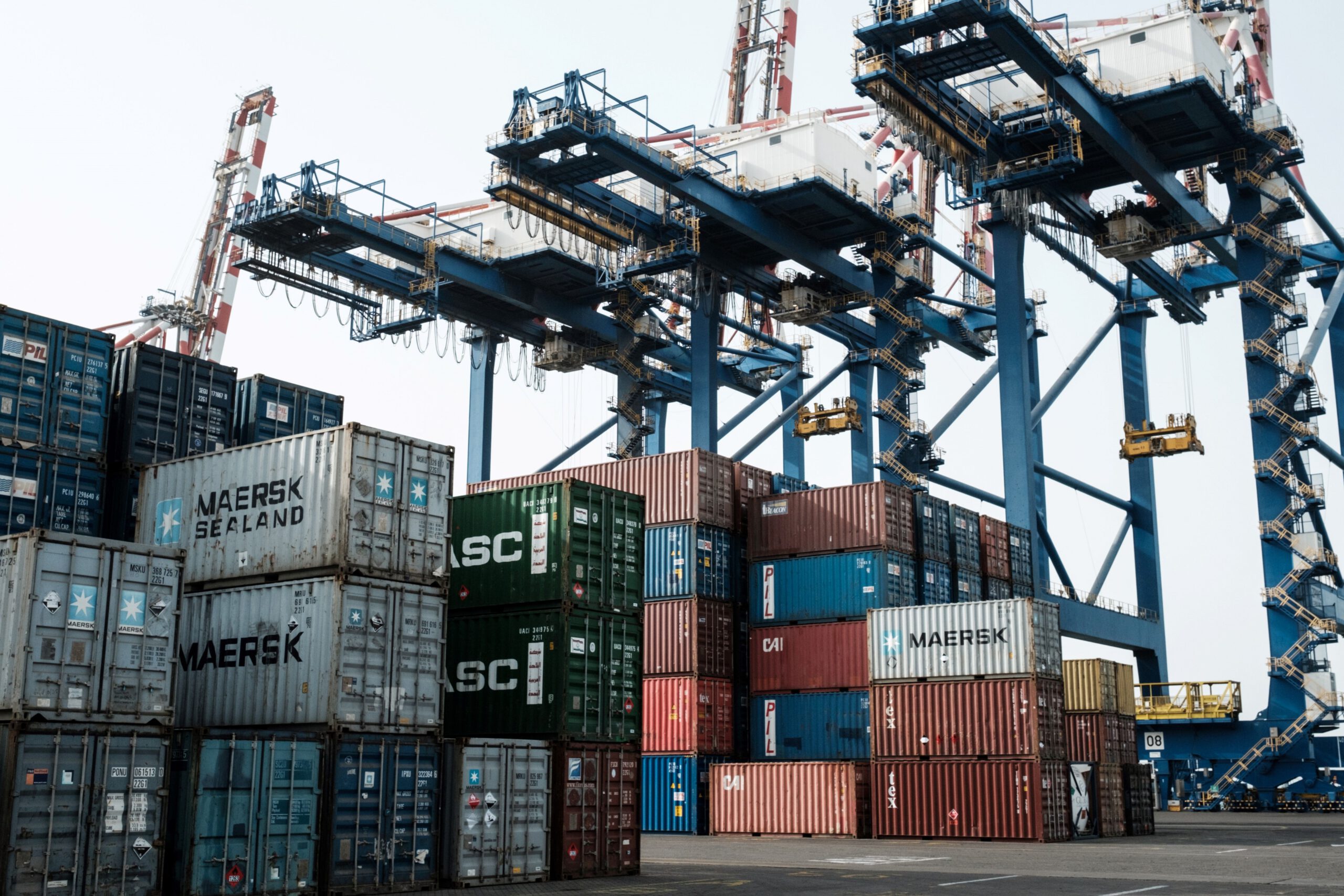
Although it is home to the Horn of Africa’s main transshipment hub, a host of foreign military bases, and a booming local service sector, Djibouti faces a number of major economic challenges, including new and growing competition, dangerous reliance on Ethiopian power and water supplies, climate change, and high levels of debt. This is why Djibouti needs a Plan B for what comes next after the presidency of its long-time leader, Ismail Omar Guelleh, in power since 1999.
Morocco finds on-ramp into EV manufacturing through electronic chip production for Tesla
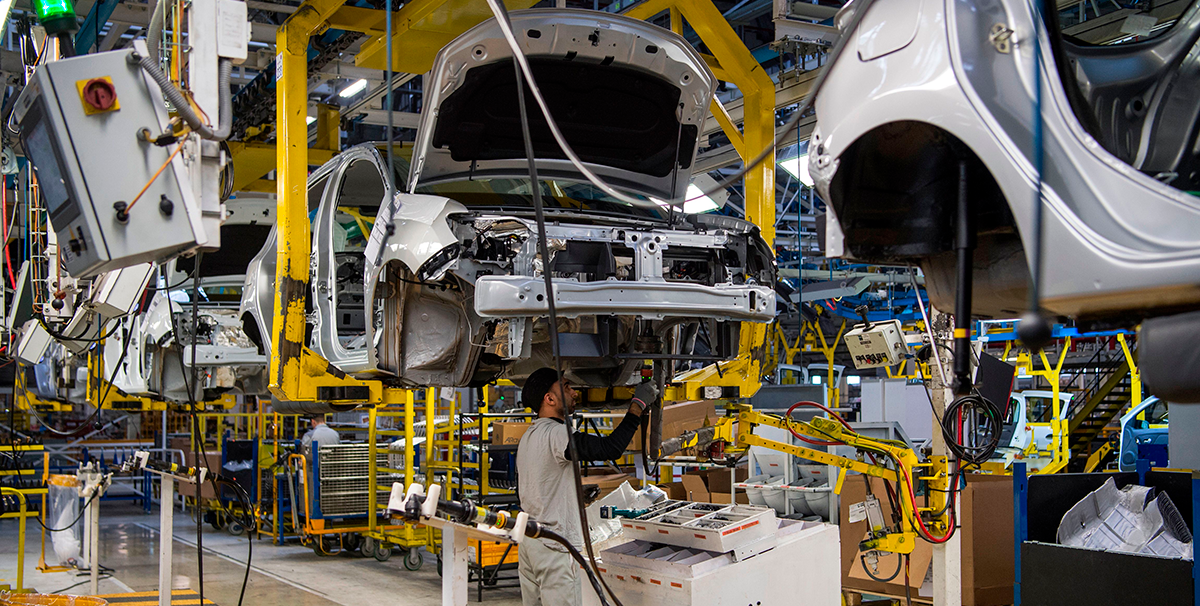
STMicroelectronics, one of Europe’s leading semiconductor manufacturers, will very shortly inaugurate a new production line in Morocco to manufacture electronic chips for American electric car pioneer Tesla. The production line is the latest example of a larger trend among international firms to look to Morocco as an attractive location for “nearshoring.” Through Rabat’s smart infrastructure investments and careful management of its foreign partnerships, Morocco has already exploited this trend to emerge as Africa’s leading automaker. Now with an auto chip production line dedicated to electric vehicles (EVs), Morocco is positioning itself to become a center for EV production while turning itself into a strategic component of Western semiconductor supply chain resilience.
At the very least we need to provide our Afghan partners with direct air support
The decision to withdraw the relatively small number of U.S. troops from a supporting role to our Afghan partners to preserve our hard-fought-for gains in Afghanistan was a mistake.
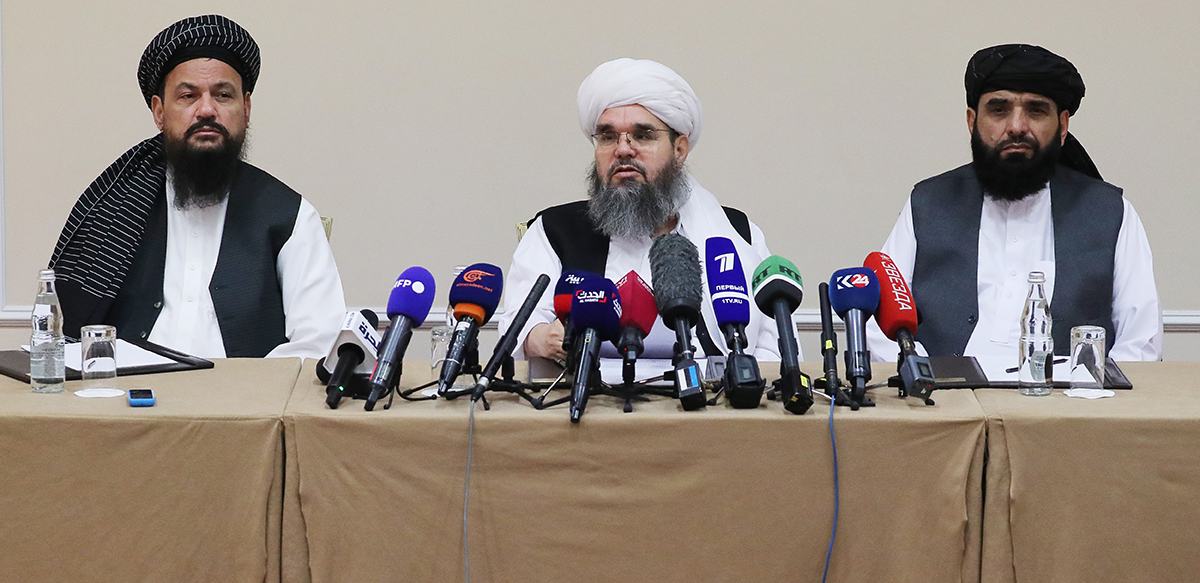
Russia’s “troubleshooting tactics” with the Taliban
As U.S. forces continue to draw down from Afghanistan, the Taliban are rapidly filling the void by occupying large new swaths of territory and key military infrastructure. Last week the movement announced it controlled up to 85% of the country. With hundreds of Afghans, including members of the military, crossing the border to the neighboring former Soviet republics of Tajikistan and Uzbekistan, speculation over the potential destabilization of Central Asia is mounting. Many regional governments are looking to Moscow for support and defense.
Jardin d’Afrique: A moving memorial to forgotten migrants
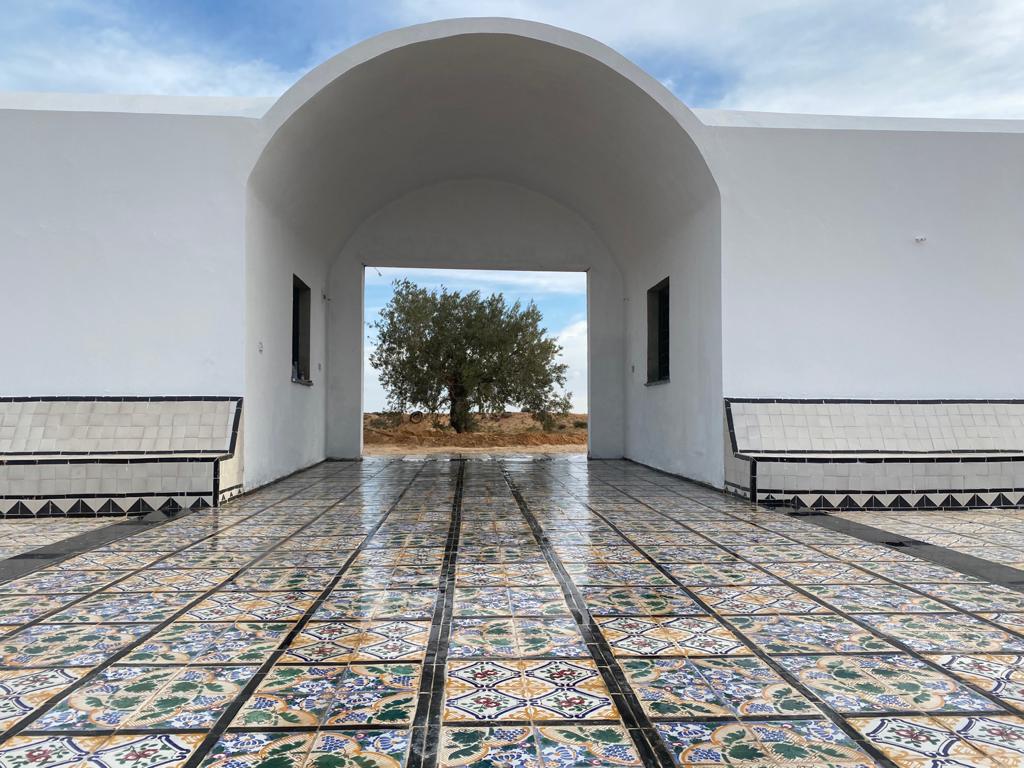
In Zarzis, on Tunisia’s southern coast, Algerian artist Rachid Koraichi has created a moving memorial to the thousands of migrants who have died crossing the Mediterranean. A hybrid of graveyard, garden, and art installation, Jardin d’Afrique has become the final resting place for over 300 souls whose bodies washed up on the shore of this tourist town.
Mr. President, keep the military advisers in Afghanistan
Even the most ardent supporters of President Joe Biden’s decision to withdraw all American troops from Afghanistan recognize the inherent tension in his policy. Biden promised Afghanistan’s top leaders in a recent meeting at the White House that he would maintain U.S. material support to the country. But ensuring a “sustained” partnership with a politically fragile Afghan government requires first and foremost an Afghan force that’s capable of defending that government, providing some security across the country, containing the Taliban, and preventing terrorists from once again setting up shop and plotting attacks worldwide like they did on 9/11.
The Pakistan Factor in China’s Afghanistan Policy: Emerging Regional Faultlines amid US Withdrawal
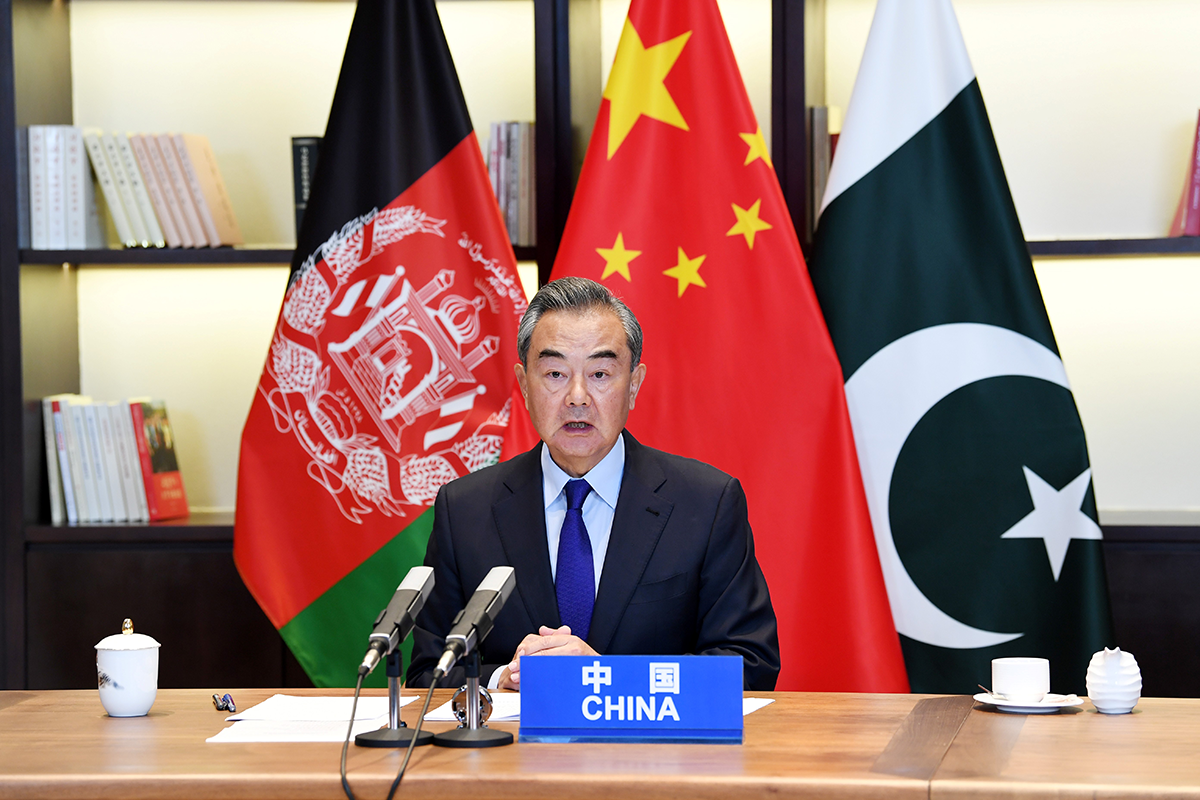
To date, China has largely relied on Pakistan to conduct its Afghan policy. Not much bothered about the future political role of the Taliban, China fears the prospect of instability in Afghanistan after the U.S. exit. Beijing’s primary concern in a post-U.S. Afghanistan, which is likely to be run by a regime dominated by the Taliban, is that Uyghur separatists and ETIM might find a safe haven.
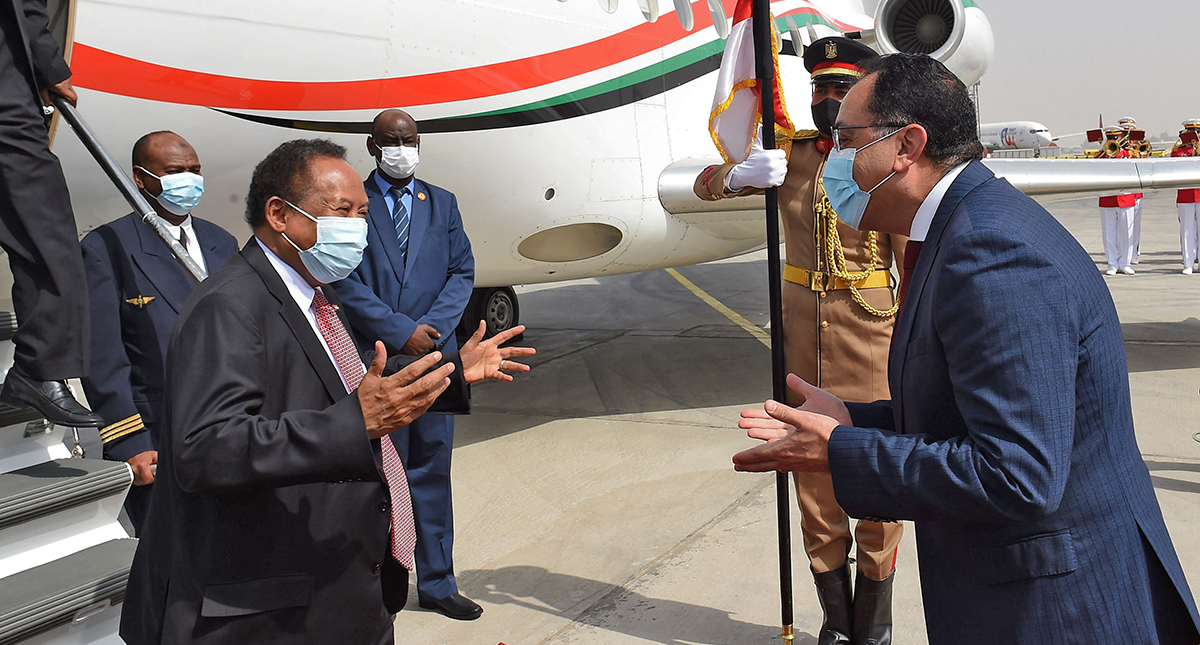
Egypt, Ethiopia, and Sudan are caught in a dangerous deadlock over the Nile River and despite what the international community seems to think, the risk of military confrontation among the three nations is not at all far-fetched. Addis Ababa began the second phase of filling the reservoir behind its giant Grand Ethiopian Renaissance Dam (GERD) in early May without an agreement with the riparian nations — Egypt and Sudan. However, much has changed over the past year and the second filling has played out rather differently from the first last July. In the intervening months Egypt has ramped up its diplomatic outreach and emerged as an influential player in the Nile Basin, the Horn of Africa, and East and Central Africa. Cairo succeeded in forging strategic alignment with Khartoum to exert diplomatic pressure on Addis Ababa, forming webs of alliances with different regional powers across East and Central Africa and the Horn of Africa to project power and influence, and exerting geopolitical forward pressure on Ethiopia in parallel with the diplomatic track to solve the GERD dispute.
Madiha Afzal, Syed Mohammad Ali, and Marvin Weinbaum join host Alistair Taylor to discuss a range of issues facing Pakistan, from the implications of the U.S. military withdrawal from Afghanistan, to its bilateral relations with India, China, Saudi Arabia, and the United States under the Biden administration.