Iraq once again leaps into the void, but not before political elites secure funding
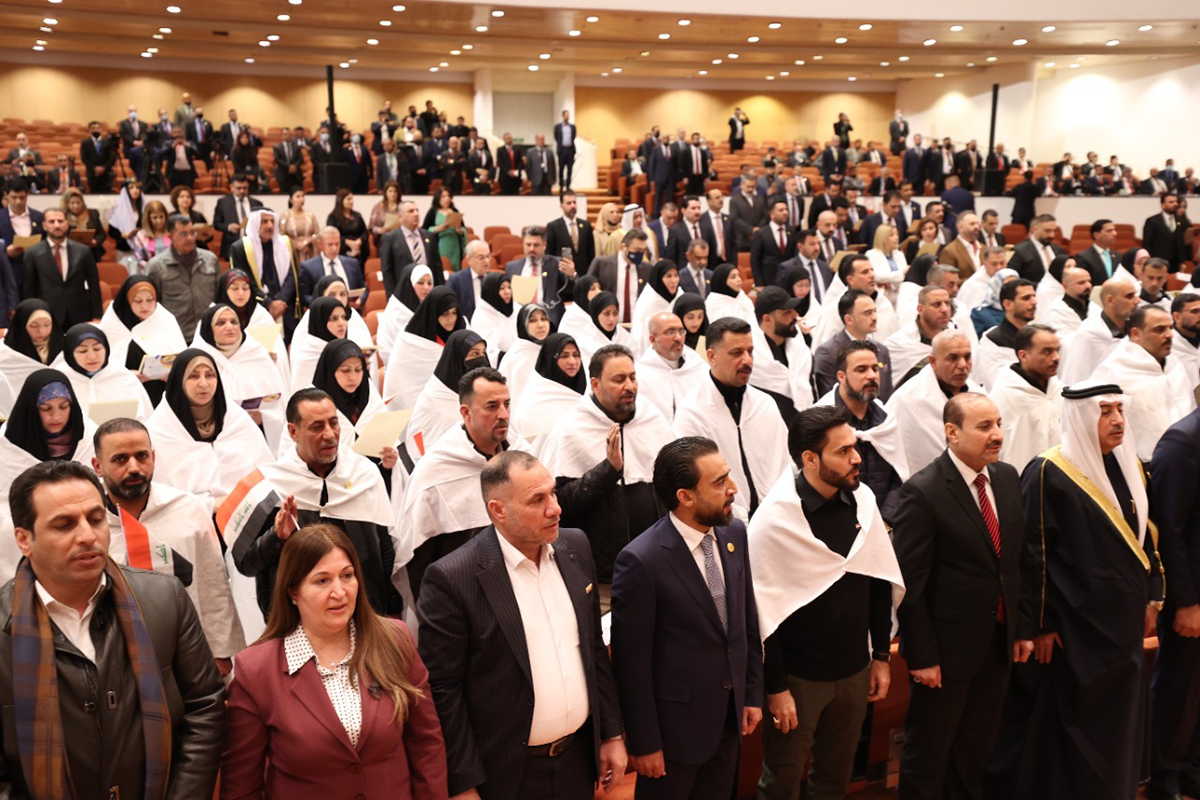
For Iraqis, two key events last week will shape the rest of this year, but hopefully not many more to come. First, on June 8 the divided parliament voted in surprising harmony to pass the so-called “Food Security and Development Bill,” a controversial piece of legislation with a $17 billion price tag. Second, this was followed, almost overnight on June 9, by a call from firebrand populist Shi’a cleric Muqtada al-Sadr to lawmakers loyal to his movement to “prepare their resignations.” On June 12, the 73 MPs of the Sadrist Movement tendered their resignations, and Iraq leapt even deeper into the void of political uncertainty.
Morocco counters Russia’s weaponization of the food-energy nexus
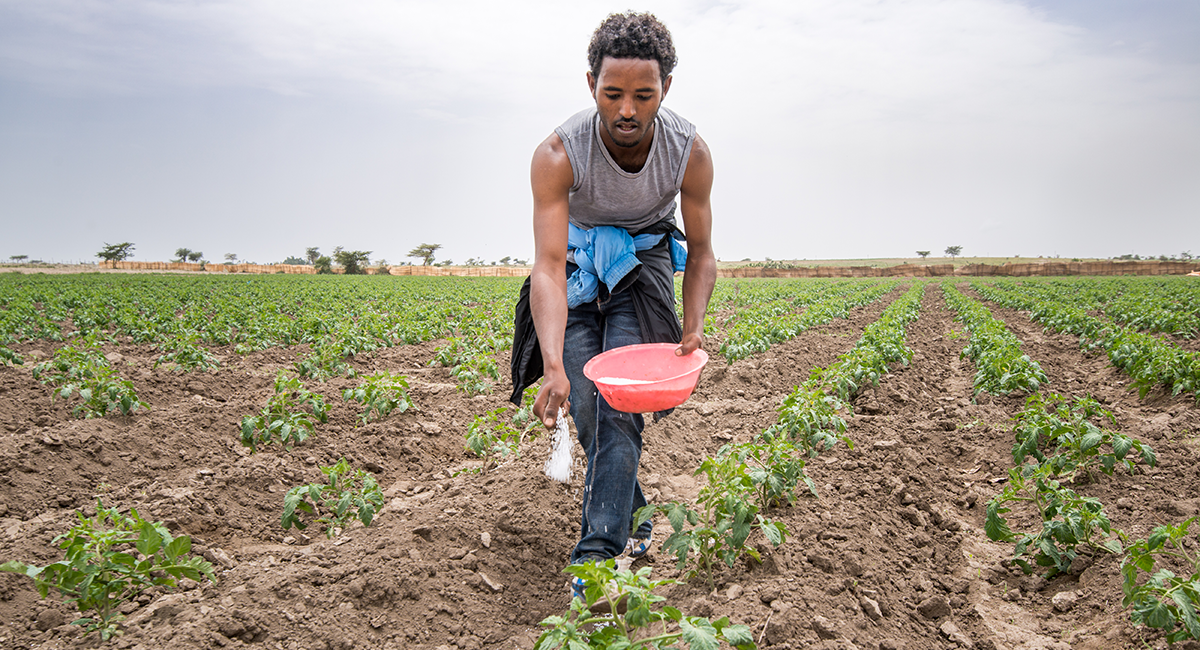
After 100 days of war in Ukraine on Europe’s eastern flank, a critical new front has opened on Europe’s southern flank with the food crisis in Africa. As Europe faces a two-front, geo-economic war of attrition with Russia, Morocco’s plan to increase its fertilizer output by nearly 70% changes the strategic equation by countering Moscow’s ability to weaponize the food-energy nexus. In so doing, Morocco has demonstrated its increasing importance as a geopolitical partner for Europe and the United States in Sub-Saharan Africa.
New Turkey-Uzbekistan Strategic Partnership Accelerates Turkey’s Rise as a Eurasian Agenda-Setter
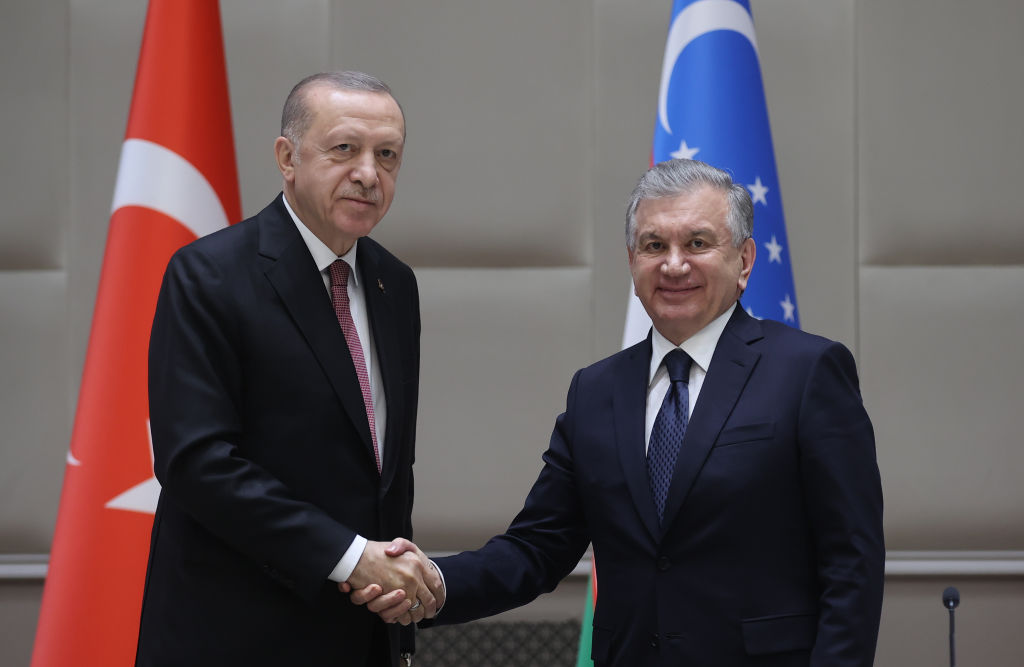
The March 2022 elevation of the Turkey-Uzbekistan relationship to a “Comprehensive Strategic Partnership” provides the Ankara-led Organization of Turkic States with a new geopolitical heft. To preserve its autonomy in the face of Beijing’s growing regional dominance, Tashkent has turned to Ankara to act as a countervailing force in both economic and security affairs. Combined with the expanding Turkey-Pakistan strategic partnership, this makes Turkey a rising Eurasian agenda setter that will impact the strategic calculus of both Beijing and Washington.
Why Washington should provide direct cash payments to the Lebanese army
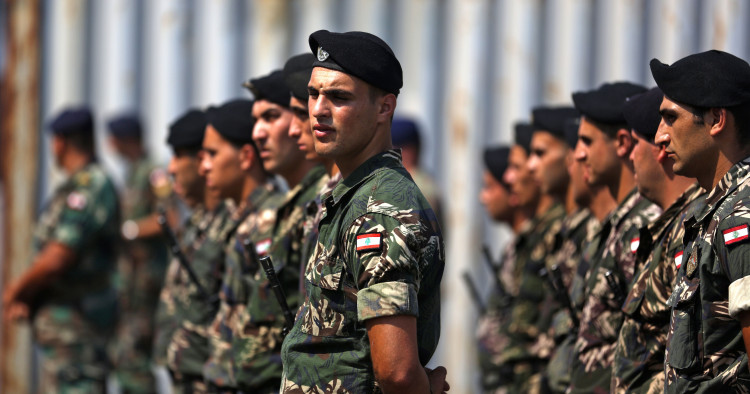
The considerable financial shortfall experienced by the Lebanese Armed Forces (LAF) over the past couple of years has measurably affected its morale, readiness, and operational capacity. There couldn’t be a worse time for the LAF to potentially fall apart. A series of monumental challenges await Lebanon now that the parliamentary elections are over, all of which demand a modicum of stability that only the LAF can provide.
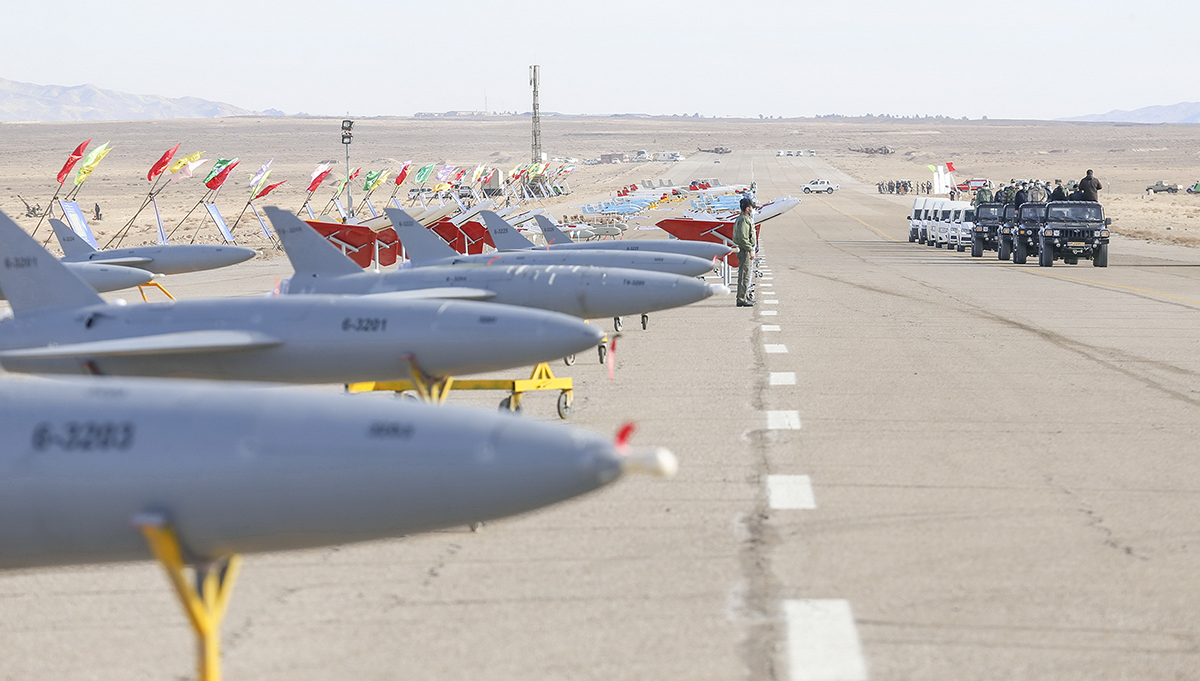
On May 17, 2022, Iran inaugurated a drone factory in neighboring Tajikistan, its first drone production facility abroad. With this factory, Iran intends to reinforce bilateral relations and reduce recent tensions with Tajikistan, address shared security concerns on the Afghan border, boost profits in a growing export market, and complicate Israeli efforts to further sabotage its drone program.
The war in Ukraine and the new reality in Asian oil markets
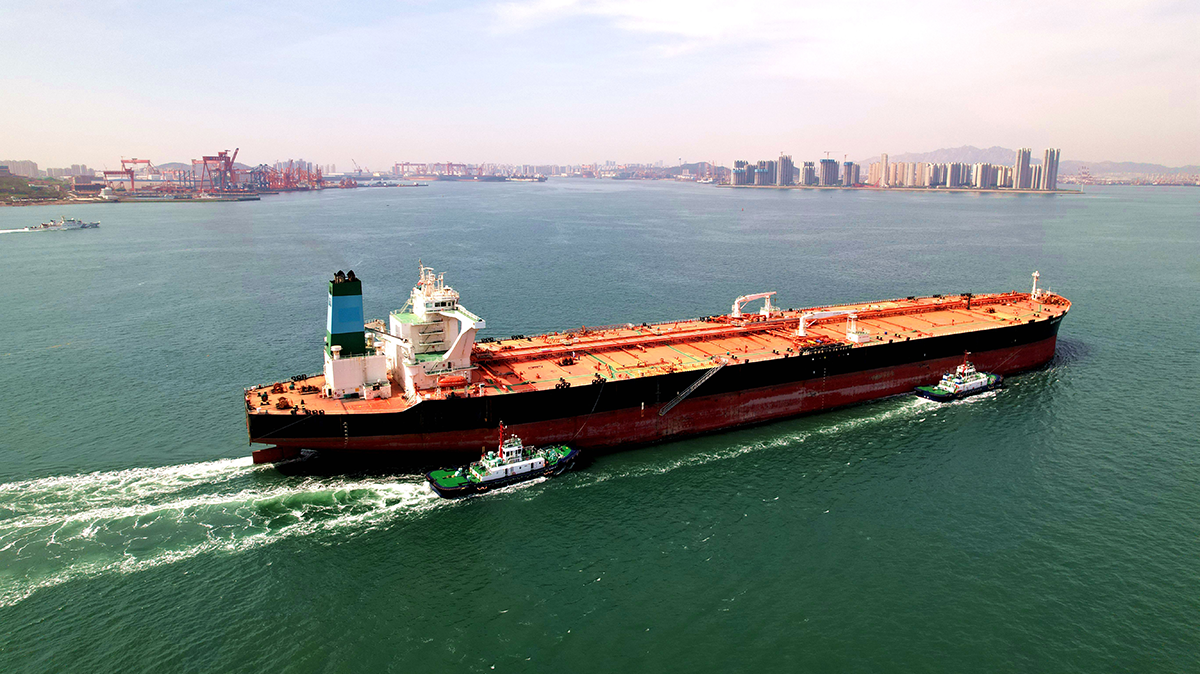
One of the main long-term consequences of Russia’s invasion of Ukraine is the restructuring of export flows in the global oil market. This will have direct consequences for Middle Eastern players, forcing them to choose whether to compete with Russia and each other or continue to coordinate their efforts.
Can a new EU strategy bring EU and Gulf actors closer together?
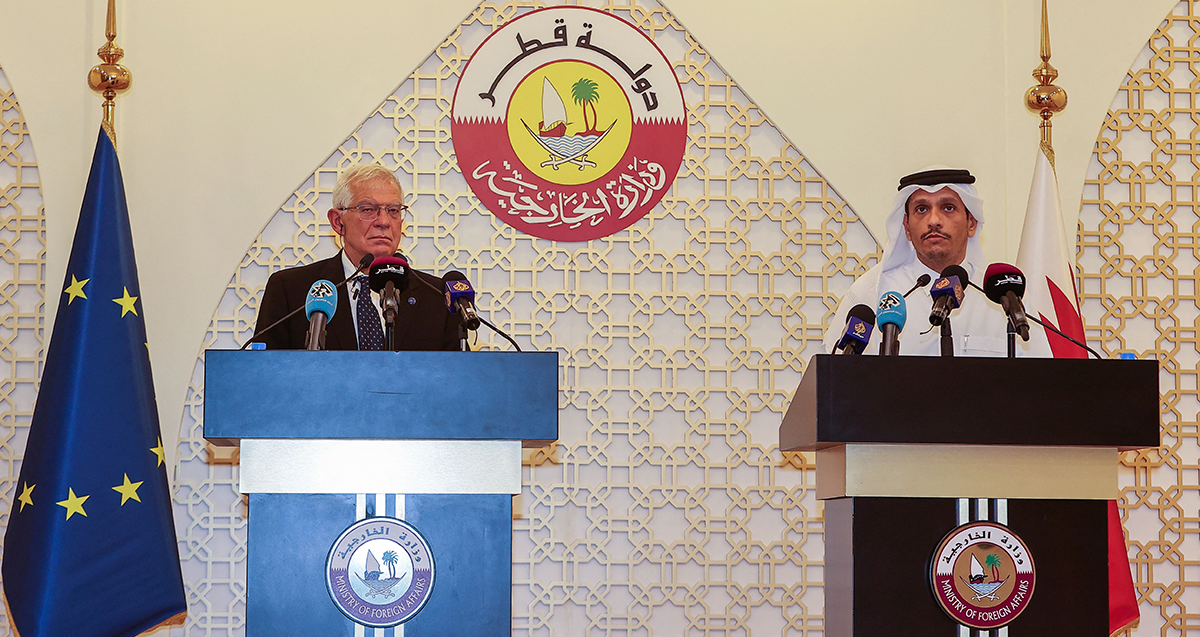
Relations between the EU and the Gulf countries have been on life support for a long time. The two sides have become experts at talking past each other, blithely skidding from crisis to crisis. But on May 18, the EU made the first serious effort in a long time to bridge this gap, by introducing a proposal for a “Strategic Partnership with the Gulf.”
Higher oil prices are giving Algeria’s regime breathing room
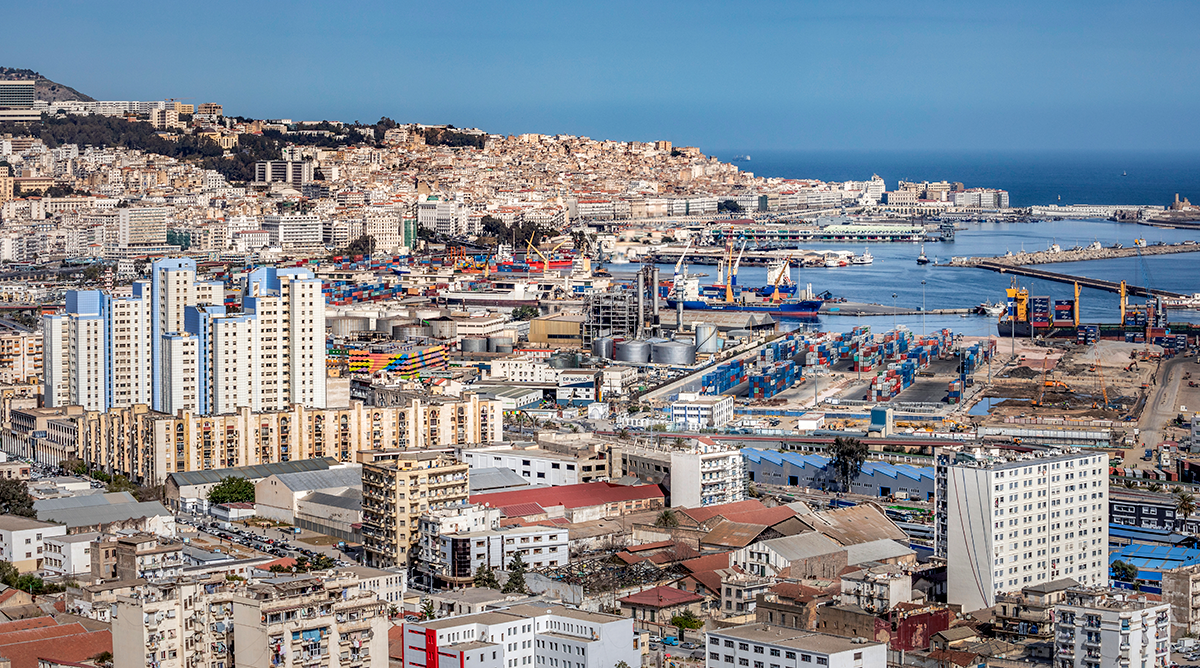
As Russia’s war on Ukraine keeps oil and gas prices high, Algeria’s regime is replenishing its financial reserves after years of depleting them. This renewed budgetary space will make it easier for the government to deal with any hint of popular discontent. But rather than going back to splurging on new salary increases or other forms of accelerated rent distribution as it has done in the past, the regime seems to be adopting a more cautious approach this time around.
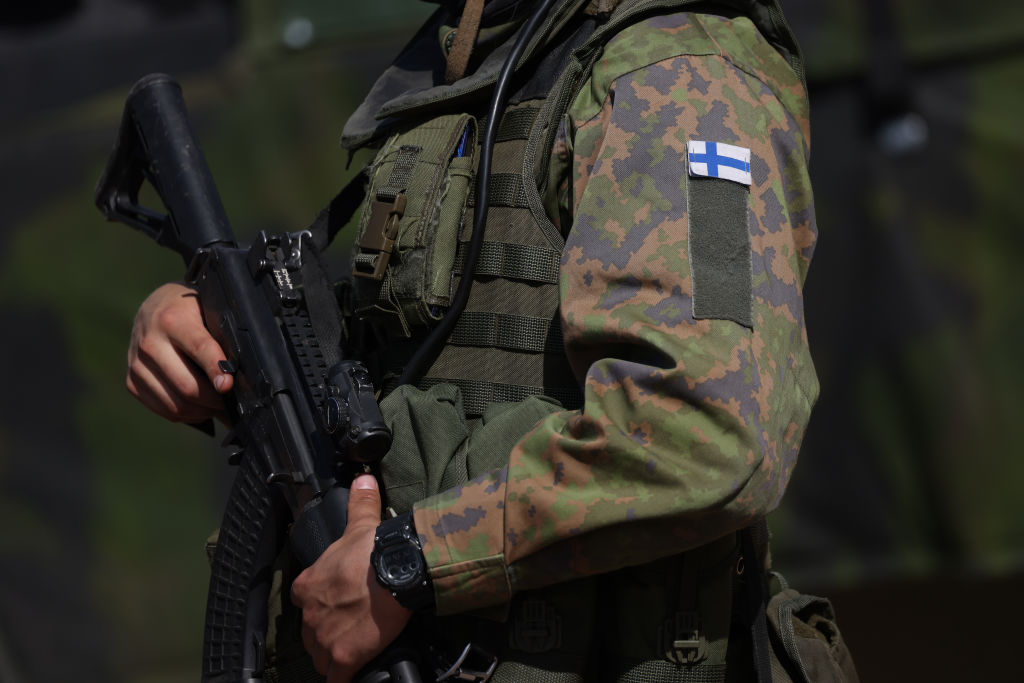
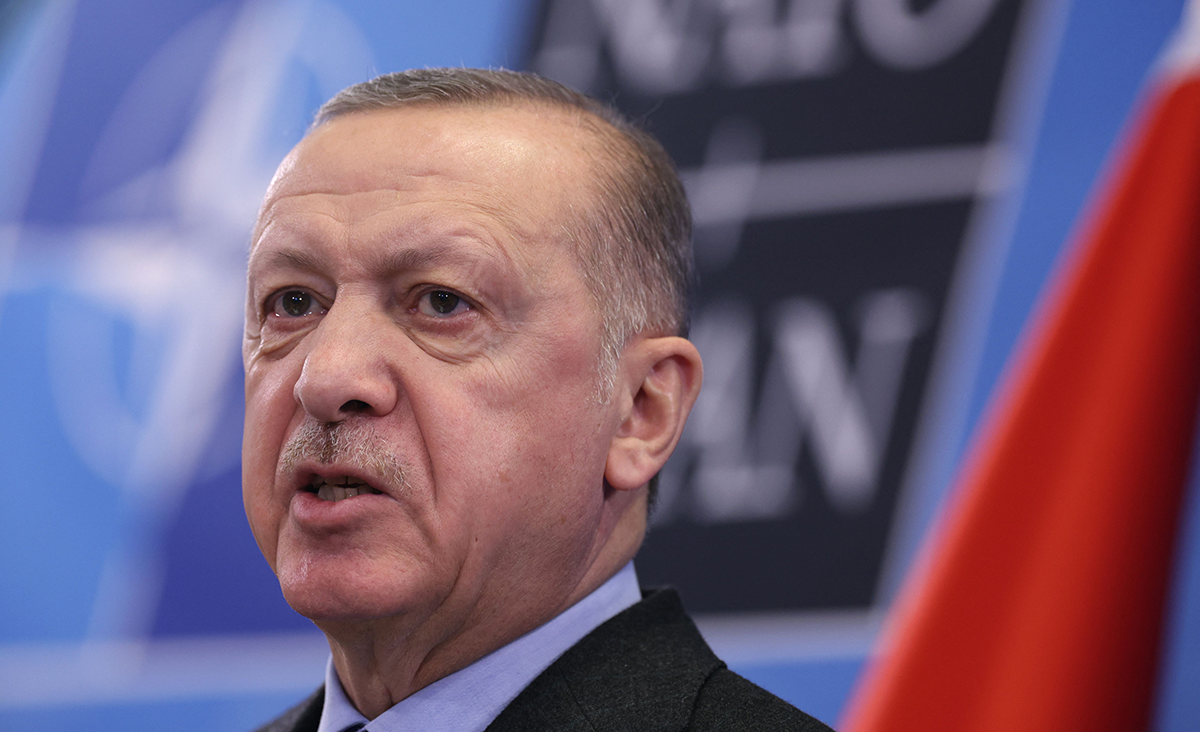
In recent months, Turkish President Recep Tayyip Erdoğan has been on a charm offensive. But that spring in Turkey’s diplomacy may now be reverting to winter as Ankara has blocked Swedish and Finnish accession to NATO even as a key arms deal is pending with Washington and U.S. relations with Greece are at a high.
Will France's MENA policy change in Macron's second term?
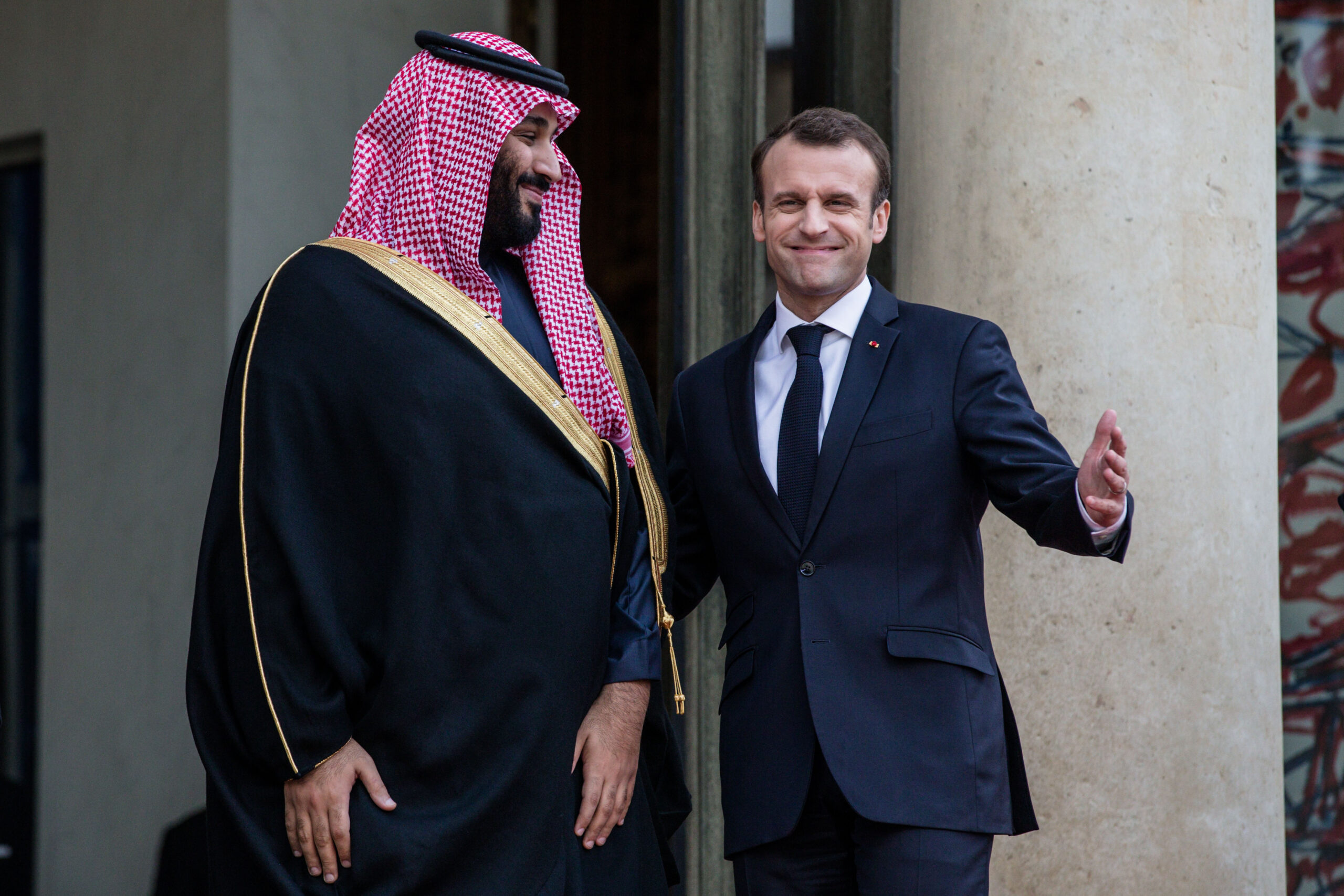
When Emmanuel Macron was elected president five years ago, many analysts wondered how it might affect France’s policy toward the Middle East and North Africa (MENA). At the time, France found itself at a crossroads, having to contend with the shift in U.S. policy toward the region during the presidency of Donald Trump, growing dissension within the Gulf Cooperation Council (GCC), increasingly deteriorating relations with Iran, tensions with Turkey after the failed 2016 coup, and ongoing bloodshed in Syria, Libya, and Yemen, all while conducting a military campaign against ISIS. Following Macron’s recent reelection to a second term, the key question now is whether he will maintain or change his current policy toward the region.
Russia is violating the spirit of Montreux by using civilian ships for war
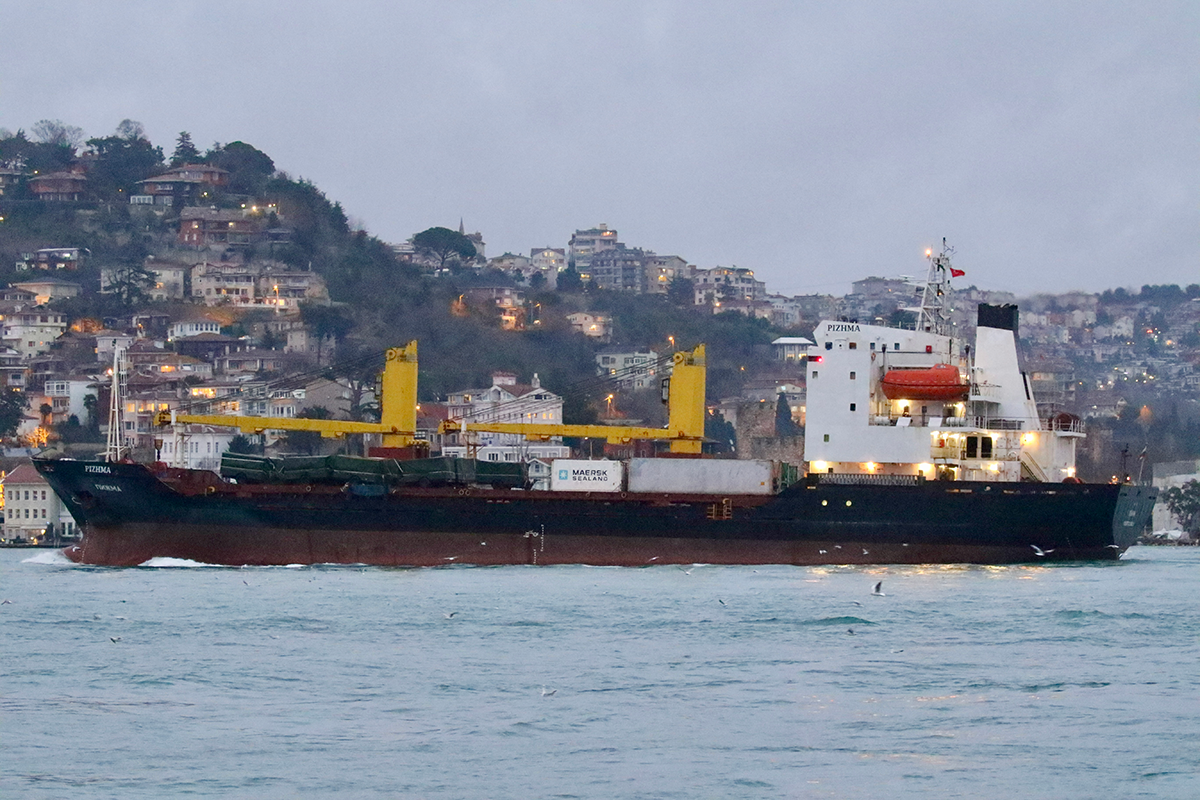
On Feb. 28, Turkey triggered the Montreux Convention, not used since World War II, and closed the Turkish Straits to military ships. This one move interrupted Russia’s maritime logistical supply line to Syria, interfered with its ability to rotate naval assets in the Mediterranean, and prevented Moscow from bringing additional warships to the Black Sea. Russia can no longer supply its Syria operation or deliver defense exports to its customers using navy ships. However, close observation of traffic through the Turkish Straits reveals that Russia is continuing its naval operations in the Mediterranean and Black seas.
Could Ukraine Offer a Template for Better US-Gulf Security Relations?
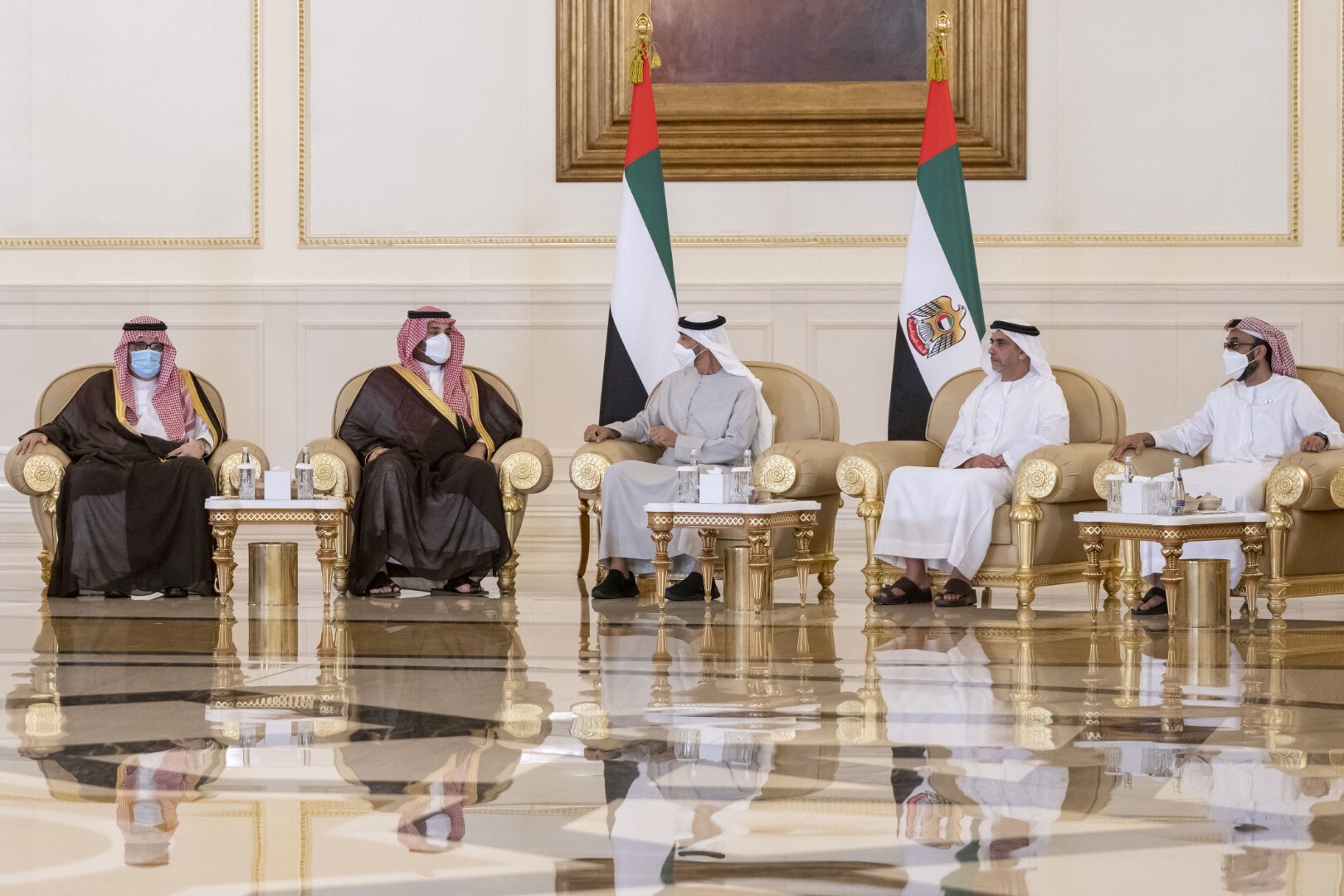
Relations between Washington and some of its traditional Gulf Arab partners, particularly Saudi Arabia and the United Arab Emirates, are at their lowest point in history, which is why the Biden administration on Monday sent a high-level delegation to Abu Dhabi: specifically to pay respects upon the death of former UAE President Sheikh Khalifa bin Zayed Al Nahyan and to congratulate his successor, Mohamed bin Zayed, but more generally to try to heal those ties.
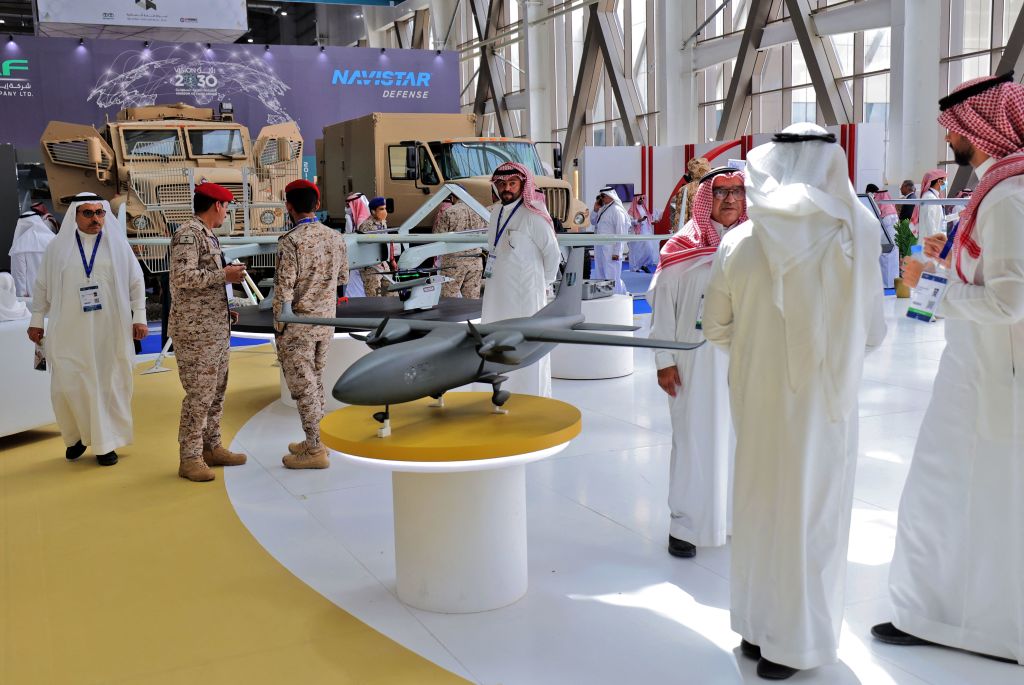
This article describes Saudi Arabia’s historic and arduous journey to national-defense transformation, launched around 2015. It analyzes the challenges and opportunities of defense reform in the kingdom while highlighting the role of the United States in this process. Last, the article discusses the future of US-Saudi defense relations.
In September 2021, a year after the Abraham Accords were signed by Israel, Bahrain, and the United Arab Emirates (Morocco and Sudan joined a few weeks later), U.S. Secretary of State Tony Blinken spoke enthusiastically of Arab-Israeli collaborations already under way in various domains including energy, health care, technology, medicine, and tourism.