Skip to Content

Research & Commentary Results

Filter by
1060 Results
Monday Briefing: Will Russia and Turkey face off over Nagorno-Karabakh?
  • Commentary
  • Monday Briefing: Will Russia and Turkey face off over Nagorno-Karabakh?

    This week’s briefing on recent news and upcoming events in the region featuring Maxim A. Suchkov, Ibrahim Jalal, Eliza Campbell, Alex Vatanka, and Marvin G. Weinbaum.

    September 28, 2020

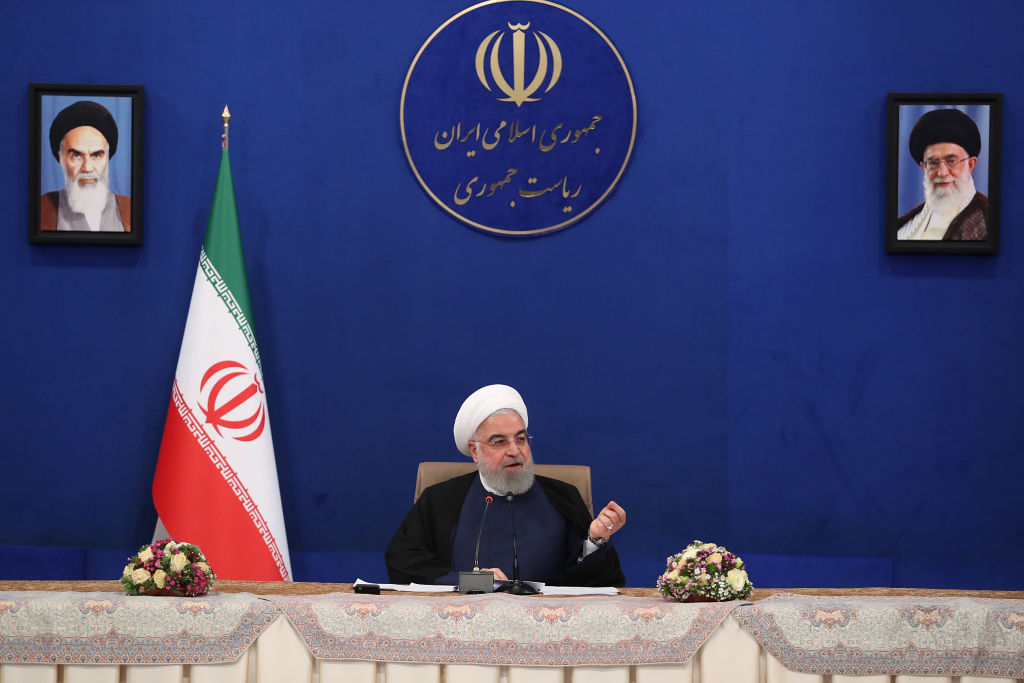
    Iran, the GCC, and the failure of HOPE
    Photo by Drew Angerer/Getty Images
  • Analysis
  • Iran, the GCC, and the failure of HOPE

    Last September, at the 74th session of the U.N. General Assembly, Iranian President Hassan Rouhani proposed the optimistically named “Hormuz Peace Endeavor” (HOPE). Over the past year, however, Iran’s plan has failed to gain any traction with the GCC states, even as the region’s security environment has fundamentally changed in ways that are detrimental to the Islamic Republic.

    September 24, 2020

    China and the Abraham Accords Peace Agreement
    (Photo by SAUL LOEB / AFP) (Photo by SAUL LOEB/AFP via Getty Images)
  • Analysis
  • China and the Abraham Accords Peace Agreement

    On September 15, President Trump presided over a ceremony on the South Lawn of the White House where Prime Minister Benjamin Netanyahu of Israel and the foreign ministers of the United Arab Emirates (UAE) and Bahrain, Abdullah bin Zayed Al Nahyan and Abdullatif Al Zayani, respectively, signed a general declaration of principles, called “The Abraham Accords.” Numerous analysts have focused on the regional impact of the normalization of relations between Israel and these two Gulf Arab countries. However, this development has worldwide geopolitical implications — including for China.

    September 22, 2020

    The benefits and challenges of UAE-Israel normalization
    Photo by JACK GUEZ/AFP via Getty Images
  • Analysis
  • The benefits and challenges of UAE-Israel normalization

    Israel and the United Arab Emirates (UAE) have initiated a process that, if it comes to fruition, will bring about the normalization of relations between the two countries. The broader geostrategic challenges that the agreement could pose for Israel and the UAE have not been part of the public discourse, however, and any balanced treatment requires a discussion of those aspects as well.

    Is the Israel-UAE agreement a game changer for Israel?
    Photo by Alex Wong/Getty Images
  • Analysis
  • Is the Israel-UAE agreement a game changer for Israel?

    In an Aug. 13 tweet, U.S. President Donald Trump celebrated the Israeli-Emirati accord to normalize relations as a “HUGE breakthrough.” Israel’s integration into the region has been a goal of U.S. and Israeli foreign policy for decades, and the mid-August announcement was the first major official step in that direction in over 25 years. But is this really a game changer for Israel’s strategy in the Middle East?

    UAE-Israel normalization gives rise to new risks for Yemen and the region
    Photo by MOHAMMED HUWAIS/AFP via Getty Images
  • Analysis
  • UAE-Israel normalization gives rise to new risks for Yemen and the region

    As unimportant as the move may seem for Yemen, the UAE’s normalization of relations with Israel and patronage of the STC, if left unaddressed, may ultimately lead to undesirable outcomes for both Yemen and the broader Arab world

    September 14, 2020

    Election 2020: Challenges and Opportunities for US Policy in the Middle East
  • Analysis
  • Election 2020: Challenges and Opportunities for US Policy in the Middle East

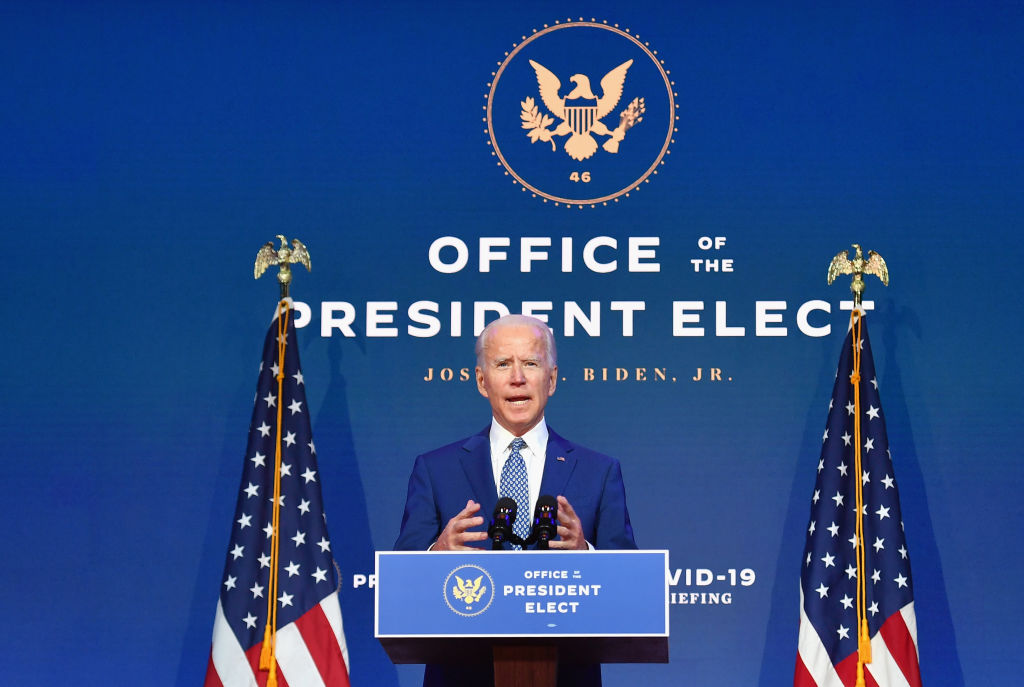
    In a new briefing book released ahead of the U.S. elections in November, entitled Election 2020: Challenges and Opportunities for US Policy in the Middle East, MEI scholars lay out key issues across the region, highlight the U.S. interests at stake, and provide policy insights and recommendations for the path forward. 

    Continuity and change in British foreign policy toward Yemen
    Photo by NABIL HASAN/AFP via Getty Images
  • Analysis
  • Continuity and change in British foreign policy toward Yemen

    On Feb. 16, 2015, then British Ambassador to Yemen Jane Marriott wrote an article titled “Yemen: the ball is in the Houthis’ court,” asserting that the future of the country and its stability were dependent on the Houthis.

    September 1, 2020

    The GCC, US-China tech war, and the next 5G storm
  • Analysis
  • The GCC, US-China tech war, and the next 5G storm

    The U.S.-China rivalry is in uncharted territory. There is no clearer example of this than the U.S.’s intensifying and increasingly global fight with Chinese company Huawei over the security of 5G.

    Russian and Chinese views on the Israel-UAE normalization deal
    Photo by JACK GUEZ/AFP via Getty Images
  • Analysis
  • Russian and Chinese views on the Israel-UAE normalization deal

    On Aug. 14, Israel and the United Arab Emirates (UAE) agreed to normalize diplomatic relations in exchange for a suspension of Israeli annexation plans in the West Bank. International reactions to this historic deal were sharply polarized, but the two main strategic rivals of the United States, Russia and China, responded cautiously to the announcement.

    August 27, 2020

    Yemen's dire crisis continues
    Middle East Institute
  • Podcast
  • Yemen's dire crisis continues

    MEI’s Gerald Feierstein and Mick Mulroy join host Alistair Taylor to discuss the ongoing conflict in Yemen and the country faces crises on multiple fronts, from the unchecked spread of COVID-19 and widespread hunger to renewed fighting and a lack of international funding.

    August 26, 2020

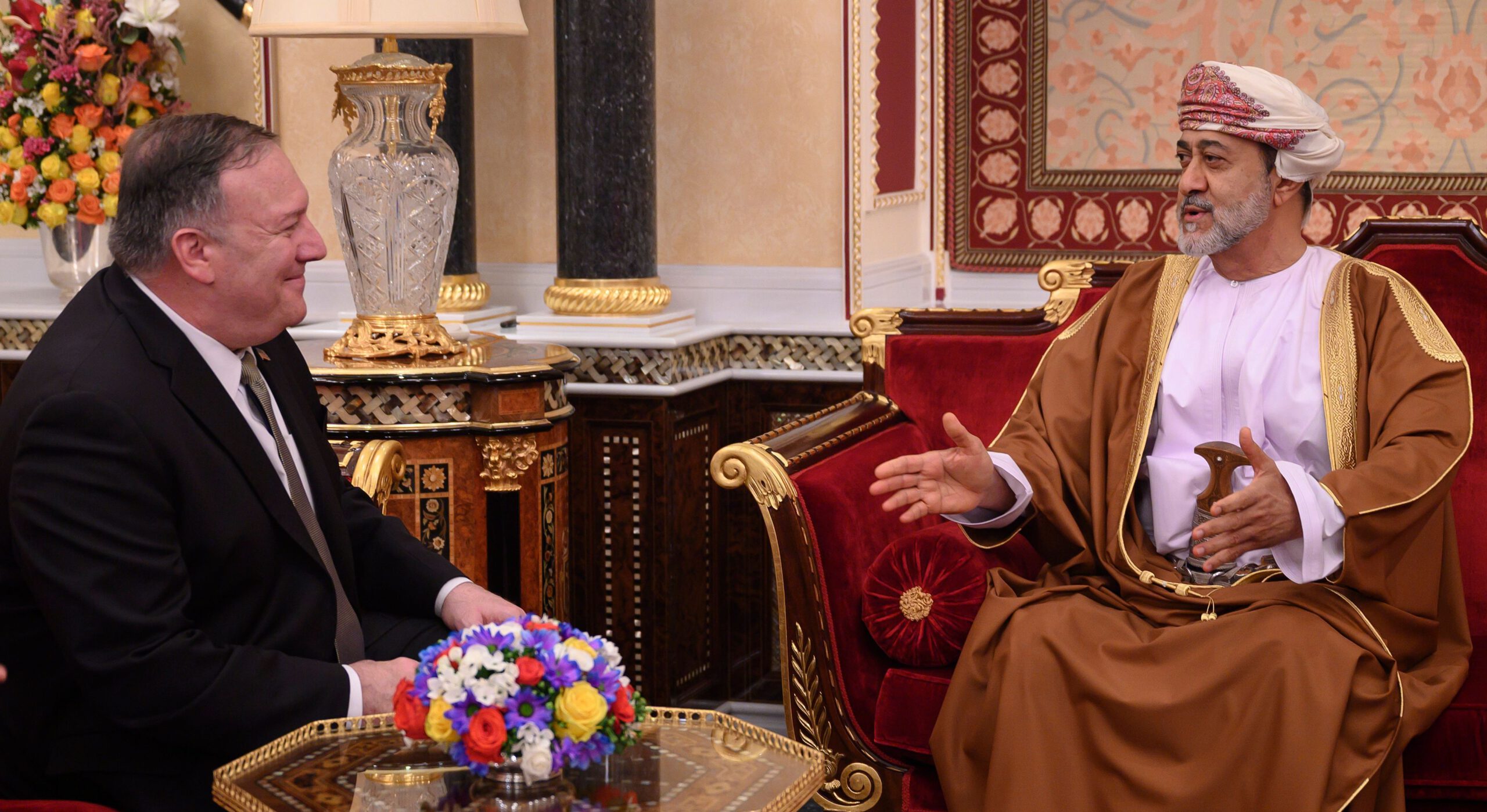
    Oman’s regional role in a time of challenge and change
    Photo by ANDREW CABALLERO-REYNOLDS/AFP via Getty Images
  • Analysis
  • Oman’s regional role in a time of challenge and change

    Oman’s independent and creative foreign policy has been a boost to a region fraught with instability, but the combination of a new sultan and an adverse regional environment means Muscat’s trademark foreign policy may be diminished.

    August 26, 2020

    The Impact of Middle East Regional Competition on Security and Stability in the Horn of Africa
    Photo by Volkan Furuncu/Anadolu Agency/Getty Images
  • Analysis
  • The Impact of Middle East Regional Competition on Security and Stability in the Horn of Africa

    The relationship between the Middle East and the Horn of Africa is centuries-old and complex. While the world’s attention is focused mainly on the “great power competition” in the region, primarily between the U.S. and China, the Horn of Africa has also become a central battleground for influence among competing regional players, principally Saudi Arabia, the UAE, Turkey, Qatar, Iran, and Egypt. As they pursue their interests in the region, from Ethiopia and Sudan to Somalia and Djibouti, these competing states are the main drivers of tension and instability in the Horn of Africa.

    August 18, 2020

    Kuwait’s Yemen foreign policy
    Photo by YASSER AL-ZAYYAT/AFP via Getty Images
  • Analysis
  • Kuwait’s Yemen foreign policy

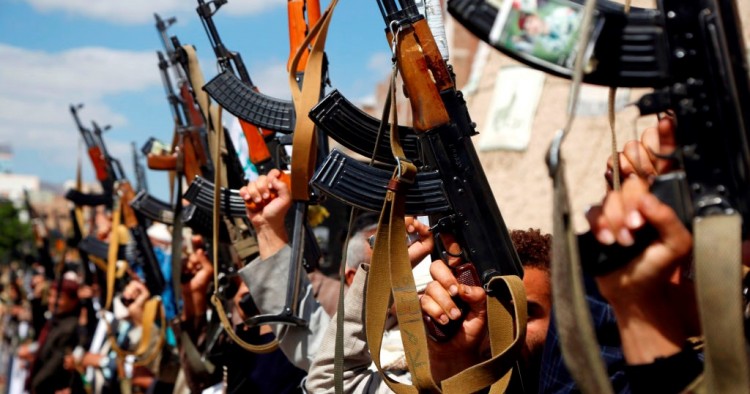
    When the Saudi-led coalition launched military operations against the Houthi insurgents on March 26, 2015, all of the Gulf Cooperation Council (GCC) states, except for Oman, joined the multinational force. As has become clear, each of the Arab Gulf sheikdoms has its own national interests and unique history of relations with Yemen and Yemeni factions, and these have shaped their changing perceptions of the war over the past five and a half years. Kuwait’s role in Yemen’s multidimensional conflict is a case in point.

    August 12, 2020

    5G adoption and its implications in the Gulf states
    Photo by Asad/Xinhua via Getty Images
  • Analysis
  • 5G adoption and its implications in the Gulf states

    As many of the Gulf states pivot away from oil and gas, they have turned to digital development as a way to attract foreign investment and spur domestic growth. A critical part of these digital transformations is the widespread adoption of 5th generation mobile communication networks (5G). Large-scale investment in 5G rollouts in Saudi Arabia, Qatar, the United Arab Emirates (UAE), and Bahrain reflect this reality.

    August 11, 2020