Two years on, what is the state of the Abraham Accords?
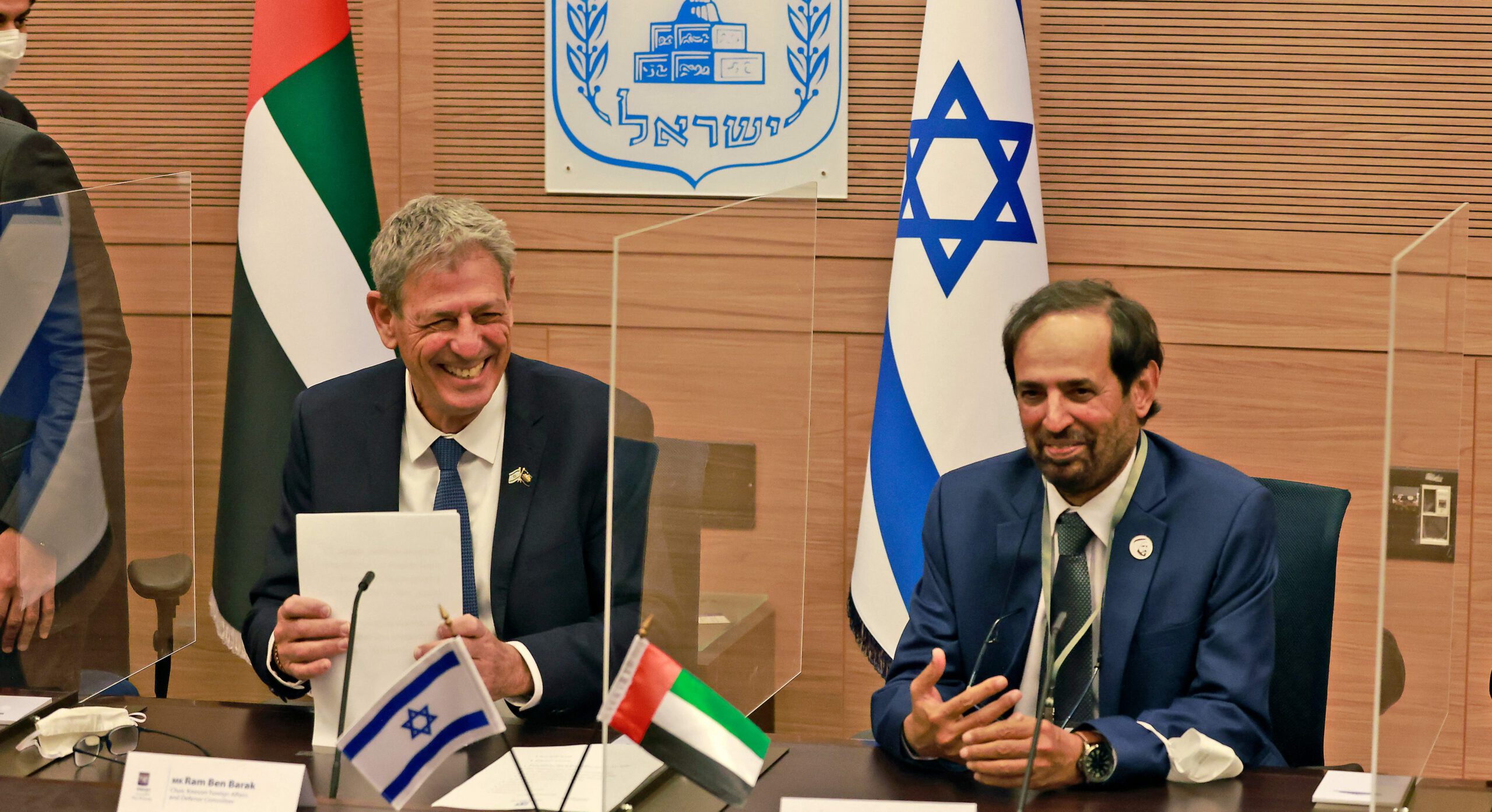
Two years after the signing of the Abraham Accords, progress in developing relations between Israel and its Arab neighbors has achieved mixed results, opening up some greater cooperation in the security sphere but failing to change Arab publics’ minds due to the lack of movement on the Israeli-Palestinian conflict.
حياكة السجاد الإيراني شرق الفرات: رغم الرفض الشعبي جماعات إيرانية تزيد نفوذها في الحسكة
شهدت مدينة الحسكة شمال شرق سوريا يوم 22 أغسطس الحالي توزيعا لمنشورات وملصقات مناهضة للنفوذ الإيراني في المدينة، حيث ظهرت الملصقات في عدة مناطق حساسة وسط المدينة في المنطقة المعروفة بـ “المربع الأمني” التي تخضع لسيطرة جيش النظام السوري وميليشيات الدفاع الوطني التي أصبحت تخضع لنفوذ إيران.
“Carpet weaving” east of the Euphrates: Iranian proxy groups expand their influence in Syria’s Hasakah Province
On Aug. 22, the northeastern Syrian city of al-Hasakah was inundated with leaflets condemning creeping Iranian influence in the area. The printed messages were plastered around several highly sensitive locations in the city center, including the local branch of the Ba’ath Party, the neighborhoods of al-Matar and al-Mahatah, as well as near the Great Mosque and market streets.
From Tiger Forces to the 16th Brigade: Russia’s evolving Syrian proxies
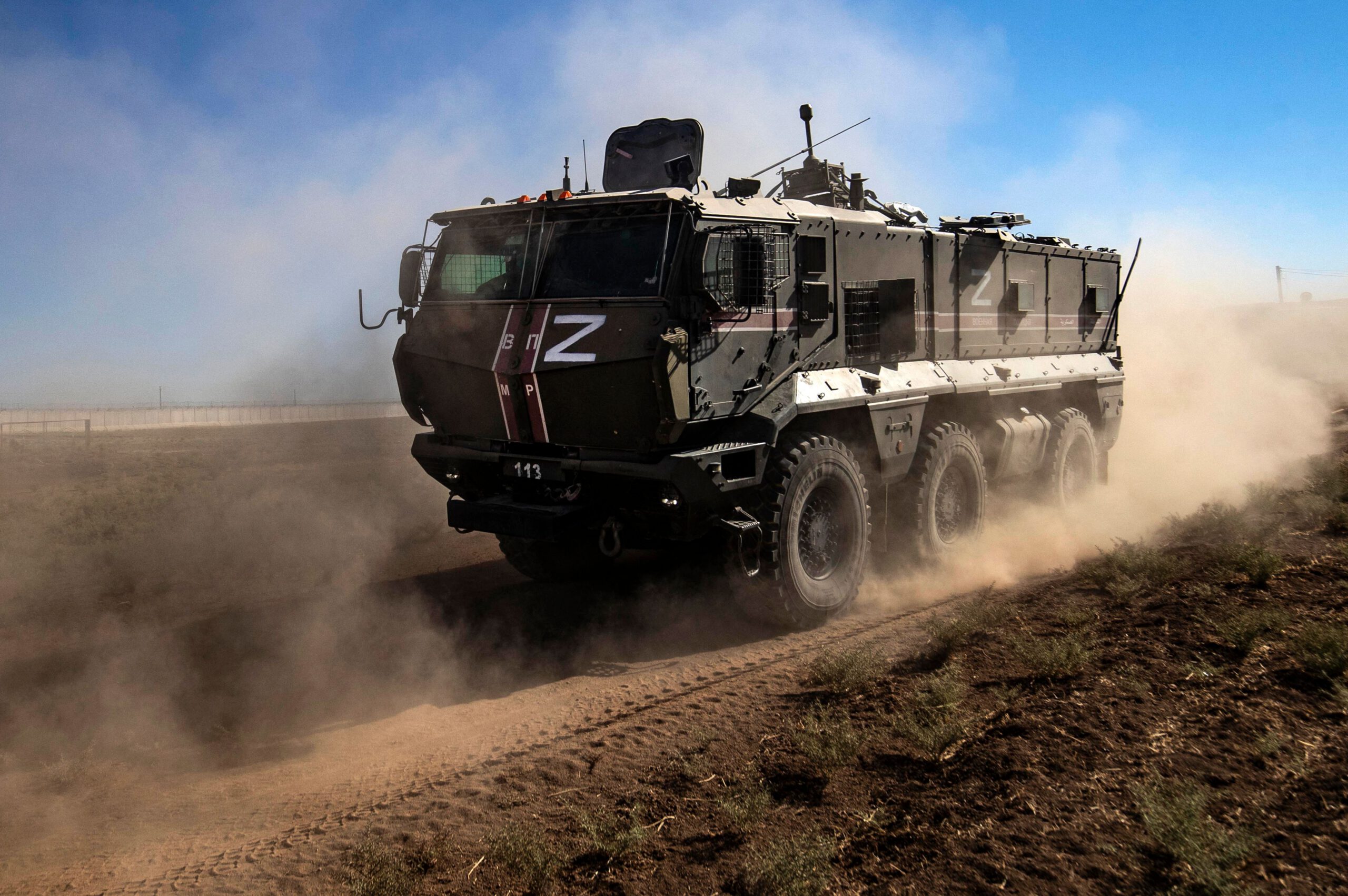
Russia’s 2022 invasion of Ukraine renewed focus on Moscow’s earlier military intervention in Syria, which often became framed as a “testing ground” for the weapons and tactics it now employs against Ukrainian cities. But crucially, the Russian forces backing Assad’s embattled regime also understood the importance of rebuilding the broken Syrian security forces into more effective fighting units.
The causes and consequences of Israel’s latest attack against Islamic Jihad in Gaza
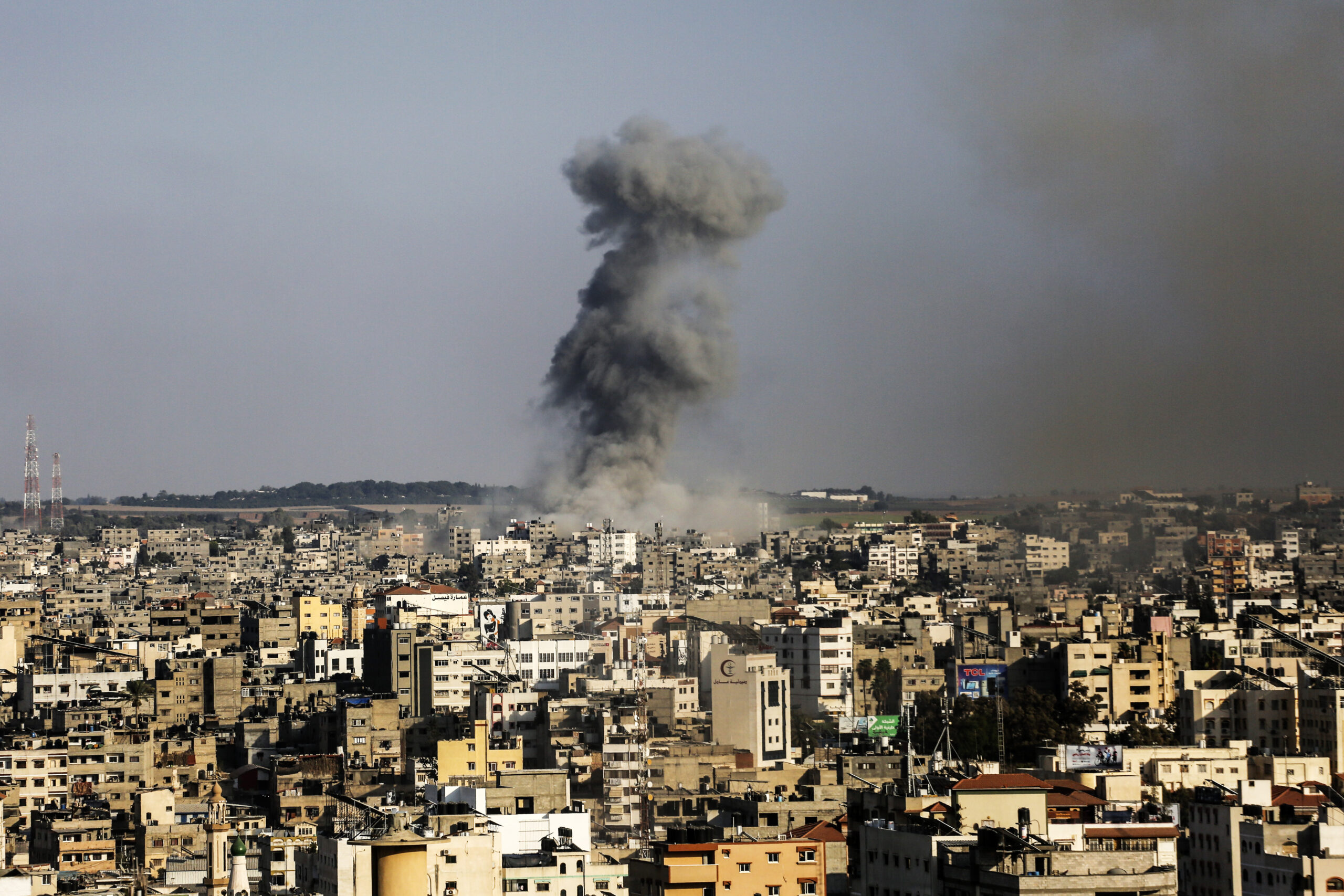
Israel’s early August offensive against Palestinian Islamic Jihad in Gaza achieved several strategic and tactical goals, but it failed to entirely sever the PIJ’s relationship with Hamas.
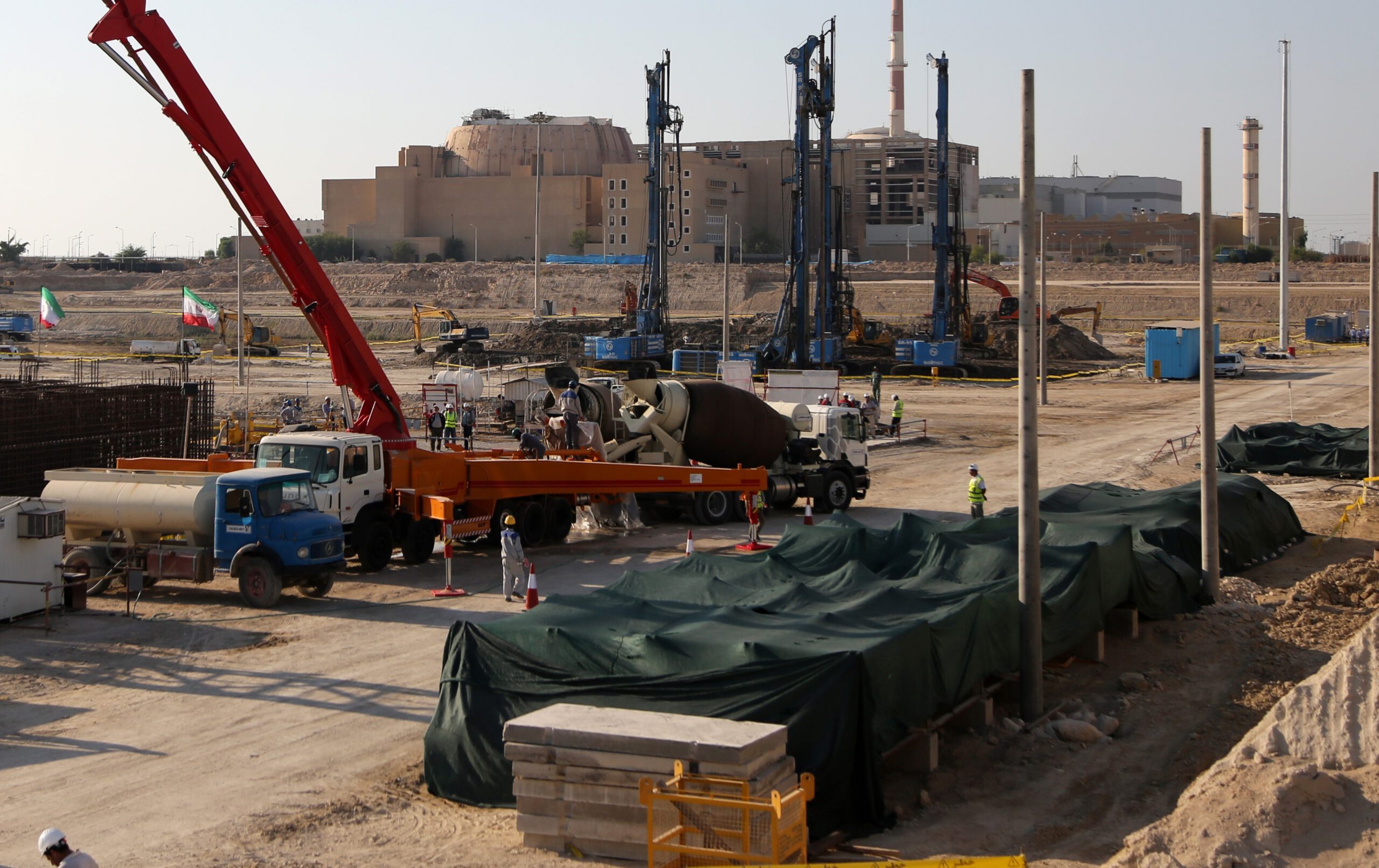
The renewal of the international agreement on Iran’s nuclear program does not undermine Israeli national security per se but rather a longstanding tenet of Israel’s strategic thinking: that it must be able to fully eradicate any challenge to its military superiority deep inside enemy territory.
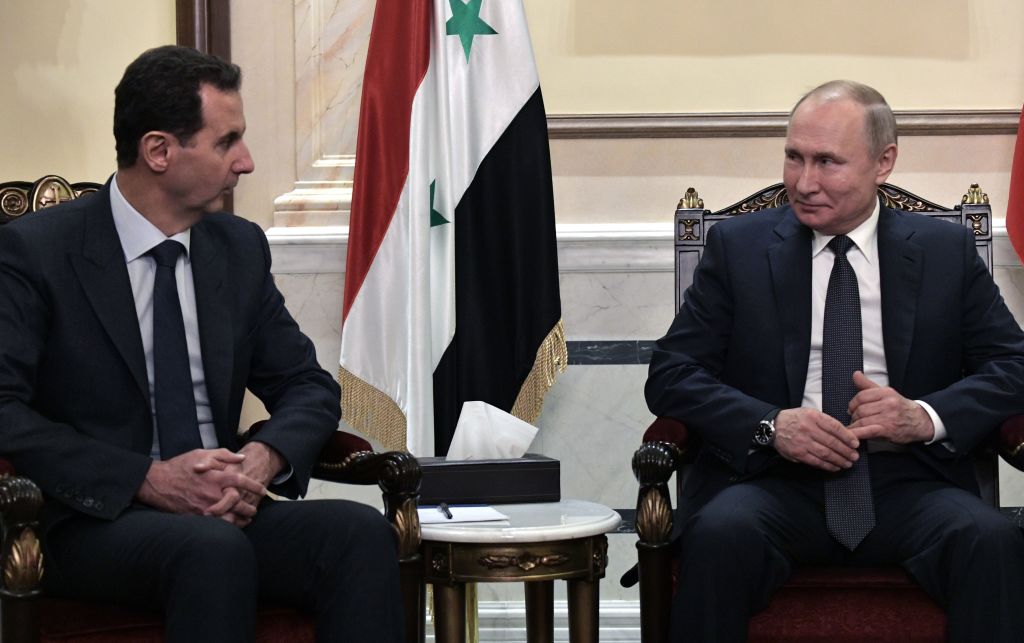
Syrian foreign policy in the Caucasus and Ukraine: An unbalanced, Russia-centered approach
The embattled Syrian regime’s need to preserve Russian military and political support has compelled Damascus to adopt the Kremlin line in its foreign policy positions toward the former Soviet space.
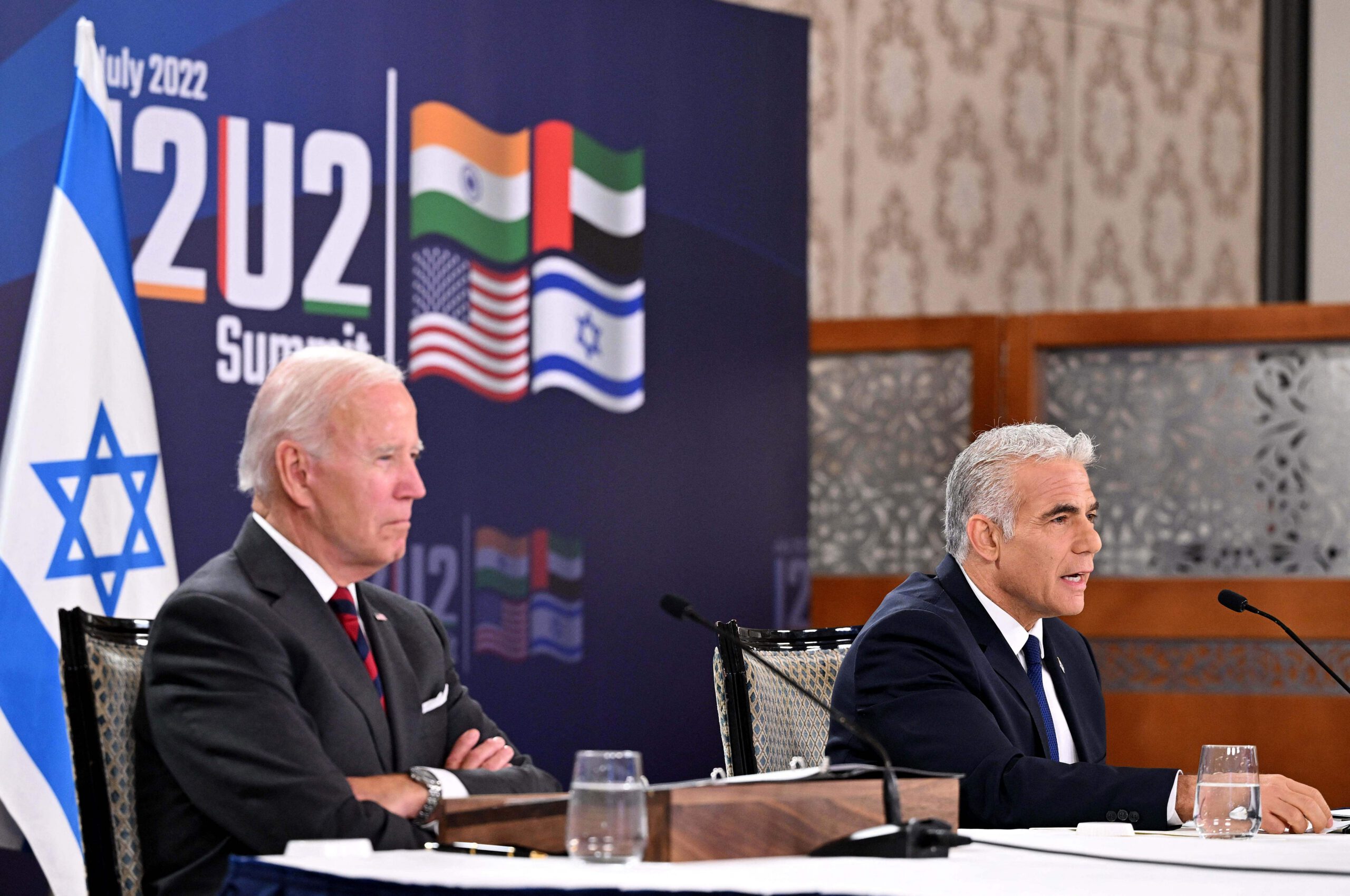
The July 2022 leaders’ meeting took good steps on energy and food security, but Egypt and Saudi Arabia can help take the I2U2 to the next level when it comes to regional security.
Refugees First: A New Approach to Middle East Peace
According to UNRWA, there are approximately 6.3 million registered Palestinian refugees across the Arab world. The majority of these are the descendants of the 750,000 Palestinians who were displaced between 1947 and 1949 over the course of Israel’s creation, an event known among Palestinians as the Nakba or “catastrophe.” This paper aims to evaluate past proposals on the refugee question and promote a new refugee-first framework that could produce tangible solutions for Palestinian refugees and for the conflict at large.
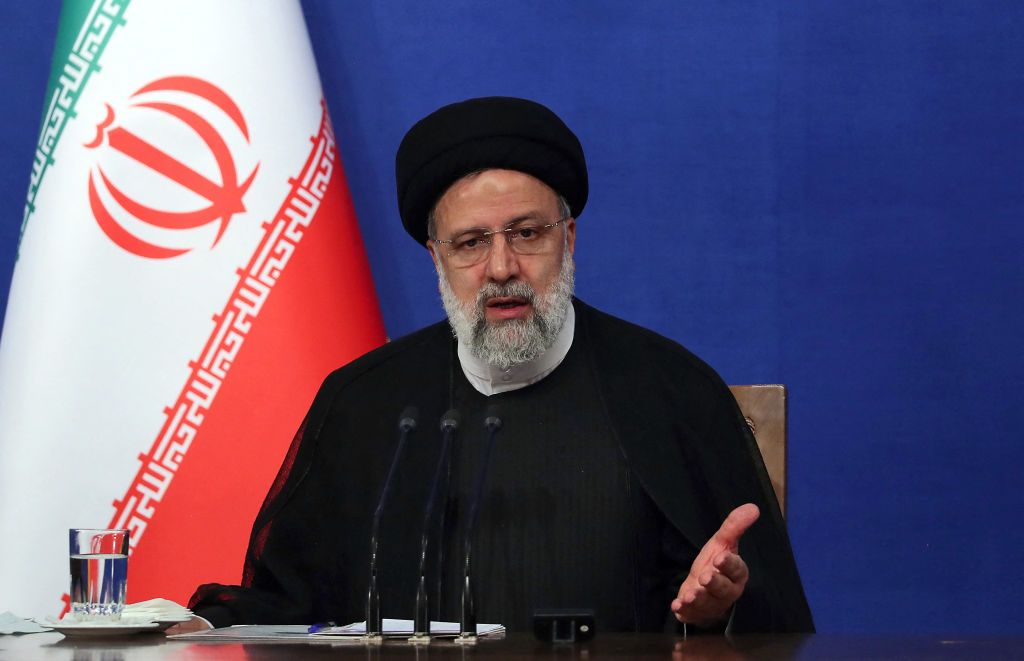
Israel’s new Iran strategy complicates regional security
The decades-long confrontation between Israel and Iran is now arguably becoming more dangerous. Amid a lack of consensus among Israeli leaders on how to address this perceived existential threat, calls for applying greater pressure are gaining momentum. The two countries have been engaged in a shadow war for years that includes assassinations, sabotage, kidnappings, and cyber operations, but a new phase of tensions may only bring them closer to a full-scale conflict.
The India-Middle East Food Corridor: How the UAE, Israel, and India are forging a new inter-regional supply chain
The India-Middle East Food Corridor developed organically among the three Asian countries themselves, through private sector, joint venture investments carefully cultivated via bilateral public-private partnerships. The United States’ participation in the corridor could prove beneficial as the U.S. seeks to bolster its presence in the strategic architecture of the Indo-Pacific.