The UAE's food-security plans have made it a global market player
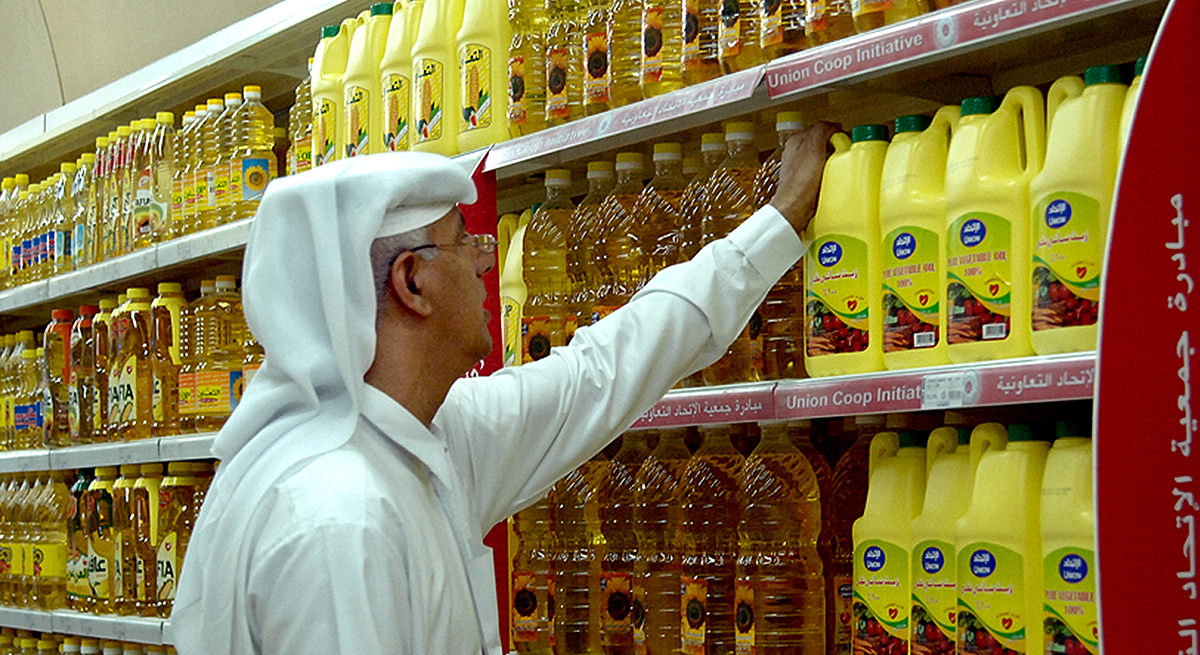
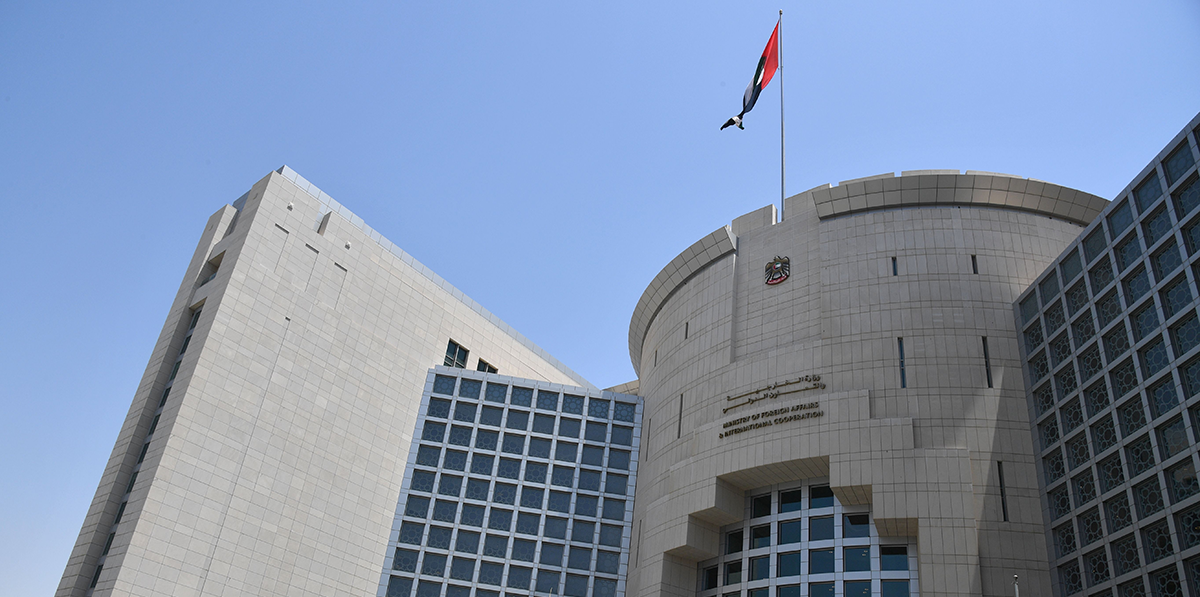
The two-month war between Russia and Ukraine has disrupted global food supplies, exposing the fragile state of food security across much of the Middle East and North Africa. Unlike those Mena nations struggling to secure cargoes of wheat and other staples, the UAE is in a better position, even though it currently imports 80 to 90 per cent of its food, thanks to its forward-looking food strategy during the past several years.
هزینه سنگین حمایت حزب الله برای اقتصاد و امنیت ایران
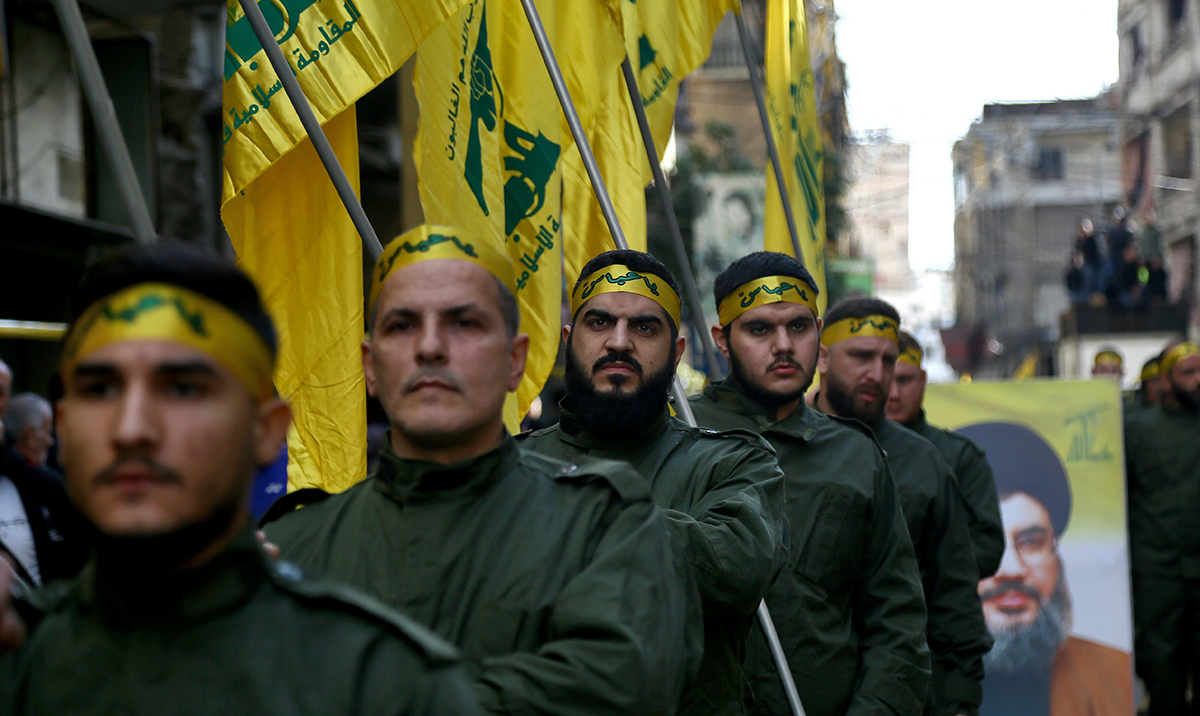
در جمهوری اسلامی ایران, این فرضیه وجود دارد که حمایت از سازمان حزب الله در لبنان, امنیت و قدرت بازدارندگی ایران را افزایش داده است. در عین حال, شواهد و قرائنی وجود دارند که نتایج انان برعکس این فرضیه را نشان می دهند.
Iran, Turkey, and the future of the South Caucasus
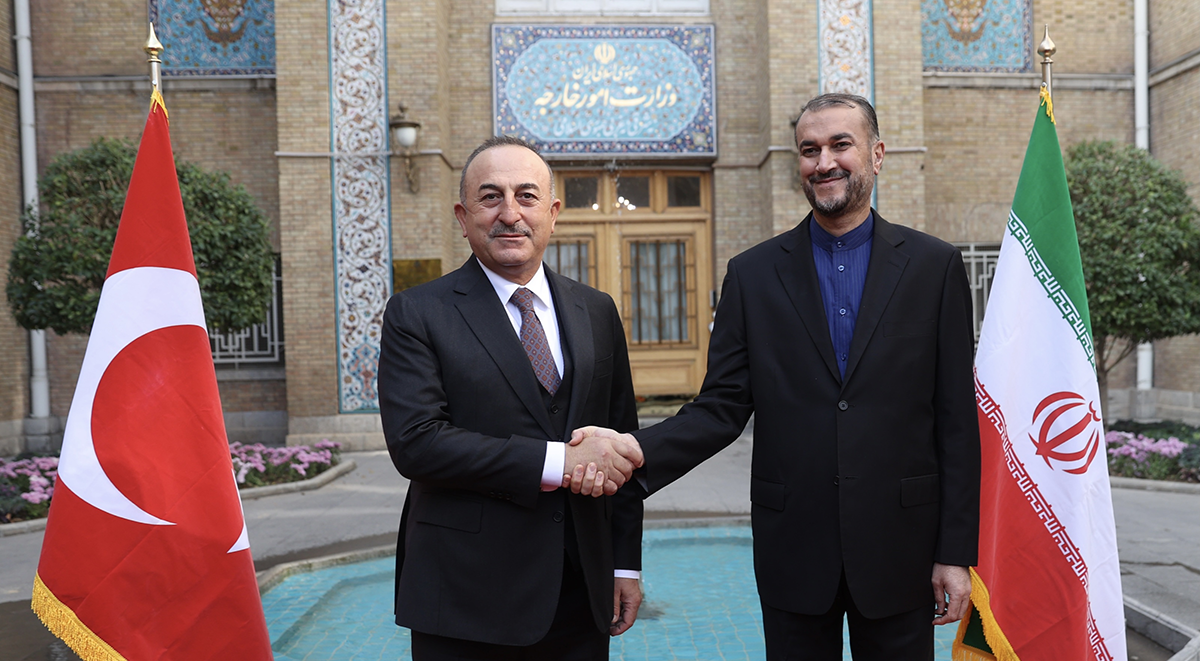
Since late September 2021, Tehran and Baku have engaged in a process of de-escalation, largely focused on economic cooperation and regional transportation links. Such efforts should be welcomed, but underlying geopolitical tensions, especially the Iranian-Turkish competition for influence in the South Caucasus, can still derail them at any moment.
Iran’s Revolutionary Guard and the Rising Cult of Mahdism: Missiles and Militias for the Apocalypse
As the U.S. administration considers whether to remove Iran’s Islamic Revolutionary Guard Corps as a foreign terrorist organization, understanding its nature, development, and ideology is essential to making an informed decision. There is much about it that differentiates it from a conventional armed force. One fundamental aspect of its ideology that until now has been overlooked is the doctrine of Mahdism.
Iran is learning from Russia’s use of missiles in Ukraine
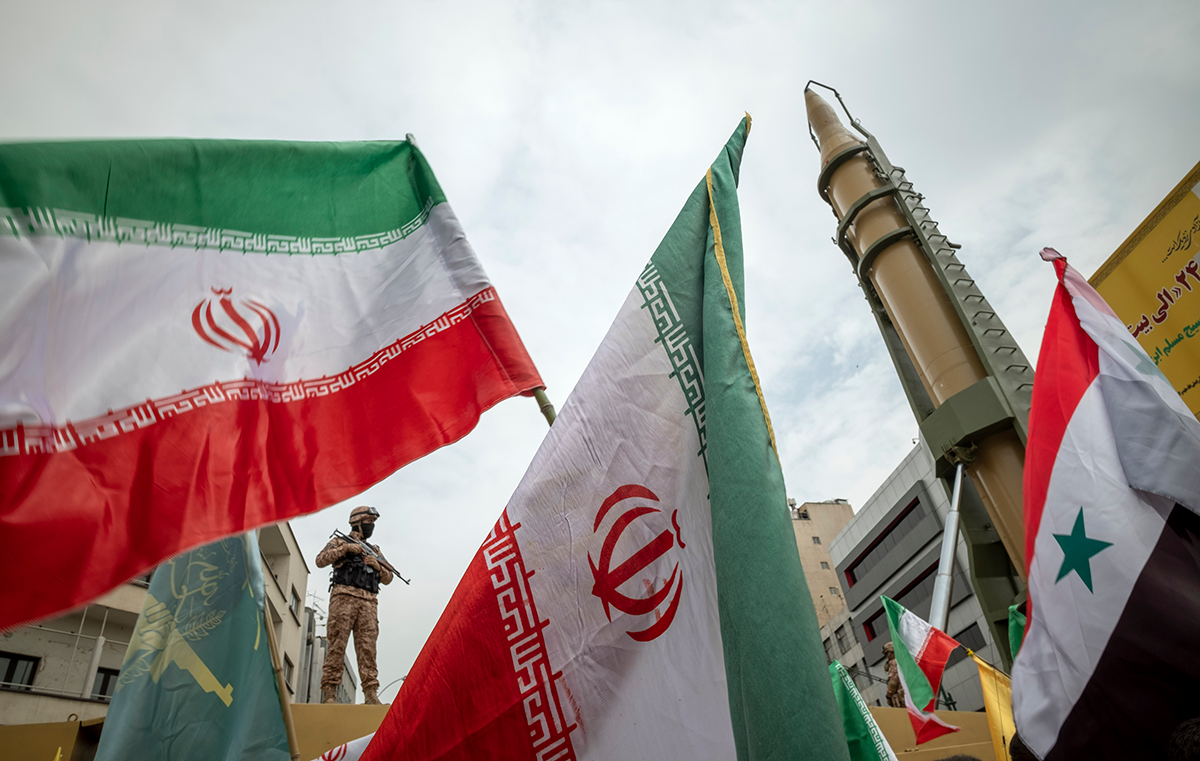
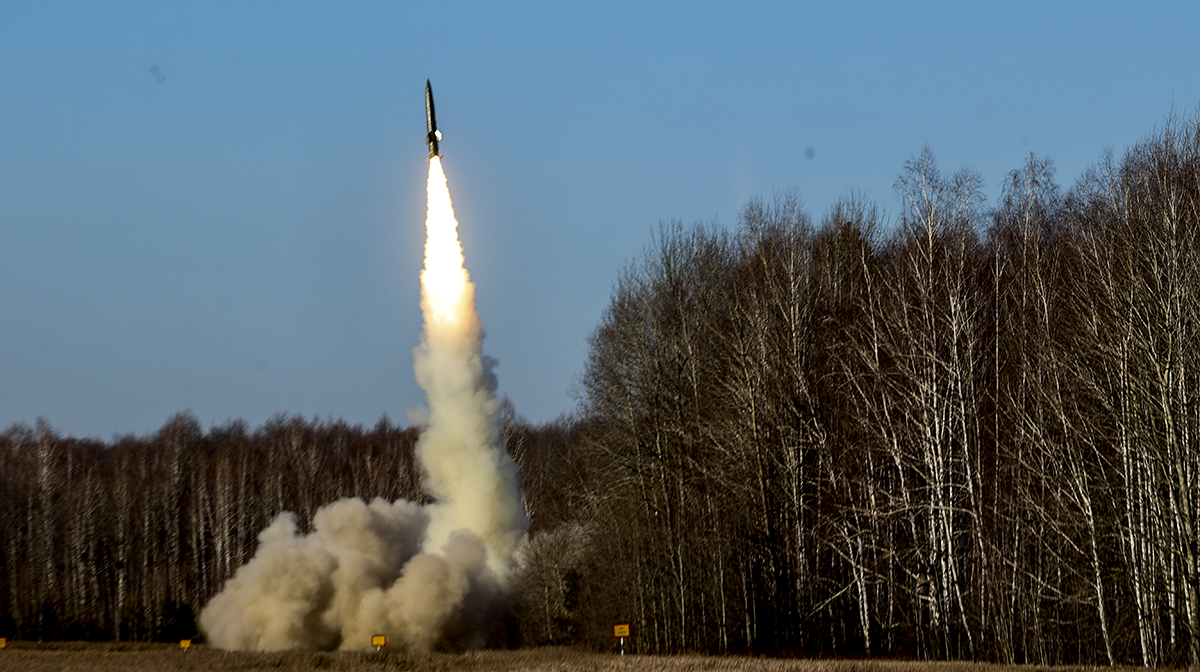
Russia’s invasion of Ukraine has turned into the largest testing ground for ballistic and cruise missiles in modern warfare. Militaries around the world are watching carefully, and Iran is certainly no exception. With its military doctrine heavily dependent on ballistic missile forces, Iran has a particular interest in the war in Ukraine and is taking notes on Russia’s use of missiles.
What would an Arab-Israeli military alliance mean for Iran?
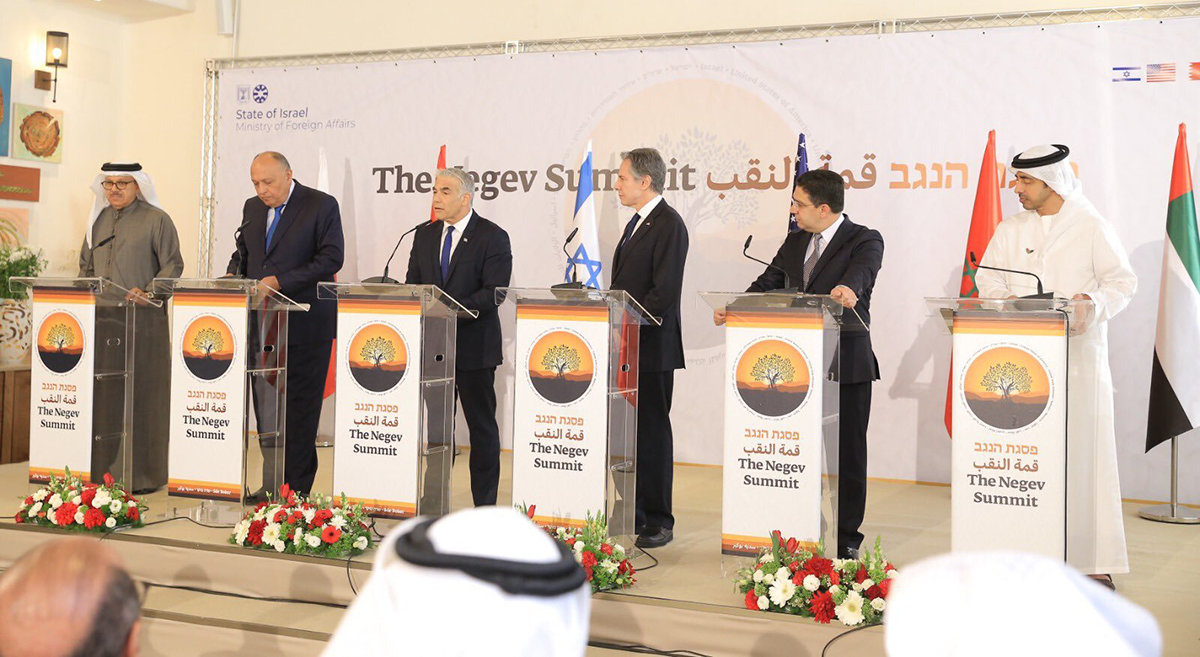
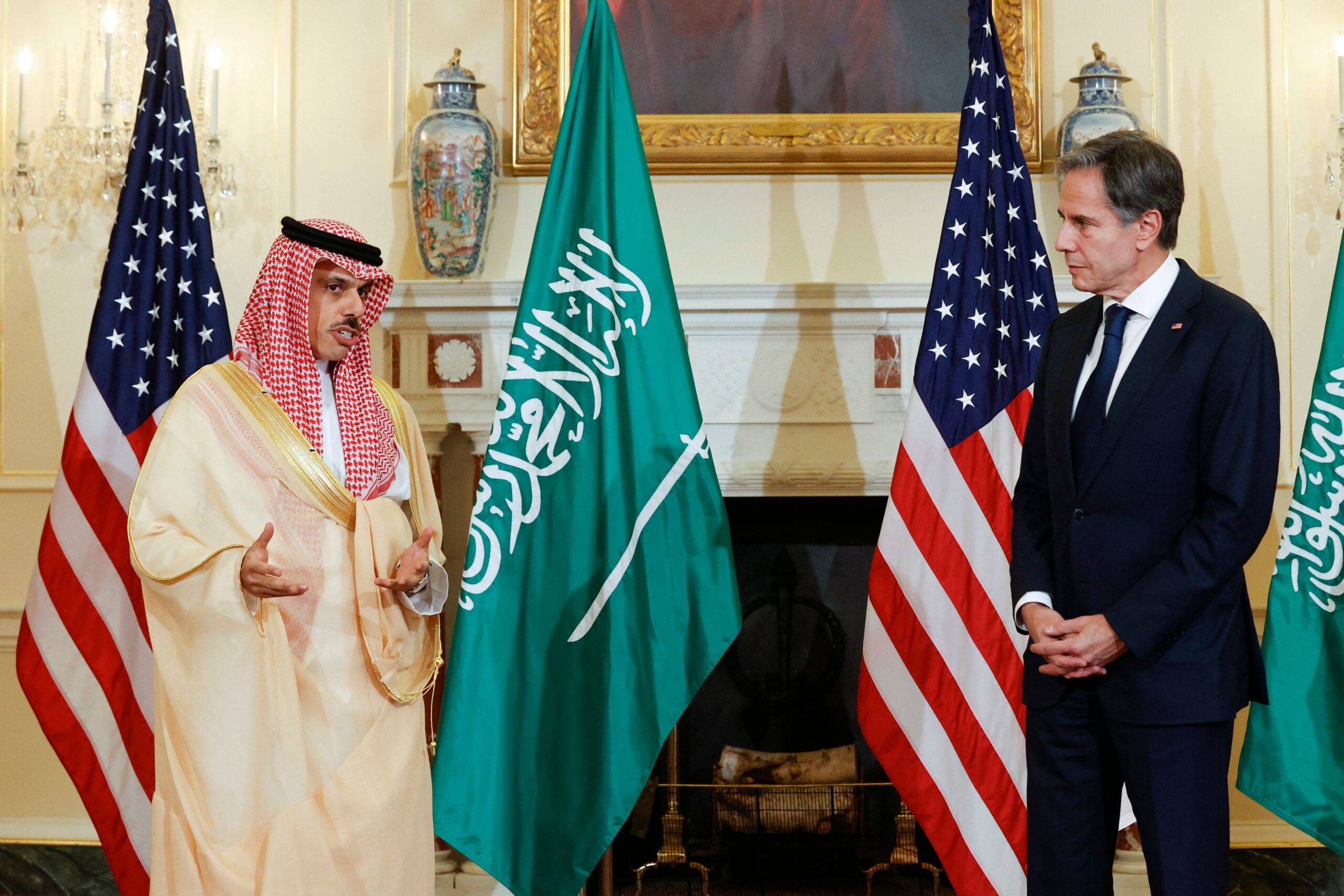
In recent remarks, the Israel Defense Forces’ (IDF) Chief of Staff Aviv Kochavi announced preparations for a potential upcoming military operation, foreshadowing a possible move against Iran. Kochavi’s announcement came shortly after Israel and the foreign ministers of four Arab nations — Morocco, Egypt, the UAE, and Bahrain — along with U.S. Secretary of State Antony Blinken, met at the Negev Summit in the Israeli desert to lay the foundation for a strategic military alliance to deter “Iran and its associated militias,” as Israeli Foreign Minister Yair Lapid put it.
Iran-Africa relations under Raisi: Salvaging ties with the continent
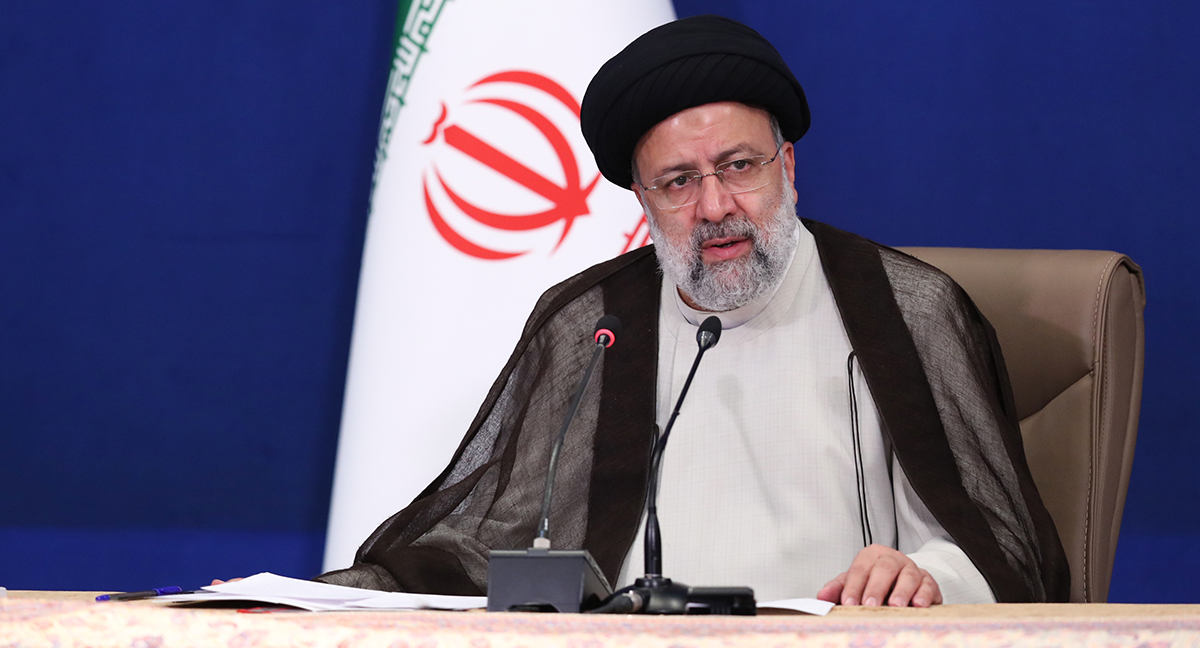
Since the beginning of his presidency, Raisi has called for increasing cooperation with Africa. Contrary to popular perception, this is not part of a hegemonic project to further expand Iranian influence in Africa. Rather, it constitutes an effort to reset relations with the continent after his predecessor spent eight years neglecting it.
Some observers have been perplexed by perceived changes in the UAE’s foreign policy on a number of fronts. These supposed changes, however, are more consistent than they may first appear and certainly do not reflect the wider strategic direction of the UAE. These policy moves can be better understood through three “keys” that explain the UAE’s strategic map and its international engagement.
US-Gulf Relations at the Crossroads: Time for a Recalibration
The global response to Russia’s invasion of Ukraine has focused new attention on friction between the United States and its traditional partners in the Gulf and reinforced skepticism regarding the United States’ status as the dominant international partner in the region. It’s time for both sides to identify a realistic way forward that sheds outdated notions of mutual obligation without becoming merely transactional.
Gulf oil producers feel vindicated, but don’t expect them to turn on Russia
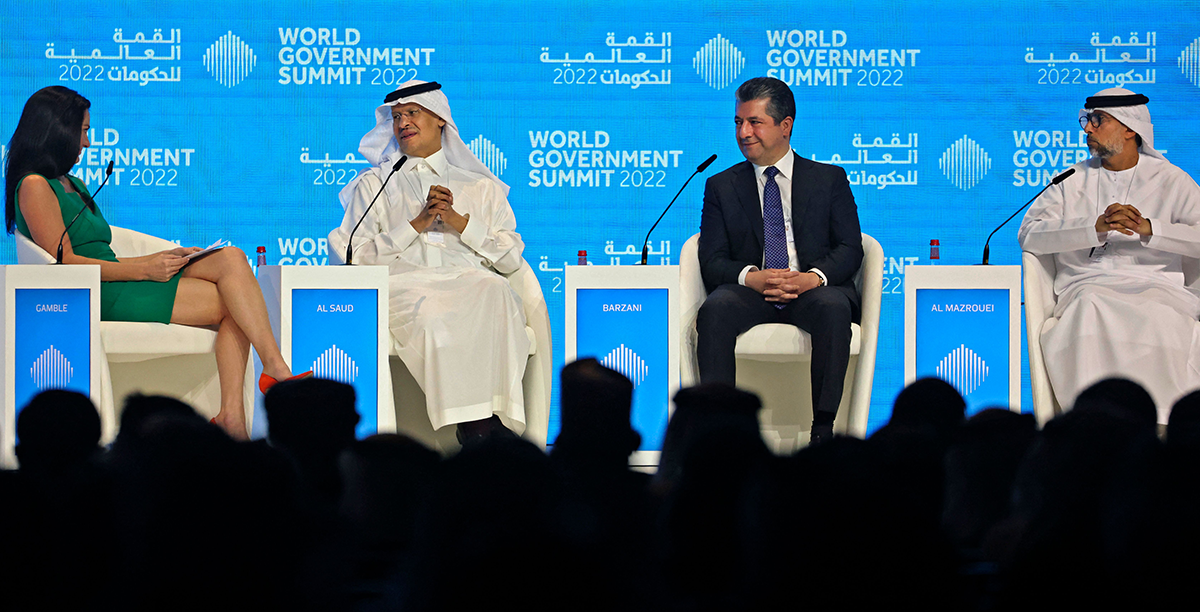
The war in Ukraine has brought back to the forefront the conversation about the need for new investments in oil and gas for the foreseeable future. As the calls multiply for Gulf producers to step in and fill the gap in gas and oil supplies as Russia faces sanctions, producers now feel vindicated after being shunned, and even targeted, at the COP26 in Glasgow last year.
How will the war in Ukraine affect EU-MENA relations?
While most analyses of the war in Ukraine have tended to focus on the intra-European dimension, it is worth exploring the potential consequences of this conflict for the EU’s relations with countries further afield, especially those in the Middle East and North Africa.