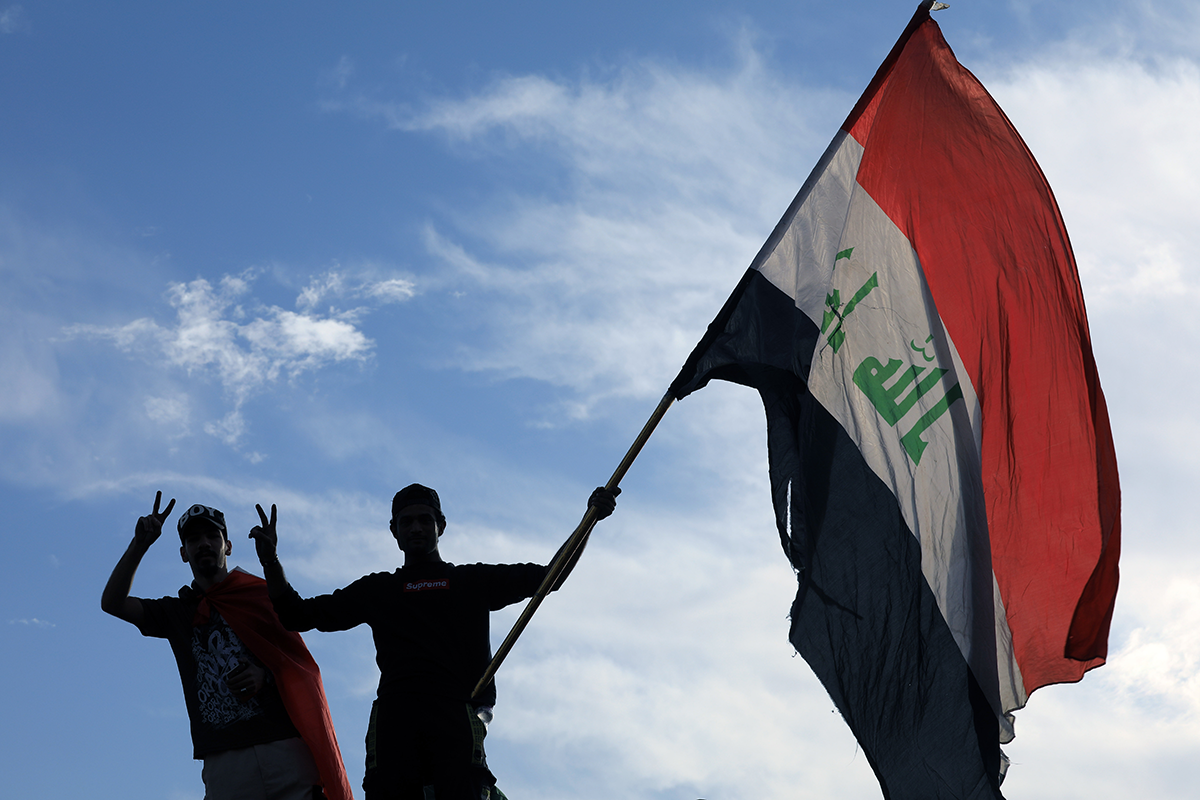
Although it has been more than 18 months since Iraq’s October 2019 protests, many of the big questions raised remain unanswered, most of which revolve around the sustainability of the post-2003 political system and its ability to correct itself over time.
“Death by a thousand cuts”: Syrian refugees face dire conditions as Lebanon unravels
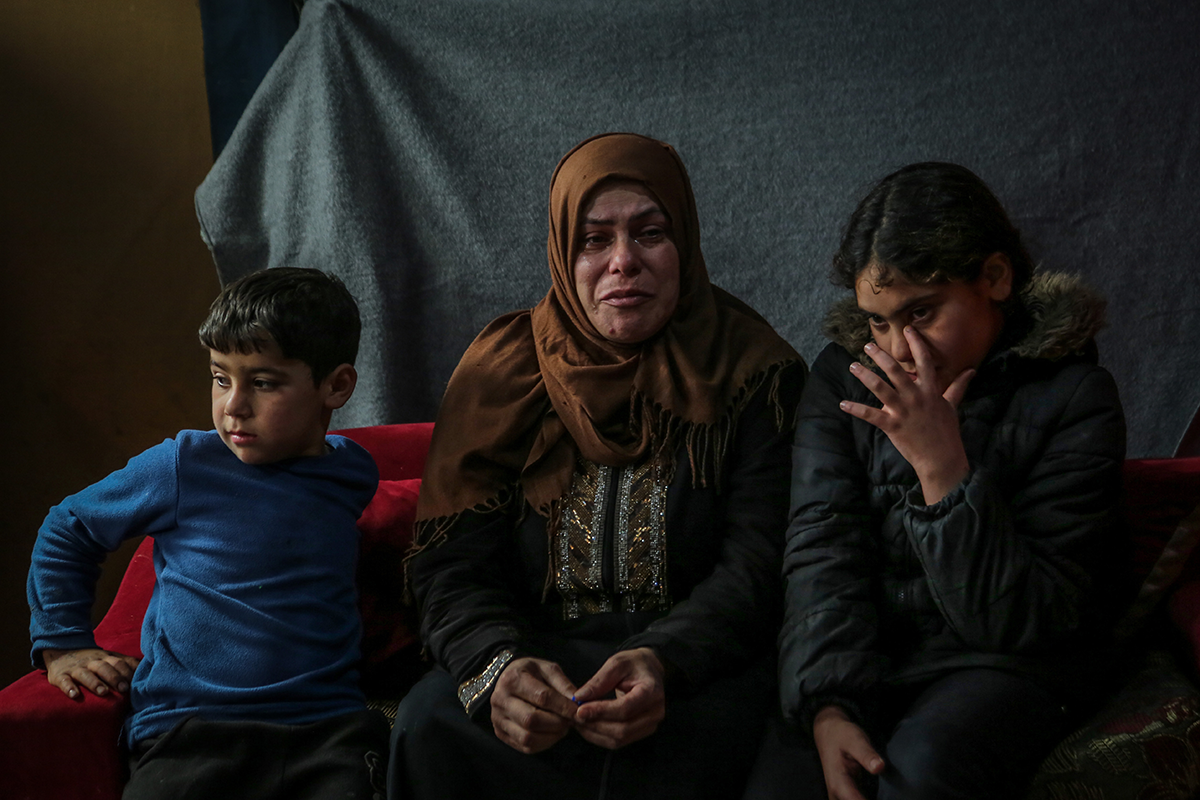
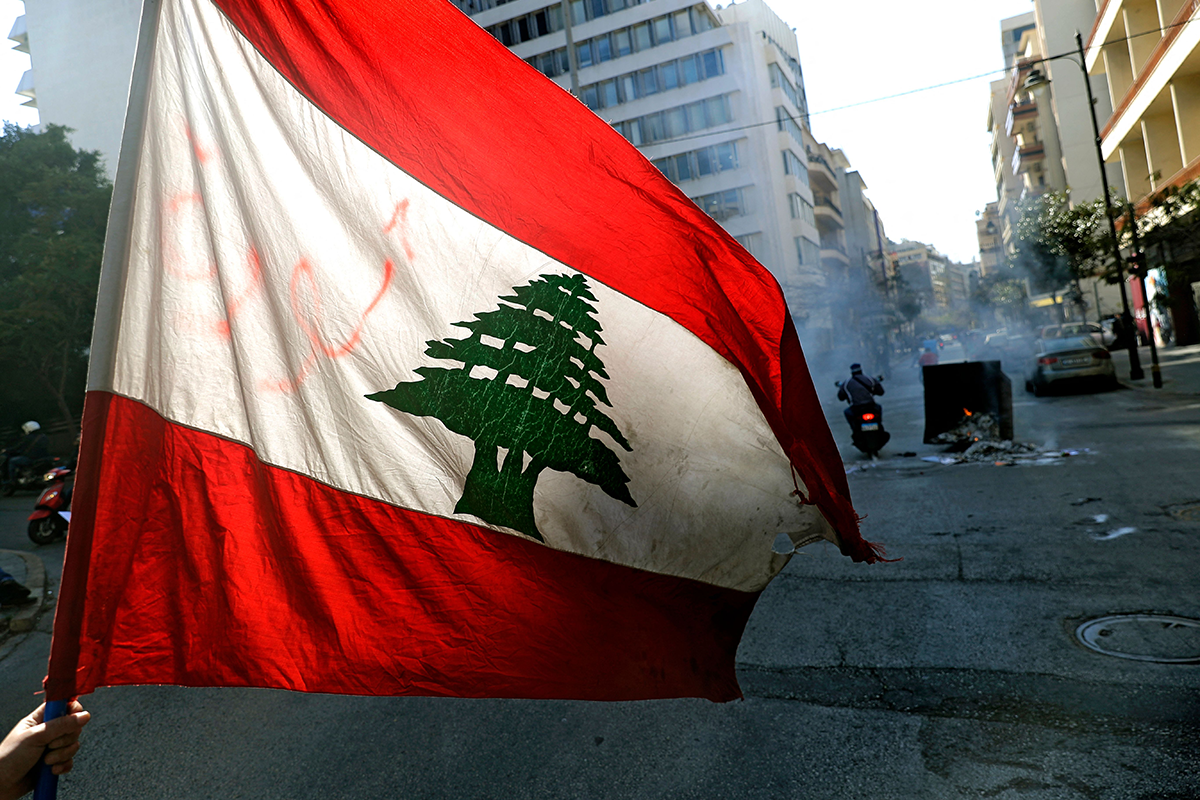
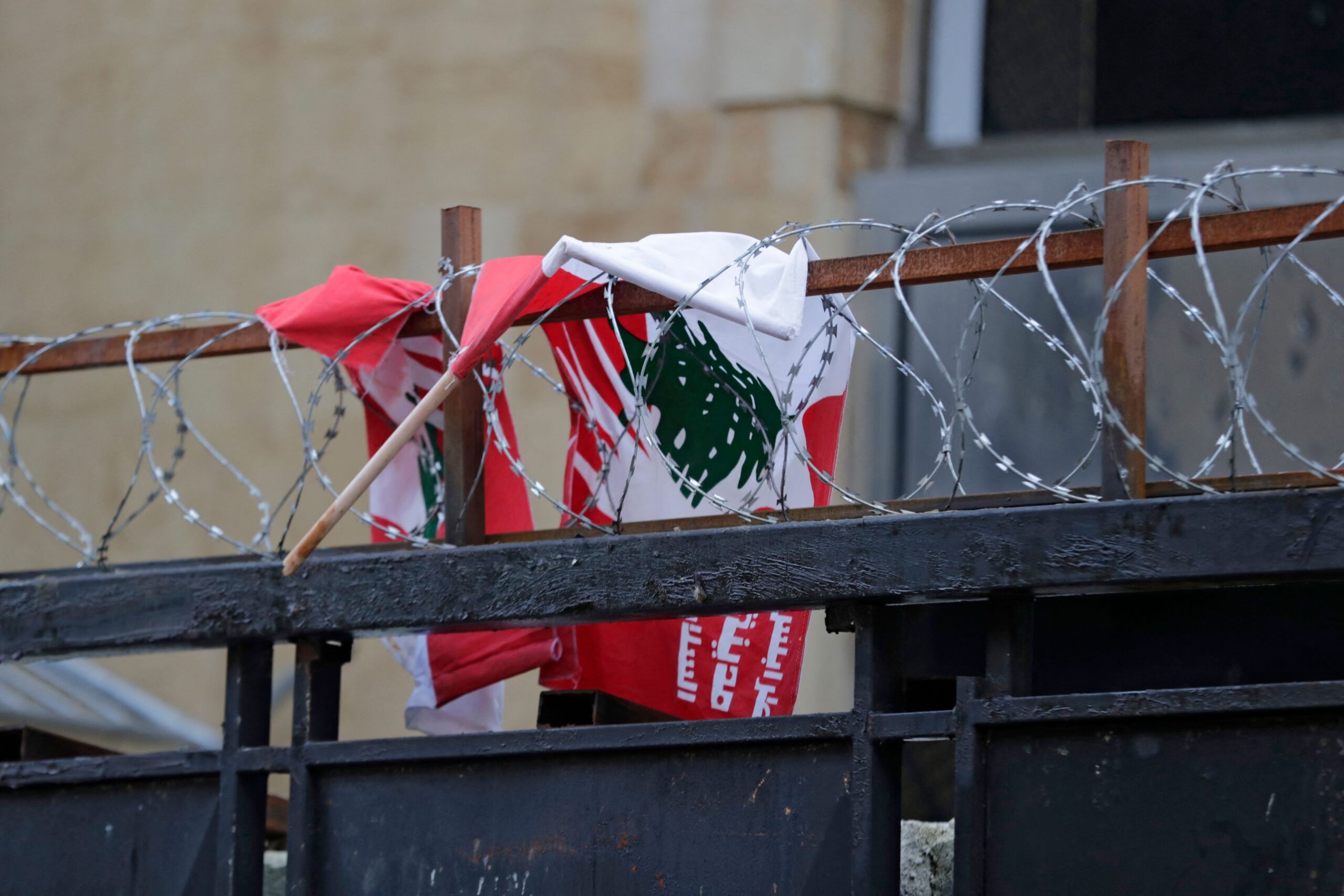
Syrian refugees in Lebanon are now in a state of legal limbo and have been pushed further to the margins of society and into the arms of smugglers and profiteers as they, along with most Lebanese, desperately try to survive in a country described by one of its own political leaders as a sinking ship.
The unfolding struggle for political survival in Lebanon
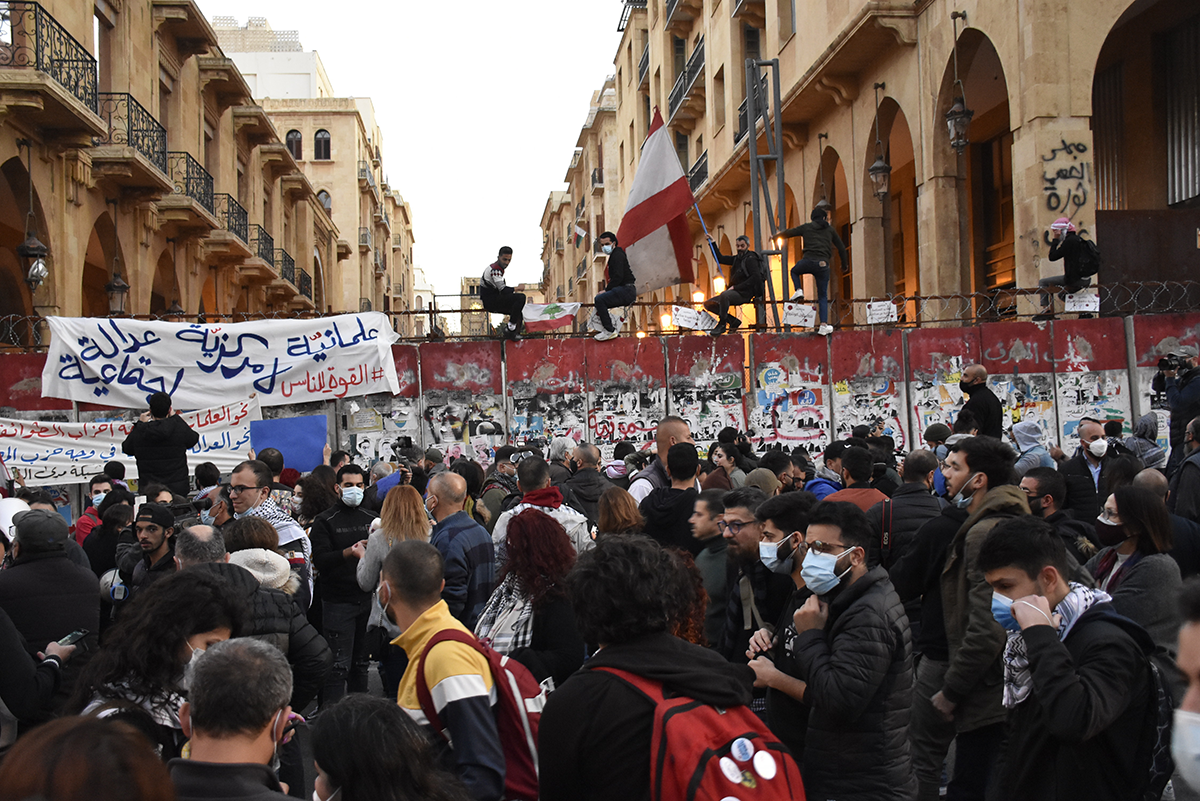
Lebanon’s political leaders are getting deeper into trouble, and they know it. This does not make them any less dangerous. Recurring skirmishes over cabinet formation — namely those referencing constitutional powers, cabinet size, sectarian representation, and ministerial allocation — continue to dominate the public discourse and waste precious time. They remain, however, peripheral to the central issue that establishment parties currently face: an all-out struggle for political survival at a time when tough and unapologetic decisions need to be made.
Making sense of the Iran-China strategic agreement
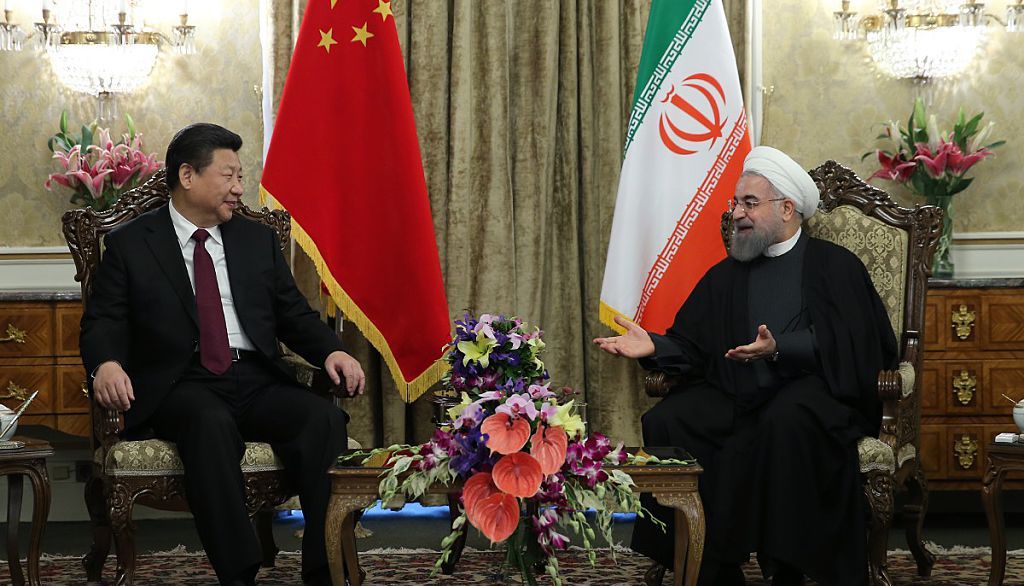
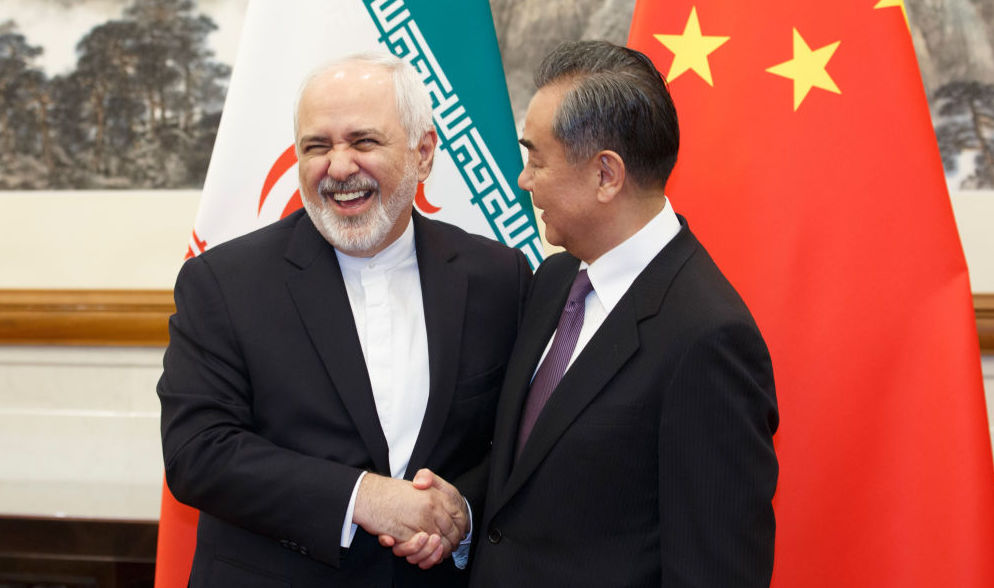
The 25-year agreement between Iran and China that made headlines this past month is far from new. It was first announced in 2016 during a state visit by President Xi Jinping to Tehran, at a time when sanctions on Iran were being lifted as part of the 2015 nuclear deal. Chinese and Iranian officials have been working out the details of the deal ever since as part of a slow process of consultation and negotiations. The timing of the latest announcement about the agreement is, therefore, less about developments in relations between Beijing and Tehran and more about the fast-deteriorating relations between Beijing and Washington. China is looking to identify areas where it can cultivate leverage, and Iran is a prime opportunity.
Key environmental challenges facing the Middle East
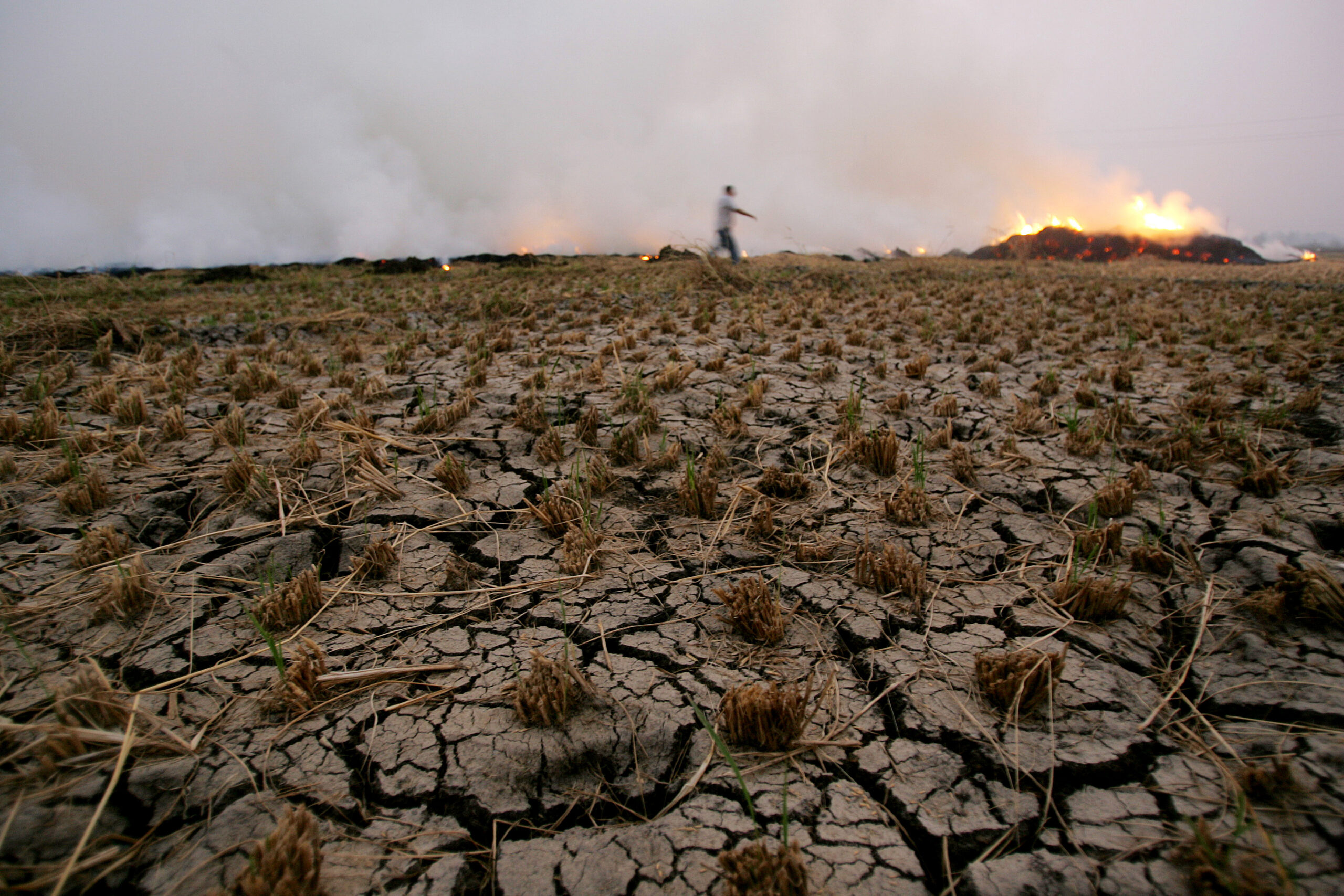
The Middle East and North Africa faces a host of major environmental challenges, from water scarcity and food insecurity to climate change adaptation. In recognition of Earth Day on April 22 and in conjunction with MEI’s Climate Week 2021 events, we asked experts and scholars to weigh in with their thoughts on the most pressing environmental issues facing the region.
Following a royal rift King Abdullah faces daunting choices
April 11, 2021 was to be a day of celebration and national pride marking the kingdom of Jordan’s centenary as a state — a geopolitical feat in itself few thought was possible a century ago. But instead of pomp and ceremony the festivities were overshadowed by stark events that took place a week before when the government unveiled a “plot” to destabilize the country involving a senior member of the royal family, a close former palace aide, and “outside entities.” This was an unprecedented development in the history of the kingdom and ruling monarchy. The implication of Prince Hamzah, the former crown prince and half-brother of King Abdullah, in a fuzzy conspiracy that is tantamount to a coup has shocked Jordanians from all walks of life.
Repairing regional and global relationships through cyber diplomacy
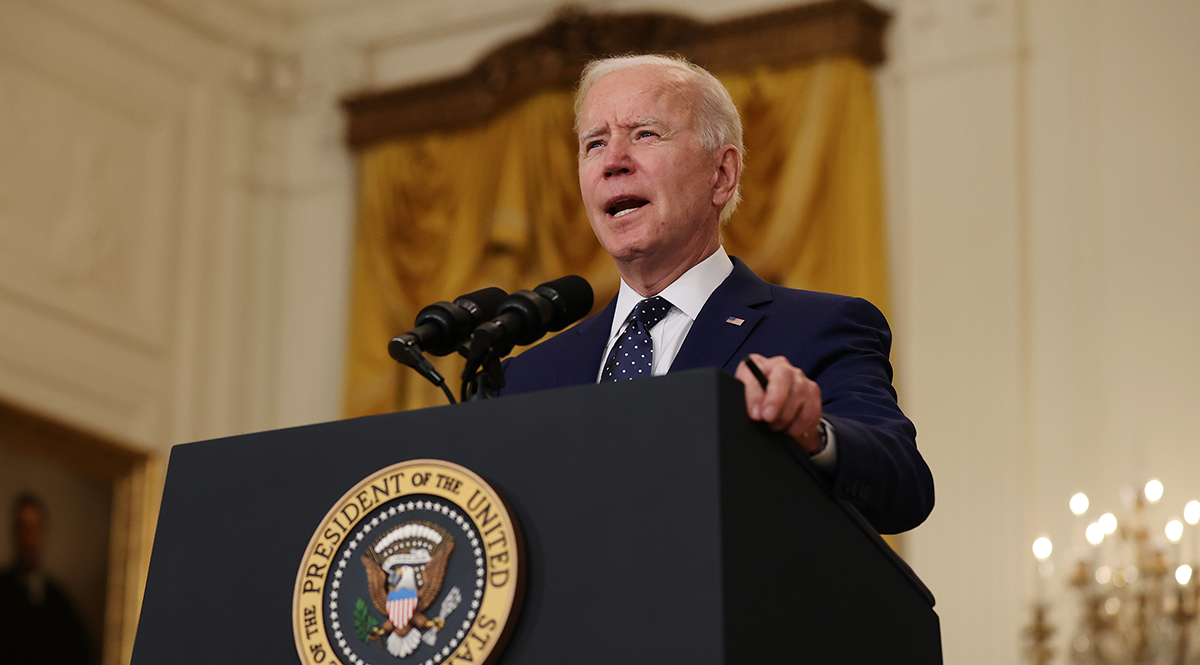
Under mounting pressure to define and execute its foreign policy to “restore U.S credibility,” the Biden administration needs to carefully consider its focal points in the Middle East, especially in light of the region’s recent realignment following the signing of the Abraham Accords. Luckily, through cyber diplomacy and norm setting, the administration can restore its credibility without abandoning its core ideals, while also nurturing relationships in the Middle East and beyond. Such cyber diplomacy could involve both engaging with partners to strengthen rules-based frameworks around acceptable state behavior in cyberspace and using cyber to leverage wider diplomatic aims.
The China-Iran deal and the reinvention of the Iranian revolution
The announcement of the Comprehensive Strategic Partnership (CSP), a 25 year-long economic and development agreement between China and Iran, has immediately added to the intensifying discourse concerning US-China Geostrategic Competition. Nonetheless, a closer look at its implications suggests that it may be useful in achieving some U.S. goals with Iran: particularly regime modernization.
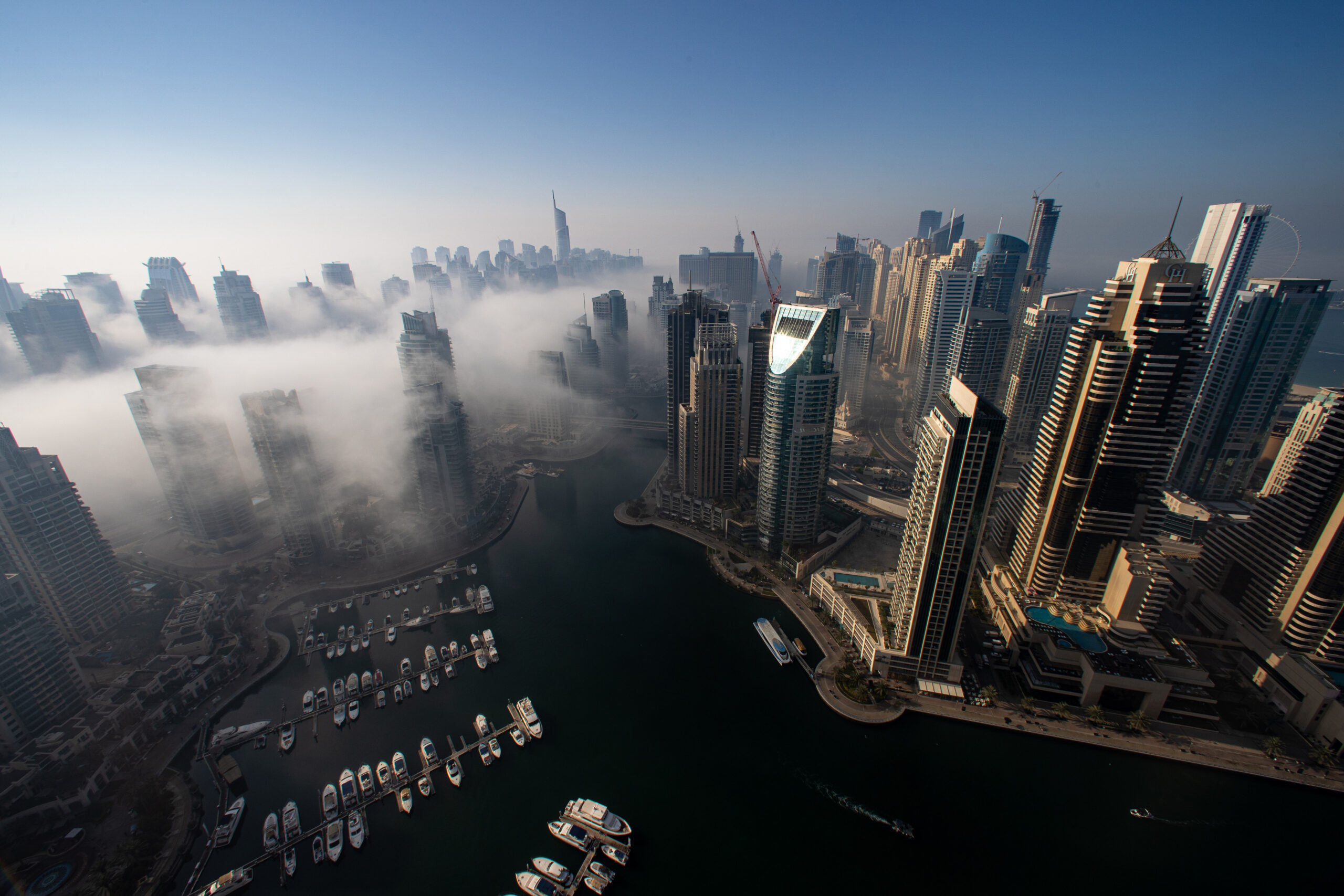
For many years, the United Arab Emirates (UAE) has thrived as a result of its ability to attract talent from abroad. On Jan. 30, 2021, Sheikh Mohammed bin Rashid al-Maktoum, the vice-president and prime minister of the UAE and ruler of Dubai, announced on Twitter[1] an amendment to the law that is designed to entice and retain foreigners by permitting a select group of expatriates to become Emirati citizens without giving up their original nationality.
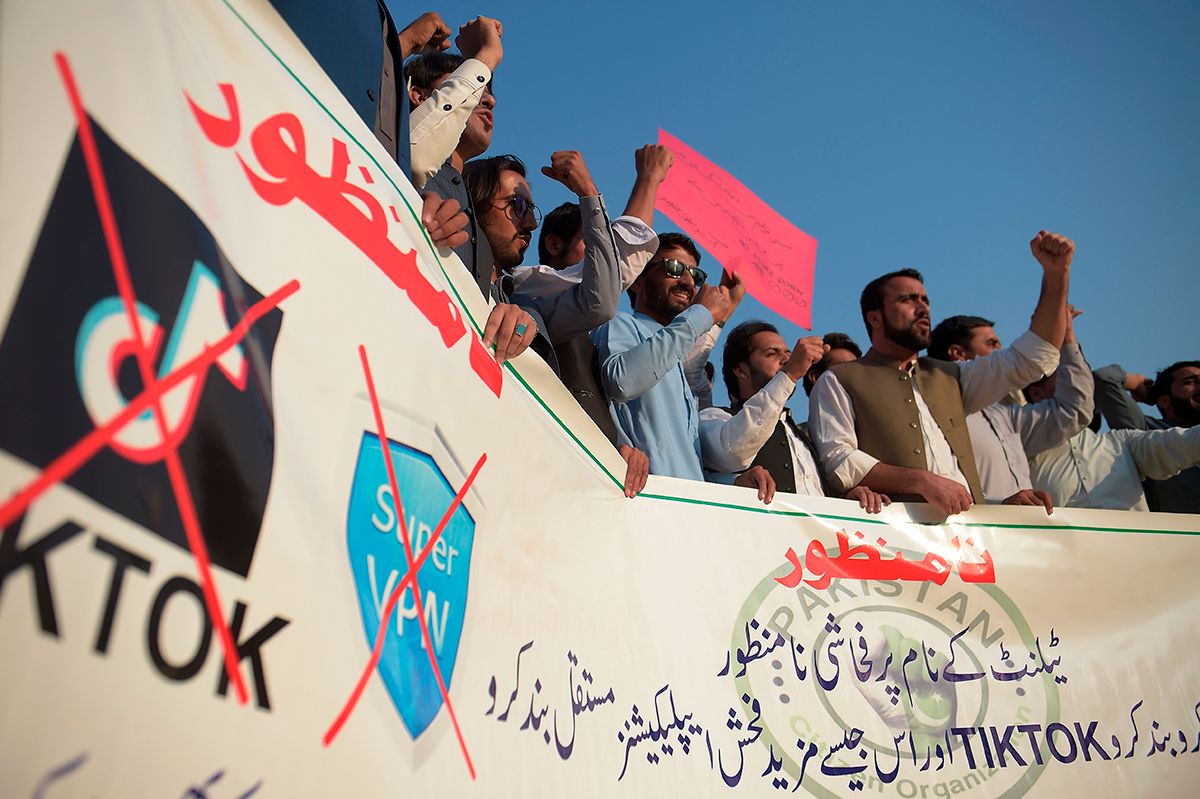
The cyclical futility of governance by TikTok in the Middle East
When headlines flashed this month about the Peshawar High Court’s decision in Pakistan to yet again ban the controversial video-sharing app TikTok, you might have been tempted to scroll away in boredom. After all, who hasn’t banned TikTok these days?
The data centers industry: The GCC’s new oil fields
Close observers of policy trends in the GCC will notice that digital transformation and data governance are becoming vital issues in the region. Over the last decade, Gulf countries have introduced ambitious plans to digitally transform their public and private sectors, with the goal of providing reliable, rapid, and efficient public and private services.
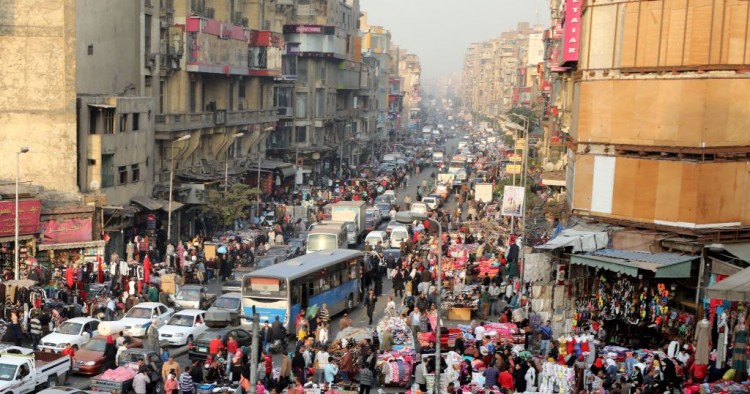
Egypt should go green by putting a price on carbon
It is time for Egypt to put a price on carbon. While Cairo has taken small steps toward developing a sustainability plan, it needs a bold idea to stop rising carbon emissions. Establishing a carbon exchange — or putting a price on carbon — would be good for the country and help make Egypt an environmental leader in the region.
Lebanon’s economic crisis: A tragedy in the making
For the past 18 months, Lebanon has been reeling from a wrenching economic crisis. This essay deciphers the crisis’s origin, describes the current juncture, and reflects on the likely outcomes in the proximate future.
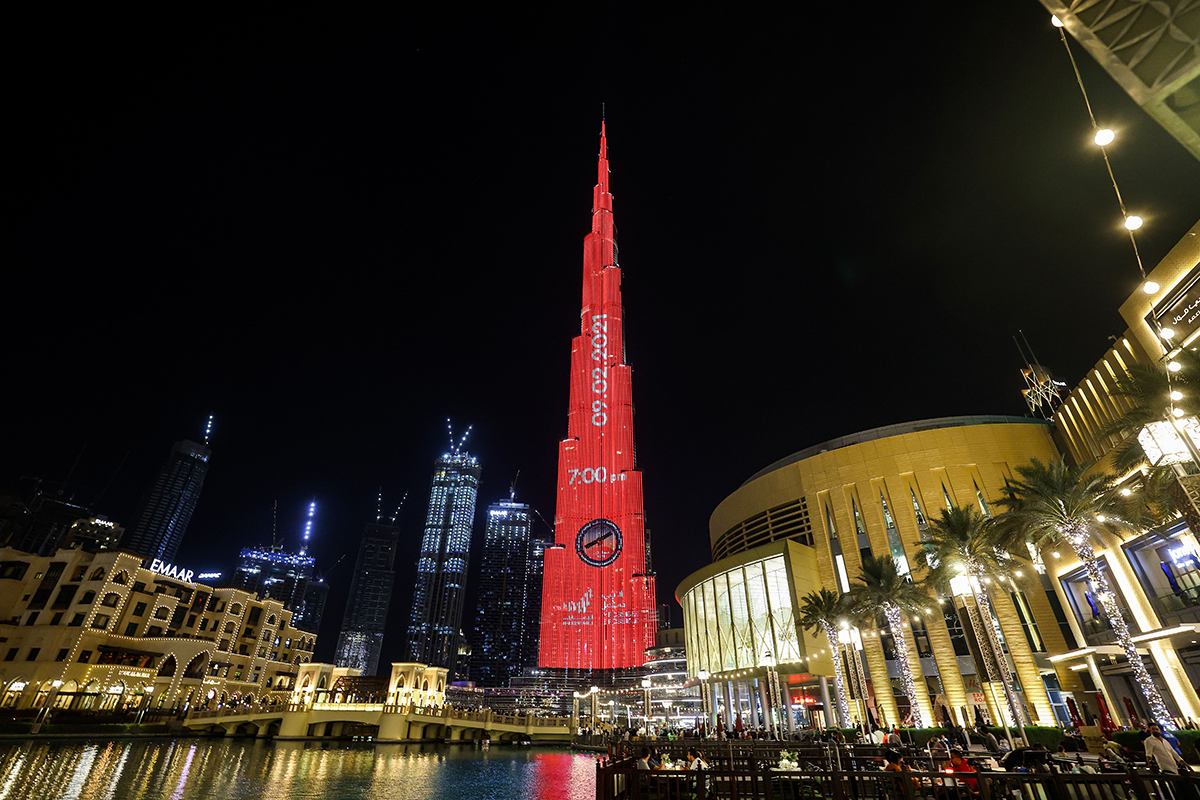
The geopolitics of space: Why did the UAE send a probe to Mars?
On Feb. 9, 2021, the UAE made history when its Hope Probe reached Mars and communicated back to Earth. This made it just the sixth member of the elite group of countries that have reached the Red Planet, and the first Arab nation to do so. The UAE stressed that the Mars mission is a success for all Arabs and this significant scientific feat positions Abu Dhabi not just as a leader in the Middle East, but also as an important global player in space.
6 Key Steps for Targeted US Diplomacy to Stabilize Lebanon and Advance US Foreign Policy
The Middle East Institute and the American Task Force on Lebanon (ATFL) have collaborated with the Lebanese International Finance Executives (LIFE) to produce an urgent Lebanon-focused policy brief. The brief outlines recommendations to the Biden Administration for empowering an international coalition to support the Lebanese people and strengthen their capability to promote real change.