Skip to Content

Research & Commentary Results

Filter by
2609 Results
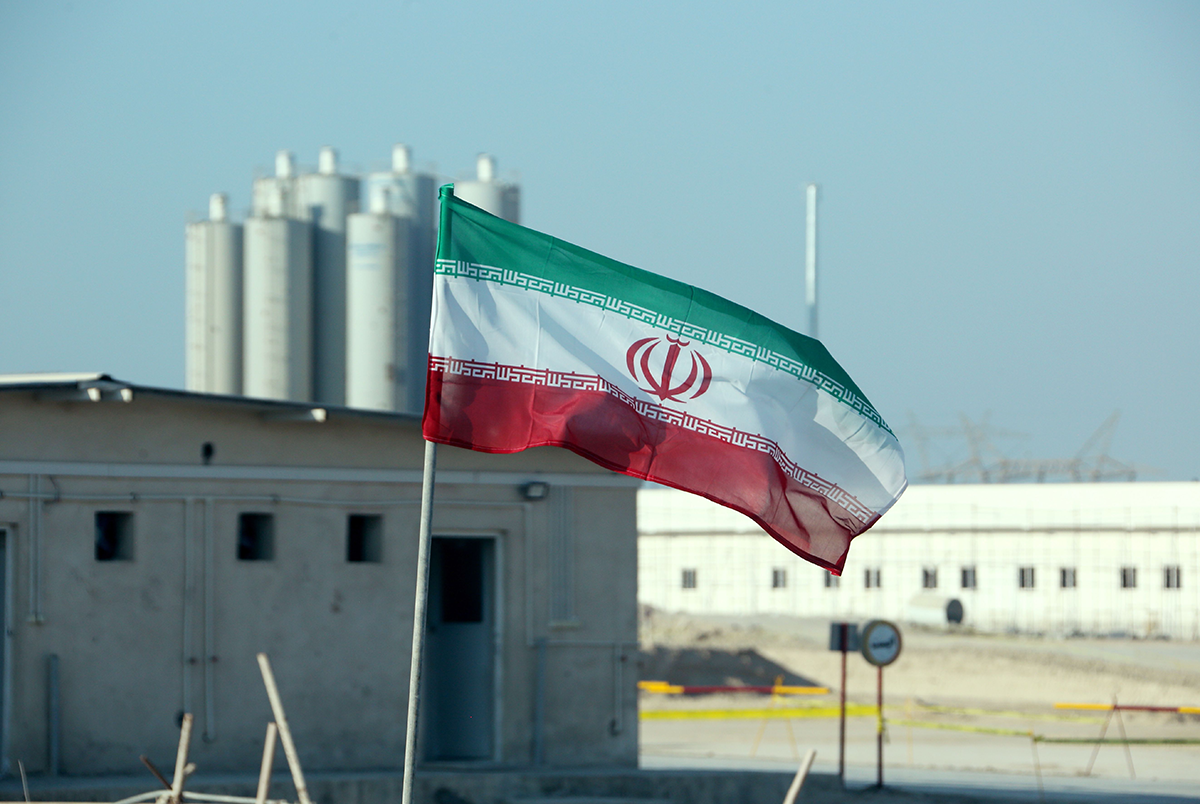
What prompted Iran to strike the Mercer Street?
Photo by KARIM SAHIB/AFP via Getty Images
  • Analysis
  • What prompted Iran to strike the Mercer Street?

    The July 29 suicide drone attack on the Israeli oil tanker Mercer Street, which left two British and Romanian crewmembers dead in the Arabian Sea, was carried out by Iran and was intended to cause human casualties and physical damage, according to the investigative report from U.S. Central Command(CENTCOM). While Tehran denied any hand in the strike, the G7 directly blamed Iran and U.S. Secretary of State Antony Blinken promised a “collective response.”

    August 26, 2021

    Iranian women campaign to stop the rise in “honor killings”
  • Analysis
  • Iranian women campaign to stop the rise in “honor killings”

    Every year 400-500 women are killed brutally in Iran to protect men’s “honor.” The killers are usually close relatives — often the victim’s father, husband, or brother. According to a report published in The Lancet in October 2020, at least 8,000 such killings were reported in Iran between 2010 and 2014. “The number of honor killing victims is greater than reported as in some cases women were driven to suicide or the cause of the death was not reported as murder but as illness,” according to Dr. Rezvan Moghadam, founder of the Iranian organization Stop Honor Killings. Dr. Moghadam has documented more than 1,200 cases of honor killings in the country. According to research, which will soon be published as a book and made available to the public, these kinds of violent killings of women and girls have been increasing for the last 20 years in different cities and villages in Iran.

    August 26, 2021

    Saudi Arabia Returns
    Photo by Saudi Royal Council/Anadolu Agency via Getty Images.
  • Analysis
  • Saudi Arabia Returns

    At the dawn of the Biden era of American foreign policy, a more mature, realistic Saudi foreign policy is emerging to match the shifting signals from Washington. In some measure, the Saudis are readopting elements that traditionally characterized their policy preferences before the meteoric rise of Crown Prince Mohammed bin Salman (MbS), the kingdom’s de facto ruler.

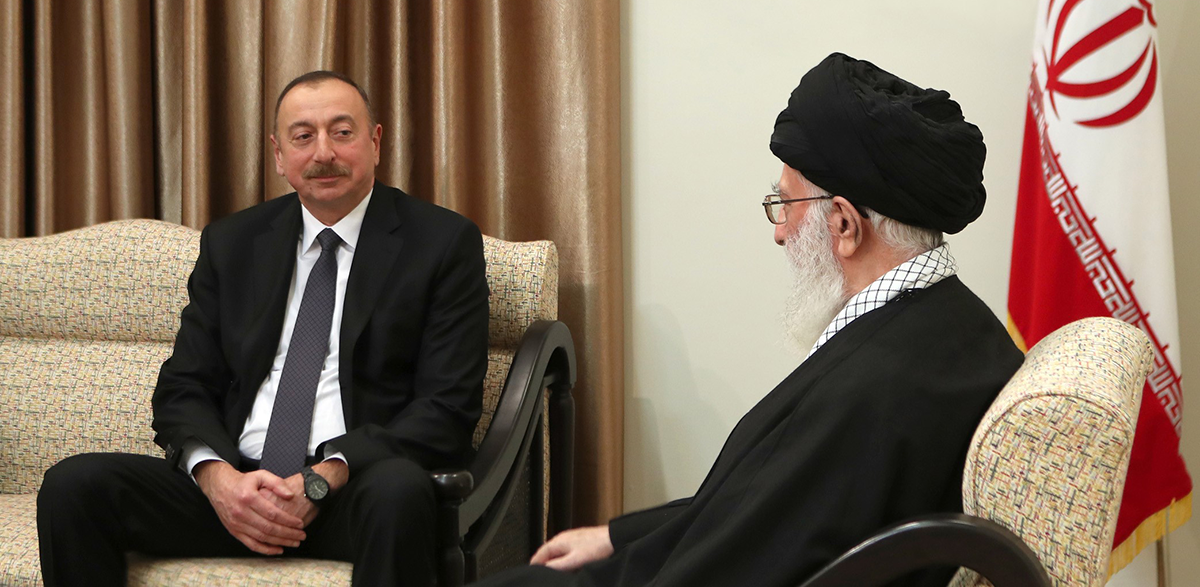
    Time to flip the script on Iran
    Photo by Iranian Presidency / Handout/Anadolu Agency via Getty Images
  • Analysis
  • Time to flip the script on Iran

    Since 1979 U.S. policies toward Iran have alternatively ranged from some version of “maximum pressure” to appeasement and back again while maintaining the same assumptions and calculus: the clerics would ultimately fall when the elite and middle class had enough and were willing to pay the price for revolting. Today, however, the landscape is evolving. While Iran’s leaders appear to be adapting, U.S. thinking is rooted in the past.

    August 23, 2021

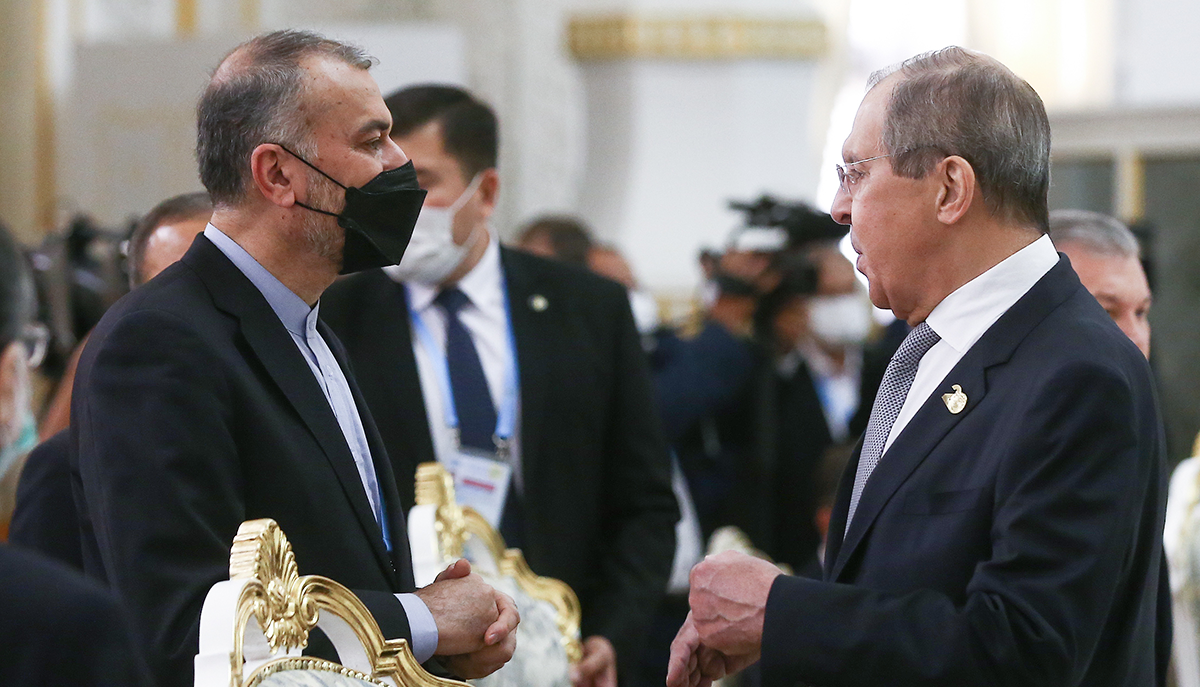
    Hossein Amirabdollahian: A Quds Force favorite becomes Iran’s new foreign minister (Part 2)
    Photo by AFP via Getty Images
  • Analysis
  • Hossein Amirabdollahian: A Quds Force favorite becomes Iran’s new foreign minister (Part 2)

    Due to his divergent views on Iran’s international and regional policies, Hossein Amirabdollahian had various disagreements with then-Foreign Minister Mohammad Javad Zarif while serving as deputy foreign minister beginning in 2011, and these ultimately led to his removal from the post in June 2016. The official reason announced for the change was Amirabdollahian’s appointment as Iran’s new ambassador to Oman, although he refused to accept the position.

    August 18, 2021

    Russia and the GERD: An uneasy balancing act
    Photo by Russian Foreign MinistryTASS via Getty Images
  • Analysis
  • Russia and the GERD: An uneasy balancing act

    Since late June, Russia has expanded its diplomatic involvement in the Grand Ethiopian Renaissance Dam (GERD) dispute between Egypt, Sudan, and Ethiopia. While Russia has offered technical assistance to the GERD’s conflicting parties, it has refrained from inserting itself into the Nile dam dispute as a mediator and instead balanced the views of Egypt, Sudan, and Ethiopia in multilateral fora. Russia’s balancing strategy has been positively received in Sudan and Ethiopia but has created latent frictions with Egypt. Russia has persisted with this non-interference policy, as it has largely prevented a spillover of tensions over the GERD to other areas of cooperation with Egypt and believes that its position will help consolidate its partnership with Ethiopia.

    August 16, 2021

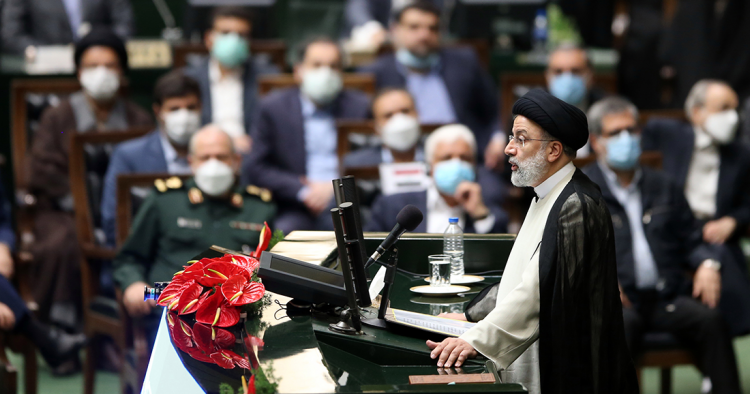
    Iran and Africa: Why Tehran will boost its ties with the continent under the Raisi administration
    Photo by Meghdad Madadi/ATPImages/Getty Images
  • Analysis
  • Iran and Africa: Why Tehran will boost its ties with the continent under the Raisi administration

    The inauguration of President Ebrahim Raisi has been heralded as the advent of a “New Iran” by the ultra-conservative camp. Although the Iranian authorities are still interested in the revival of the JCPOA, Raisi represents a resistance discourse that believes Iran has to focus on thwarting the sanctions instead of trying to lift them by means of political negotiations. The focal point of this worldview is the expansion of relations with non-Western countries, and Africa plays a central role in this effort.

    August 11, 2021

    The tyranny of low expectations
    Photo by Majid Saeedi/Getty Images
  • Commentary
  • The tyranny of low expectations

    Incoming Iranian President Ebrahim Raisi may break the mold of his predecessor by exceeding expectations in his first 100 days, but make no mistake—less horrific is still horrific; no one should be fooled.

    August 10, 2021

    Ebrahim Raisi and the future of Iran
    Middle East Institute
  • Podcast
  • Ebrahim Raisi and the future of Iran

    Ebrahim Raisi was sworn in as Iran’s new president on August 5. Ali Alfoneh and Henry Rome join guest host Alex Vatanka, director of MEI’s Iran Program, to discuss the political and economic challenges the new president will contend with, his relationship to Ayatollah Khamenei, and the future of Iran and the country’s leadership.

    August 6, 2021

    Iran’s decision-makers must shoulder the blame for its water crisis
  • Commentary
  • Iran’s decision-makers must shoulder the blame for its water crisis

    Iran’s water bankruptcy has been in the news lately, prompting deadly protests in Khuzestan province that also garnered the attention of global media. But this kind of problem is neither new or unique in the country. Drying rivers, vanishing lakes, shrinking wetlands, declining groundwater levels, land subsidence, sinkholes, desertification, soil erosion, dust storms, air, water and waste pollution, biodiversity loss, deforestation and wildfires are among the other familiar signs of Iran’s environmental devastation.

    August 5, 2021

    Can the IRGC-Taliban honeymoon continue? (Part 2)
    Photo by TASNIM NEWS/AFP via Getty Images
  • Analysis
  • Can the IRGC-Taliban honeymoon continue? (Part 2)

    the years leading up to the U.S. invasion of Afghanistan, the Taliban had strained relations with Iran. Tensions between the two sides escalated to the point that the Iranian government and the Quds Force actually assisted American forces during the 2001 U.S.-led invasion.

    July 30, 2021

    Can the IRGC-Taliban honeymoon continue? (Part 1)
    Photo by Sobhan Farajvan/Pacific Press/LightRocket via Getty Images
  • Analysis
  • Can the IRGC-Taliban honeymoon continue? (Part 1)

    Tehran’s policy toward the Afghan Taliban has created new clashes within Iranian government circles. These clashes recently escalated as influential hard-line media and associates of the Islamic Revolutionary Guard Corps (IRGC) made public efforts to portray the Taliban in a positive light. 

    July 30, 2021

    Russian-Iranian relations under Raisi and possible post-Khamenei scenarios
    Photo by Fatemeh Bahrami/Anadolu Agency via Getty Images
  • Analysis
  • Russian-Iranian relations under Raisi and possible post-Khamenei scenarios

    On June 18, Ebrahim Raisi won a landslide victory in Iran’s presidential elections. After Raisi’s triumph, Maxim Suslov, the press attaché of the Russian Embassy in Tehran, transmitted a message from President Vladimir Putin congratulating Raisi on his win and pledging to strengthen Russia-Iran bilateral relations. Iranian Ambassador to Russia Kazem Jalali echoed​​​​​​​ Putin’s comments about Russia-Iran relations and noted that he was the first world leader to congratulate Raisi on his election as Iran’s next president.

    July 7, 2021