P.M.F. Spokesman: We’ll Not Be Disbanded, Will Remain Key Player in Iraq
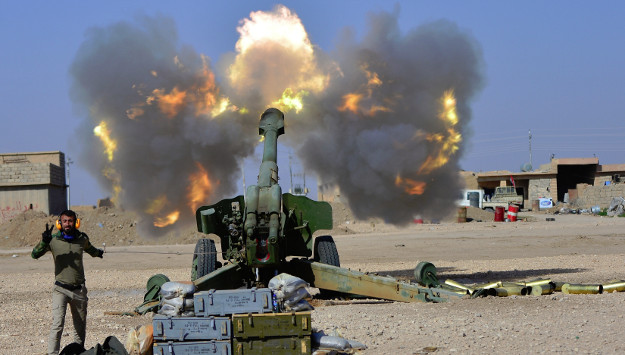
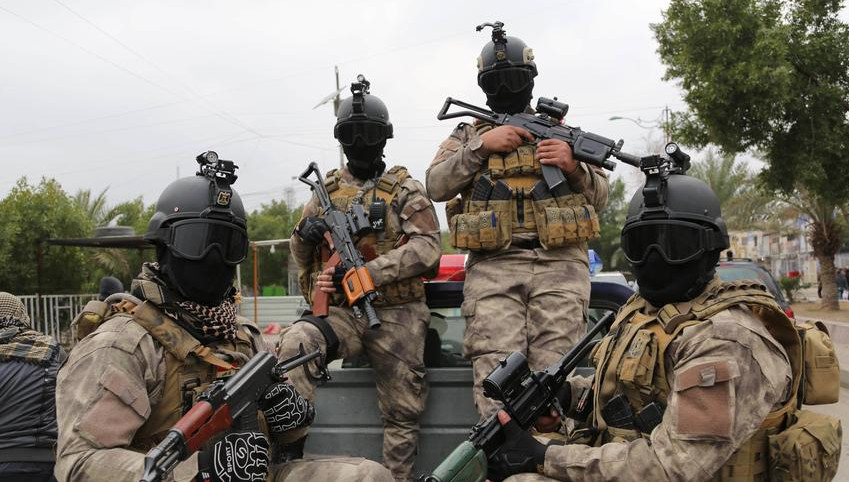
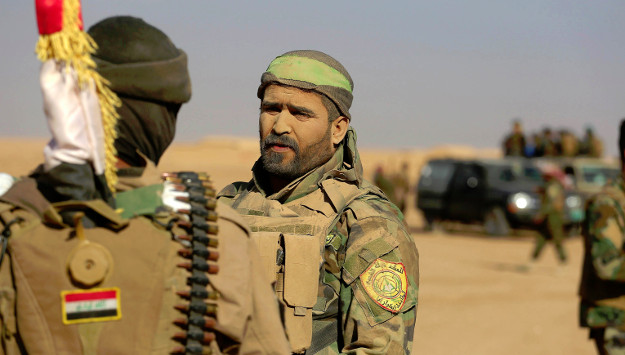
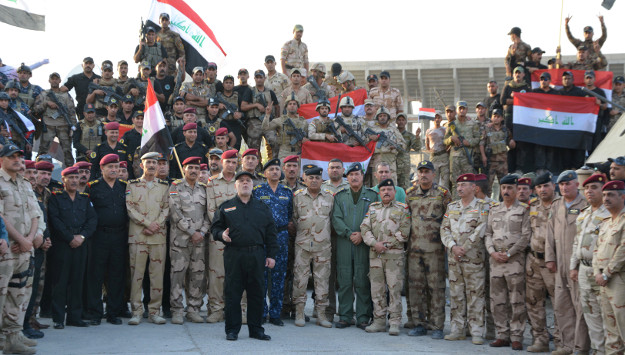
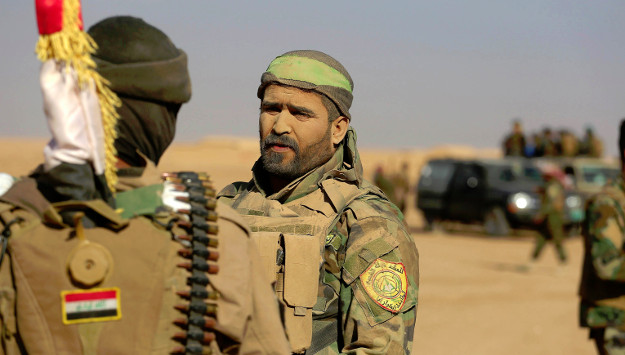
The Popular Mobilization Forces – the Iraqi paramilitary forces also known by its Arabic name Hashd al-Shaabi – will not be disbanded after the fight against the Islamic State is over and will remain a key player in Iraq, the alliance’s security spokesman said on Sunday. “Hashd al-Shaabi is an official military organization affiliated with the government of Iraq.
Iran-Backed Iraqi Paramilitary Forces Form New Alliance to Contest Parliamentary Elections
Iraq’s Popular Mobilization Forces (P.M.F.) groups have agreed to form an alliance – dubbed as the Coalition of the Loyalists – under the leadership of the Badr Organization to participate in the country’s next parliamentary elections, Fars News Agency, an Iranian outlet affiliated with the Islamic Revolution Guards Corps (I.R.G.C.) reports. P.M.F. units such as Kata’ib Hezbollah, Kata’ib Sayyid al-Shuada, Kata’ib Jund al-Imam, and Asaib Ahl al-Haq will be part of the new alliance.
Libya Still Seeking Grand Bargains, But Facing Range of Spoilers
The hopeful scene in Paris July 25 was a familiar one. Libyan leaders, in this case General Khalifa Haftar and Prime Minister Fayez al-Sarraj, meet under the umbrella of another world leader, in this case, French Prime Minister Emmanuel Macron, and announce progress on a deal to put Libya back together and hold new elections.
It was a scene that had last played on May 2 in Abu Dhabi, under Emirati guidance with the same Libyan players, and one I and others had sought to put together a full year ago when I was serving as U.S. Special Envoy for Libya.
Iraqi Shiite Leader Assures Iran He Won’t Visit Saudi Arabia
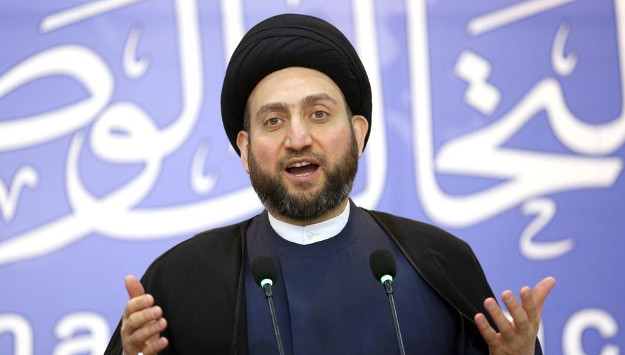
A senior Iraqi Shiite leader has rejected reports that he plans to visit Saudi Arabia, telling Iranian journalists that he will only visit the Kingdom if Saudi troops leave Bahrain and Yemen. “Saudi Arabia recently sent a message to me through a mediator asking if I would go to meet this country’s leaders if they invite me. I responded by saying that if their gift to me is leaving Bahrain and ending the killing of Yemen’s innocent people, I will certainly accept. Of course, this request was rejected by them.
Iran-Backed Popular Mobilization Forces Preparing for Post-Islamic State Iraq
With the fall of Mosul, Iranian-supported Iraqi Popular Mobilization Forces (P.M.F.) is preparing for post-Islamic State Iraq. The paramilitary forces have recently launched a professional public relations campaign on the Internet and social media aimed at justifying and legitimizing P.M.F.’s existence beyond the collapse of the Islamic State. Should the P.M.F. prevail in this effort, it will mark a victory for the Islamic Revolution Guards Corps (I.R.G.C.), which has aided P.M.F. groups for years and sees them crucial for its influence in Iraq in the future.
Competing Iraqi Shiite Militias: Tehran’s Design or Strategic Blunder?
Since the 2003 U.S. invasion, Tehran has encouraged and contributed to the formation of countless Shiite militia groups in Iraq. While most of these armed groups are now formally organized under the umbrella of the Popular Mobilization Forces (P.M.F.), they have in reality remained independent entities and are not controlled by the civilian government in Baghdad.
But has Tehran committed a strategic blunder by fracturing the Iraqi Shiite armed groups or does the existence of competing Shiite Iraqi militias benefit the Islamic Republic?
Iran-Backed Iraqi Militia Leader Intensifies Propaganda against U.S. and Its Allies
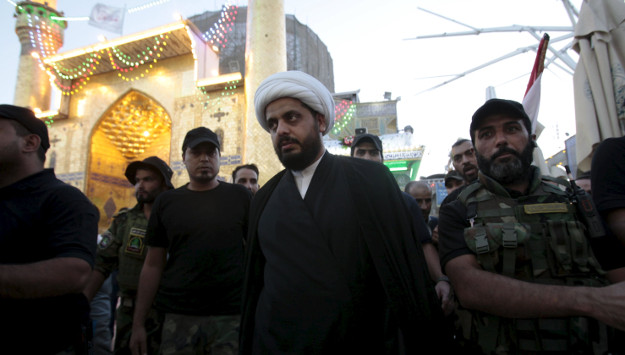
Qais al-Khazali, the secretary-general of Iraq’s Asaib ahl al-Haq armed group, has accused the United States, Israel, Saudi Arabia and Turkey of supporting the Islamic State in Iraq and the broader region, according to Iran’s Fars News Agency. “The heroic forces of Hashd al-Shaabi [Popular Mobilization Forces] easily chop the heads of these forces,” he said while describing the Islamic State as the “special forces” of the United States and its allies.
Influential Iraqi Cleric Muqtada al-Sadr’s Saudi Visit Triggers Worries in Tehran
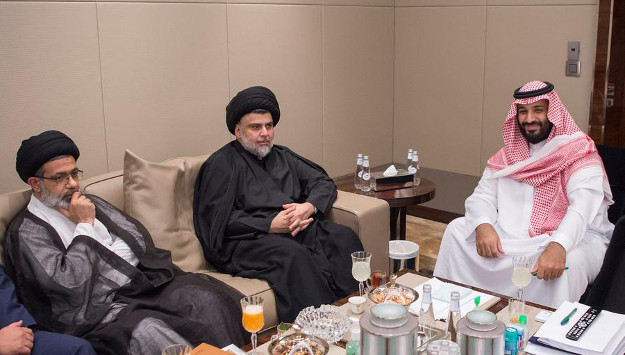
Prominent Iraqi Shiite cleric Muqtada al-Sadr’s weekend visit to Saudi Arabia has raised concerns in Tehran. While the Iranian government and media outlets affiliated with the Islamic Revolution Guards Corps (I.R.G.C.) largely refrained from commenting on Sadr’s trip and his meeting with Saudi Arabia’s Crown Prince Mohammad bin Salman, some conservative newspapers and Iranian analysts cautioned that the Saudi government is attempting to court Iraqi Shiite leaders to influence Iraqi politics at the expense of Iran’s interests.
New Saudi Outreach with Iraqi Shiite Leaders | Monday Briefing
In this week’s Monday Briefing, MEI experts Randa Slim, Paul Salem, and Marvin G. Weinbaum analyze new Saudi diplomatic engagement with Iraq, the escalating G.C.C. crisis, and the continuation of dynastic politics in Pakistan.
U.S. Absent as Israel-Palestine Violence Escalates | Monday Briefing
In this week’s Monday Briefing, MEI experts Eran Etzion, W. Robert Pearson, Charles Lister, Alex Vatanka, and Randa Slim weigh in on the implications of Israel-Palestinian violence for U.S. foreign policy, Turkish involvement in the Gulf crisis, al-Qaeda’s response to the U.S. decision to terminate support for a program arming anti-Assad Syrian rebels, confrontational U.S. policy towards the Iran nuclear deal, and a former Iraqi Prime Minister’s power play.
Mosul Turning Ugly, Raqqa Front Slows | Monday Briefing
In this week’s Monday Briefing, MEI experts Charles Lister, Marvin G. Weinbaum, Yousef Munayyer, and Alex Vatanka provide analysis on recent events including the battle for Mosul, corruption in Pakistan, Mahmoud Abbas’s trip to China, and Rouhani’s difficult second presidential term.
Iran’s Islamic Azad University Plans to Open New Branches in Lebanon and Iraq
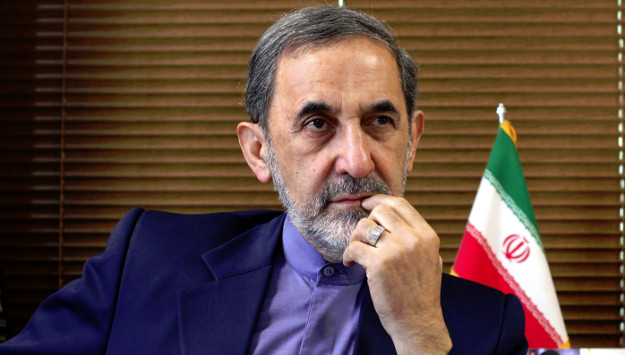
Iran’s Islamic Azad University (IAU) plans to open new branches in Lebanon and Iraq, according to Ali Akbar Velayati, the head of the university’s board of founders and an influential political figure in the Islamic Republic.
Soleimani Details Iran’s Military Role in Iraq, Hails Iraqi Paramilitary Forces and Hezbollah
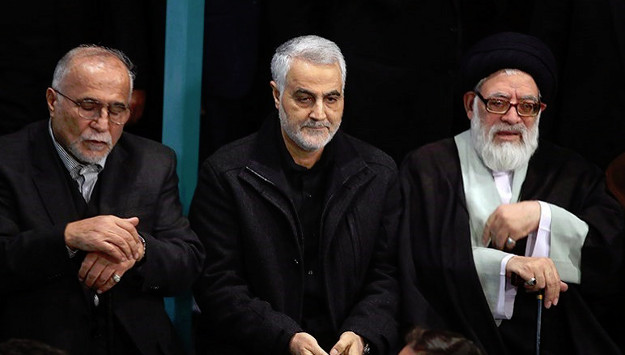
On Monday, the head of Iran’s Quds Force revealed that the country’s defense ministry worked over time in recent years to manufacture weapons to equip Iraq’s Army and the Hashd al-Shaabi – the Iraqi paramilitary forces also known as the Popular Mobilization Forces [P.M.F.] – in their fight against the Islam
Senior Iranian Military Official: Liberation of Mosul Sounded “Death Knell” for U.S. Plots
A senior Iranian military official said on Tuesday that the liberation of the Iraqi city of Mosul from the Islamic State sounded “the death knell for the divisive plots” of the United States and its regional allies, the Iranian media reported.
With Islamic State Crumbling, Iran and Its Proxies in Iraq Intensify Anti-U.S. Propaganda
A commander of the Iraqi Popular Mobilization Forces (P.M.F.) – also known as Hashd al-Shaabi – has said that the paramilitary forces will not agree to the presence of American forces or foreign private security firms in post-Islamic State Iraq, particularly in regions near the Syrian border. “The central government has almost agreed to Blackwater controlling the borders. But Blackwater doesn’t have the authority and resources to control the borders or fight Daesh [Islamic State].