On November 15, the US House of Representatives almost unanimously approved a 10-year extension of the Iran Sanctions Act. Lawmakers argued that the move would put pressure on Iran to comply with the 2015 nuclear agreement. The ISA is set to expire by this year’s end. And while the Senate is expected to pass the bill, it is unclear whether President Obama will sign or veto it.
Turkey Warns against Iran-Backed Militias’ Role in Mosul
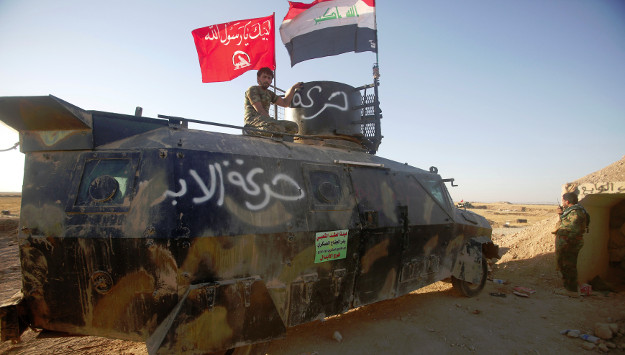
The battle for influence in Iraq between Iran and Turkey appears to be escalating to a dangerous level as Iran-backed Iraqi Shiite militia forces are set to capture the Turkmen-majority city of Tal Afar from the Islamic State. Tal Afar is located about 40 miles west of Mosul.
Political Wrangling Intensifying in Iran as Election Looms
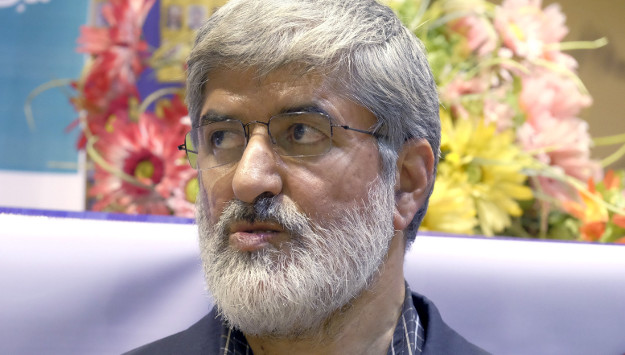
A last-minute cancellation of a pro-government event in the Iranian city of Mashhad has sparked a bitter conflict between hardliners and reformists and is likely to further undermine the Rouhani government. Mashhad is Iran’s second populous city and the capital of northeastern Khorasan-e Razavi Province.
Iran in Talks with Alternative Companies to Replace Boeing, Airbus
On November 17, the US House of Representative passed a legislation that would prohibit the sale of commercial aircraft to Iran. If approved by the Senate and signed into law by President Obama, the bill would bar the Department of Treasury from permitting Airbus and Boeing to do business with Tehran.
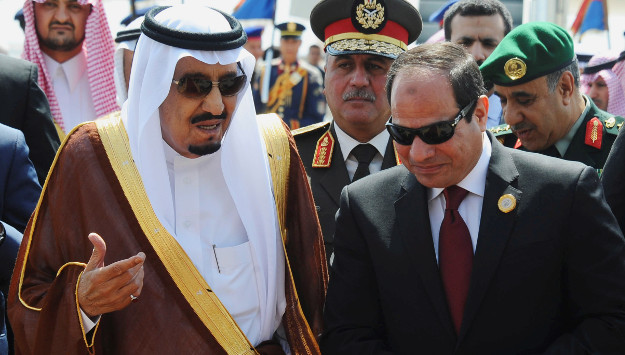
Iran Trying to Exploit Cairo-Riyadh Rift for Political Gains
On November 21, Iran’s Foreign Ministry Spokesman Bahran Ghasemi praised Egypt as a leading country in the Arab world and stressed that Tehran sought closer ties with Cairo.
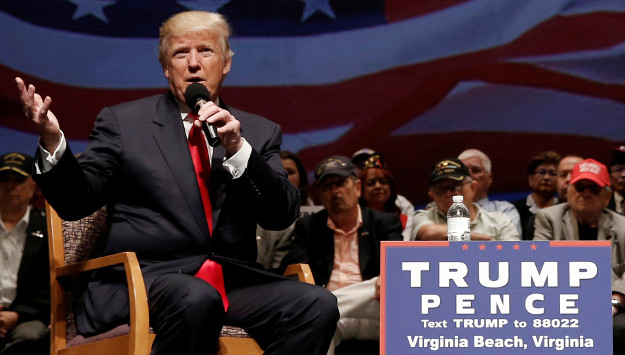
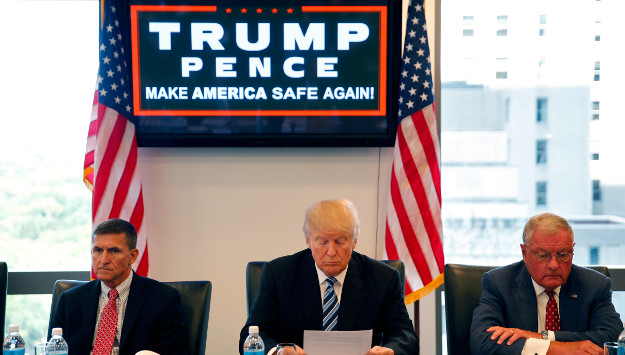
Late last week, President-elect Donald Trump explained for the first time since his election victory his position on the crisis in Syria. In his remarks, he laid out his determination to ramp up the fight against the Islamic State and to cease support to those fighting President Bashar al-Assad’s regime:
On November 17, Amnesty International published a report that condemned the “macabre propaganda videos” aired on Iranian state-run media outlets that featured “forced confessions” of 25 Sunni men Iran execu
Iran-backed Militia Group Seizes Key Military Base West of Mosul
As the US-backed Iraqi security forces and Kurdish peshmerga fighters are advancing into Mosul from the east, an Iranian-backed militia group claimed a major victory over the Islamic State in western part of the city on November 16.
Worsening Air Pollution Triggers Political Clashes in Iran
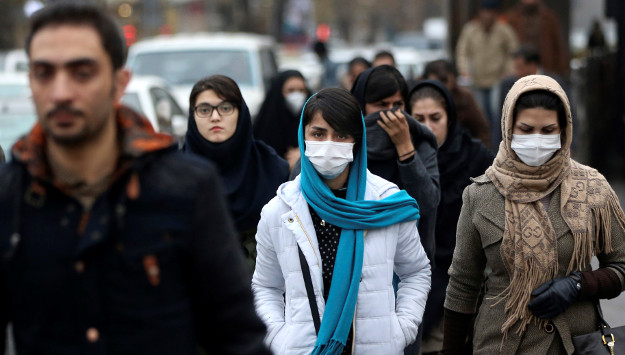
In the past days, the alarming levels of air pollution in Tehran and other major cities have forced schools to shut down for several days, caused health h
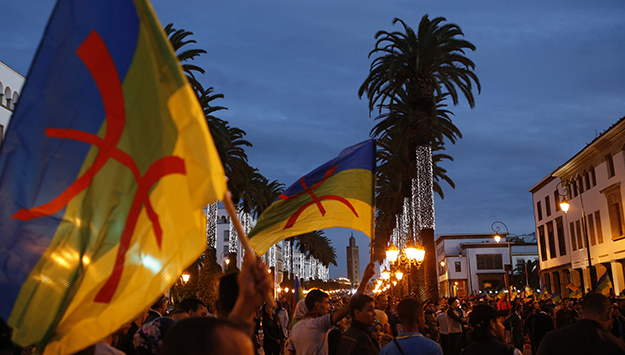
Screams and gruesome images mar the graphic video of a young man being crushed to death in the back of a garbage truck. Late Friday night, October 28, Mouhcine Fikri, a fish vendor from the northern town of Imzouren, desperately tried to retrieve his 500 kgs of swordfish, which authorities threw away because of a fisheries law that bans the fishing of swordfish during this time of year. The incident unfolded in the coastal city of Hoceima, located in the historically socioeconomically marginalized Rif region.
This essay provides a brief overview of Iran’s relations with Southeast Asian nations during the sanctions period, looks at the initial results of President Rouhani’s October 2016 visit to the region, and considers the prospects for the further expansion of these ties.
Tehran-Moscow Distrust Remains despite Talks over $10 Billion Arms Deal
On November 14, Iranian and Russian news outlets reported that Tehran and Moscow had begun negotiating the supply of around $10 billion worth of arms and military hardware to Iran. The deal reportedly includes T-90 tanks, artillery, planes and helicopters.
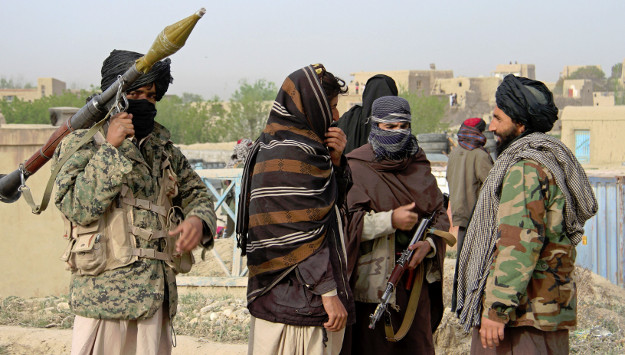
Tension Brewing between Iran, Afghanistan amid Allegations of Tehran Aiding Taliban
On November 15, Iranian Foreign Ministry Spokesman Bahram Qasemi refuted allegations by Afghan media and government officials that Tehran harbored Taliban leaders on its soil. “The presence of Taliban elements in Iran is baseless and unfounded,” he said, adding that Iran and Afghanistan had friendly relations and cooperated to ensure security and stability in the two countries.
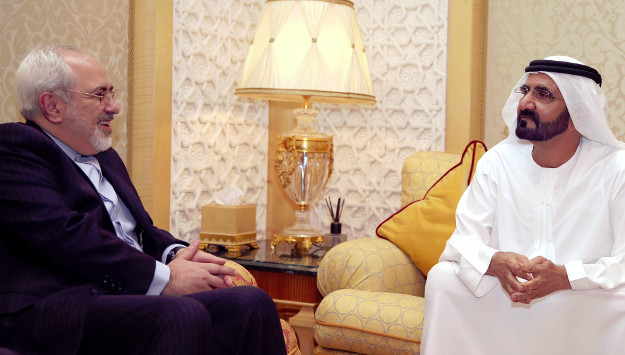
UAE's Siding with Saudi Arabia in Diplomatic Row Unsettles Iran
Diplomatic relations between Iran and the United Arab Emirates are going through another rough patch as the latter recently submitted a letter to the United Nations General Assembly, expressing concern over Iran’s “expansionist” policies in the region.
Monday Briefing: Trump Assembling Foreign Policy Team
In this week’s Monday Briefing, MEI experts Daniel Serwer, Charles Lister, and Eran Etzion provide analysis on recent and upcoming events including Trump’s potential foreign policy team, Al-Qaeda’s reaction to Trump’s election, and President Rivlin’s trip to India.