Trump should build on the momentum with Syria and help prevent a Turkey-Israel clash
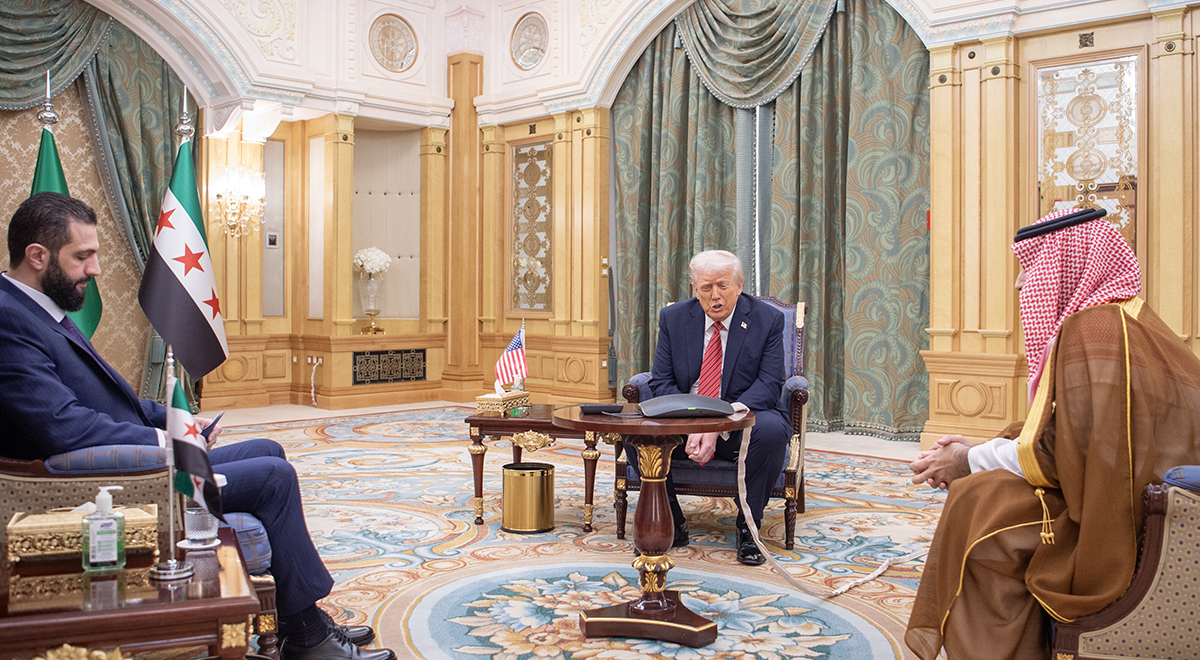
Two recent developments present the new Syrian government with a critical opportunity to stabilize the country. First, US President Donald Trump announced plans to lift sanctions on Syria. Second, the Kurdistan Workers’ Party declared it would disband and dissolve itself — a move that will help Damascus to finalize a deal with the Syrian Democratic Forces and integrate it into the new Syrian national army. President Trump should build on this momentum and seize the opportunity to address one of the most complex remaining challenges facing Syria: the risk of a military confrontation between Turkey and Israel inside the country.
A midstream appraisal of Trump’s historic Middle East trip
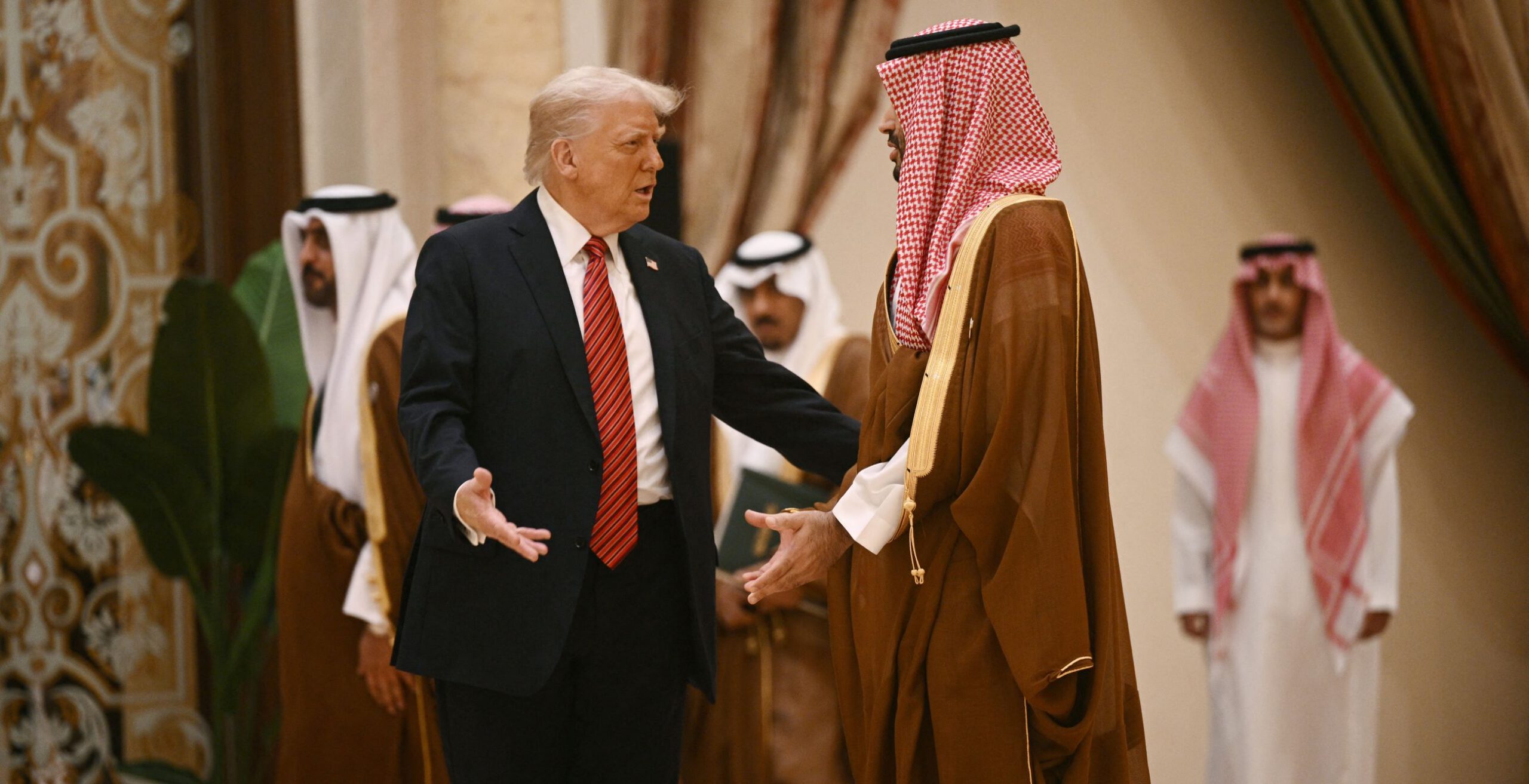
One of the strategic thrusts of the opening months of Trump’s second terms has been aimed at deepening America’s economic engagement with the leading economies of the Gulf. Thus, the first leg of his trip to the region resulted in a template for deeper US-Saudi ties.
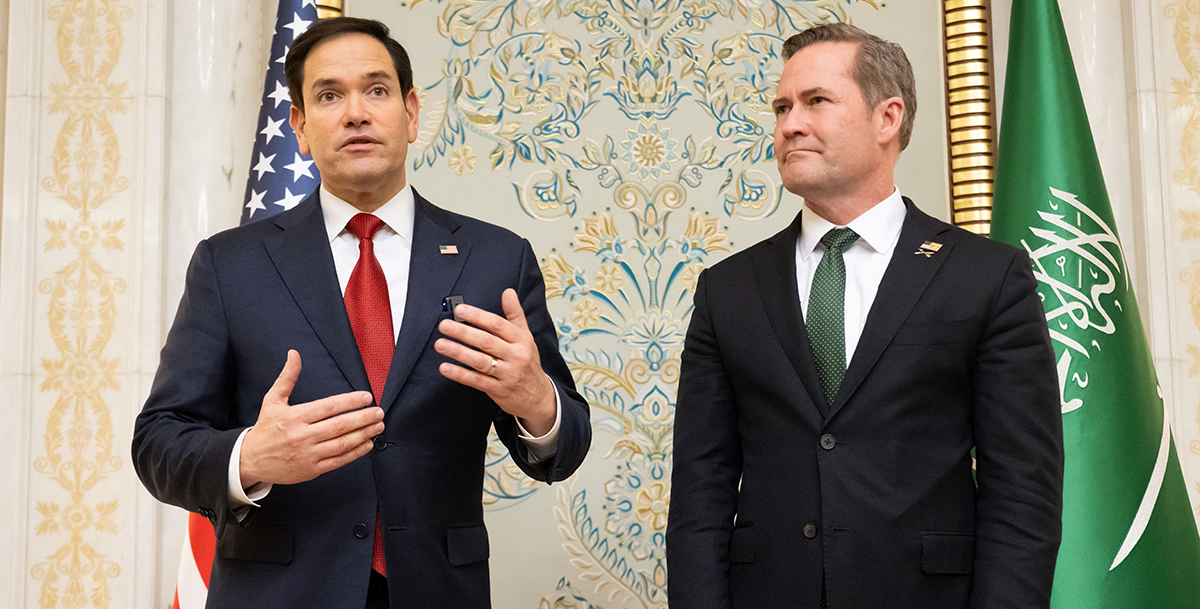
This week, US President Donald Trump makes his inaugural visit to the Middle East since the start of his second term, traveling to Saudi Arabia, Qatar, and the United Arab Emirates on May 13-16. Amid the heightened focus on US policy toward the Middle East, MEI’s experts take stock of Trump’s trip to the Gulf, how his administration has shaped its approach to the wider region in its first several months, and how regional actors are responding to the policies coming out of Washington.
The Damascus-SDF agreement two months on: Fragile progress or delayed collapse?
On March 10, 2025, Ahmed al-Sharaa, the president of Syria, and Mazloum Abdi, the commander-in-chief of the Syrian Democratic Forces, signed a historic agreement, ending a long-running divide between Damascus and the Democratic Autonomous Administration of North and East Syria. Now, two months after the deal was signed, how far has it progressed, and what are the main obstacles and disputes between the parties during this transitional phase?
It’s time to end the EU’s Assad-era sanctions on Syria
As the EU prepares for its annual review of sanctions imposed on Syria, it faces a moment of reckoning — an opportunity to demonstrate whether its policies not only continue to be principled and legal, but also in line with its strategic interests. They no longer serve the purpose for which they were designed, and the EU should let the entire sanctions regime on Syria collapse unconditionally and immediately.
For months, Turkey’s government has been trying to accomplish three major tasks simultaneously or nearly so to solidify its hold on power at home and enhance its influence in the broader region. Its three-pronged approach to fulfilling that goal consists of seeking to 1) crush democracy and destroy the political opposition in Turkey by bringing serious criminal charges against Ekrem İmamoğlu, the popular mayor of Istanbul; 2) bring Turkey’s pro-Kurdish party into a coalition to win the next national election with current President Recep Tayyip Erdoğan continuing his 22-year rule; and 3) leverage its new and powerful influence in Syria to neutralize Kurdish power in the northeast and in the Syrian national government.
Two Years of War in Sudan and the Elusive Path to Peace
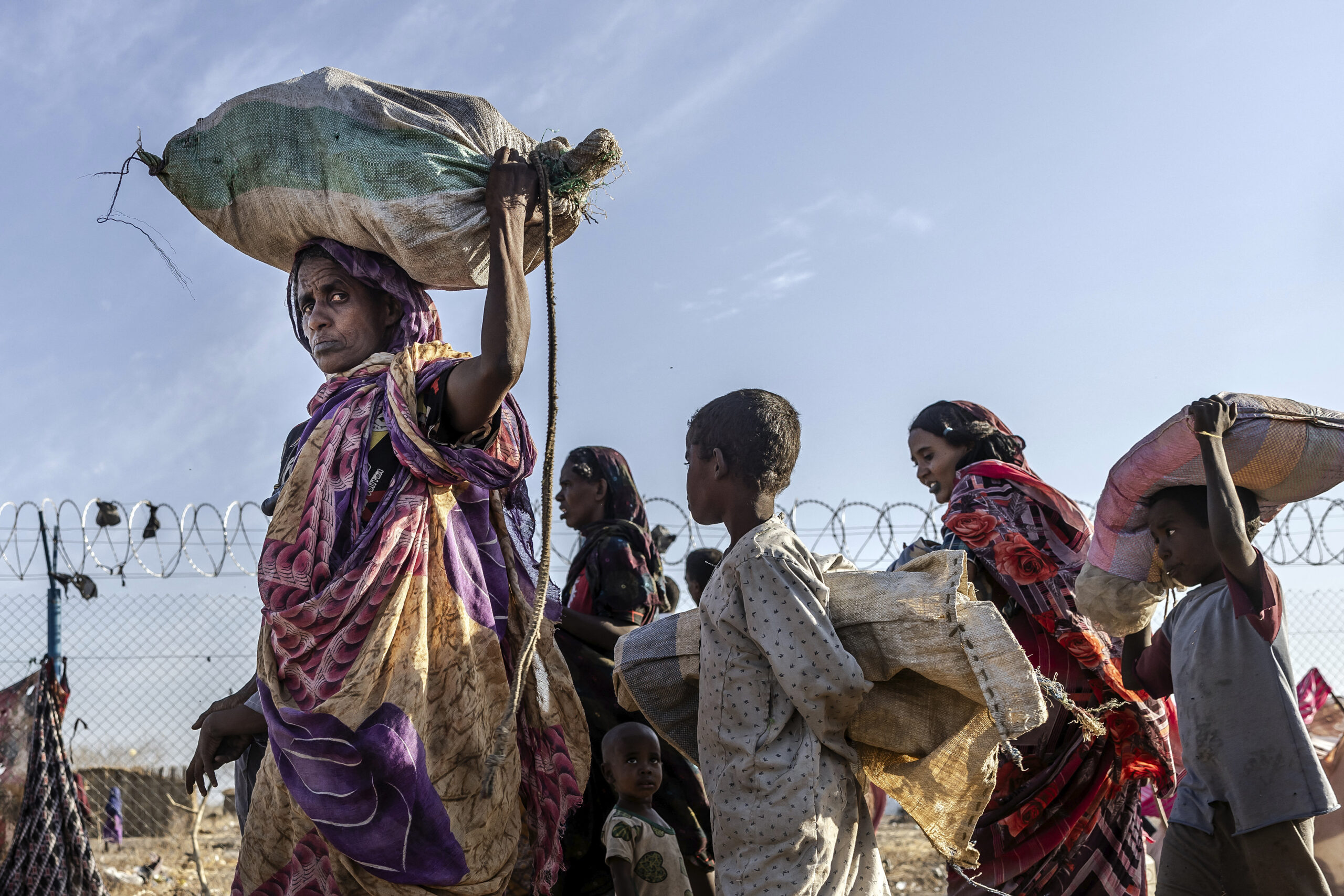
As Sudan’s civil war enters its third year, the humanitarian catastrophe continues to spiral, with more than 12.7 million people displaced and little hope of resolution in sight.
Jehanne Henry, MEI Associate Fellow and former Africa Director at Human Rights Watch, joins hosts Alistair Taylor and Matthew Czekaj to assess the latest developments on the ground. She outlines the scale of devastation, the regional spillover effects, and the war economy fueling the fighting.
ISIS is on the ropes in Syria. A successful transition in Damascus could deliver a knockout blow
For much of the past two decades, ISIS has enjoyed favorable conditions in Syria, but since the fall of Bashar al-Assad’s regime in December 2024, dynamics have changed. With Assad’s departure, ISIS lost its long-standing and vitally important safe haven in Syria’s central desert and its most significant driver for recruitment. The results — so far — have been dramatic.
Two years on, Sudan’s war seems further than ever from resolution. Can US involvement help peace efforts?
Two years on, the war between the Sudanese Armed Forces and the paramilitary Rapid Support Forces has created the world’s largest humanitarian crisis and wrought terrible destruction.
Pressuring Egypt over Gaza will not work and is not in the US interest
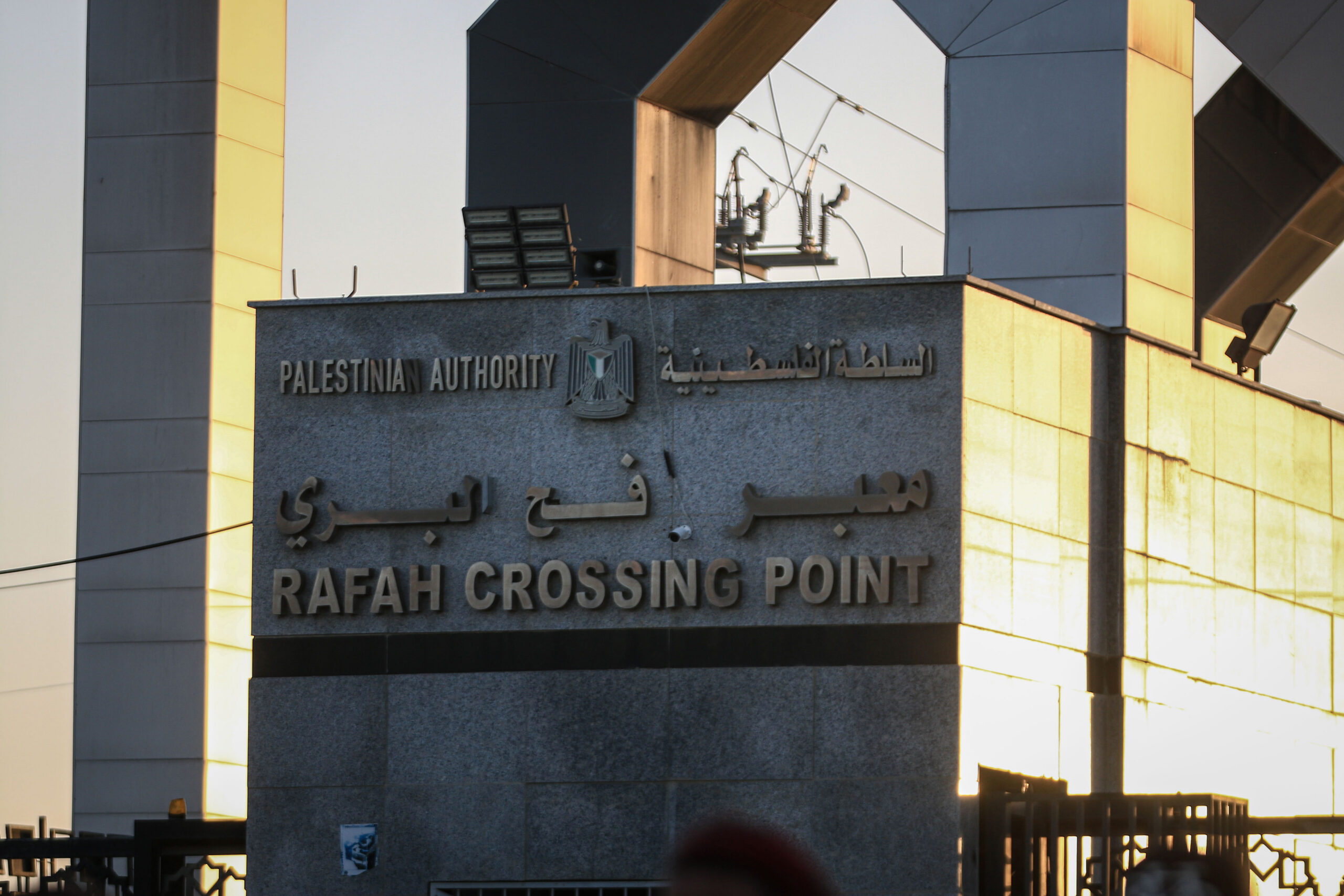
Almost immediately after the start of the conflict in Gaza, Israeli Prime Minister Benjamin Netanyahu and his governing coalition began a concerted effort to persuade first the European Union and then the United States to pressure Egypt to accept Palestinian refugees. Egypt refused and continues to do so. Capitulating is not in Cairo’s national interest and bullying it will only backfire.
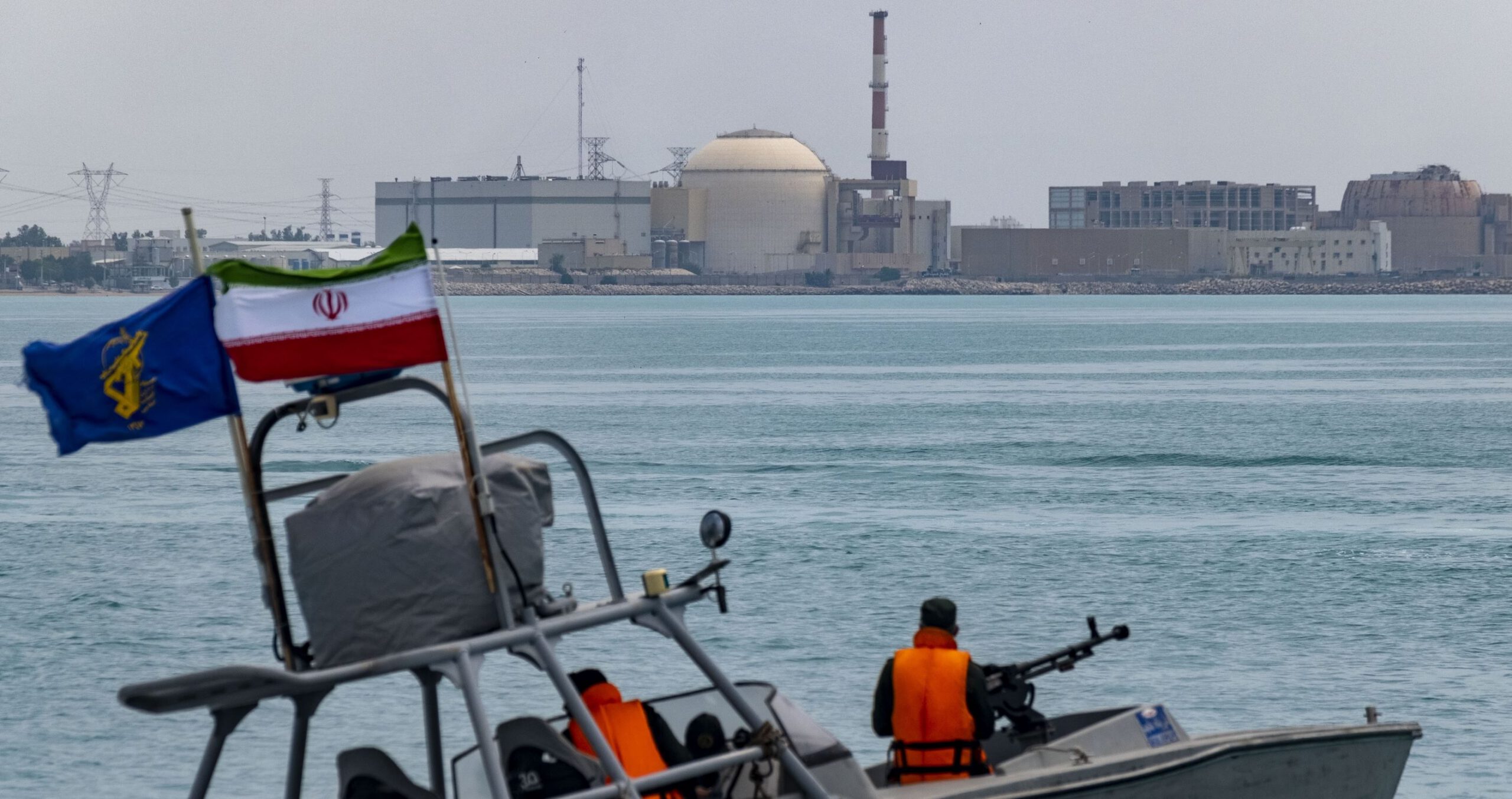
Iran is accumulating enough near-weapons-grade enriched uranium to build a nuclear weapon within weeks or months, not years. President Donald Trump, having withdrawn the United States in 2018 from the nuclear deal that would have postponed that possibility, is now appealing for negotiations with Tehran. But in the Middle East, the nuclear question does not concern only Iran.
Reimagining Syria: A Roadmap for Peace and Prosperity Beyond Assad
The work of the Syria Strategy Project and the considerable policy recommendations found in this report present a realistic and holistic vision for Syria’s recovery and reintegration into the international system.
Trump brings his foreign policy improv act to the Middle East
While most media attention was focused on its global economic policy moves, the Trump administration continued to keep the Middle East high on its agenda this past week, with the president sending a letter to Iran’s supreme leader and his team directly engaging with the Palestinian group Hamas. This continued engagement on the region’s top two strategic questions, Iran and Arab-Israel affairs, contrasted with America’s hands-off approach to Syria, which saw some troubling violence.
The national dialogue in Syria: A step forward or a concerning trajectory?
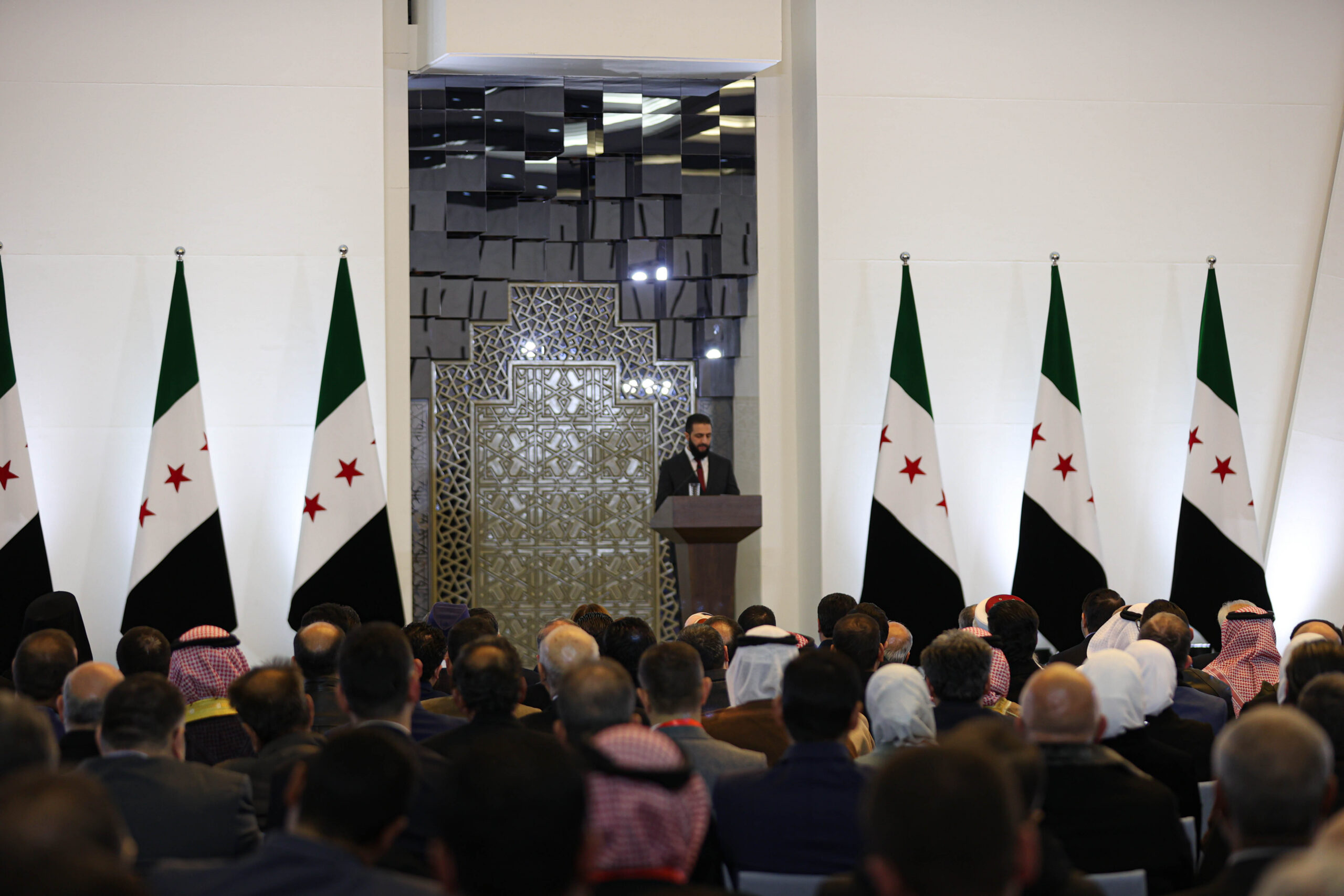
Syria’s national dialogue, held in Damascus at the end of February, was intended to chart the country’s future, one that would have been unthinkable just three months earlier. However, the process and outcomes of the dialogue were flawed, left critical questions unanswered, and raised new concerns.
Rebalancing Russia’s Mediterranean strategy: From showing the flag to retreating to the gray zone
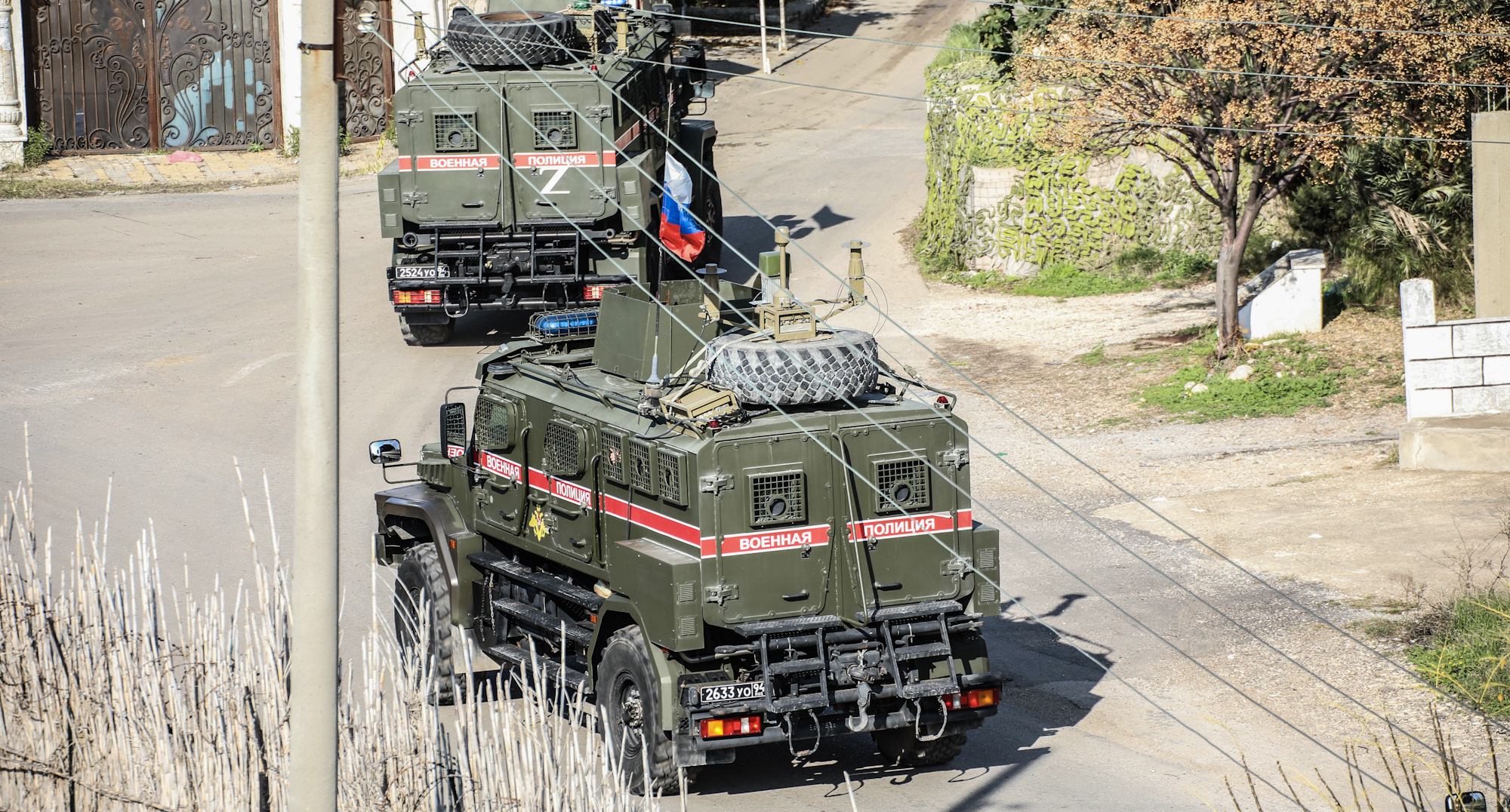
Either maintaining Russia’s military bases in Syria or finding an alternative outpost in the Mediterranean will prove extremely difficult for Moscow. And part of the problem with pursuing the latter option, particularly if in Libya, is that it would require a full-on transformation of Russia’s military presence model — from more traditional bases designed to establish deterrence by showing the flag in the region to building up a military and logistical operation inside a security “gray zone.”