Trump should build on the momentum with Syria and help prevent a Turkey-Israel clash
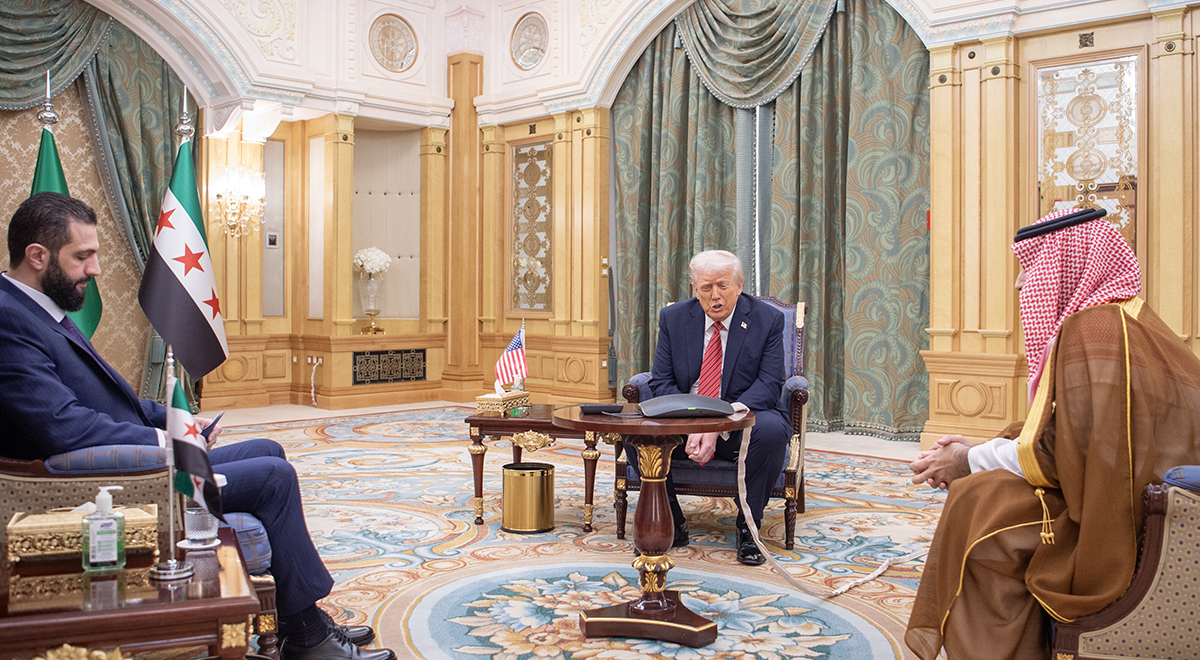
Two recent developments present the new Syrian government with a critical opportunity to stabilize the country. First, US President Donald Trump announced plans to lift sanctions on Syria. Second, the Kurdistan Workers’ Party declared it would disband and dissolve itself — a move that will help Damascus to finalize a deal with the Syrian Democratic Forces and integrate it into the new Syrian national army. President Trump should build on this momentum and seize the opportunity to address one of the most complex remaining challenges facing Syria: the risk of a military confrontation between Turkey and Israel inside the country.
A midstream appraisal of Trump’s historic Middle East trip
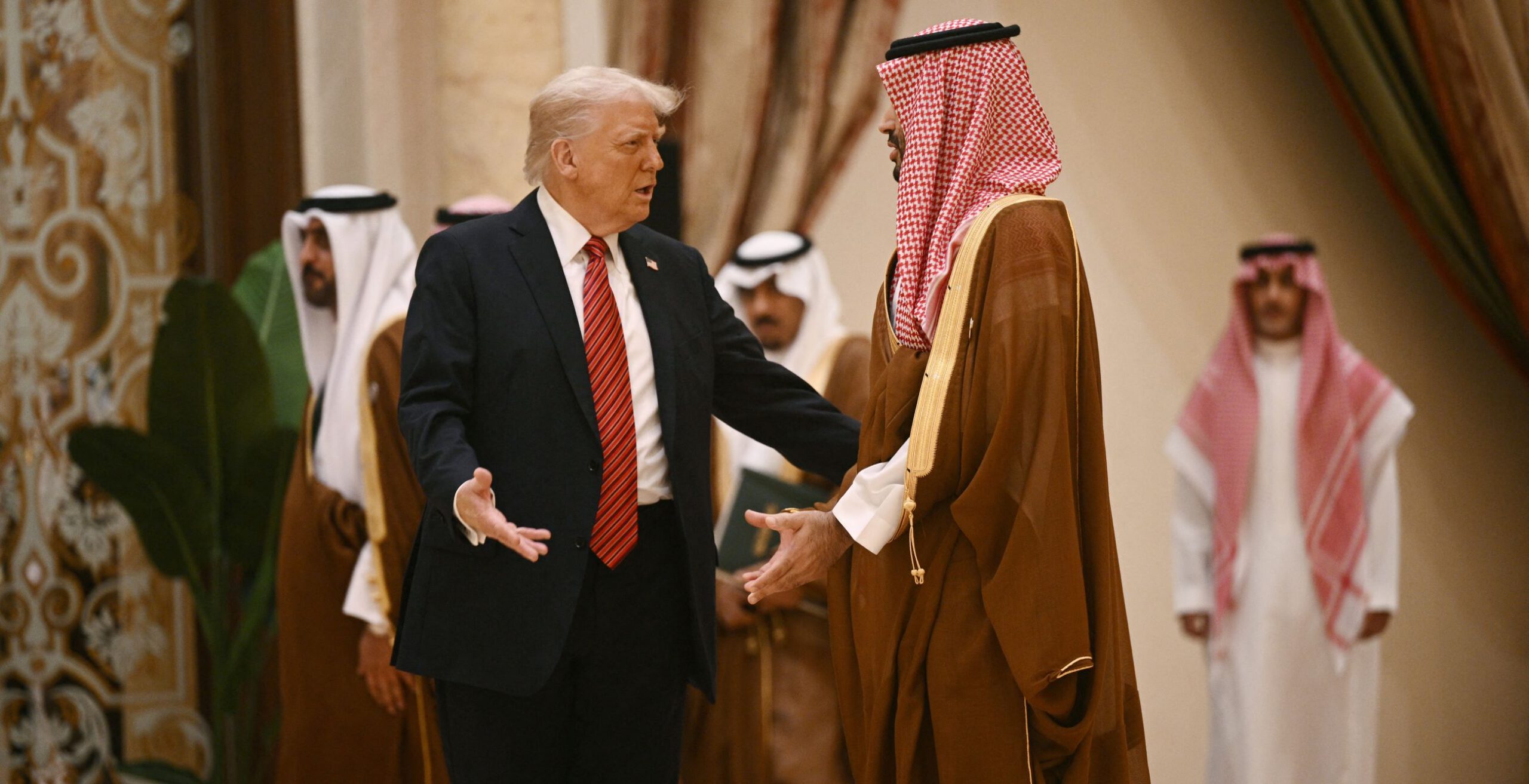
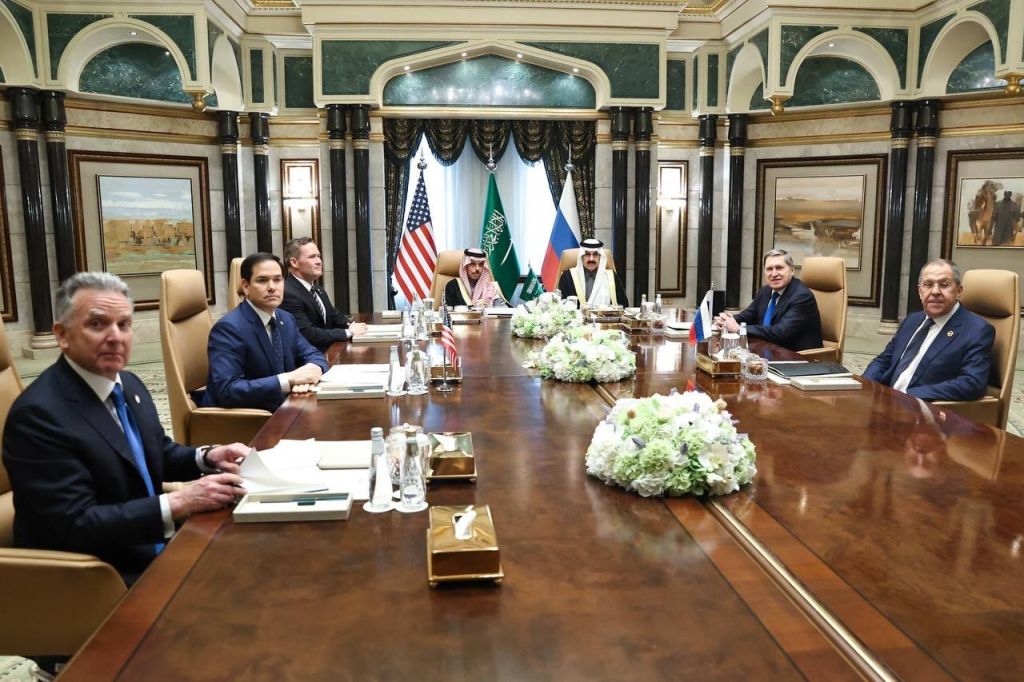
One of the strategic thrusts of the opening months of Trump’s second terms has been aimed at deepening America’s economic engagement with the leading economies of the Gulf. Thus, the first leg of his trip to the region resulted in a template for deeper US-Saudi ties.
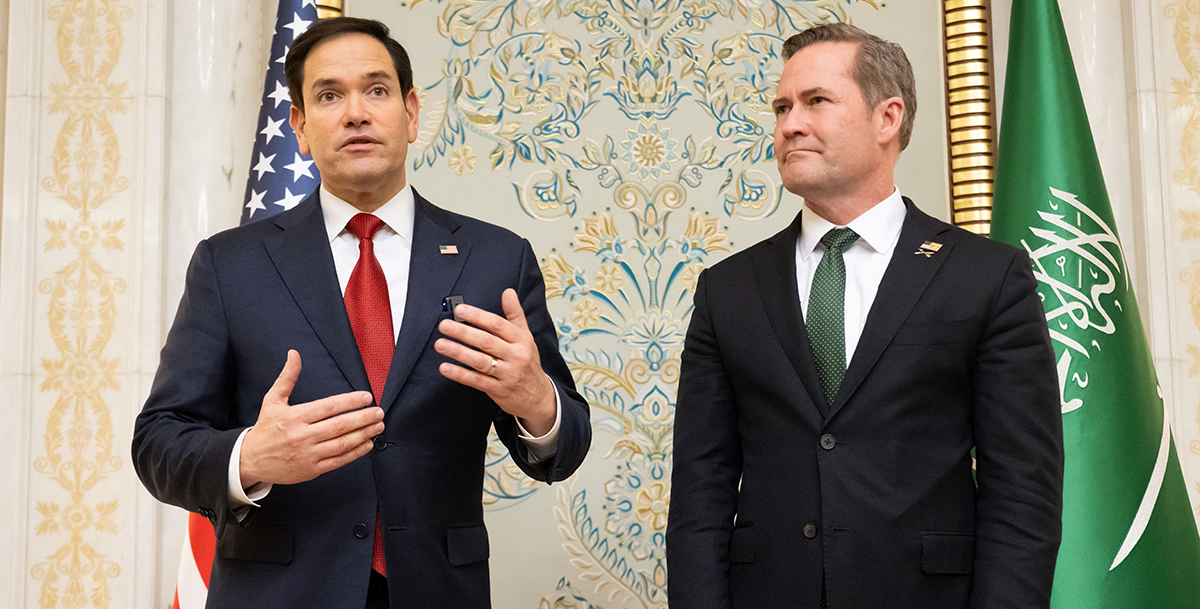
This week, US President Donald Trump makes his inaugural visit to the Middle East since the start of his second term, traveling to Saudi Arabia, Qatar, and the United Arab Emirates on May 13-16. Amid the heightened focus on US policy toward the Middle East, MEI’s experts take stock of Trump’s trip to the Gulf, how his administration has shaped its approach to the wider region in its first several months, and how regional actors are responding to the policies coming out of Washington.
The Damascus-SDF agreement two months on: Fragile progress or delayed collapse?
On March 10, 2025, Ahmed al-Sharaa, the president of Syria, and Mazloum Abdi, the commander-in-chief of the Syrian Democratic Forces, signed a historic agreement, ending a long-running divide between Damascus and the Democratic Autonomous Administration of North and East Syria. Now, two months after the deal was signed, how far has it progressed, and what are the main obstacles and disputes between the parties during this transitional phase?
It’s time to end the EU’s Assad-era sanctions on Syria
As the EU prepares for its annual review of sanctions imposed on Syria, it faces a moment of reckoning — an opportunity to demonstrate whether its policies not only continue to be principled and legal, but also in line with its strategic interests. They no longer serve the purpose for which they were designed, and the EU should let the entire sanctions regime on Syria collapse unconditionally and immediately.
Thousands of once protected Afghan refugees in the United States face deportation
The chaotic US military pullout from Afghanistan in August 2021 became a hot campaign issue in the 2024 presidential election and continues to echo today. President Donald Trump, who set the withdrawal in motion during his first term in office, repeatedly criticized President Joe Biden’s administration for leaving behind billions of dollars of military equipment. Also left behind were tens of thousands of Afghans, and their family members, who faced retribution for assisting US forces in the fight against the Taliban.
For months, Turkey’s government has been trying to accomplish three major tasks simultaneously or nearly so to solidify its hold on power at home and enhance its influence in the broader region. Its three-pronged approach to fulfilling that goal consists of seeking to 1) crush democracy and destroy the political opposition in Turkey by bringing serious criminal charges against Ekrem İmamoğlu, the popular mayor of Istanbul; 2) bring Turkey’s pro-Kurdish party into a coalition to win the next national election with current President Recep Tayyip Erdoğan continuing his 22-year rule; and 3) leverage its new and powerful influence in Syria to neutralize Kurdish power in the northeast and in the Syrian national government.
ISIS is on the ropes in Syria. A successful transition in Damascus could deliver a knockout blow
For much of the past two decades, ISIS has enjoyed favorable conditions in Syria, but since the fall of Bashar al-Assad’s regime in December 2024, dynamics have changed. With Assad’s departure, ISIS lost its long-standing and vitally important safe haven in Syria’s central desert and its most significant driver for recruitment. The results — so far — have been dramatic.
Reimagining Syria: A Roadmap for Peace and Prosperity Beyond Assad
The work of the Syria Strategy Project and the considerable policy recommendations found in this report present a realistic and holistic vision for Syria’s recovery and reintegration into the international system.
Trump brings his foreign policy improv act to the Middle East
While most media attention was focused on its global economic policy moves, the Trump administration continued to keep the Middle East high on its agenda this past week, with the president sending a letter to Iran’s supreme leader and his team directly engaging with the Palestinian group Hamas. This continued engagement on the region’s top two strategic questions, Iran and Arab-Israel affairs, contrasted with America’s hands-off approach to Syria, which saw some troubling violence.
The national dialogue in Syria: A step forward or a concerning trajectory?
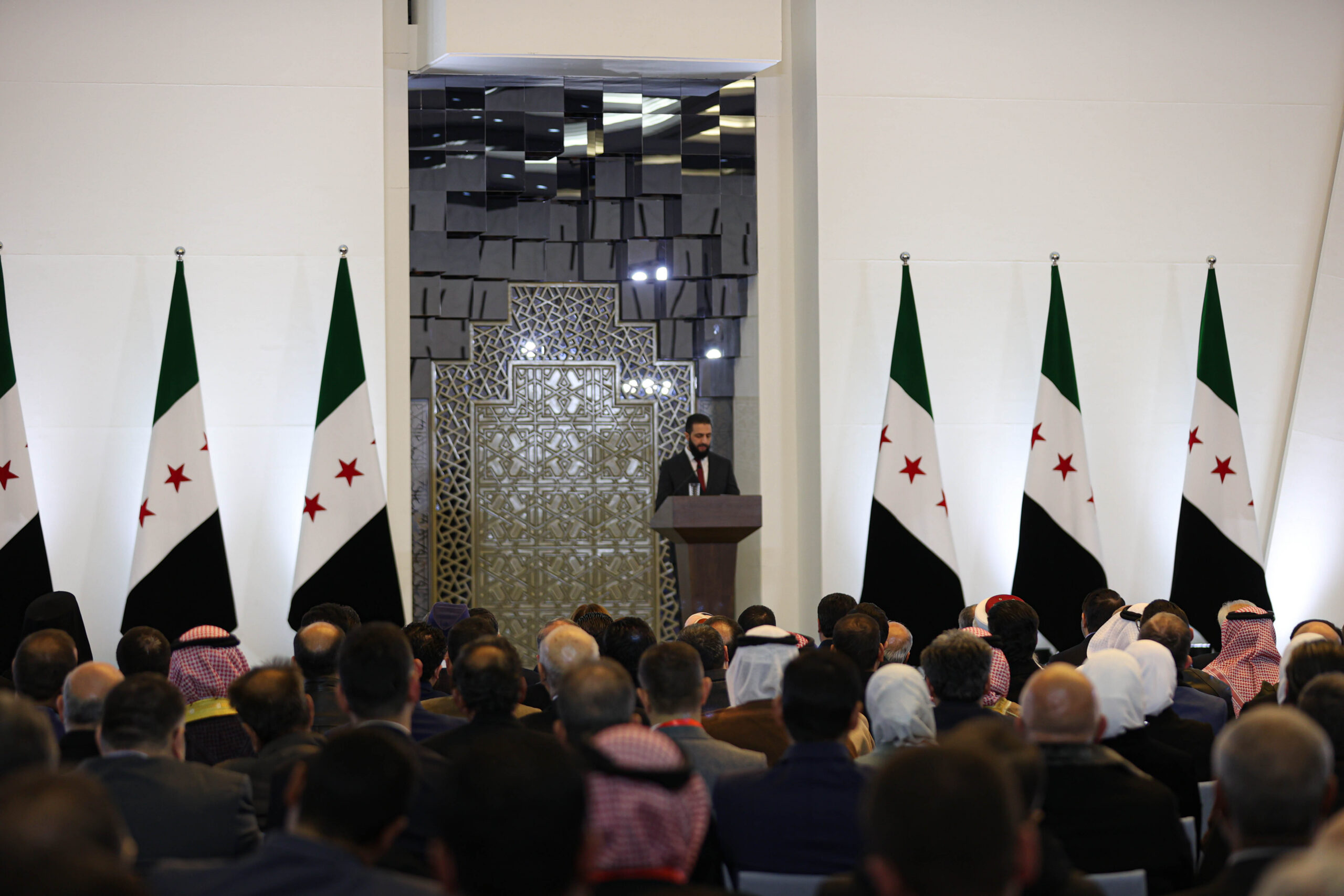
Syria’s national dialogue, held in Damascus at the end of February, was intended to chart the country’s future, one that would have been unthinkable just three months earlier. However, the process and outcomes of the dialogue were flawed, left critical questions unanswered, and raised new concerns.
US disengagement and new regional security dynamics in Afghanistan’s neighborhood
Afghanistan’s neighborhood is in the midst of a consequential restructuring of its security architecture. Key regional actors Pakistan, Afghanistan, Iran, and China have been continuing to adjust their defense plans and security partnerships to meet the growing threats posed by domestic and cross-border terrorism. At the same time, these four countries have also been looking for new ways to fill the vacuum in southern Asia left by the United States military’s departure from Afghanistan.
Return to "maximum pressure": Opportunities and challenges
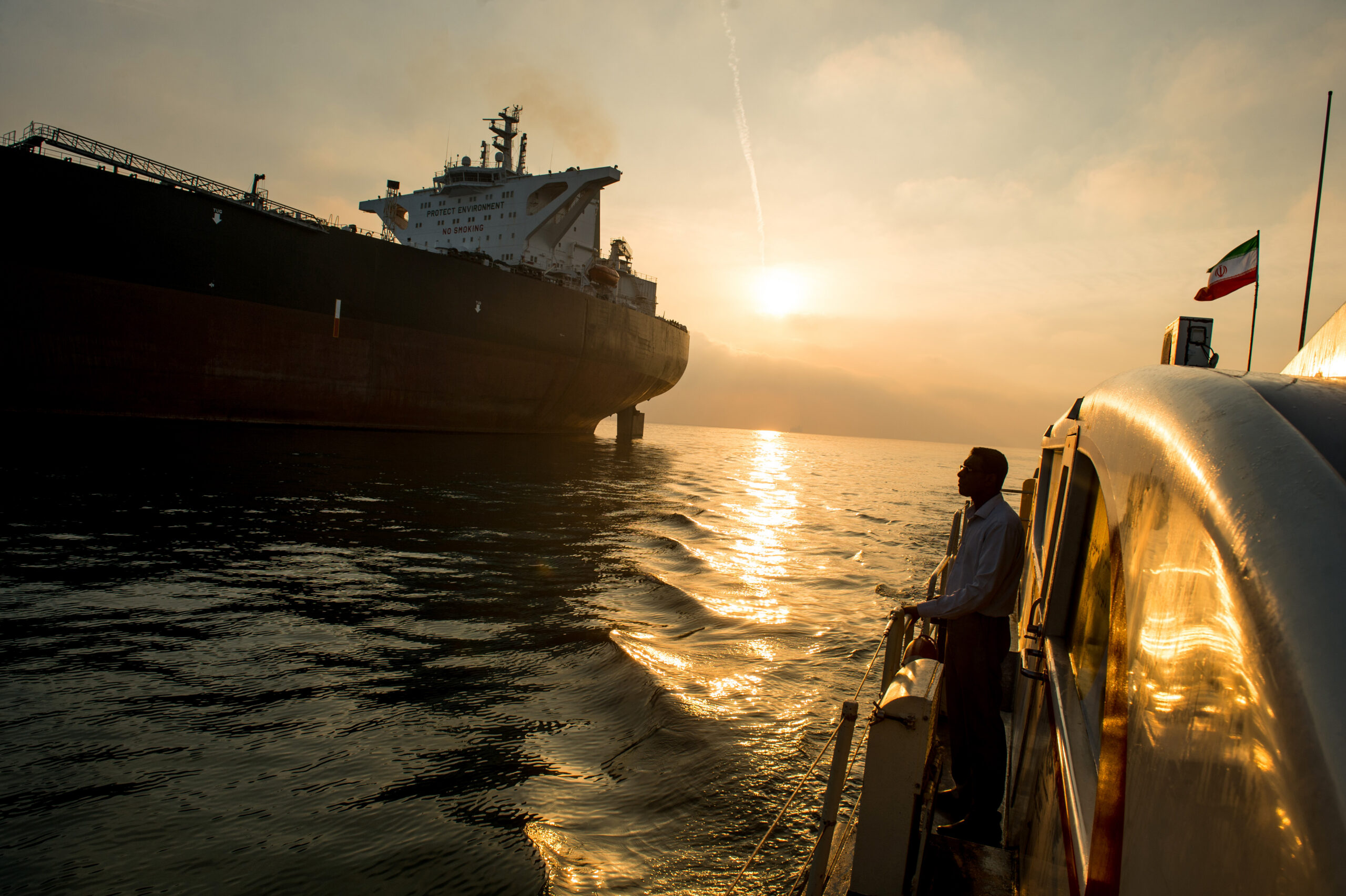
With the signing of a presidential memorandum on Feb. 4, the administration of Donald Trump has returned to a “maximum pressure” campaign against Iran, but circumstances have changed drastically since the policy of intensified sanctions was originally crafted during his first term. Regional geopolitics will present the White House with a new set of variables, while changes in the petroleum markets will affect how the administration approaches sanctions on oil exports.
Trump’s diplomatic gambit in the Middle East at one month
This massive distraction of the Trump administration’s Gaza non-plan and the even more serious move of dismantling America’s ability to shape and influence events abroad together carry three risks for the Middle East.
Impact of the Russo-Ukrainian war on energy flows from the Arab Gulf states
Nearly three years on, Russia’s full-scale invasion of Ukraine in February 2022 has reshaped trade and investment in the energy sector, leading to an increase in Gulf imports of Russian oil and a sharp rise in the region’s hydrocarbon exports to Europe as well as further fueling the growth of Gulf investment in renewable energy projects located in and targeting the continent.