An Arab Science Spring: Science, technology, and innovation in the Middle East
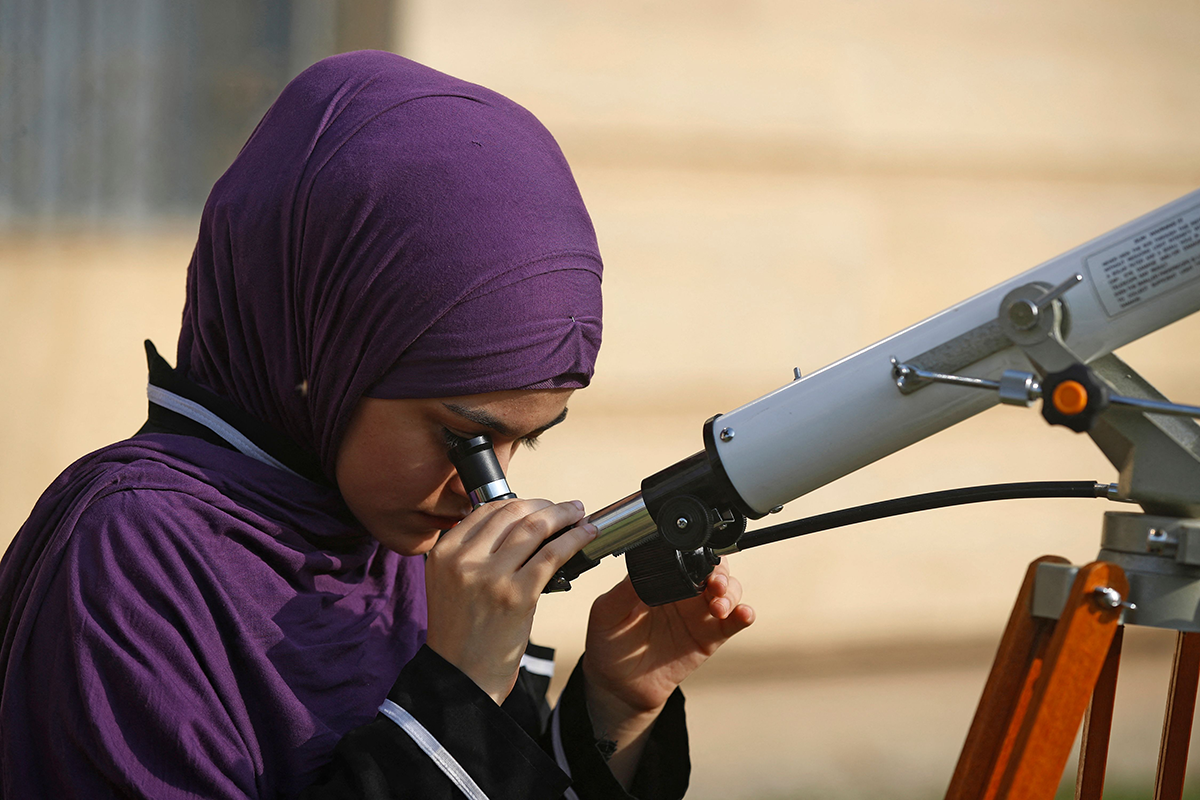
At present, the MENA region is a net importer of science, technology, and innovation (STI) products and a net exporter of STI talent. This was not always the case, however, as the Middle East has a rich history in science and needs to be put on a path back towards its historical zenith. An STI strategy for the region must focus on improving science education in universities, enhancing scientific research capacity, increasing financial support for R&D, and fostering regional and international scientific and educational cooperation.
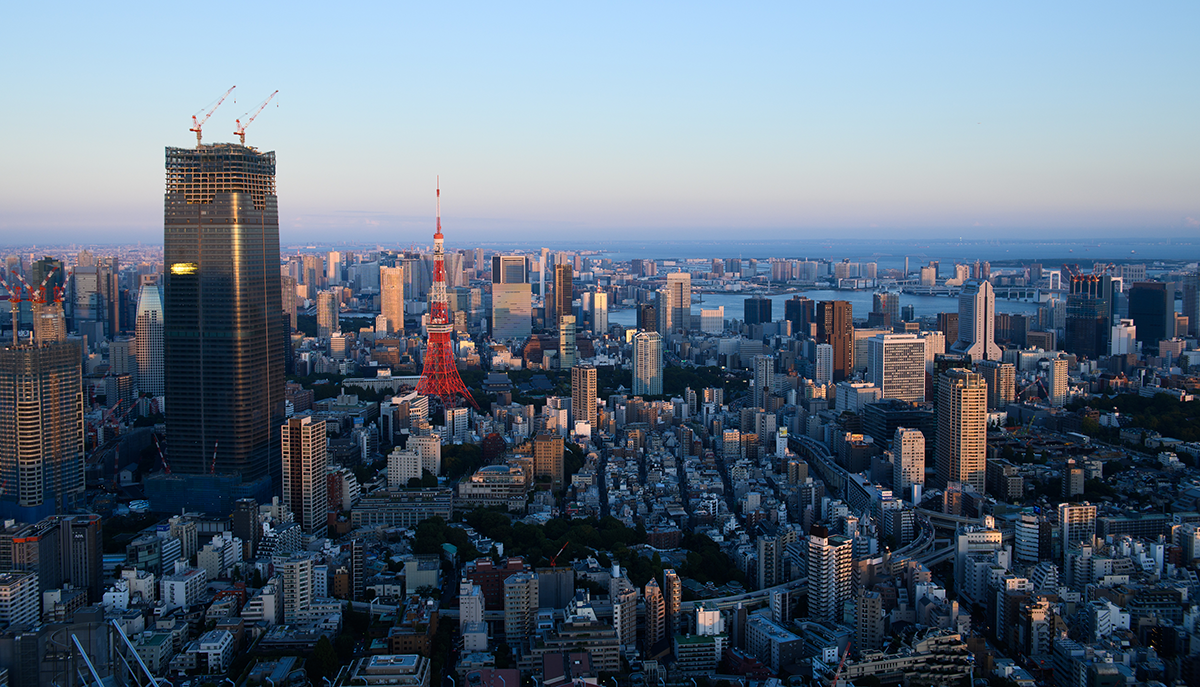
Dispatches from Tokyo: Abe’s legacy, the Middle East and the Indo-Pacific, tech decoupling, and more
After a week of talks with Japanese officials, scholars, and intellectuals, I am still grappling with the back-and-forth about the emerging global disorder and the evolving situation in the Indo-Pacific and the Middle East.
Challenges new and old: The myriad economic issues affecting MENA through the lens of public opinion
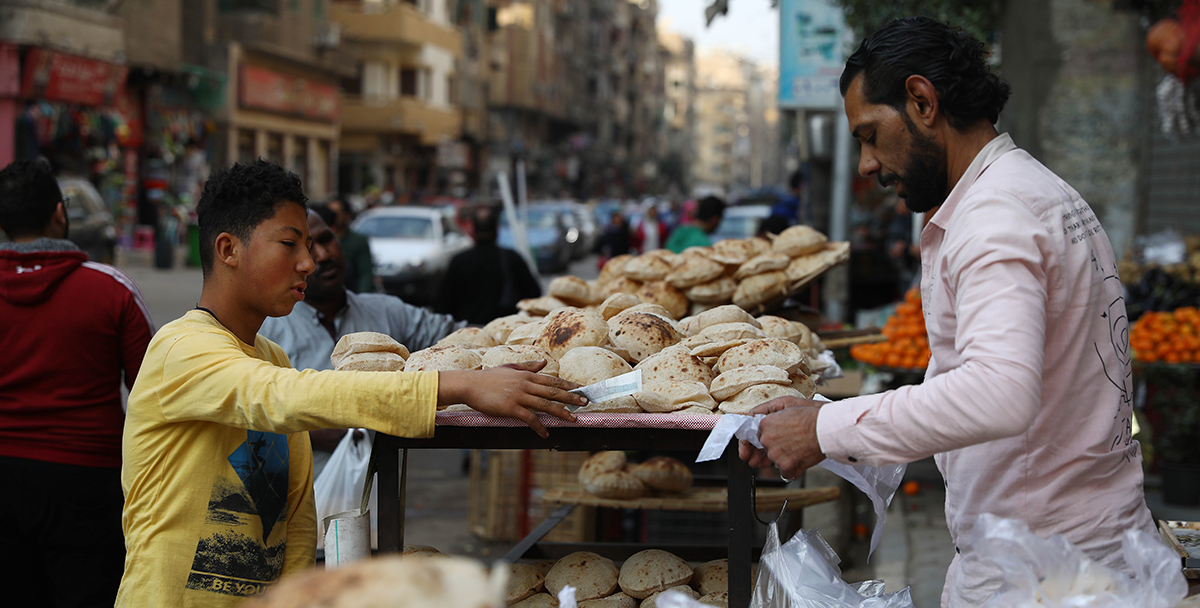
For more than a decade, policymakers in developing countries in MENA have been confronted with high inequality, low growth, rising poverty, and high youth and female unemployment. They now face new challenges as well. This note briefly identifies some of the most important issues affecting the region, relates them to the results of a recent survey of 12 Arab countries carried out by Arab Barometer, and suggests some pathways out of the current quagmire.
The traditional 20th-century pillars of U.S.-Saudi bilateral relations are energy and security — a reflection of Cold War dynamics and the critical role that Saudi Arabia plays in the global economy as an energy superpower. Now, in 2023, Riyadh and Washington should think beyond energy to explore opportunities and address critical challenges in areas such as tech and cyber, which could ultimately cement their strategic relations for the 21st century.
The Middle East in an era of great tech competition
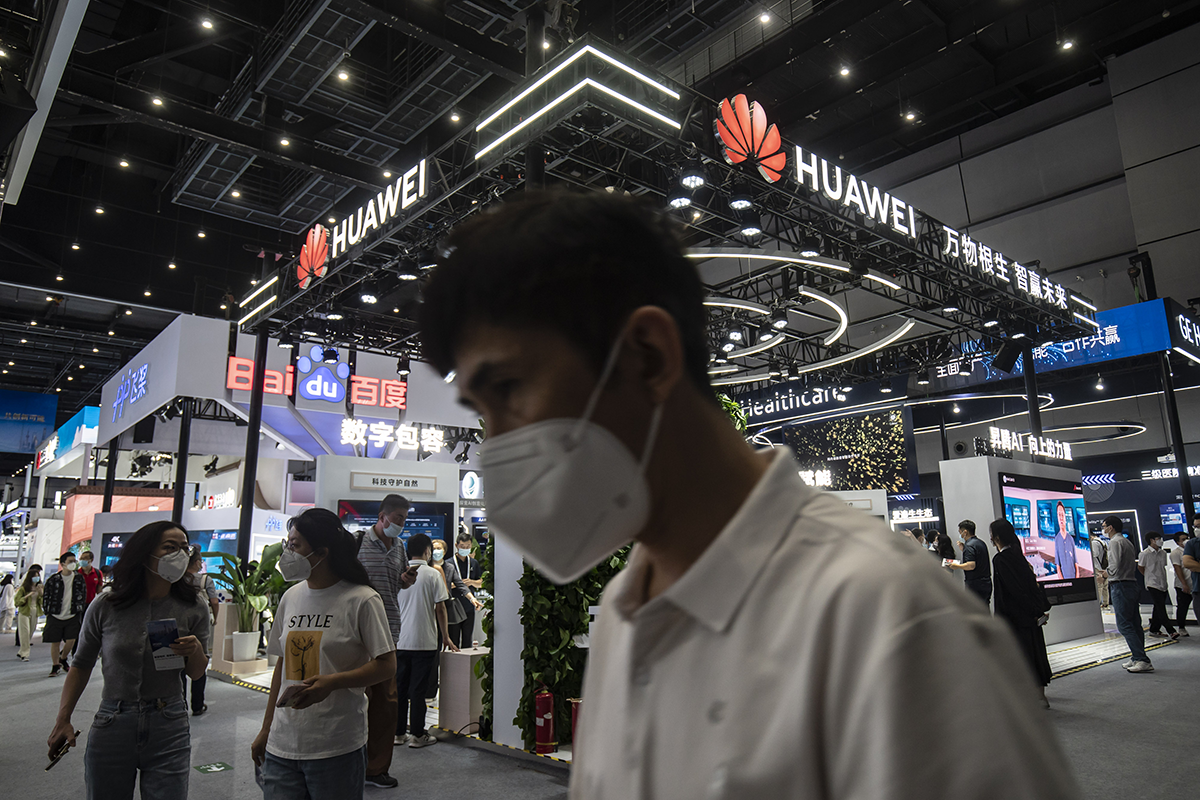
With the acute impacts of US-Chinese global tech decoupling becoming clearer, MENA is slowly emerging as an important region to watch. Economic and geopolitical ties with the West have long dictated the shape of the region’s digital environment, but more recent great power competition and Middle Eastern countries’ pursuit of economic and technological sovereignty have slowly deconstructed these dynamics.
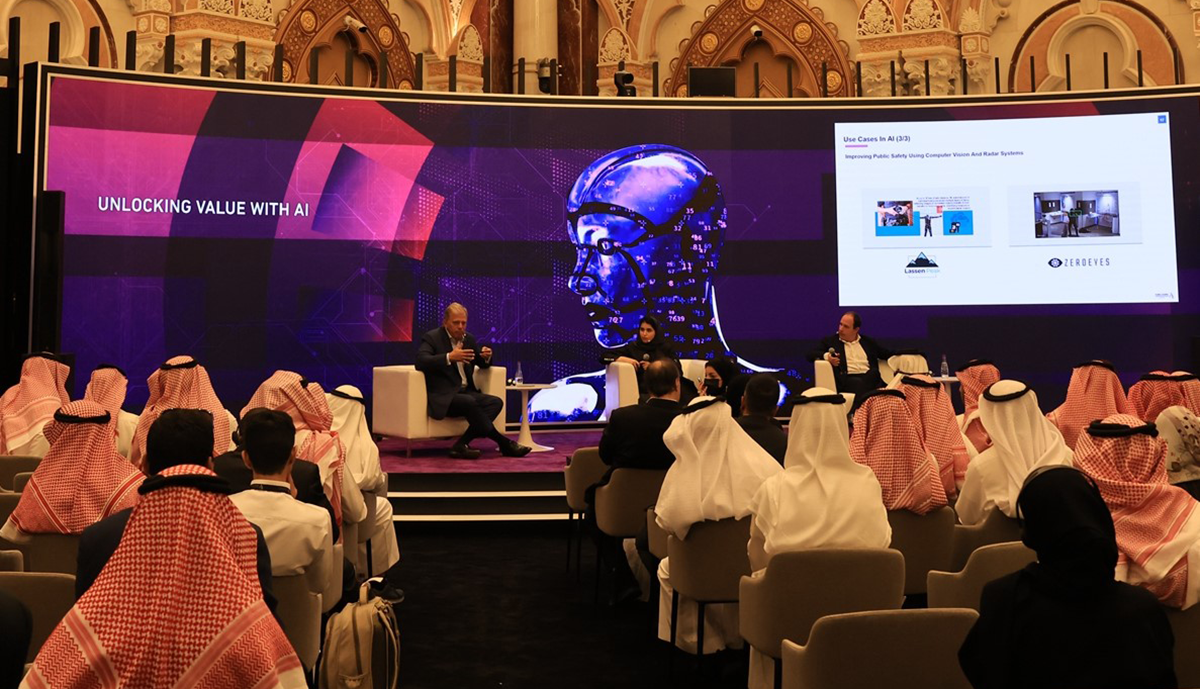
Artificial intelligence is expected to significantly impact humanity’s progress, to the extent that Google CEO Sundar Pichai compares AI-induced advancement to being on par with that ushered in by fire and electricity. There are plenty of skeptics, however, like world-renowned scientist Stephen Hawking, who have raised doubts about whether it can be controlled in the long term and speculated that its development could even spell the end of the human race.
The future of climate technology: Data-informed policies are indispensable in mitigating climate risks
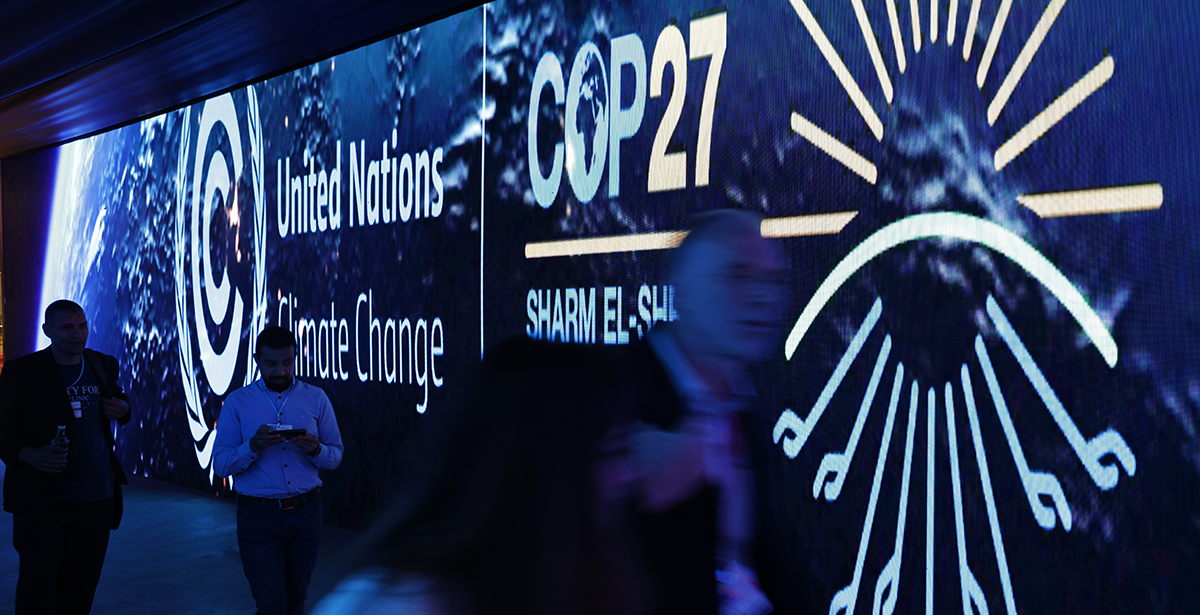
During COP27 in Egypt, world leaders discussed climate adaptation, mitigation, financing, and collaboration. Data is at the heart of these conversations. Although most countries are already integrating data into their policymaking process, it remains an under-utilized resource despite the fact that half the world is vulnerable to climate disasters.
The view from Vienna: OPSEC, Iran’s cyberpower, and tech decoupling
MEI’s Strategic Technologies and Cyber Security Program participated in both the DeepIntel and DeepSec conferences in Austria this past week. Here are our reflections on the conferences, the conversations we had there, and the overall agenda.
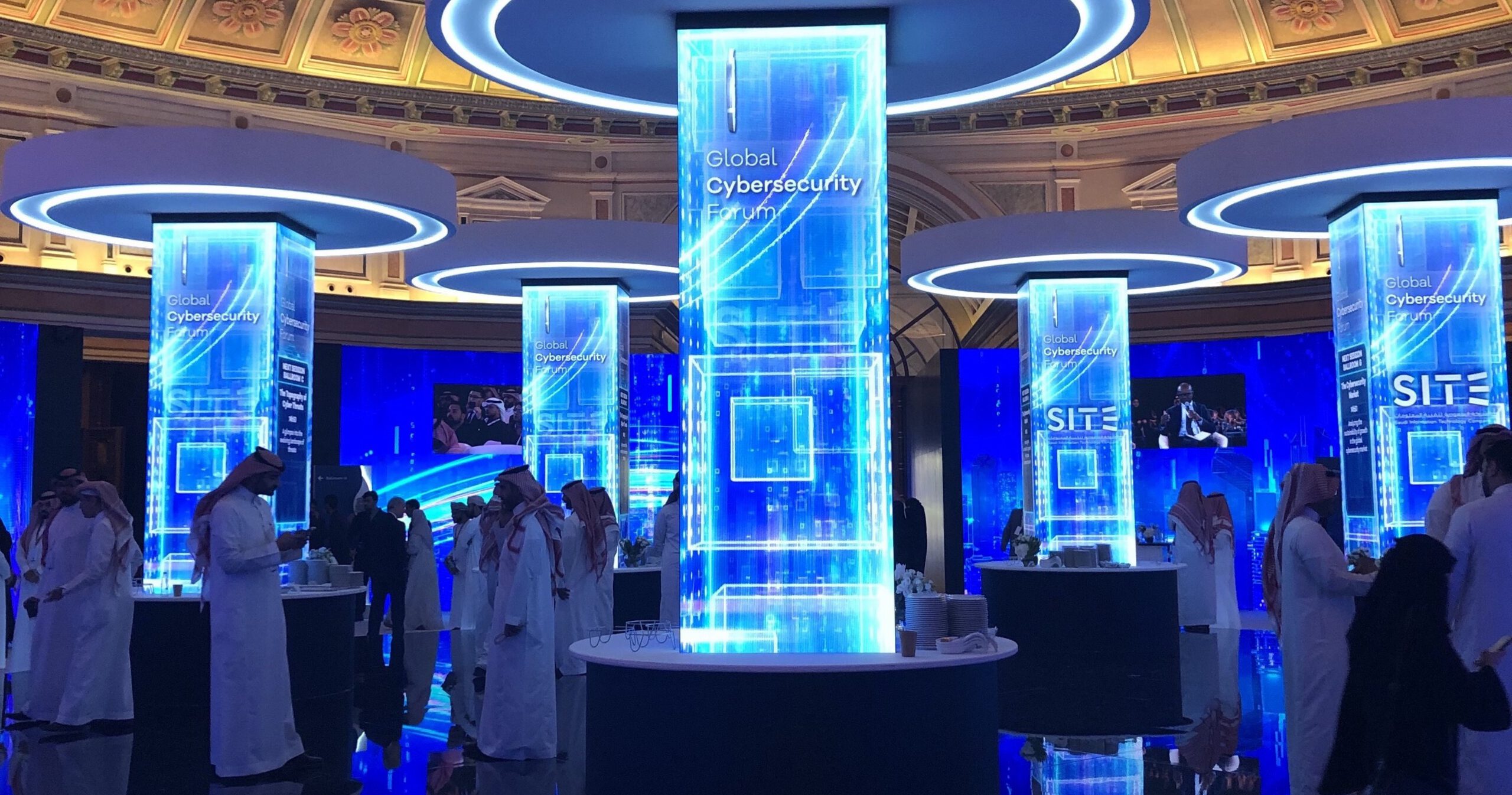
Dispatches from Riyadh: Reflections on the Global Cybersecurity Forum
MEI’s Center for Strategy and Emerging Technology participated in the second annual Global Cybersecurity Forum in Riyadh this past week. Here are our reflections on the conference, the conversations we had there, and the GCF’s overall agenda.
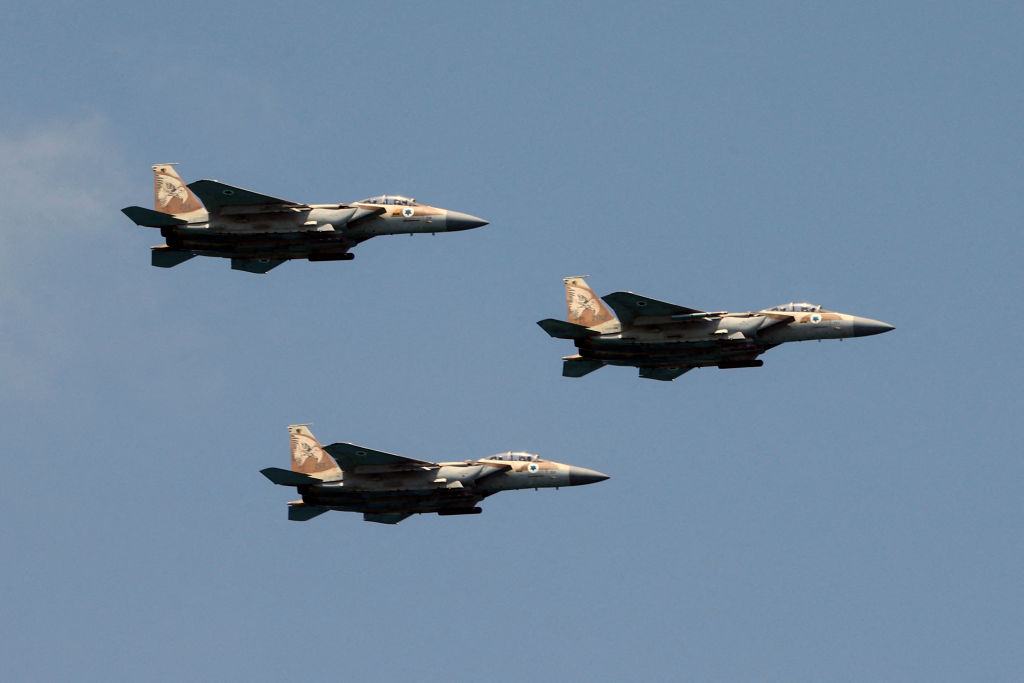
A top priority of the regional order envisioned by the Abraham Accords should be building confidence by sharing cybersecurity tools through the Negev Forum.