What would an Arab-Israeli military alliance mean for Iran?
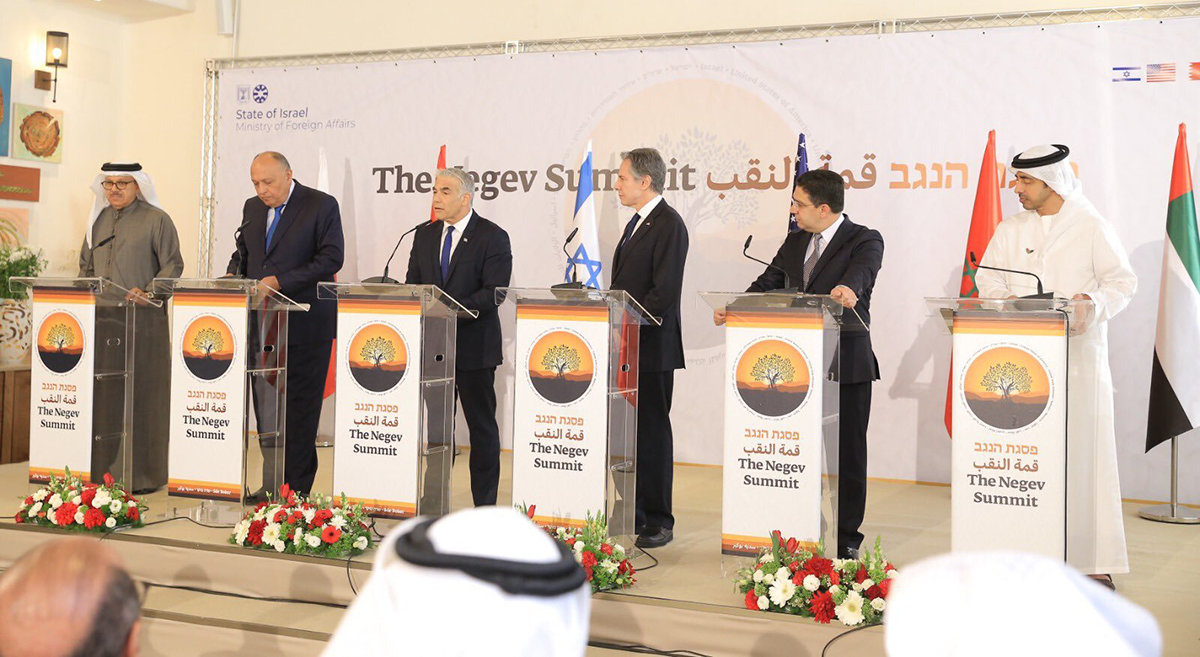
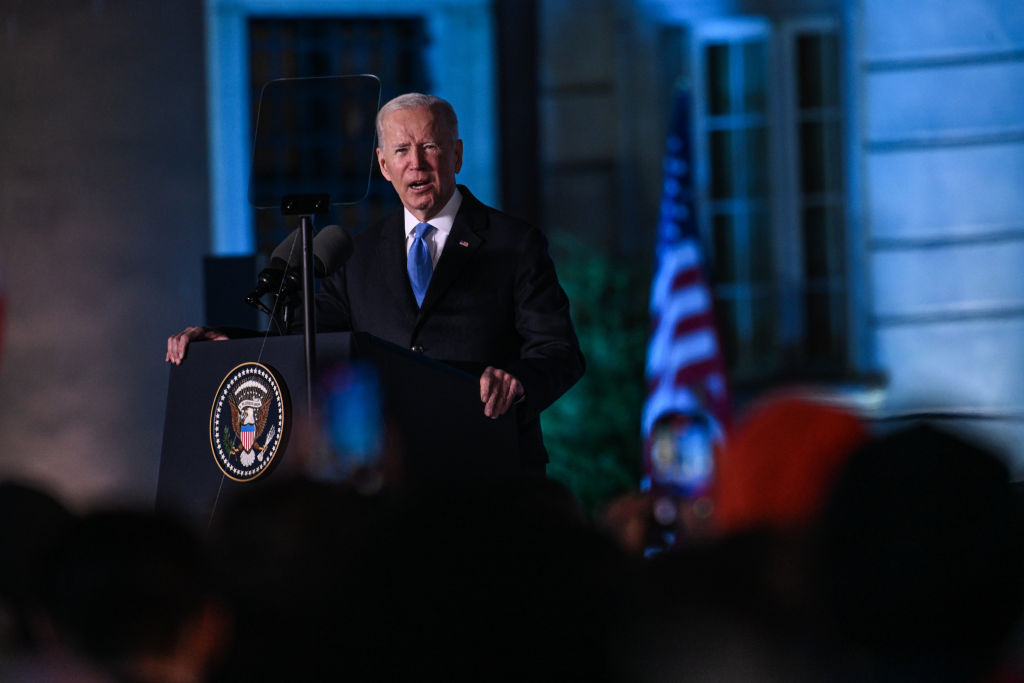
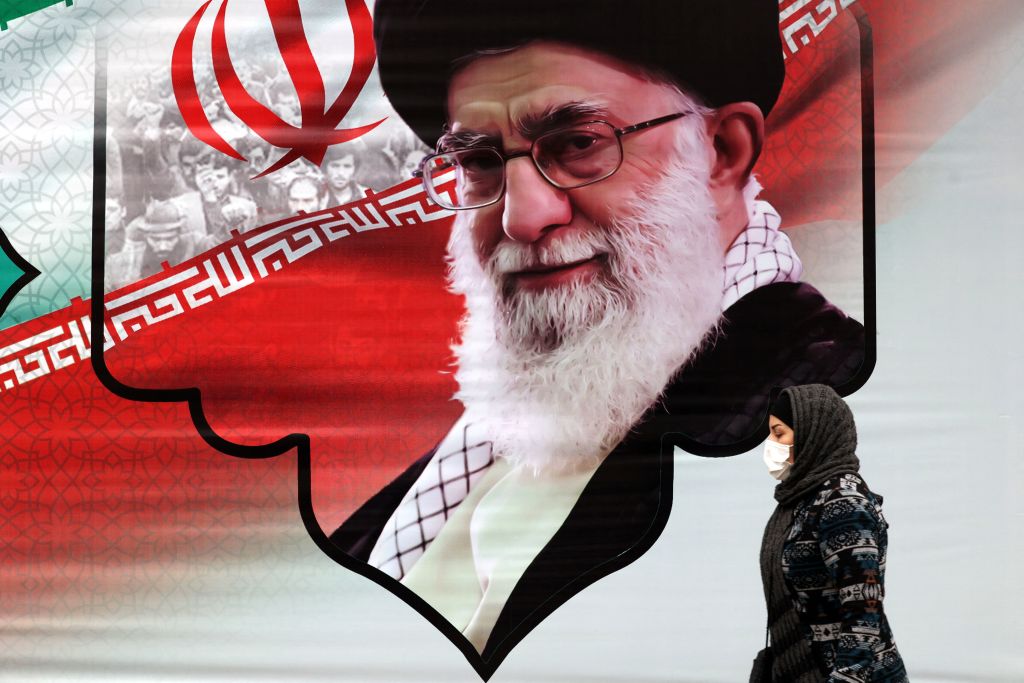
In recent remarks, the Israel Defense Forces’ (IDF) Chief of Staff Aviv Kochavi announced preparations for a potential upcoming military operation, foreshadowing a possible move against Iran. Kochavi’s announcement came shortly after Israel and the foreign ministers of four Arab nations — Morocco, Egypt, the UAE, and Bahrain — along with U.S. Secretary of State Antony Blinken, met at the Negev Summit in the Israeli desert to lay the foundation for a strategic military alliance to deter “Iran and its associated militias,” as Israeli Foreign Minister Yair Lapid put it.
Iran-Africa relations under Raisi: Salvaging ties with the continent
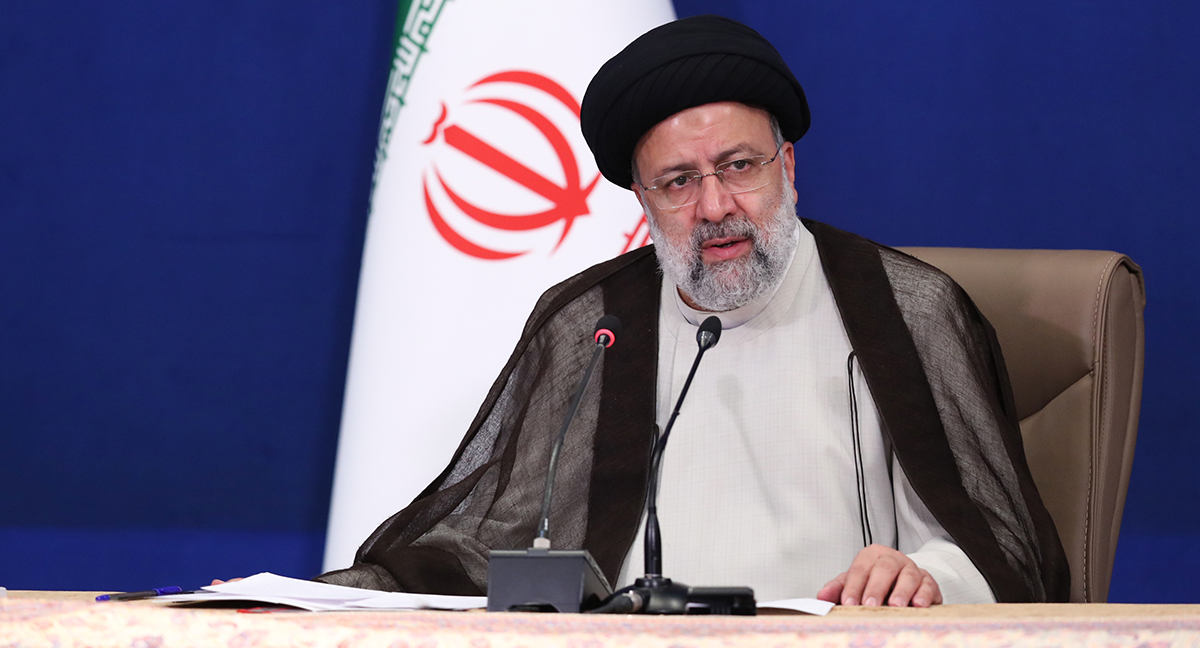
Since the beginning of his presidency, Raisi has called for increasing cooperation with Africa. Contrary to popular perception, this is not part of a hegemonic project to further expand Iranian influence in Africa. Rather, it constitutes an effort to reset relations with the continent after his predecessor spent eight years neglecting it.
The Yemen government reorganizes, but will it open the door to end the conflict?
At the conclusion of a week of Yemeni-Yemeni internal deliberations hosted by the Gulf Cooperation Council (GCC) in Riyadh, the government of Abdo Rabo Mansour Hadi announced sweeping changes meant to clear away obstacles to cooperation among the anti-Houthi forces in the country and, perhaps, open the door to negotiations to end the civil war now in its eighth year.
تعكس المنشورات السياسية التي تحتفظ بها مكتبة عمان لحظة مفصلية في التاريخ اليمني، في الوقت الذي خضعت فيه اليمن لإصلاح اجتماعي وسياسي كبير ناتج عن الوحدة اليمنية في مايو ١٩٩٠، والتي وحدت شمال اليمن وجنوبه.
Political Ephemera Serves as Unique Window Into 1990s Yemen
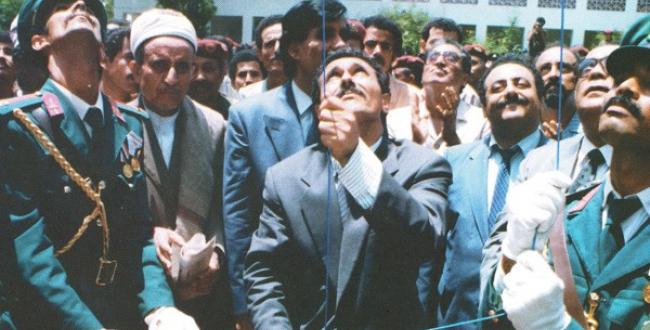
The collection of political documents held by the Oman Library reflects a watershed moment in Yemeni history, at a time when Yemen underwent substantial social and political reform as a result of Yemeni unification in May 1990, which merged North and South Yemen.
How will the war in Ukraine affect EU-MENA relations?
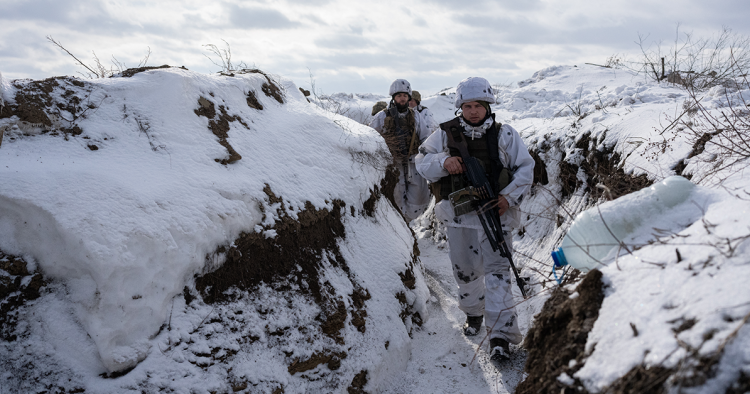
While most analyses of the war in Ukraine have tended to focus on the intra-European dimension, it is worth exploring the potential consequences of this conflict for the EU’s relations with countries further afield, especially those in the Middle East and North Africa.
Iran’s growing presence in Syria’s al-Hasakah poses a direct threat to US forces
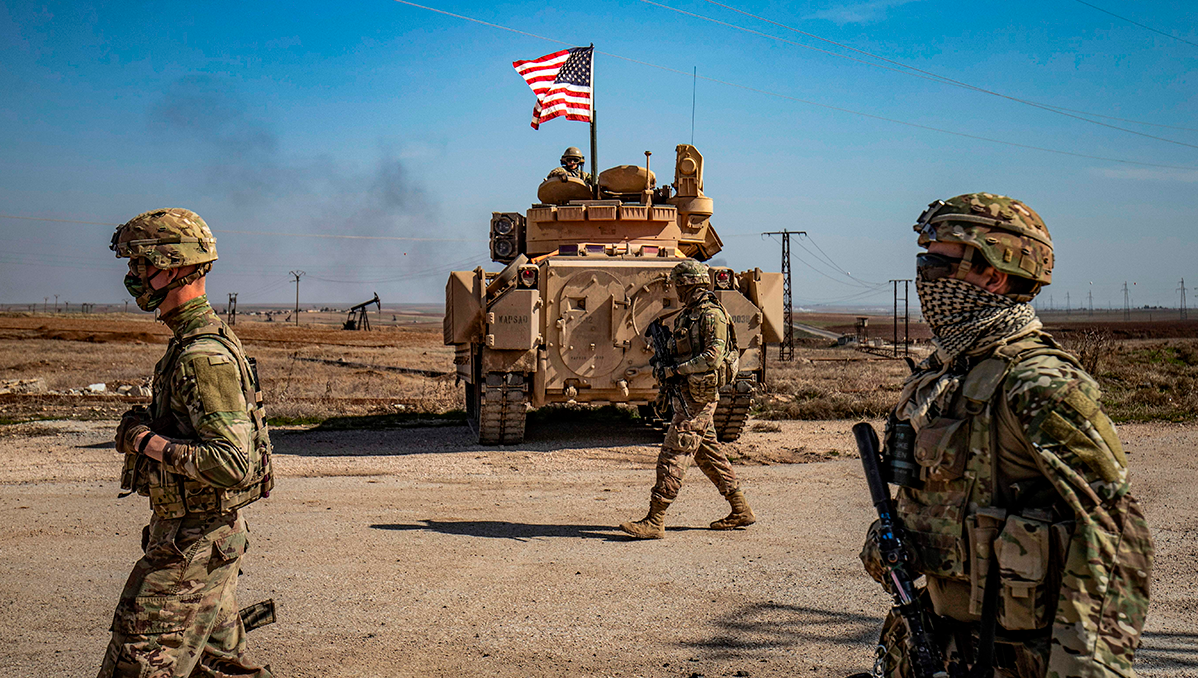
During February and early March 2022, the militias of the Iranian Islamic Revolutionary Guard Corps (IRGC) located in Syria’s al-Hasakah Governorate brought in several shipments of weapons and military equipment in an effort to strengthen their military and security presence in the governorate, which is considered the richest in Syria in terms of oil and agricultural wealth.
Yemen: Ending the War, Building a Sustainable Peace
Seven years on from the launch of the Saudi-led coalition’s military campaign on March 26, 2015, the civil war in Yemen remains stalemated. The fundamental realities of the conflict have not changed substantially in over five years. Meanwhile, the conditions under which the majority of innocent Yemenis are living continue to deteriorate. It’s time to consider measures that can promote an end to the conflict and lay the groundwork for post-conflict reconstruction.
The Russian invasion of Ukraine has been a watershed moment on so many levels for so many countries. Existing political, economic, energy, and transportation channels are being affected across western Eurasia. Countries are maneuvering to minimize the war’s detrimental impact while new trade synergies are being formed at a rapid pace. Most recently, Germany and Qatar signed a long-term energy partnership for the delivery of Qatari natural gas as the Germans look to reduce dependence on Russian supplies. Qatar’s reserves are located in the world’s largest gas field, which it shares with its northern neighbor, Iran.
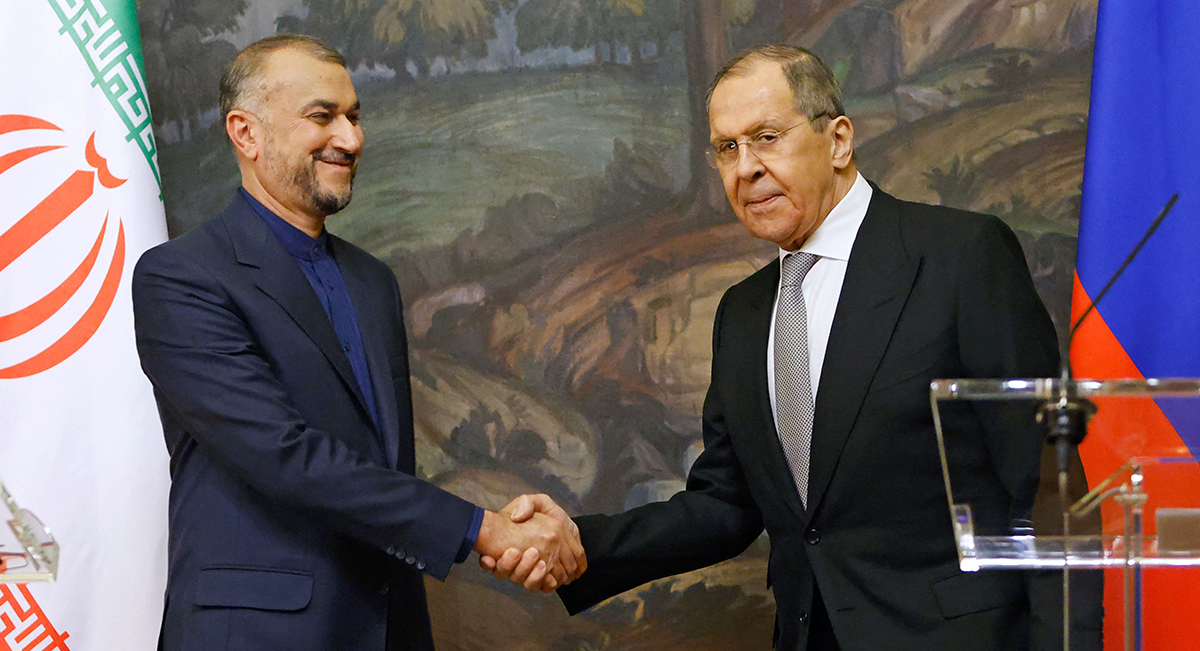
Russia's invasion of Ukraine and the nature of Iranian-Russian relations
Russia’s Feb. 24 invasion of Ukraine, which triggered Europe’s first major conflict since the Balkan Wars of the 1990s, marks a watershed in the continent’s post-Cold War history. The conflict poses significant security challenges for countries throughout Eurasia and beyond, and Iran is by no means immune to the geopolitical changes underway.
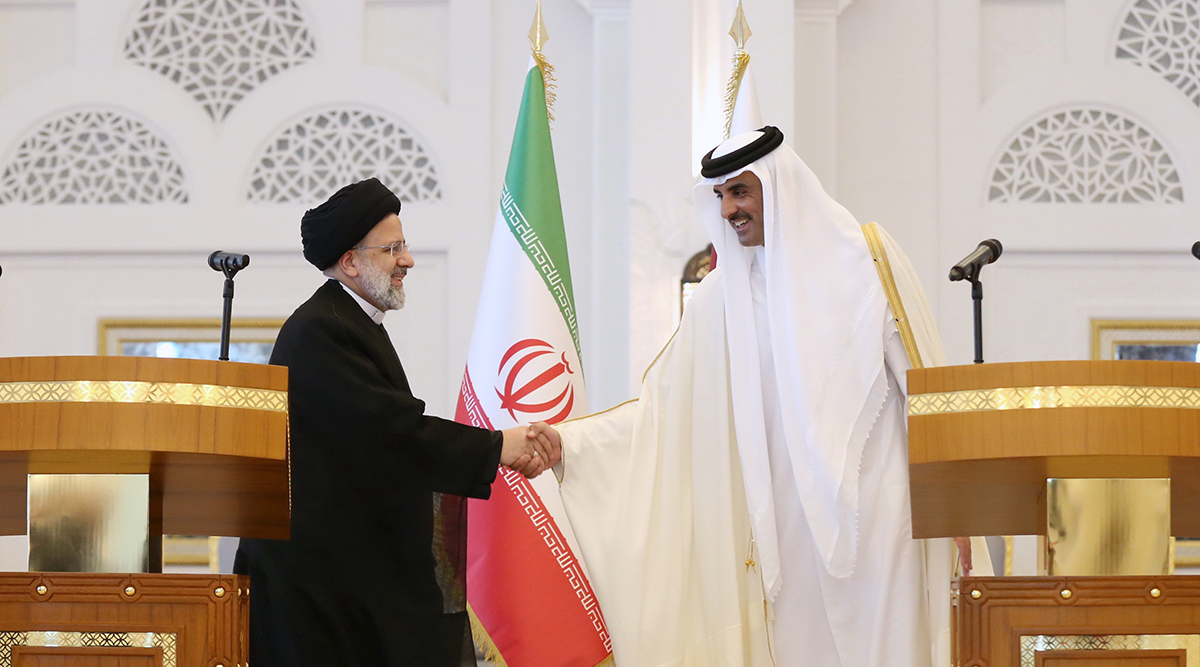
Iran’s regional agenda and the call for détente with the Gulf states
As both a candidate and as president, Ebrahim Raisi has repeated a basic mantra: that he will seek to quickly improve relations with Iran’s neighbors, and particularly the Arab Gulf states. But what are his motivations for this and what are the potential hurdles?
Will Iran’s heavy-handed approach to deterring Israel backfire?
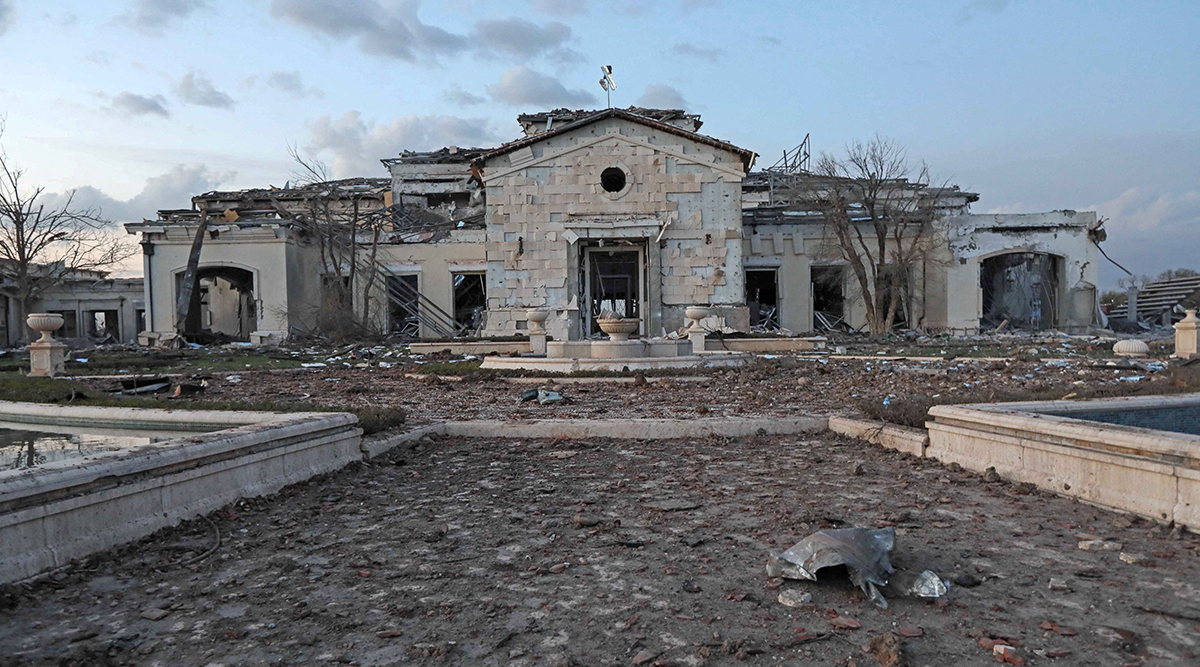
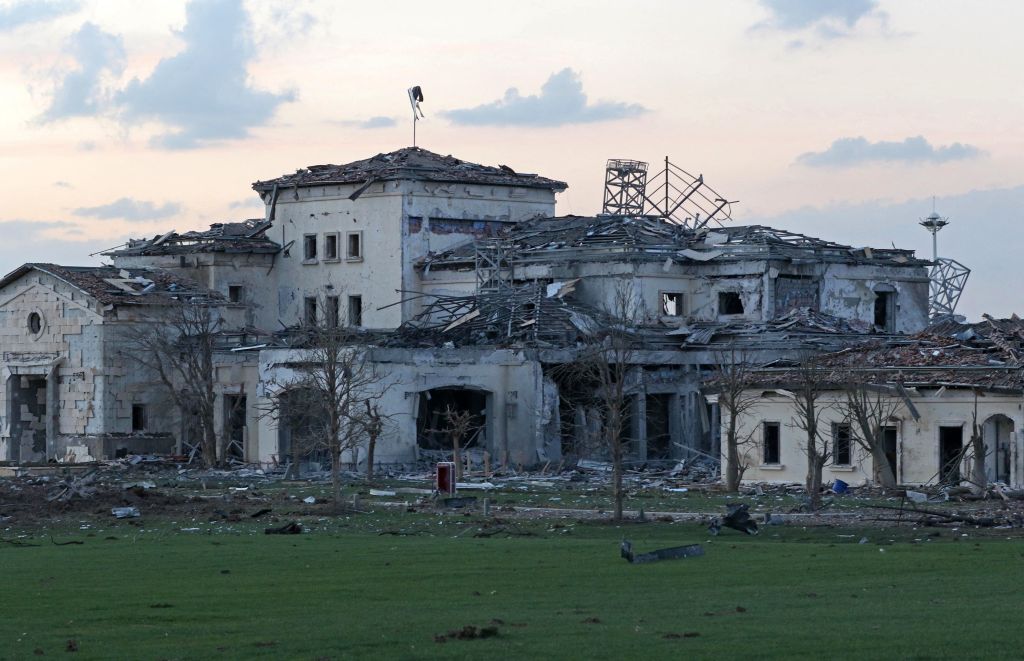
On March 13, Iran’s IRGC fired missiles at targets in the Iraqi Kurdish city of Erbil. While Tehran’s threat of force might shape the calculations of regional states that are weighing the pros and cons of establishing closer ties with Israel, the Iranians will inevitably have to reckon with the possibility that this heavy-handed approach may backfire.