A foreign policy for the working class is not merely a call to rebuild America’s physical and technological infrastructure but to restore its moral and spiritual foundations.
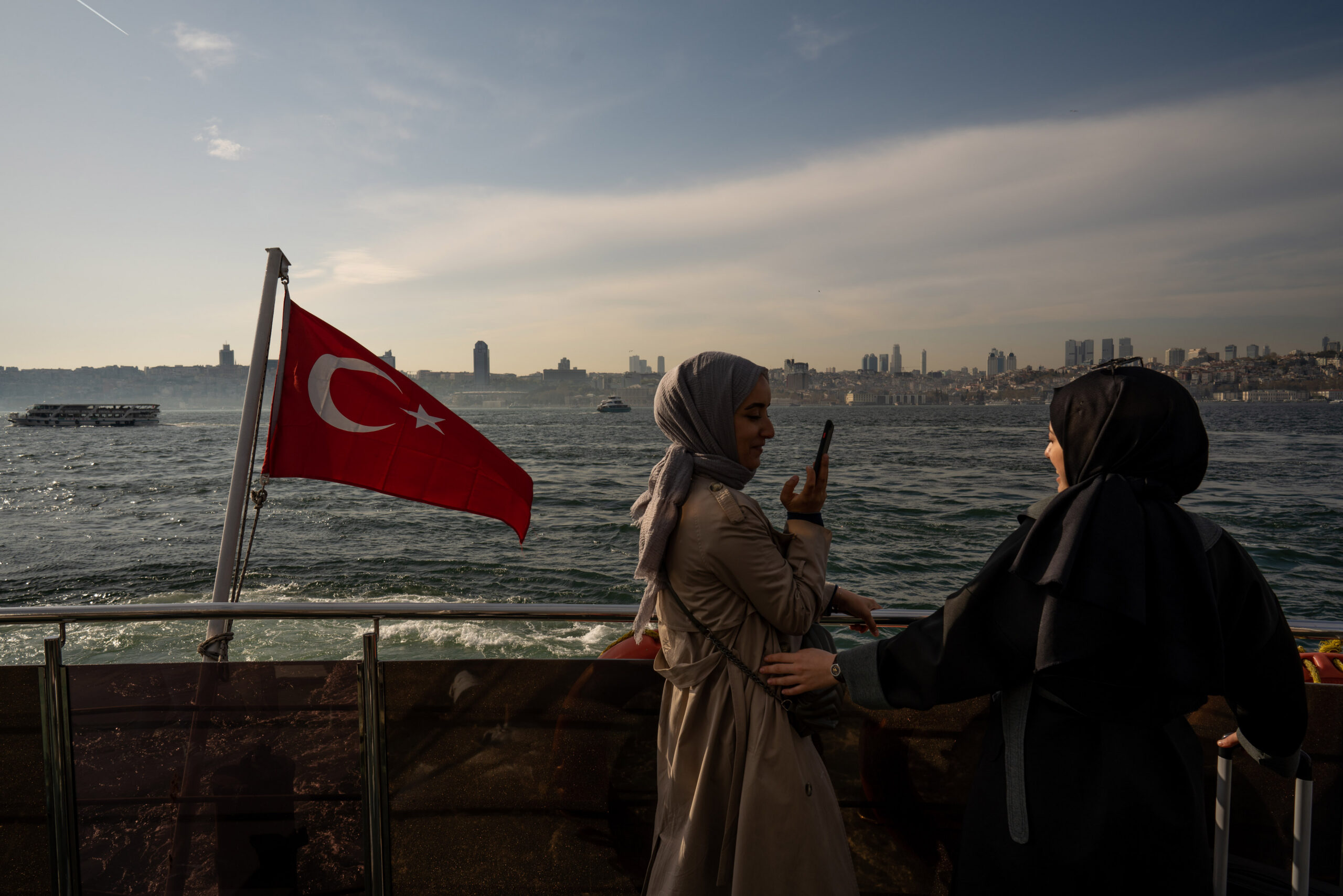
Turkey Competes with Israel and India to be a Major MENA Weapons Supplier
With record-breaking arms exports globally, Turkey’s growing market share in the Arab monarchies holds the potential to greatly expand Ankara’s role as a security provider across the Middle East and North Africa. At the same time, Turkey faces growing competition from Israel and India, which have significantly expanded their own weapons sales to the Arab monarchies, notably the UAE and Morocco.
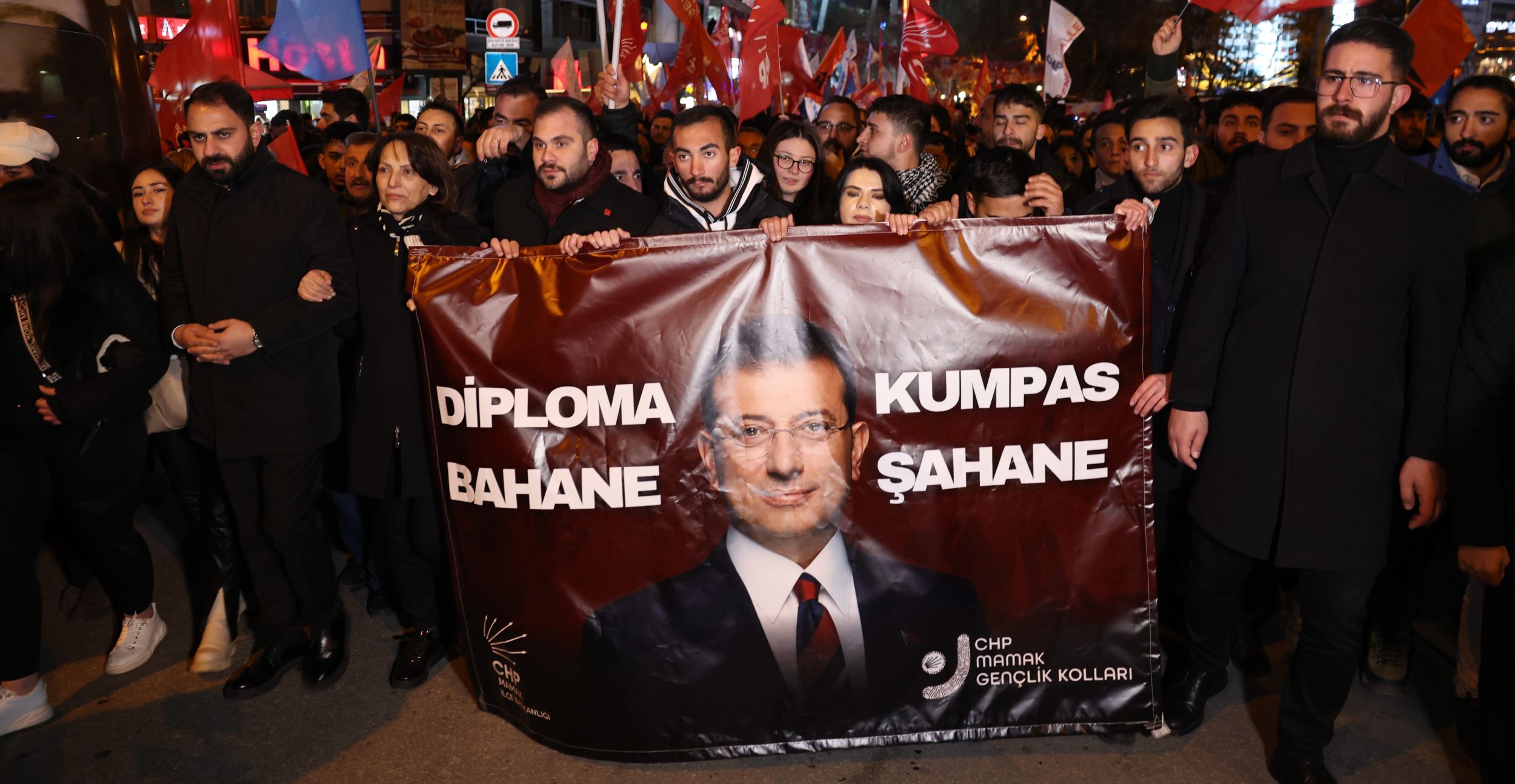
Just days before Turkey’s main opposition party was set to select its next presidential candidate, the leading contender, Istanbul Mayor Ekrem Imamoglu, was arrested and jailed, effectively removing him from the race.
The Damascus-SDF Agreement: A Turning Point for Syria?
Syria’s political landscape has undergone a major shift with the recently announced agreement between the predominantly Kurdish and American-backed Syrian Democratic Forces (SDF) and the transitional Syrian government. After weeks of negotiations, this deal signals a potential breakthrough in the country’s long and complex path to reunification.
Trump’s recast of US power risks undercutting Middle East stability
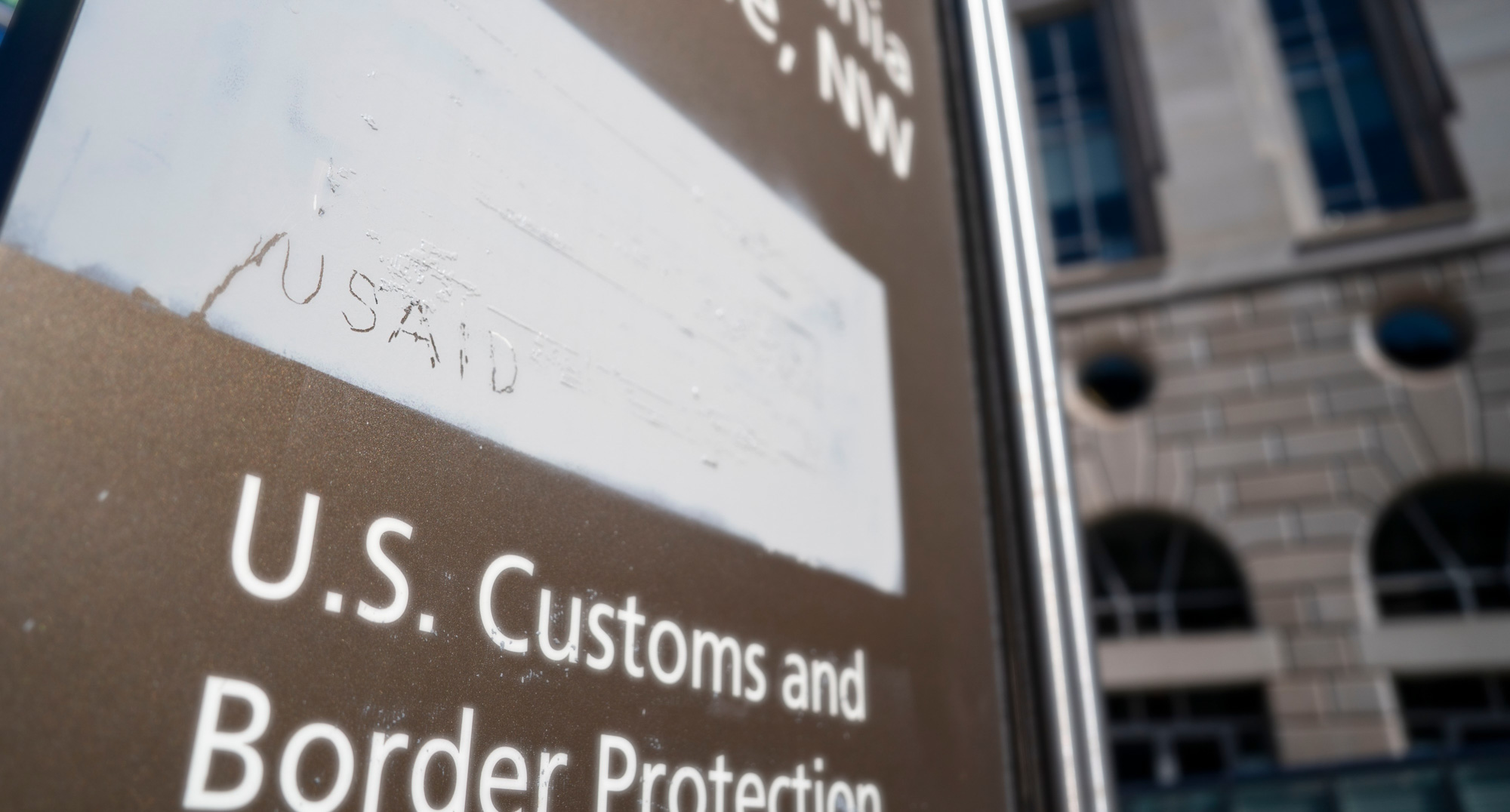
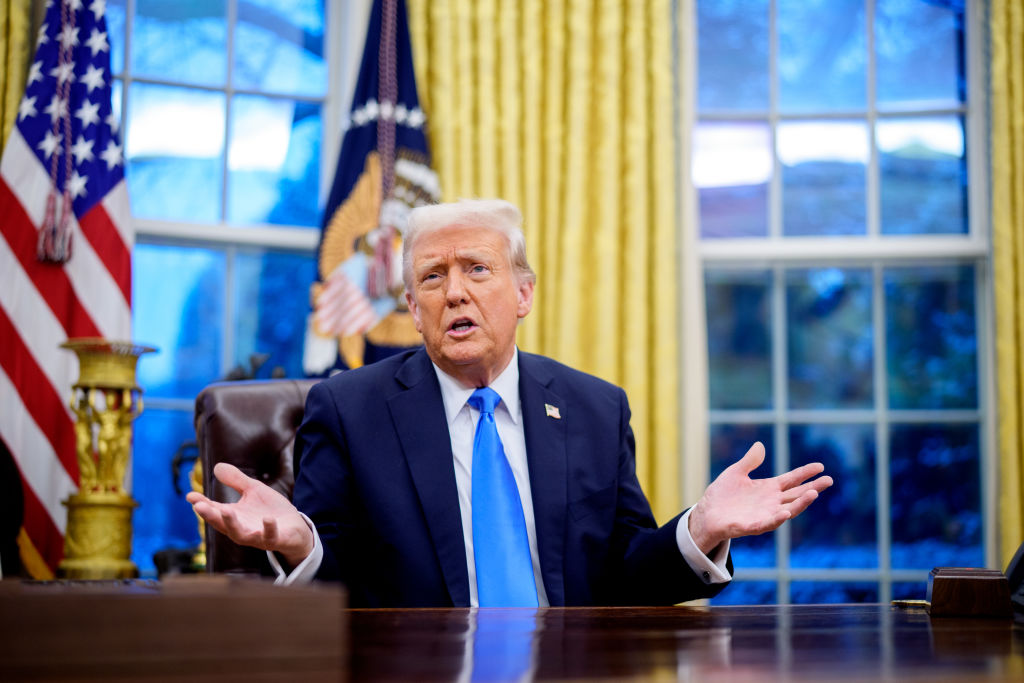
President Donald Trump’s administration dialed up its use of military power in the Middle East this past week just as it took more steps to dismantle American institutions central to advancing peace and stability through diplomacy.
Roadmap for America’s Leadership in AI Action Plan
In response to the request for information (RFI) from the National Science Foundation (NSF) and the Office of Science and Technology Policy (OSTP) regarding the “Development of an Artificial Intelligence Action Plan” in support of the objectives set forth in Executive Order (EO) 14179, the Middle East Institute (MEI) offers five recommendations to solidify the United States’ position as the global leader in AI innovation while addressing critical ethical, regulatory, and infrastructural imperatives.
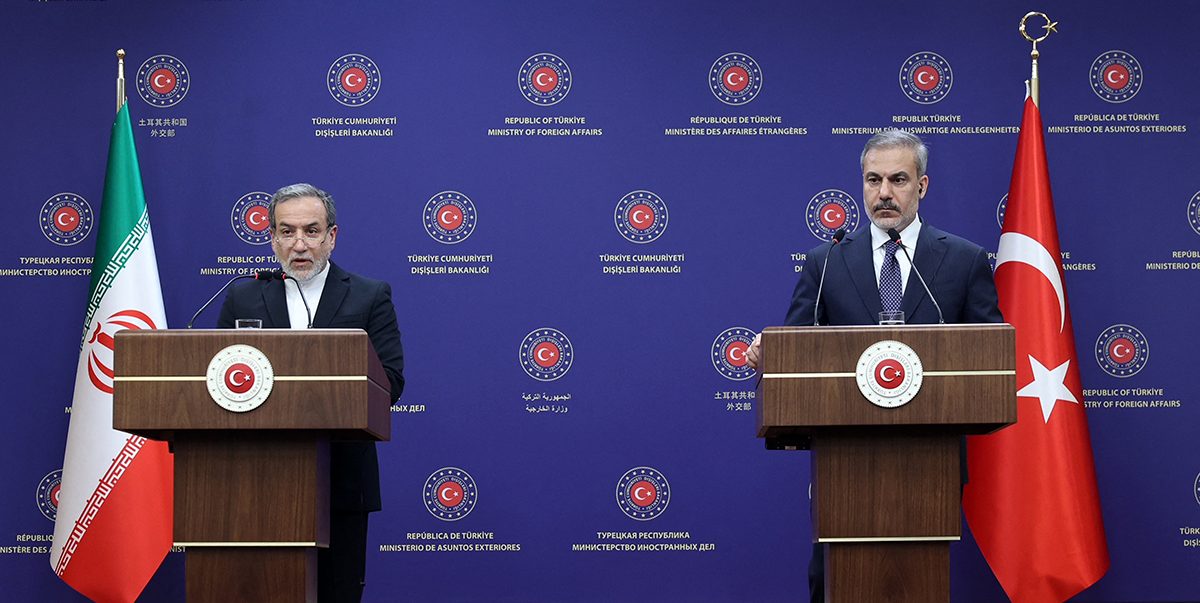
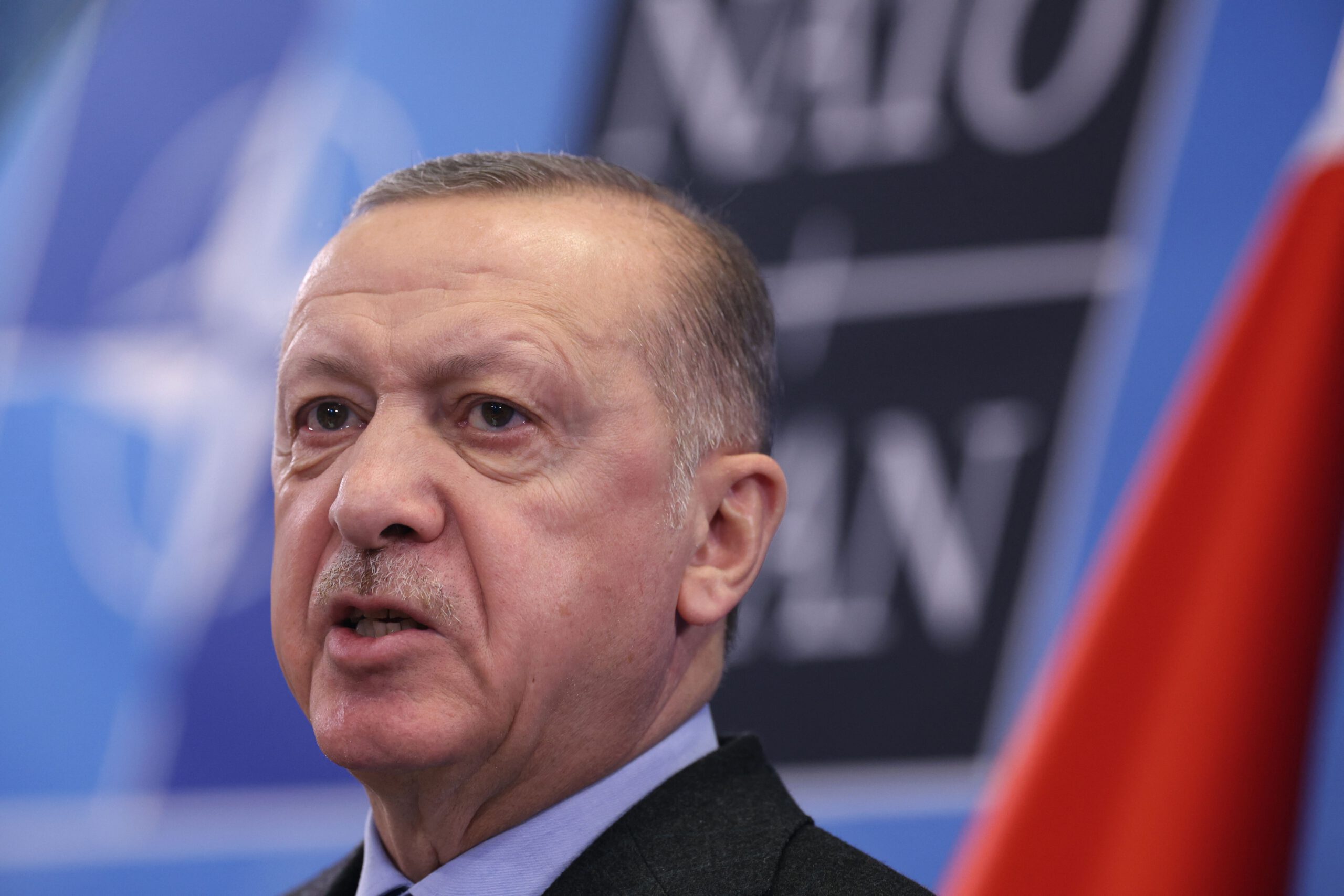
War of words as Turkey-Iran tensions escalate over Syria, Iraq
After decades of managing tensions through careful balancing, Turkey and Iran now find themselves increasingly at odds following recent shifts in the regional balance of power. With Ankara emboldened and Tehran on its back foot after the fall of the regime of Bashar al-Assad, the struggle for influence between the two neighbors and long-time rivals is escalating in both Syria and Iraq and could spread well beyond their borders.
How might Trump's presidency shape regional dynamics?
The punishing Israeli response to the Hamas and Hezbollah attacks of October 7 and 8 has devastated Gaza and Lebanon, decimated Hamas and Hezbollah, contributed to the collapse of the Assad regime in Syria, and dealt the most serious blow to Iran’s axis of influence in many decades.
Reimagining Syria: A Roadmap for Peace and Prosperity Beyond Assad
The work of the Syria Strategy Project and the considerable policy recommendations found in this report present a realistic and holistic vision for Syria’s recovery and reintegration into the international system.
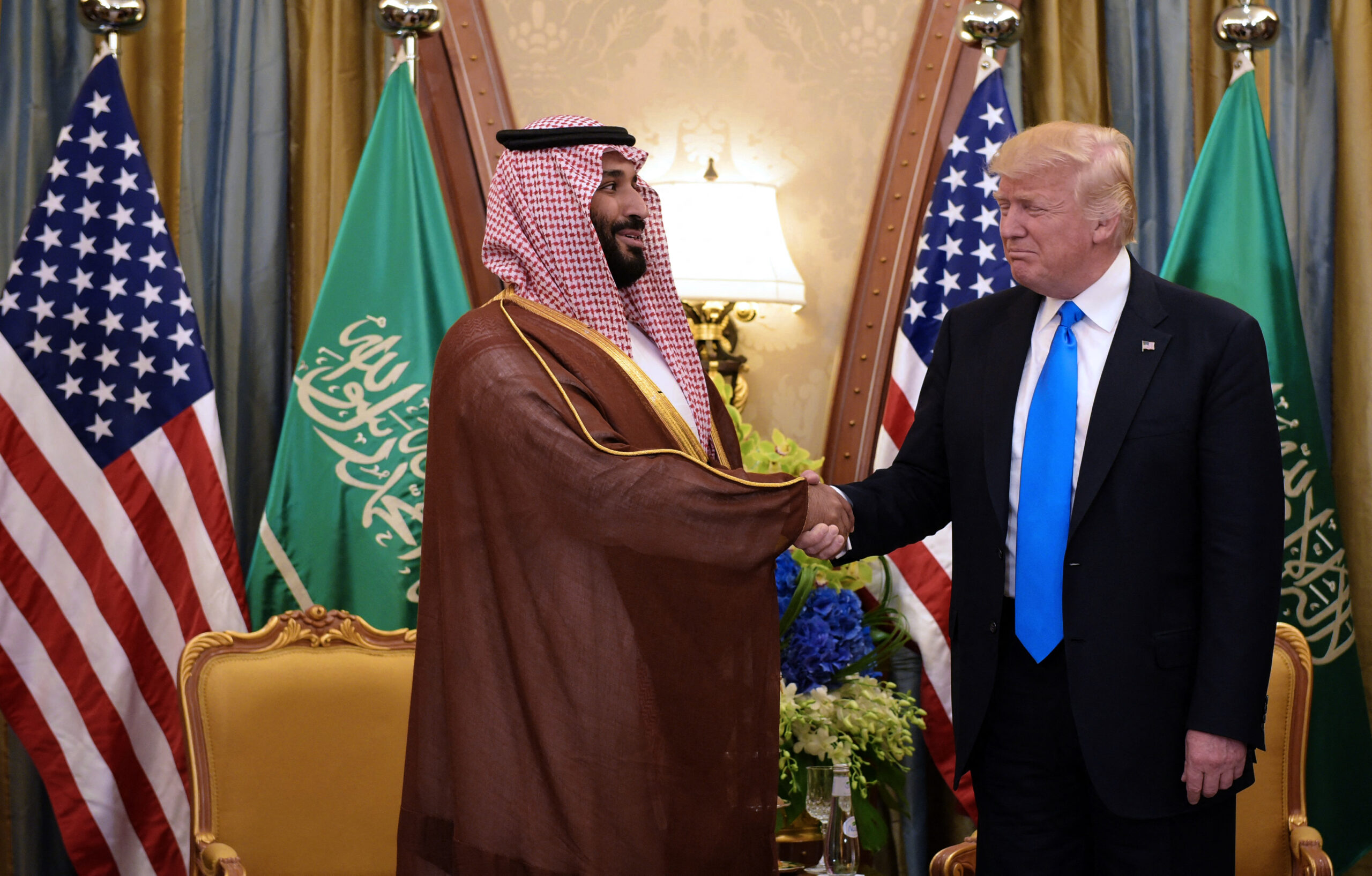
Trump brings his foreign policy improv act to the Middle East
While most media attention was focused on its global economic policy moves, the Trump administration continued to keep the Middle East high on its agenda this past week, with the president sending a letter to Iran’s supreme leader and his team directly engaging with the Palestinian group Hamas. This continued engagement on the region’s top two strategic questions, Iran and Arab-Israel affairs, contrasted with America’s hands-off approach to Syria, which saw some troubling violence.
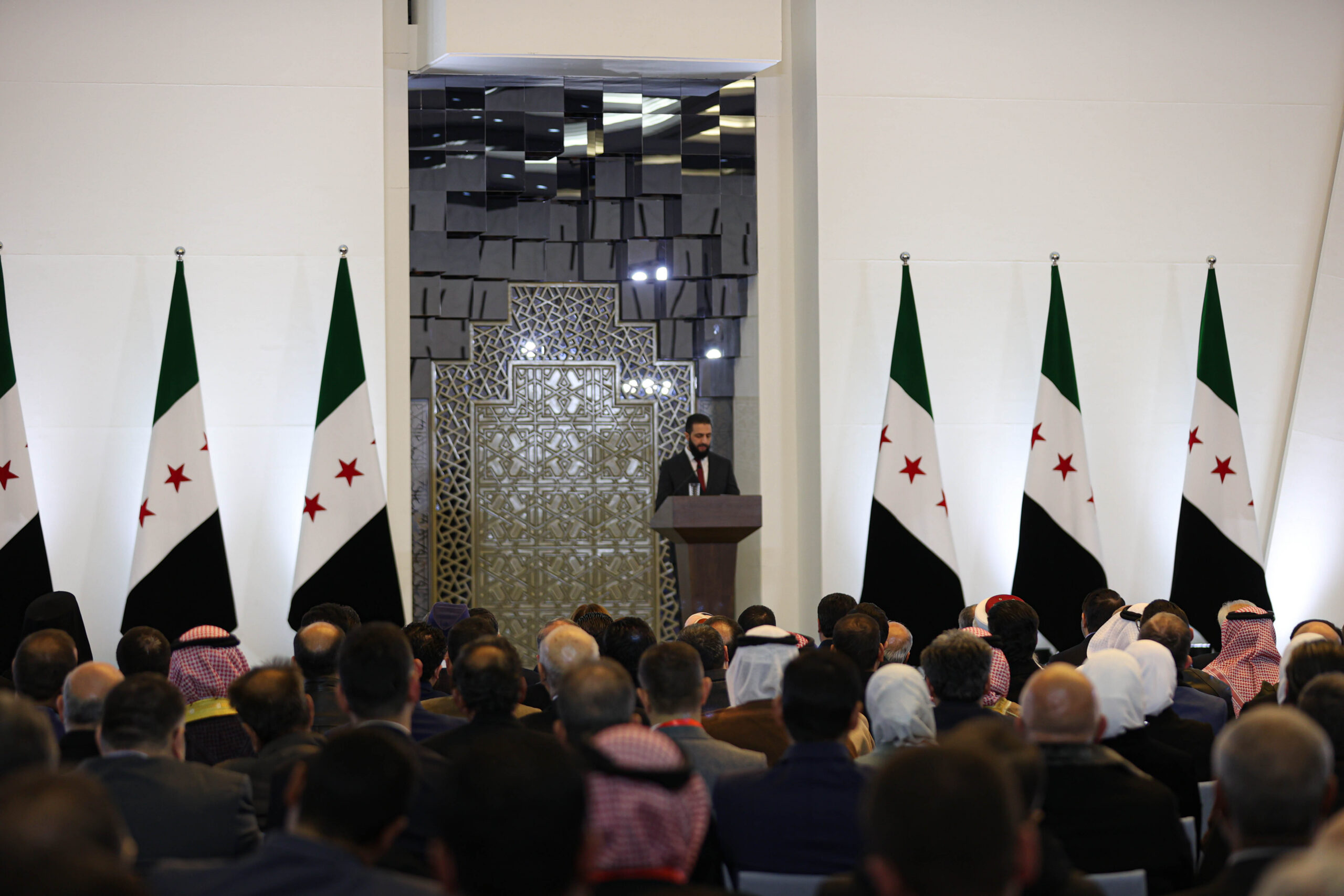
The national dialogue in Syria: A step forward or a concerning trajectory?
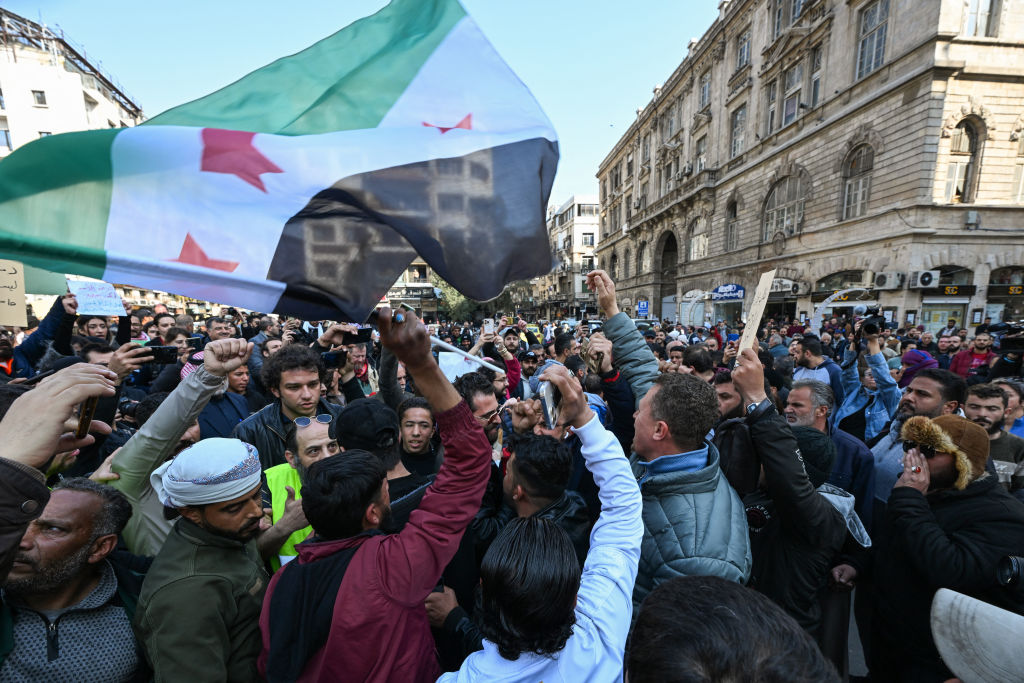
Syria’s national dialogue, held in Damascus at the end of February, was intended to chart the country’s future, one that would have been unthinkable just three months earlier. However, the process and outcomes of the dialogue were flawed, left critical questions unanswered, and raised new concerns.
A chaotic foreign policy on overdrive risks alienating key US partners in the Middle East
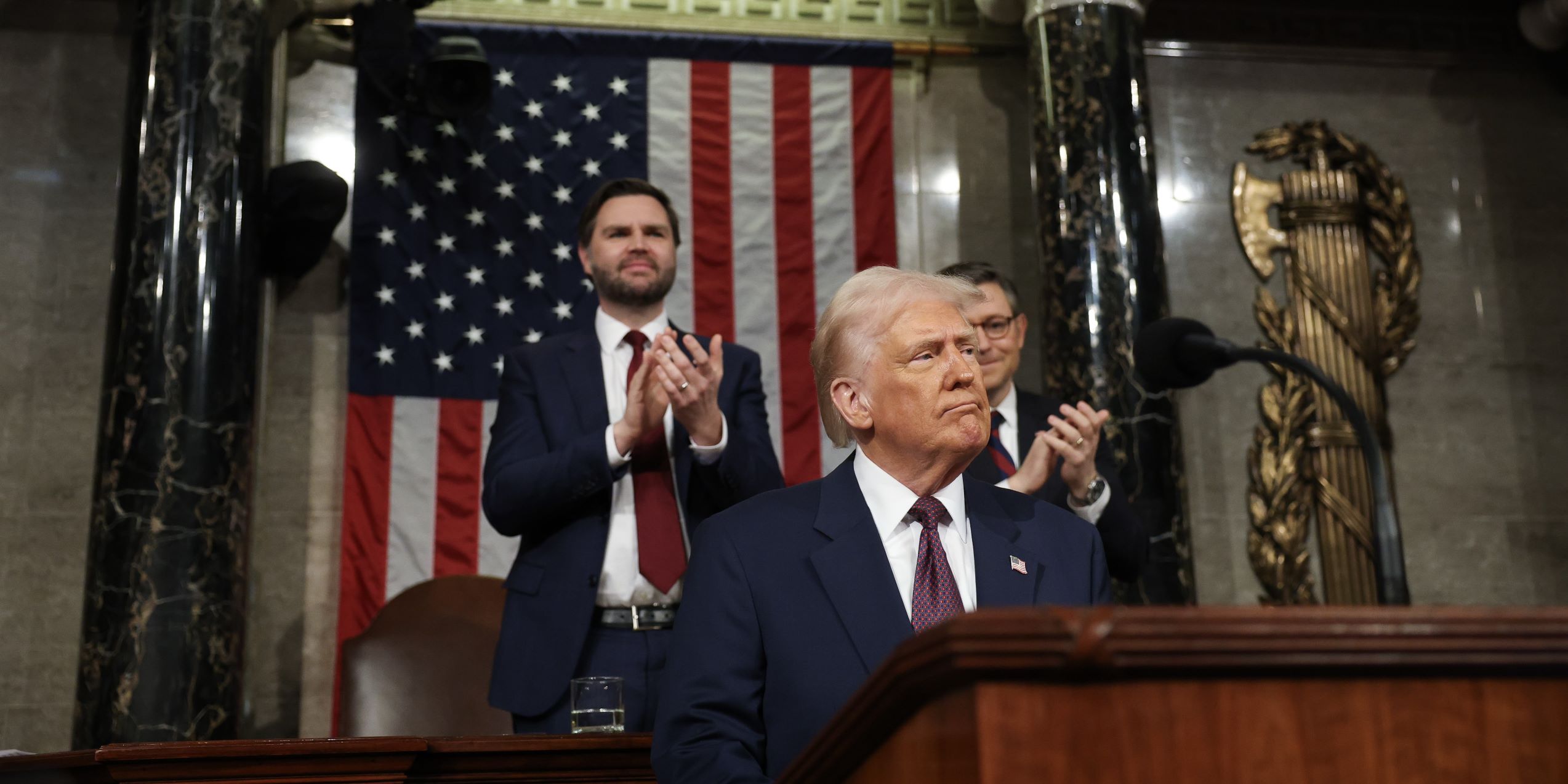
President Donald Trump’s joint address to Congress on March 4 doubled down on his disruptive and contentious domestic policy agenda. Foreign policy, including Trump’s approach to the Middle East, was mostly an afterthought. Though he said little about Middle East policy in his speech, Trump’s team is taking an irregular approach on the twin issues of Israel-Arab ties and Iran that may not produce the stability and prosperity it seeks.
In a historic call last week, Abdullah Öcalan, the jailed Kurdish militant leader, asked fighters with his Kurdistan Workers’ party (PKK) to lay down their arms. The announcement is part of recently launched talks between Öcalan and Turkish President Recep Tayyip Erdoğan’s nationalist coalition. Ending a 40-year war that left 40,000 people dead is something to be celebrated. But consider why the PKK emerged in the first place and optimism quickly fades.
Why, then, does Öcalan think it is time for the PKK to lay down its arms?