Moscow and Ankara will continue uneasy cooperation
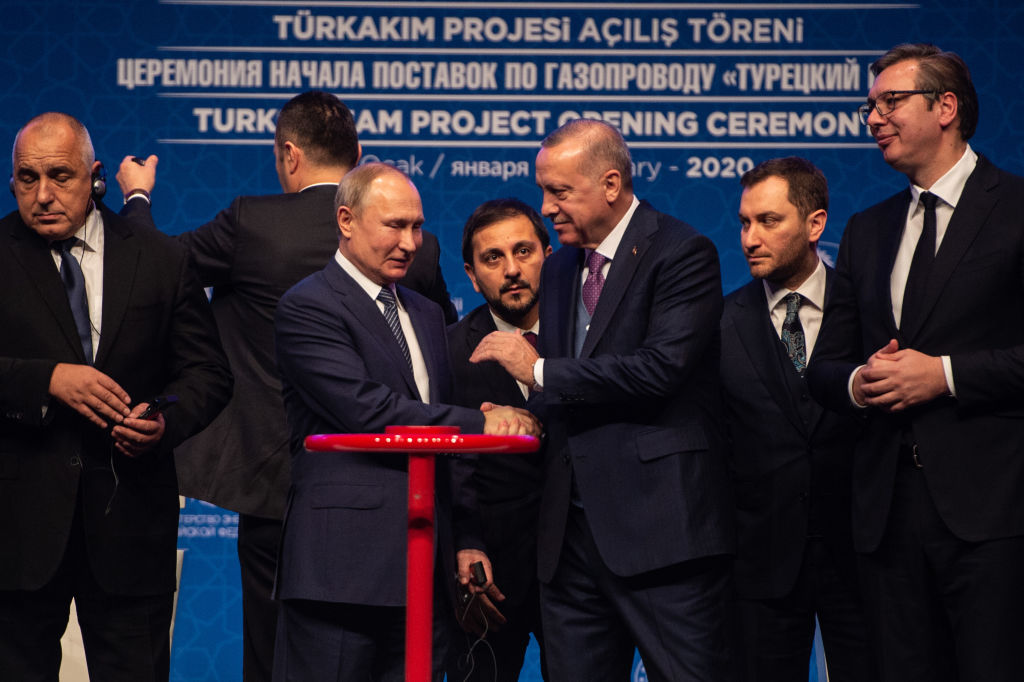
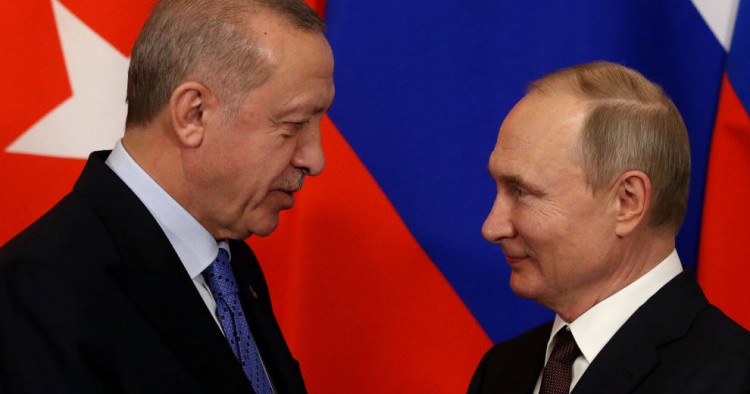
As Russia partially reopens international travel amidst the ongoing pandemic, Turkey is in the top three countries for resumed Russian flights. Moscow also touts possible space cooperation with Turkey amidst tensions with the US on this issue. Despite disagreements between Moscow and Ankara over Syria, Libya, and the broader Black Sea region, Russia and Turkey remain determined to cooperate. But the relationship remains unequal.
Are Turkey and Russia bracing for conflict in the South Caucasus?
On July 12, the Armenian and the Azerbaijani armed forces started a border skirmish. Fighting went on for several days, leaving at least 16 dead in its wake. Remarkably enough, the two sides are facing off outside the disputed region of Nagorno-Karabakh, the usual flashpoint. This time around the flare-up took place well to the north, where Armenia’s Tavush region meets Azerbaijan’s Tovuz district. It is little wonder then that the crisis caught Turkey’s attention.
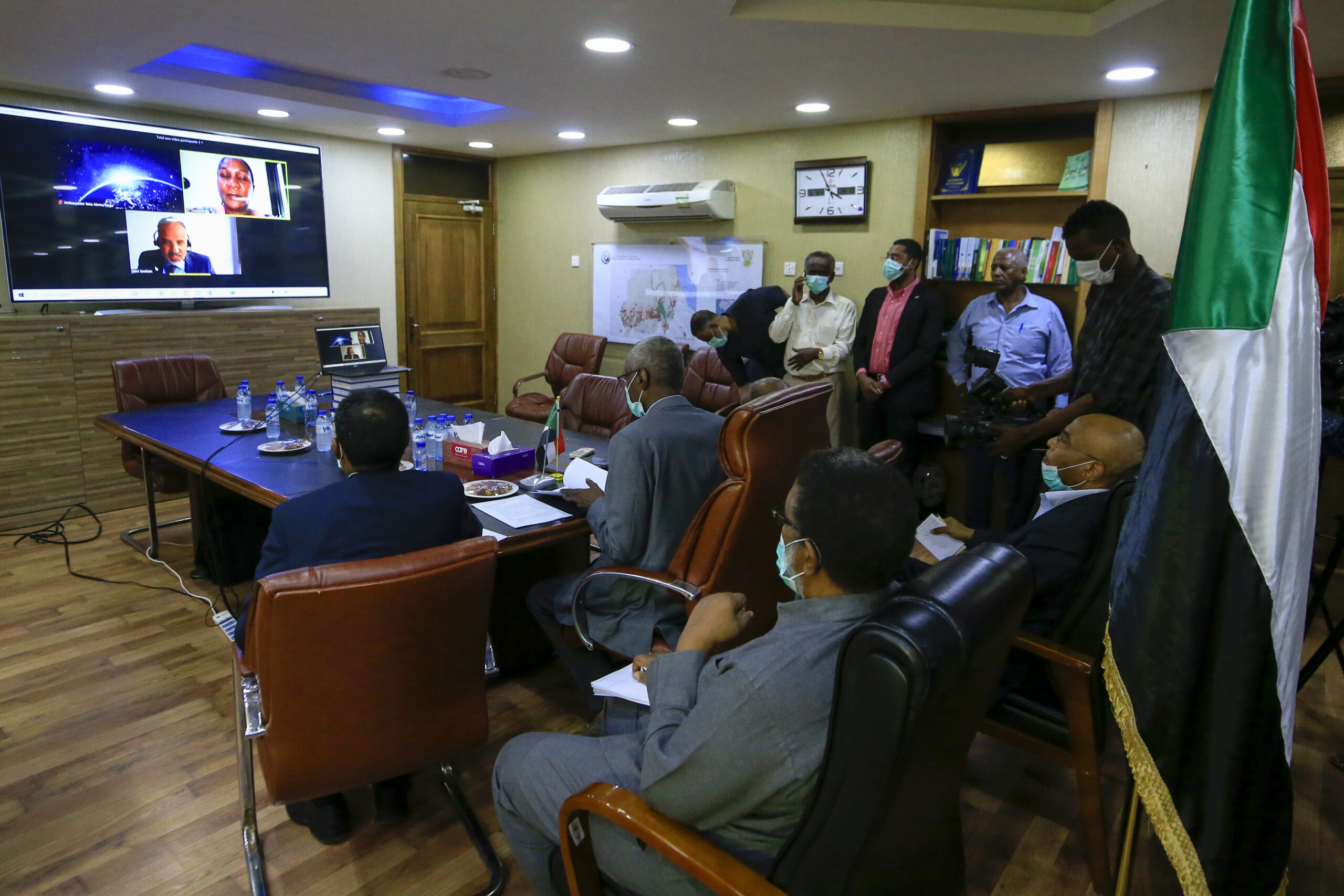
Monday Briefing: GERD talks continue, but political will is still lacking
This week’s briefing on recent news and upcoming events in the region featuring Mirette F. Mabrouk, Marvin G. Weinbaum, Gonul Tol, Alex Vatanka, and Gerald Feierstein.
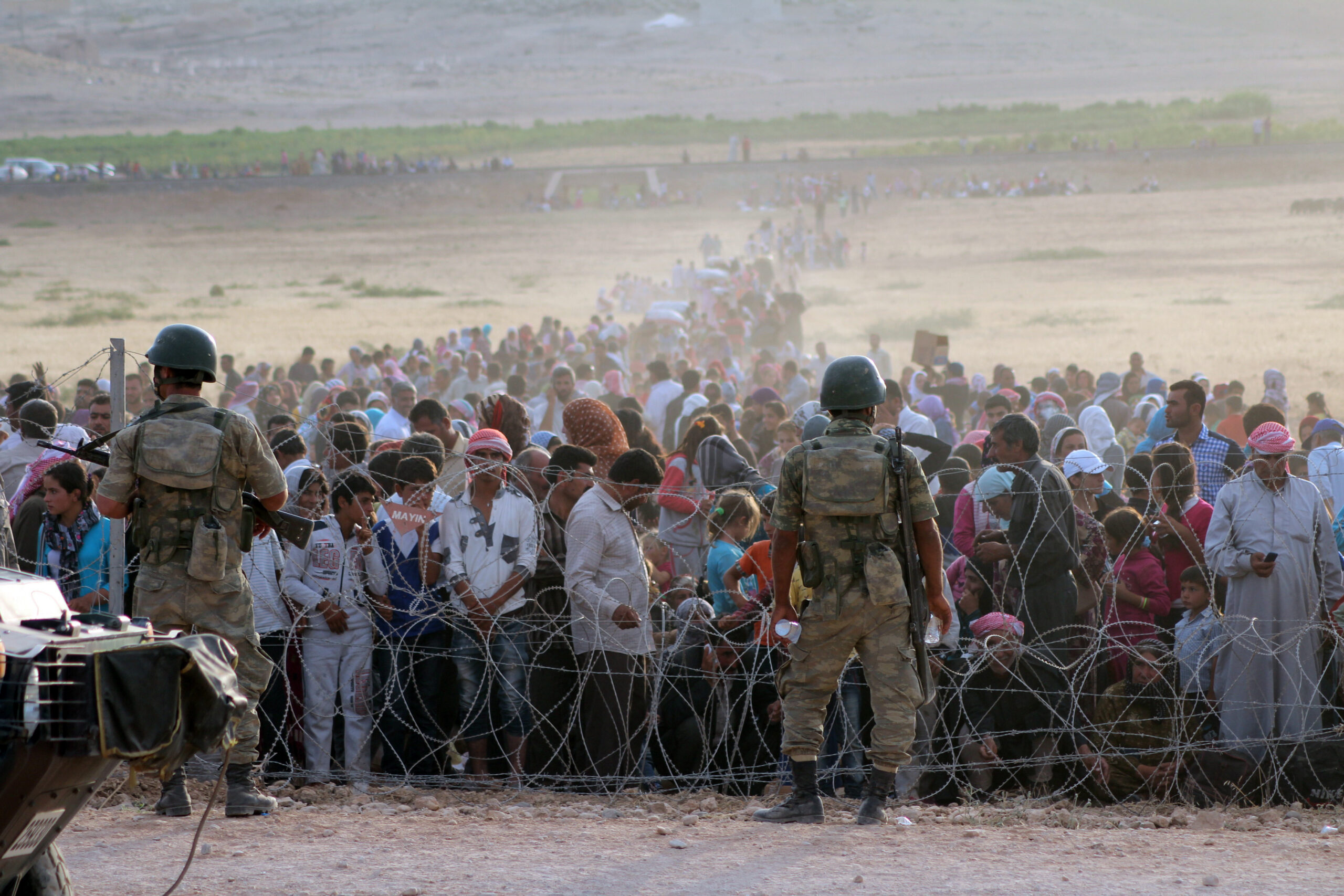
The circumstances seem to be right for a genuine rethink of the Syrian political process, but there are few answers to the question that can be heard often in Geneva, Washington, and Brussels these days: “What now?” The Syrian Association for Citizens’ Dignity has just released a major report, titled “We Are Syria,” that could help to provide the answer to that question: reorient the political process to make the rights of the displaced its foundation, and make the regime and its allies understand that this is the way toward the easing of sanctions and ultimately a sustainable political solution.
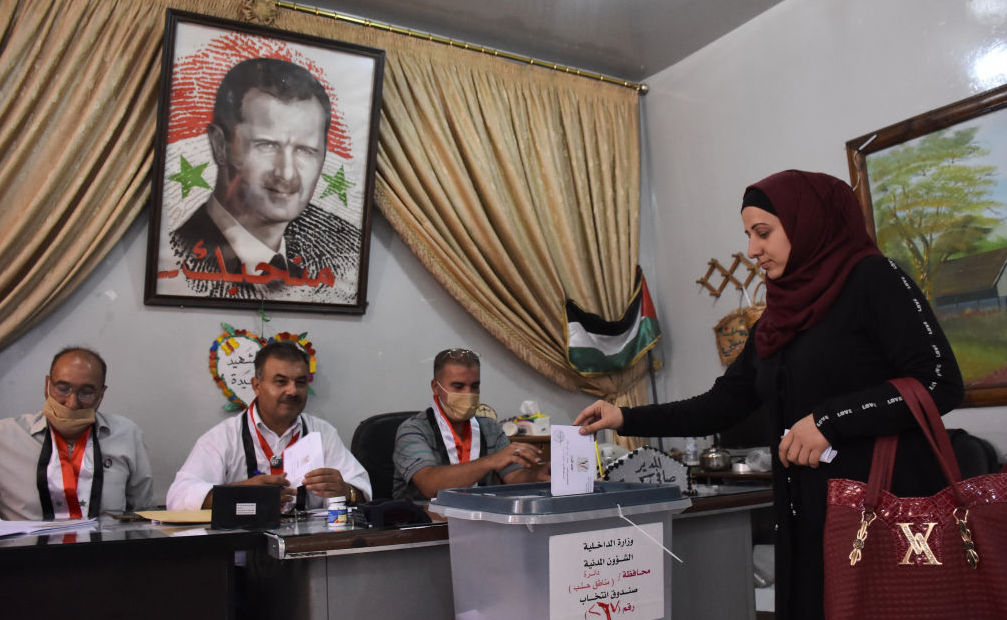
Syria’s 2020 parliamentary elections: The worst joke yet
Syria’s recent parliamentary elections, held on July 19, set a new precedent for the Assad regime, and there were 10 key differences from the previous elections that have been held since they were first introduced by Hafez al-Assad in 1973.
Monday Briefing: Red lines and rising tensions in Libya
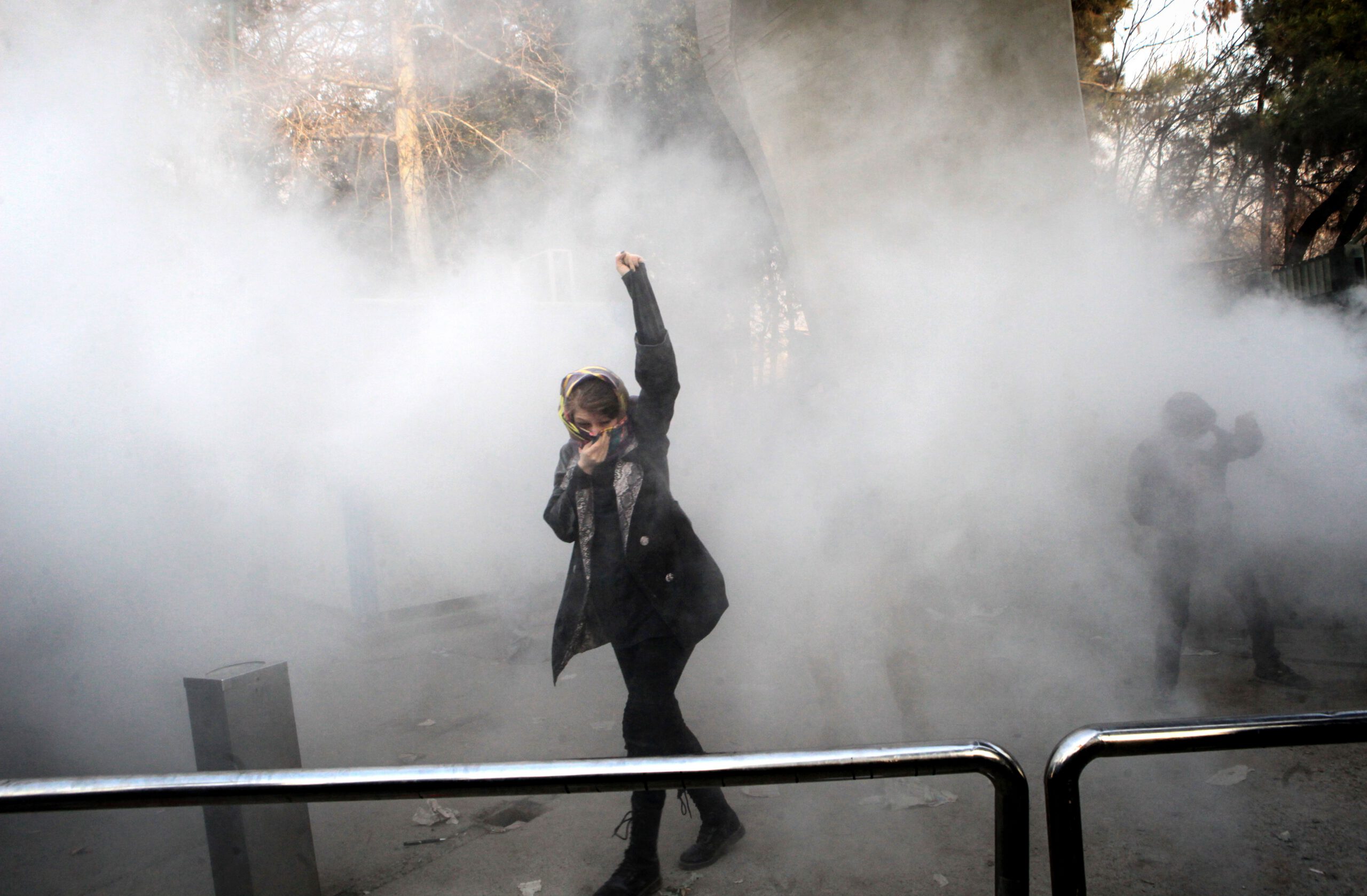
In this week’s Monday Briefing, MEI experts Mirette F. Mabrouk, Robert S. Ford, Nazila Fathi, and Marvin G. Weinbaum provide analysis on recent and upcoming events including rising tensions in Libya, economic turmoil and anti-regime protests in Iran, and the Jordanian high court’s decision to dissolve the Muslim Brotherhood.
HTS and al-Qaeda in Syria: Reconciling the irreconcilable
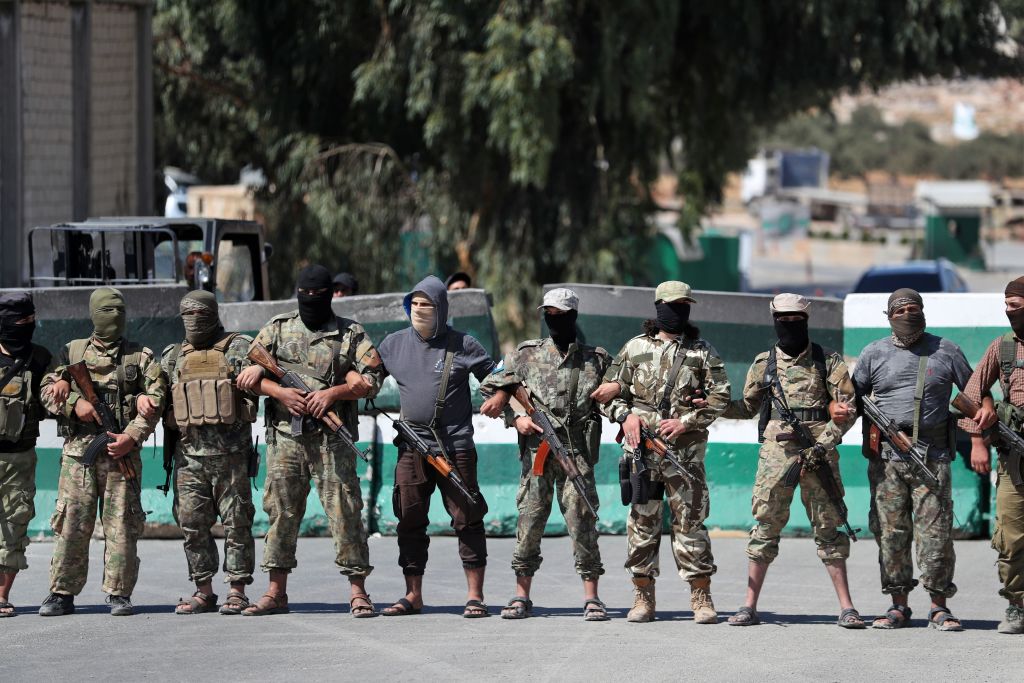
HTS launched multiple raids on SBS, forcing its factions to close their military bases and banning the formation of any new factions or operations rooms. In doing so, it has killed two birds with one stone: demarcating new redlines for its rivals and demonstrating its usefulness to its Turkish “partner” and the international community in their war on terrorism.
The road to accountability in Syria will undoubtedly be long, difficult, and imperfect. However, in recent years and even months, there have been tangible steps taken toward criminal accountability, particularly in Europe.
Russia’s approach to Responsibility to Protect in the Black Sea and Syria
Where most of the international community sees R2P as a mechanism for protecting human rights when a state cannot or will not ensure them, Russia’s take on the same concept focuses on the protection of national sovereignty at any cost. However, Moscow’s commitment to the notion of sovereignty has been selectively applied to the states of the Middle East and the Black Sea.
The eastern Mediterranean heats up as conflicts over energy move onshore
Not too long ago, the Mediterranean was described as “NATO’s lake” — a sleepy backwater in a world dominated by conflict. Today, Israel’s quarrels with Lebanon, Palestine, and Syria are viewed — and minimized — as legacy conflicts, overshadowed by a new and unstable strategic environment centered upon competing visions of offshore energy and security in the eastern Mediterranean.
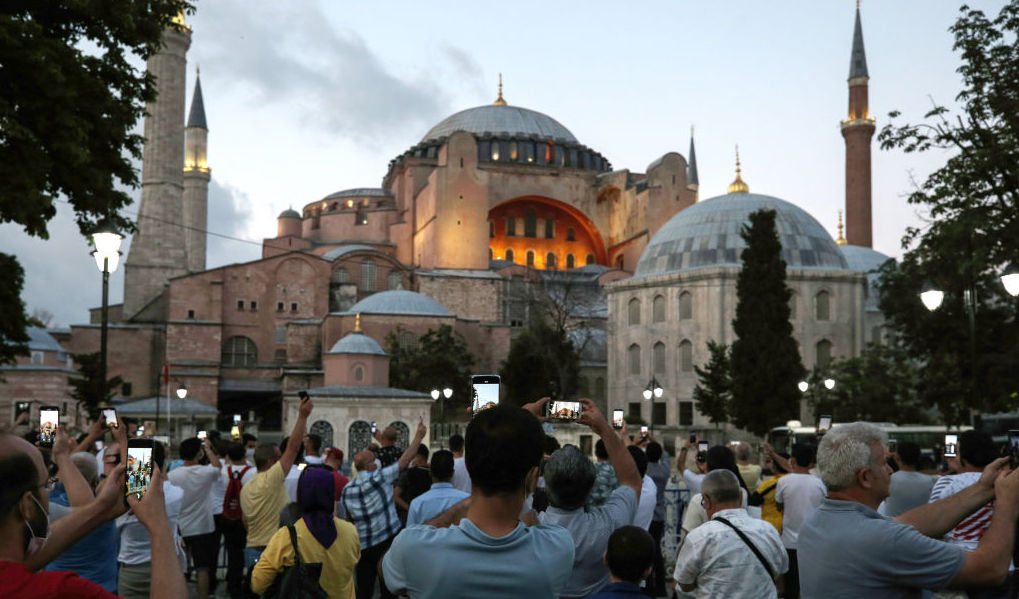
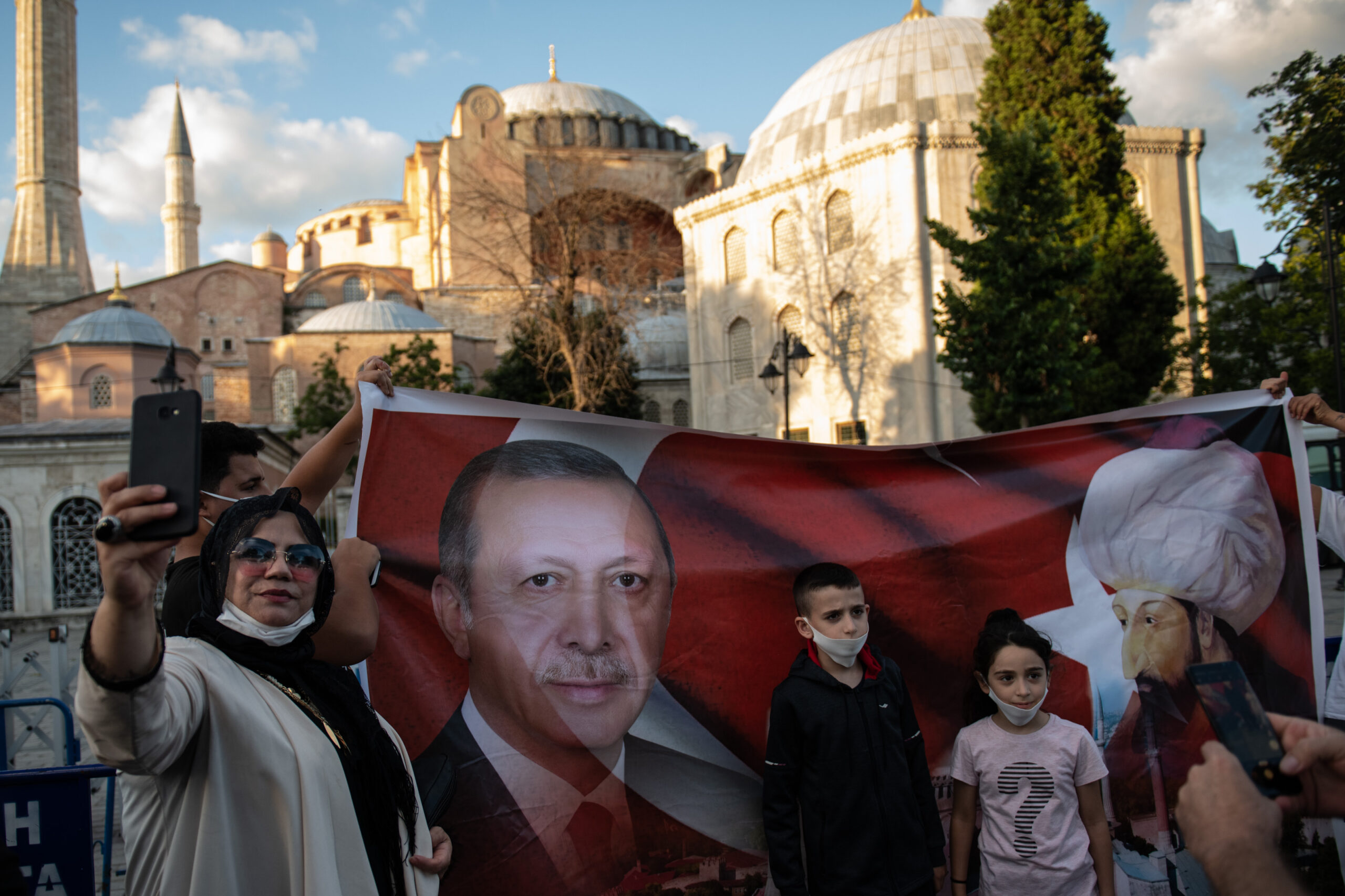
Monday Briefing: Erdoğan and the “symbolic war” over Hagia Sophia
This week’s briefing on recent news and upcoming events in the region featuring Seren Selvin Korkmaz, Marvin G. Weinbaum, Mirette F. Mabrouk, Robert S. Ford, and Nilsu Goren.
“في غياب سياسات ملموسة للتعامل مع المشاكل الاقتصادية والسياسية التي تواجهها البلاد، يجد أردوغان الخلاص في الشعبوية”.
أصدر الرئيس رجب طيب أردوغان مرسوما يوم الجمعة يأمر اسطنبول بتحويل متحف آيا صوفيا التاريخي إلى مسجد. آيا صوفيا الكاتدرائية البيزنطية التي اكتمل بناؤها عام 537 تم تحويلها إلى مسجد من قبل السلطان محمد الثاني بعد الفتح العثماني عام 1453. وفي عام 1934، في عهد الرئيس مصطفى كمال أتاتورك، تم تحويلها إلى متحف بموجب مرسوم حكومي.