Monday Briefing: Intra-Afghan talks begin with pomp and circumstance
This week’s briefing on recent news and upcoming events in the region featuring Marvin G. Weinbaum, Grace Wermenbol, Jason Pack, Shahla Al-Kli, and Khaldoun Khelil.
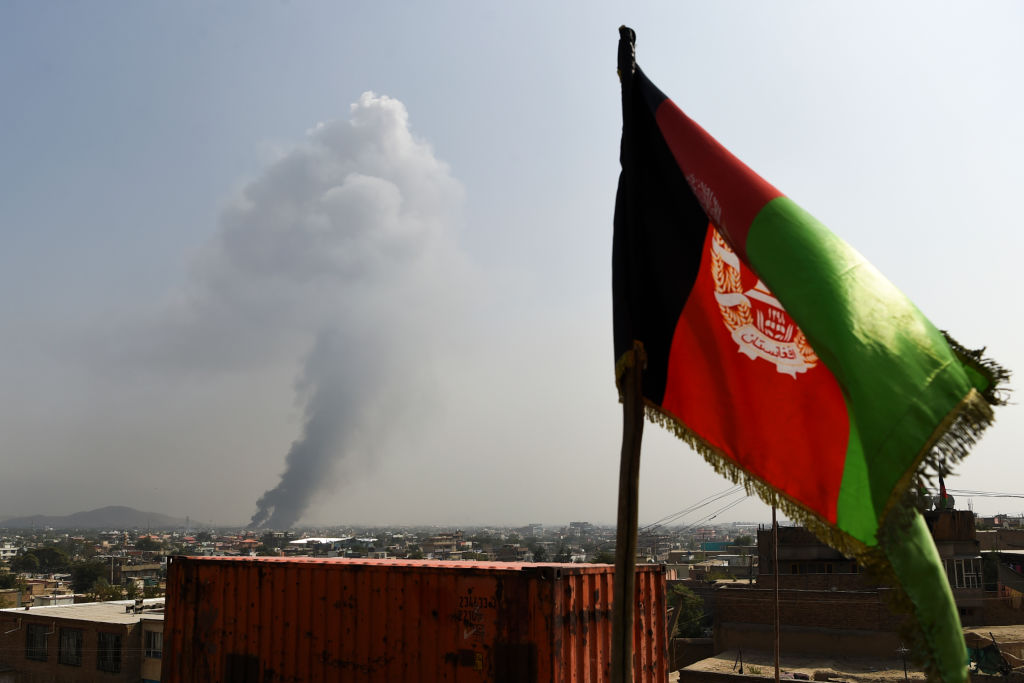
The Durand Line, as the British-Empire-drawn border that separates Afghanistan and Pakistan is known, continues to haunt the region and its leaders. On Sept. 7, Afghanistan’s first vice president, Amrullah Saleh, opened Pandora’s box by saying in an interview that “No Afghan politician of national stature can overlook the issue of Durand Line.”
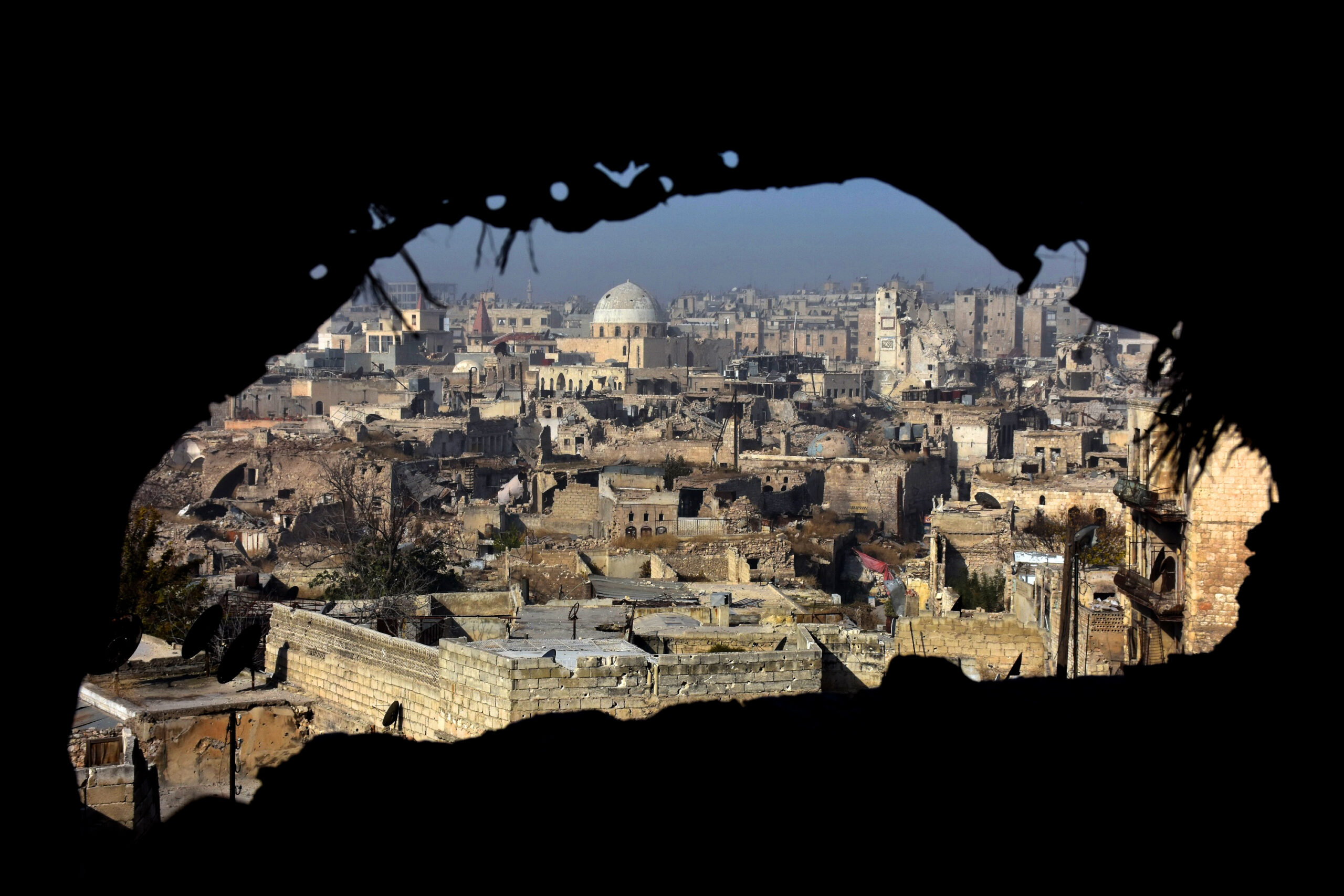
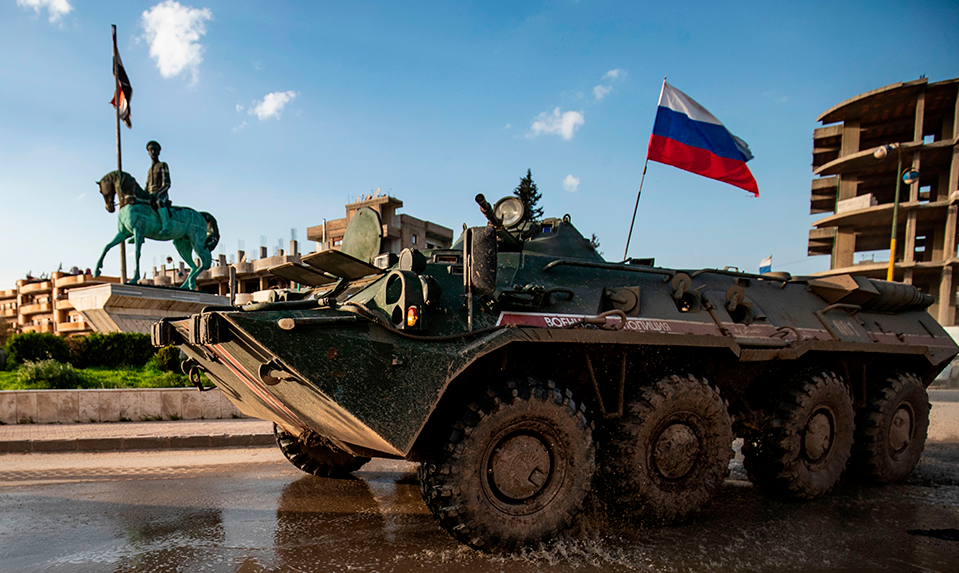
Nine years of conflict in Syria has had a profoundly destabilizing effect on regional and international security. Although overarching dynamics have changed, the crisis is far from over — it is merely evolving. All of the conflict’s root causes remain in place and many have worsened. In controlling less than two-thirds of the country, the Syrian state and its Russian and Iranian backers are increasingly incapable of addressing the many challenges they face: economic collapse and inflation, fledgling insurgencies, a resurgent ISIS, a COVID crisis, and endemic corruption and mismanagement. What happens in Syria never stays in Syria. The United States cannot afford to prematurely withdraw or sustain today’s inconsistent and ill-considered policy — it must step up, re-assert its leverage, strengthen its partners, mobilize its allies, and move determinedly toward protecting American interests and helping to diplomatically resolve the crisis once and for all, creating space for foreign actors, the U.S. included, to depart Syrian soil responsibly.
This week’s briefing on recent news and upcoming events in the region featuring Marvin G. Weinbaum, Meliha Benli Altunışık, and Robert S. Ford.
In a new briefing book released ahead of the U.S. elections in November, entitled Election 2020: Challenges and Opportunities for US Policy in the Middle East, MEI scholars lay out key issues across the region, highlight the U.S. interests at stake, and provide policy insights and recommendations for the path forward.
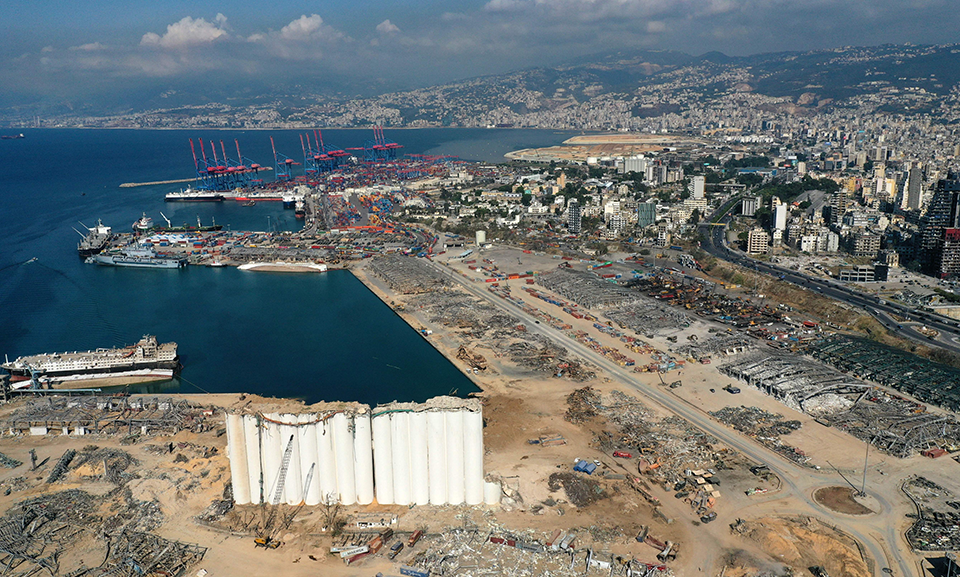
The explosion at the Port of Beirut on Aug. 4 has resulted in a further escalation of the political and economic crisis in Lebanon. Its repercussions can already be deeply felt in neighboring Syria and are expected to take an even greater toll on the country given its complex links to Lebanon. This crisis is feeding into Syria through multiple channels and has severe implications for its ability to import goods and, ultimately, its food security.
On Aug. 25, Syrian President Bashar al-Assad tasked Hussein Arnous with forming a new cabinet. What should we expect from it? Ayman Abdel Nour highlights 12 important considerations that will factor into its makeup.
Moscow has been scaling down its activities in eastern Syria and the most likely reason for this inertia lies in Moscow’s reluctance to be associated with actors seeking to erode the quasi-autonomy of the Trans-Euphrates region. Instead, Russia prefers to stand to the side and watch events unfold, while contemplating the right moment to jump in as a mediator and reap the political rewards.
Reports emerged this week that President Bashar al-Assad traveled on Sunday to his ancestral hometown and Alawi stronghold of Qardaha for a meeting with members of the powerful Makhlouf family.
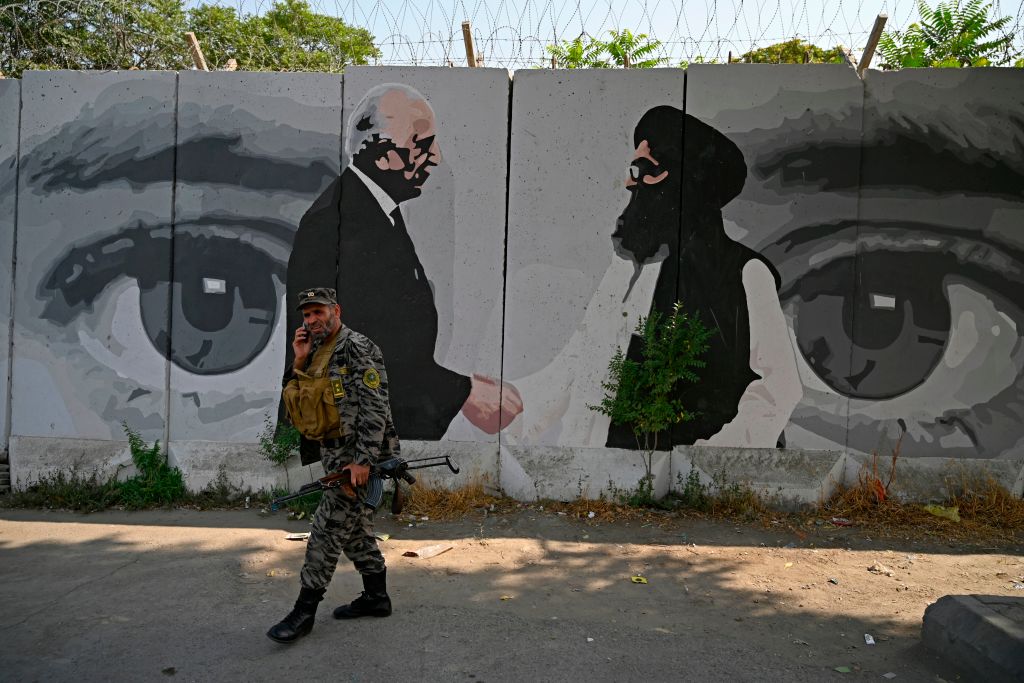
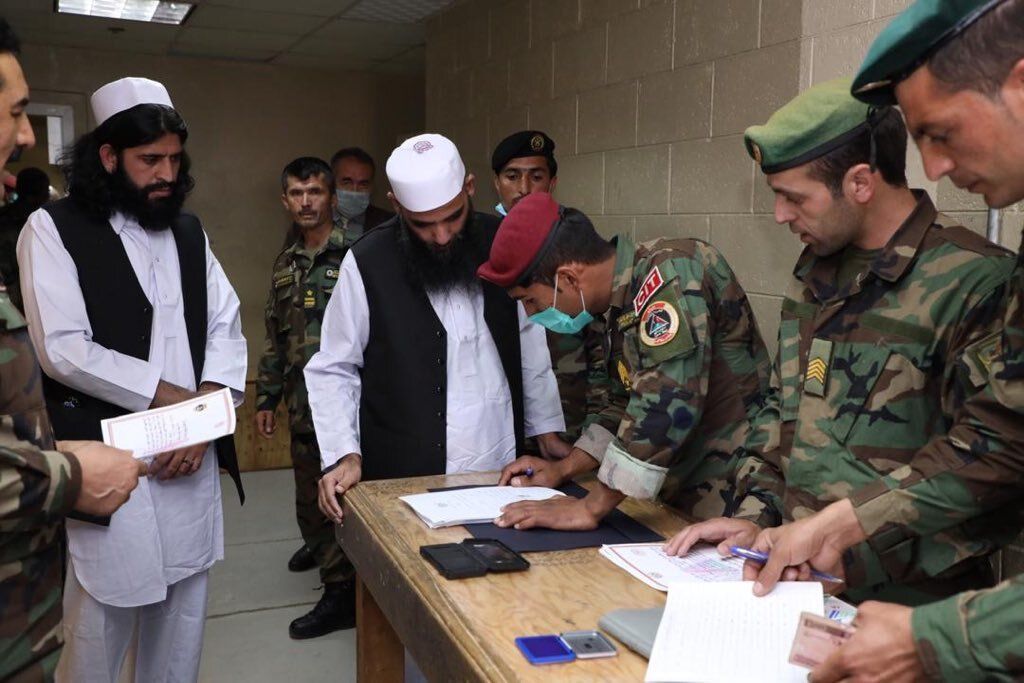
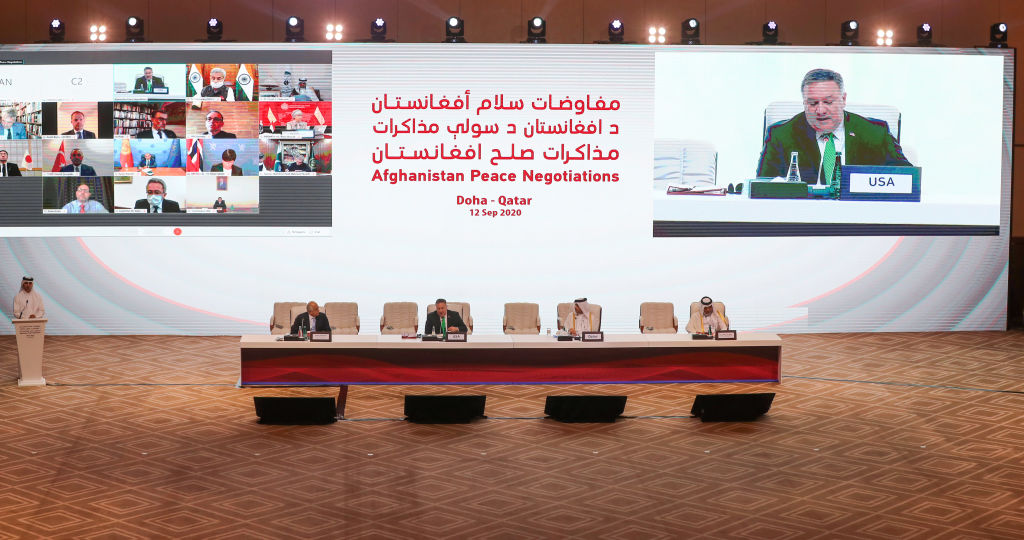
The hurdles encountered in kick-starting the intra-Afghan talks seem to be more daunting than anticipated. This has not only delayed a process that was scheduled to begin immediately after the Doha agreement in February, but has also underlined the bumpy road that lies ahead for various stakeholders to reach a consensus on Afghanistan’s national destiny.
This week’s briefing on recent news and upcoming events in the region featuring Charles Lister, Randa Slim, Jonathan M. Winer, Alex Vatanka, Marvin G. Weinbaum, Robert S. Ford, Mirette F. Mabrouk, and Syed Mohammad Ali.
This week’s briefing on recent news and upcoming events in the region featuring Robert S. Ford, Paul Salem, Yesar Al-Maleki, and Marvin G. Weinbaum.
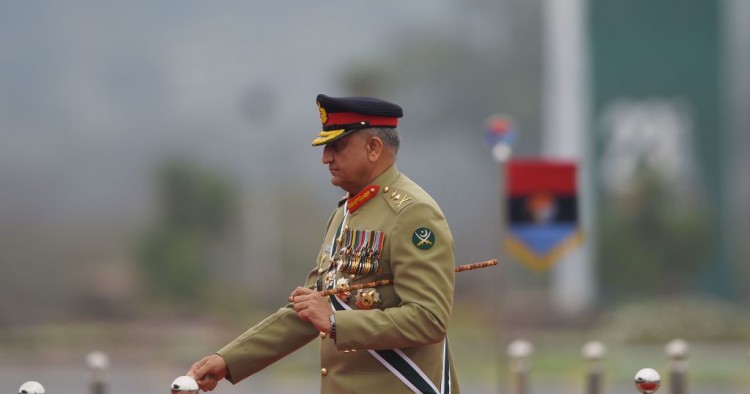
All is not well in Pakistan-Saudi relations, which seem to have gone into a tailspin. In order to repair the fractured ties with one of the country’s strongest allies, Pakistan’s army has swung into action and its chief, Gen. Qamar Javed Bajwa, will travel to Saudi Arabia for talks this weekend.
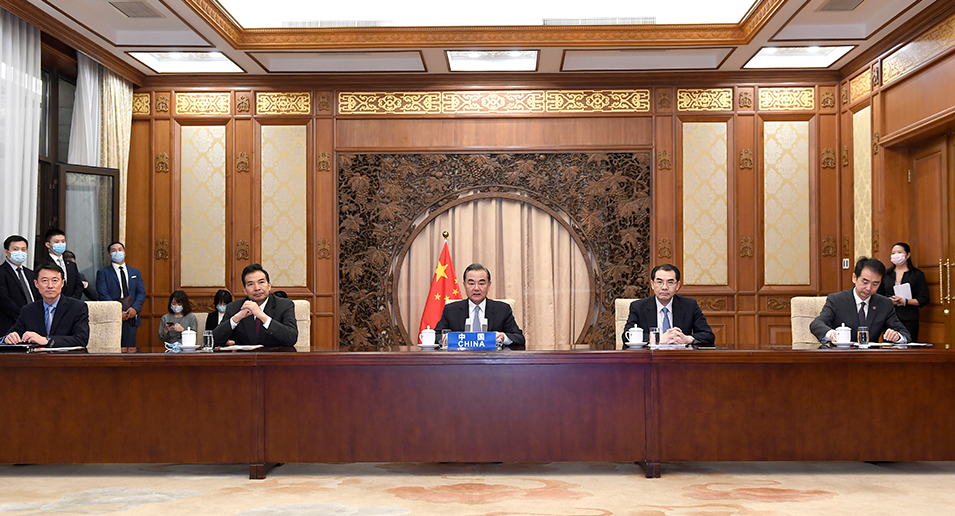
On July 27, Chinese Foreign Minister Wang Yi held a video conference with his counterparts from Afghanistan, Pakistan, and Nepal to suggest expanding their pandemic cooperation and proposed extending the China-Pakistan Economic Corridor into Afghanistan. Although the details about what this quadrilateral framework would entail and how it would work are unclear, any movement toward its institutionalization would be a serious challenge for the United States.
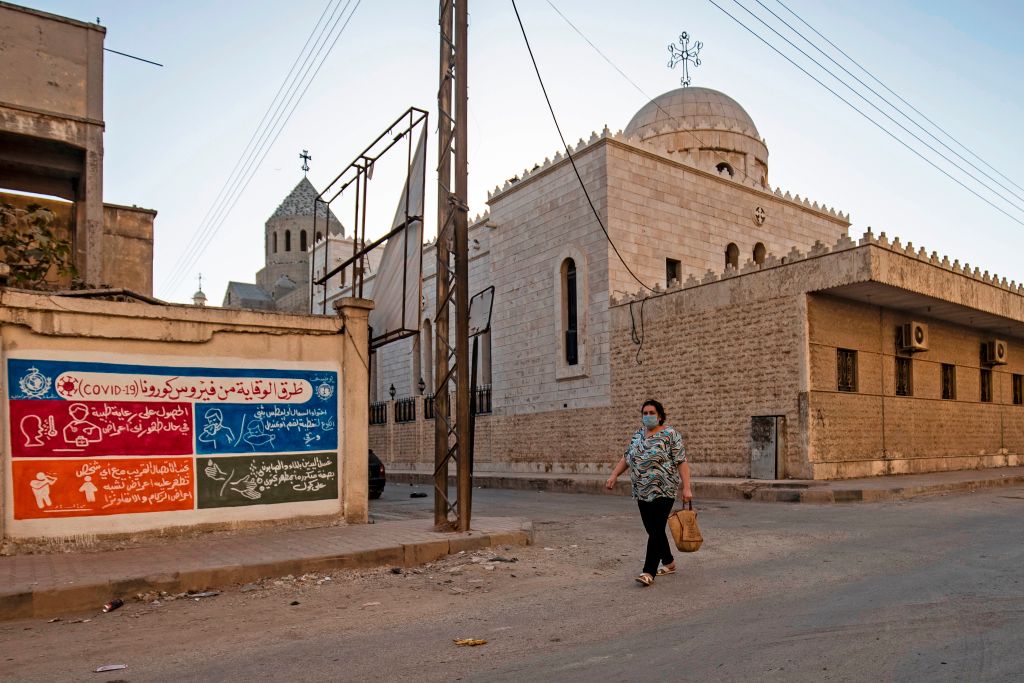
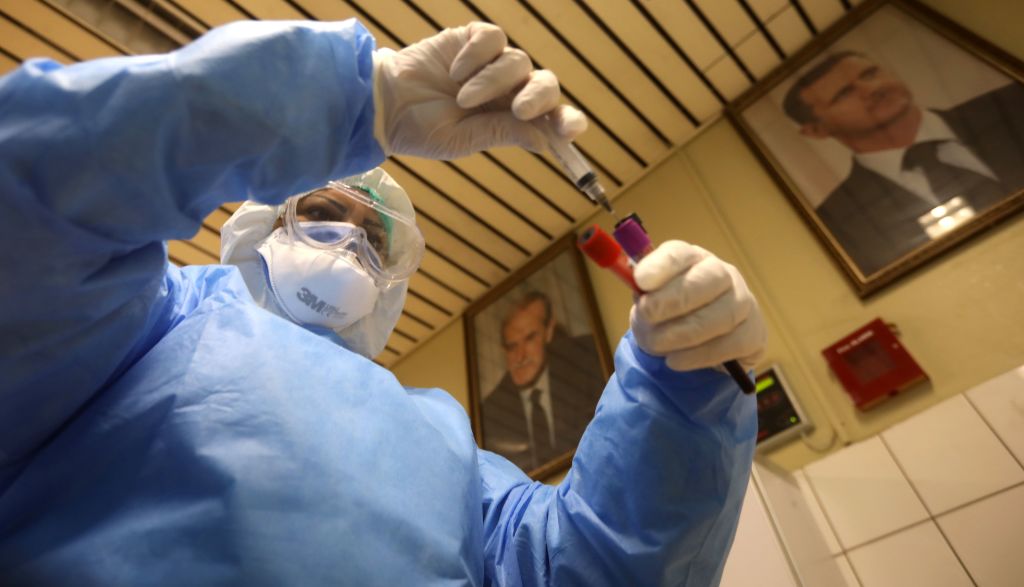
After months of under-reported cases and relaxed lockdown measures, the rapidly spreading COVID-19 pandemic has gripped government-held areas. A worrying rise in daily deaths and infections, especially in Damascus, has left Syria facing what could be its biggest challenge yet.