Skip to Content

Research & Commentary Results

Filter by
1327 Results
Turkey’s Parliamentary Purge and the HDP’s Dilemma
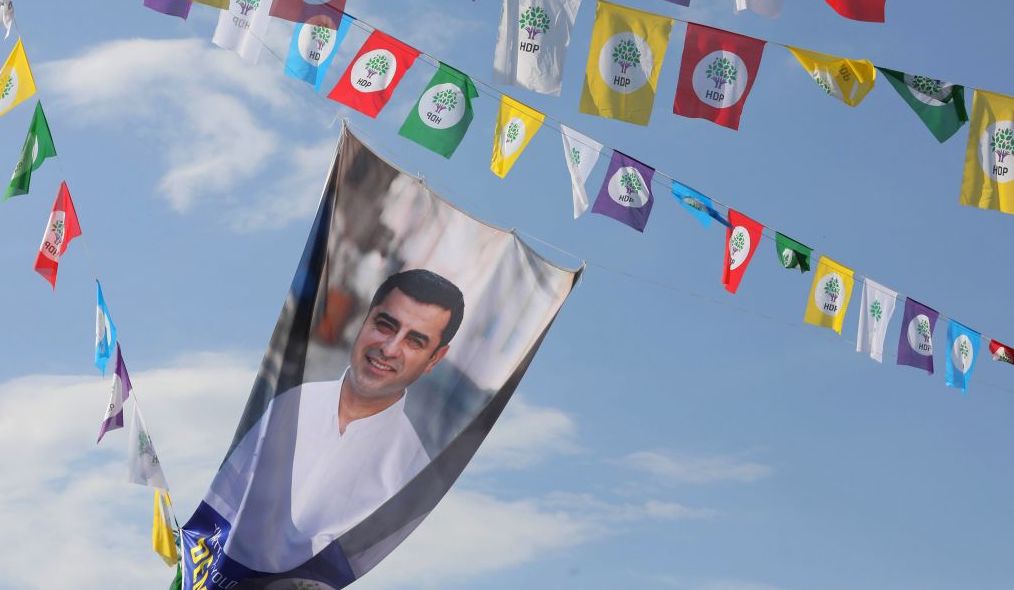
A picture shows election flags displaying imprisoned Selahattin Demirtas, Presidential candidate and leader of People's Democratic Party (HDP) in Ankara, on June 19, 2018.
  • Analysis
  • Turkey’s Parliamentary Purge and the HDP’s Dilemma

    In 2016 the Turkish parliament voted to revoke parliamentary immunity and initiated the ruling Justice and Development Party’s (AKP) political purge of MPs with the Peoples’ Democratic Party (HDP). Despite the introduction of a new assembly in 2018, Turkey’s October invasion of northeast Syria provided ample incentives for the launch of new investigations into HDP members protesting the operation. The targeting of the HDP has set new legal and political precedents that could undermine the political capacity of the opposition coalition as a whole and create ideological divisions over the so-called “Kurdish Question.” This report records documented arrests of HDP MPs from June 2016 to January 2018 in order to identify prominent trends and waves of arrests that correspond to political and legal events.
    February 4, 2020

    Lebanon’s inconvenient truths: A brief rejoinder
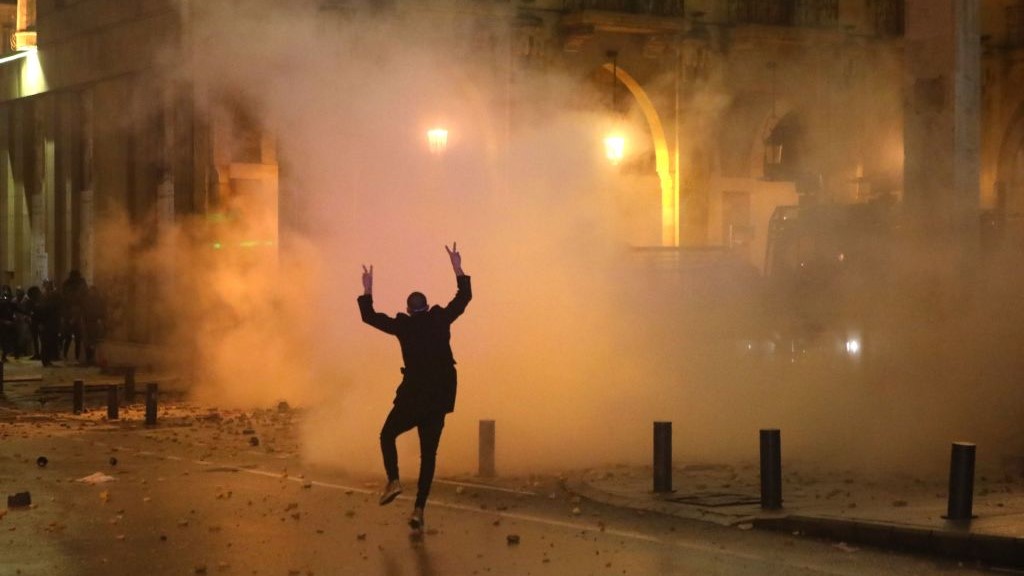
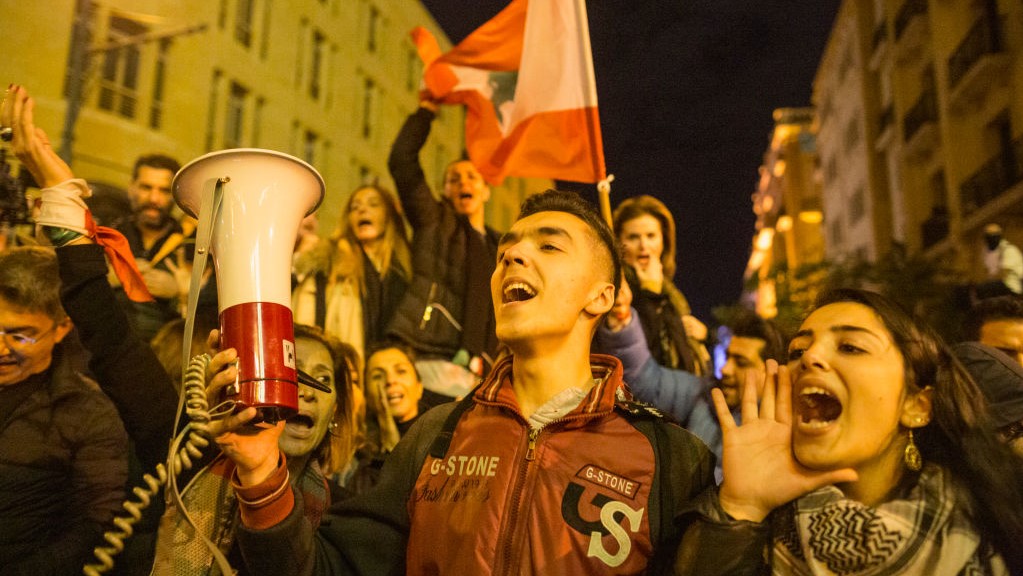
    Anti-government protesters demonstrate ahead of the expected naming of a new cabinet tomorrow by Prime Minister Designate Hassan Diab, on January 16, 2020 in Beirut, Lebanon.
  • Commentary
  • Lebanon’s inconvenient truths: A brief rejoinder

    In response to numerous comments from readers about his article “Lebanon’s inconvenient truths,” author Bilal Saab has published a brief rejoinder.

    February 3, 2020

    Idlib tests Turkey-Russia ties
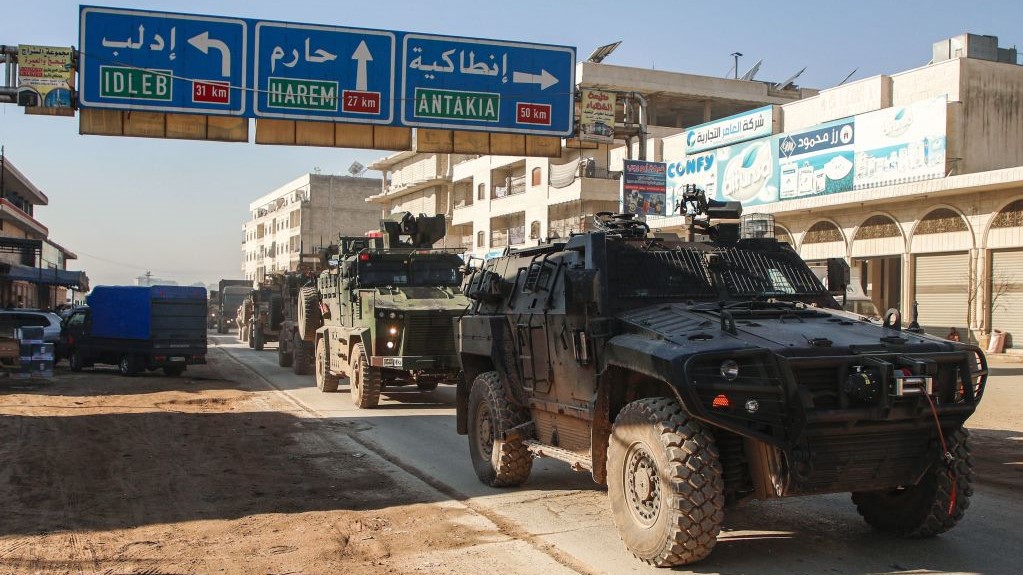
    A Turkish military convoy of tanks and armoured vehicles passes through the Syrian town of Dana, east of the Turkish-Syrian border in the northwestern Syrian Idlib province, on February 2, 2020.
  • Commentary
  • Idlib tests Turkey-Russia ties

    The escalating tensions between Turkey and Russia over Idlib did not come as a surprise to many outside the Turkish capital.

    Lebanon’s inconvenient truths
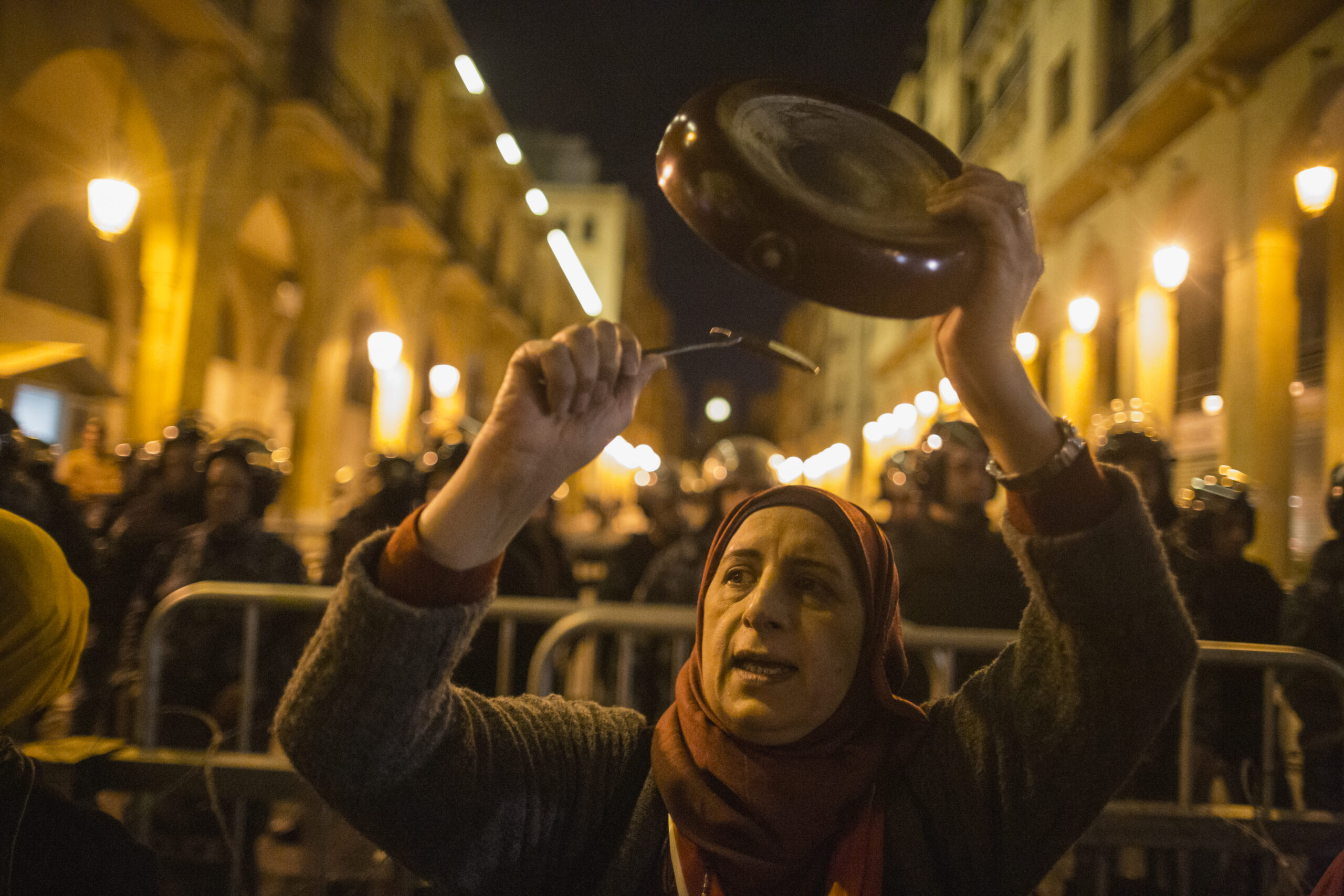
    BEIRUT, LEBANON - JANUARY 16: An anti-government protester bangs a pan as they demonstrate ahead of the expected naming of a new cabinet tomorrow by Prime Minister Designate Hassan Diab, on January 16, 2020 in Beirut, Lebanon.
  • Analysis
  • Lebanon’s inconvenient truths

    By any objective standard, the Lebanese protest movement has failed. This is not necessarily an indictment against it. Rather, it’s a reality one cannot and should not ignore. The responsible thing to do now is to try to understand why it has fallen flat, despite more than 100 days of demonstrations in various regions of the country including the capital, Beirut. 

    First, a word of solace. In the annals of history, the Lebanese are in good company as most uprisings and revolutions failed to attain their goals. And even when they did, success either didn’t last long or was completely reversed due to counterrevolutions and other spoilers, both foreign and domestic.

    January 29, 2020

    US-Iran escalation and its implications for the South Caucasus
     Iranian President Hassan Rouhani (L) meets President of Azerbaijan Ilham Aliyev (R) during his official visit in Baku, Azerbaijan on March 28, 2018.
  • Analysis
  • US-Iran escalation and its implications for the South Caucasus

    Over the past several weeks geopolitical experts have been talking a lot about what the surprise U.S. drone attack on Iranian Gen. Qassem Soleimani, head of the IRGC – Quds Force, on Jan. 3 means for the Middle East and relations between the major powers. What has received considerably less attention, however, is what Soleimani’s killing means for the South Caucasus, a region whose small size belies its strategic importance.

    January 28, 2020

    The ties that bind: The South Caucasus and the Middle East
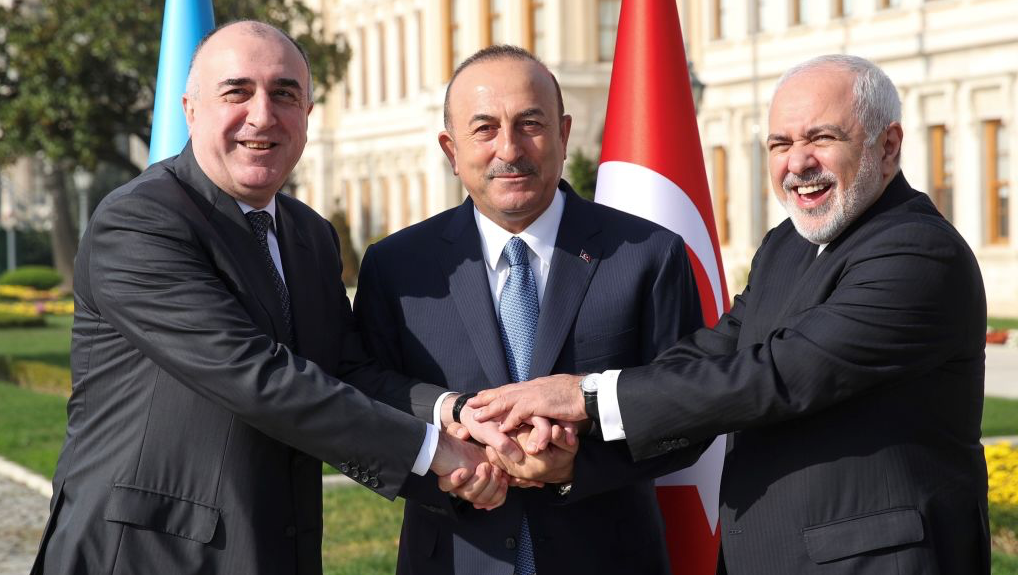
    Turkish Foreign Affairs Minister Mevlut Cavusoglu (C), Minister of Foreign Affairs of Iran, Javad Zarif (R) and Azerbaijani Minister of Foreign Affairs, Elmar Mammadyarov (L) pose for a photo prior the tripartite meeting of foreign ministers of Turkey, Azerbaijan and Iran in Istanbul, Turkey on October 30, 2018.
  • Analysis
  • The ties that bind: The South Caucasus and the Middle East

    As neighboring regions, the South Caucasus and the Middle East are inextricably intertwined — so much so that the former is sometimes even considered part of the Greater Middle East. While geographical proximity is the strongest driver of interconnectivity between the two regions, geopolitics, business ties, and energy interests also link countries from the South Caucasus and the Middle East and form the basis for important bilateral and regional relationships.

    January 24, 2020

    Lebanon's New "Shadow Government"
    Middle East Institute
  • Podcast
  • Lebanon's New "Shadow Government"

    Against the backdrop of a massive economic and financial crisis and a now three-month-old nationwide protest movement, Lebanon swore in a new government on Tuesday — a technocratic cabinet that is widely seen as a “shadow government” for Hezbollah and other entrenched political leaders. MEI’s Paul Salem, Randa Slim, and Bilal Saab join host Alistair Taylor to discuss what lies ahead.

    January 23, 2020

    Can the new Lebanese government survive?
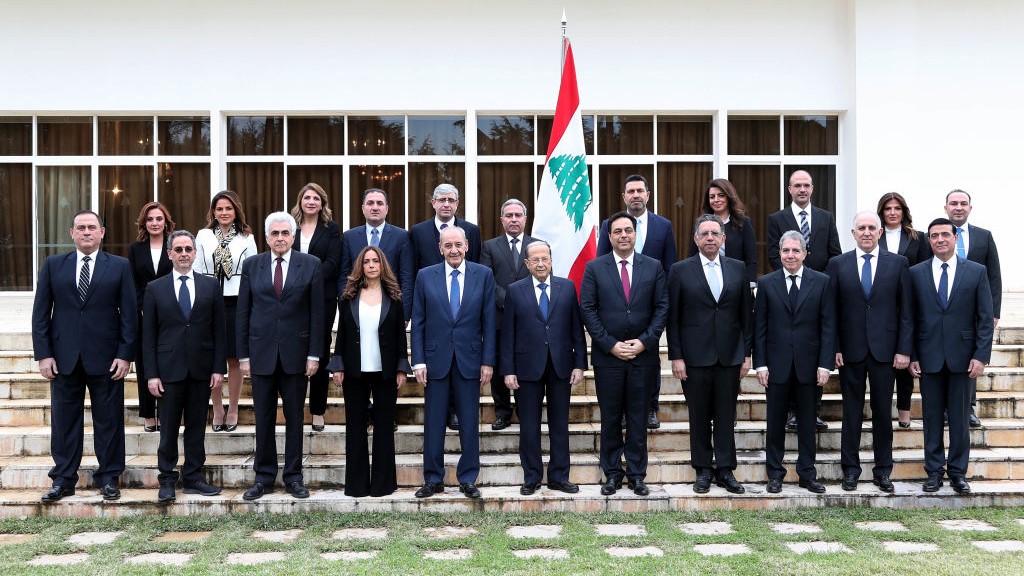
    A handout picture provided by the Lebanese photo agency Dalati and Nohra shows Lebanon's Parliament Speaker Nabih Berri (C-L) and President Michel Aoun (C) and prime minister designate Hassan Diab (C-R) posing for a group photo with the newly formed government at the presidential palace in Baabda, east of the capital Beirut, on January 22, 2020.
  • Analysis
  • Can the new Lebanese government survive?

    No amount of analytical nuance or ingenuity can challenge the conclusion that the newly formed government in Lebanon is Hezbollah’s creation. The only question left to answer is: why did Hezbollah do it?

    January 22, 2020

    Lebanese oligarchs approve technocratic shadow government
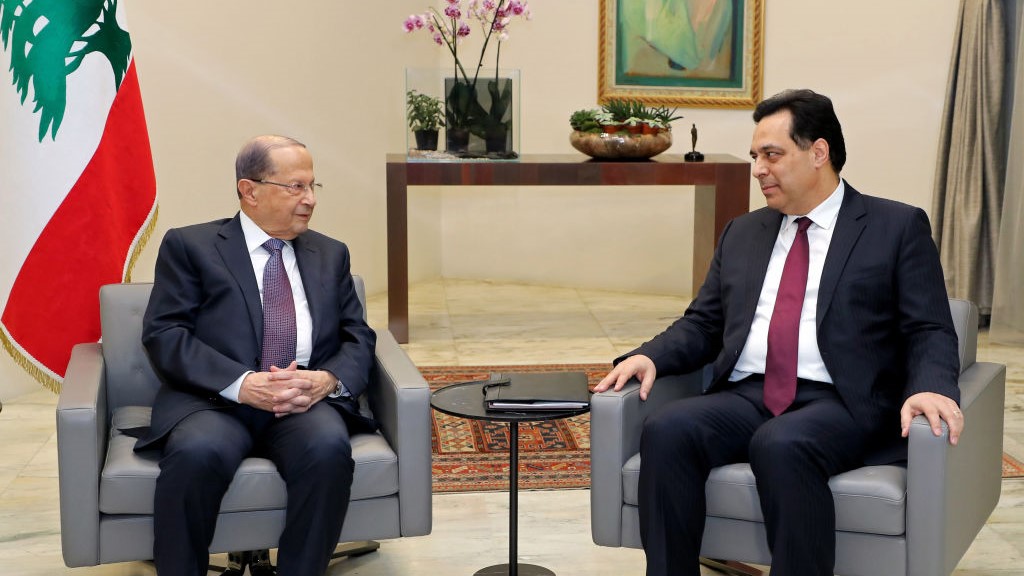
    Lebanon's President Michel Aoun (L) meets with prime minister designate Hassan Diab at the presidential palace in Baabda, east of the capital Beirut, on January 21, 2020.
  • Commentary
  • Lebanese oligarchs approve technocratic shadow government

    The new government is politically aligned with the pro-Hezbollah and pro-Syrian axis in Lebanon, and is very unlikely to drum up international and regional support.

    January 21, 2020

    The sky is sliding: Why and how the Lebanese avoided catastrophe and aggravated challenges over time
    A Lebanese protester gestures at riot police guarding a road leading to parliament in central Beirut on January 19, 2020 amid ongoing anti-government demonstrations. (Photo by PATRICK BAZ / AFP) (Photo by PATRICK BAZ/AFP via Getty Images)
  • Analysis
  • The sky is sliding: Why and how the Lebanese avoided catastrophe and aggravated challenges over time

    Lebanon’s in trouble and the Lebanese may soon face the real reckoning that they’ve thus far avoided. Having bought time they’ve increasingly needed with money they’ve increasingly lacked, but somehow conjured, they’re running out of both. Its leaders must act, soon, to avoid a complete catastrophe. And, whether avoiding or coping with collapse, the Lebanese must well and truly consider how to shape a better future.

    January 21, 2020

    Turkey’s westward energy shift
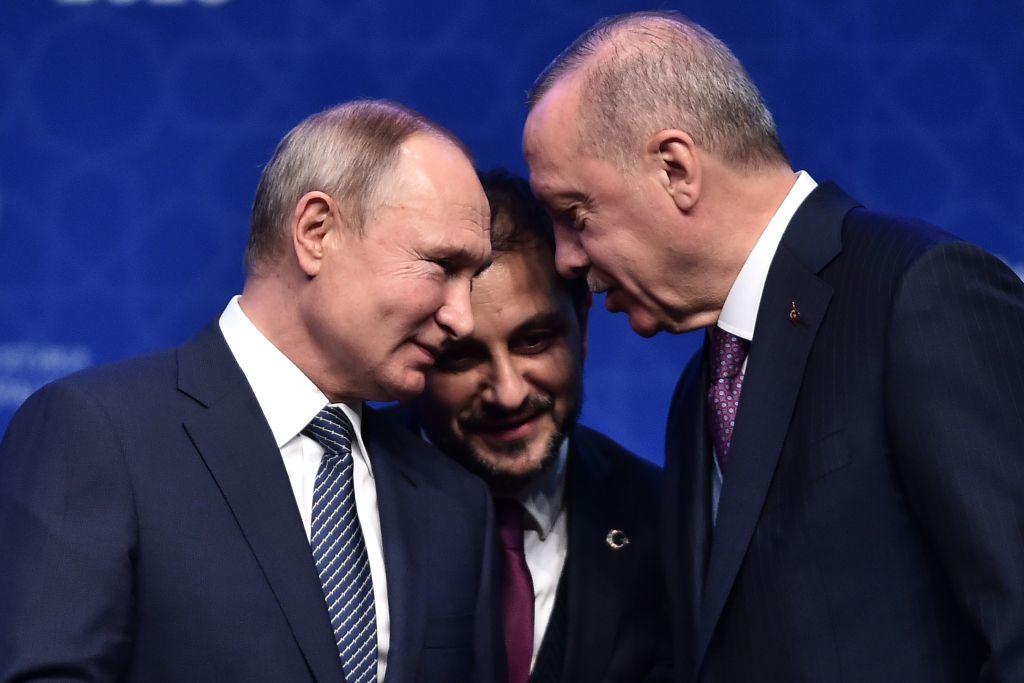
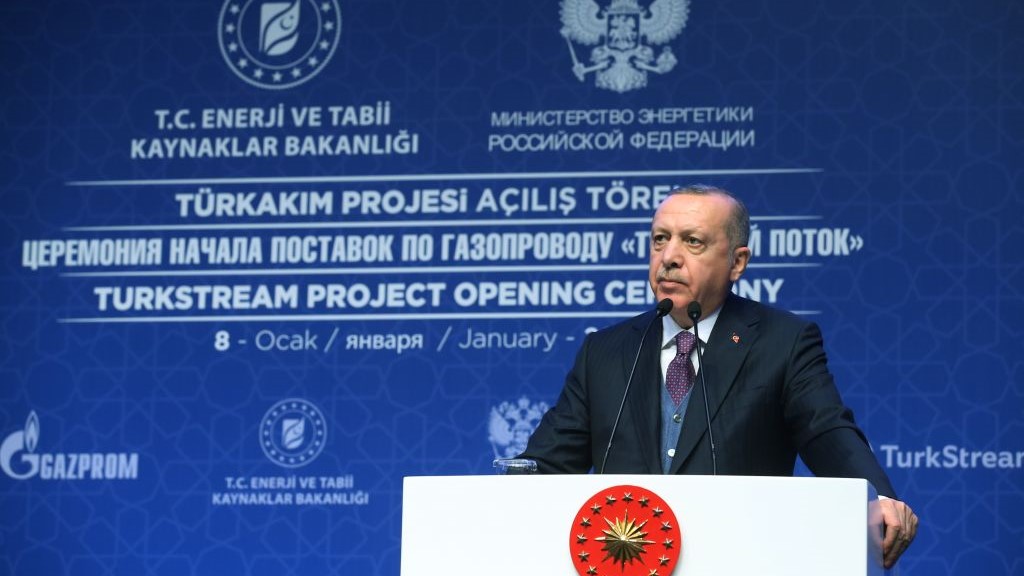
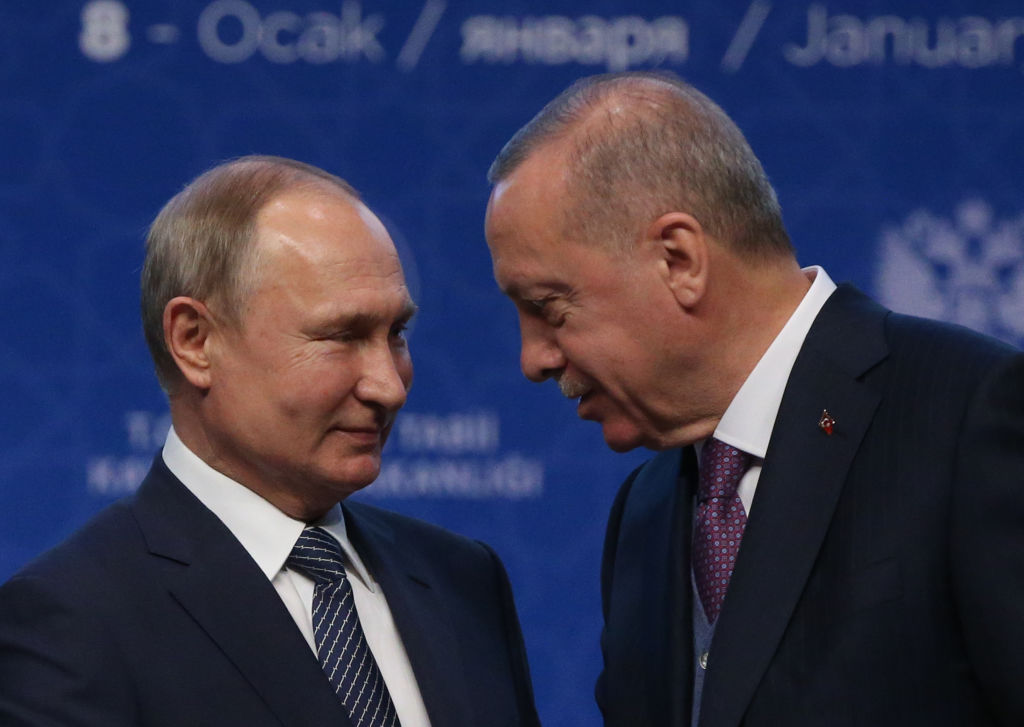
    President of Turkey Recep Tayyip Erdogan and his Russian counterpart Vladimir Putin (not seen) attend the opening ceremony of TurkStream natural gas pipeline project, at Halic Congress Center in Istanbul, Turkey on January 08, 2020.
  • Analysis
  • Turkey’s westward energy shift

    On Jan. 8, Turkey inaugurated the TurkStream natural gas pipeline from Russia, seemingly deepening Ankara’s ties with Moscow. However, a fuller analysis of Turkey’s current energy policies and consumption trends indicate a dramatic shift westward, away from Russia and Iran.

    January 15, 2020

    Cease-fires in Idlib and Libya as Turkey looks to buy time
    Russian President Vladimir Putin (L) and Turkish President Recep Tayyip Erdogan (R) attend the opening ceremony of the TurkStream on January 08, 2020 in Istanbul, Turkey.
  • Commentary
  • Cease-fires in Idlib and Libya as Turkey looks to buy time

    It is increasingly the case that the Russian-Turkish decisions on Idlib or Syria need to be understood as part of a broader Russian-Turkish partnership.

    January 13, 2020

    Storms on the horizon for Turkey in 2020
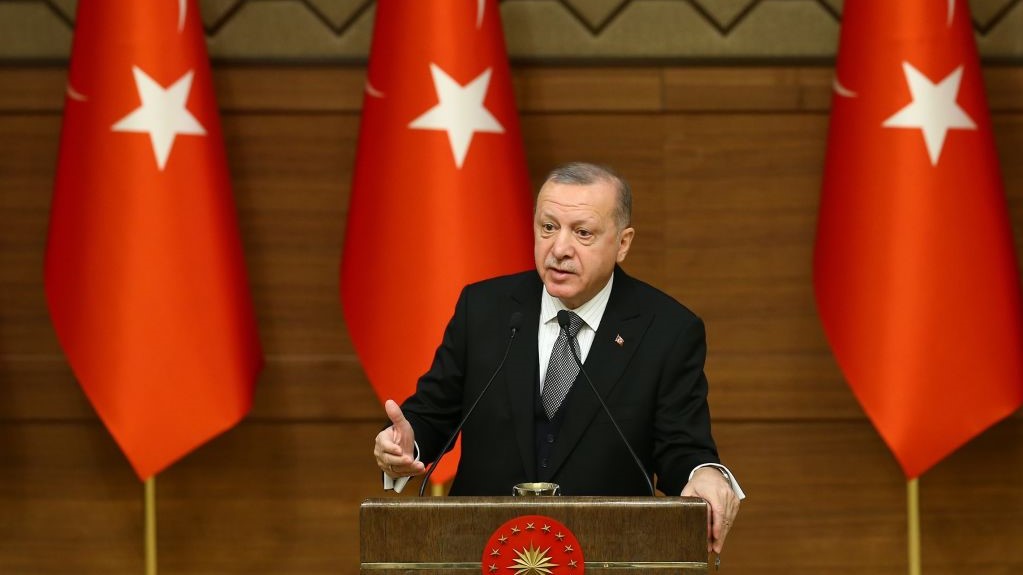
     Turkish President Recep Tayyip Erdogan makes a speech as he attends the Symposium on Urban Security at the Presidential Complex in Ankara, Turkey on January 02, 2020.
  • Commentary
  • Storms on the horizon for Turkey in 2020

    Erdogan may want to hold early elections in 2020 to mitigate the fallout of a worsening economy and deny the new parties enough time to organize.

    The Syrian refugee crisis brings Turkey and Hungary closer together
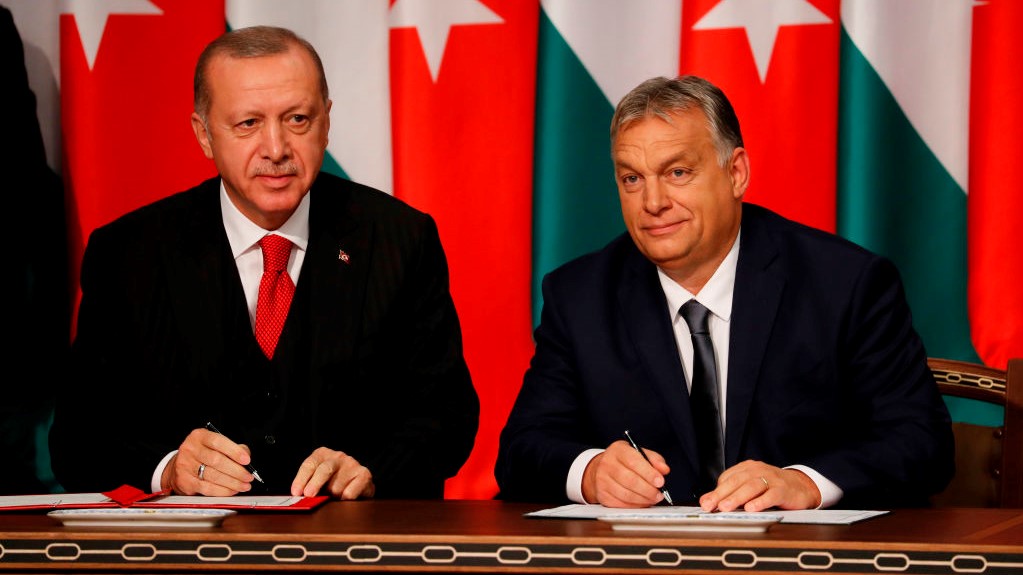
    Turkish President Recep Tayyip Erdogan (L) poses with Hungarian Prime minister Viktor Orbán after they met for discussions on Syria and migration on November 7, 2019 in Budapest, Hungary.
  • Analysis
  • The Syrian refugee crisis brings Turkey and Hungary closer together

    Having raised eyebrows among many European officials with rhetoric targeting Syrian and other Middle Eastern/North African refugees in Hungary, Hungarian Prime Minister Viktor Orbán sees the return of Syrian refugees to their home country as serving vital Hungarian and European interests. As Hungary continues to align closely with Russia while deepening its ties with Turkey and other non-Western governments, Budapest’s foreign policy is eroding an EU consensus.

    December 23, 2019