Monday Briefing: Sudan’s generals blink but crisis not over
Read MEI’s weekly briefing featuring expert analysis of key regional developments for the week ahead.
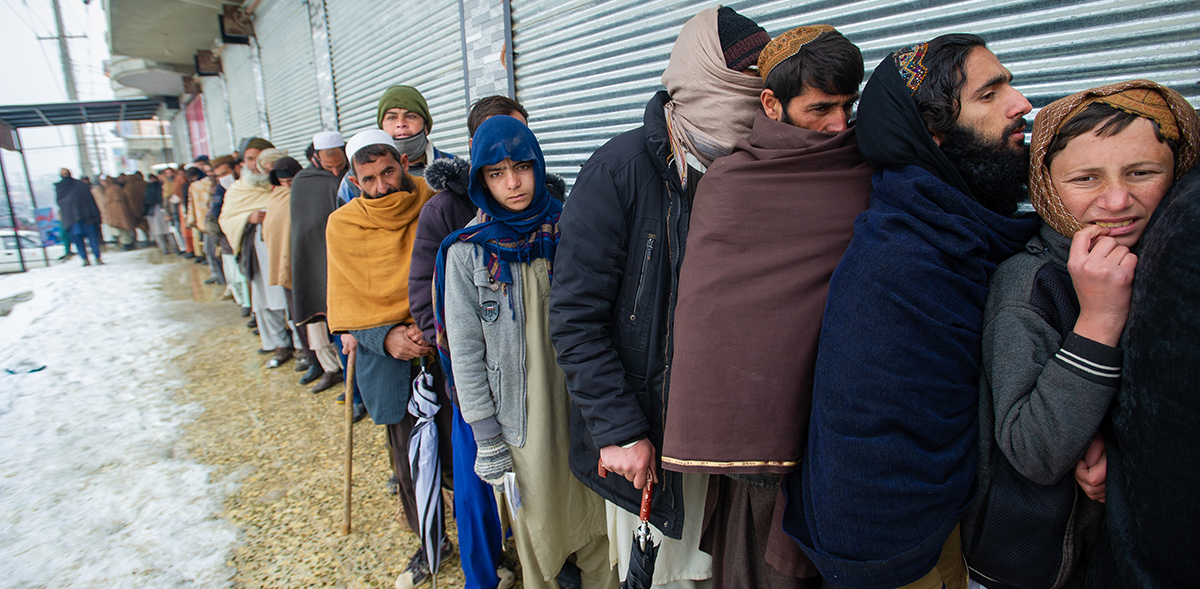
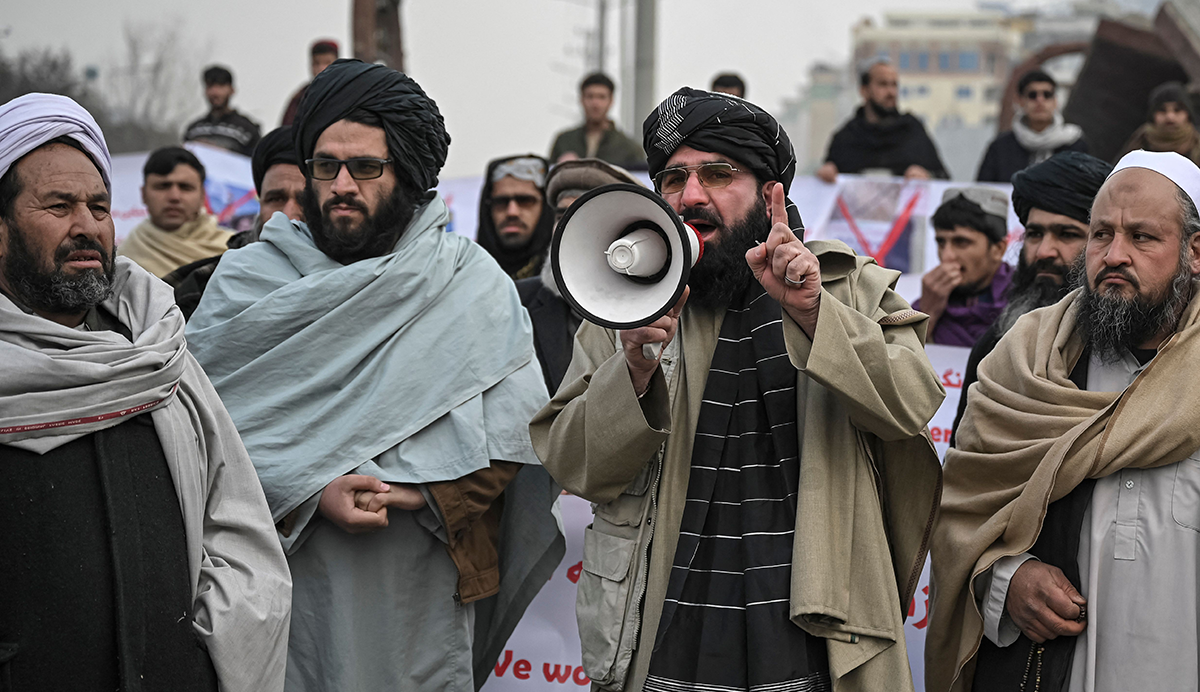
Marvin Weinbaum and Javid Ahmad discuss conditions in Afghanistan since falling back under Taliban rule, including worsening economic and humanitarian crises, the security situation, the role of international and regional actors, and where things might be headed moving forward.
In September, China and Pakistan convened the tenth session of their joint coordination committee that oversees the CPEC — the largest of the BRI corridors. The long-anticipated meeting ultimately yielded no major breakthroughs. The momentum of CPEC appears to be losing steam once again, but for Pakistan, slower may actually be better.
The Strait of Hormuz is one of the world’s most important maritime chokepoints, vital to the global supply of both oil and liquefied natural gas. The issue of freedom of navigation in the strait has long been a source of tension, but until recently any attempt by Iran to physically close it looked highly implausible, unless it resulted from either a major embargo or total blockade of Iranian ports by the West, or a large-scale military confrontation. However, the events of the past three years showed Iran can still ensure a major disruption of the flow of energy without a formal blockade and without an increased risk of military confrontation with the West. Iran has a variety of means at its disposal, especially through its Islamic Revolutionary Guard Corps naval forces, and the Iranians make no secret of their desire to be recognized as the dominant military power in the Gulf and the Strait of Hormuz.
Read MEI’s weekly briefing featuring expert analysis of key regional developments for the week ahead.
Integrated air and missile defense will make America’s partners in the Persian Gulf safer and bolster America’s policy against Iran. It’s past time to make IAMD a priority.
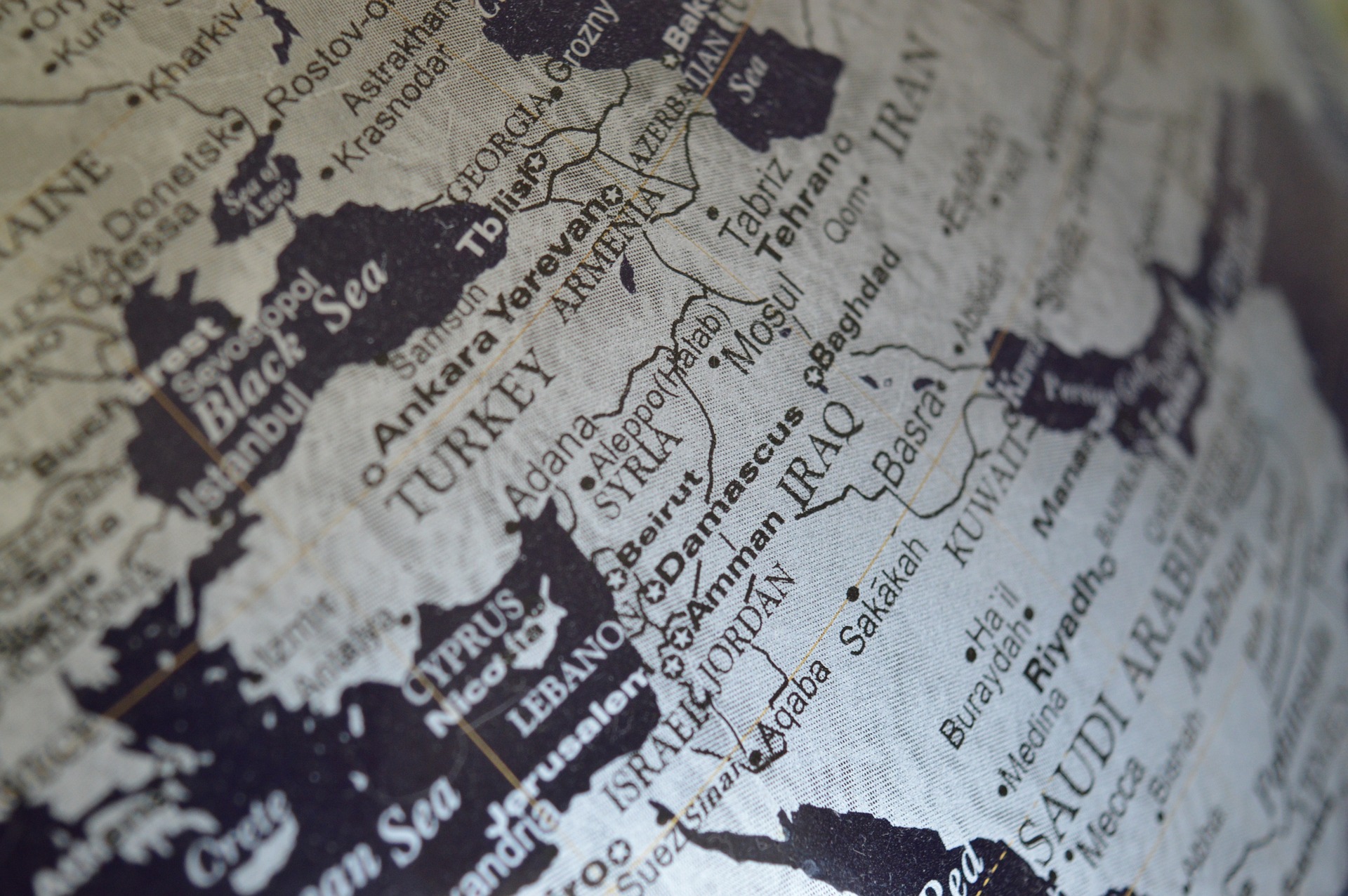
Mohammed Alsulami and Kasra Aarabi join Banafsheh Keynoush to discuss the latest talks between long-time regional rivals Saudi Arabia and Iran. Several rounds of talks between Riyadh and Tehran been held in Baghdad since April. They are taking place amid a broader regional trend toward deconfliction and as negotiations in Vienna over the revival of the 2015 Iran nuclear deal appear to have bogged down.
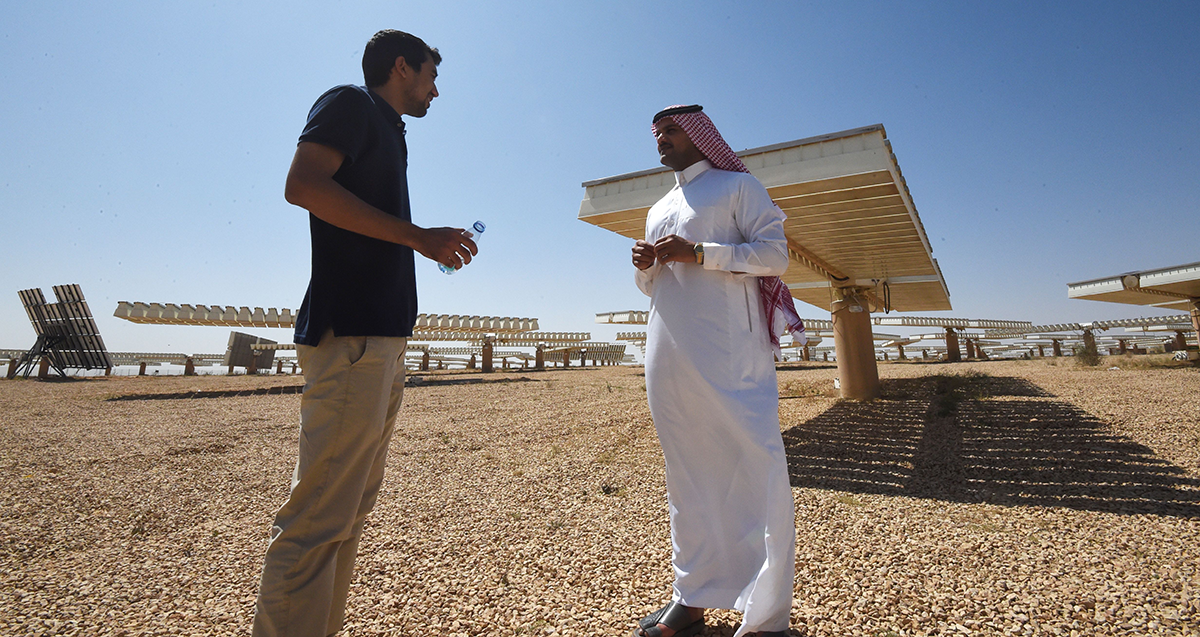
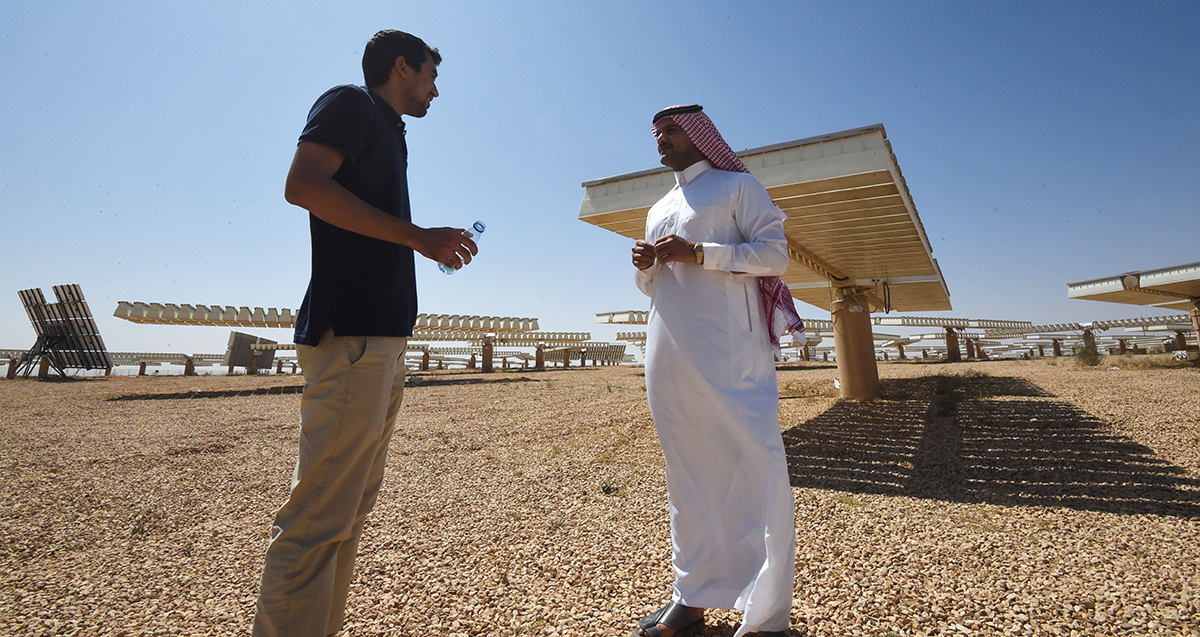
The kingdom is unlikely to achieve net zero emissions soon, but the ambition to do so, and the plan, is an impactful step in the right direction, write Jim Krane and Karen E. Young in their new piece for Al-Monitor.
Read MEI’s weekly briefing featuring expert analysis of key regional developments for the week ahead.
Even as the United States continues the strategic pivot to the Pacific inaugurated by the Obama administration, the competition for security and control of maritime space in the Red Sea and eastern Mediterranean is intensifying.
Iran is a neighboring country for Saudi Arabia and we from the Gulf states respect its people and culture, sharing many similarities as nations throughout different historical periods. However, there are, unfortunately, profound disagreements that have significantly increased since the 1979 revolution because of Tehran’s foreign policy approach based on ideological promotion and projection.
The rapid collapse of the U.S.-supported Afghan government after the withdrawal of U.S. troops raised a number of questions about America’s credibility and reputation in the eyes of its allies, especially those who had participated in and contributed to the 20-year war. Analysts and commentators have focused on how NATO member states or the European Union now perceive the U.S., but it is also important to consider the perspective of non-state groups or individuals who served or could serve as local partners for the U.S. government and military.
Read MEI’s weekly briefing featuring expert analysis of key regional developments for the week ahead.