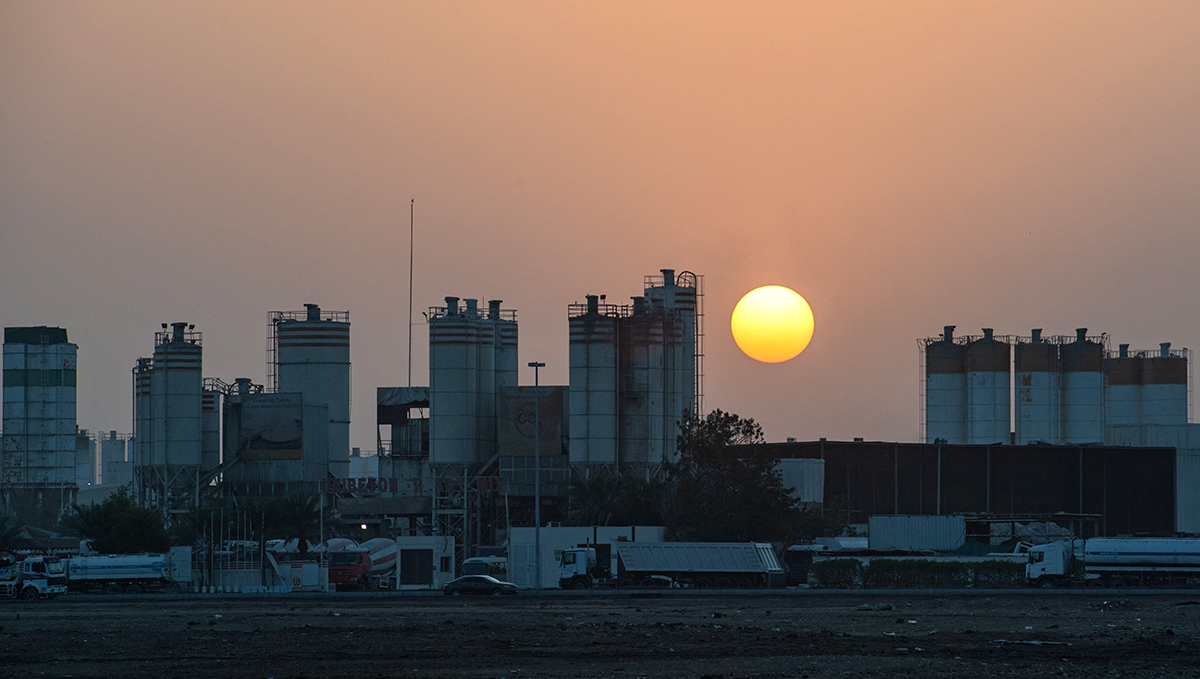
On Jan. 17, the Houthis perpetrated another attack, targeting an Emirati oil facility in Abu Dhabi, killing three international citizens, and damaging infrastructure. The story here is unfortunately all too familiar and begs a coherent response now. After all, what is becoming routine in the Gulf will likely be copied and repeated in other locations.
Morocco’s New Challenges as a Gatekeeper of the World’s Food Supply: The Geopolitics, Economics, and Sustainability of OCP’s Global Fertilizer Exports
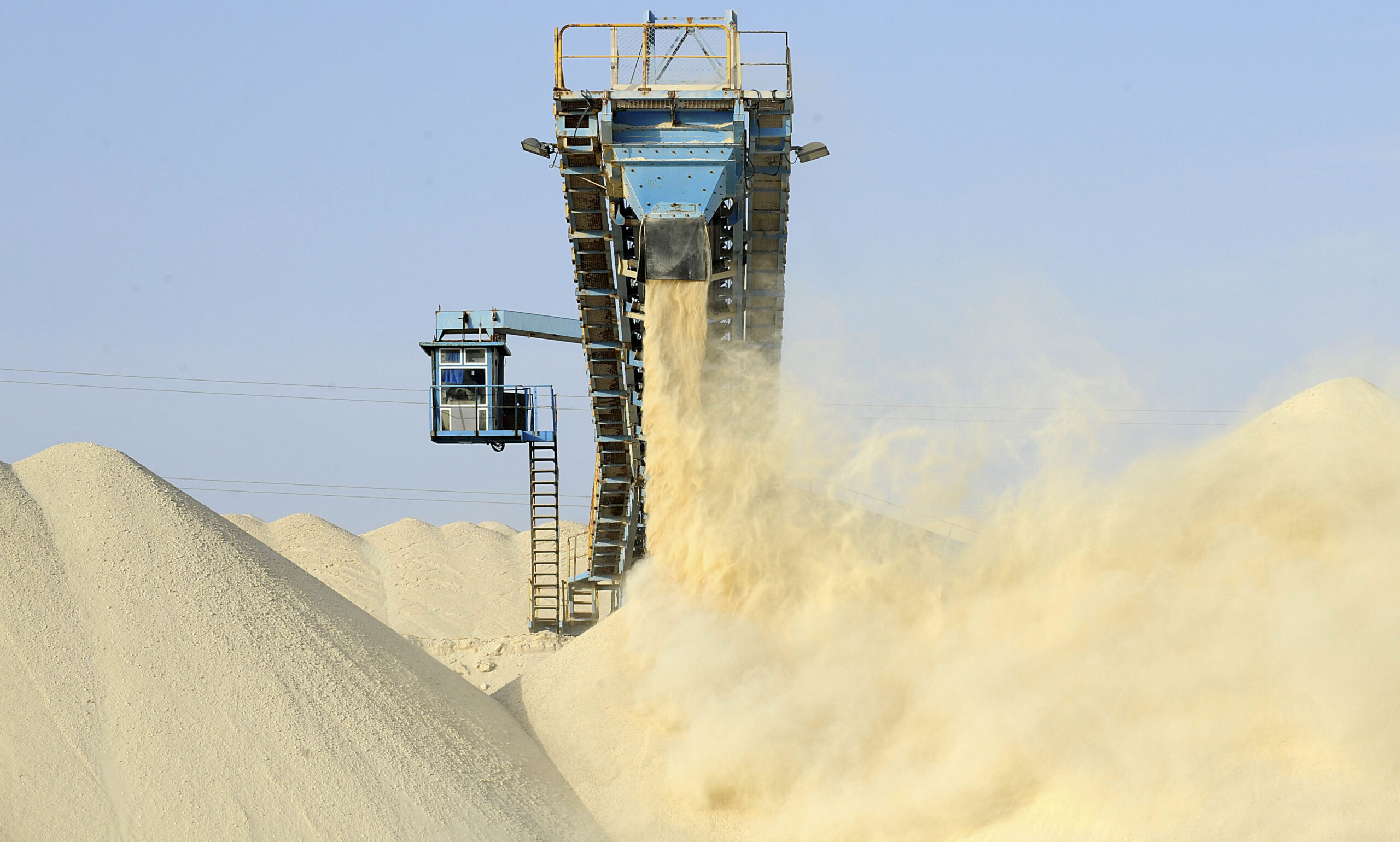
Morocco’s phosphorus fertilizer industry, with its massive production capacity and international reach, has transformed the kingdom into a gatekeeper of global food supply chains. Morocco’s centrality to global food security rests with the fact that all food crops, indeed all plant life, require the element phosphorus to grow and Morocco possesses over 70% of the world’s phosphate rock reserves, from which the phosphorus used in fertilizers is derived. By becoming one of the world’s leading fertilizer exporters, instead of continuing to just export the raw material, Morocco has enriched its economy and elevated its international standing. In Sub-Saharan Africa in particular, the kingdom’s combination of joint venture partnerships in local fertilizer production and deft direct outreach to farmers has resulted in a remarkable boost in African agricultural yields and the notable expansion of Morocco’s soft power influence across the continent.
Strong Turkey-Ukraine ties are key to Black Sea security
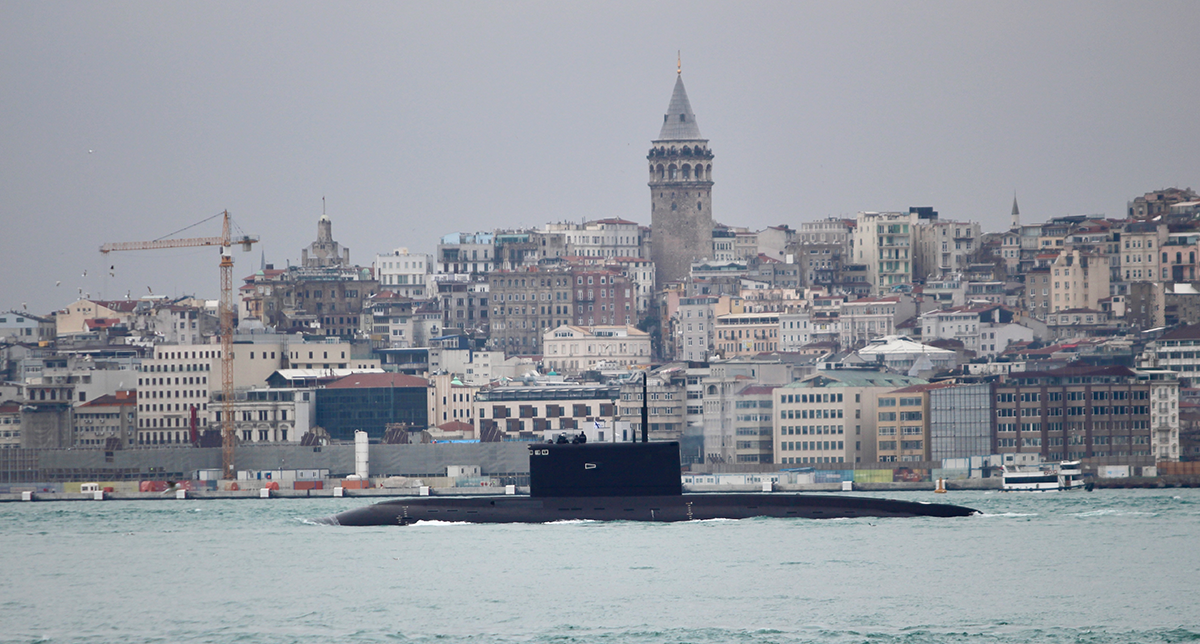
On Jan. 6, 2019, the eve of Orthodox Christmas, the Ecumenical Patriarchate in Istanbul awarded a decree of independence, known as a tomos, to the then-newly established Orthodox Church of Ukraine — a milestone in the country’s history. The move reversed a 1686 decision that had transferred jurisdiction over Kyivan Orthodox churches to Moscow. After 333 years, however, it’s not only the faithful who have changed their direction from Moscow toward Istanbul. Ukraine and Turkey are strengthening their strategic partnership by deepening their cultural, political, military, and economic cooperation.
زخم قوي في توجه السعودية نحو مصادر الطاقة المتجددة والبنية التحتية
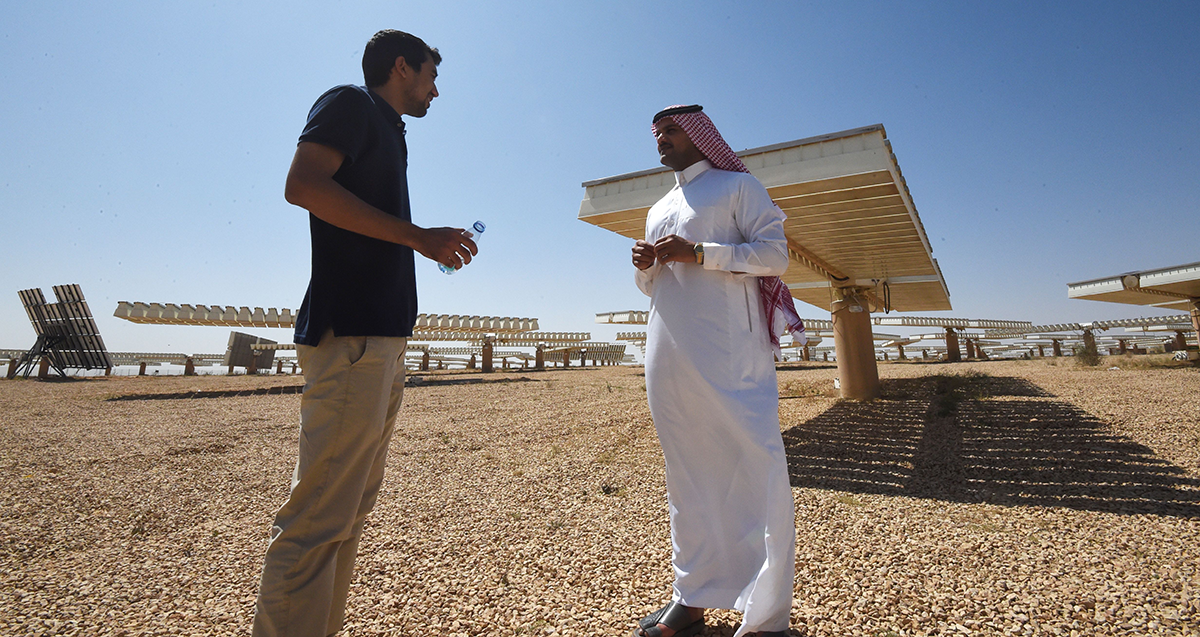
إن استراتيجية المملكة العربية السعودية لزيادة محفظتها من الأصول النظيفة والمتجددة قد تم تعزيزها في عام 2021، حيث شهدت المملكة العديد من عمليات تمويل المشاريع في قطاع الطاقة الشمسية وأطلقت صندوق البنية التحتية الوطني لتنويع اقتصادها.
A military strike on Iran is the worst non-proliferation strategy
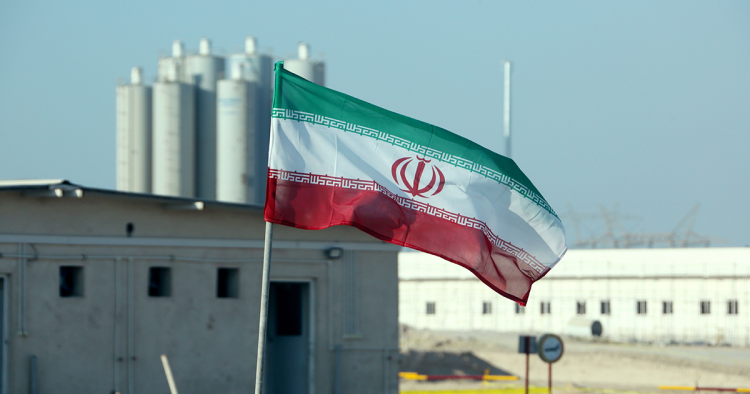
Debates on a military solution to Iran’s nuclear program are heavily polarized between those arguing that a threat of war and a preventive non-proliferation military strike can be a solution and those arguing that military action will only accelerate Iran’s nuclear program. The truth is that it is highly unlikely that Tehran would abandon its nuclear program after a military strike.
How Saudi Arabia is forging ahead with its privatization drive
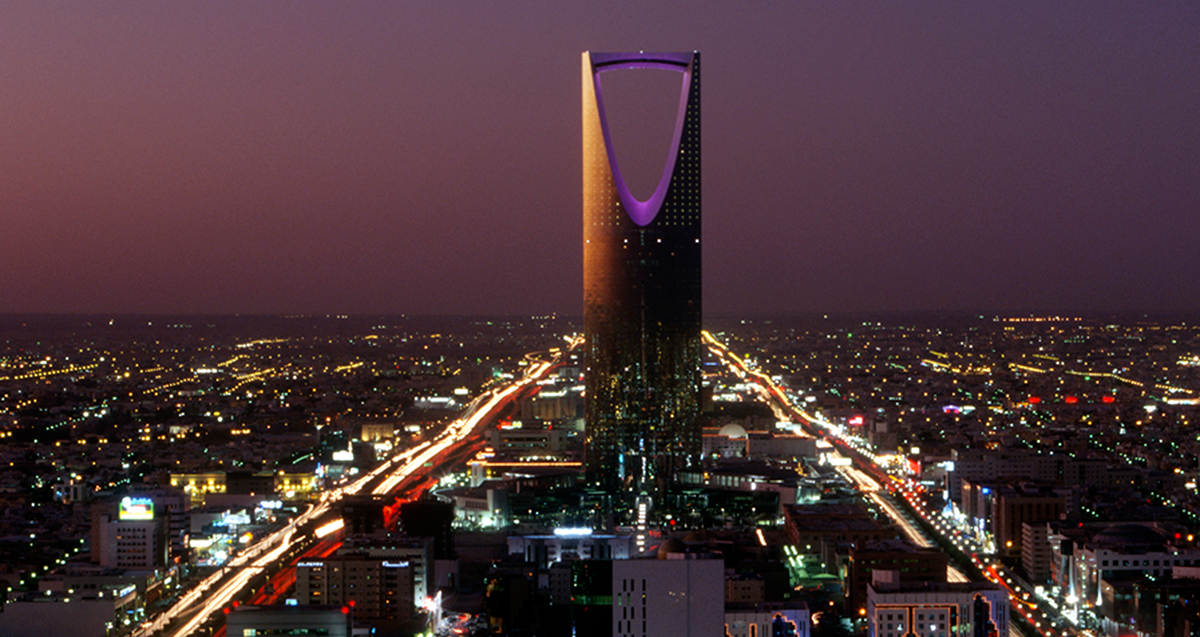
Saudi Arabia’s leviathan sovereign wealth fund, the Public Investment Fund (PIF), has recently sold a 5% stake in the Saudi Telecom Company (STC). The firm is the largest and most profitable in the regional telecoms sector. The 3.2B USD sale, completed in early Dec. 2021, is yet another step in Riyadh’s privatization drive as part of its Vision 2030 agenda, and highlights the growing role of the Kingdom’s domestic financial sector.
The right war fought the wrong way: Reflecting on the US withdrawal from Afghanistan
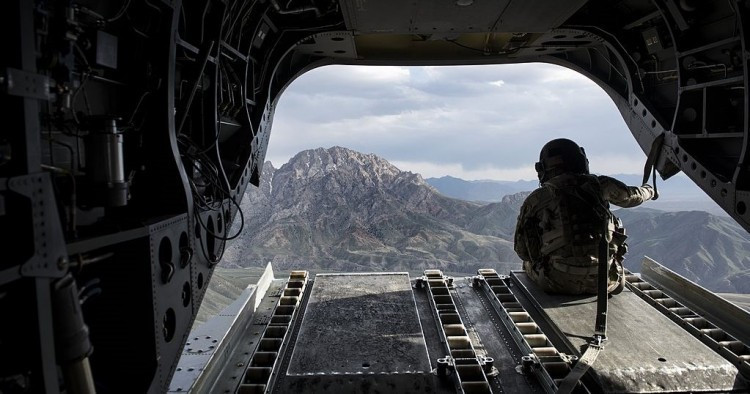
The initial success in Afghanistan was achieved with a limited number of forces from the CIA, the U.S. military (especially special operations), and our partners in the Northern Alliance. In the opinion of many military experts and historians, it was a model for how to conduct a large-scale military operation with limited casualties and expenditure of resources.
Strong momentum in Saudi Arabia’s drive toward renewables and infrastructure
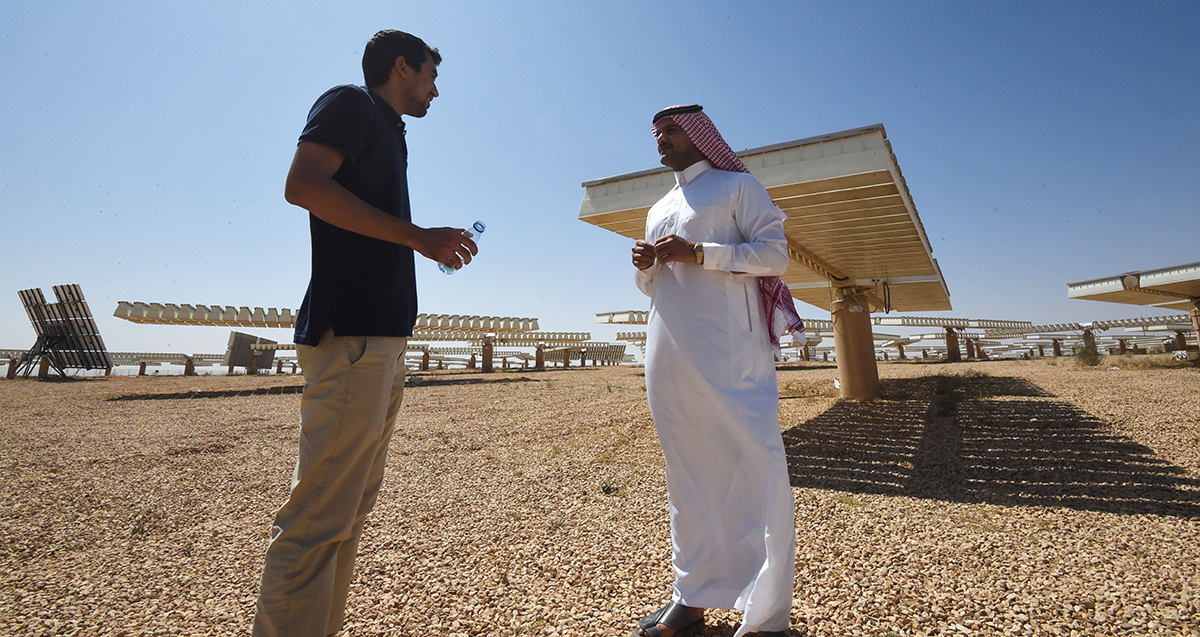
Saudi Arabia’s strategy to push through its portfolio of clean and renewables assets was further strengthened in 2021 as the kingdom witnessed several project financings in the solar sector and launched the National Infrastructure Fund (NIF) to diversify its economy.
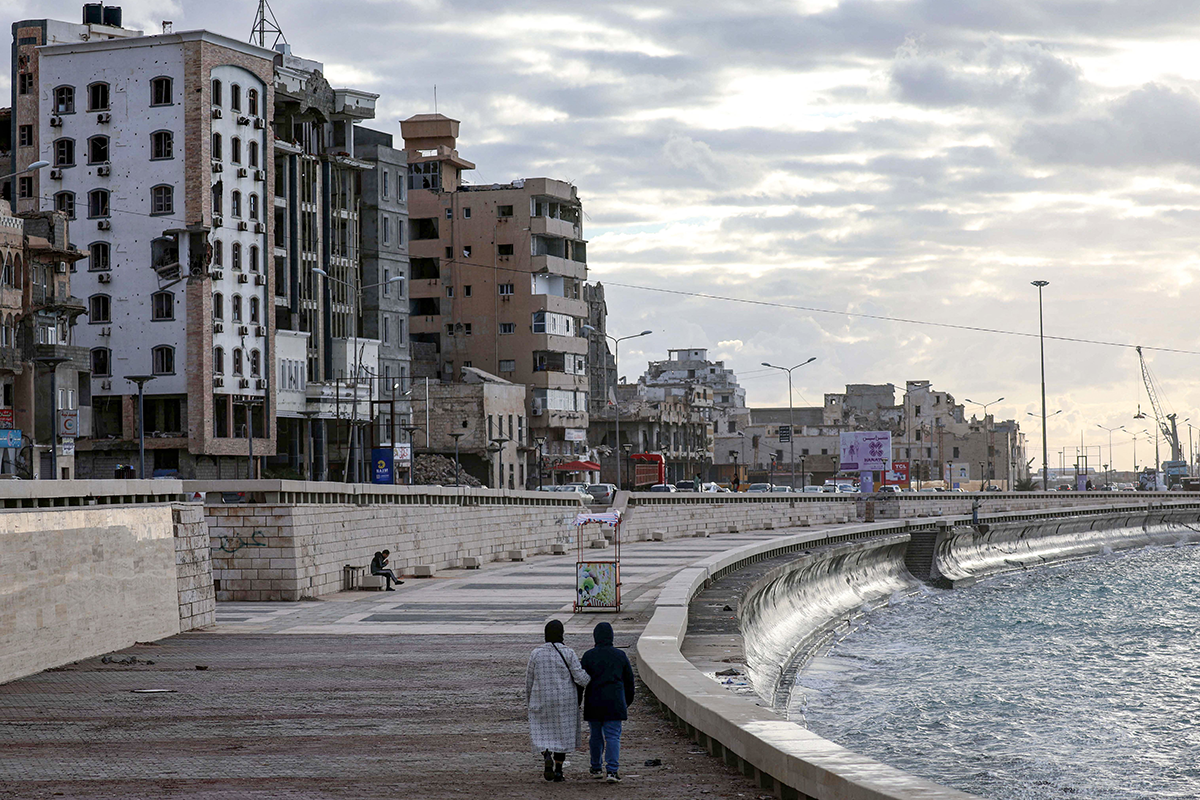
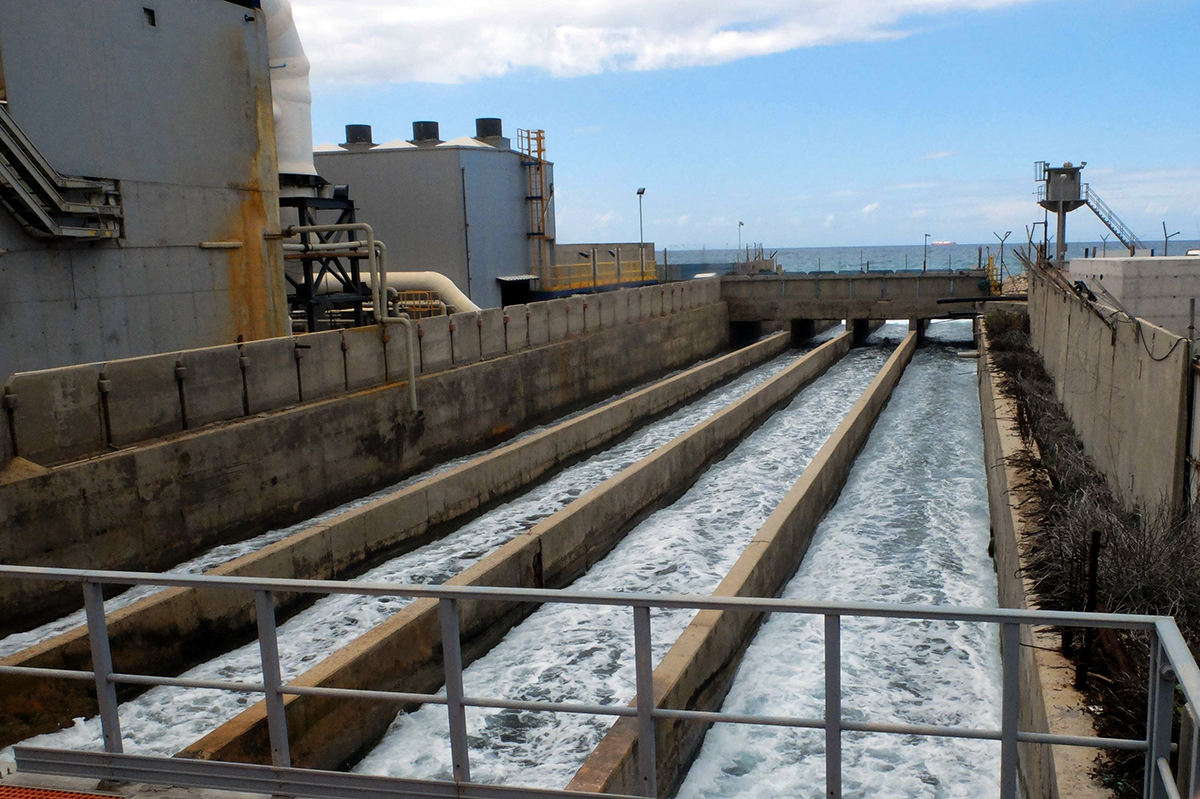
Desalination in Libya: Challenges and opportunities
For the MENA region, groundwater is a hidden but significant problem, as many countries extract more than is being recharged and most lack solid legal frameworks and national water policy regulations to determine use. As a result, there are questions and concerns about the current status of groundwater aquifers, especially with the increasing impact of climate change, as well as the type of sustainable alternative solutions that could assist in conserving them. Libya is no exception to this broader regional trend, and the country suffers from growing water scarcity.
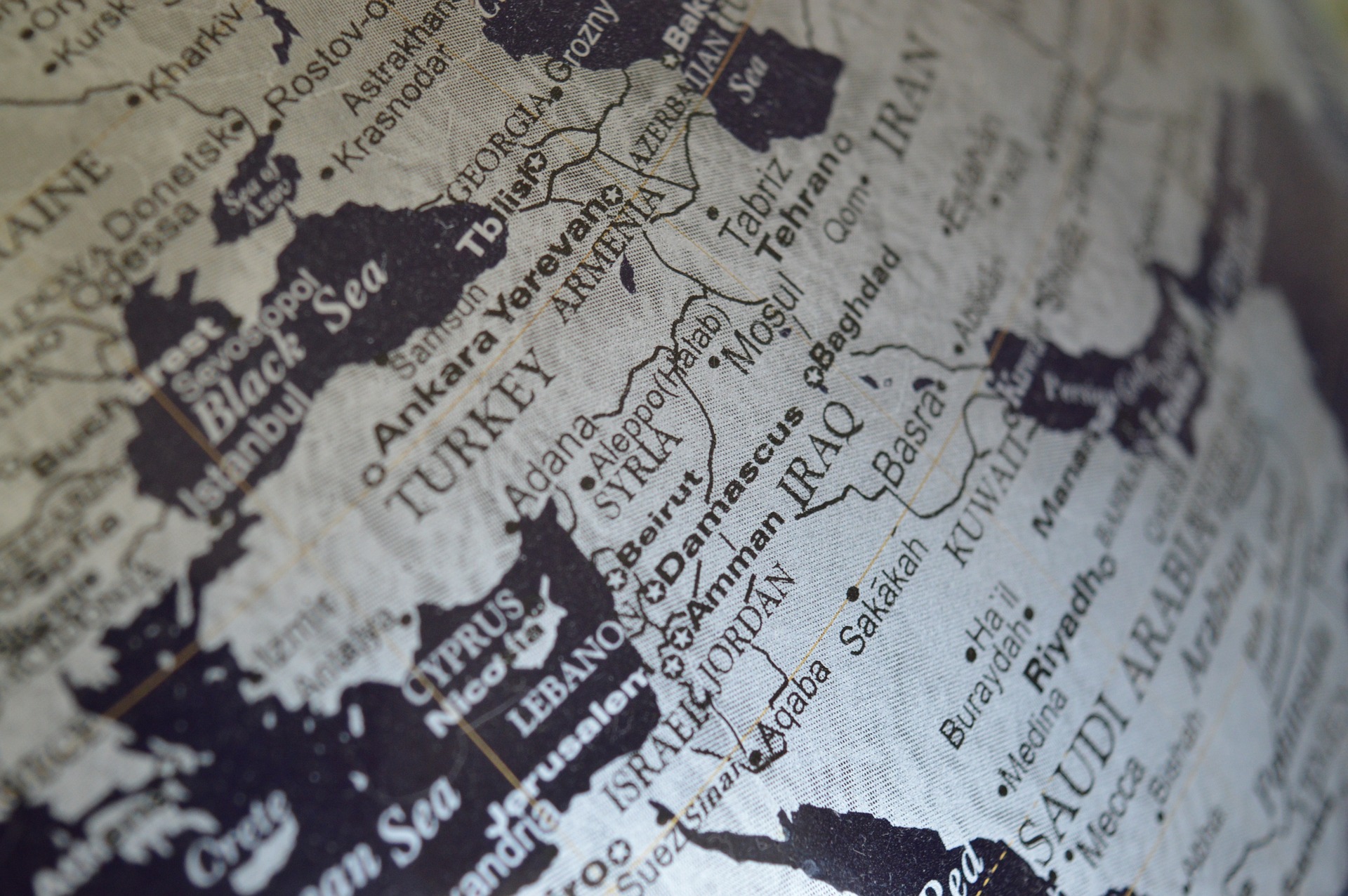
Is the Black Sea European? The European Union is still hesitating
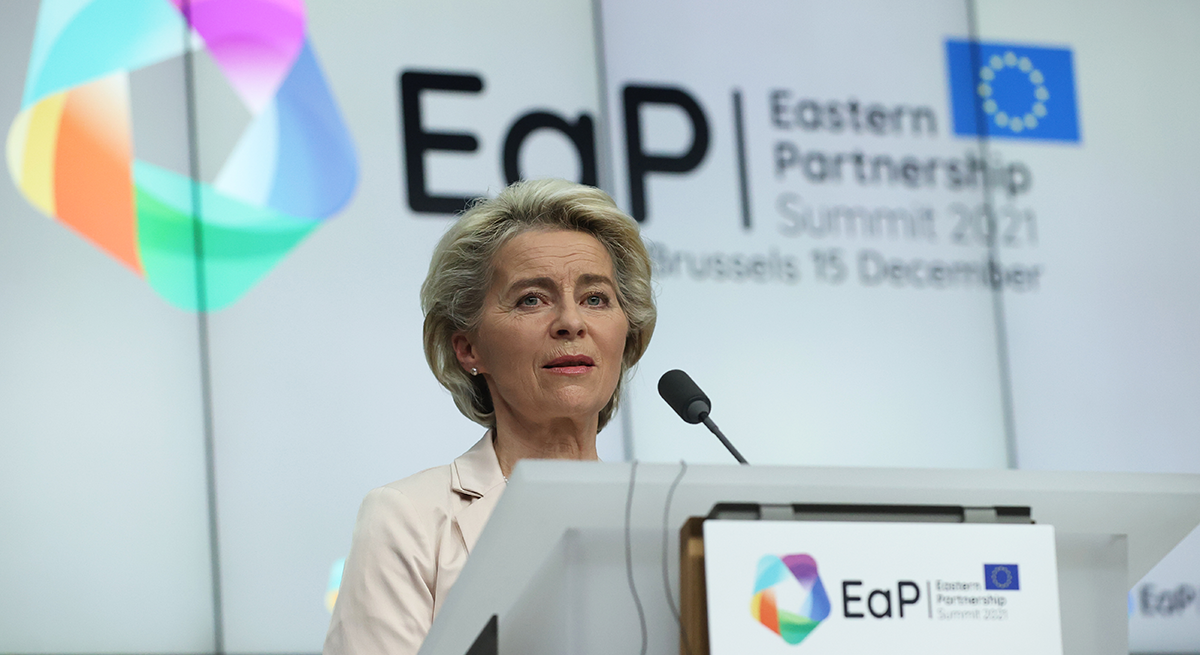
Last week, one day before the European Council, the sixth Eastern Partnership summit took place. For weeks, questions about a potential Russian invasion of Ukraine have been asked around the world. But the Eastern Partnership summit declaration, signed by Ukraine, Georgia, Moldova, Armenia, and Azerbaijan, includes no mention of Russia. The Partnership appears hesitant to commit to more security (or integration), perhaps because some members were hoping for a greater European Union commitment to Black Sea security.
What were the most significant developments in the Middle East and regional policy in 2021? MEI’s Paul Salem, Randa Slim, Bilal Saab, and Karen Young join the program to discuss the key events and what trends to watch in 2022.
Exploring the feasibility of the Jordan-Israel energy and water deal
On Nov. 22, the Dubai Expo hosted an event where the United Arab Emirates (UAE), Jordan, and Israel signed a cooperation agreement that would broker an exchange of renewable energy and water between Jordan and Israel. The signing of the agreement between the respective minsters of the three countries took place in the presence of Abu Dhabi Crown Prince Mohammed bin Zayed and U.S. Climate Envoy John Kerry, who played a role in getting the deal done.
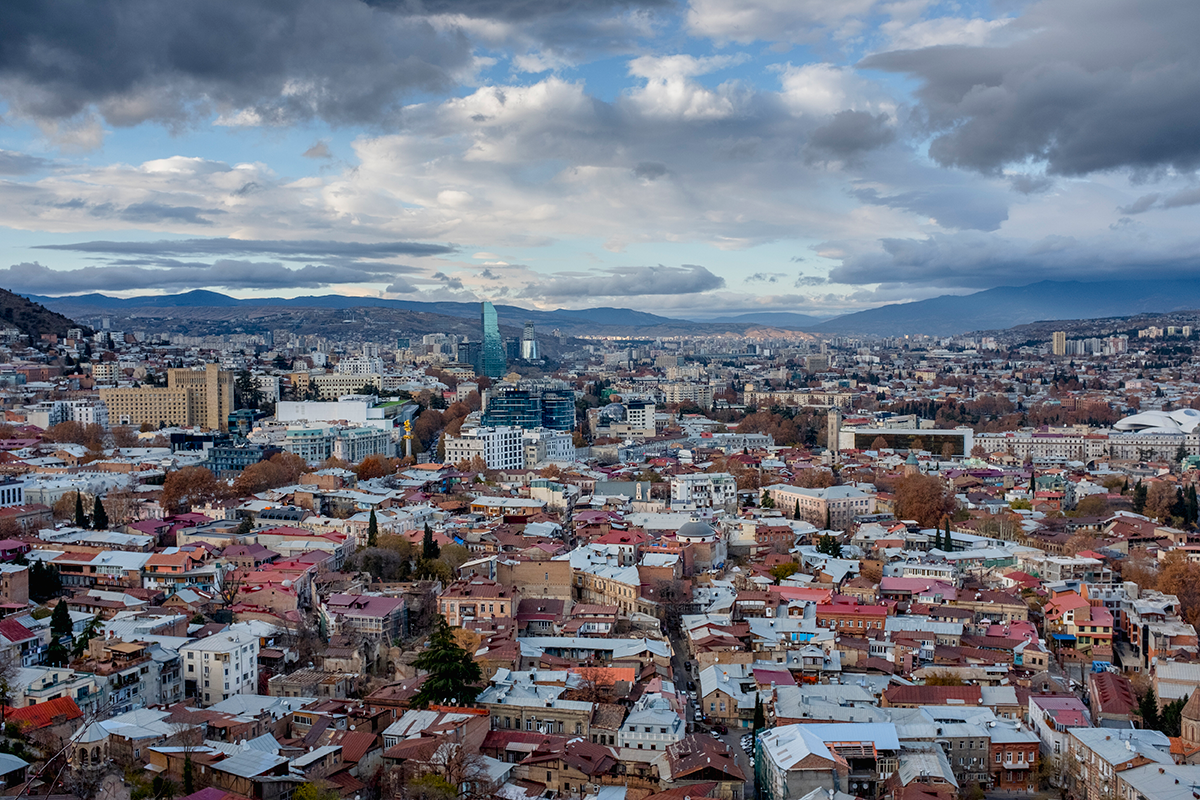
In the aftermath of the fragmentation of the USSR, the South Caucasus region went through a period of transformational change, during which it had to redesign and rebuild its energy systems and energy security routes. The latest U.N. Intergovernmental Panel on Climate Change (IPCC) report demonstrates that anthropogenic warming has caused extreme temperatures, precipitation levels, and drought in the region. While Georgia has significant potential for additional clean energy generation and other climate change measures, the current pace of transformation needs to increase.