This Policy Paper is part of The Middle East Institute’s Regional Cooperation Series. Throughout 2016, MEI will be releasing several policy papers by renowned scholars and experts exploring possibilities to foster regional cooperation across an array of sectors. The purpose is to highlight the myriad benefits and opportunities associated with regional cooperation, and the high costs of the continued business-as-usual model of competition and intense rivalry.
Netanyahu’s Risky Politics and the French Initiative
The so-called ‘French initiative’—a boost-plan for the moribund ‘Middle East Peace Process’ designed to bring Israel and the P.L.O. back to the negotiating table under an international umbrella through a series of multilateral summits—was born in classic French diplomatic opulence. Not nearly half-baked, the initiative was presented ceremoniously in a grandiose manner by a foreign minister who was replaced shortly after, prompting knee-jerk reactions from all parties.
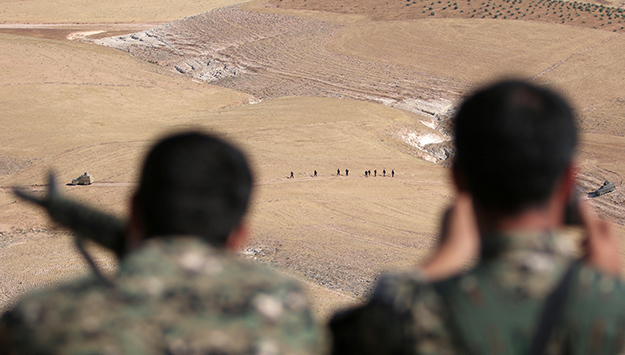
Monday Briefing: Manbij Offensive, Yemen Talks, Turkey-Israel, Tunisia Unity Government
In this week’s Monday Briefing, MEI experts Robert S. Ford, Charles Schmitz, Gonul Tol, and Mabrouka M’Barek provide analysis on recent events including Manbij offensive, Yemen talks, Israel-Turkey rapprochement, and Tunisia national unity government.
Rohingya Refugees in Aceh, Indonesia: Hostile Hospitality
This essay investigates what became of the many hundreds of Rohingya who were rescued from their rickety boats in the Andaman Sea in May 2015 and brought to shore in Aceh, Indonesia. It discusses the spontaneous acts of hospitality that initially greeted their arrival, the subsequent escapes by some from the camps in which they were accommodated, and the struggle by local officials and NGOs to find mid-term solutions for their care.
Presidential Race Shifts Discourse on Israel-Palestine
The 2016 presidential primaries have upended a wide variety of assumptions about the rules of American politics, and what the traffic will bear. One of these areas is the Israeli-Palestinian conflict.
Protracted Refugee Displacement in the Middle East: Making Home in Limbo?
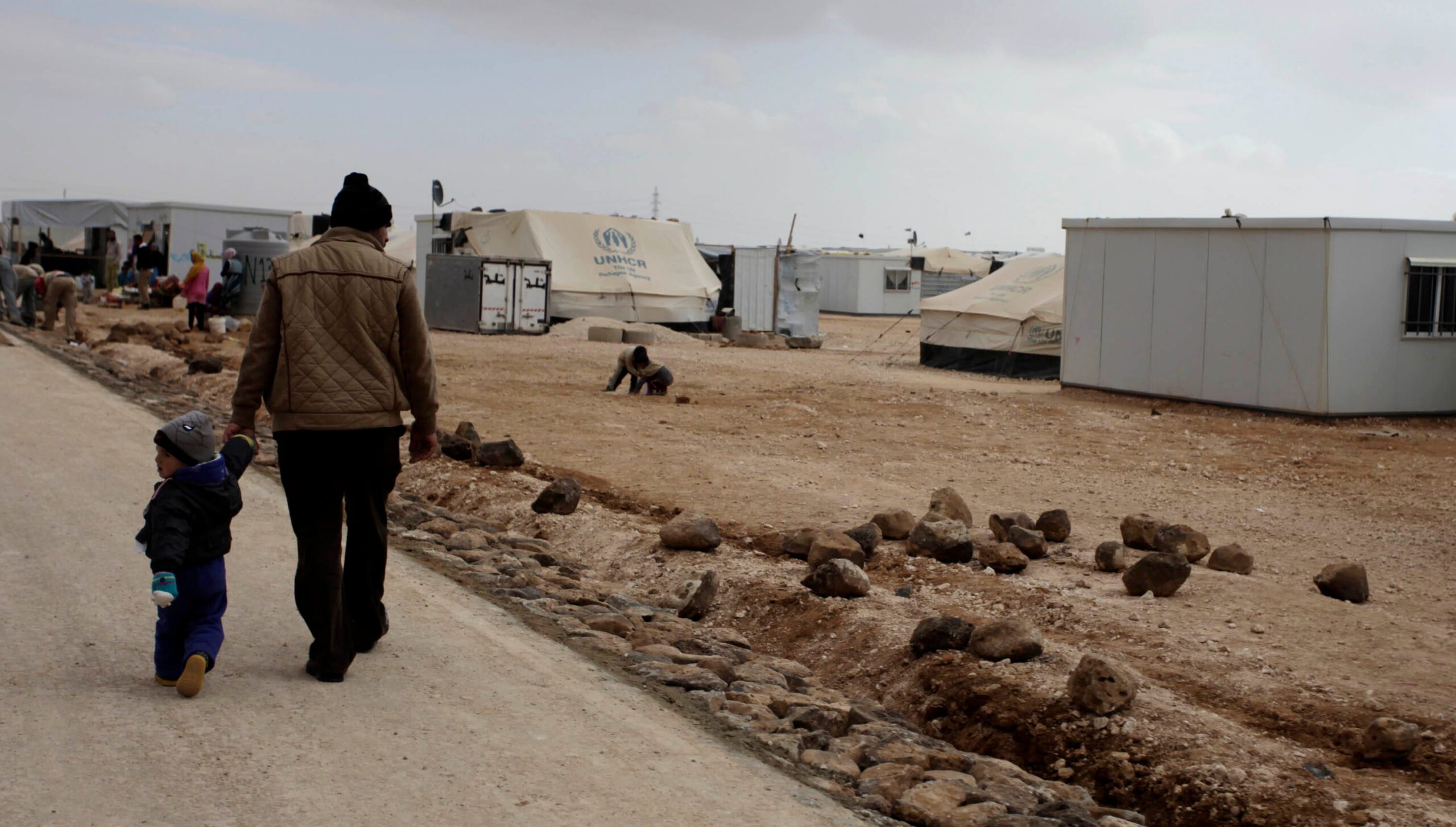
This essay examines a key policy assumption behind the concept Protracted Refugee Situations—the notion that the refugee predicament, “limbo,” can only be resolved through going Home as defined within a nation-state framework. The authors’ proposal—that refugees can make home without necessarily going home—offers an alternative, refugee-centered perspective of home as a “constellation” of practices, strategies, and ideas.
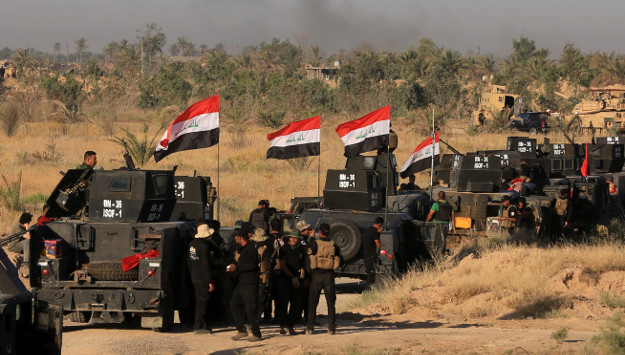
The battle for Fallujah, Thursday's OPEC meeting, and Hariri's loss in Tripoli
In this week’s briefing, MEI experts Charles Lister, Herman Franssen, and Paul Salem provide analysis on recent and upcoming events including the battle for Fallujah, Thursday’s OPEC meeting, and Saad Hariri’s defeat in Tripoli, Lebanon.
Responding to Natural Disasters: Rowing Against a Fast-Rising Tide of Risk
This essay provides a brief overview of the increasing frequency and growing risk of natural disasters, surveys the natural disaster landscape in the MENA region, and briefly discusses efforts to develop strategies for reducing losses by emphasizing prevention and preparedness.
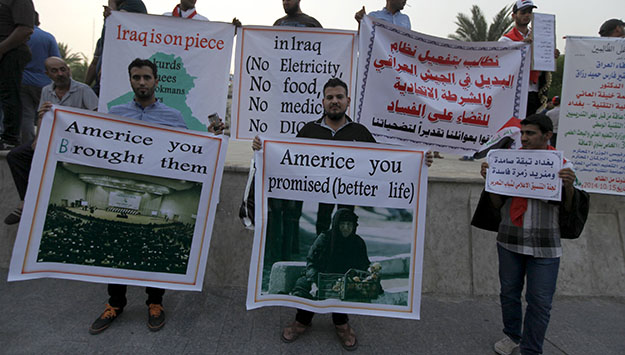
Iraqi Narrative of U.S. Invasion Struggles to Be Heard
A new American opera called Fallujah debuted this spring, bringing attention to post-traumatic stress disorders suffered by U.S. marines who fought in Iraq. The opera joins a list of American artworks that have explored the impact of the Iraq war on American lives. The big elephant in the room, however, are the Iraqi victims of the war and the deafening silence in U.S. discourse on the horrific consequences the war brought on them.
At a time when Arab governments across the region unveil grand economic reform ‘visions,’ Jordan has launched its own bold scheme to revive its faltering economy. Jordan is looking for a cure to what many Jordanians consider an economic burden: over 1.2 million Syrian migrants due to the war next door.
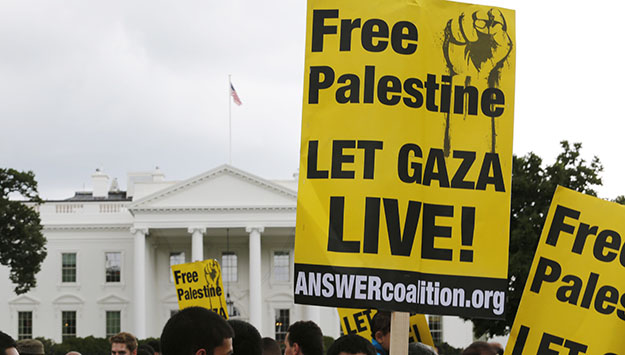
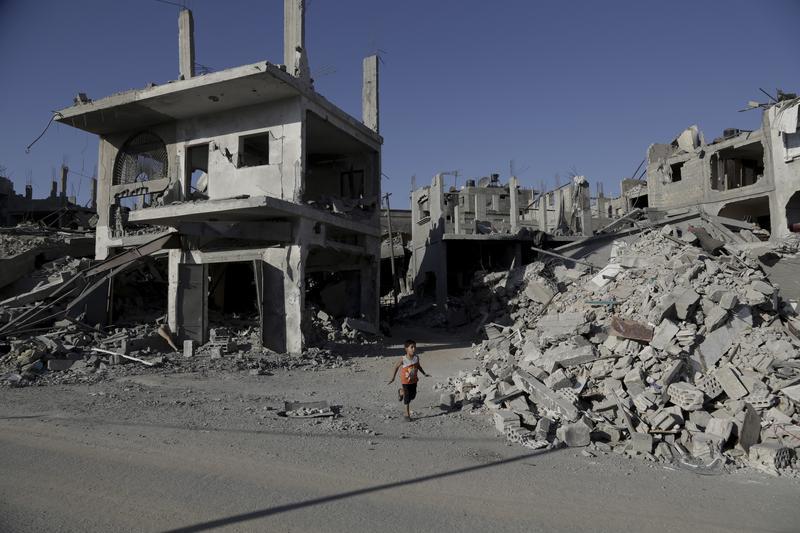
New Gaza War Inevitable without International Action
With the exception of the extremely slow reconstruction process of what was destroyed during the last Israel-Gaza war in the summer of 2014, the conditions that preceded that war remain in place. The Palestinian reconciliation process remains cosmetic, negotiations for a truce between Israel and Hamas that were supposed to resume under Egyptian auspices have stalled, and humanitarian conditions in Gaza are becoming increasingly dire. Without improvement on any of these issues, the risks for a new round of fighting remain high.
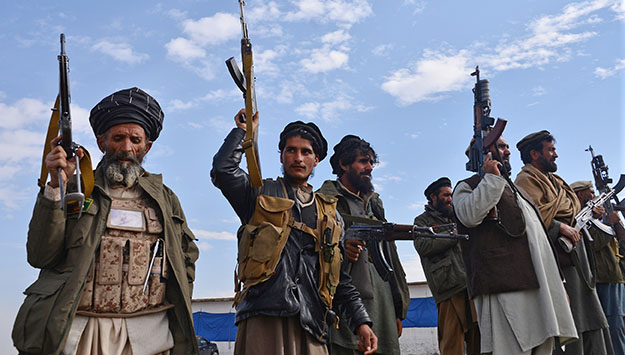
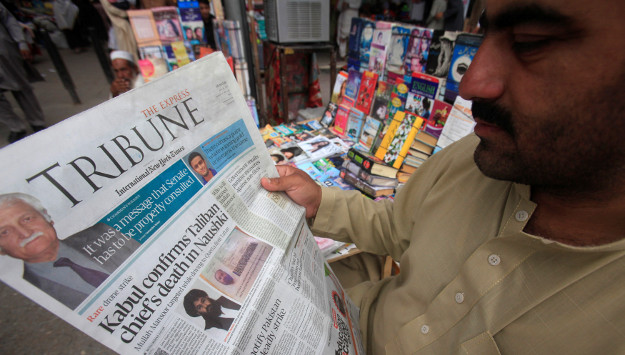
In this week’s Monday Briefing, MEI experts Marvin G. Weinbaum, Charles Lister, Hassan Mneimneh, and Paul Scham provide analysis on recent events including the killing of Afghan Taliban leader Mullah Akhtar Mansour, deadly blasts targeting regime-held territory in Syria, Iraq’s intra-Shiite feud, and Avigdor Lieberman’s appointment as Israel’s Defense Minister.