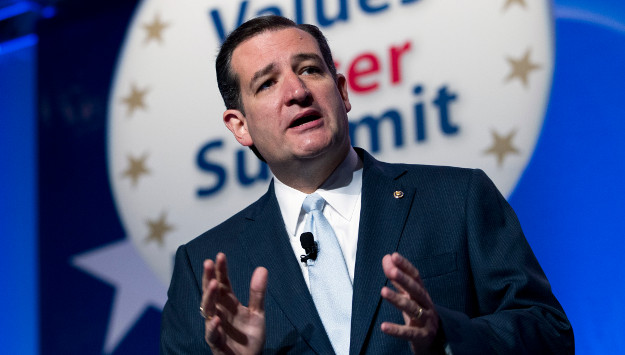
Sen. Ted Cruz, when asked at last month’s CNN town hall meeting to defend his controversial proposal to target Muslim neighborhoods in the United States, made a valuable distinction between Islam and Islamism.
Since the mid-2000s, Egypt has developed into a main transit country for irregular migrants, either to Libya or to Israel. Now, as the traditional paths have largely been closed, many migrants and refugees are blocked in Cairo and along Egypt’s Mediterranean coast. Boarding a boat towards Europe is for many the only option to escape negligence, detention and abuse.
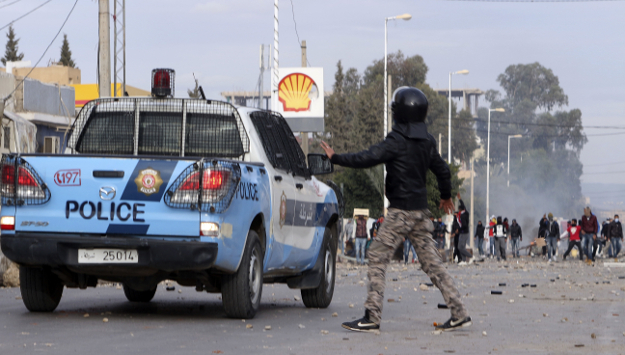
Tunisia is facing multiple pressures that, if not handled well by its current leaders, could undermine its stability as it continues to grapple with the post-Arab Spring era. The March 7 attack on Ben Gardane in Tunisia was a vivid reminder that the threat of ISIS and other extremist groups with safe haven in Libya is alive and well.
Monday Briefing: Syrian Peace Talks, Yemen's Cease-fire, and Saudi Regional Diplomacy
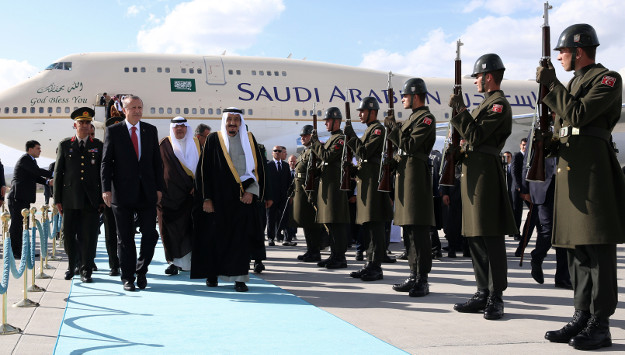
In this week’s Monday Briefing, MEI experts Randa Slim, Charles Schmitz, and Paul Salem provide analysis on recent and upcoming events including the next round of Syrian peace talks, the cease-fire in Yemen and the negotiations ahead, and Saudi King Salman’s visits to Egypt and Turkey.
Competing Understandings of Protection in the European ‘Migrant Crisis’
No European government has made any substantial reference to the ‘Responsibility to Protect’ principle (R2P) during the current migrant crisis. This is remarkable since the crisis, which has gone on for the past five years, is mainly due to displacement of people fleeing from mass atrocities and crimes. At the same time, several European governments are using the word ‘protection’ with reference to European citizens and borders to justify the need of a ‘fortress Europe’. The world ‘protection’ has probably never been more popular in post-cold war Europe. At the same time, the word seems to have lost its association with R2P since the principle’s inception.
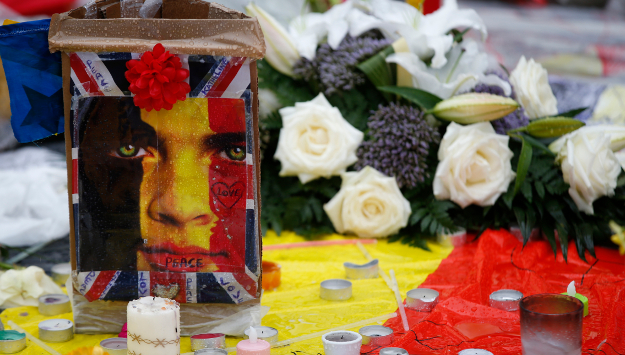
“The ‘Islamic State’ Rocked Crusader Europe Again. Hundreds of Deaths and Injuries as a Result of Martyrdom Operations in Brussels,” read the headline of the Islamic State’s (ISIS) Arabic-language newsletter al-Naba’ on March 21, 2016. There were not much details about the terrorist bombings, but they certainly follow a pattern established since early 2015. “Do not look for specific targets. Kill anybody,” said Boubaker Hakim, an ISIS commander of French-Tunisian origins, in an interview initially published in March 2015 by ISIS’ French-language magazine Dar al-Islam.
Defying Expectations: China’s Iran Trade and Investments
This essay examines China-Iran trade relations, as well as Chinese investments in Iran. Particularly, it asks whether the Chinese-Iranian stated ambition to increase the value of bilateral trade to $600 billion within a decade is attainable. Additionally, it identifies the factors responsible for the trade deficit in Iran’s favor, and shows that the pace of China’s foreign direct investment (F.D.I) in Iran is slowing in spite of absolute increases.
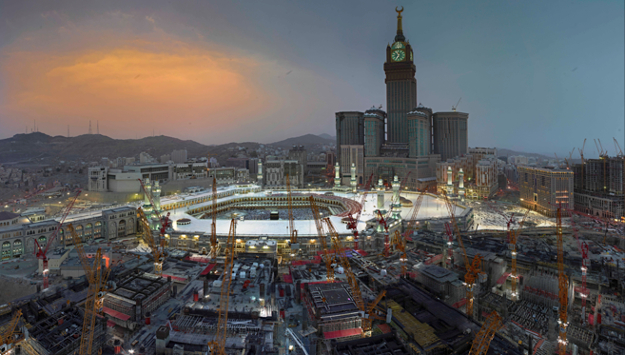
On a sub-level inside one of the Smithsonian’s art galleries in Washington, a man stood entranced by the Golden Hour, a six by eight foot photographic composition of Mecca.
The man noted the dozens of cranes and the Makkah Royal Clock Tower, a monstrous and controversial piece of architecture that dwarfs everything around it. Then, with his finger, the visitor carefully air circumnavigated around the Great Mosque.
“What’s this tiny black cube in the middle?” he asked, pointing to the Kaaba.
Some problems cannot be postponed indefinitely, and Libya is one of them. U.N. mediators, fronting for a hesitant and oft-divided international community, are running out of gimmicks for further talks among the feuding parties in Libya’s dysfunctional political process. Moving swiftly after his arrival in Tripoli last Wednesday, Prime Minister Fayez al-Sarraj reached out to the Libyan public, key central government institutions, and regional and municipal authorities.
European Identity and the Plight of Syrian Refugees
In the Declaration on European Identity, the nine Member States at that time expressed their determination to build a community of law and democracy which measures up to the needs of the individual and preserves the rich variety of national cultures.[12] Many things have changed since 1973, but I would argue, the building blocks for a political—as well constructive—notion of European identity remain the same … Yet, the actions of the member states during the last 12 months with respect to the so-called ‘refugee crisis’ reveal their betrayal of those commitments undertaken in 1973.
Monday Briefing: Erdogan's Failed Washington Trip, Iraq's Cabinet Reshuffle, and Other Key Issues in Week Ahead
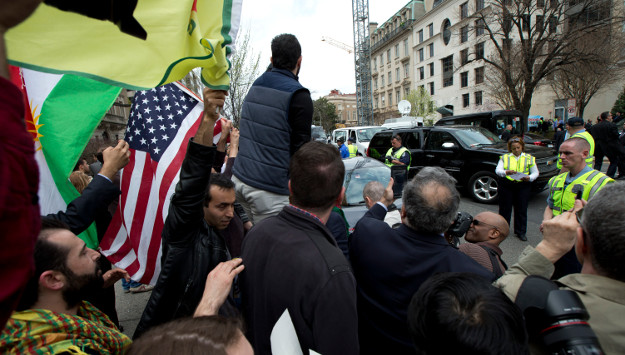
In this week’s Monday Briefing, MEI experts Gonul Tol, Robert S. Ford, Charles Lister, and Paul Salem provide analysis on recent events including Turkish President Erdogan’s visit to Washington, the reshuffling of Iraq’s cabinet, King Salman’s forthcoming visit to Egypt, and the latest attempts by Jabhat al-Nusra over the weekend to disrupt the Syrian political process.
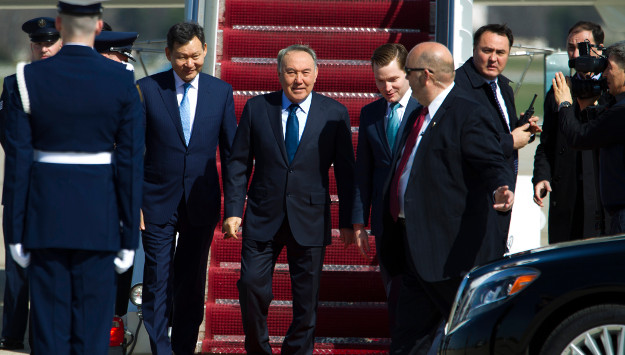
At the request of the Embassy of the Republic of Kazakhstan, the Middle East Institute (MEI) solicited a series of short academic papers on aspects of Kazakhstan’s domestic and regional policies for advancing prosperity, confidence-building, political stability, and nuclear nonproliferation. Experts from MEI and three other leading institutions presented their work in a round table discussion on March 29, 2016. They engaged in an active exchange of views with invited counterparts from the U.S. administration, think tanks, and from Central Asia, including Afghanistan.