Fate of the Dragon in the Year of the Red Fire Monkey: China and the Middle East 2016
February 2016 marks the beginning of a new phase in the Chinese lunar calendar, drawing to a close a year marked by heightened risks and fortuitous gains in China’s efforts to secure its interests in the Middle East and North Africa (MENA) region. This essay addresses three questions: How well has China adapted to the conflict and instability that have swept the region? And as we enter the Year of the Red Fire Monkey, what are the concerns that are likely to preoccupy Chinese leaders? What, if any, policy adjustments by Beijing, can realistically be expected in light of the current circumstances and uncertain prospects for the region and for China itself?
Why Pakistan Is the Biggest Winner in the Iranian-Saudi Dispute
Saudi Arabia is back, knocking on Pakistan’s door. Saudi Foreign Minister Adel al-Jubeir and King Salman bin Abdulaziz al-Saud’s son and deputy crown prince, Mohammad bin Salman, arrived separately in the early days of the new year to persuade Islamabad to join hands with Riyadh in confronting regional security threats. That is, the Saudis want Pakistan’s support against Iran.
Gulf Decisionmakers' Perceptions of Security Ties with China
The essays featured here are the products of a workshop series analyzing China’s position in the context of Gulf security, organized by the Department of International Affairs and the Center for Humanities and Social Sciences of Qatar University under the direction of Dr. Imad Mansour.
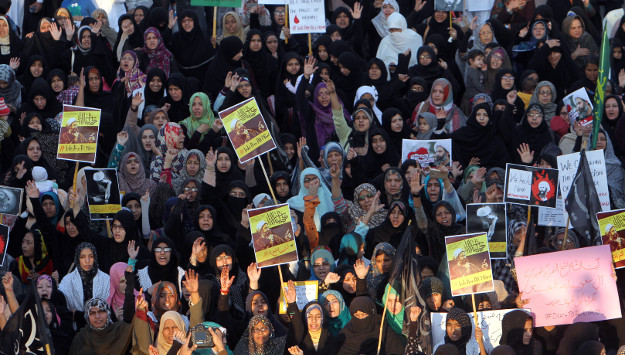
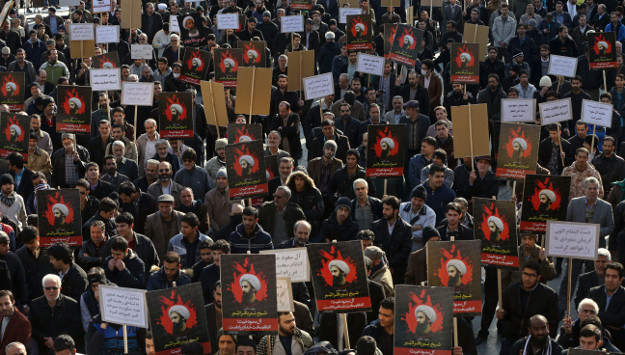
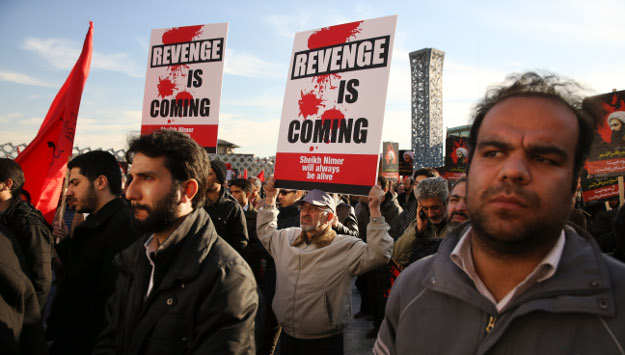
Saudi Arabia’s execution of prominent Shi’a cleric, Sheikh Nimr al-Nimr, is a gift in disguise to Iran’s hardliners seeking to undermine President Hassan Rouhani’s administration, and rally support ahead of key elections in February.
Although Saudi officials have insisted Iran is interfering in its internal affairs with its vociferous condemnation of the execution, Iranians, particularly the hardliners, saw the act as a direct provocation.
Turkey Should Avoid Getting Involved in the Saudi-Iran Row
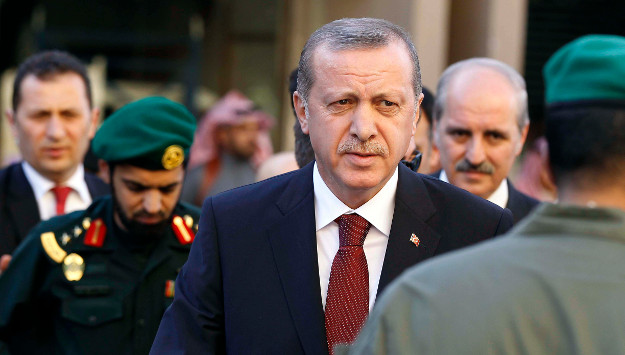
Turkey’s reaction to the latest spat between Saudi Arabia and Iran spells more trouble for Ankara at a time when it is already at loggerheads with many of its neighbors. Initial remarks by Deputy Prime Minister Numan Kurtulmus criticizing both sides were an attempt to keep Turkey out of the rift. He was upstaged, however, by Turkey’s foreign ministry, which followed up with a statement singling out Iran for condemnation.
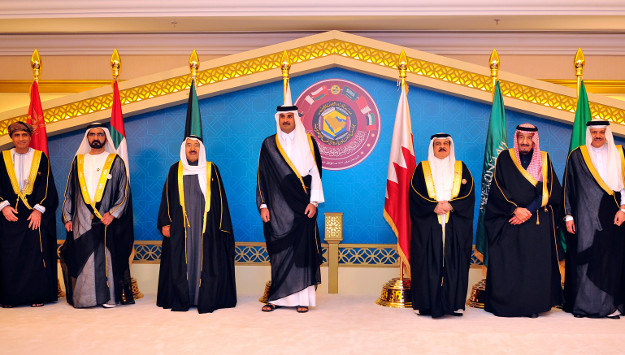
Saudi-Iran Tensions Place Pressure on Smaller GCC States
The recent escalation in tension between Saudi Arabia and Iran is throwing the GCC into a crisis of unity. Riyadh’s actions in particular are built on the frustration of the Yemen war and the perception of Iranian encroachment in Arab lands that the Saudi kingdom believes is its domain. King Salman and his son, Deputy Crown Prince Mohammad bin Salman, feel the kingdom is being ignored by the international community in other hot zones, namely Syria, where the outcome of the war is being determined by Washington and Moscow.
The New Year has seen relations in the region spiral out of control with Saudi Arabia cutting off diplomatic ties with the Islamic Republic of Iran. Sectarian tensions mounted following the execution of prominent Saudi Shi’a cleric Nimr al-Nimr and the subsequent attack on the Saudi embassy in Tehran. The immediate impacts of this escalation will likely be felt in Yemen, with the latest ceasefire collapsing over the New Year, and in Syria where U.N.-sponsored peace talks are set to begin later this month.
Paul Salem, Vice President for Policy and Research at MEI, explains the drivers behind the recent flare-up of the Iran-Saudi feud, how it will impact regional issues including Syria, Yemen, and the fight against ISIS, and what the United States can do to help get diplomacy back on track.
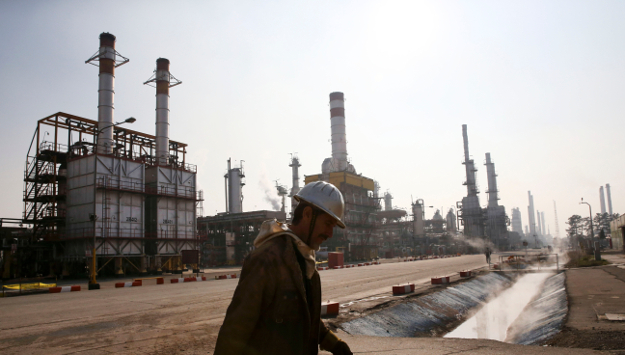
In a Middle East already aflame, a fresh feud between Saudi Arabia and Iran threatens to complicate most every major issue from the Iranian nuclear deal to the Syrian civil war to global oil markets.
Hadi flip-flopped again. On Thursday, September 10, Yemeni President Abdu Rabbu Mansour Hadi announced that the government would meet with the Houthi rebels directly and without any conditions at the UN-sponsored negotiating table. As the military buildup for the assault on Sana reaches its final stages, Hadi’s announcement came with a sense of relief that Sana, having endured six months of bombardment from the Saudi Air Force, would be spared a ground assault. But two days later, Hadi reversed and
The UAE and Foreign Aid: Supportive Government, Supportive Citizenry
A recent Ipsos poll asked citizens of the world’s 17 countries that give the most foreign aid their opinion regarding this assistance. The UAE, a small state, has for some time used its petroleum wealth to exert large-state influence in multiple arenas. Its generous foreign aid program is part of that effort.
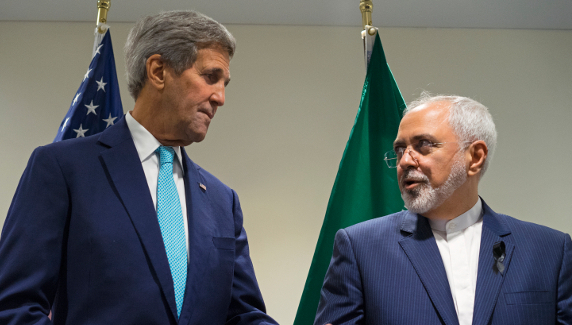
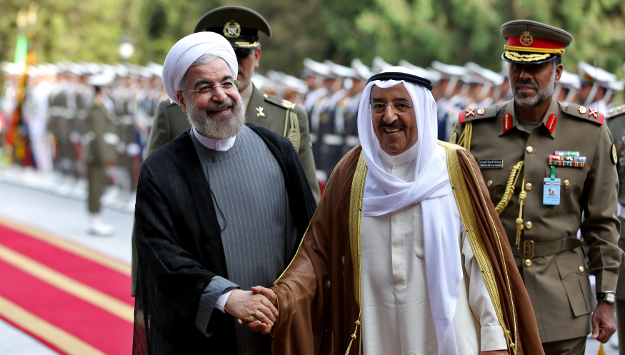
Looking to capitalize on the momentum from the July 14 nuclear deal, the moderate government of Iranian President Hassan Rouhani is now seeking ways to reduce tensions with its regional rivals, particularly Saudi Arabia. This is no small task. Not only must Rouhani convince his domestic critics that mending ties with their arch rival is in Iran’s interest, but he must also get a read on Riyadh’s new leader, King Salman, and the ruling elite.