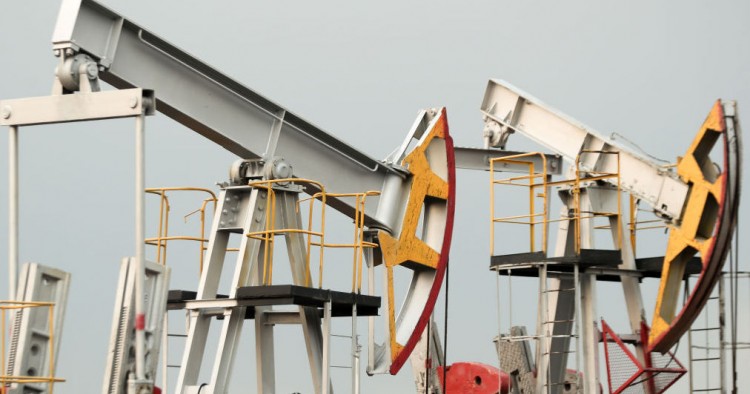
When OPEC+ ministers hold their next monthly meetings on July 14-15, the Saudis are likely to be a strong voice pushing for the continuation of production limits, for both economic and political reasons.
Brussels conference highlights tensions between Syria’s growing needs and political stalemate
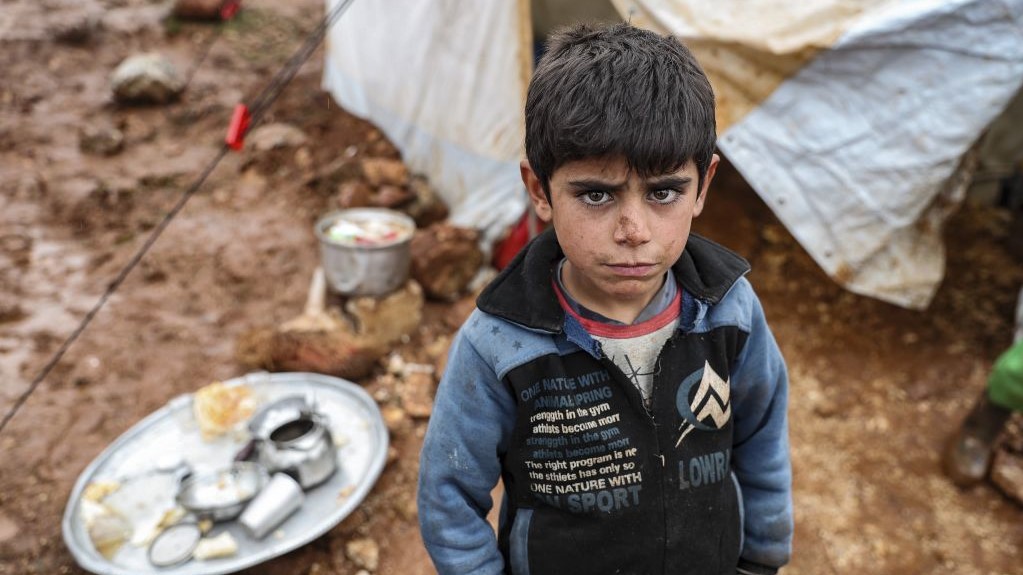
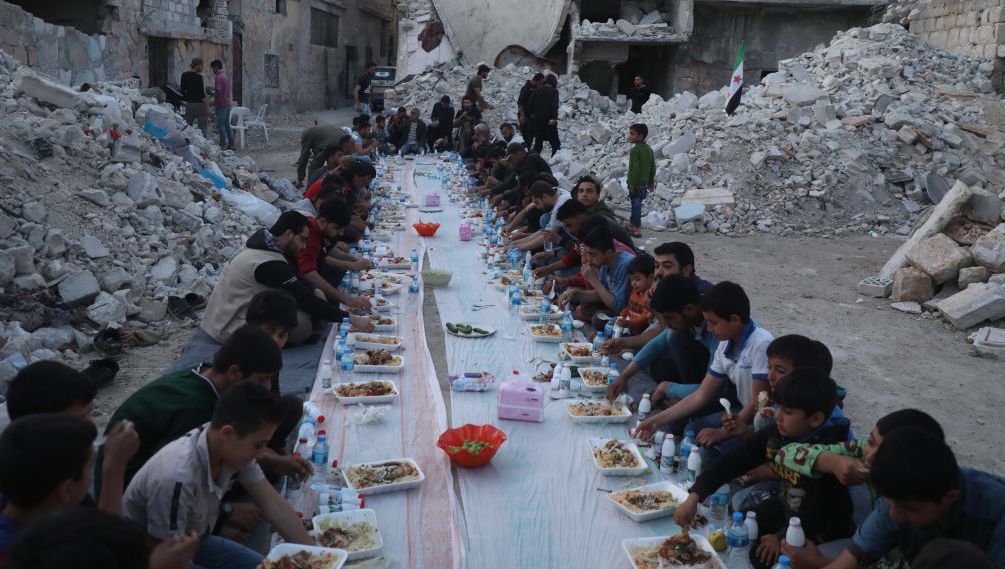
The fourth Brussels Conference on Supporting the Future of Syria and the Region concluded last week with a drop in donations for 2020 for those affected by the decade-long war, a result which is disappointing but not surprising.
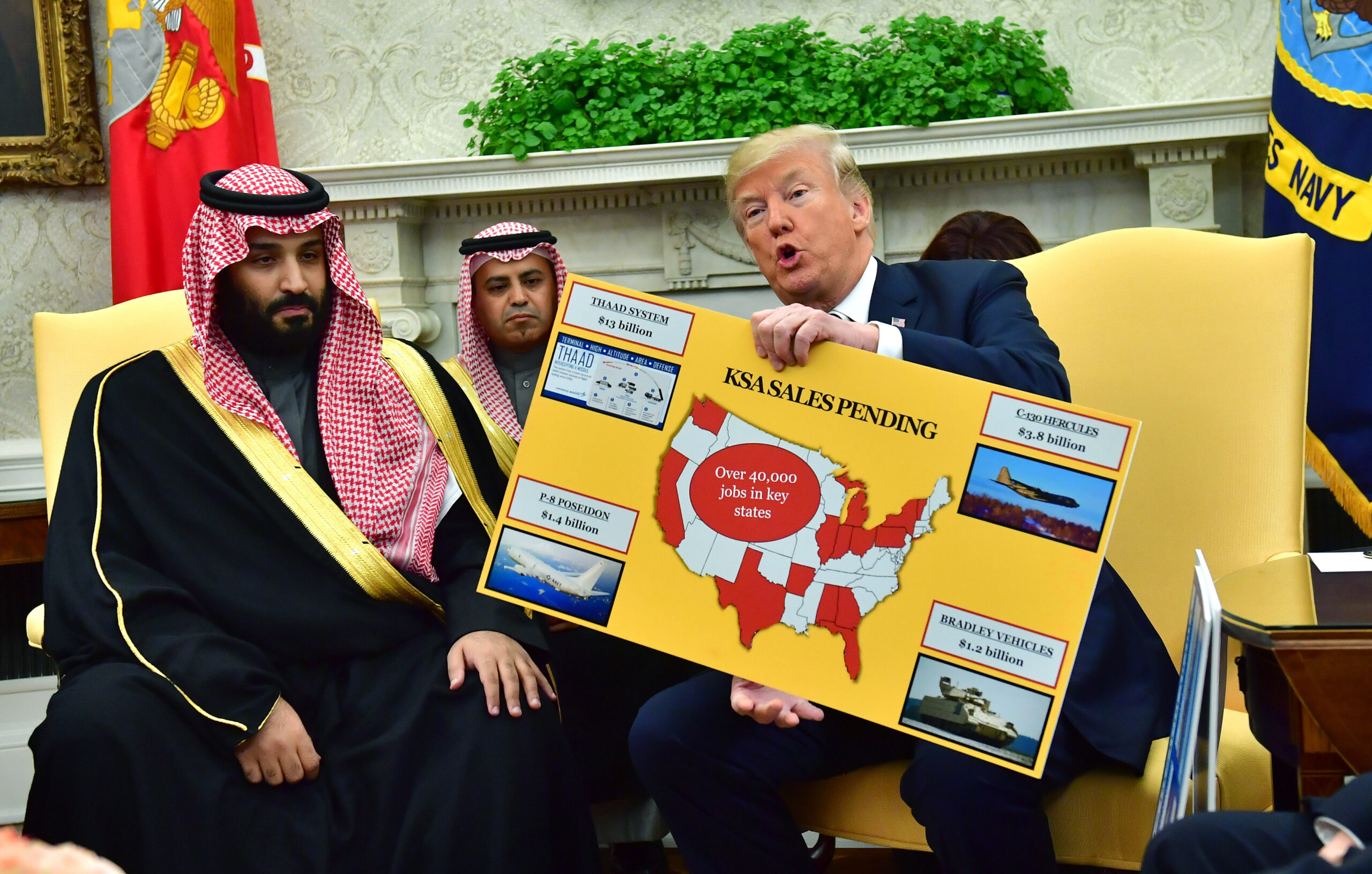
From Dependents To Allies: America's Gulf Relations Need Reform
During three major crises, each happening under a different administration, the U.S.-Gulf partnership failed to effectively address the security concerns of the Gulf states. While no partnership is perfect, such major and persistent breakdowns in coordination among longstanding security partners are uncommon, and can be deadly if left unresolved.
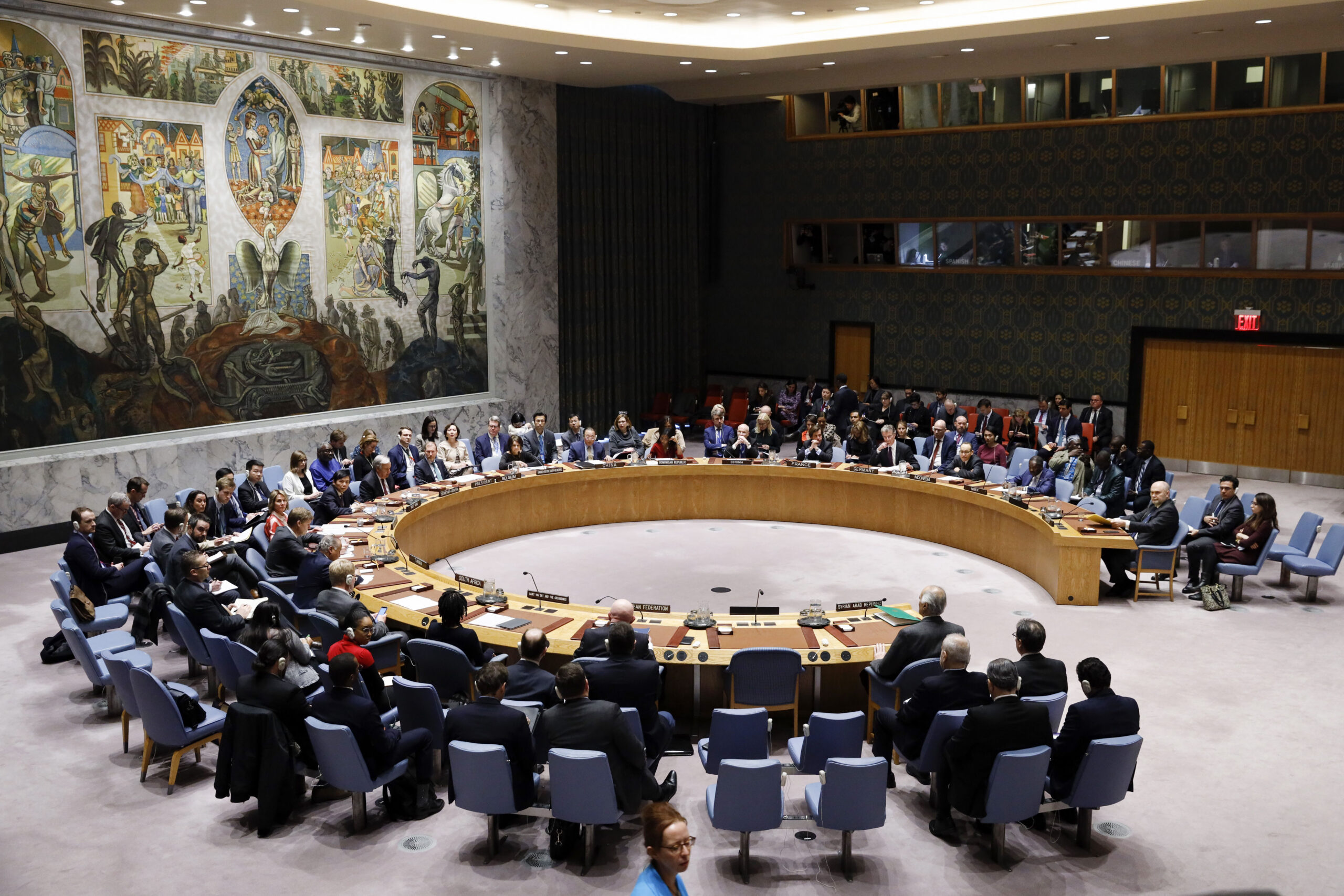
Monday Briefing: The UN Security Council must act now to save northwest Syria
This week’s briefing on recent news and upcoming events in the region featuring Dara Conduit, Marvin G. Weinbaum, Mark Heller, Syed Mohammad Ali, Gonul Tol, and Guled Ahmed.
Gulf regimes may oppose annexation, but they helped bring it about
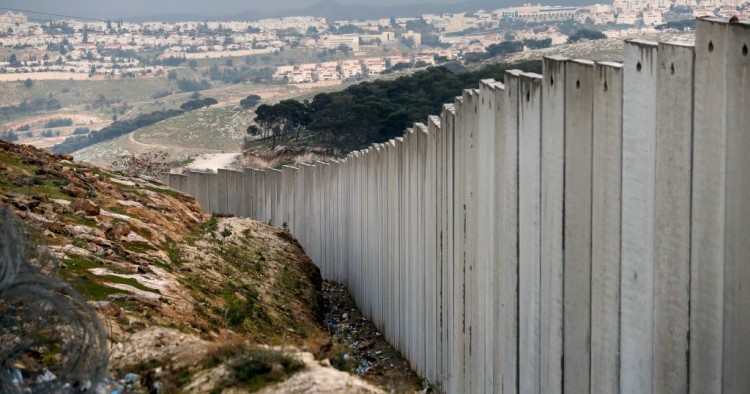
Leaders of Arab Gulf regimes now decry the attempt to implement the vision of the Israeli Right, which aims to prevent the establishment of a Palestinian state. But it is exactly the policies of the Arab Gulf regimes, through their normalization of ties with Israel at the expense of the Palestinians, that directly contributed to the rise of the Israeli Right and made this annexation more likely.
Is Ahmad al-Oda winning the “hearts and minds” of Daraa’s people?
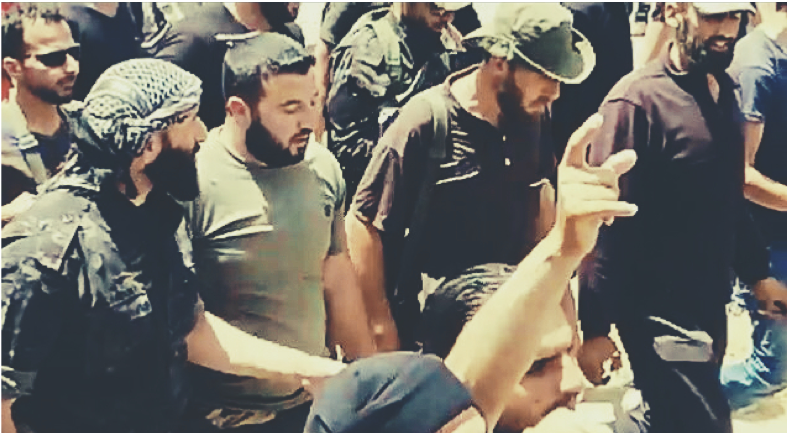
On June 20 a bus carrying soldiers from the Eighth Brigade of the Fifth Corps, travelling from Latakia to Busra al-Sham, hit a roadside IED near the town of Kahil in eastern Daraa, leaving nine dead and 13 injured. The following day, the funeral for the nine soldiers who died in the IED attack quickly turned into the largest protest Daraa has seen since 2018, including both Eighth Brigade fighters and hundreds of civilians from several nearby areas.
Syria: The Caesar Act takes effect amid unprecedented economic turmoil
While the regime and its allies have cast the current crisis as the result of Western sanctions, Syria’s economic troubles are largely due to the regime’s “Assad or we burn the country” policies.
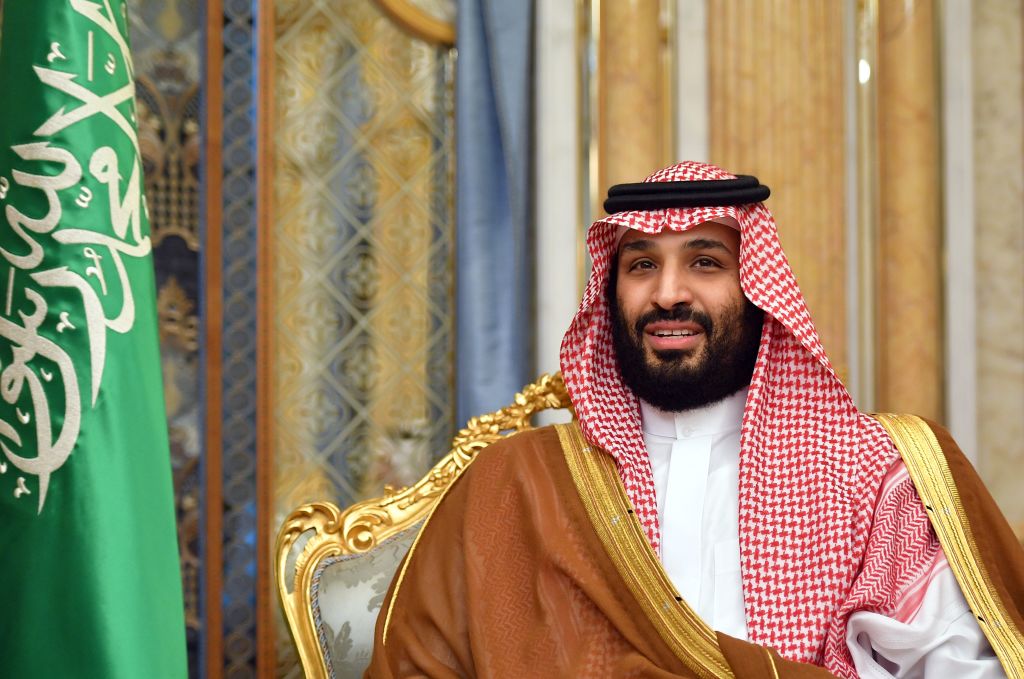
Mohammed bin Salman marks 1,000 controversy-filled days as crown prince
As MbS approaches three years as Saudi Arabia’s crown prince and, in the eyes of many, the de facto ruler of the kingdom, he remains an enigmatic figure on the world stage.
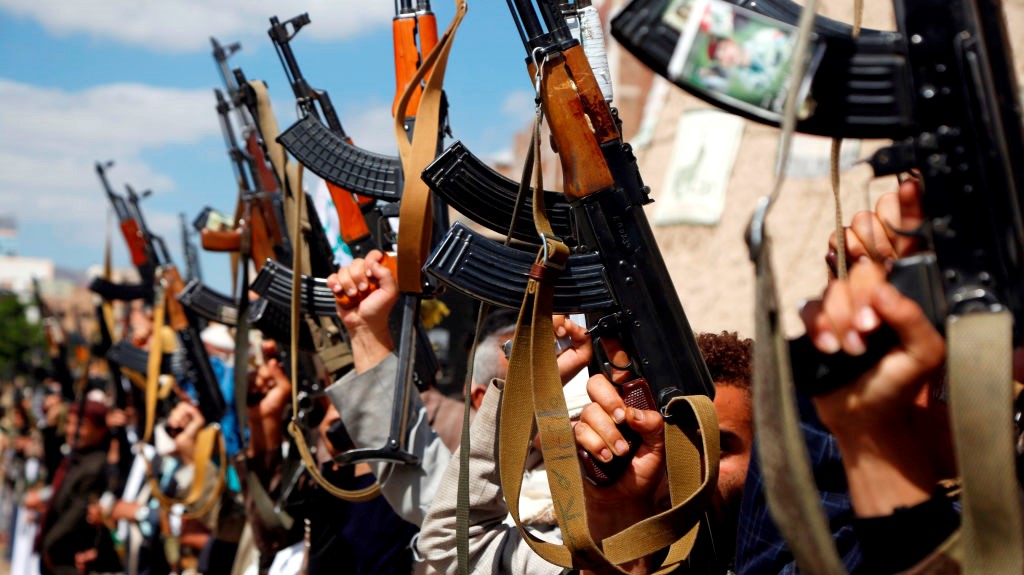
What happened in al-Awadh illustrates how the tribes are increasingly caught between the brutality of the Houthis and the incompetence of the Yemeni government.
The Syrian Regime’s Combat Losses in Spring 2020, and What Lies Ahead
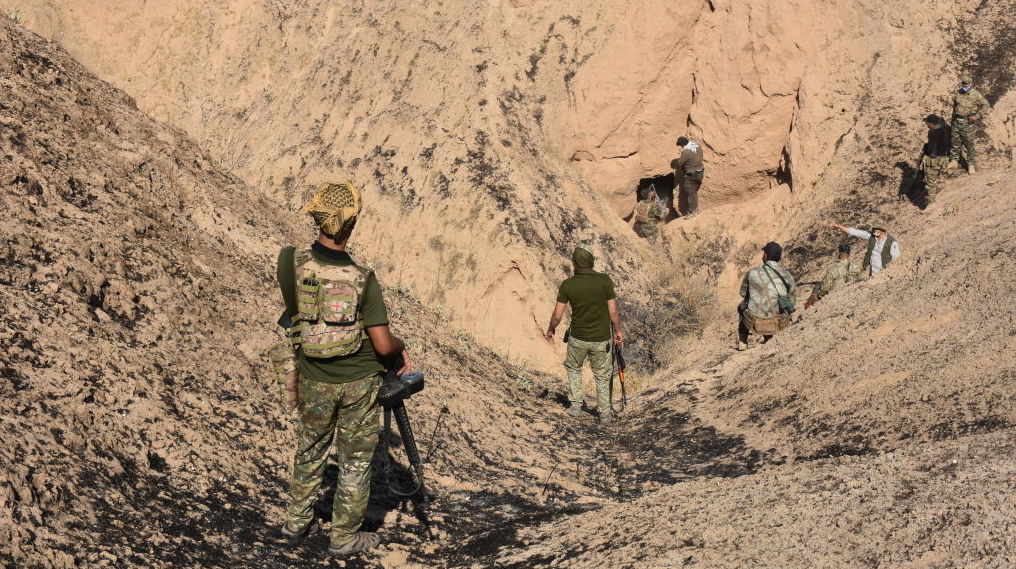
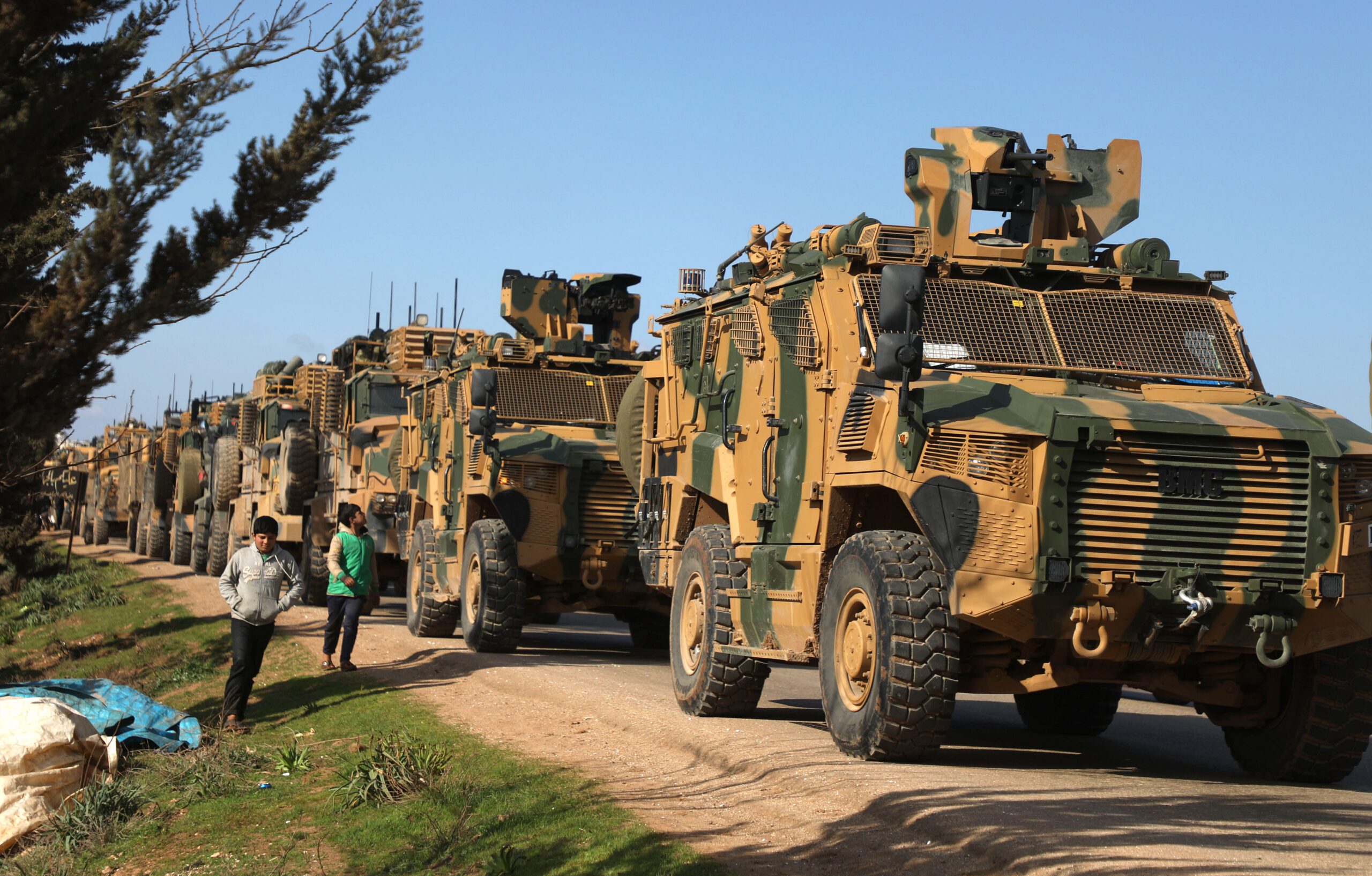
After a brief but deadly Turkish offensive in Idlib, a new phase of the Syria war began on March 5 with the signing of a Turkish-Russian cease-fire deal. Reported deaths dropped drastically following the cease-fire, and this spring has been defined by the slow attrition of pro-regime forces due to the two ingoing insurgencies in south and central Syria and the two frozen frontlines in the northwest and northeast.
Turkey, the Gulf, and Libya: The economic impact of a growing geopolitical divide
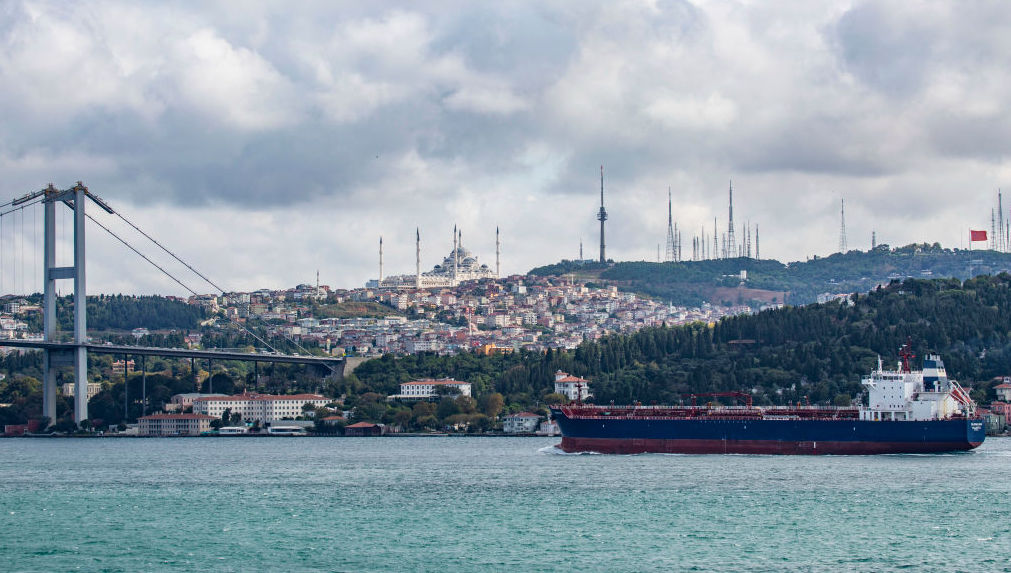
Turkish support for the Tripoli-based Government of National Accord (GNA) in the Libyan civil war has added a new dimension to relations between Turkey and Gulf countries like the United Arab Emirates (UAE) and Saudi Arabia. But what impact have the growing geopolitical divides and diplomatic disagreements had on Turkish-Emirati and Turkish-Saudi economic relations?
Syrians respond to COVID-19 with renewed volunteer and community efforts
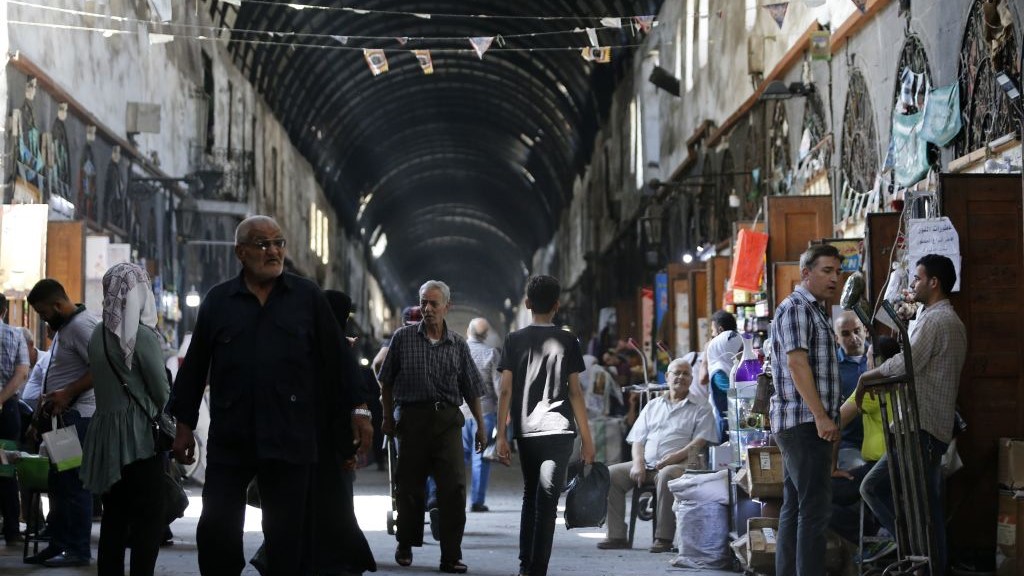
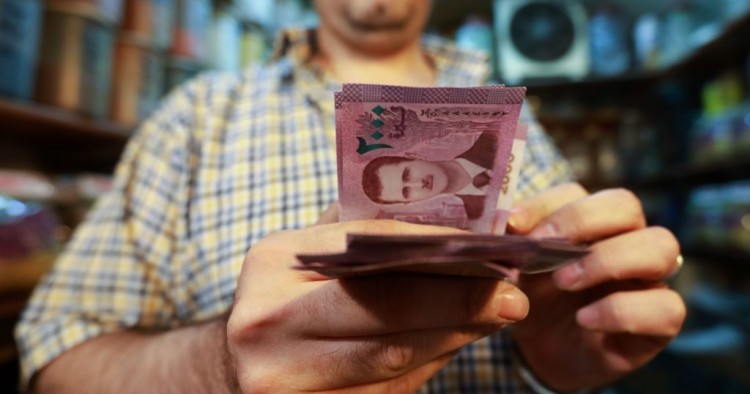
With an economy already on the brink of collapse and a shocking devaluation of the Syrian pound — hitting 3,175 pounds to the dollar earlier this month — the COVID-19 pandemic has come at an exceptionally dangerous time in Syria.
The administration hopes additional economic pressure will compel Damascus to take a series of political gestures, including releasing political prisoners and establishing an accountability process for the atrocities its forces committed.
Sam Dagher, Danny Makki and Karam Shaar join guest host Charles Lister to discuss the recent deterioration of Syria’s economy and what it means for the country, the Assad regime, and the rest of the region moving forward. As aggressive new US economic sanctions targeting the regime are set to go into effect in a few days, 85% of Syrians are in poverty and the country faces a wheat supply crisis.