Europe has a vested interest in a safe, secure, and prosperous Black Sea
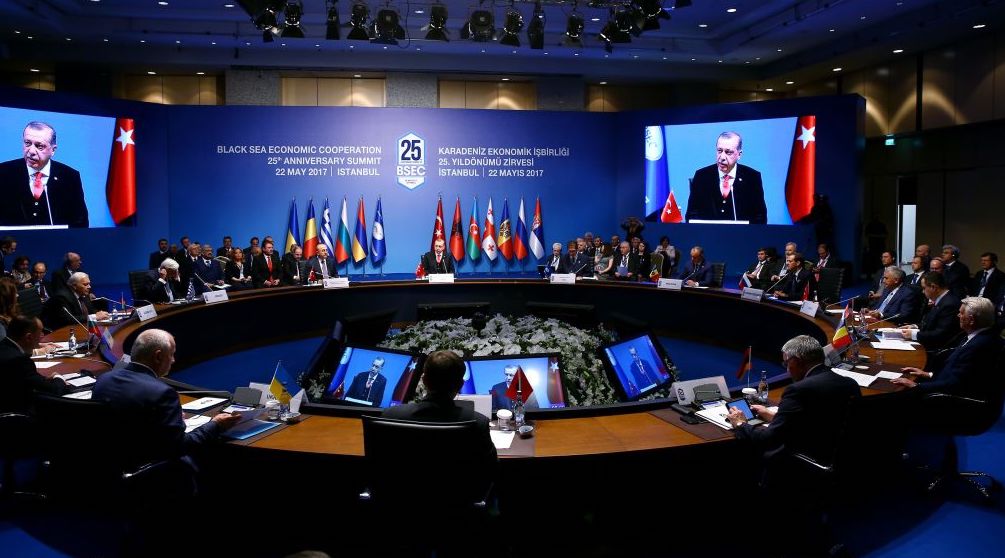
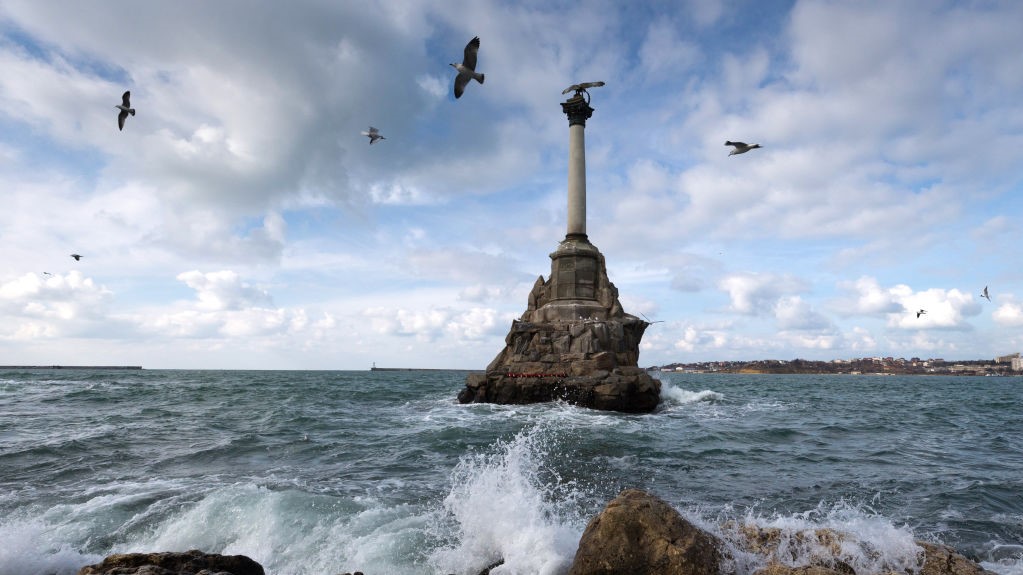
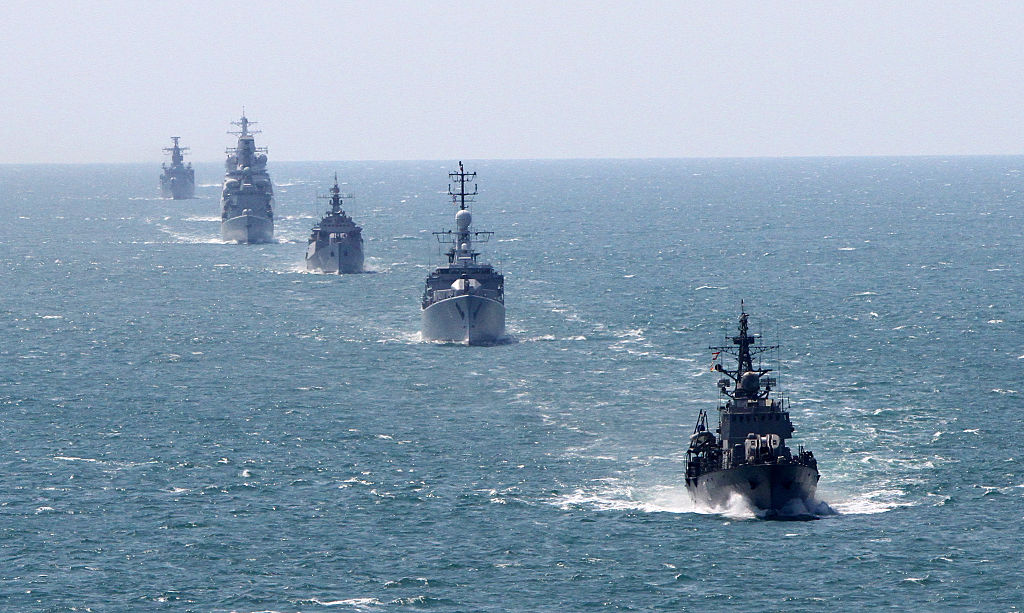
The European Union’s interest in the Black Sea is based mainly on the fact that two of its members, Romania and Bulgaria, are littoral states. However, the organization is also closely linked with other non-EU Black Sea states, be it economically or politically. Ukraine and Georgia aspire to be EU members while Russia and Turkey both have their own unique and difficult relationships with the EU.
Iran and Russia: A tale of unfulfilled economic potential
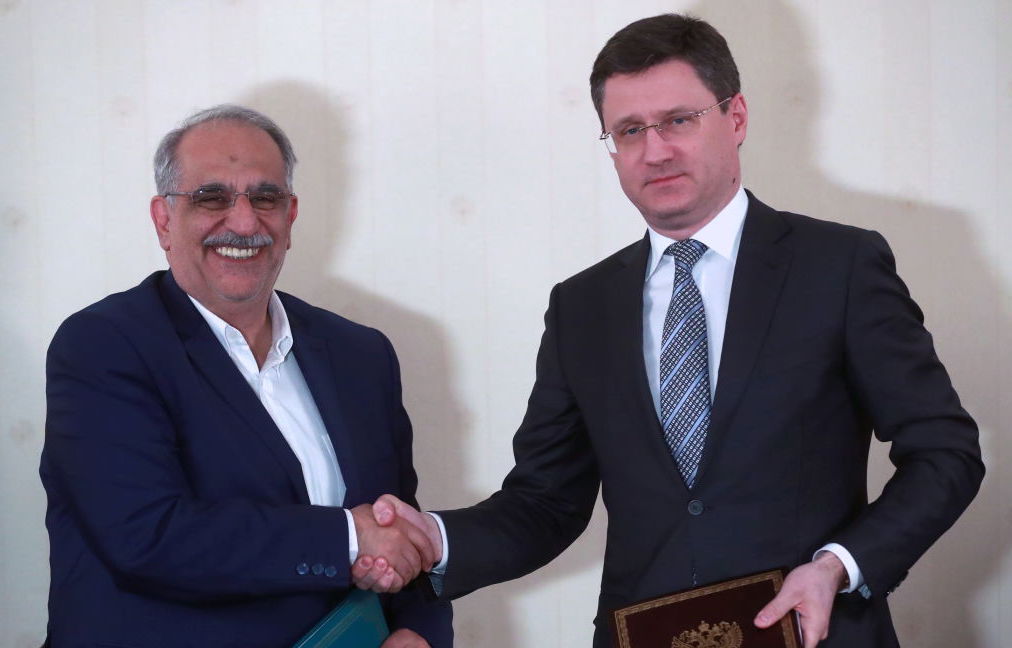
The outbreak of a Russian-Saudi oil price war earlier this month might offer some comfort to Iran, a country which has in recent years become unnerved by the increasingly close ties between Moscow and Riyadh. However, it is premature to see an Iranian geopolitical win emerging from the Russian-Saudi spat, and history should give Tehran plenty of reservations about Moscow’s ability to deliver on its economic promises to Iran. While Iran and Russia will likely continue to pay lip-service to the idea of an economic partnership, each side will remain preoccupied with larger concerns. This is a tale of unfulfilled economic potential.
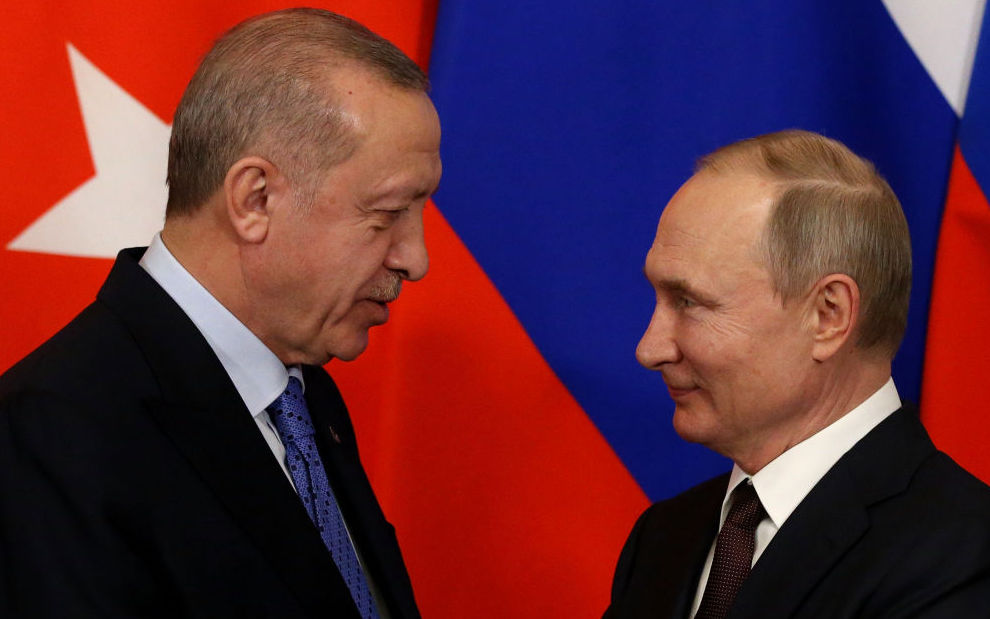
After Turkish President Recep Tayyip Erdogan hammered out a deal with his Russian counterpart Vladimir Putin on March 5 to bring an end to the fighting in Idlib in northwestern Syria, he said he was hopeful that the two countries could extend their cooperation to Libya.
Can Palestinian citizens of Israel teach other Arabs a lesson in democracy?
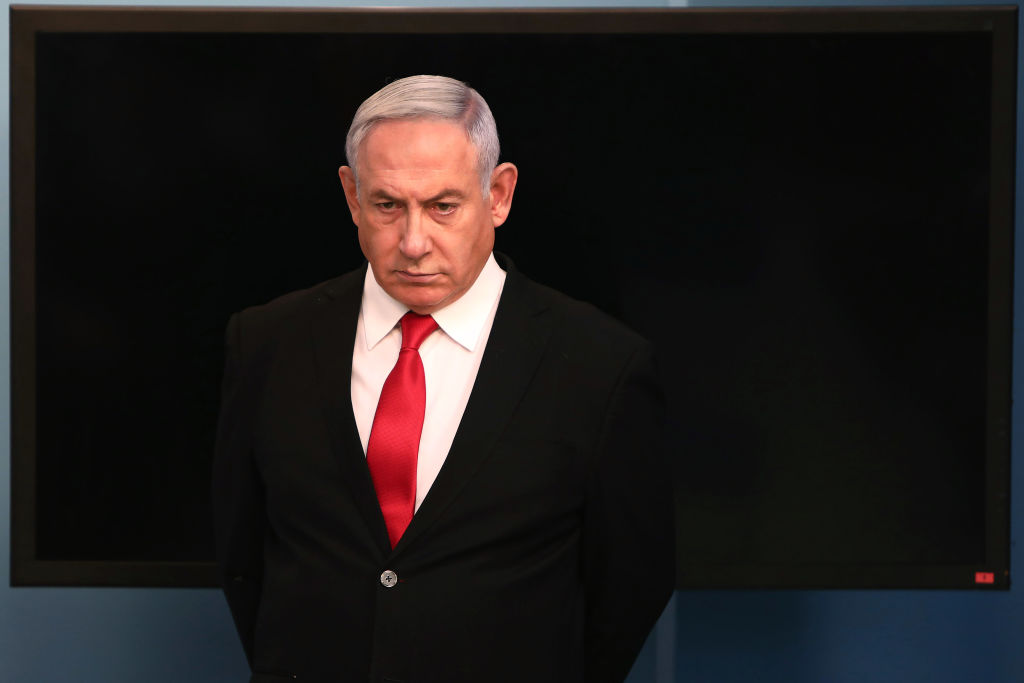
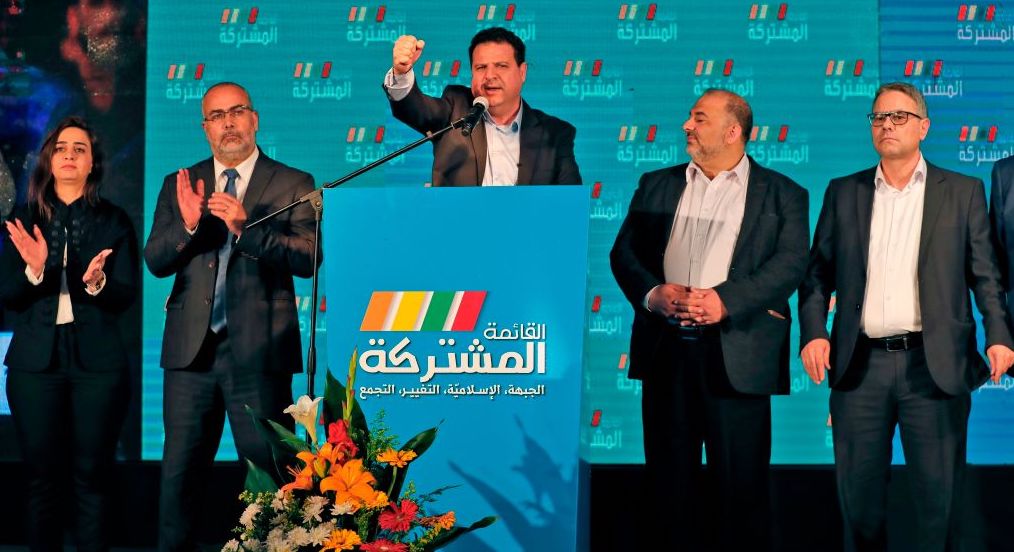
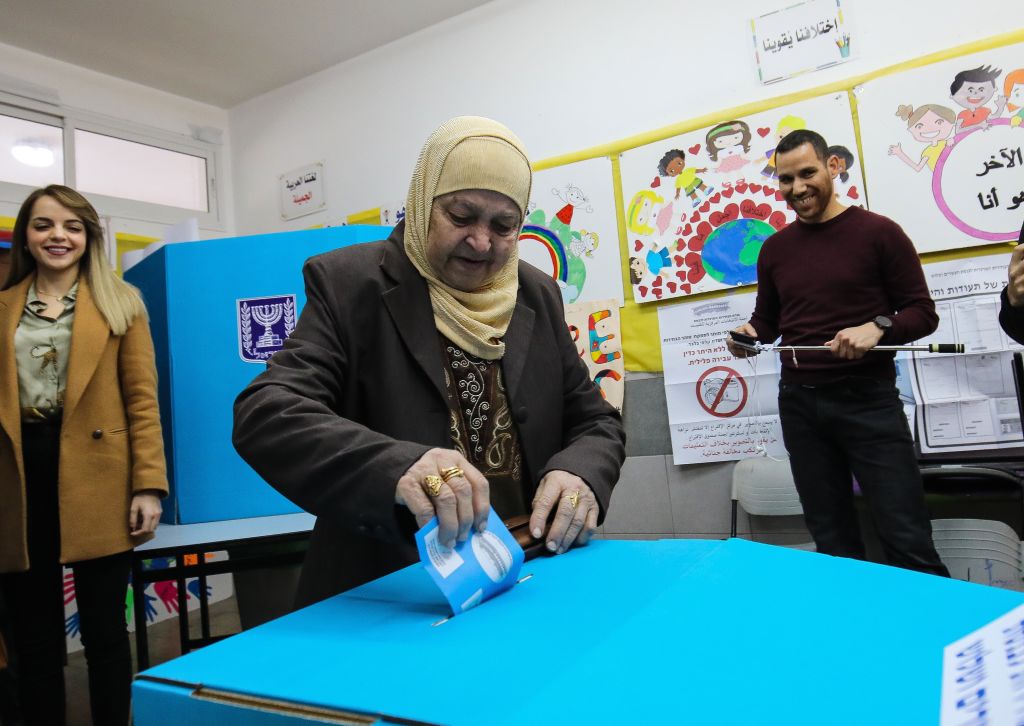
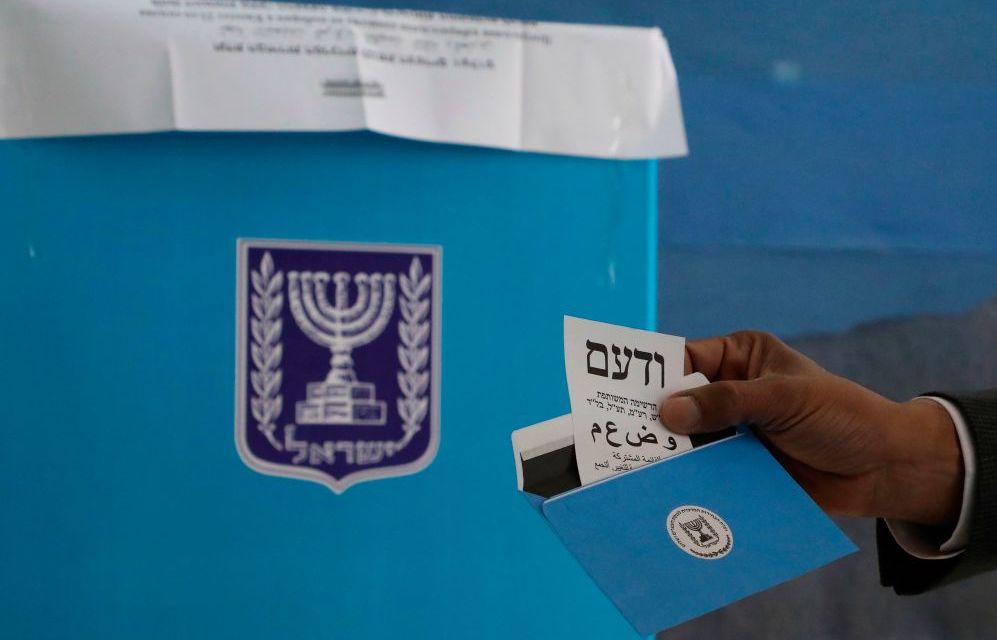
While attention in the third Israeli general elections in a year has focused on the performance of the caretaker prime minister Binyamin Netanyahu, a powerful light must be shed as well on the successful performance of Israel’s Palestinian citizens, who again increased their representation in Israel’s parliament.
Black Sea conflicts: Militarization and peacebuilding
The sheer density of protracted conflicts in the Black Sea region makes it particularly exposed to the geopolitical ambitions of regional and global powers. The rapid militarization in Russia-controlled territories in recent years has only added fuel to the fire, dramatically increasing security concerns and underscoring the need for the West and its allies in the region to address the so-called frozen conflicts.
And now what? A realistic approach to the Israeli-Palestinian impasse
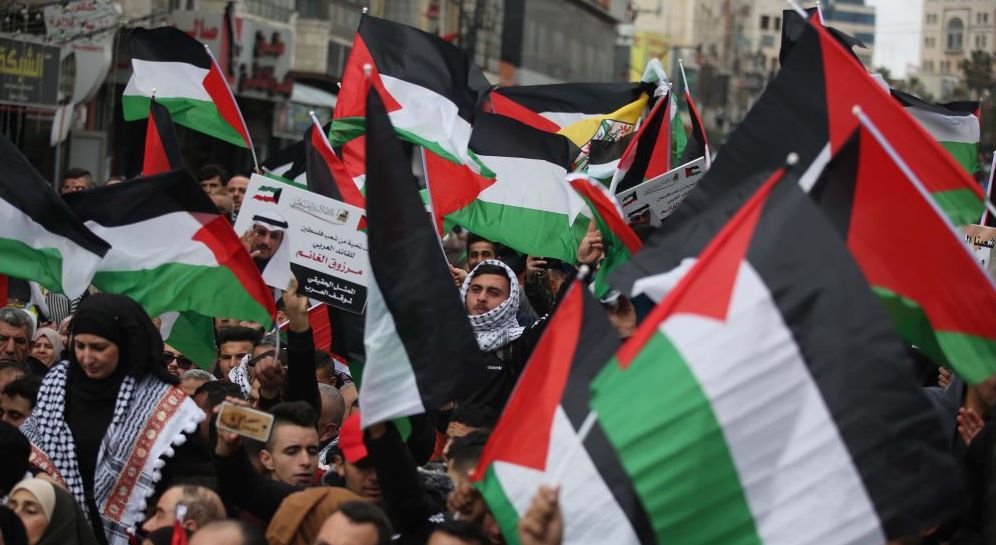
The announcement of Donald Trump’s “deal of the century” was a rude shock, roundly condemned by almost everyone concerned with peace and justice between Israelis and Palestinians. But it also presents an urgent challenge for all those who reject it because they realize the dire implications of what it portends for the future of any peaceful negotiated solution. If a genuine two-state solution is truly dead, and an equitable one-state solution is even harder to achieve, then where does that leave us? What is, or should be, the agenda for the foreseeable future for those concerned with the Israeli-Palestinian issue.
Geopolitics and propaganda: Lessons from the Black Sea
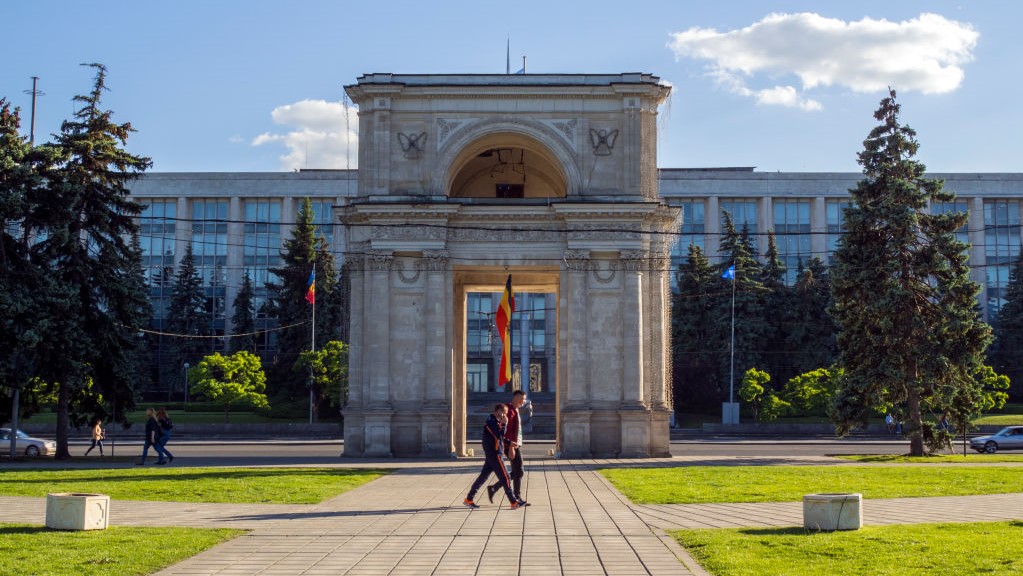
Since Russia’s 2014 annexation of Crimea, malign foreign influence within EU countries has been the subject of considerable scrutiny. What lessons can be learned from comparing EU and NATO members Romania and Bulgaria with partner countries Moldova and Georgia?
The Black Sea is a very important region for NATO, and has not received the attention it deserves; a separate focused NATO strategy and support for countries in the Black Sea would send a message that the Alliance takes the region seriously.
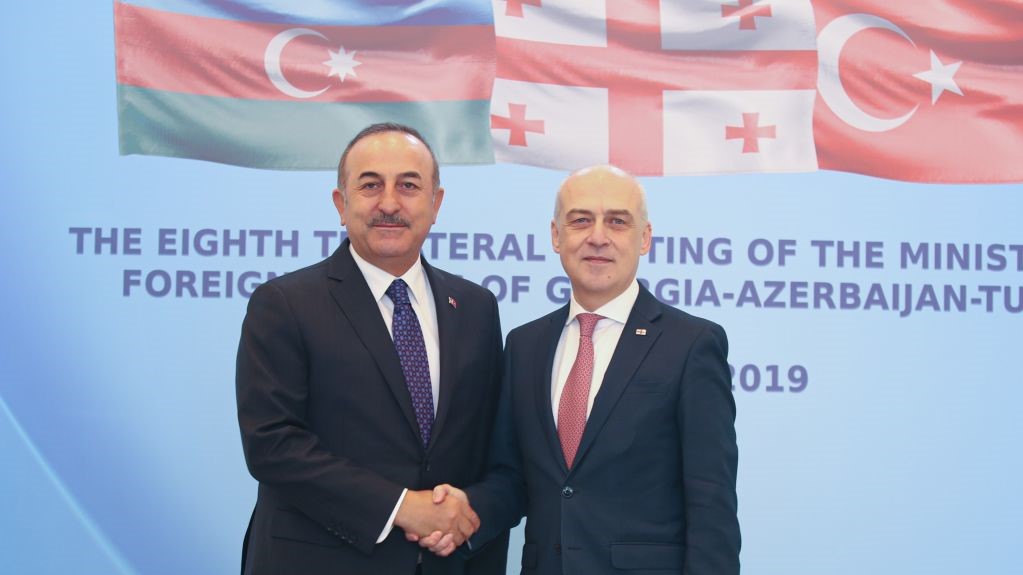
As Turkey-Russia ties warm, will Georgia be left out in the cold?
Turkey’s blossoming relationship with Russia has not only raised eyebrows in Washington and Western European capitals, it has also caused a great deal of discomfort in countries like Georgia that have borne the brunt of Russian aggression. A few recent scattered signals from Ankara, however, might comfort Turkey’s northeastern neighbor.
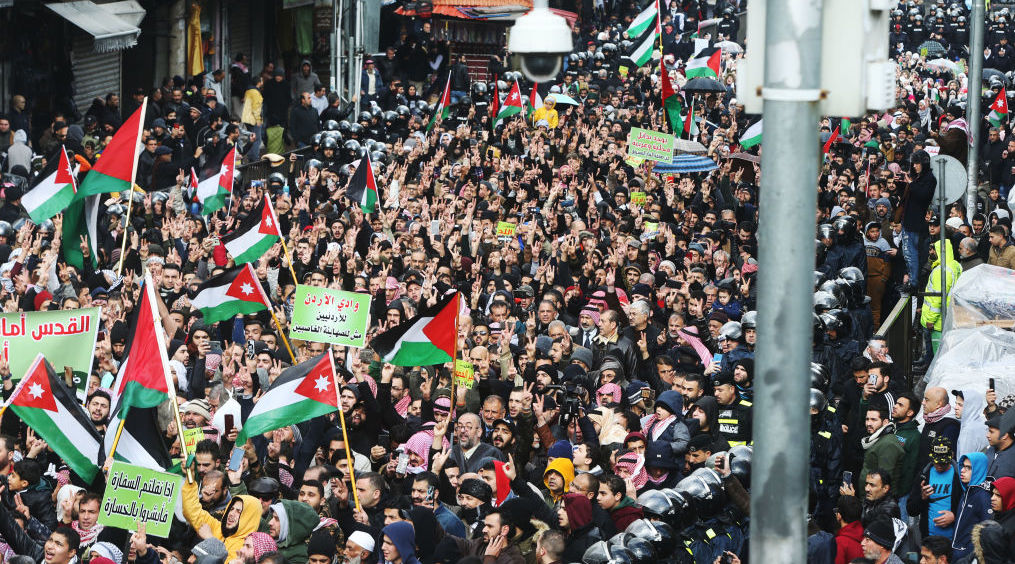
Why Jordan was so quick to reject Trump’s peace plan
Jordan’s response to President Donald Trump’s so-called “deal of the century” has been quick and unequivocal. Less than an hour after the release of the peace plan at a White House ceremony on Jan. 28, Jordanian Foreign Minister Ayman Safadi issued a statement in which he reiterated Amman’s support for the two-state solution and the Arab Peace Initiative (API) as the only path to a just and lasting settlement to the Israeli-Palestinian conflict, without referring directly to the Trump proposal.