The GCC, US-China tech war, and the next 5G storm
The U.S.-China rivalry is in uncharted territory. There is no clearer example of this than the U.S.’s intensifying and increasingly global fight with Chinese company Huawei over the security of 5G.
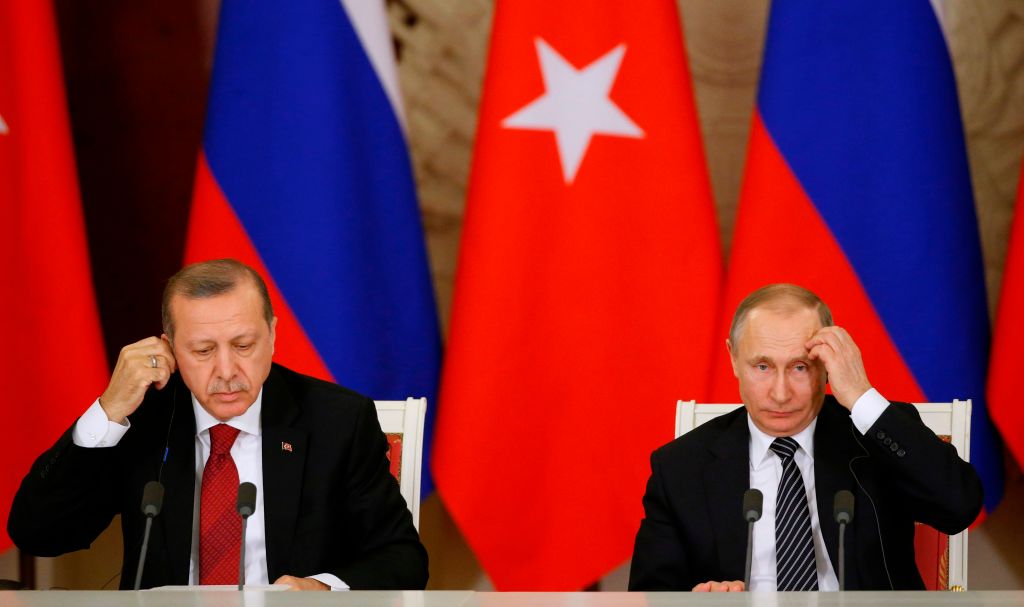
Moscow has been scaling down its activities in eastern Syria and the most likely reason for this inertia lies in Moscow’s reluctance to be associated with actors seeking to erode the quasi-autonomy of the Trans-Euphrates region. Instead, Russia prefers to stand to the side and watch events unfold, while contemplating the right moment to jump in as a mediator and reap the political rewards.
Soldiers refuse to stand with protesters amid growing criticism from Hezbollah.
The increasing adoption of biometric technology by governments, aid organizations, and other stakeholders in the Middle East has critical implications for regional developments in business, governance, and society. And while some observers and stakeholders have noted the potential for such tools to streamline security infrastructure and provide opportunities for sectors as diverse as mobile payment and financial security, a growing chorus of voices has raised concern about the potential of biometric data to similarly streamline violations of human rights, particularly those of the region’s most vulnerable populations.
The relationship between the Middle East and the Horn of Africa is centuries-old and complex. While the world’s attention is focused mainly on the “great power competition” in the region, primarily between the U.S. and China, the Horn of Africa has also become a central battleground for influence among competing regional players, principally Saudi Arabia, the UAE, Turkey, Qatar, Iran, and Egypt. As they pursue their interests in the region, from Ethiopia and Sudan to Somalia and Djibouti, these competing states are the main drivers of tension and instability in the Horn of Africa.
No matter how one reads the diplomatic deal announced Thursday between Israel and the United Arab Emirates—and there will surely be many supporters and detractors given its historic nature—there is one conclusion that seems irrefutable: Israel was the biggest victor.
When the Saudi-led coalition launched military operations against the Houthi insurgents on March 26, 2015, all of the Gulf Cooperation Council (GCC) states, except for Oman, joined the multinational force. As has become clear, each of the Arab Gulf sheikdoms has its own national interests and unique history of relations with Yemen and Yemeni factions, and these have shaped their changing perceptions of the war over the past five and a half years. Kuwait’s role in Yemen’s multidimensional conflict is a case in point.
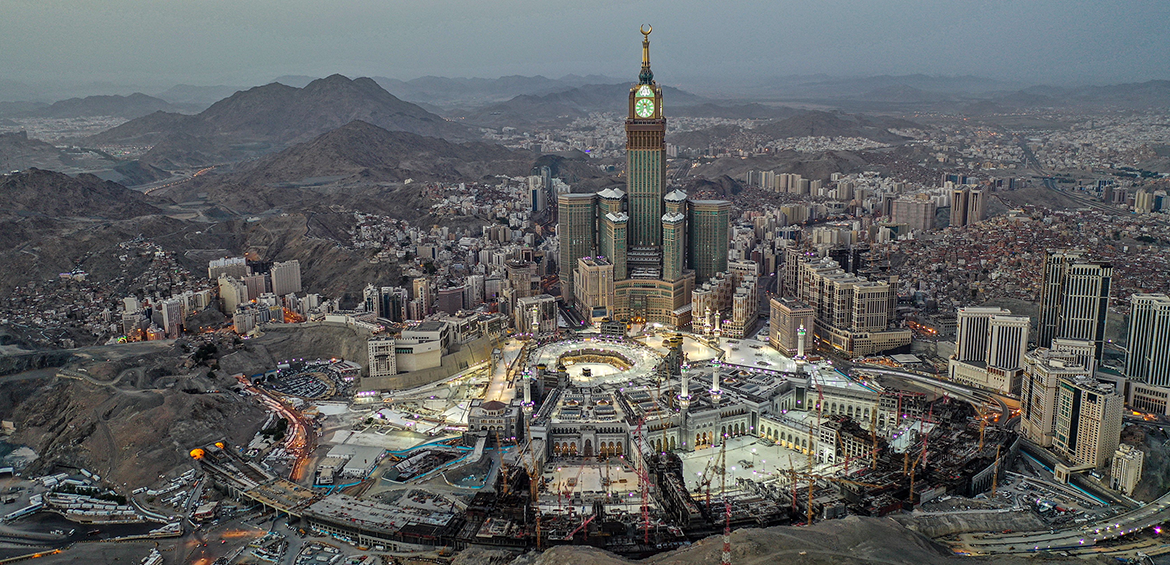
As many of the Gulf states pivot away from oil and gas, they have turned to digital development as a way to attract foreign investment and spur domestic growth. A critical part of these digital transformations is the widespread adoption of 5th generation mobile communication networks (5G). Large-scale investment in 5G rollouts in Saudi Arabia, Qatar, the United Arab Emirates (UAE), and Bahrain reflect this reality.
In an unexpected and disappointing turn of events, Turkey’s ruling Justice and Development Party and its parliamentary ally, the Nationalist Action Party, rushed through a stifling social media amendment to Turkey’s Internet Act.
The Israelis and Hezbollah are at it again. Earlier this week, they seem to have skirmished in the Shebaa Farms area. In their latest exchange of fire, or fiery statements, Israel and Hezbollah are continuing a new tradition of contained conflicts — one stretching back five years, when the Israelis stepped up efforts to interdict weapons shipments, destroy infrastructure, and kill Iranian or Iranian-supported officials and fighters in Syria (and indeed Iraq).
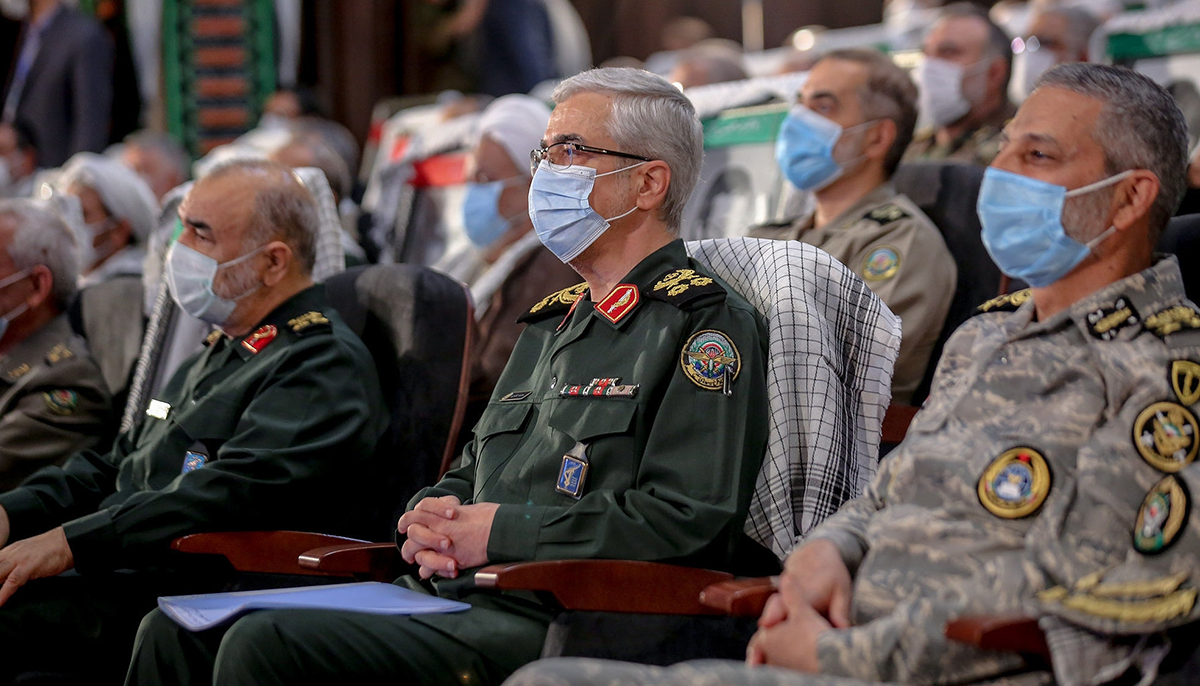
I don’t understand why Iran’s Revolutionary Guards insist on conducting military exercises in the Gulf waters that are as devoid of credibility as they are comical. Because if the goal of these drills is to intimidate or change the calculations of the U.S. Navy, nobody is flinching or losing any sleep in the Bahrain-headquartered U.S. Naval Forces Central Command, or NAVCENT.
If elected, Joe Biden and his administration will face a wide range of foreign policy challenges. Possibly none will be more vexing than what to do about the clerical regime in Iran.
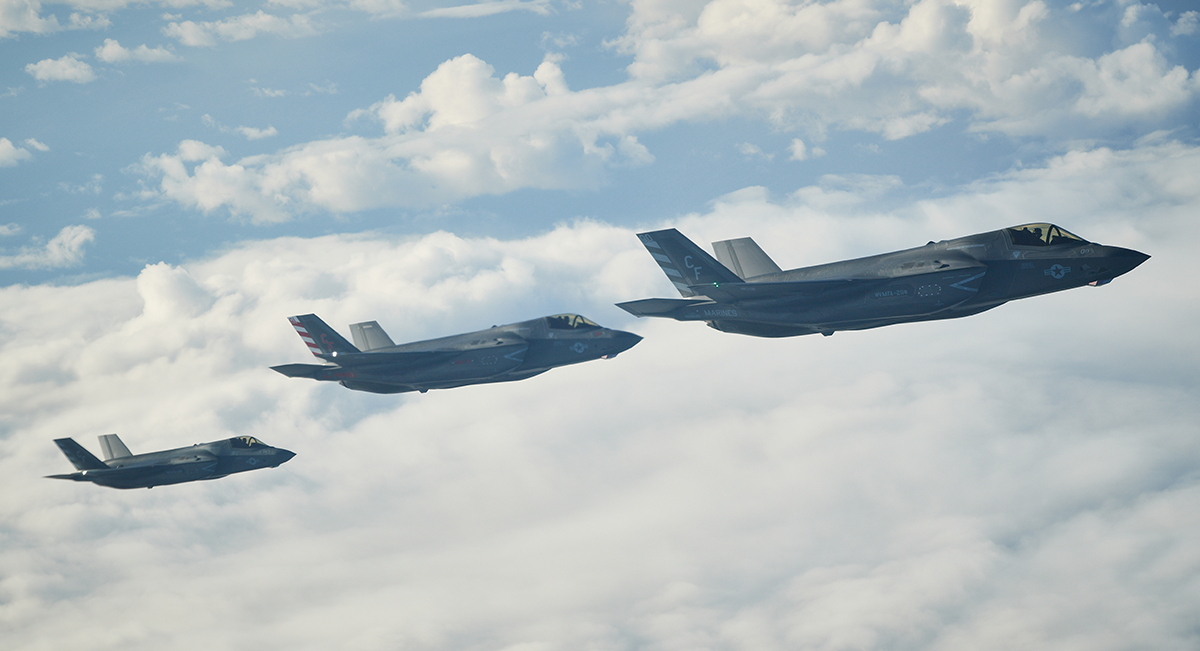
With allies and direct lines to Beijing, Washington must do more to keep China’s presence in the region from becoming a threat.
While it seems as though the immediate threat of Israeli annexation has, for the time being, faded, the incident raises an interesting new set of questions about how this particular battle will continue to play out in an increasingly digitized Middle East and the potential for retaliation by Palestinian and other actors in cyberspace, whether or not such an annexation takes place.
On the 10th anniversary of the discovery of the Stuxnet computer virus, designed by the U.S. and Israel to target Iran’s nuclear program, the Islamic Republic is facing a new wave of unclaimed acts of sabotage.