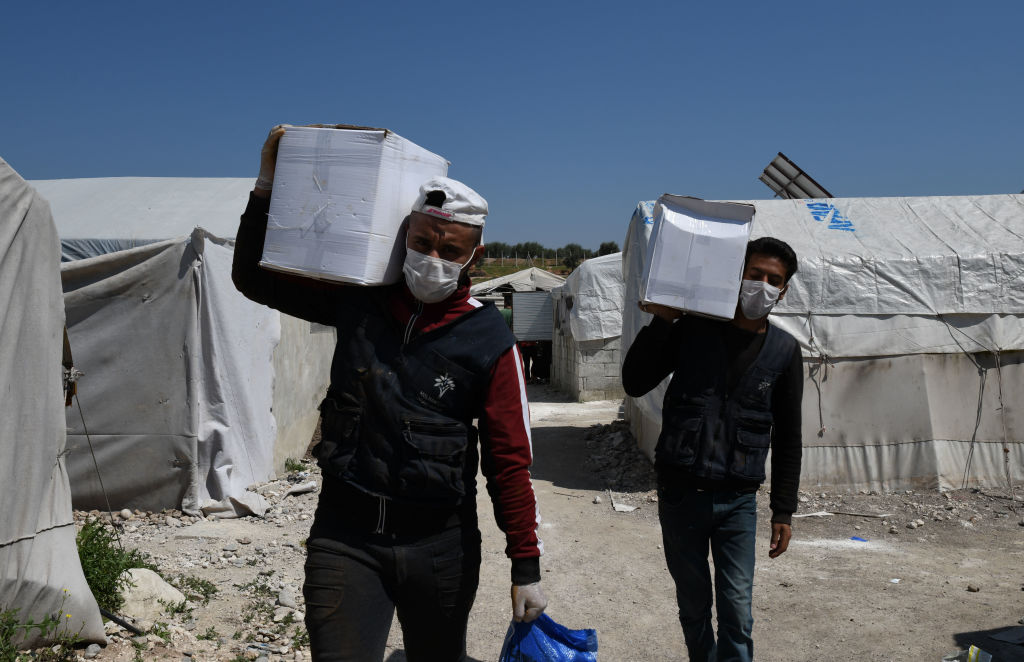
روسيا تنهي مهمة إعادة هيكلة الجيش السوري.. بعد الفشل
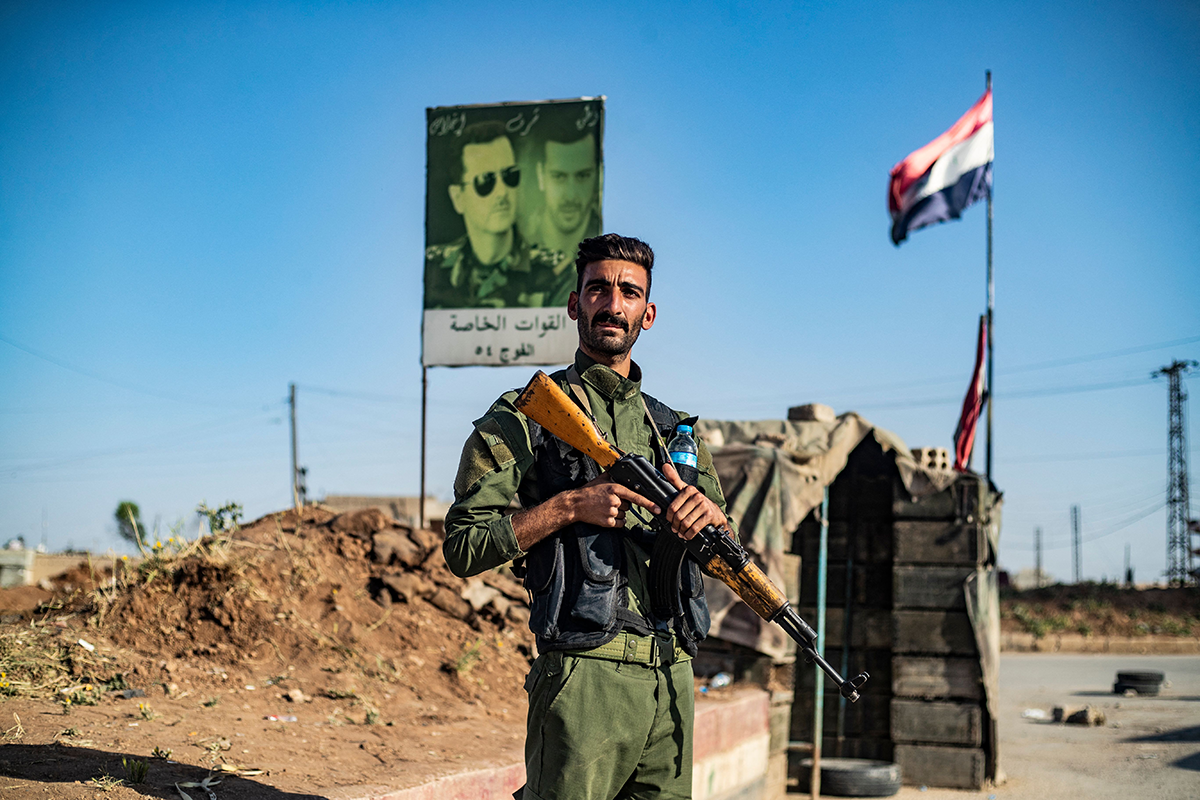
منذ بداية الانتفاضة السورية مايو 2011 وحتى صيف العام 2015، فشلت الميليشيات الإيرانية إلى جانب الجيش السوري والميليشيات المحلية في إعادة السيطرة على البلاد، على الرغم من العدد الهائل لمجموع هذه القوات أمام المتمردين الذين كانت حركتهم فوضوية في مقابل أجهزة أمنية وقوات منظمة، حيث سيطرت هذه القوات المتمردة على النظام السوري مساحات واسعة من سوريا.
Russia’s failed efforts to restructure the Syrian army
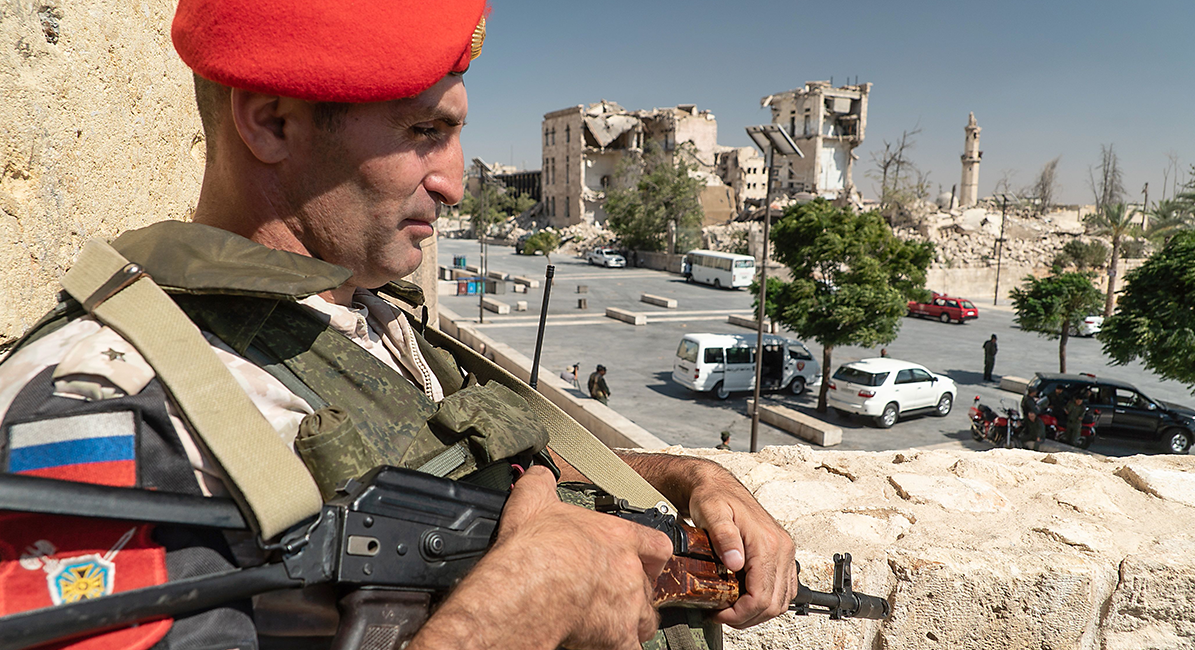
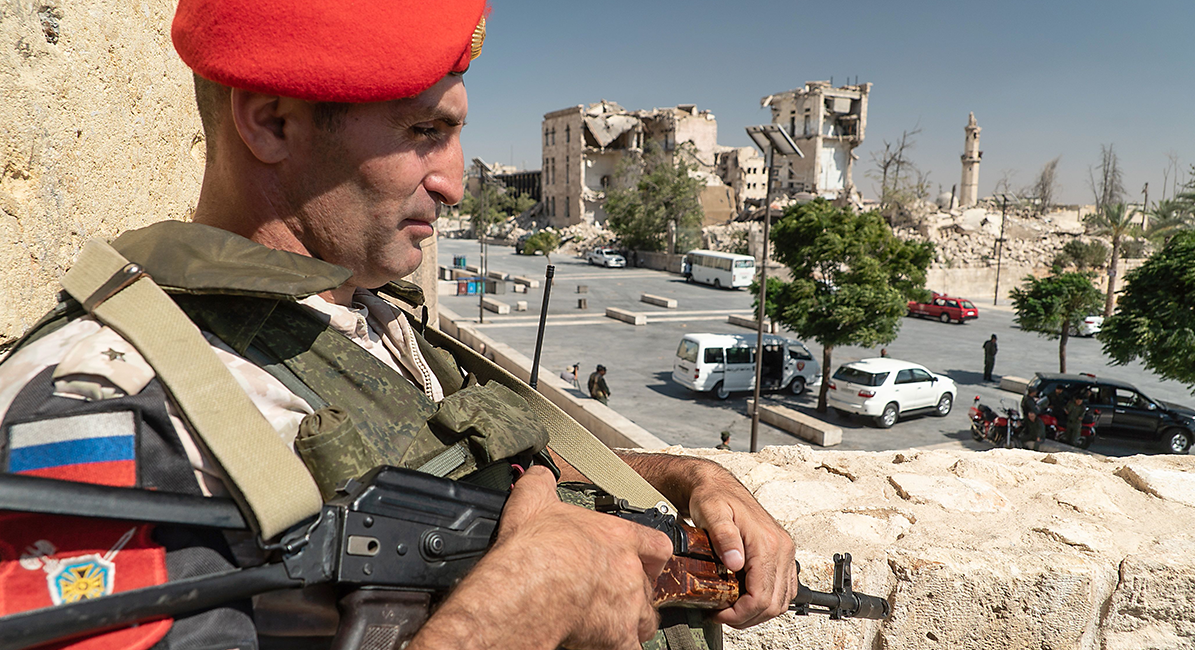
The Russian military intervention in Syria in late 2015 brought about a clear change in the balance of power in the military, political, and psychological spheres. The Russian military, especially its air force, dramatically tipped the scales in the conflict between the armed opposition, the regime, and the Iranian militias. Moscow’s intervention was also accompanied by a project to regain control over the security and military situation in Syria, but this effort proved far less successful.
Consolidating Saudi-Omani relations under Sultan Haitham
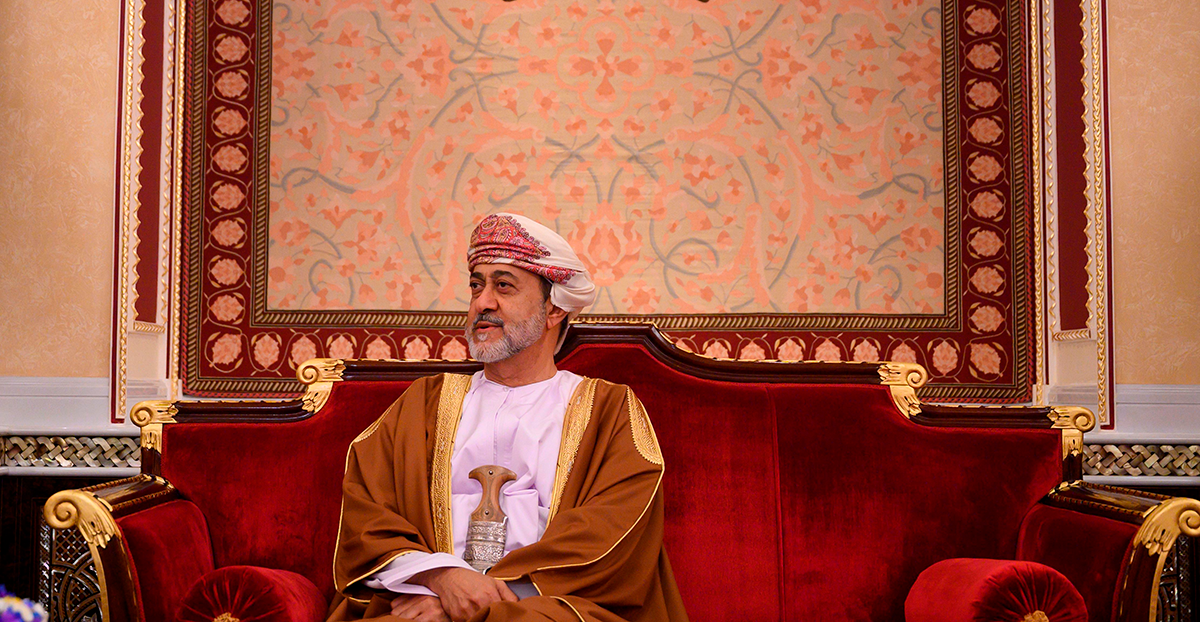
Sultan Haitham bin Tariq al-Said arrived in Neom, Saudi Arabia, on July 11, 2021, in his first foreign trip since becoming the sultan of Oman on Jan. 11, 2020. At the start of his two-day visit to the kingdom he was met by King Salman and accompanied by a high-level Omani delegation. A slew of new agreements were signed across commerce, culture, and transport.
Exploring the rising workforce participation among Saudi women
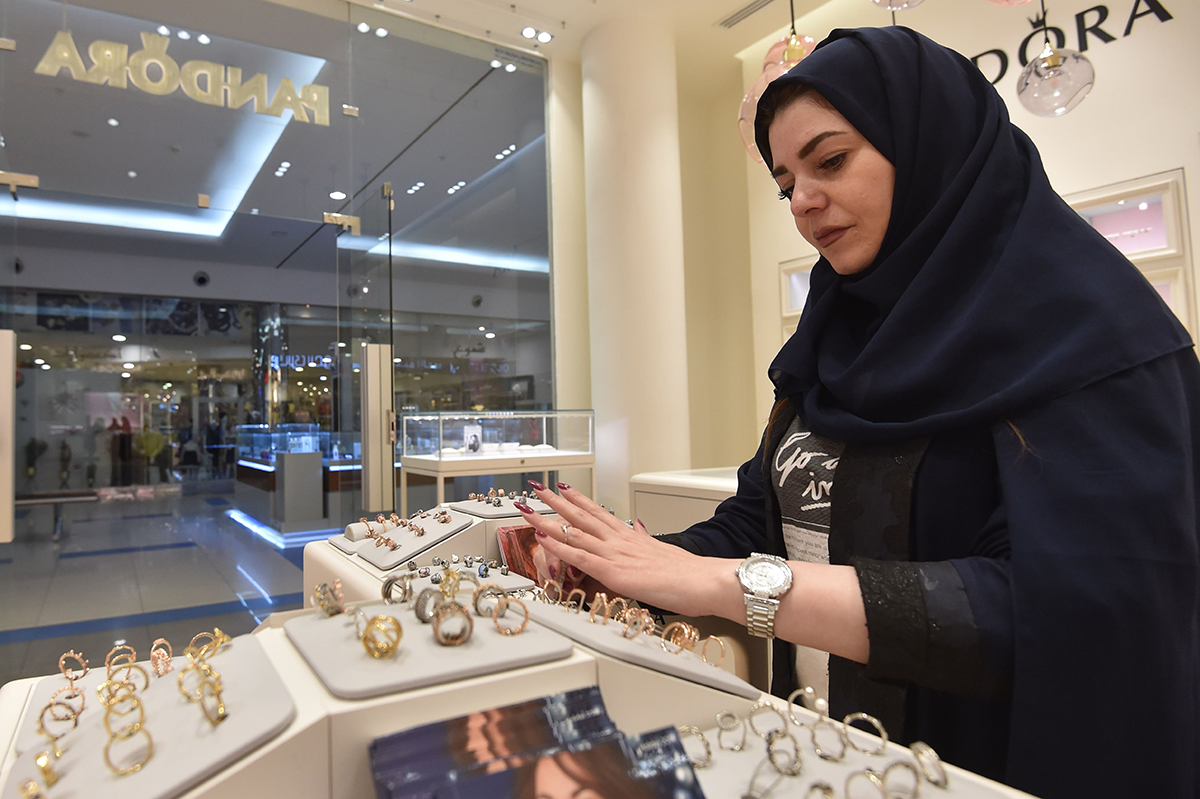
In the past few months, several articles have been written on the significant rise in the Saudi female labor force participation rate (LFPR) from 17.7% in Q2, 2016 to 33.2% in Q4, 2020. Interestingly, this increase in female LFPR was not coupled with a rise in unemployment, which often occurs when workforce participation rises for a particular group. In fact, the unemployment rate among female nationals declined to its lowest level in four years, at 24.4% in Q4, 2020. However, it still remains over twice as high as that for male nationals. Another positive labor market indicator, albeit one receiving little attention from analysts, is the significant change in the employment rate among Saudi women. In other words, Saudi women not only increased their share in the workforce, but were also able to gain jobs once they entered the labor force.
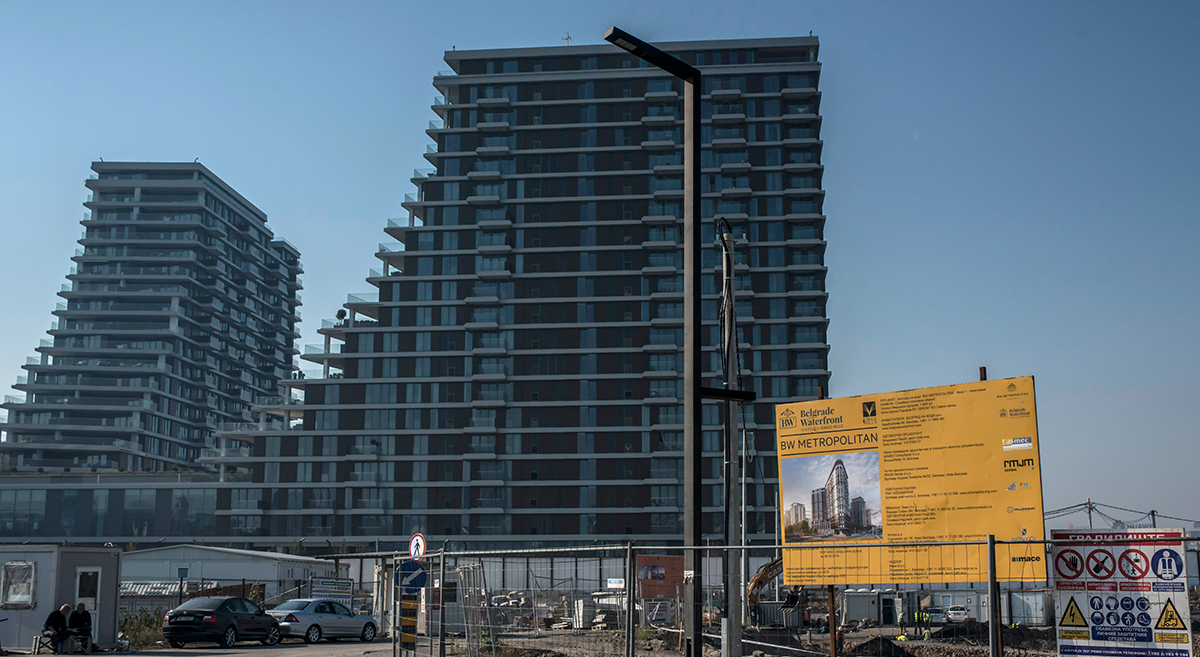
On July 1, 2021, Serbian President Aleksandar Vučić, accompanied by Mohamed Alabbar, an entrepreneur and the chairman of UAE real estate firm Eagle Hills, attended a ceremony in Belgrade. It commemoratedthe final work on a tower within Waterfront Belgrade, a major real estate project funded by the UAE. The ceremony was an illustration of the growing ties between Serbia and the UAE, which over the past nine years has become Belgrade’s primary partner in the Arab world. The UAE has also emerged as a source of cash and an instrument of domestic political promotion for the Serbian leadership.
إيران خسرت أولى معاركها في القامشلي وحدود سيطرة جديدة فرضتها معركة حي طي
في أواخر شهر نيسان إبريل الماضي، شهد حي طي الواقع جنوبي مدينة القامشلي في محافظة الحسكة السورية، اشتباكات عنيفة بين قوات “الدفاع الوطني” التابعة للنظام السوري وقوات “الأسايش” التابعة للإدارة الذاتية “الكردية”، هذه الاشتباكات انتهت باتفاق تم بين الطرفين برعاية روسية.
Iran’s loss in Qamishli’s Tayy neighborhood results in a shift in the boundaries of control
At the end of April, the Tayy neighborhood, in the southern part of the city of Qamishli in Syria’s Hasaka Province, witnessed violent clashes between the National Defense Forces (NDF) of the Syrian regime and the Internal Security Forces (Asayish) of the Kurdish Autonomous Administration of North and East Syria (AANES). The conflict ended with the negotiation of a permanent truce between the two parties under Russian auspices.
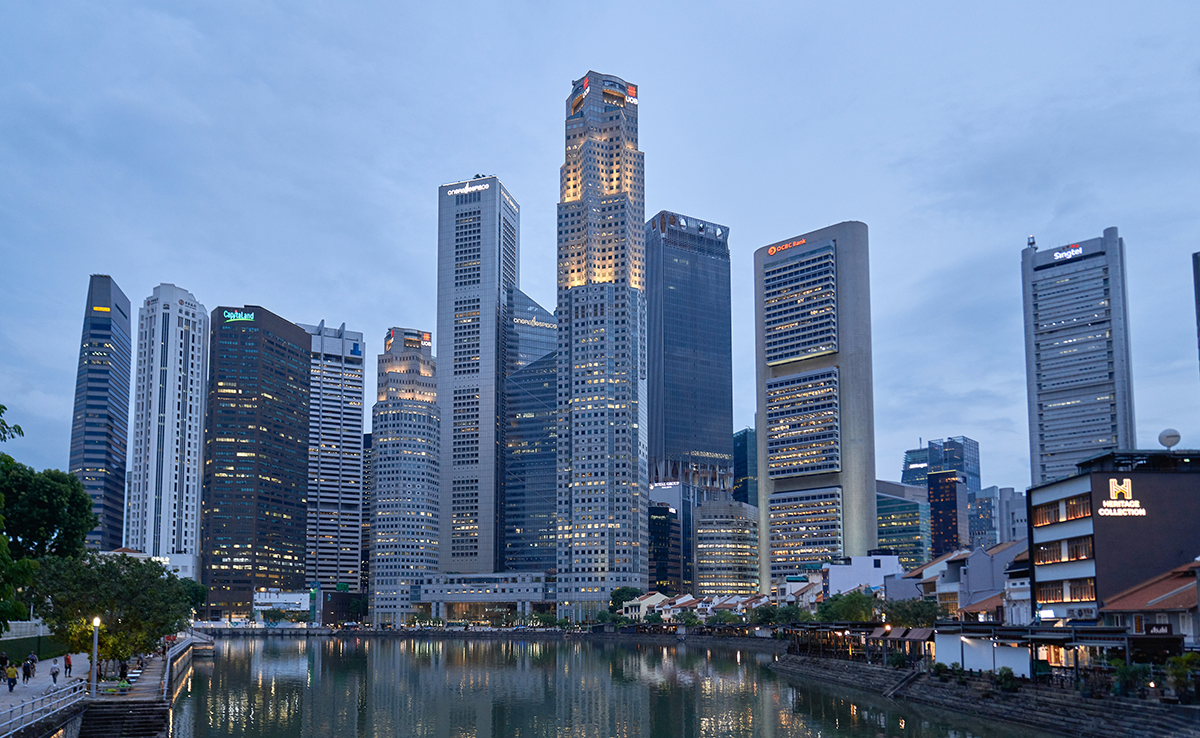
Singapore and the Gulf: Economic engagement beyond hydrocarbons
Oil and gas have long dominated trade and investment flows between Singapore and the Gulf. In the wake of two new projects — one in Singapore and the other in the United Arab Emirates — unveiled last month, this article considers whether Singapore and the Gulf are on the cusp of a new level and type of economic relations.
Charles Lister, Mona Yacoubian, and James Jeffrey join host Alistair Taylor to discuss the upcoming UN Security Council vote on the renewal of cross-border assistance for Syria, Russia’s threats of severing access, and how they might impact stability across the region.
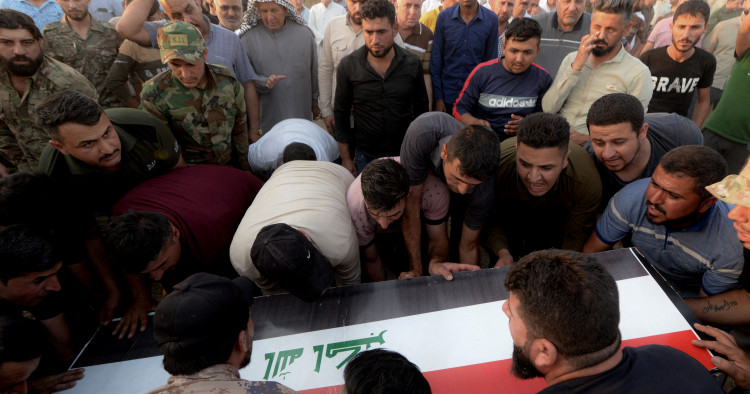
الضربات الجوية الأمريكية على الميليشيات العراقية وخطر دوامة التصعيد
مهما كانت شدة محاولات الحكومة العراقية لتوجيه البلاد بعيدًا عن الصراع الإيراني الأمريكي، فإن الميليشيات العراقية المدعومة من إيران ستظل تسحبها مجددًا لهذا الصراع
With Netanyahu gone, the Abraham Accords will not only survive, they might even flourish
Some international concern has been voiced about the future prospects of the Abraham Accords under Israel’s new government. This stems from the perception that the normalization agreements Israel signed in 2020 with the UAE and Bahrain were the personal achievements of two former leaders — Donald Trump and Benjamin Netanyahu — and would not have happened without them. The question thus arises of whether the agreements can survive their departure from power. Not only will the Abraham Accords survive, they will now be able to flourish and reach new heights. Foreign Minister Yair Lapid’s statement that his first visit abroad will be to the UAE is a good indicator.