Monday Briefing | Is the Middle East Tilting toward De-Escalation?
In this week’s Monday Briefing, MEI experts Paul Salem, Gonul Tol, Alex Vatanka, and Jonathan M. Winer provide analysis on recent and upcoming events including Saudi Arabia’s diplomatic engagements in the region, Turkey’s consideration of military operations in northern Syria, Iranian President Rouhani’s centrist cabinet nominations, and Libyan leaders’ decision between greater cooperation or renewed confrontation.
Astana Experts Meet in Tehran and Turkey Holds Naval Exercises with Qatar | Monday Briefing
In this week’s Monday Briefing, MEI experts Randa Slim, Gerald Feierstein, Gonul Tol, and Jean-François Seznec provide analysis on recent and upcoming events including next steps in the Syrian conflict de-escalation process, General Zinni’s mission to the Gulf, Qatari-Turkish relations, and crude oil informal cooperation.
A Band of (Muslim) Brothers? Exploring Bahrain’s Role in the Qatar Crisis
The crisis which has engulfed the Gulf Cooperation Council (G.C.C.) states since June 5, 2017, leading to an unprecedented diplomatic and economic blockade of Qatar, has effectively split the Gulf into three camps, fracturing the uneasy yet much-lauded unity of an alliance which has long prided itself on stability and security. This essay offers a possible explanation for Bahrain’s contradictory position regarding the crisis, and considers whether Manama can maintain it.
New Saudi Outreach with Iraqi Shiite Leaders | Monday Briefing
In this week’s Monday Briefing, MEI experts Randa Slim, Paul Salem, and Marvin G. Weinbaum analyze new Saudi diplomatic engagement with Iraq, the escalating G.C.C. crisis, and the continuation of dynastic politics in Pakistan.
U.S. Absent as Israel-Palestine Violence Escalates | Monday Briefing
In this week’s Monday Briefing, MEI experts Eran Etzion, W. Robert Pearson, Charles Lister, Alex Vatanka, and Randa Slim weigh in on the implications of Israel-Palestinian violence for U.S. foreign policy, Turkish involvement in the Gulf crisis, al-Qaeda’s response to the U.S. decision to terminate support for a program arming anti-Assad Syrian rebels, confrontational U.S. policy towards the Iran nuclear deal, and a former Iraqi Prime Minister’s power play.
Amid all the accusations being traded recently against each other by Gulf Arab states some truths are getting lost in the smoke.
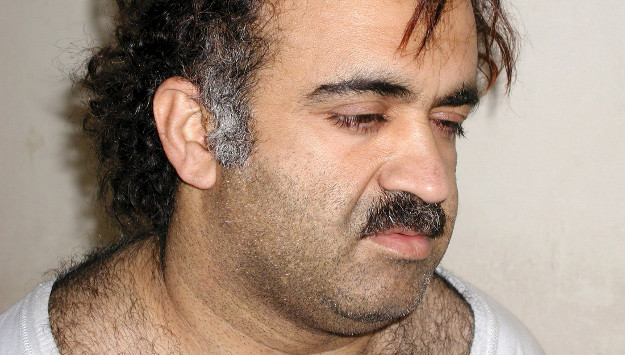
It has been true that Qatar has served as a sanctuary for leaders of groups that the U.S. or other countries deem to be terrorist organizations. That, however, is nothing new. It has been going on for at least 20 years — and one of those who had sanctuary was the mastermind of the 9-11 attacks.
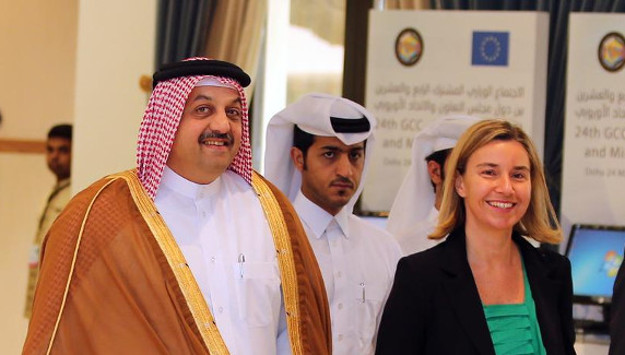
The ongoing Saudi-led blockade of Qatar came as a surprise to the international community, including the European Union. When Saudi Arabia, the U.A.E., Egypt, and Bahrain cut ties with the Qatari monarchy, the E.U. found itself in a new and complex political reality. Though the intra-Gulf crisis had been simmering for quite a long time, it seems that the Europeans were not prepared for such a scenario. Ultimately, Europe must consider the severity of the current crisis’ potential diplomatic and economic consequences.
Monday Briefing: ISIS losing territory, President Erdogan visits Sudan
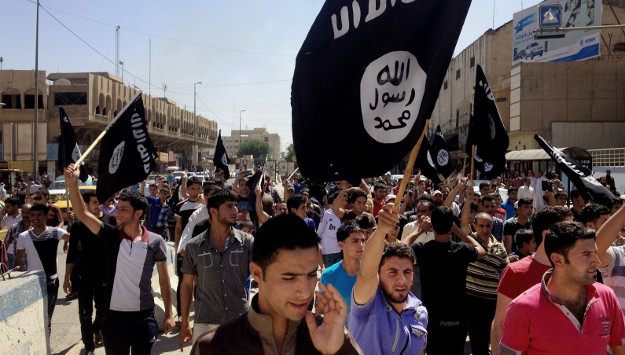
In this week’s Monday Briefing, MEI experts Charles Lister, W. Robert Pearson, and Yousef Munayyer provide analysis on ISIS’ continued threat to security despite losing territory, President Erdogan’s upcoming visit to Sudan as a political calculation, and Mohammed Dahlan’s effort to return to Palestinian politics.
Rouhani to Qatari Leader: Iran Stands with Doha, Rejects “Unacceptable Siege”
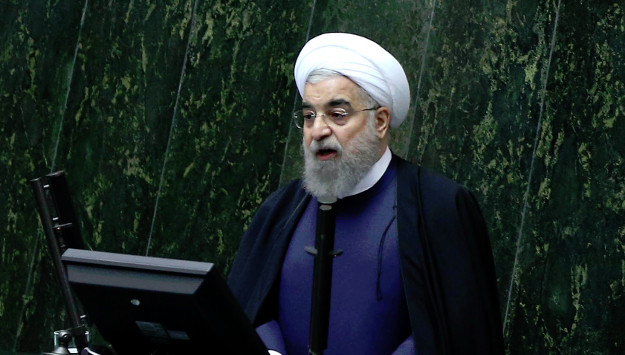
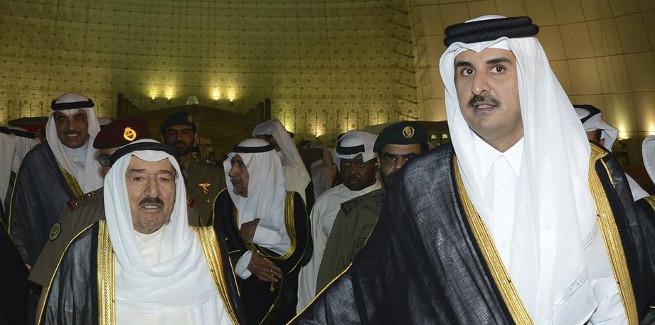
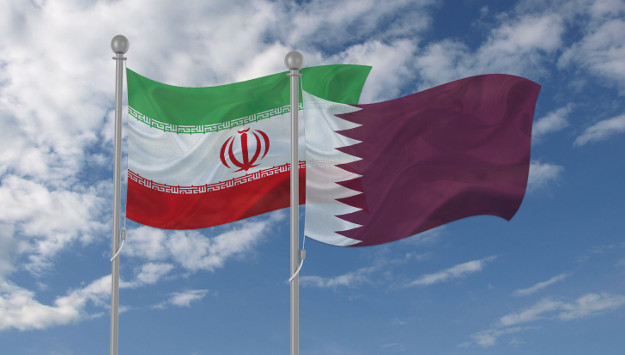
On Sunday, Iran’s President Hassan Rouhani pledged support for Qatar in its latest standoff with Saudi Arabia and its regional allies and called for the expansion of bilateral ties between Tehran and Doha, the Iranian media reported.
The ongoing Qatar crisis poses a major dilemma for Kuwait and Oman. Consistent with their “neutral” foreign policies, these two Arab Gulf states have maintained ties with Doha and seek to resolve the gravest internal Gulf Cooperation Council (G.C.C.) row since the organization’s establishment in 1981. Officials in Kuwait City and Muscat fear that failure to settle the Qatar crisis will break up the council, which would directly undermine vital Kuwaiti and Omani national interests given the potential for such a scenario to dramatically exacerbate regional geopolitical instability.
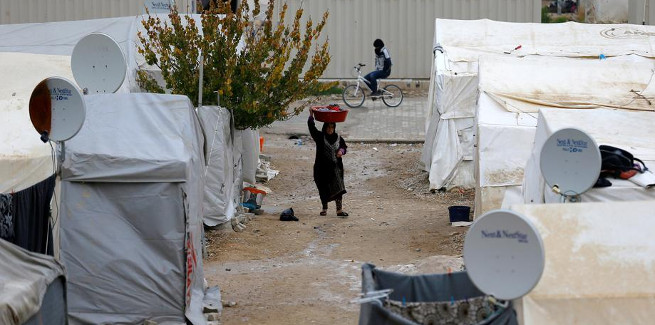
Since the outbreak of the Syrian war, Turkey has become a critical conduit for international humanitarian operations and life-saving economic support to approximately three million Syrian refugees. Turkey’s decision to restrict various international NGOs from operating within its territory is now disrupting crucial provisions to those in both northern Syria, and inside its own borders.
Iranian Media Weighs Pros and Cons of Tehran’s Role in Gulf Crisis
After President Donald Trump’s visit to Riyadh last month, Iranian leaders were worried about the creation of a U.S.-supported alliance of regional Arab states led by Saudi Arabia to counter Irani
Those visiting Doha are often told by locals that the city is the epicentre for political deal-makings in the Middle East. If you just want to do business, go to Dubai, the Qatari political elites are fond of saying.
One way to understand the depths of the animosity that blew up the myth of brotherhood and cooperation among the monarchies of the Arab Gulf states on Monday is to look beyond the angry statements to a map published recently by the U.S. Energy Information Administration.
Citizens of the Gulf Cooperation Council (GCC) states woke up on Monday morning to what is the most severe crisis in the regional block’s 38 year history to date. In a closely coordinated series of statements, Saudi Arabia, Bahrain and the UAE, along with Egypt, announced the severing of ties with the peninsular state of Qatar.