MEI’s Paul Salem and Ross Harrison join host Alistair Taylor to discuss what the Biden Administration can do to reduce regional tensions and proxy conflicts in the Middle East.
With the UAE, Bahrain, Sudan and Morocco signing normalisation agreements with Israel last year, the road to Israel’s integration into Centcom was paved.
The Biden administration and the Middle East: Regional perspectives on the first 200 days
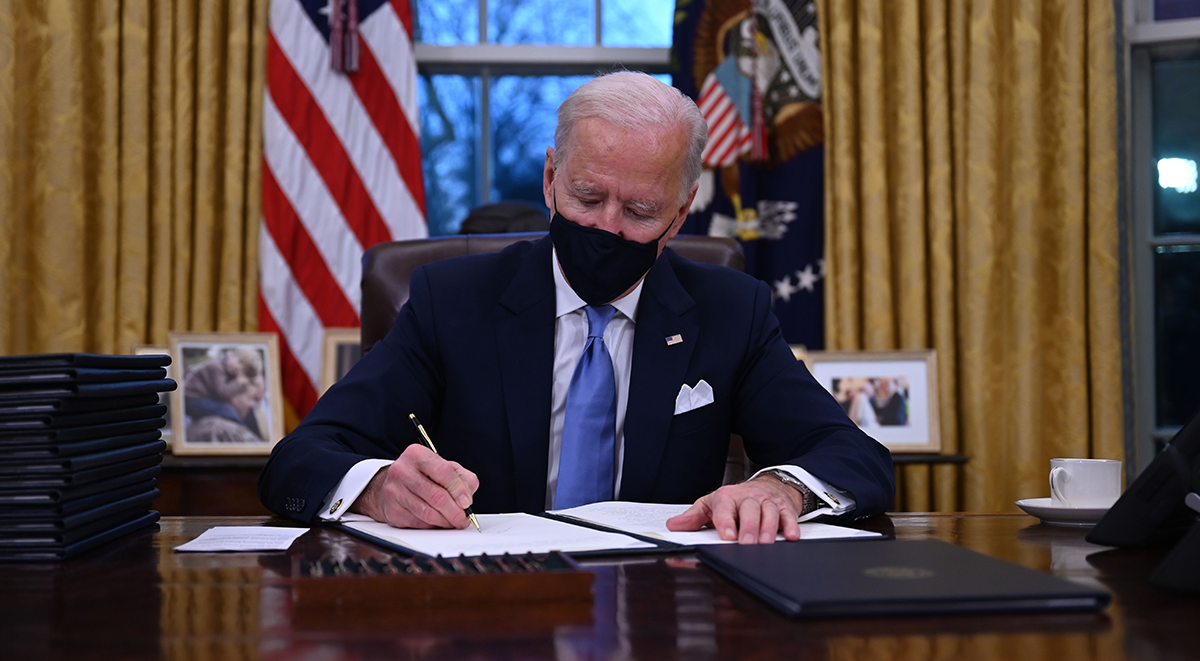
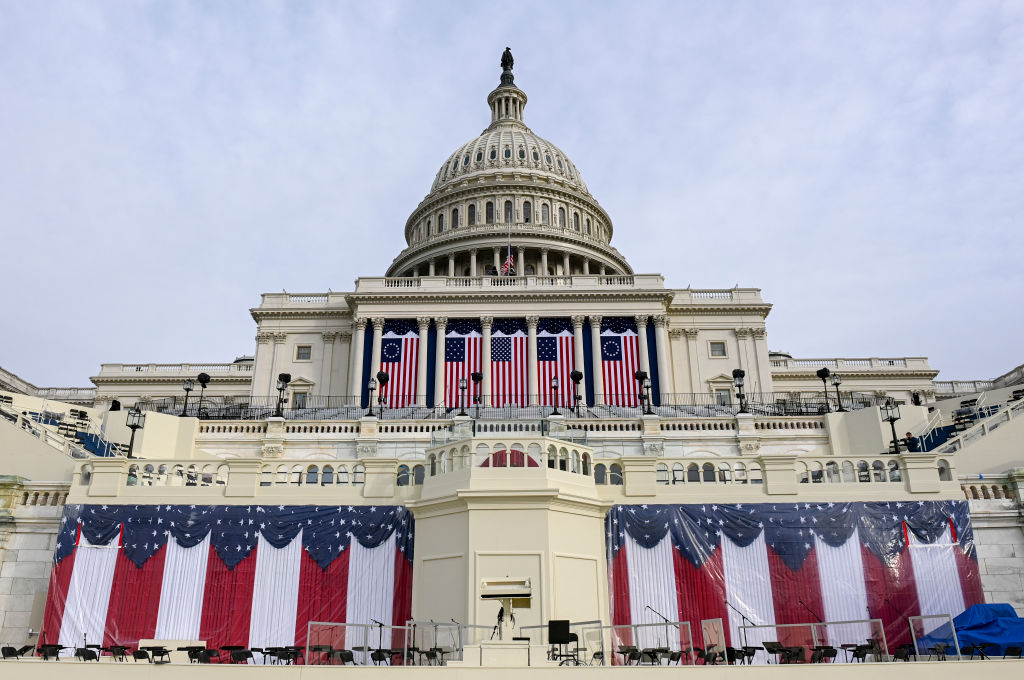
As the Biden administration takes office, it faces a host of challenges, both at home and abroad. Where does the Middle East fit into all of this and what should the new administration prioritize in its first 200 days? In the second part of a two-part series, we asked experts and scholars from across the region to weigh in with their thoughts.
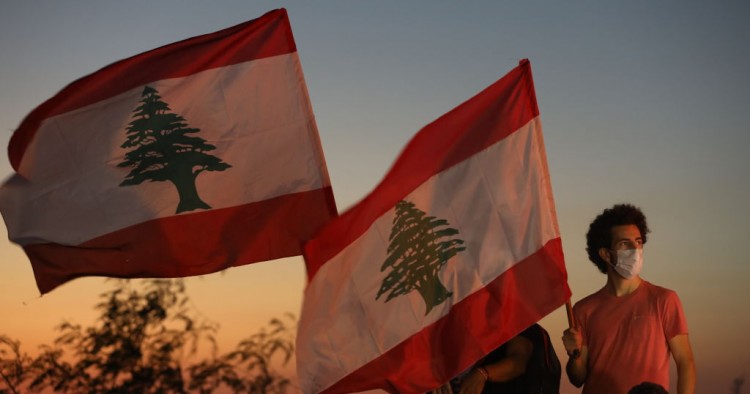
فرضت الحكومة اللبنانية حالة إغلاق صارمة عقب تسجيل أكبر حصيلة إصابات يومية الأسبوع الماضي منذ أن بدأت الجائحة. وتحصد الحكومة اللبنانية الآن ما زرعته بعدما أرخت القيود الصحية العامة خلال فترة العطلات.
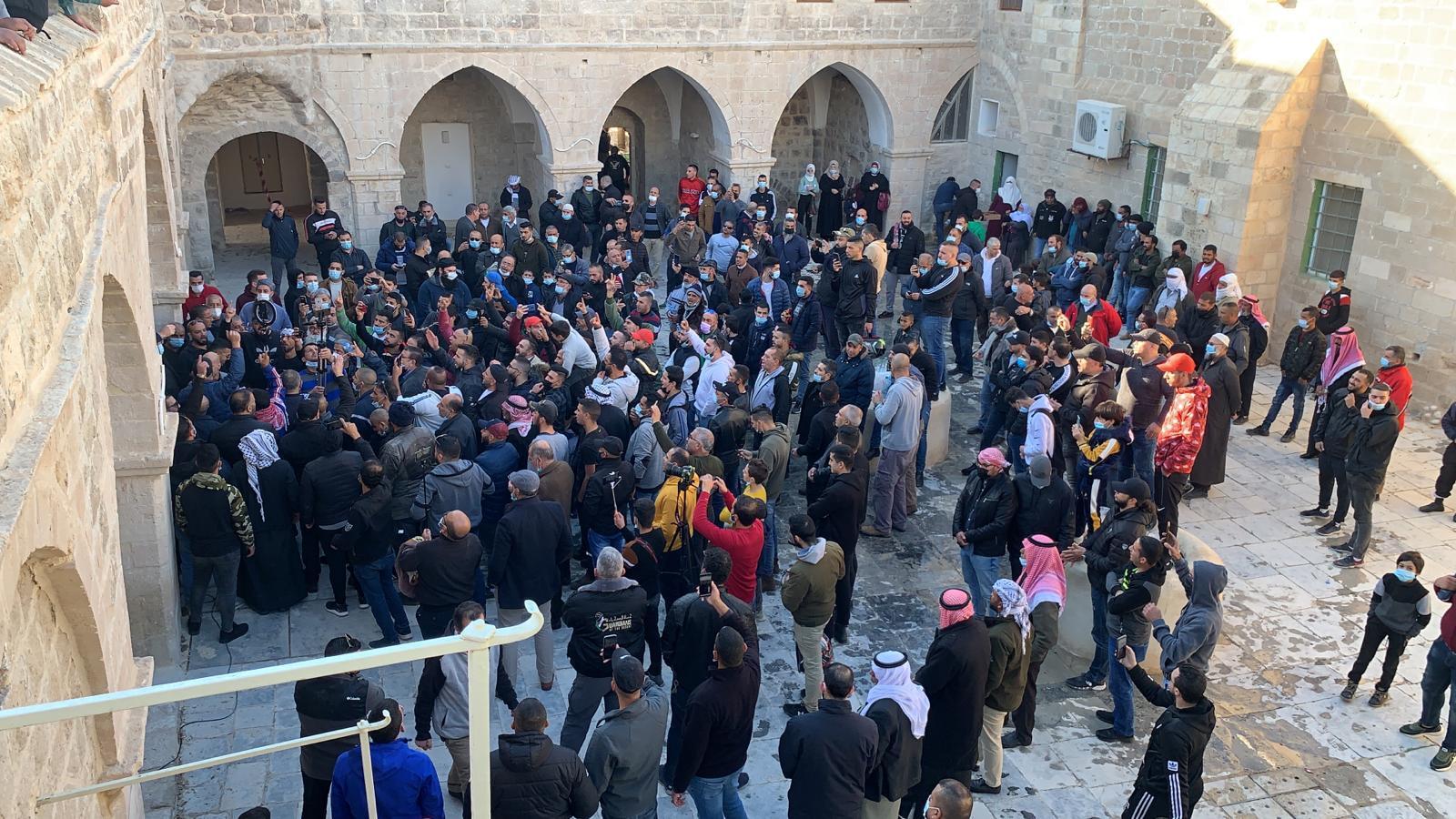
Protesting against techno: How a concert revealed the state of Palestinian society
Until December 26, 2020, techno music was not a common topic of conversation in Palestine. That changed when Sama Abdulhadi, a famous techno DJ, gave a concert at Maqam Nabi Musa that provoked a backlash from religious conservatives. Abdulhadi, who is a Palestinian living abroad, decided to return to her homeland to perform three concerts that would be streamed on Beatport, a website specializing in techno music. She reached an agreement with the Ministry of Tourism to perform at Maqam Nabi Musa for a crowd of about 30.
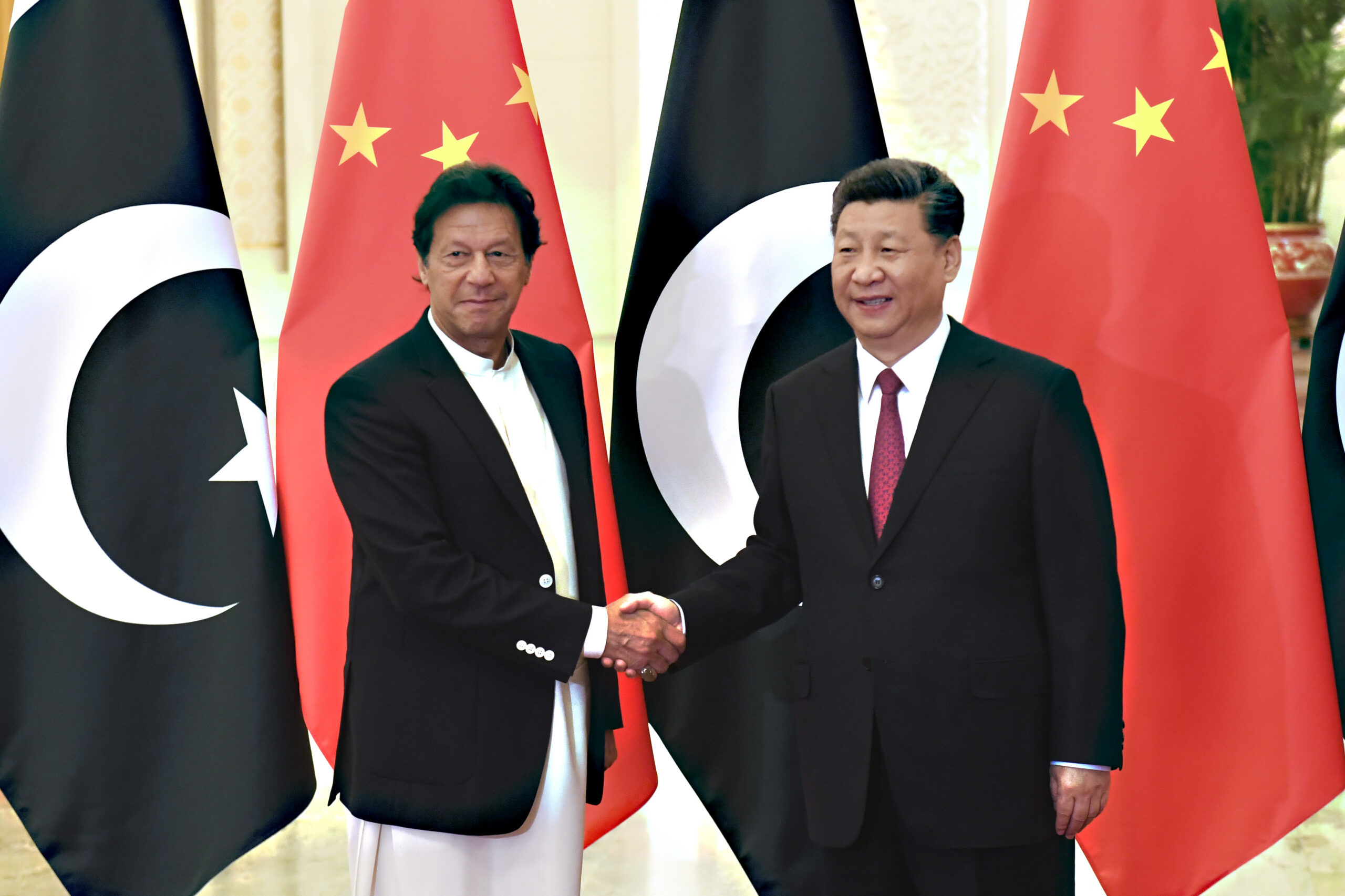
How can China mediate between Israel and Pakistan?
Pakistan’s Prime Minister Imran Khan recently revealed that several countries are pressuring Islamabad to follow in the footsteps of the Gulf states by recognizing the state of Israel. Khan, however, expressed opposition to this idea, at least until there is a political settlement that meets Palestinian demands. While full normalization between Israel and Pakistan may still be out of reach, China could mediate between these two countries which have never established a diplomatic relationship.
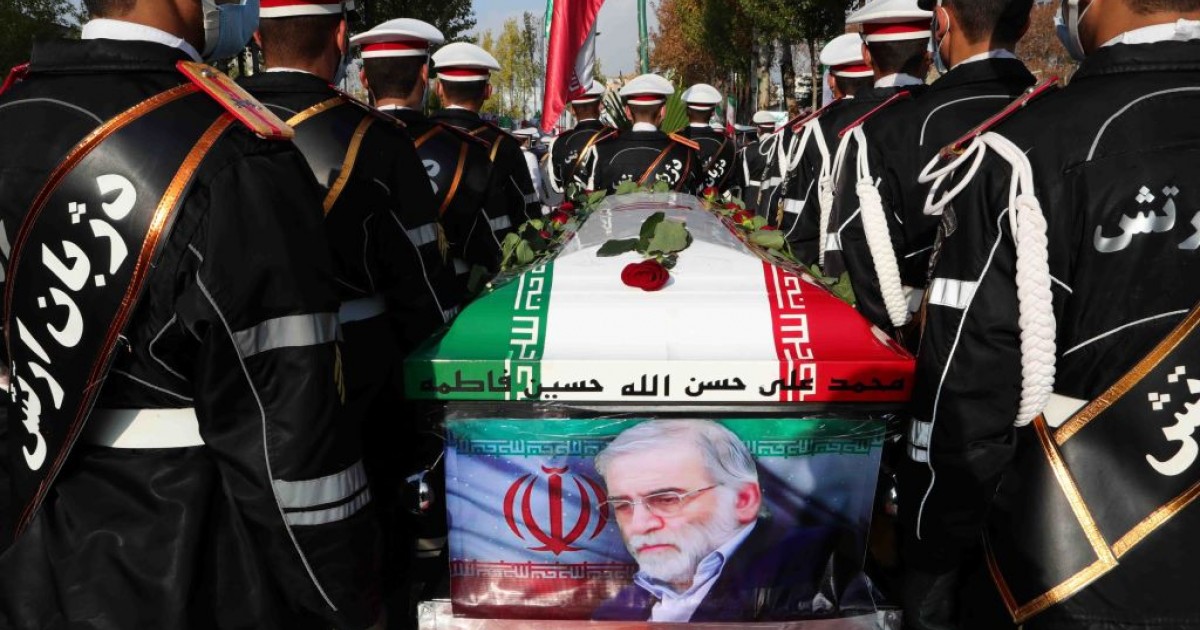
The Fakhrizadeh assassination: A major failure for Iranian intelligence
The assassination of Mohsen Fakhrizadeh, the most important figure in Iran’s nuclear program, in late November 2020 is a major failure for Iran’s intelligence services. Despite all the secrecy and the emphasis on protecting Fakhrizadeh, however, he was still assassinated in the Absard area, about 70 km from Tehran, on Nov. 27. Why was he killed despite such a high level of protection, and what effect will his death have on the Iranian regime’s intelligence and security structures?
On Dec. 3, MEI’s Program on Palestine and Palestinian-Israeli Affairs convened a webinar on the future of Palestinian refugees and their place in the policy discourse following the election of President-elect Joe Biden and the departure of the Trump administration. Below is a summary of the major takeaways from the event, organized by topic.
A look back at the year’s most important developments with analysis from Paul Salem, Alex Vatanka, Randa Slim, Gerald Feierstein, Gonul Tol, Jonathan M. Winer, Khaled Elgindy, Marvin G. Weinbaum, Mirette F. Mabrouk, Grace Wermenbol, Syed Mohammad Ali, Robert S. Ford, and Khaldoun Khelil.
Monday Briefing: An end to the intra-GCC dispute: Headline or hype?
This week’s briefing on recent news and upcoming events in the region featuring Gerald Feierstein, W. Robert Pearson, Mirette F. Mabrouk, Paul Scham, and Marvin G. Weinbaum.
Special Briefing: The Trump administration’s potential last-minute Middle East policy moves
From Israel/Palestine and Lebanon to Iran and Afghanistan, there are a number of areas where the Trump administration may make policy moves before leaving office on Jan. 20. Experts from across MEI weigh in with their thoughts on what to watch out for over the next seven weeks.
Economic desperation and dependence are driving the Palestinian Authority’s political decisions
Faced with the Trump and Netanyahu governments’ persistent dismissal of the Palestinians and their rights, the PA has spent the better part of the last three years threatening to terminate all relations with Israel, and even to withdraw the Palestine Liberation Organization’s (PLO) recognition of Israel. The deteriorating situation culminated in Palestinian President Mahmoud Abbas’ May 2020 declaration that the Palestinian leadership was absolved “of all the agreements and understandings with the American and Israeli governments.” Notwithstanding previous similar warnings from Abbas in recent years, the announcement prompted speculation among Palestinian political parties, Palestinians at home and in the diaspora, scholars, activists, and journalists over the future of Palestinian politics in the post-Oslo era.