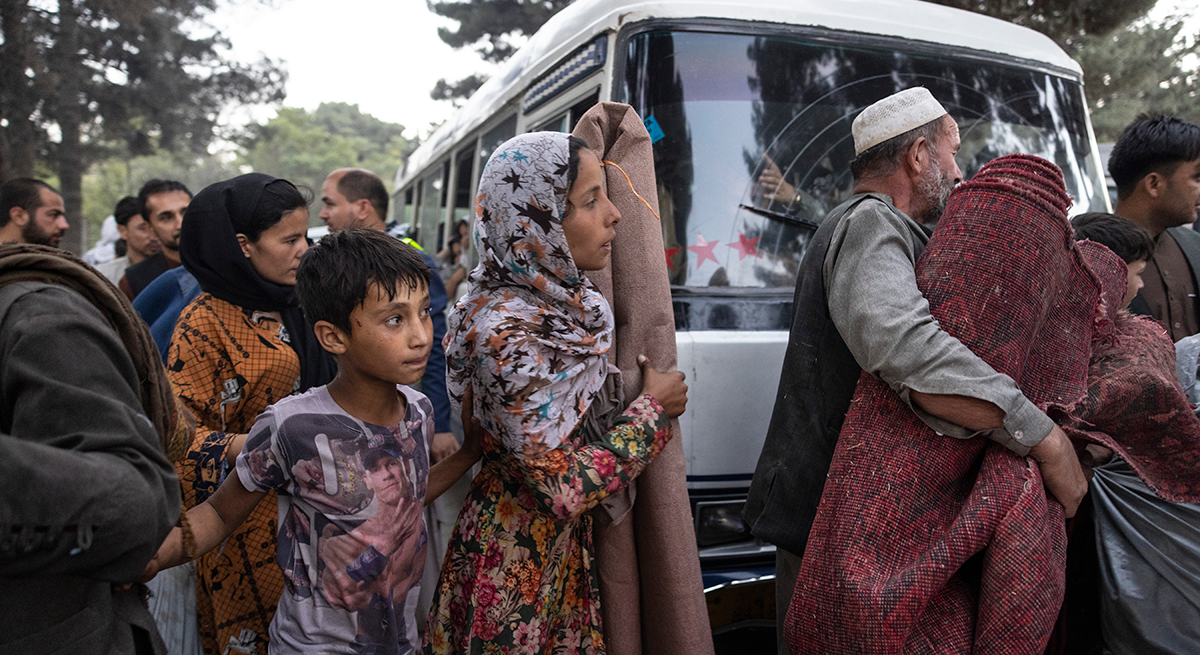
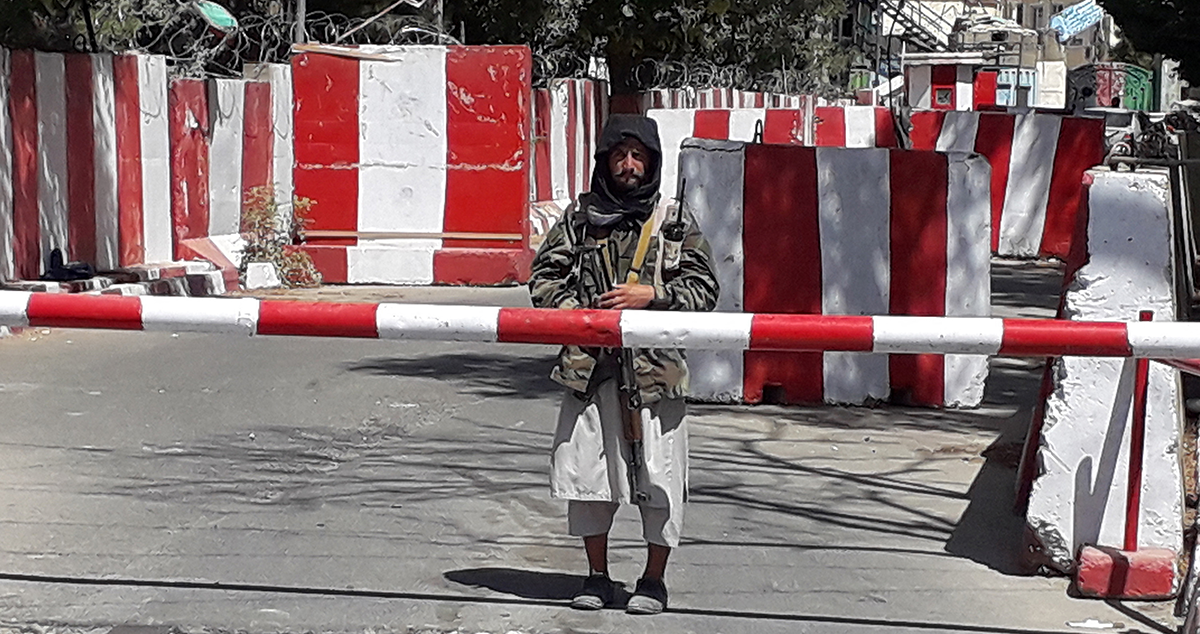
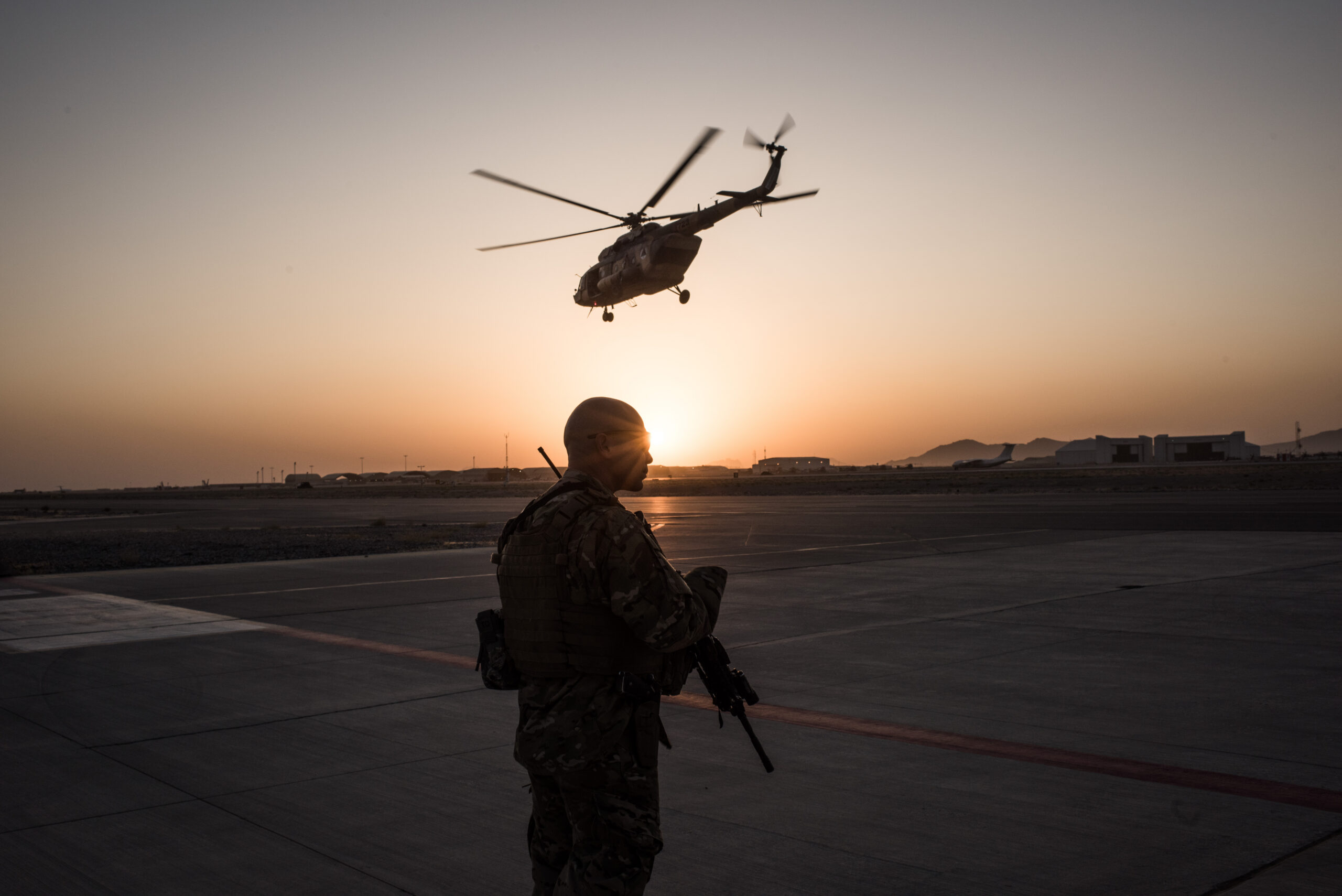
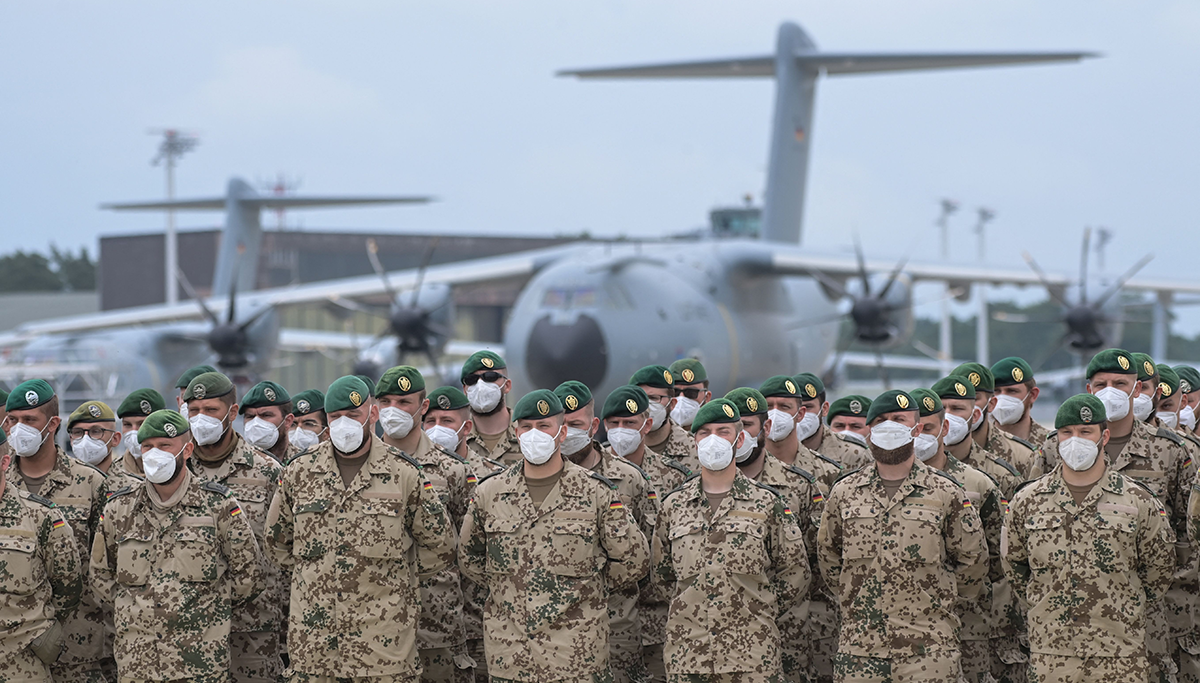
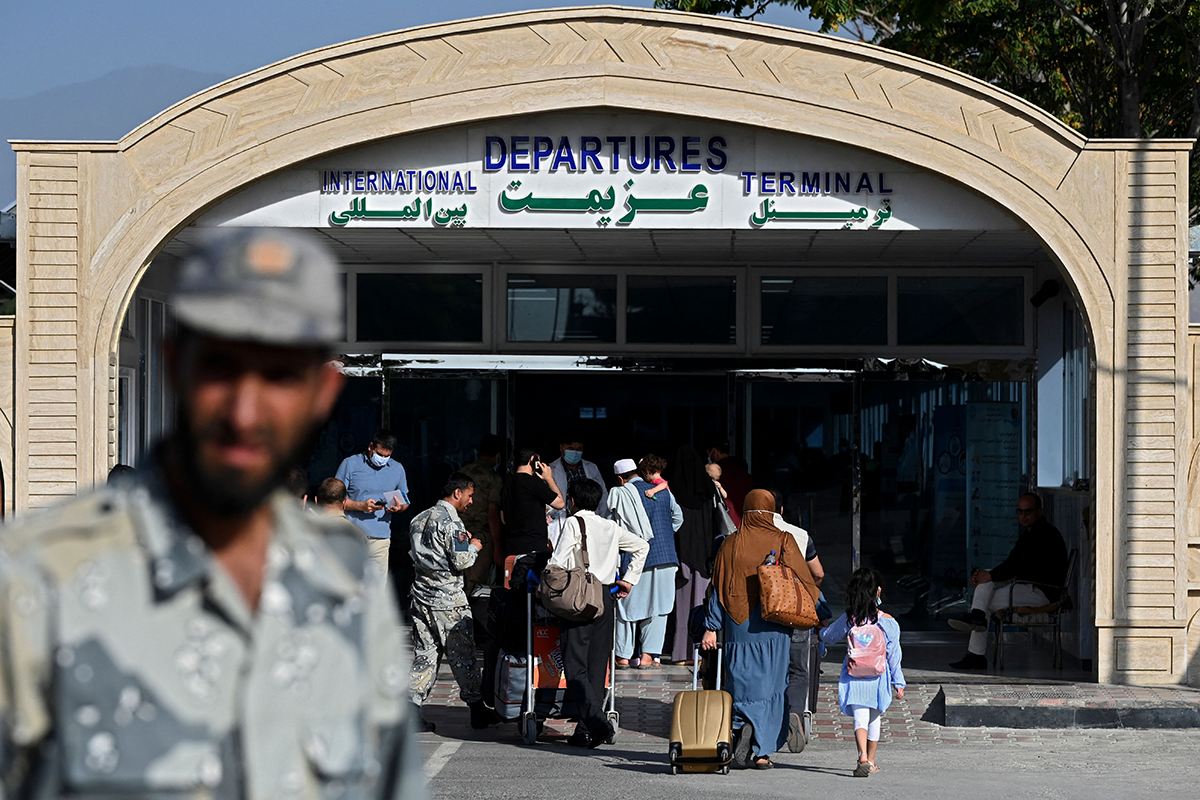
Weeks before the official U.S. military withdrawal, Afghanistan is unraveling rapidly as the Taliban continue their swift military advance. They now control more than two-thirds of the country and half of the provincial capitals. With the government’s hold on Kabul in doubt, the Biden administration has dispatched troops to evacuate U.S. citizens from the country. We asked experts and scholars from across MEI to weigh in with their thoughts on the situation and what it means for the country, the wider region, and key international players.
A Taliban victory would be a major win for the global jihadist movement
The Afghan government appears to be in a state of precipitous collapse. At least a dozen provincial capitals have fallen to the Taliban in a week. The Taliban now control around 66% of the country.
Now is the time for difficult conversations on Afghanistan
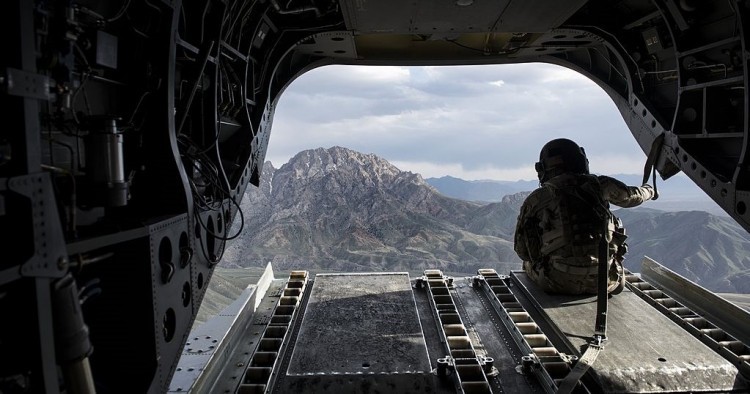
The debate about whether Afghanistan was worth thousands of U.S. lives and a trillion U.S. taxpayer dollars should have occurred before those lives were lost and the money was spent. The decision to pull out our remaining 2,500 troops was made after all of that was done. That minimal number of troops preserved everything we fought for in the last two decades. We had significantly reduced the risk to our forces and the expense to the U.S. taxpayer.
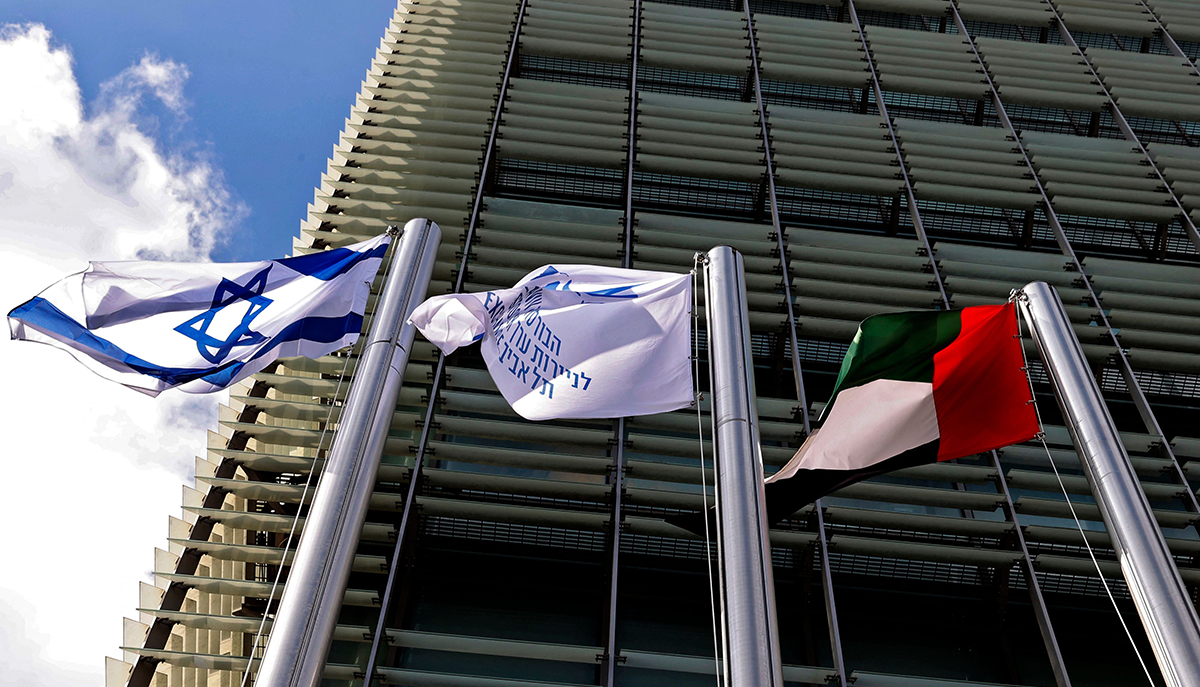
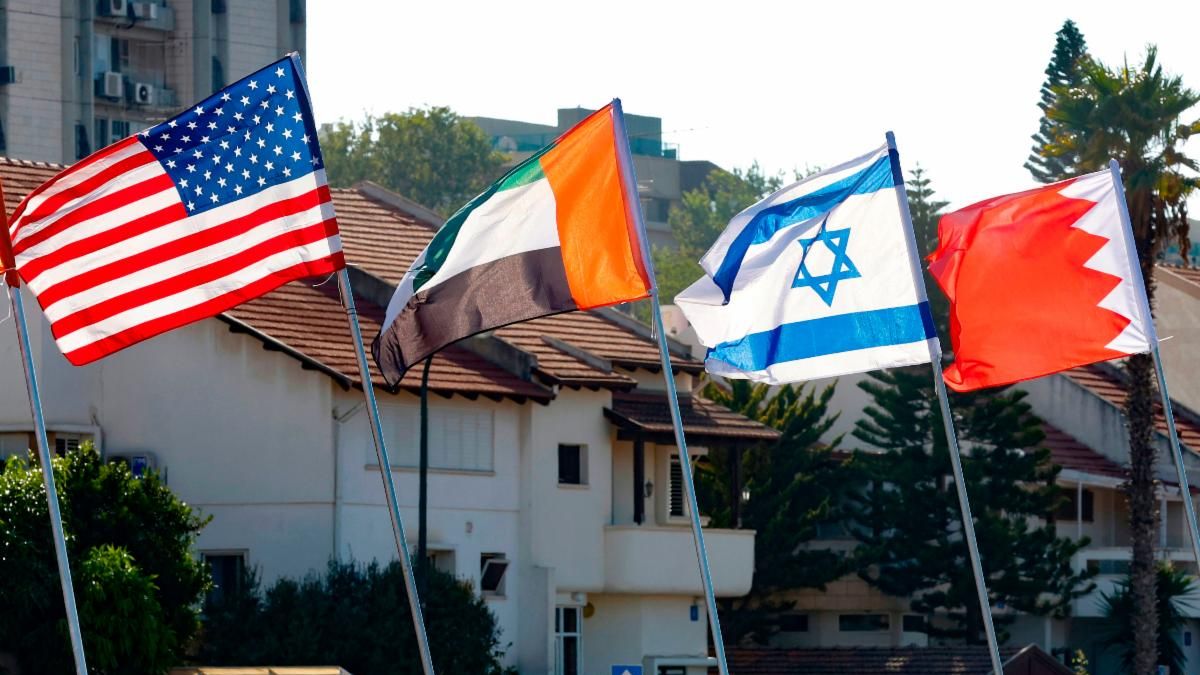
It has been a year since the August 2020 announcement of the Abraham Accords, which normalized diplomatic relations between the UAE and Israel. The accords were later signed at a White House ceremony attended by President Donald Trump that September. In less than a year the UAE and Israel swiftly exchanged ambassadors. This was the highlight of the first year of normalizing relations between Tel Aviv and Abu Dhabi. During their first year the accords also successfully passed the unexpected, brutal test of the 11-day military escalation between Israel and Hamas that began in late May 2021.
After 18 years, Palestinian families can finally live together: The end of Israel’s 2003 citizenship law
The expiration of Israel’s 2003 citizenship law early last month has finally ended the suffering of roughly 30,000 Palestinian families and paved the way for their reunification. Despite the efforts of the Zionist political parties to renew the law, the abstention from voting of the two Arab Palestinian Knesset members from the United Arab List — which, for the first time, is represented in Israel’s new coalition government — blocked the majority needed to extend the long-standing “temporary” law, which subsequently expired on July 6. While this is welcome news for many Palestinian families, the defeat of this notorious law is by no means a panacea. Until there is real change in Israel, Palestinians, both those who are citizens of Israel as well as those in the occupied territories, will continue to face legal obstacles when it comes to obtaining their basic rights.
Missing the bigger implications of US withdrawal from Afghanistan
As the United States exits from Afghanistan, on the eve of the 20th anniversary of the 9/11 attacks, it is important to reflect on the broader and longer-term reverberations of that withdrawal. In examining the withdrawal, peace process, and the recent dynamic of militia building and Taliban control, it’s becoming clear that a different transnational threat to U.S. interests is emerging.
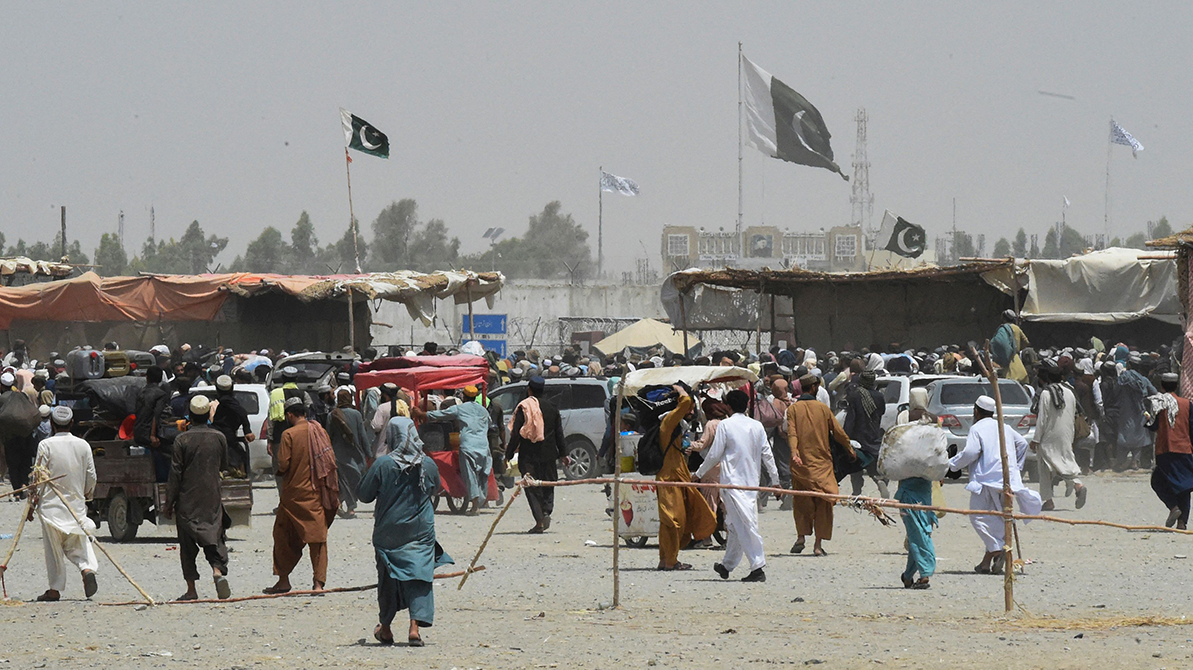
Afghanistan’s neighbors contend with Taliban at their borders
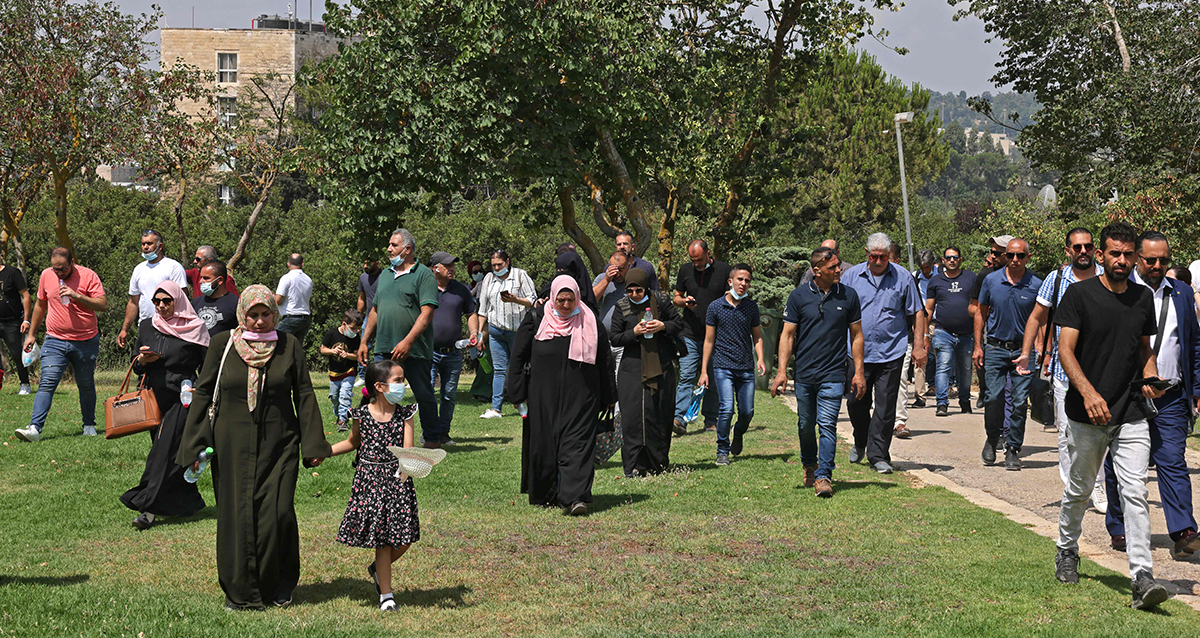
The U.S. withdrawal from Afghanistan is not yet complete, but Afghanistan’s neighbors are already contending with its fallout as they face the immediate spillover of the conflict into their respective territories. The insurgency has reached the borders of all of Afghanistan’s neighbors, who are choosing to both engage the Taliban while also bolstering defensive and deterrent measures to contain the insurgency. While the net loser in all this is the Afghan state, the Taliban may be overplaying their hand. Should they rule most of Afghanistan, they could end up governing an isolated country deprived of the foreign aid it needs to function.
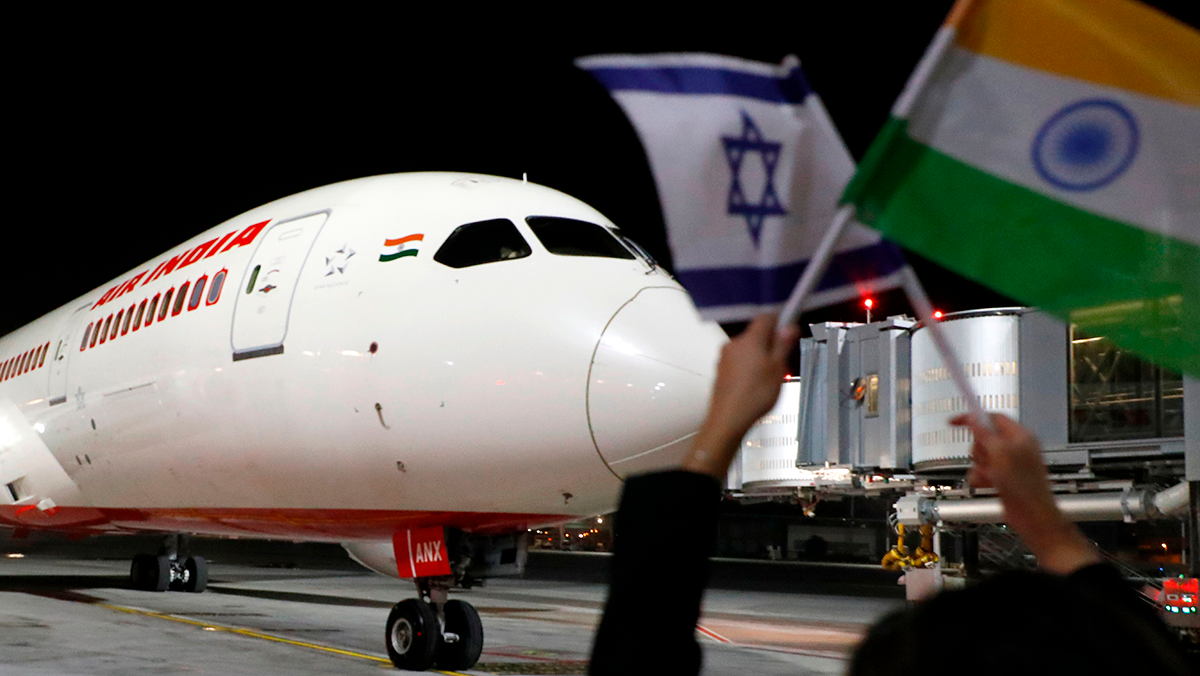
An Indo-Abrahamic alliance on the rise: How India, Israel, and the UAE are creating a new transregional order
There is a new and little noticed geostrategic alliance on the rise. India, Israel, and the UAE have had surface-level, transactional relations for a long time. However, last year’s normalization agreements between Israel and several Arab states — chief among them, the UAE — along with Turkey’s bid to return as the leader of a Muslim order and the growing distance between the UAE and Pakistan have created an unlikely and unprecedented “Indo-Abrahamic“ transregional order. This emerging multilateral pact may fill the gap the United States is leaving in the Middle East and has the potential to transform the region’s geopolitics and geoeconomics.
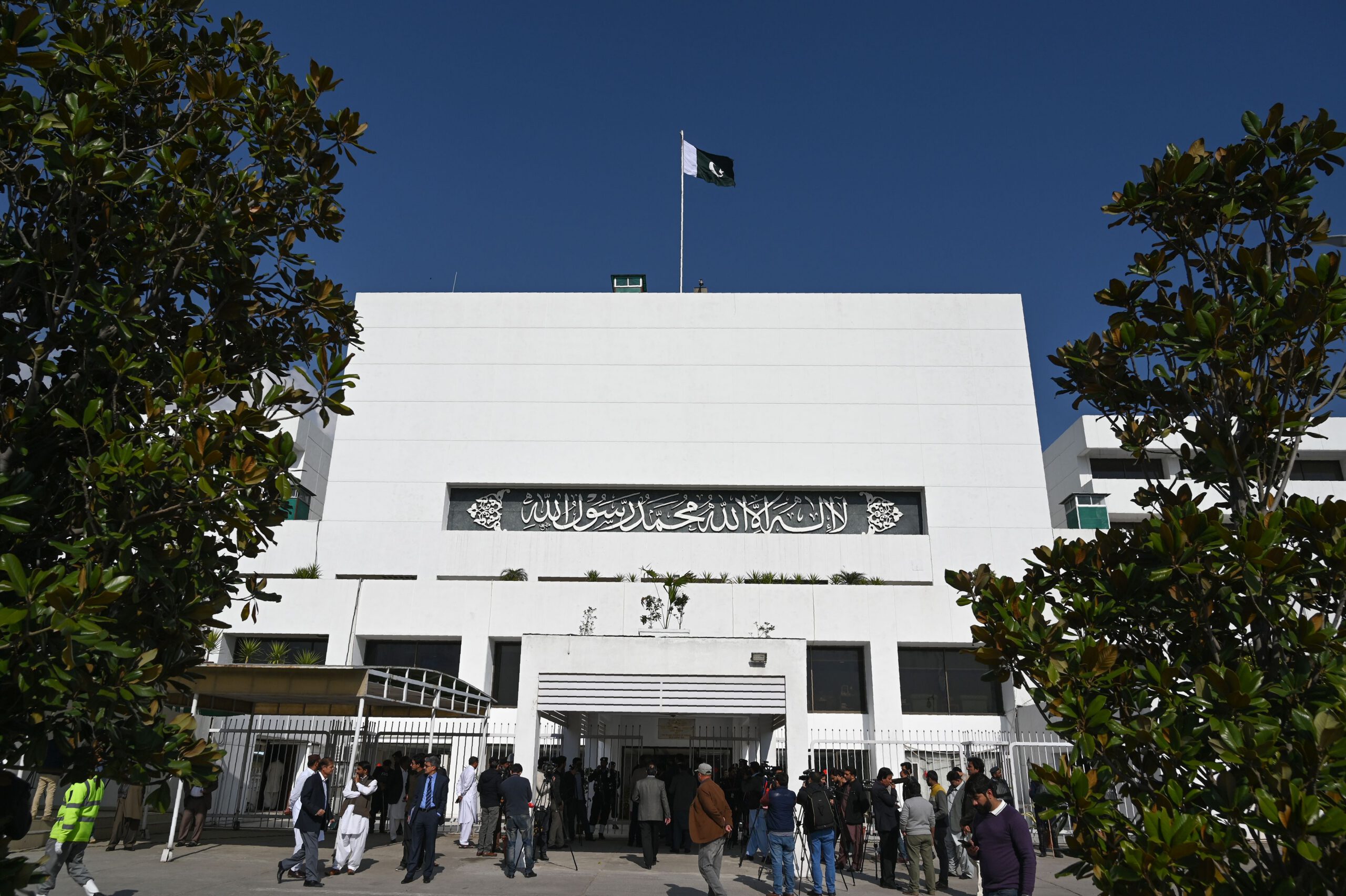
The United States and Pakistan have had a complex and often disappointing “love-hate” relationship since 1947 — one severely tested during the 20-year U.S.-led intervention in Afghanistan. We believe the time has come for serious policy consideration of whether and how both nations can achieve a more strategically beneficial and sustainable post-intervention relationship between the American and Pakistani governments and their populations
After Afghanistan: Western militaries and the rise of new strategic threats
The withdrawal from Afghanistan marks the end of a historic chapter. It involves more than just the conclusion of a drawn-out international military engagement in Afghanistan. Rather, it signals the end of a decades-long phase in which Western militaries placed the broader Middle East and the fight against international terrorism at the center of their strategic attention. With competition between the great powers on the rise, Western militaries have realized their current vulnerabilities vis-à-vis near-peer competitors and the need to shift gears.
In a politically significant statement, Turkish President Recep Tayyip Erdoğan has asked the Afghan Taliban to “end the occupation of their brothers’ soil.” This follows a Taliban warning of severe consequences if Turkey were to remain in charge of security at Kabul Airport after the exit of American troops. Erdoğan’s message is likely to be interpreted differently by different stakeholders in the unfolding Afghan tragedy, a situation characterized by escalating violence, political uncertainty, and regional chaos.
Marvin Weinbaum, Husain Haqqani, and Mick Mulroy join host Alistair Taylor to discuss the future of Afghanistan following the imminent US military withdrawal.