Regional transit trade isn’t enough to drive Pakistan’s Gwadar Port
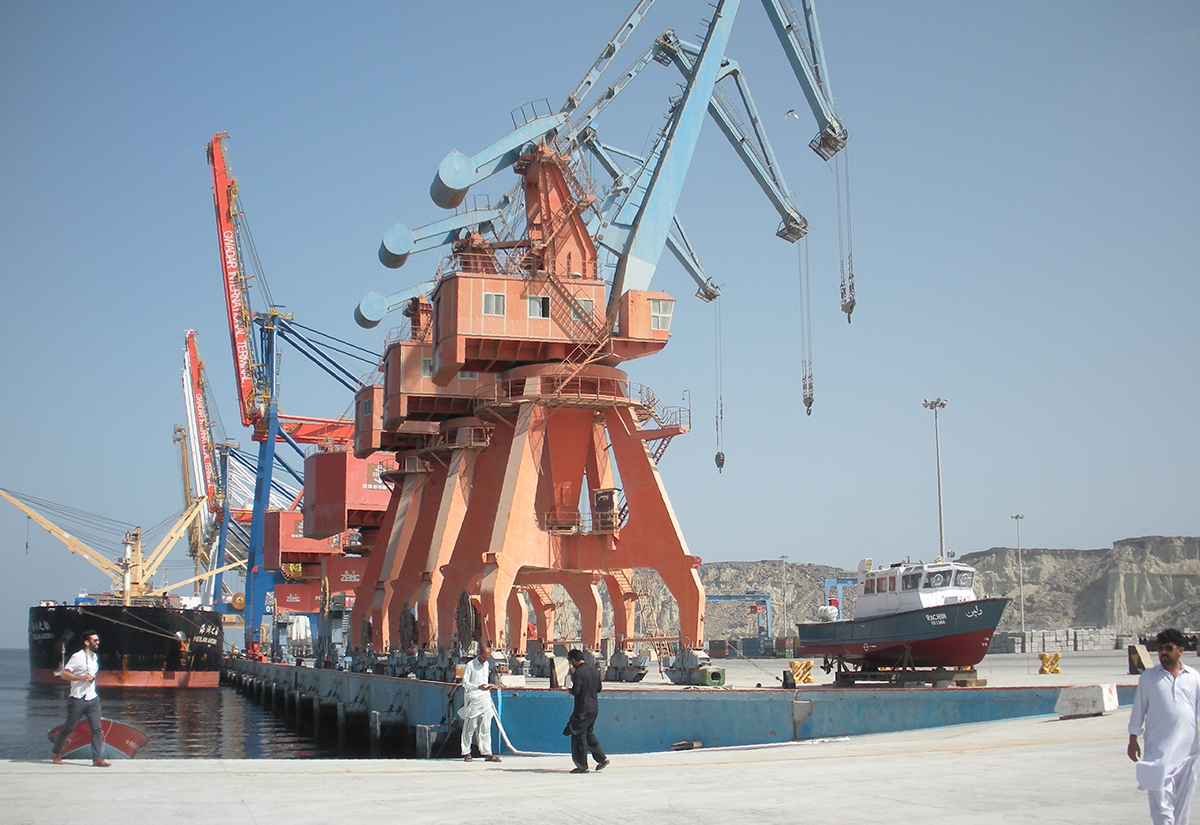
Landlocked Afghanistan has begun using the Chinese-operated Pakistani port of Gwadar for transit trade — a development Pakistani officials see as marking the start of Gwadar’s role as a gateway port through the China-Pakistan Economic Corridor. Pakistan’s hope to develop the Arabian Sea port into a gateway for Afghanistan, Central Asia, and China’s Xinjiang region has been a long-standing one — and it is misguided. Islamabad should instead focus on local drivers to build the port and use it as a vehicle to develop the impoverished, but resource-rich region of southern Balochistan.
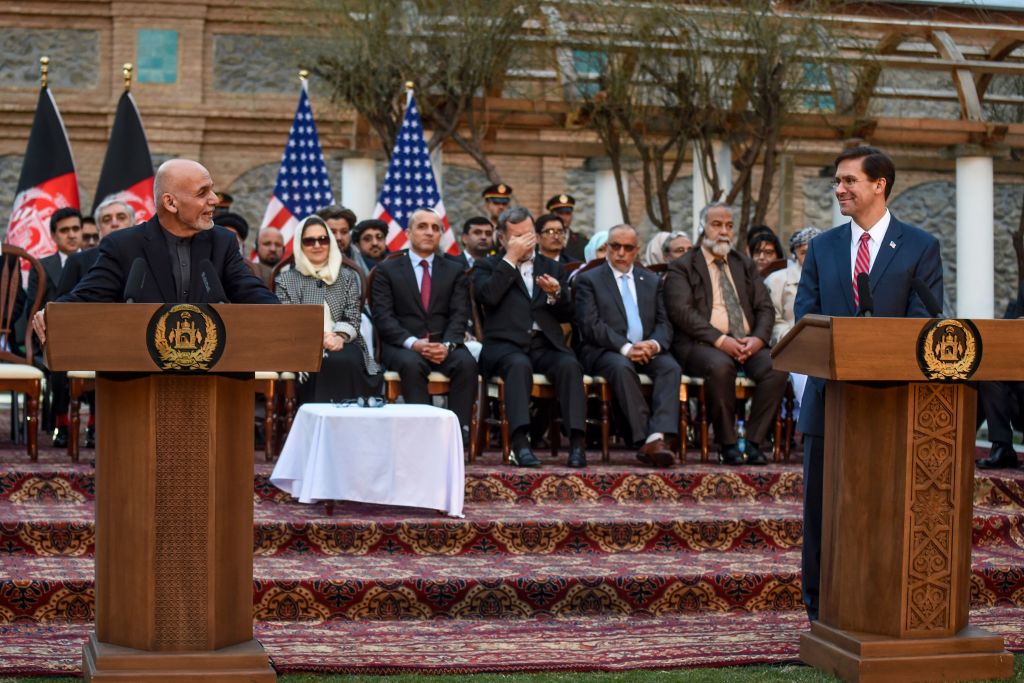
Weekly Briefing: The myth of US conditionality in Afghanistan
This week’s briefing on recent news and upcoming events in the region featuring Marvin G. Weinbaum, Alex Vatanka, Dima M. Toukan, and Syed Mohammad Ali.
Jannah or Jahannam: Options for Dealing with ISIS Detainees
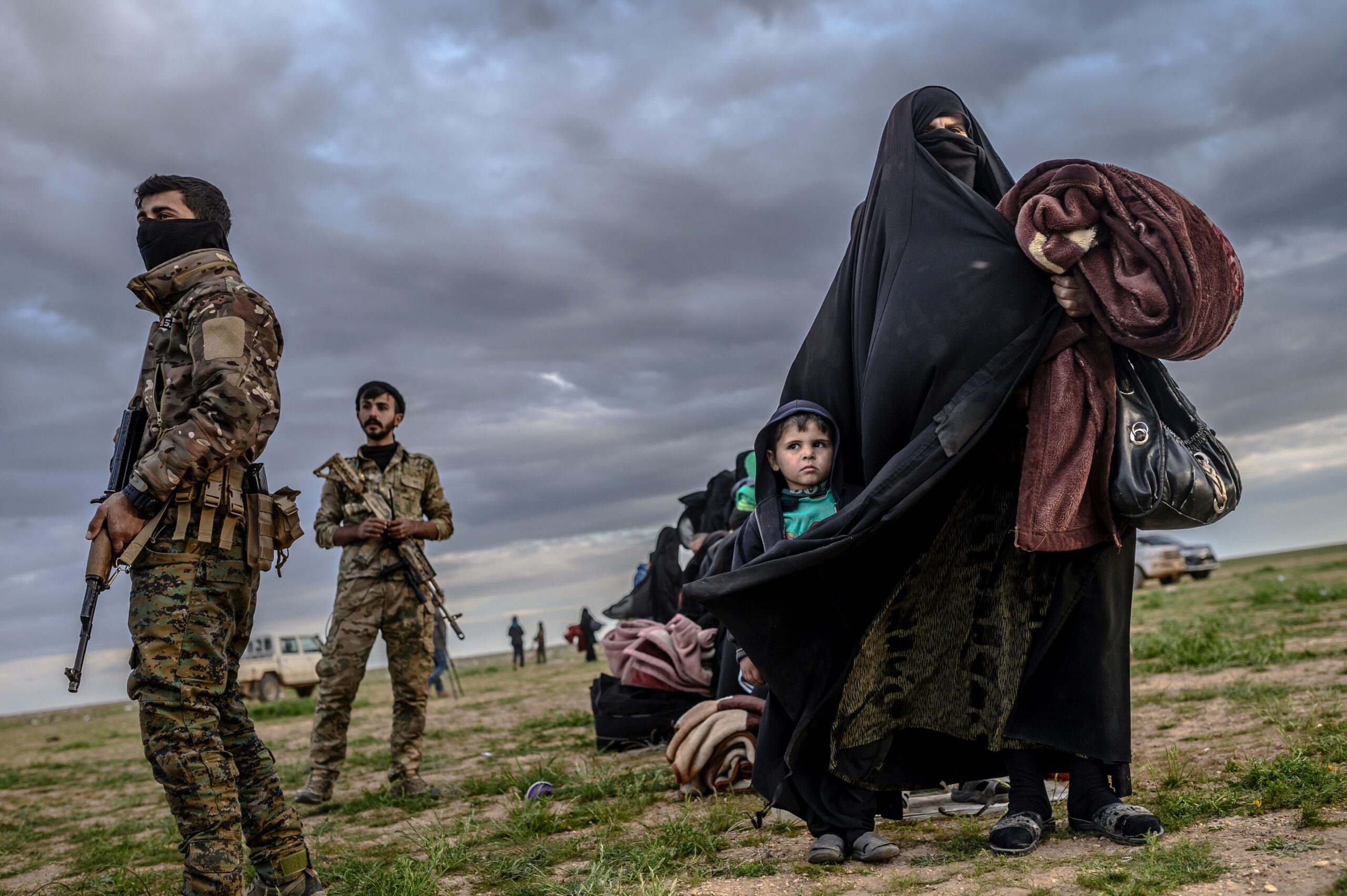
Thousands of former ISIS fighters and tens of thousands of civilians indoctrinated in the group’s extremist ideology currently sit in prisons and refugee camps across Iraq and Syria. Leaving the detainees there is dangerous, but transitioning them will require some type of accountability for the crimes committed. This paper explores options for international action to deal with the detention of ISIS members from Iraq and Syria and the foreign terrorist fighters who joined the group from around the globe.
Southern Syria: “Sibling feud” or engineered violence?
The significant increase in tit-for-tat kidnappings between Daraa governorate and As-Suwayda governorate has become a defining characteristic of volatile southern Syria. Contrary to the belief of many, instances of kidnappings between the “plain” (Daraa) and “mount” (As-Suwayda) of Hauran, which have been occurring since at least 2011, are not driven by Sunni-Druze sectarian hatred. Rather, the deteriorating economy, decline of agriculture, unemployment, desperate poverty, and abundance of weapons are the core factors pushing many individuals to participate in criminal groups and engage in profit kidnapping, drug dealing, and gun running.
Omar Samad and Marvin Weinbaum join host Alistair Taylor to discuss what to expect from the intra-Afghan talks underway in Doha, the ongoing violence on the ground in Afghanistan, and the challenges facing Afghan security forces as the US continues its troop drawdown.
On Sept. 13, Bahrain recognized Israel at a ceremony attended by US President Donald Trump at the White House. With the stroke of a pen, Bahrain became the fourth Arab state to have forged official ties with Israel, following in the footsteps of Egypt (1979), Jordan (1994), and most recently, the UAE (Aug. 13, 2020).
In the recently released Showtime documentary “Kingdom of Silence” by Alex Gibney and Lawrence Wright, I made the statement that with hindsight the U.S. may have been better off never having occupied Afghanistan. That comment has brought some questions and responses, so let me be clear about what I mean and why.
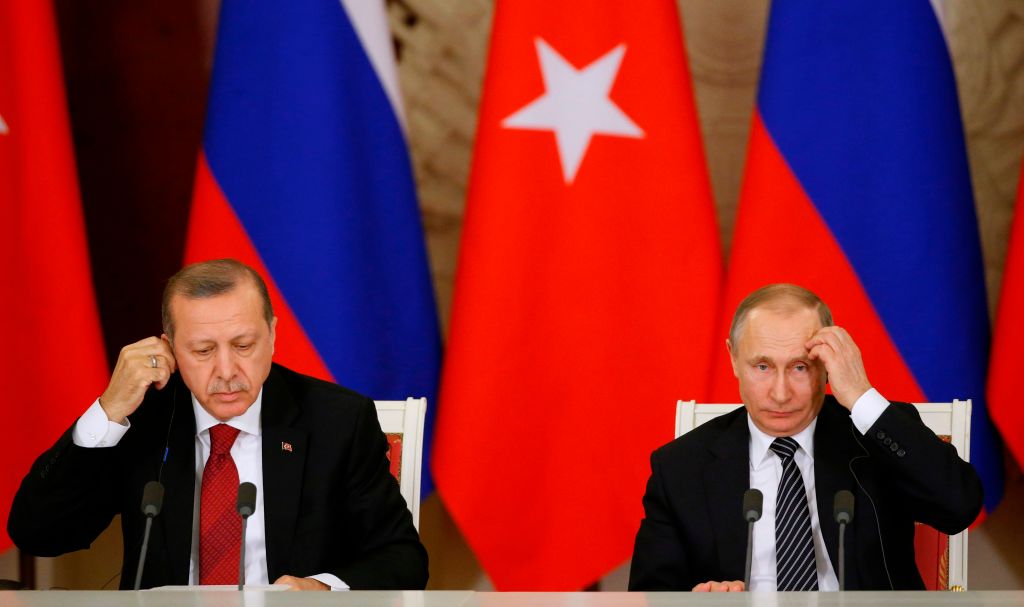
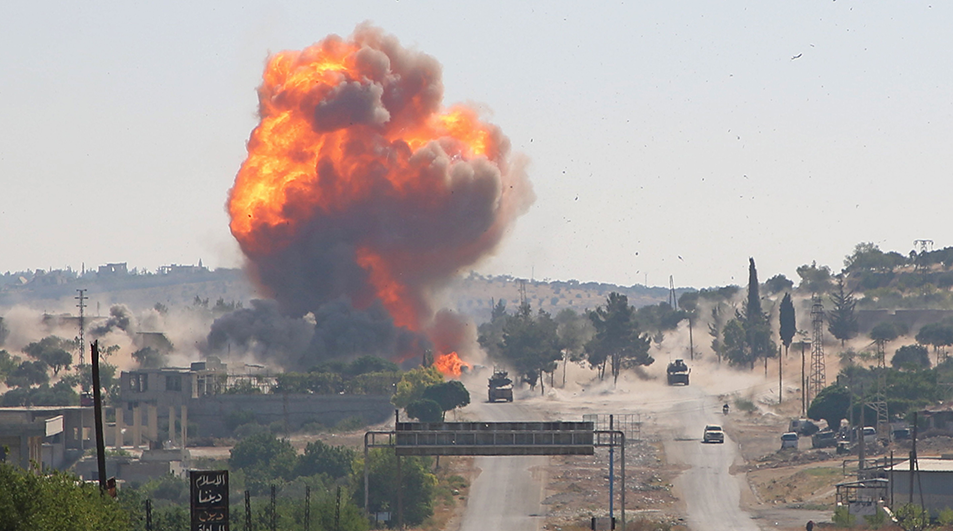
Monday Briefing: Will Russia and Turkey face off over Nagorno-Karabakh?
This week’s briefing on recent news and upcoming events in the region featuring Maxim A. Suchkov, Ibrahim Jalal, Eliza Campbell, Alex Vatanka, and Marvin G. Weinbaum.
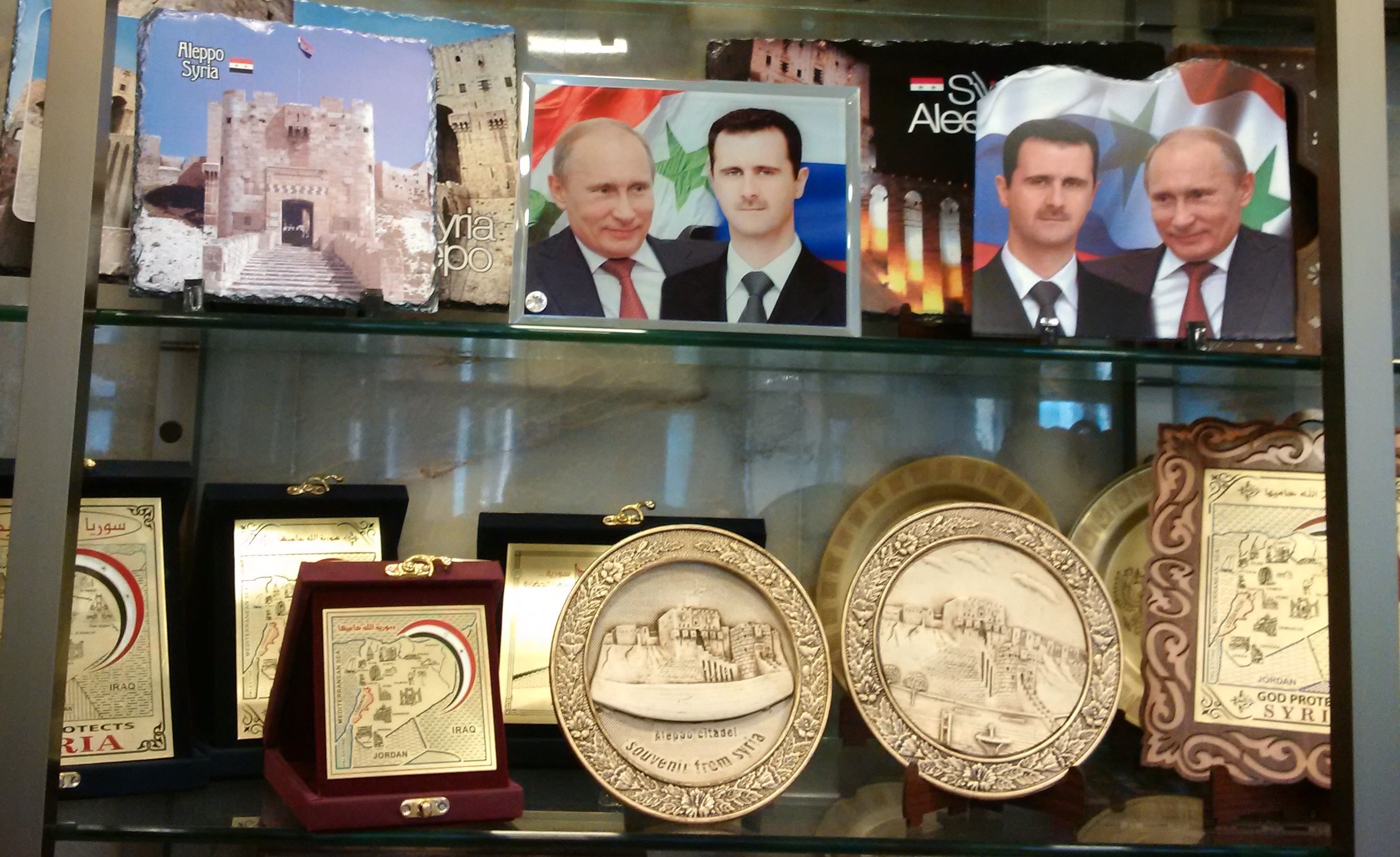
Political manipulation of cultural heritage is a powerful tool in the armory of soft power. Syria’s President Bashar al-Assad understands this well, as does Russia’s President Vladimir Putin and Turkey’s President Recep Tayyip Erdogan.
The Taliban holds the upper hand in intra-Afghan talks
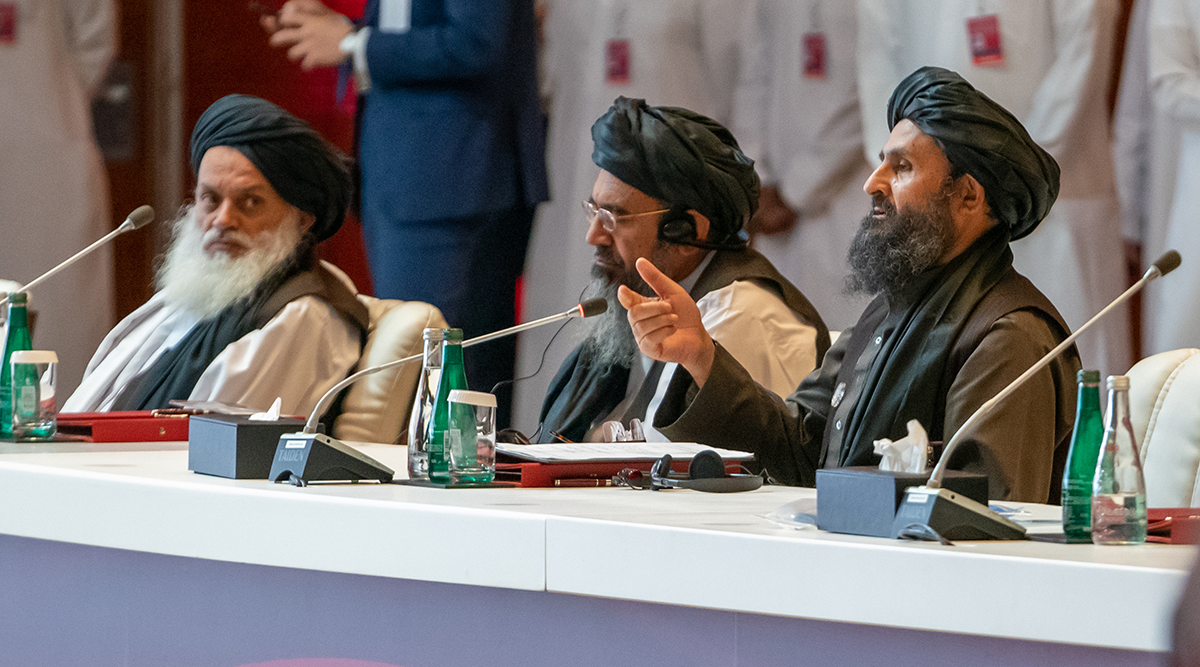
The ongoing intra-Afghan talks confirm, without a doubt, that the Taliban is negotiating from a position of remarkable strength. After being overthrown by the military of the world’s sole superpower two decades ago, the Taliban’s resurgence is a perfect example of what happens when a counterinsurgency campaign fails to eliminate its target’s safe havens. The Doha negotiations have also underlined the ugly reality of the Afghan conflict — that firepower alone cannot crush an insurgency when its narrative has some resonance with the local people.
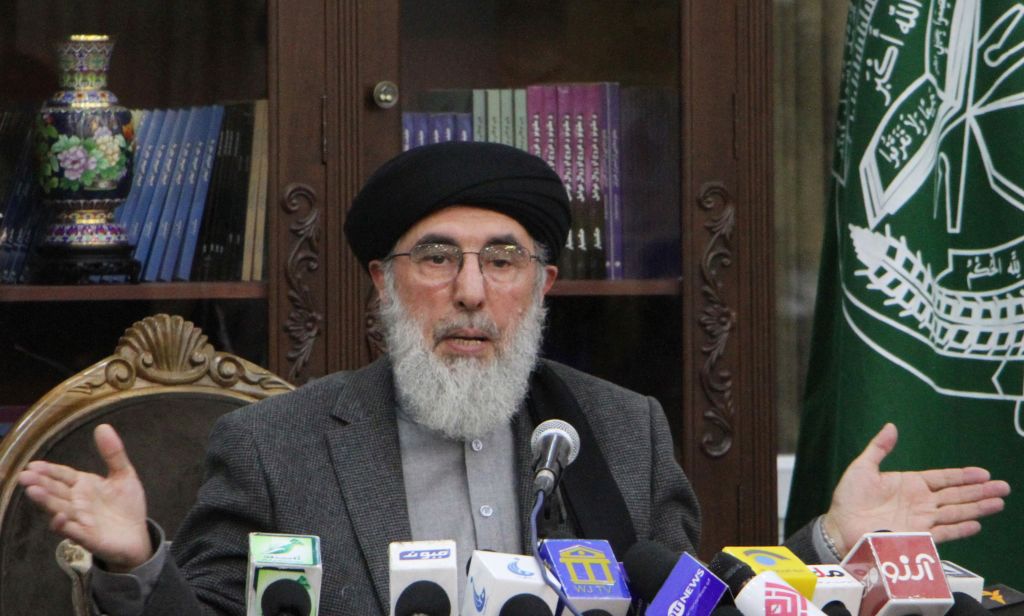
Monday Briefing: In Afghanistan a major player plans to jump ship
This week’s briefing on recent news and upcoming events in the region featuring Marvin G. Weinbaum, Charles Lister, Hafsa Halawa, Bilal Y. Saab, Anthony Elghossain, and Michael Sexton.
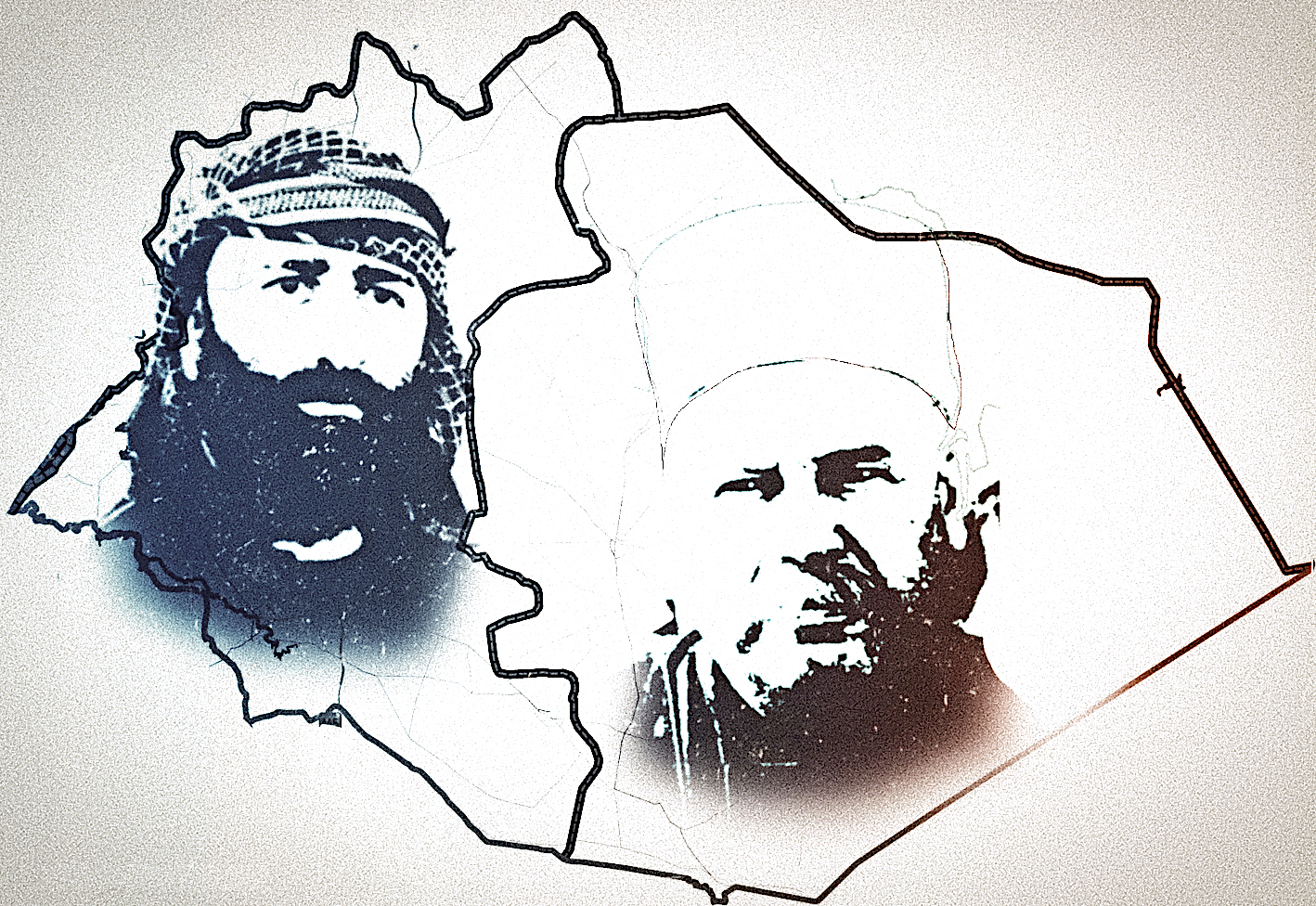
Foreign fighters have played a major role in Syria’s ongoing conflict, with a presence in the country that numbered in the tens of thousands at its peak. One of the most mythologized sources of foreign recruits has been Chechnya, the once-separatist province of Russia’s North Caucasus that was reconquered by the Russian army in the early 2000s. Several thousand Chechen fighters traveled to Syria to fight in various opposition and Islamist factions, where their battlefield prowess made them a prized commodity among Syrian rebel militants.
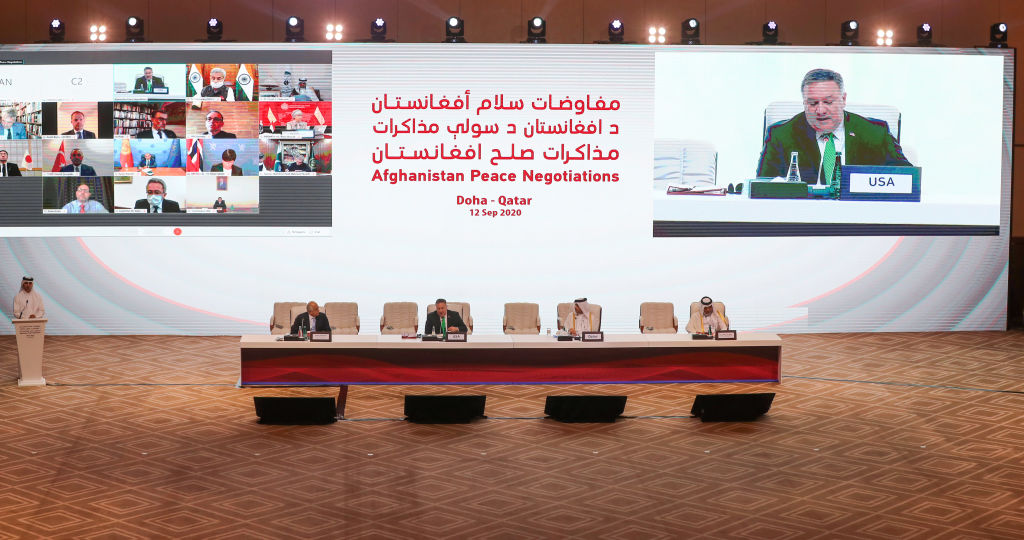
Monday Briefing: Intra-Afghan talks begin with pomp and circumstance
This week’s briefing on recent news and upcoming events in the region featuring Marvin G. Weinbaum, Grace Wermenbol, Jason Pack, Shahla Al-Kli, and Khaldoun Khelil.
An enduring divide: Afghanistan, Pakistan, and the Durand Line
The Durand Line, as the British-Empire-drawn border that separates Afghanistan and Pakistan is known, continues to haunt the region and its leaders. On Sept. 7, Afghanistan’s first vice president, Amrullah Saleh, opened Pandora’s box by saying in an interview that “No Afghan politician of national stature can overlook the issue of Durand Line.”
Syria Still Matters: Charting a Strategic Approach to Syria Policy
Nine years of conflict in Syria has had a profoundly destabilizing effect on regional and international security. Although overarching dynamics have changed, the crisis is far from over — it is merely evolving. All of the conflict’s root causes remain in place and many have worsened. In controlling less than two-thirds of the country, the Syrian state and its Russian and Iranian backers are increasingly incapable of addressing the many challenges they face: economic collapse and inflation, fledgling insurgencies, a resurgent ISIS, a COVID crisis, and endemic corruption and mismanagement. What happens in Syria never stays in Syria. The United States cannot afford to prematurely withdraw or sustain today’s inconsistent and ill-considered policy — it must step up, re-assert its leverage, strengthen its partners, mobilize its allies, and move determinedly toward protecting American interests and helping to diplomatically resolve the crisis once and for all, creating space for foreign actors, the U.S. included, to depart Syrian soil responsibly.