Iran is learning from Russia’s use of missiles in Ukraine
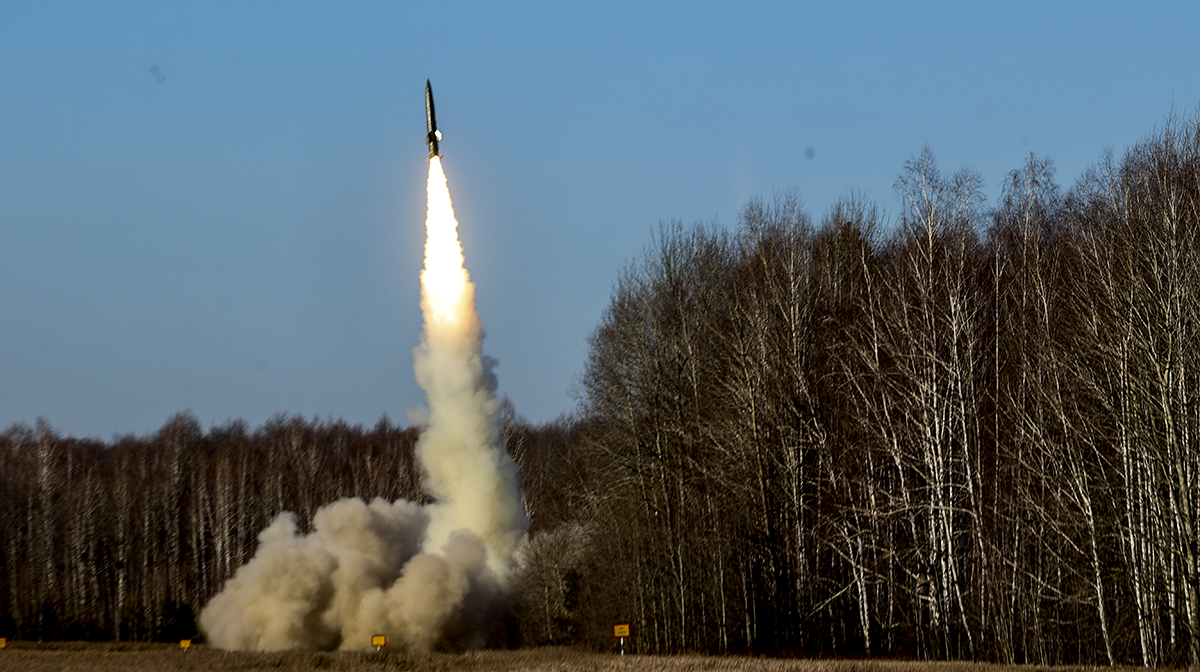
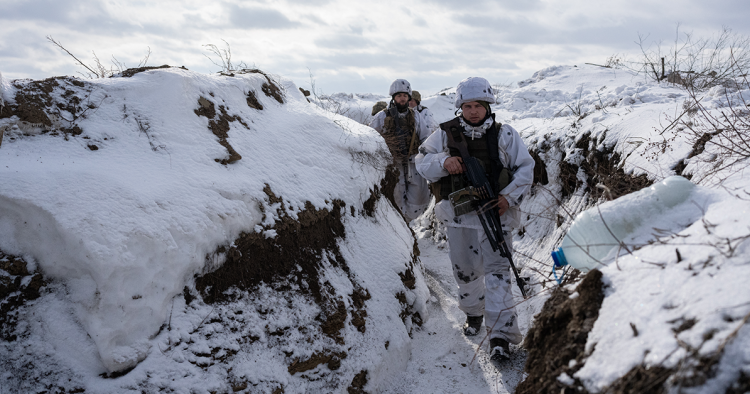
Russia’s invasion of Ukraine has turned into the largest testing ground for ballistic and cruise missiles in modern warfare. Militaries around the world are watching carefully, and Iran is certainly no exception. With its military doctrine heavily dependent on ballistic missile forces, Iran has a particular interest in the war in Ukraine and is taking notes on Russia’s use of missiles.
Has Imran Khan’s ouster opened a Pandora’s box in Pakistan?
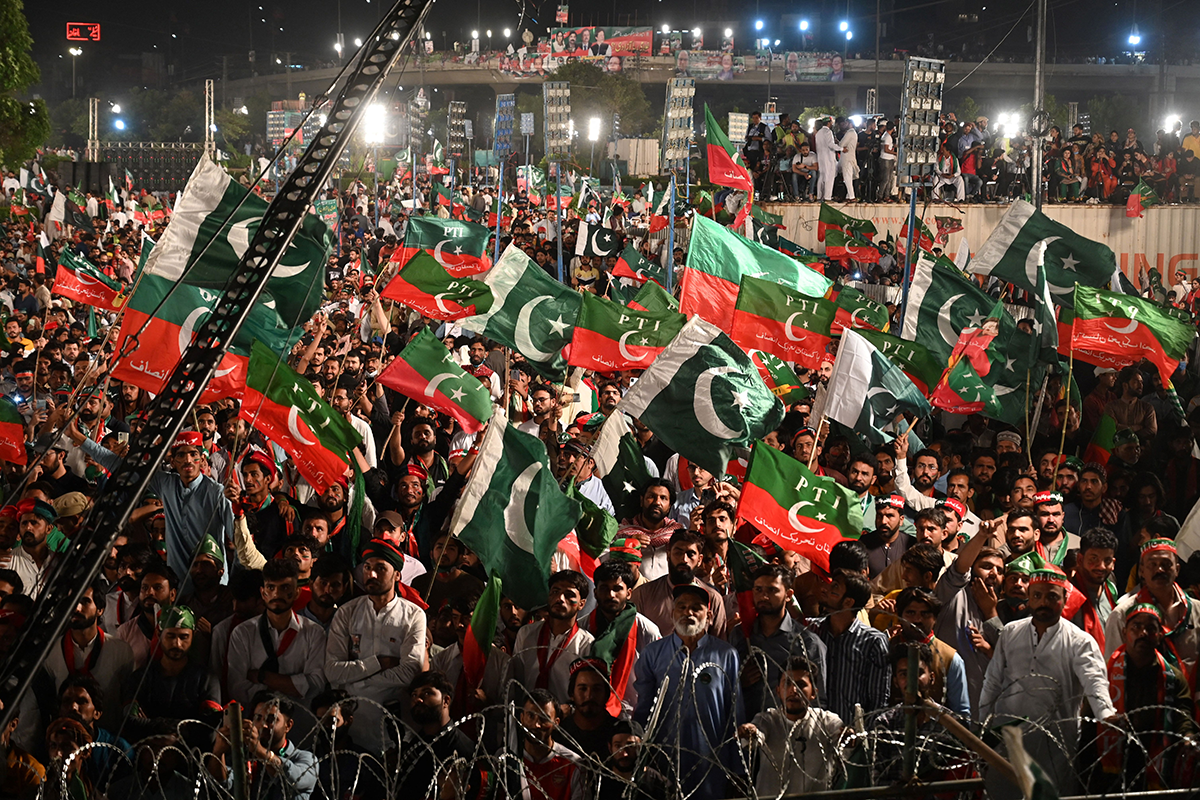
Khan’s removal has served to galvanize and perhaps even expand his support base and his opponents among the senior brass of the army and in the political class have unwittingly rehabilitated his public image. As Khan’s political fortunes have improved, the new coalition government is struggling to handle the hot potato of a deteriorating economy and the army is facing criticism unprecedented in recent years.
What would an Arab-Israeli military alliance mean for Iran?
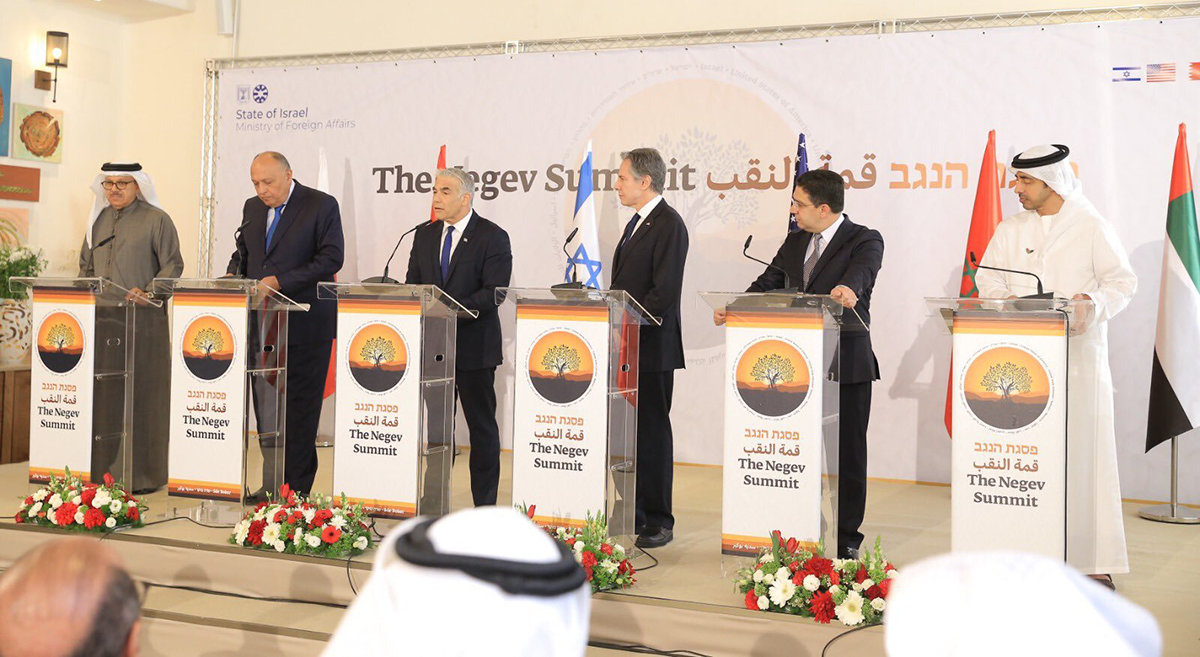
In recent remarks, the Israel Defense Forces’ (IDF) Chief of Staff Aviv Kochavi announced preparations for a potential upcoming military operation, foreshadowing a possible move against Iran. Kochavi’s announcement came shortly after Israel and the foreign ministers of four Arab nations — Morocco, Egypt, the UAE, and Bahrain — along with U.S. Secretary of State Antony Blinken, met at the Negev Summit in the Israeli desert to lay the foundation for a strategic military alliance to deter “Iran and its associated militias,” as Israeli Foreign Minister Yair Lapid put it.
Iran-Africa relations under Raisi: Salvaging ties with the continent
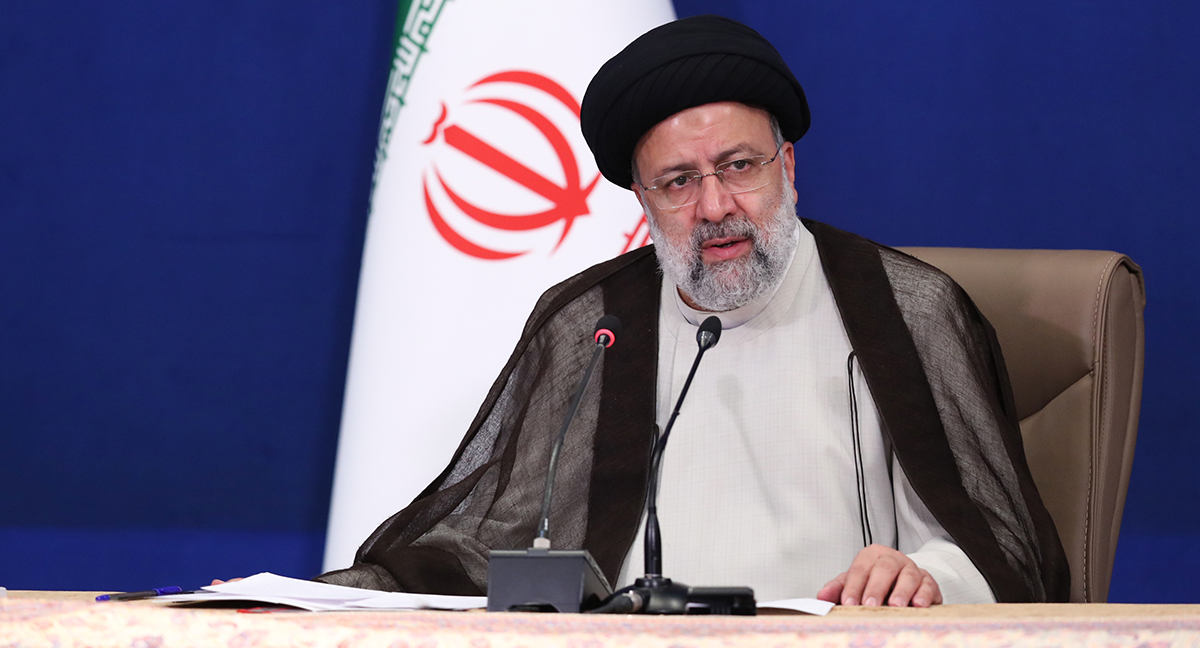
Since the beginning of his presidency, Raisi has called for increasing cooperation with Africa. Contrary to popular perception, this is not part of a hegemonic project to further expand Iranian influence in Africa. Rather, it constitutes an effort to reset relations with the continent after his predecessor spent eight years neglecting it.
Despite expectations that China, Russia, and other states would try to exploit the Western military departure from Afghanistan, the Taliban’s regime remains unrecognized by any other government. Neighboring countries have not gone beyond limited diplomatic engagement, economic detachment, and security containment.
How will the war in Ukraine affect EU-MENA relations?
While most analyses of the war in Ukraine have tended to focus on the intra-European dimension, it is worth exploring the potential consequences of this conflict for the EU’s relations with countries further afield, especially those in the Middle East and North Africa.
Iran’s growing presence in Syria’s al-Hasakah poses a direct threat to US forces
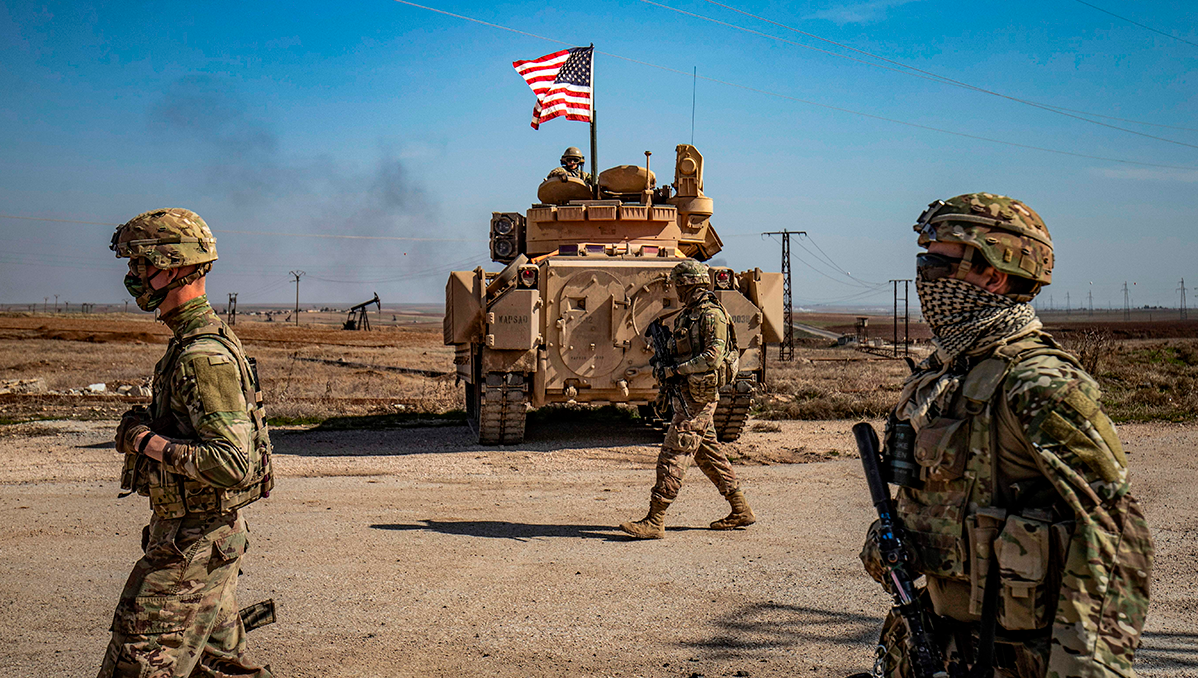
During February and early March 2022, the militias of the Iranian Islamic Revolutionary Guard Corps (IRGC) located in Syria’s al-Hasakah Governorate brought in several shipments of weapons and military equipment in an effort to strengthen their military and security presence in the governorate, which is considered the richest in Syria in terms of oil and agricultural wealth.
China draws closer to the Taliban as regional foreign ministers prepare to meet in Beijing
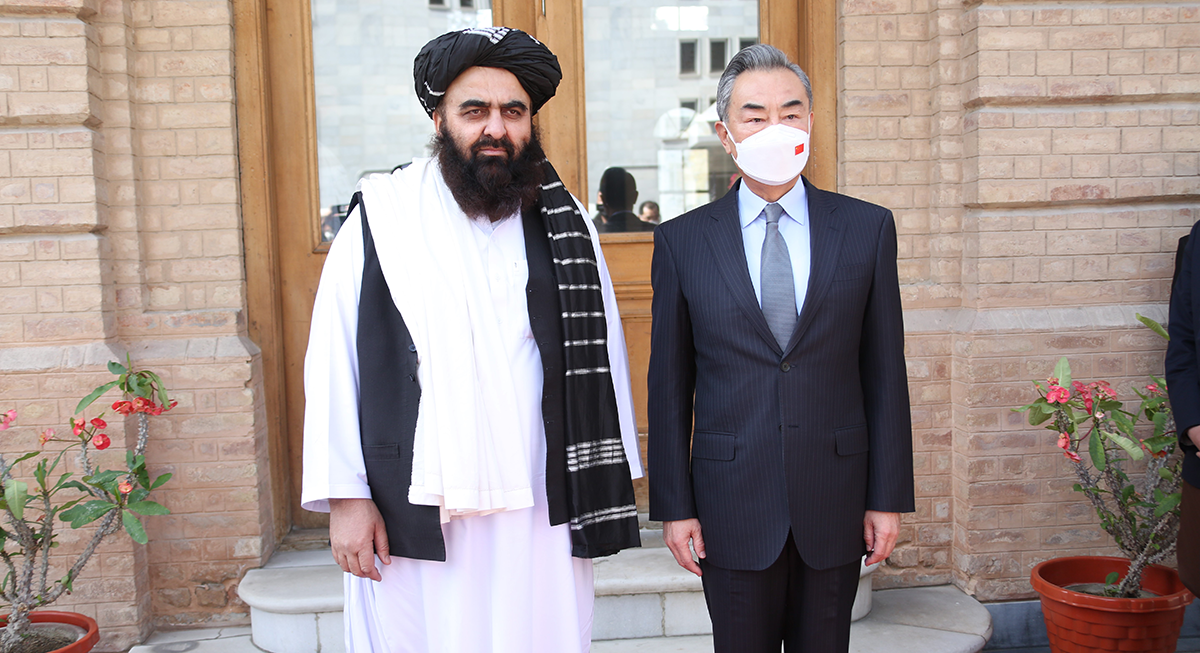
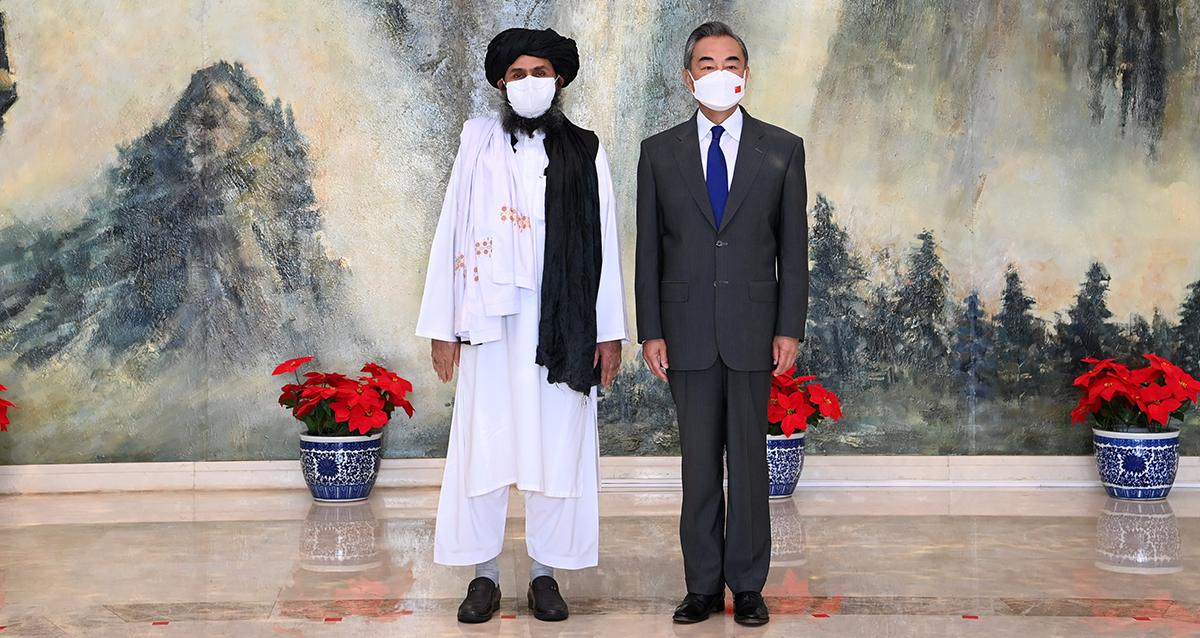
Despite the loss of crucial foreign aid, a deepening food crisis, and a sinking economy, little attention has been given to the effects of Afghanistan’s current political instability on the Taliban’s international relations. The international community has certainly taken an interest in Afghanistan, urging the Taliban to implement reforms, such as political representation for all Afghan ethnicities and respect for women’s rights, particularly when it comes to education and work. For its part, however, China has not let such concerns get in the way of establishing strong ties with the Afghan Taliban.
The Russian invasion of Ukraine has been a watershed moment on so many levels for so many countries. Existing political, economic, energy, and transportation channels are being affected across western Eurasia. Countries are maneuvering to minimize the war’s detrimental impact while new trade synergies are being formed at a rapid pace. Most recently, Germany and Qatar signed a long-term energy partnership for the delivery of Qatari natural gas as the Germans look to reduce dependence on Russian supplies. Qatar’s reserves are located in the world’s largest gas field, which it shares with its northern neighbor, Iran.
Russia's invasion of Ukraine and the nature of Iranian-Russian relations
Russia’s Feb. 24 invasion of Ukraine, which triggered Europe’s first major conflict since the Balkan Wars of the 1990s, marks a watershed in the continent’s post-Cold War history. The conflict poses significant security challenges for countries throughout Eurasia and beyond, and Iran is by no means immune to the geopolitical changes underway.