Iranians are disillusioned with Biden’s soft approach to the Islamic Republic
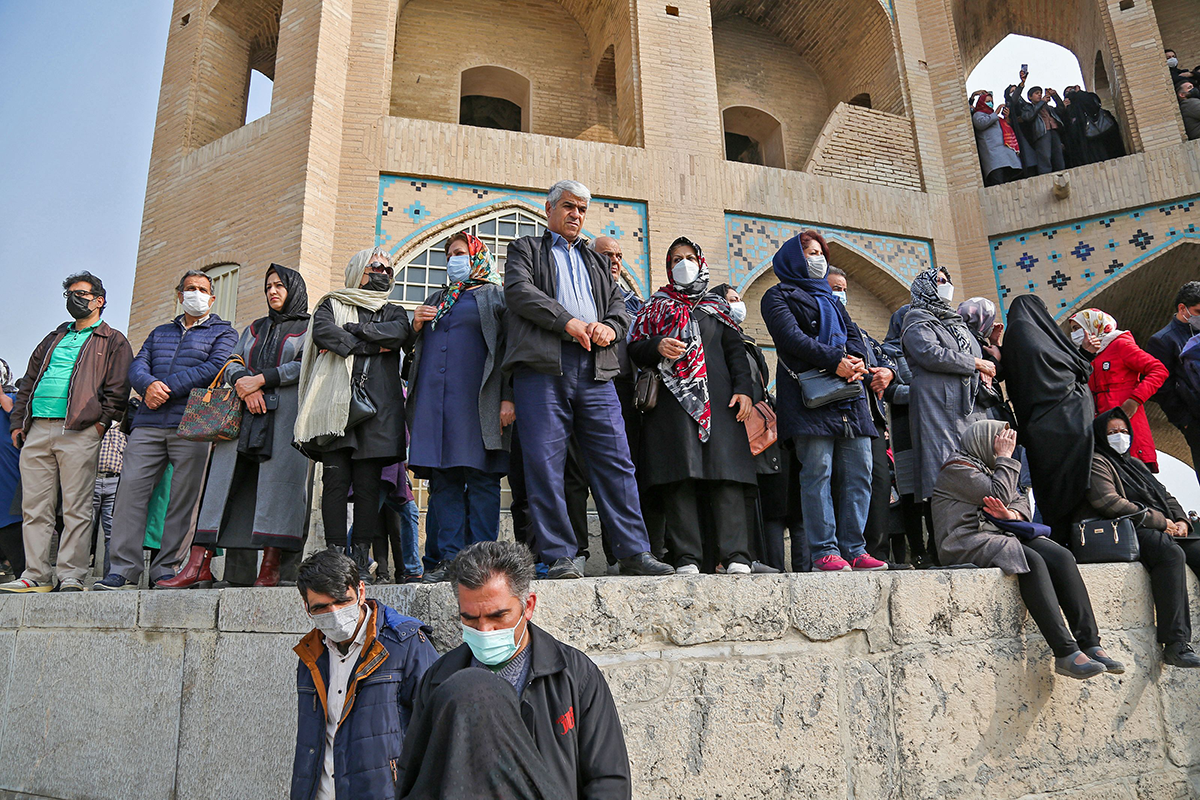
If the Biden administration makes concessions to appease the Islamic Republic of Iran as part of the recently resumed Vienna nuclear talks, it will be a historic mistake. The Islamic Republic is facing a deep legitimacy crisis of its own making, as a series of disastrous decisions have hardened the people’s views against the regime. These days, anyone who is seen to be throwing the Islamic Republic a lifeline will be wildly unpopular among Iranians.
OPEC+ faces new tests to its market balancing strategy in 2022
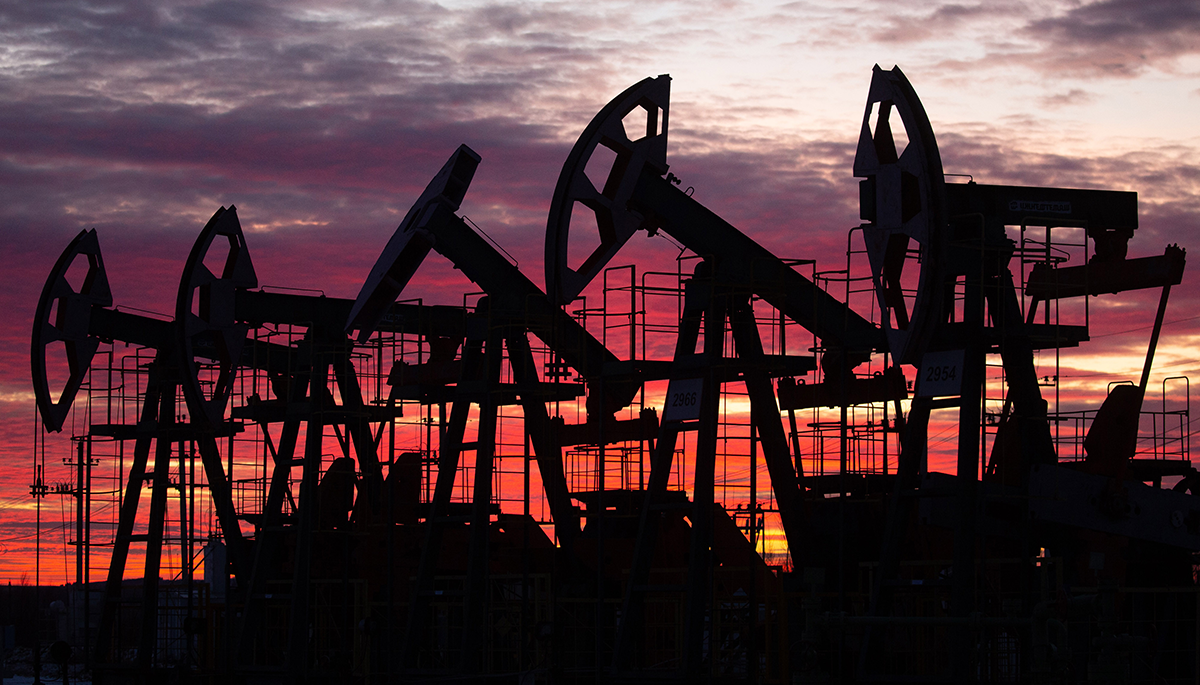
When President Joe Biden’s White House announced that it had successfully enlisted several major oil-consuming countries in an effort to coordinate releases from strategic petroleum reserves (SPRs) around the world, it looked like this would be the only major factor in oil markets that OPEC+ would need to consider at its upcoming meeting on Dec. 2. Then came Omicron. The newly discovered variant of the COVID-19 virus sent benchmark oil prices plunging on Nov. 26 as uncertainty over its impact roiled global markets.
The EU’s Strategic Compass: Preparing to navigate MENA “with less US”
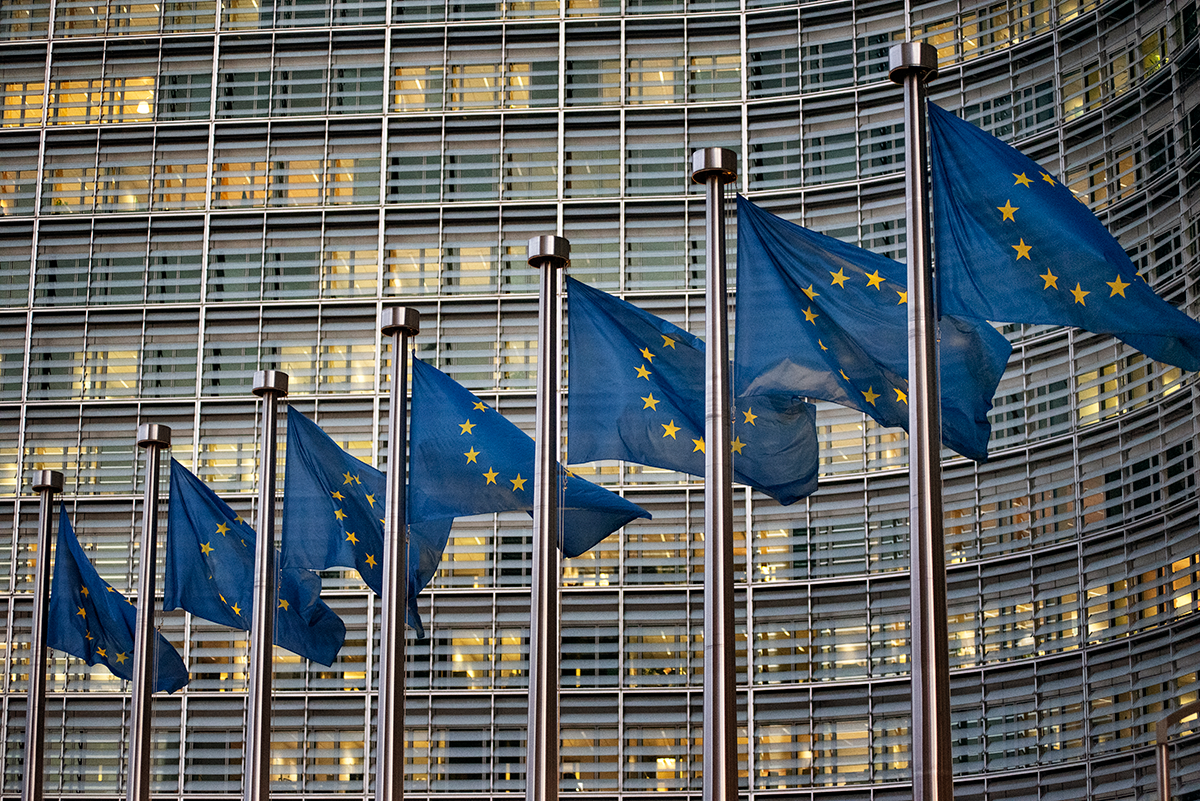
After almost two years of work, the first draft of the EU’s so-called Strategic Compass was presented on Nov. 15. The objective of this military strategic plan is to agree on a set of proposals to guide the bloc’s defense cooperation efforts for the next five to ten years. Previous attempts at seriously bolstering Europe’s defense ambitions have often been half-hearted, but this time could be different because Europe feels genuinely threatened.
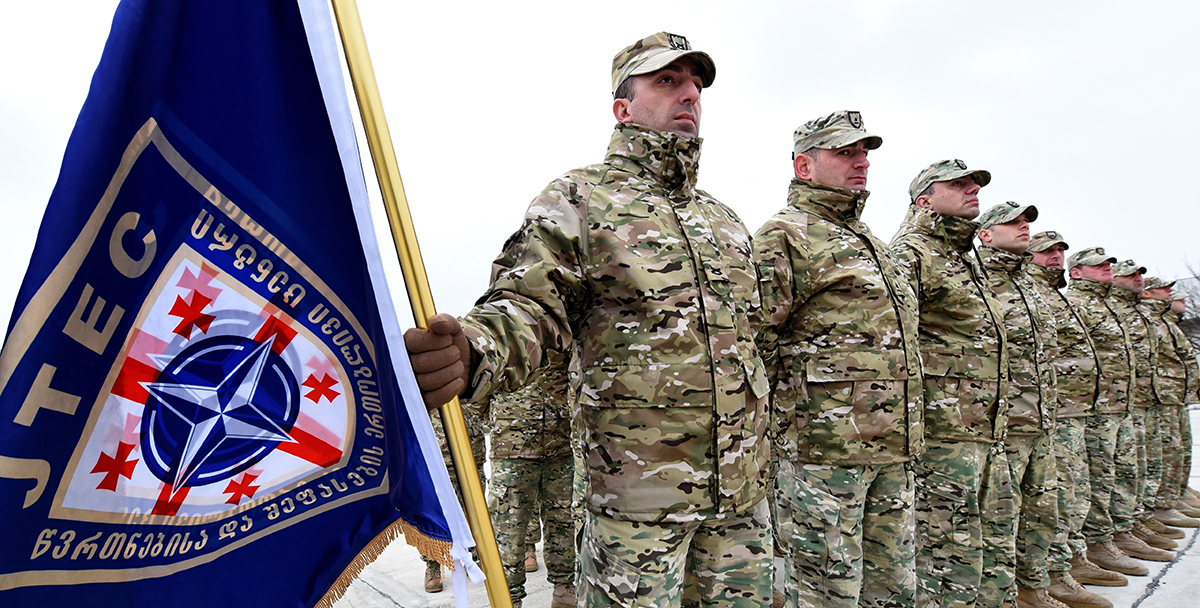
Under the Biden administration, calls for a NATO Black Sea strategy have amplified. A gamechanger for the much-needed regional strategy is Georgia’s and Ukraine’s path to membership. NATO’s strategic reassessment, to be finalized next year at the Madrid summit in June, will likely fall short of granting Ukraine and Georgia the desired Membership Action Plan. Nevertheless, NATO’s strategic reassessment offers the opportunity of a partnership upgrade for one or both countries.
Algeria-Morocco tensions: The onset of a regional cold war
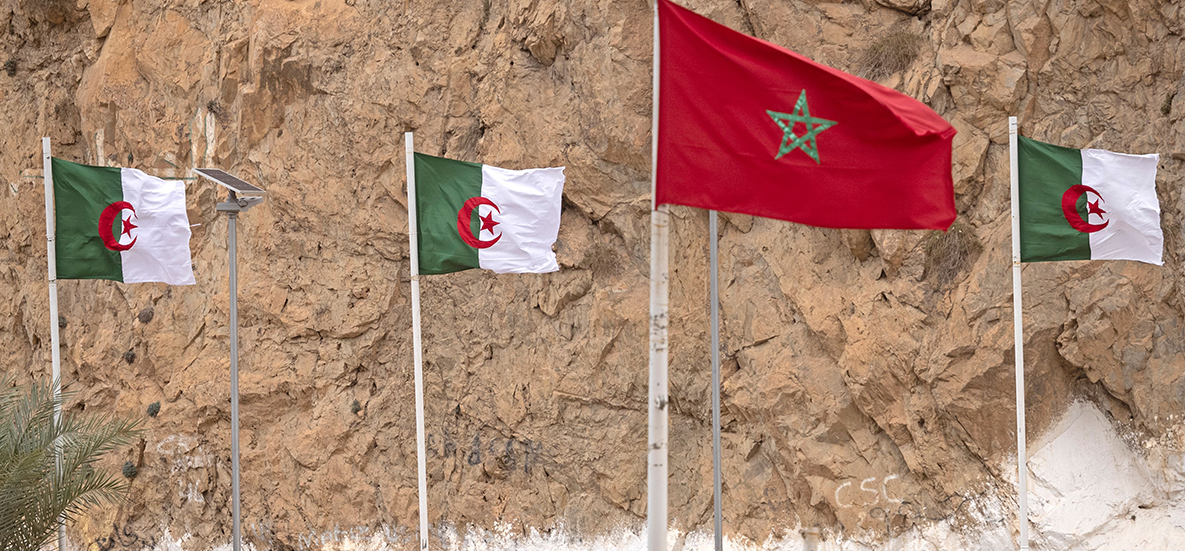
On Nov. 1, three Algerian citizens were killed in the disputed territory of Western Sahara. The Algerian presidency issued a statement accusing Morocco of carrying out an attack with a “sophisticated weapon” on two Algerian transport convoys. This was only the latest episode in a process of escalation between the two countries. The Algerian authorities had previously cut their diplomatic relations with Morocco on Oct. 24 due to rising tensions. Even though the relationship between Algiers and Rabat has long been contentious, the death of three Algerian citizens could prove to be a turning point.
Leading a Resilient Lebanese Armed Forces Through Crises and for the Long Run
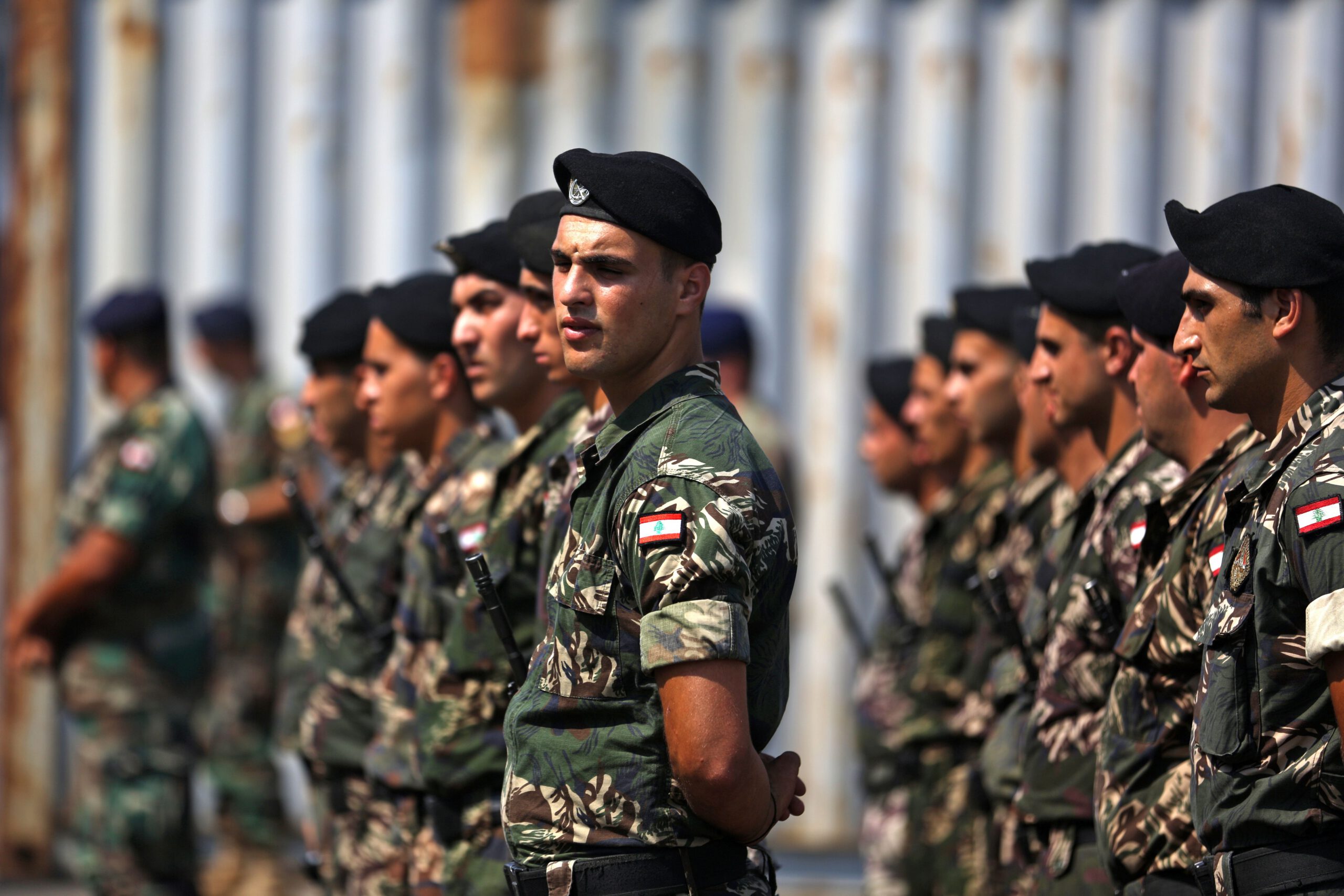
Repeated crises in Lebanon, including the COVID-19 pandemic, have highlighted the need for resilience in the Lebanese Armed Forces (LAF). Amid the current acute economic and financial crisis facing the country, there are warning signs about the LAF’s incapacity to continue, as the resources at its disposal and popular confidence in its effectiveness have both been degraded. In light of the current challenges and those that may lie ahead, the LAF needs to become more resilient, able to both adapt and strengthen as an organization, while also ensuring public security, the conditions of its personnel, and its own long-term status.
The 3+3 format in the South Caucasus doesn’t add up
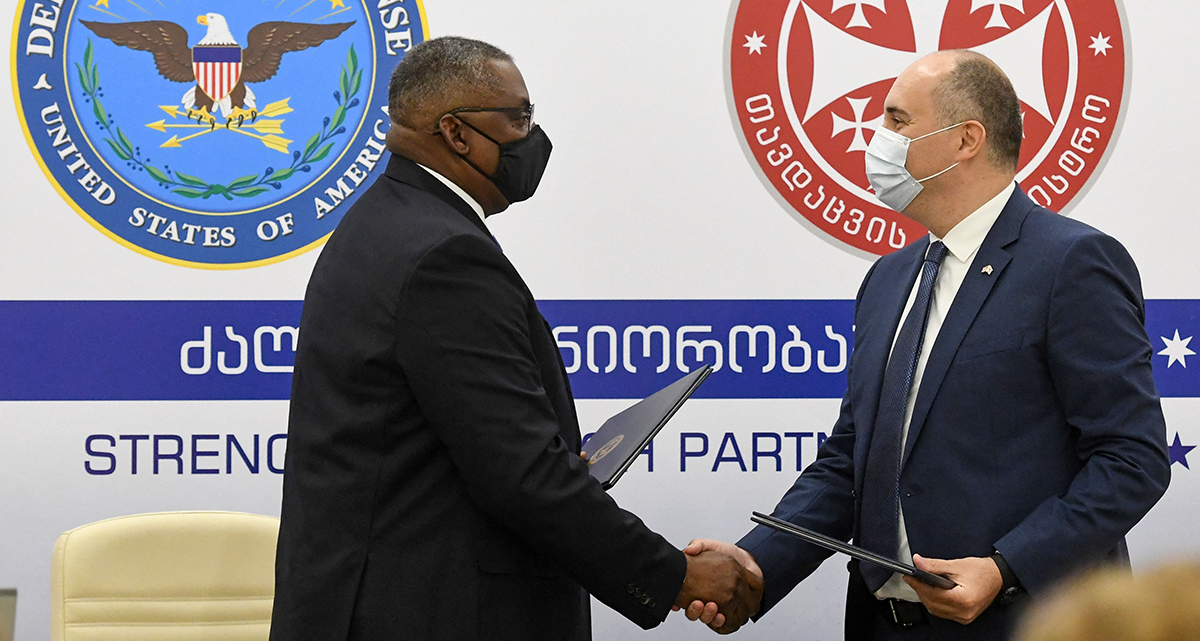
During his recent visit to Tbilisi, U.S. Defense Secretary Lloyd Austin poured cold water on the idea of American support for a so-called “3+3 format” in the South Caucasus. When asked about the proposal, he said, “I would just say that Russia, which currently occupies 20% of Georgia’s territory, should focus on honoring its 2008 cease-fire commitments before promoting any new discussion platforms.”
The Fragile State of Food Security in the Maghreb: Implication of the 2021 Cereal Grains Crisis in Tunisia, Algeria, and Morocco
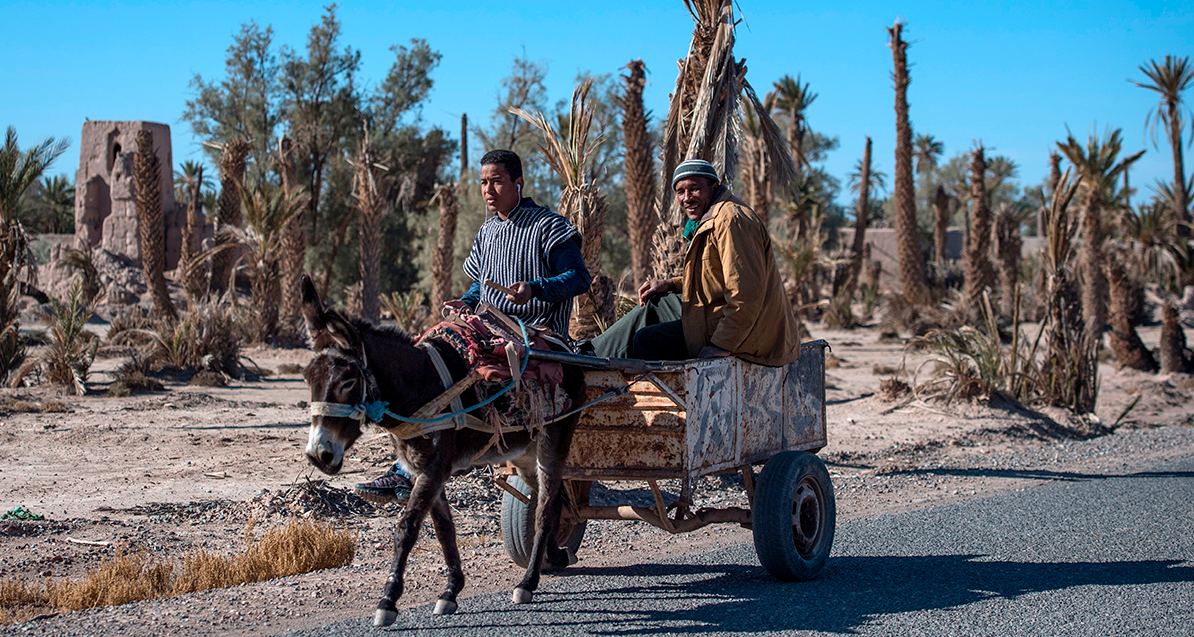
North Africa has entered a food security crisis. Tunisia, Algeria, and Morocco are witnessing food inflation levels not seen since the civil unrest of the Arab Spring a decade ago. Although the Maghreb’s current food crisis was precipitated by the local and global economic shocks brought on by the onset of the COVID-19 pandemic in 2020 and its 2021 aftermath, the structural fragility of the food systems in Tunisia, Algeria, and Morocco is responsible for severity of the problem. At the core of this fragility is the failure to implement adequate measures to address the impact of increased water scarcity and debilitating climate change.
For Mali and the Sahel, New Tensions and an Old — and Worsening — Security Problem
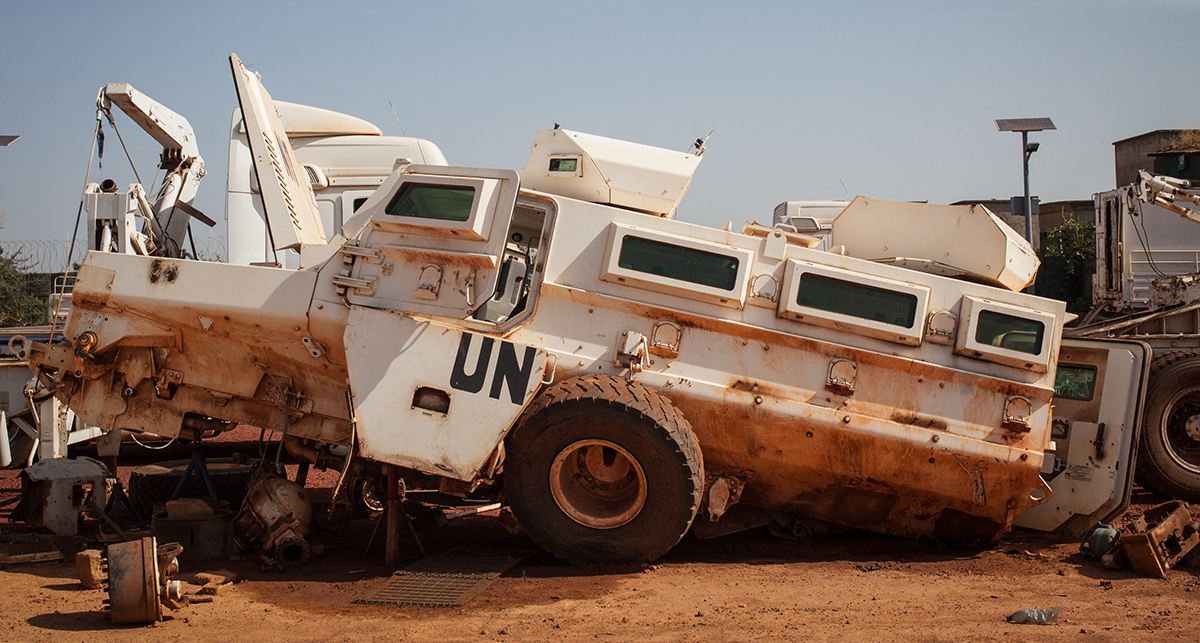
Events in the Sahel, and Mali especially, are taking an uncertain and worrying turn. Mali witnessed two coups d’état in less than a year, while the West African Sahel went through its most violent year yet and there are no signs that the violence is slowing down. In the midst of this unprecedented instability, recent developments involving Mali’s transitional government and the international community, France in particular, provide no assurances that things are likely to improve anytime soon.
The China-Pakistan Economic Corridor: Slower may be better
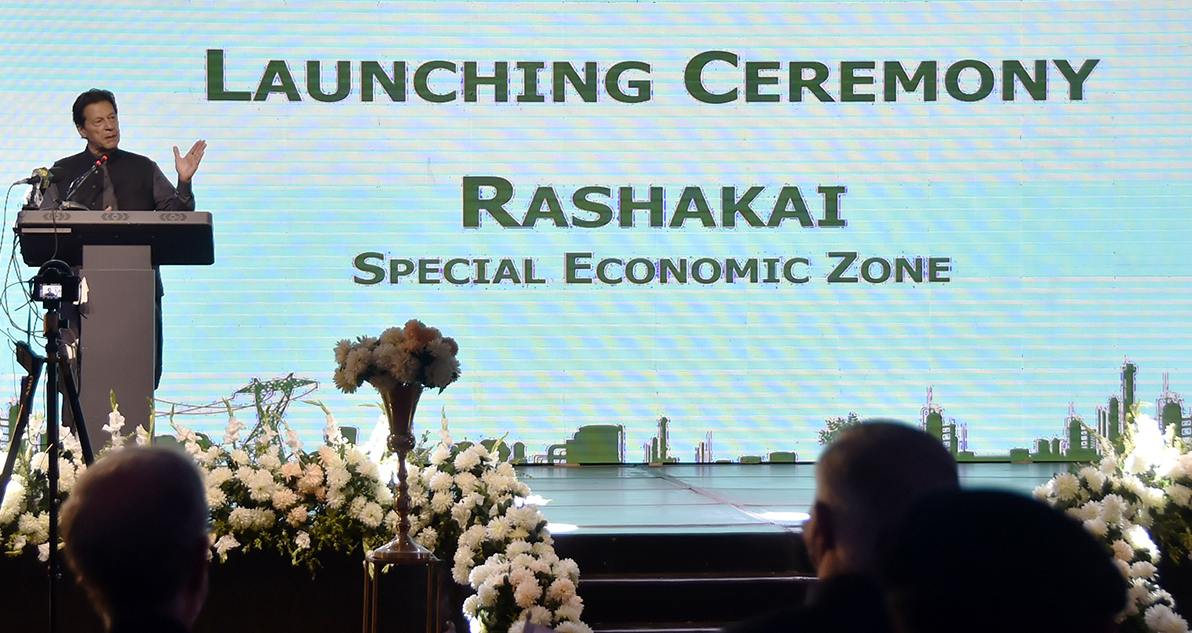
In September, China and Pakistan convened the tenth session of their joint coordination committee that oversees the CPEC — the largest of the BRI corridors. The long-anticipated meeting ultimately yielded no major breakthroughs. The momentum of CPEC appears to be losing steam once again, but for Pakistan, slower may actually be better.
The IRGC and the Persian Gulf Region in a Period of Contested Deterrence
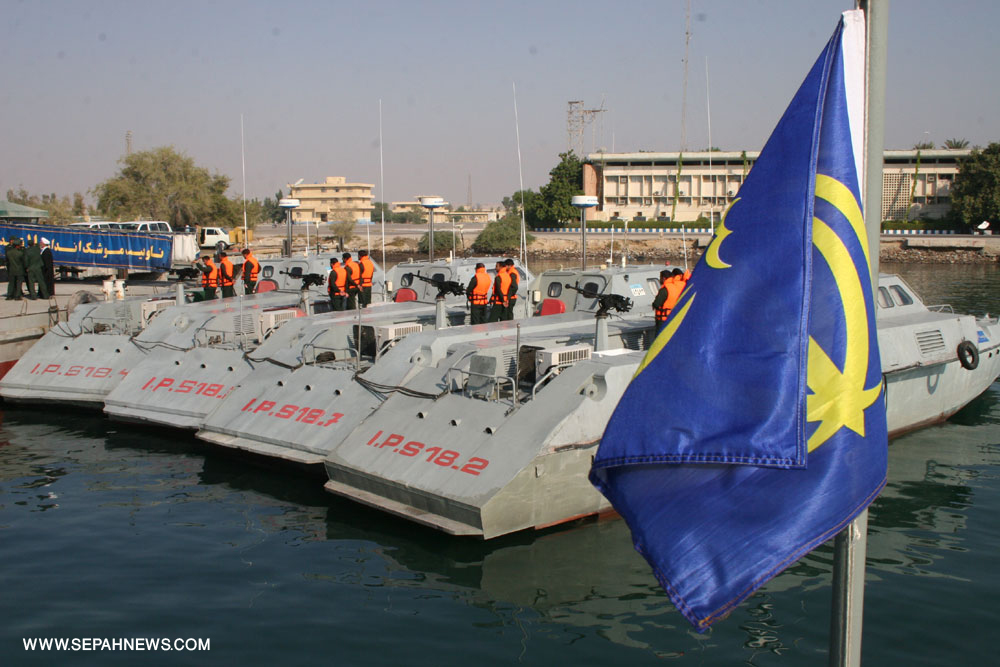
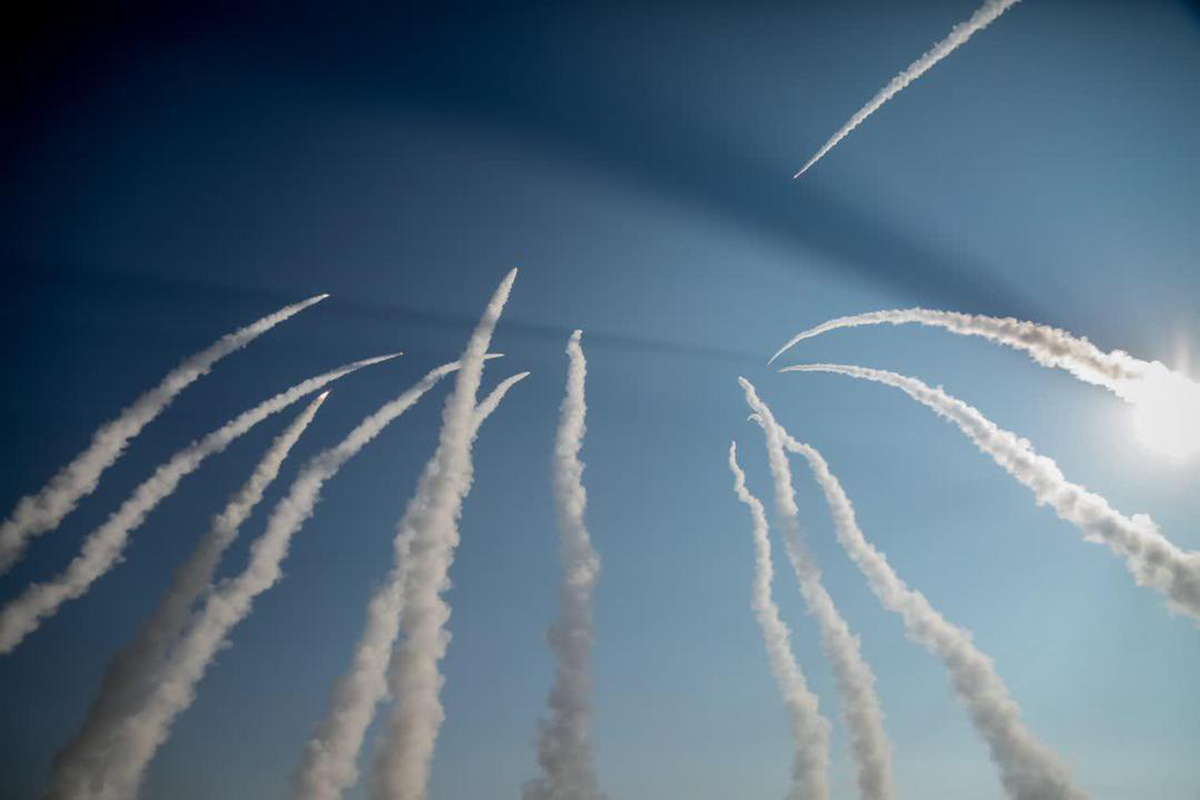
The Strait of Hormuz is one of the world’s most important maritime chokepoints, vital to the global supply of both oil and liquefied natural gas. The issue of freedom of navigation in the strait has long been a source of tension, but until recently any attempt by Iran to physically close it looked highly implausible, unless it resulted from either a major embargo or total blockade of Iranian ports by the West, or a large-scale military confrontation. However, the events of the past three years showed Iran can still ensure a major disruption of the flow of energy without a formal blockade and without an increased risk of military confrontation with the West. Iran has a variety of means at its disposal, especially through its Islamic Revolutionary Guard Corps naval forces, and the Iranians make no secret of their desire to be recognized as the dominant military power in the Gulf and the Strait of Hormuz.
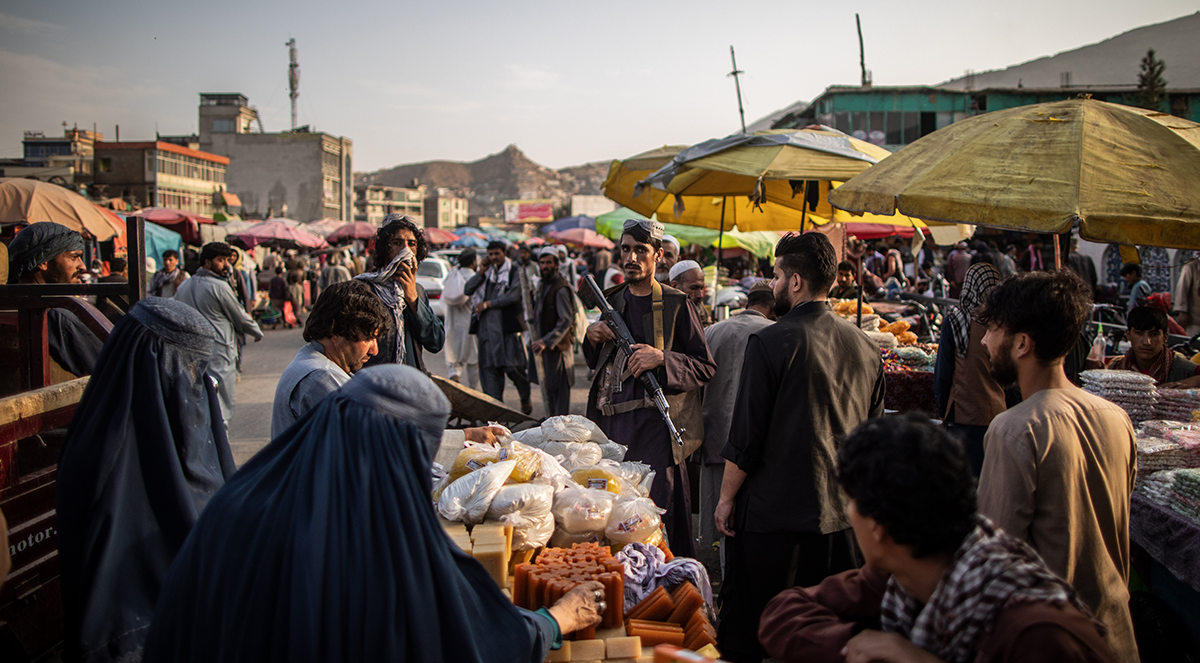
Afghanistan’s economy is collapsing. The Taliban’s forceful seizure of power led to a curtailment of almost all foreign aid, a devastating development for a nation overwhelmingly dependent on international assistance. Widespread drought, pervasive corruption, the perennially inadequate use of the country’s human capital, and a population largely unvaccinated against COVID-19 have exacerbated this longstanding problem of foreign financial dependence.
Integrated Air and Missile Defense Will Enhance Security in the Middle East
Integrated air and missile defense will make America’s partners in the Persian Gulf safer and bolster America’s policy against Iran. It’s past time to make IAMD a priority.