A Look at Oman and South Korea’s Strategic Partnership
Since Oman and South Korea established official diplomatic ties in 1974, trade has largely defined the Muscat-Seoul relationship. Oman’s oil and liquefied natural gas (L.N.G.) and South Korea’s automobiles, electronics, and large vessels have dominated bilateral trade. Yet as Seoul stakes out increasingly vital national interests in the volatile Middle East, a host of geopolitical and security trends will more meaningfully influence the future of Omani-Korean relations.
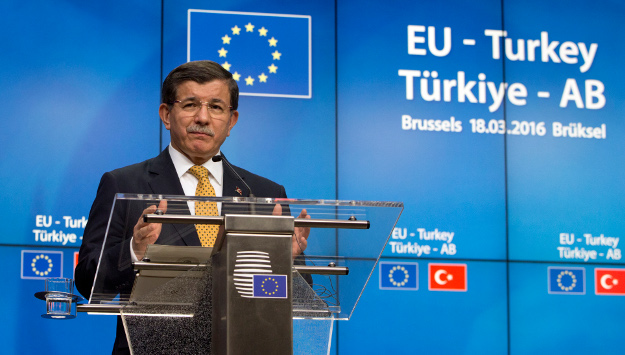
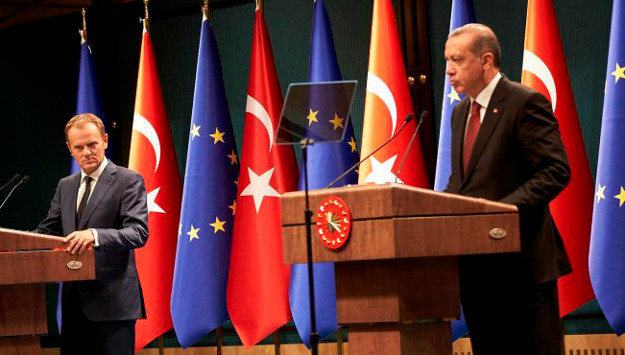
The European Union and Turkey agreed March 17 on a plan to address the Syrian refugee crisis. Under the deal any migrants arriving in Europe, starting next week, will be sent back to Turkey. Ankara, in exchange, will receive expedited aid intended to help Syrians in Turkey, as well as the promise of reignited E.U. membership talks.
Turkey first applied for associate membership in the European Economic Community in 1959, and Europe has ever since had the upper hand in relations with Ankara. But the EU’s relationship with Turkey has been turned upside down by the Syrian refugee crisis, and the alarm it has caused in European countries.
Turkey is confronting a nightmare as its two archenemies, President Bashar al-Assad’s regime and the Kurdish Democratic Union Party (PYD), gain ground in Syria with the help of U.S. and Russian air cover. Turkey has long called for a no-fly zone in northern Syria to protect areas held by the opposition and a halt to the PYD advances west of the Euphrates. Frustrated with U.S. cooperation with the PYD, Ankara has insisted that the PYD is a terrorist organization and poses a grave danger to Turkey’s national security.
What MEI’s Experts Say on Situation in Northern Syria
MEI experts Charles Lister, Paul Salem, Randa Slim, and Gonul Tol weigh in on the intensifying battles in northern Syria, with dire predictions for the humanitarian situation as well as for the internal stability of neighbors. Lister argues the loss of the Azaz corridor would be a “catastrophic morale blow” to the Syrian opposition, while Tol believes current Turkish attacks on YPG positions is not a prelude to an invasion.
Turkey Squeezed by Russian-backed Offensives in Syria
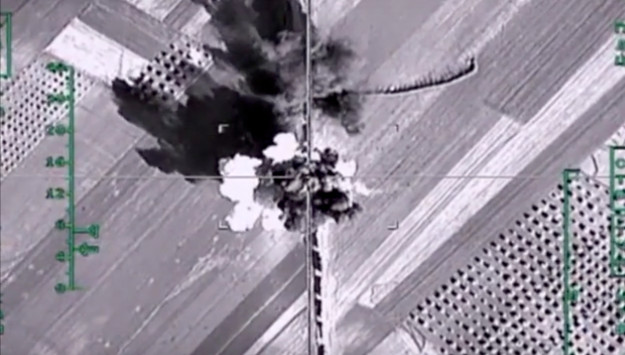
The cessation of hostilities was to begin in Syria on February 19. As was the case with the late 2011 and mid-2012 ceasefire efforts, this one is likely to fail. Instead of halting fire, the Syrian government is currently trying to isolate and assert dominion over the rebel-held portion of Aleppo, and, just as importantly, to block armed opposition supply lines extending down from Turkey. The Syrian government and its Russian and Iranian allies want to impose surrender terms on the armed opposition, not negotiate a compromise political deal.
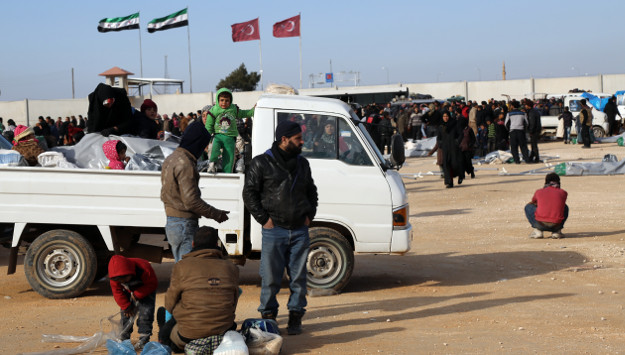
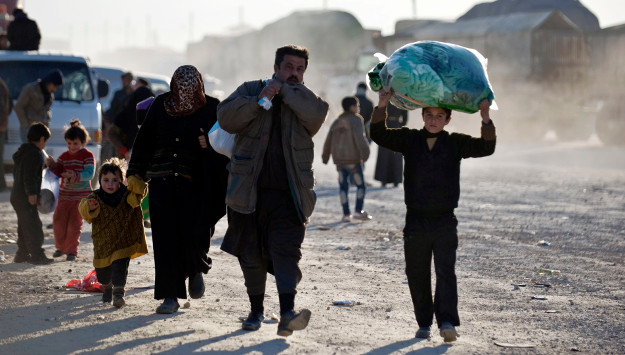
Not only is the battle for Aleppo sending tens of thousands of desperate people fleeing toward Turkey, but the fall of the rebel-held city would deliver a major blow to Ankara’s Syria policy.
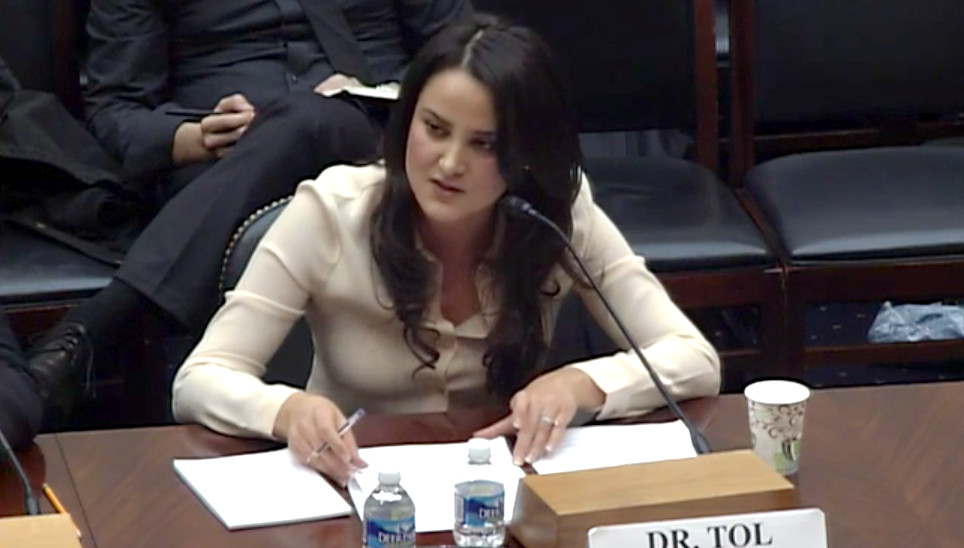
Gonul Tol, director of MEI’s Center for Turkish Studies, delivered the following testimony at a hearing of the U.S. House of Representatives’ Foreign Affairs Subcommittee on Europe, Eurasia, and Emerging Threats on February 3, 2016. Click here for video of the hearing.
Mr. Chairman, members of the Committee, it is an honor to be invited to speak with you today about the political trends in Turkey in 2016.
Gulf Decisionmakers' Perceptions of Security Ties with China
The essays featured here are the products of a workshop series analyzing China’s position in the context of Gulf security, organized by the Department of International Affairs and the Center for Humanities and Social Sciences of Qatar University under the direction of Dr. Imad Mansour.
Turkey Should Avoid Getting Involved in the Saudi-Iran Row
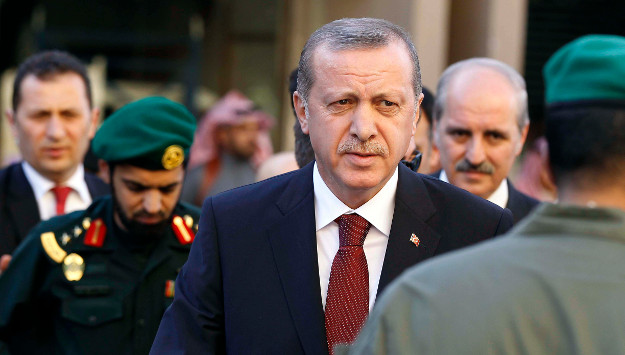
Turkey’s reaction to the latest spat between Saudi Arabia and Iran spells more trouble for Ankara at a time when it is already at loggerheads with many of its neighbors. Initial remarks by Deputy Prime Minister Numan Kurtulmus criticizing both sides were an attempt to keep Turkey out of the rift. He was upstaged, however, by Turkey’s foreign ministry, which followed up with a statement singling out Iran for condemnation.
Saudi-Iran Tensions Place Pressure on Smaller GCC States
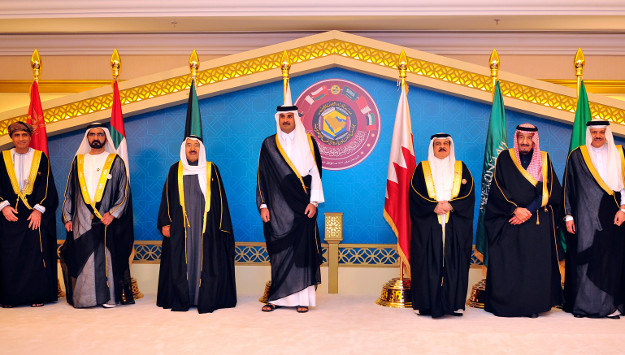
The recent escalation in tension between Saudi Arabia and Iran is throwing the GCC into a crisis of unity. Riyadh’s actions in particular are built on the frustration of the Yemen war and the perception of Iranian encroachment in Arab lands that the Saudi kingdom believes is its domain. King Salman and his son, Deputy Crown Prince Mohammad bin Salman, feel the kingdom is being ignored by the international community in other hot zones, namely Syria, where the outcome of the war is being determined by Washington and Moscow.
Washington and Ankara are in yet another difficult phase in a relationship cycle that runs from very good to very bad. American public opinion about another country forms slowly, but persists through time once set. As Turkey changes, we keep trying to fit new evidence into the old paradigm. At some point, the contradictions are too obvious to explain away, and the new narrative emerges. Right now, Americans are caught in that dilemma regarding Turkey. Unless we have a better idea of which Turkey we are dealing with, we are certain to make bad choices.
Mega Projects and the Limits of Urban Planning in Megacities: The Case of Istanbul in the AKP Era
This essay examines the politics of the Istanbul Master Plan, which was created by the Istanbul Metropolitan Planning and Urban Design Center (IMP), focusing on the role of non-governmental organizations. The essay addresses three main questions. First, to what have NGOs been involved in the formulation, implementation, and oversight of the Istanbul Master Plan? Second, what form has their activism taken and what has been the response of the AKP government? And third, what are the prospects for achieving the balance between conservation and development originally envisioned by the Istanbul Master Plan?
Immunizing Against Sectarian “Sickness”: The Case of Oman
The political culture in Oman seems to foster a pluralist intermeshing of national and sub-national identities that other diverse Arab states like Syria and Iraq were at pains to eliminate. This essay examines the Omani case to explore whether there are any lessons to be learned about sectarianism and how it can be confronted in the wider Middle East.
According to the UN’s World Urbanization Prospects 2014, there are 28 “megacities” worldwide (i.e., urban agglomerations with populations in excess of 10 million). By 2030 another dozen will likely be added to their ranks.