Egypt and Hamas—Cooperation in the Works?
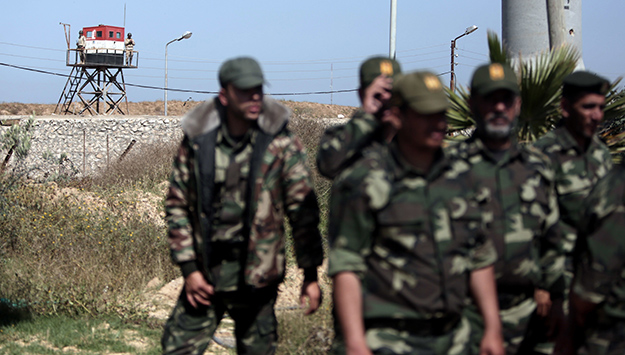
Egypt, which enjoys friendly relations with both the Palestinian Authority and Israel, understands that it must normalize relations with Hamas to be able to act as a mediator between the three parties. The Egyptian government, which has yet to achieve convincing results in the fight against terrorist groups in Sinai, is also in need of Hamas’ cooperation in this area.
Afghanistan Is About to Cut A Bad Deal with a Bad Guy
Read the full article on The National Interest.
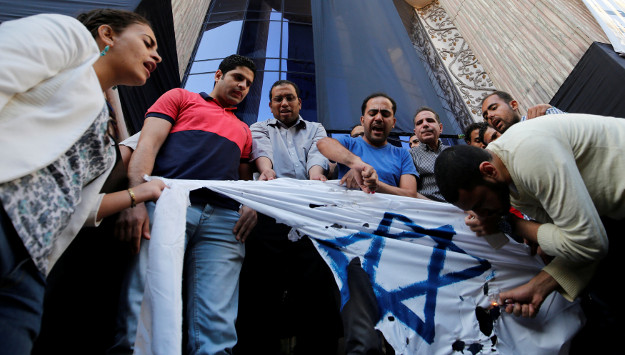
Netanyahu, Sisi and Zero Problems Diplomacy
Read the full article on Al Jazeera.
These days even the hint of a renewal of diplomacy on Palestine is enough to set tongues wagging. In recent months, France has led what remains an inchoate effort to fill the diplomatic vacuum created by the Obama administration’s decision two years ago to close its book on Palestine.
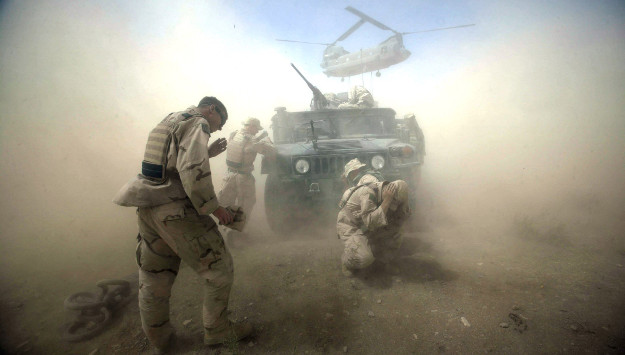
Why David Gilkey Was In The Roughest Part Of Afghanistan
The article was first published on NPR’s Parallels blog.
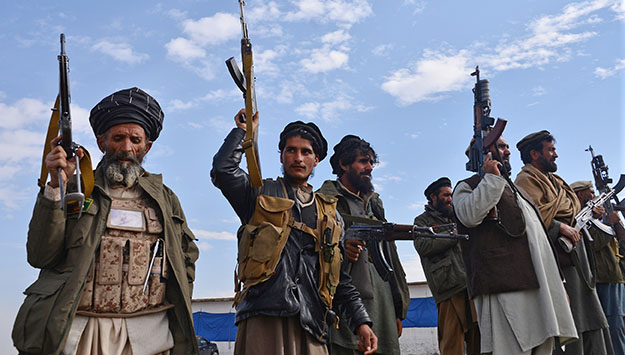
Examining the Islamic State's Threat to Afghanistan
Summary
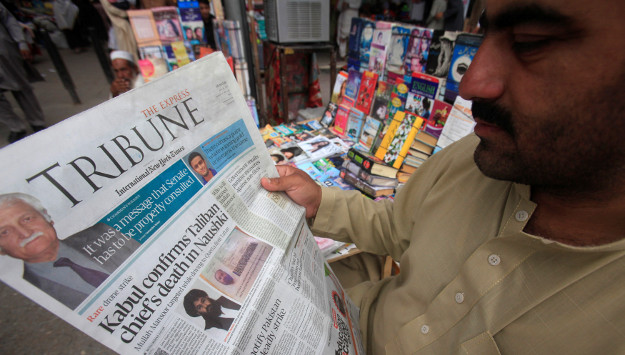
Monday Briefing: Afghan Taliban Leader Killed, Syria Bombings, and Iraq’s Intra-Shiite Feud
In this week’s Monday Briefing, MEI experts Marvin G. Weinbaum, Charles Lister, Hassan Mneimneh, and Paul Scham provide analysis on recent events including the killing of Afghan Taliban leader Mullah Akhtar Mansour, deadly blasts targeting regime-held territory in Syria, Iraq’s intra-Shiite feud, and Avigdor Lieberman’s appointment as Israel’s Defense Minister.

The Potential for Intra-Regional Energy Cooperation
Regional Cooperation Series
This Policy Paper is part of The Middle East Institute’s Regional Cooperation Series. Throughout 2016, MEI will be releasing several policy papers by renowned scholars and experts exploring possibilities to foster regional cooperation across an array of sectors. The purpose is to highlight the myriad benefits and opportunities associated with regional cooperation, and the high costs of the continued business-as-usual model of competition and intense rivalry.
Summary
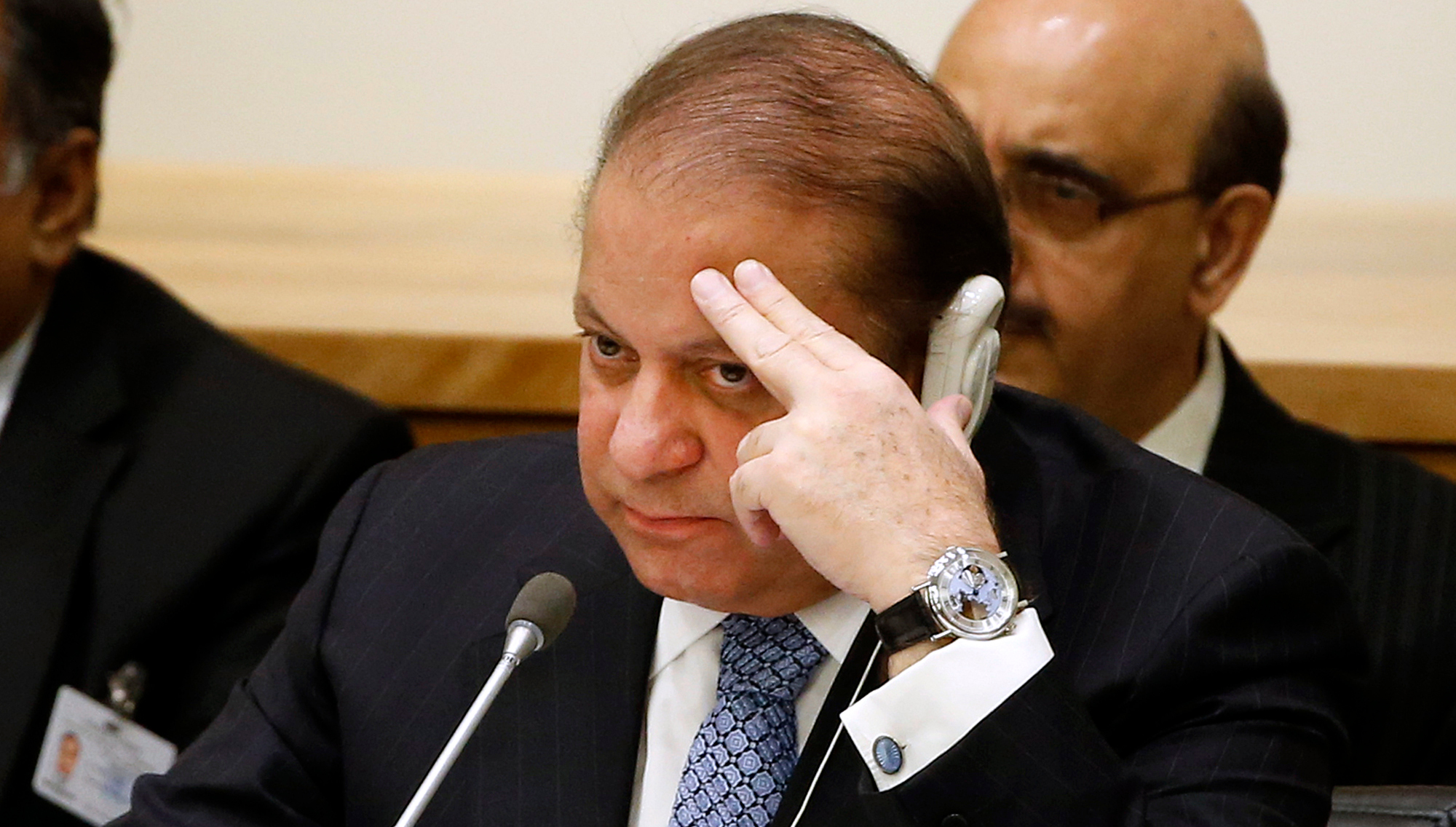
Fallout in Pakistan from the Panama Papers
The aftereffects of the Panama Papers’s leak continue to linger in Pakistan, and their damage only seems to grow worse. Over the next several weeks, there is the possibility that the disclosures may usher in a major political crisis. Prime Minister Nawaz Sharif is being asked to account for the sources of income that have allowed his family members to buy expensive property in London. At issue is whether these individuals have used offshore companies to avoid paying taxes against their property.

Livin’ on the Edge: Irregular Migration in Egypt
Since the mid-2000s, Egypt has developed into a main transit country for irregular migrants, either to Libya or to Israel. Now, as the traditional paths have largely been closed, many migrants and refugees are blocked in Cairo and along Egypt’s Mediterranean coast. Boarding a boat towards Europe is for many the only option to escape negligence, detention and abuse.
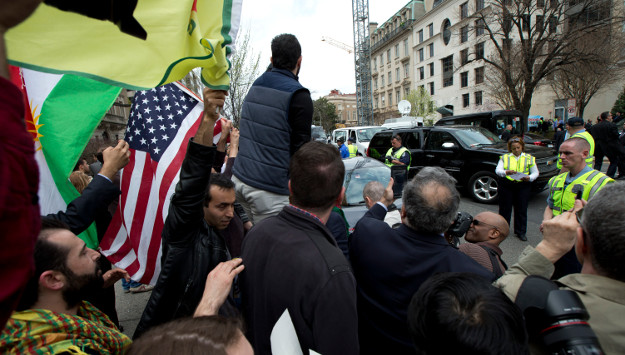
Monday Briefing: Erdogan's Failed Washington Trip, Iraq's Cabinet Reshuffle, and Other Key Issues in Week Ahead
In this week’s Monday Briefing, MEI experts Gonul Tol, Robert S. Ford, Charles Lister, and Paul Salem provide analysis on recent events including Turkish President Erdogan’s visit to Washington, the reshuffling of Iraq’s cabinet, King Salman’s forthcoming visit to Egypt, and the latest attempts by Jabhat al-Nusra over the weekend to disrupt the Syrian political process.
Pakistan Weakens Militants, But Can It Defeat Them?
This article was originally published on NPR.
When Pakistani Taliban gunmen stormed a school in December 2014, killing more than 130 schoolboys, it united many Pakistanis in support of a major offensive against the radical group that had been growing more menacing for years.
Explaining the Military's Ruling Ambition in Egypt and Thailand
The military took advantage of political crisis to remove civilian governments in Egypt in 2013 and Thailand in 2014. This essay discusses three important features of the Egyptian and Thai political systems that have fostered the military’s ruling ambition in both cases.
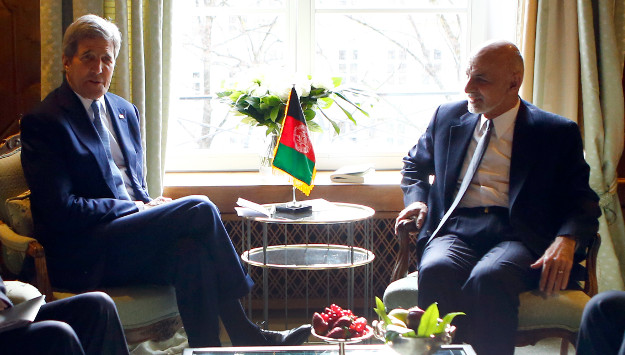
The Challenging Road Ahead in Afghanistan
This article was first published on RealClearWorld, and is part of the MEI series titled: “The Middle East and the 2016 Presidential Elections.”