Skip to Content

Research & Commentary Results

Filter by
1766 Results
Cyclone Shaheen: A reminder of the Arabian Peninsula’s vulnerability to extreme weather events
Photo by HAITHAM AL-SHUKAIRI/AFP via Getty Images
  • Analysis
  • Cyclone Shaheen: A reminder of the Arabian Peninsula’s vulnerability to extreme weather events

    On Oct. 3 Cyclone Shaheen made landfall in Oman, near Muscat, after traveling through the Gulf of Oman from the Arabian Sea. According to the India Meteorological Department, which monitors and tracks the formation of cyclones in the North Indian Ocean, Cyclone Shaheen was categorized as a severe cyclonic storm when it made landfall with sustained winds of 70 miles per hour. Its arrival brought on heavy rainfall and excessive flooding in the many valleys that are a natural part of Oman’s topography. The high winds of the cyclone generated massive storm surges along the coast and caused serious damage to infrastructure and homes, displacing many.

    October 8, 2021

    Does a new Israeli government mean a new regional policy? A look at the first 100 days
    Photo by Israeli Government Press Of. (GPO)/Anadolu Agency via Getty Images
  • Analysis
  • Does a new Israeli government mean a new regional policy? A look at the first 100 days

    Naftali Bennett found his way to the Israeli prime minister’s office, even though his party won only six out of 120 seats in the Knesset (the Israeli parliament) in the March 2021 elections. He replaced the country’s long-time prime minister, Benjamin Netanyahu, who held the position for a combined total of 12 years and set the tone for Israeli policy, especially in the region. With the new government, formed in June, recently passing the 100-day mark, it is time to ask whether the change in the prime minister’s office has resulted in a real change in Israel’s regional policy.

    October 5, 2021

    هل سيكون السيستاني آخر العظماء؟
    Photo by AHMAD AL-RUBAYE/AFP via Getty Images.
  • Commentary
  • هل سيكون السيستاني آخر العظماء؟

    بعد غزو العراق في ٢٠٠٣، تحولت الأنظار إلى السيد علي السيستاني في النجف بوصفه نقطة محورية ليس فقط على مستوى العراق، بل في عموم المنطقة. اليوم، يبلغ السيستاني ٩١ عامًا مما يجعل مسألة خلافته أمرًا يشغل المتابعين، ليس فقط على مستوى الساحة الشيعية، ولكن على مستوى منطقة الشرق الأوسط بشكل عام. وعليه، تهدف هذه الدراسة إلى تسليط الضوء على مستقبل المرجعية الشيعية على أساس التغيير المرتقب القادم بعد السيستاني.

    September 28, 2021

    Will Sistani be the Last Legend? The Challenge of Succession and the Future of the Marj’aiyyah
    Photo by AHMAD AL-RUBAYE/AFP via Getty Images.
  • Analysis
  • Will Sistani be the Last Legend? The Challenge of Succession and the Future of the Marj’aiyyah

    For Shi’a Muslims, the highest-ranking religious authorities are known as marj’as, who serve as a reference point for emulation for laypeople (marj’a al-taqlīd). The position of the marj’a, known as the marj’aiyyah, has the exclusive right to issue religious rulings (fatwas). Since the 2003 invasion of Iraq, Ayatollah Sayyid Ali Sistani in Najaf has become a focal point not only for Shi’a in Iraq, but for the entire region. Sistani is now 91 years old and the question of succession is a central one — one that concerns not only Shi’a Muslims, but the wider Middle East as well. This paper aims to shed light on the future of the religious authority in the Shi’a world based on the unavoidable change after Sistani.

    September 28, 2021

    لا، القبة الحديدية لا تحمي أرواح الفلسطينيين
  • Commentary
  • لا، القبة الحديدية لا تحمي أرواح الفلسطينيين

    الجدل المستمر (والمبالغ فيه إلى حد كبير) حول قرار أعضاء الكونغرس التقدميين بإعاقة إدراج مليار دولار في التمويل الإضافي لنظام الدفاع الصاروخي الإسرائيلي المسمى بالقبة الحديدية، إلى جانب الـ 3.8 مليار دولار من المساعدات العسكرية الأمريكية التي تتلقاها إسرائيل بالفعل، كشف عن تصدعات في داخل الحزب الديمقراطي وكذلك عن مدى إمكانية إجراء نقاش حقيقي حول القضايا المتعلقة بإسرائيل/فلسطين في واشنطن.

    September 27, 2021

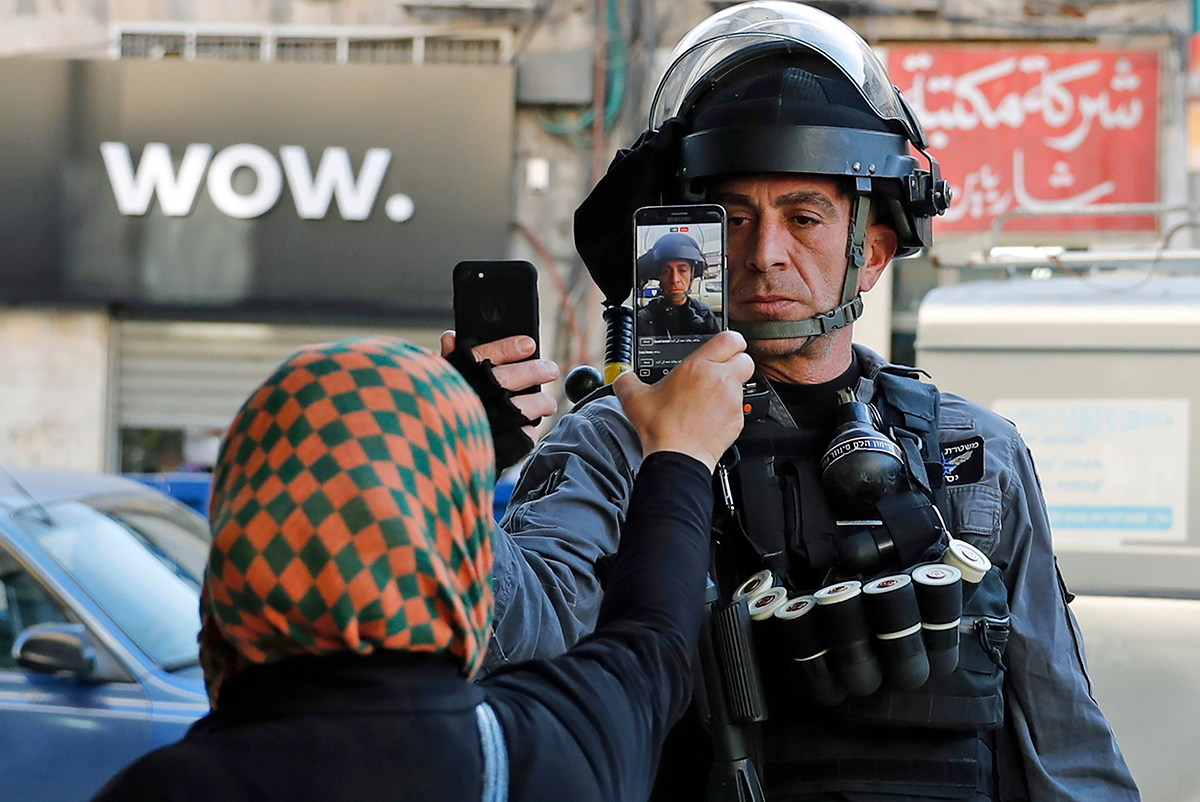
    No, Iron Dome doesn’t save Palestinian lives
    Photo by ANAS BABA/AFP via Getty Images
  • Analysis
  • No, Iron Dome doesn’t save Palestinian lives

    While much of the discourse surrounding the Iron Dome controversy is mired in hysterics and hyperbole, some have put forward a more rational case for providing additional funding for it. One of the standard arguments advanced in recent days is that Iron Dome is crucial not only for saving Israeli lives but is equally important (perhaps even more so) for saving Palestinian lives. This claim has been echoed by numerous American and Israeli analysts and even Members of Congress, and seems to have been accepted by a number of journalists as well. But is it actually true?

    September 24, 2021

    East Med gas needs clean tech and regional integration to support investment case
    Photo by Athanasios Gioumpasis/Getty Images
  • Analysis
  • East Med gas needs clean tech and regional integration to support investment case

    The viability of Eastern Mediterranean natural gas resources has long been a source of debate for reasons including cost considerations, market demand, and regional geopolitical tensions. The past couple of years have further complicated the debate, introducing new questions about the role of these resources in supporting post-pandemic economic recovery or helping more advanced markets achieve net-zero policies by replacing coal and other fuel sources (a particularly relevant topic of debate given Europe and Asia are key export targets for East Med gas).

    September 14, 2021

    The legacy of 9/11 in the Middle East Peace Process
    Photo by Scott Nelson/Getty Images
  • Analysis
  • The legacy of 9/11 in the Middle East Peace Process

    As we mark 20 years since the 9/11 terror attacks and the subsequent U.S. interventions in Afghanistan, Iraq, and other protracted elements of the ill-fated and ill-conceived “war on terror,” it is easy to overlook other disastrous legacies of U.S. policy in the post-9/11 era. This is particularly true in the case of the Israeli-Palestinian conflict, where Washington’s response to 9/11 effectively marked the beginning of the long, tortured death of the Middle East Peace Process, and with it hopes for a two-state solution.

    September 10, 2021

    Mega-projects and Small Enterprises: Understanding Saudi Arabian Banks’ Role in Economic Development
    G20 Saudi Arabia/Handout to Xinhua via Getty Images
  • Analysis
  • Mega-projects and Small Enterprises: Understanding Saudi Arabian Banks’ Role in Economic Development

    Vision 2030 promises a transformation of Saudi Arabia’s economy, and the financial sector will be crucial to achieving this. The sector will facilitate private investment focusing on small and medium-sized enterprise (SME) financing, fund mega-projects, and be a driver for diversifying away from oil. As a result, banks’ role must go from being distributive and largely passive to developmental and active. This article will highlight how the role of the Saudi banking sector has been transformed in the last five years and how its composition is changing to cope.

    September 8, 2021

    In Afghanistan, the Gulf Arab states stepped up
    Photo by Jimmie Baker/U.S. Army via Getty Images
  • Analysis
  • In Afghanistan, the Gulf Arab states stepped up

    We rarely miss an opportunity to criticize our Gulf Arab partners — sometimes rightly so — for not doing enough to safeguard collective interests. But one must acknowledge that on Afghanistan, and especially our just-completed exit from the country, most of our Gulf Arab partners absolutely shined. They deserve a ton of credit for the role they played in our large, challenging, and deadly evacuation — a role which was nothing short of indispensable.

    September 1, 2021

    The puzzle of profitless growth in GCC firms
    Chris Ratcliffe/Bloomberg via Getty Images
  • Analysis
  • The puzzle of profitless growth in GCC firms

    There is a puzzle in the profits of Gulf Cooperation Council (GCC) firms, especially conglomerates. Even as the size of GCC economies has grown considerably in the last two decades, corporate profits have been flat. With a goal of economic diversification to expand private sector business and job opportunities for citizens, the imperative to create an environment for growth is acute for regional governments. Tarek Fadlallah, CEO of Nomura Asset Management Middle East and a member of the Program on Economics and Energy Advisory Council, lays out some of the challenges for Gulf economic diversification and improved corporate profitability.

    August 31, 2021

    Southern inclusivity is key to Yemen’s chances for lasting peace
    Photo by SALEH AL-OBEIDI/AFP via Getty Images
  • Analysis
  • Southern inclusivity is key to Yemen’s chances for lasting peace

    A reinvigorated international approach to Yemen is possible. The current architecture for advancing a negotiated peace is being challenged by both international and local developments. The protracted nature of the conflict, the risk that it could worsen, and local political developments over the past two years necessitate a recalibration of the peace process, informed by realities on the ground, the urgent needs of the population, and the demand for security. Evolving coalition priorities, renewed U.S. engagement, and the appointment of a new U.N. special envoy may be an opportunity to advance conflict resolution. Achieving greater unity among southern actors will be key to the success of national-level talks and is urgently needed to prevent a further descent into violence, extremism, and humanitarian catastrophe.

    August 31, 2021