Khaled Elgindy and Lara Friedman discuss the public launch of their congressional teach-in series, “Israel-Palestine: Where We Are, What Comes Next, and Why It Matters to Congress.” The series of webinars features an array of American, Palestinian, Israeli, and international experts on topics dealing with the Israeli-Palestinian conflict and U.S. policy.
Mansour Abbas: Islamist kingmaker or the “good Arab”?
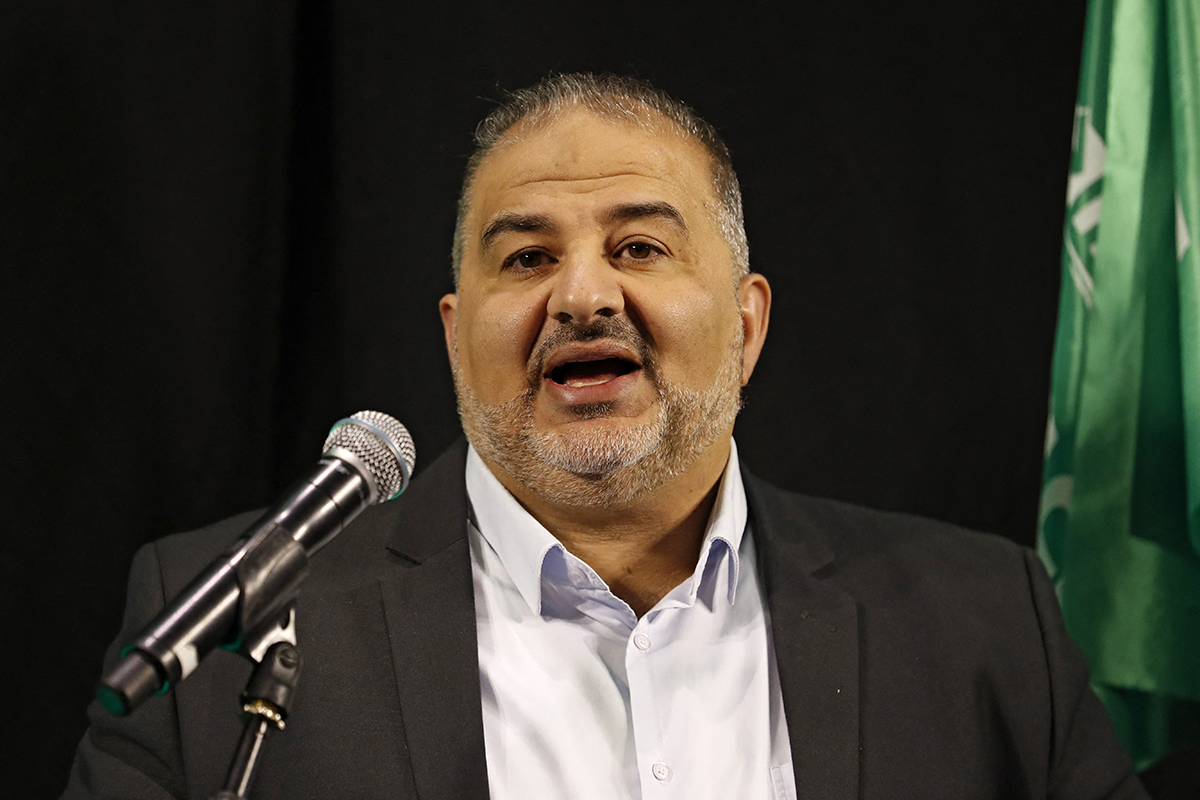
At a press conference on Thursday, MK Mansour Abbas, head of the newly elected Islamist party in Israel, the United Arab List (Ra’am), made what many in the Israeli media dubbed a historic speech. In an effort to reach out to the Jewish Israeli public, he spoke in Hebrew and during the prime time on television often given to Israeli politicians. Speaking surrounded by the party’s green flags, the conservative Islamist quotedverses from the Quran calling for the creation of “an opportunity for a shared life, in the holy and blessed land for the followers of the three religions and both peoples” and told his Hebrew-speaking audience that “Now is the time for change.”
The EU’s diplomatic head and the Israeli-Palestinian conflict one year on
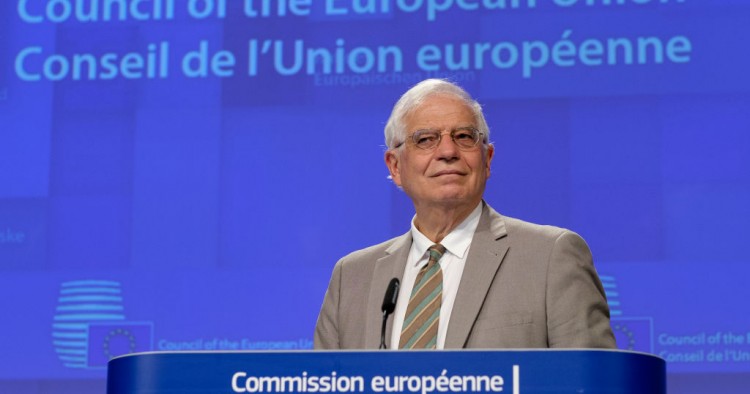
Josep Borrell Fontelles, former Spanish minister of foreign affairs, officially assumed the role on Dec. 1, 2019, and during his first year in office his focus in the Middle East and North Africa (MENA) region was primarily on four main issues: the Israeli-Palestinian conflict, the ongoing civil wars in Syria and Yemen, Iran’s nuclear program, and the threat of another migration crisis.
Political risk vs. risk to force: How policy decisions impact risk and capability in partner operations
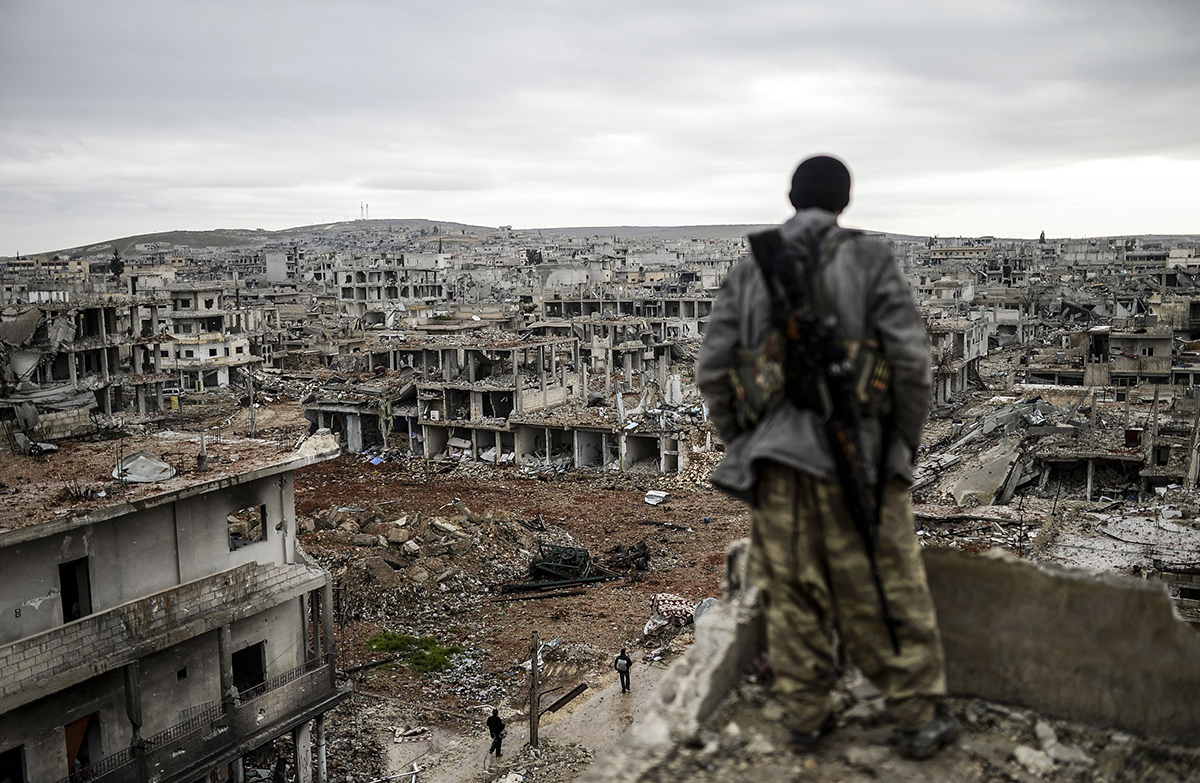
Operation Inherent Resolve (OIR) is the U.S. military’s name for the international intervention to defeat ISIS in Syria and Iraq starting in 2014. While OIR has been a success, it has necessarily been imperfect. Throughout the campaign, cost-benefit calculations made by policymakers led to missed opportunities and possibly a longer conflict. These decisions will have lasting repercussions that could undermine the hard-won victory against ISIS, as well as the ability to partner in future interventions. In particular, the United States mishandled its partner relationships in the war to defeat ISIS. Political considerations apparently won out against supporting and sustaining the SDF, our military partner forces.
No kingmaker – and no king following Israel’s latest election
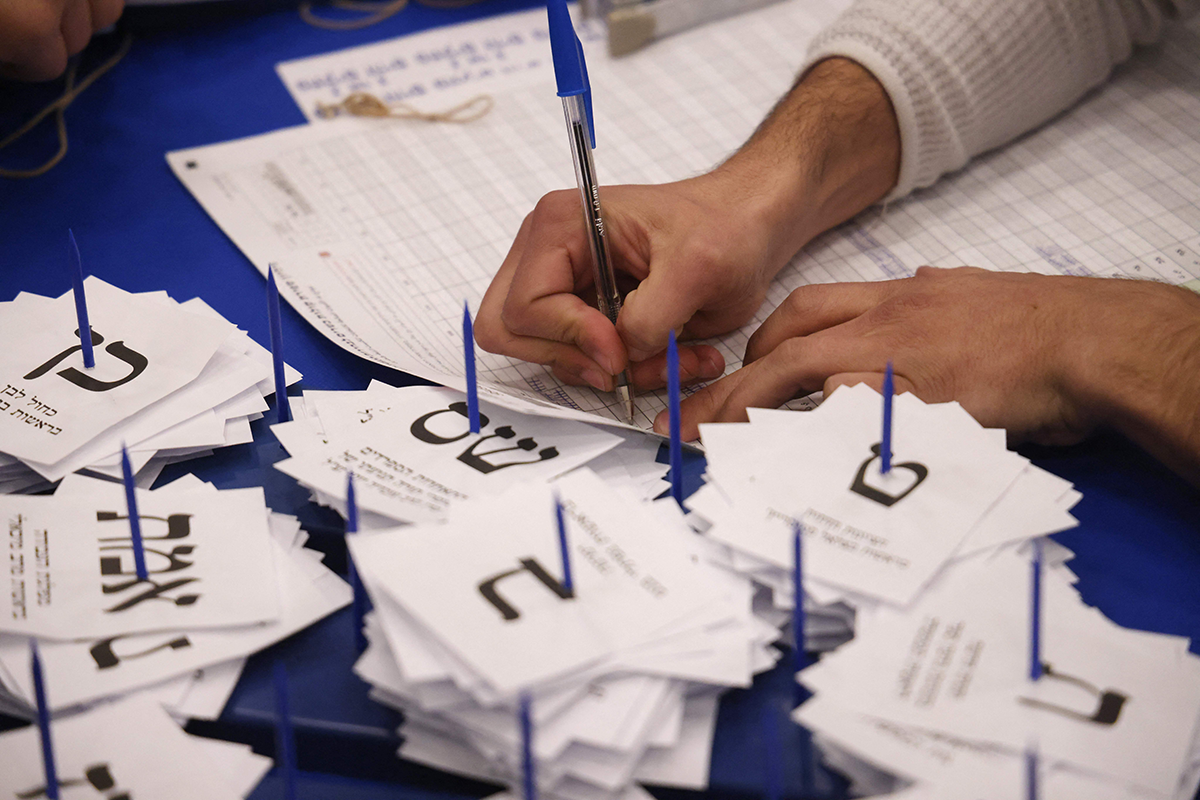
With virtually all of the vote in and results unlikely to change, it is clear: Not only will there be no kingmaker in Israel’s latest election, there will probably be no king.
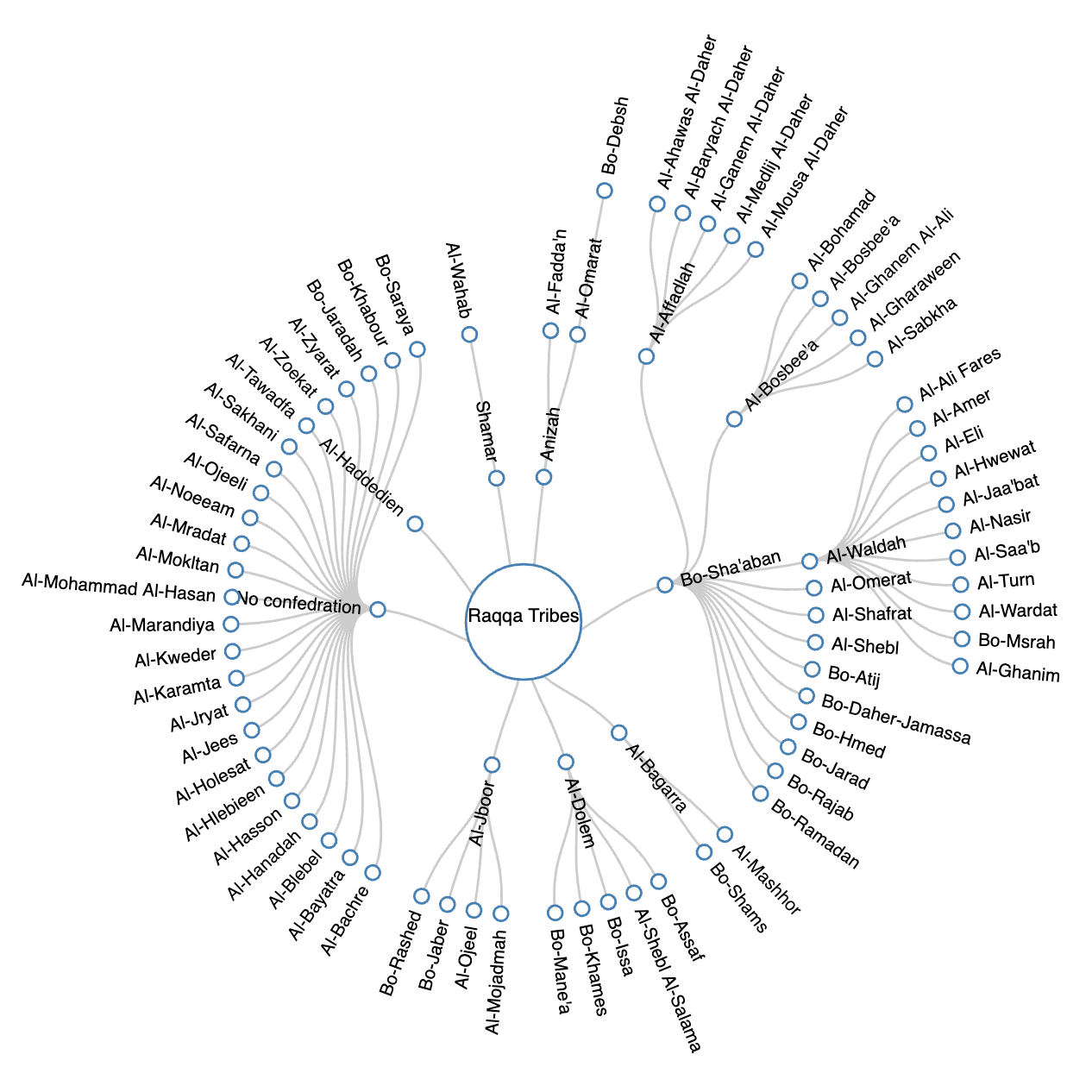
The Kin Who Count: Mapping Raqqa’s Tribal Topology
The northern Syrian governorate of Raqqa came to the world’s attention when it fell under the control of ISIS in 2014. Scenes of tribal leaders pledging allegiance to the group, after their governorate fell into its hands, raised many questions about the complex tribal dynamics in the area. Previous analyses of these dynamics have often misunderstood the intricate tribal structure and drawn false links between terrorism and tribalism. This research tool aims to shed light on Raqqa’s tribal structure, making it accessible to everyone interested in understanding the current state of affairs in the governorate.
Challenging Israel’s exceptionalism in American politics
While support for Israel across the political spectrum remains strong in Washington, the traditional bipartisan consensus in favor of unconditional support for Israel has begun to fray in recent years.
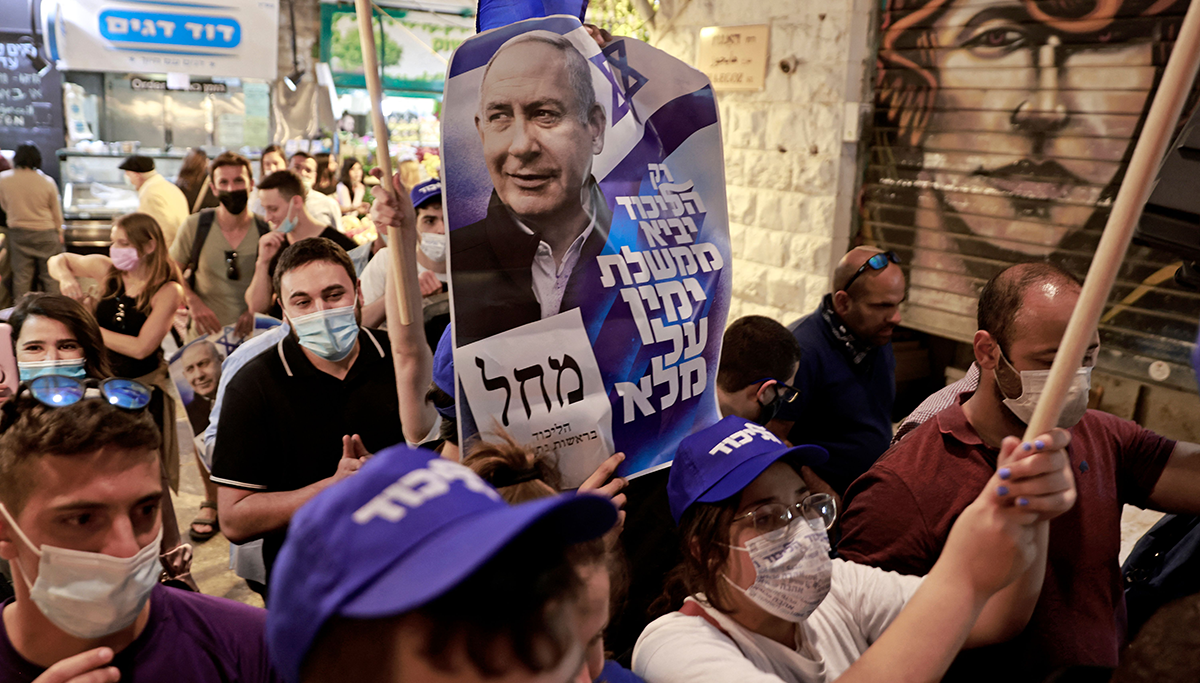
As Israelis head to the polls once again, is the fourth time the charm?
Israelis are going to the polls on Tuesday for the fourth time in two years. But while the main issue in each of these elections has been to decide the fate of a single man, Prime Minister Benjamin Netanyahu, the political landscape has meanwhile been shifting significantly, primarily toward the right.
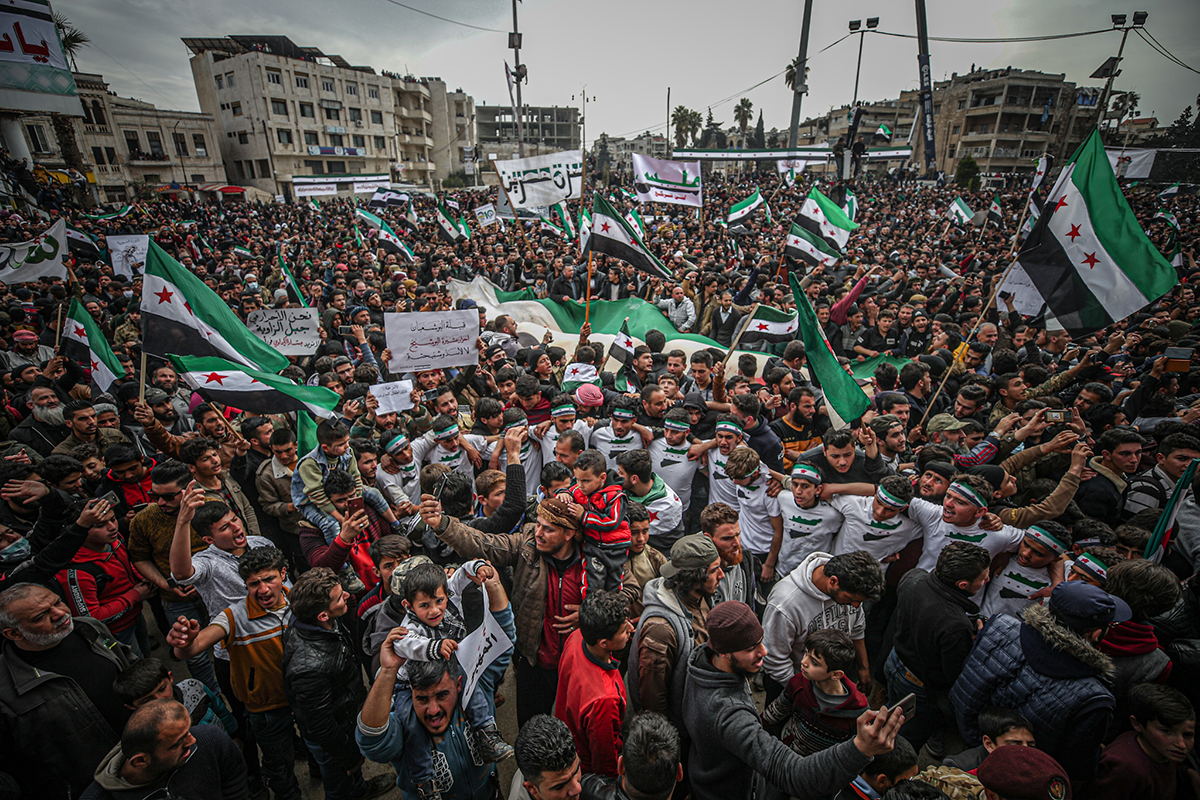
Ten years ago this week, at the American embassy in Damascus, we heard of the first anti-government protest through a quiet whisper in the diplomatic community. A few young kids had run through the historic Hamadiya market yelling “freedom,” as everyone else in the Syrian capital was glued to their television, watching the Arab Spring unfold in nearby states.
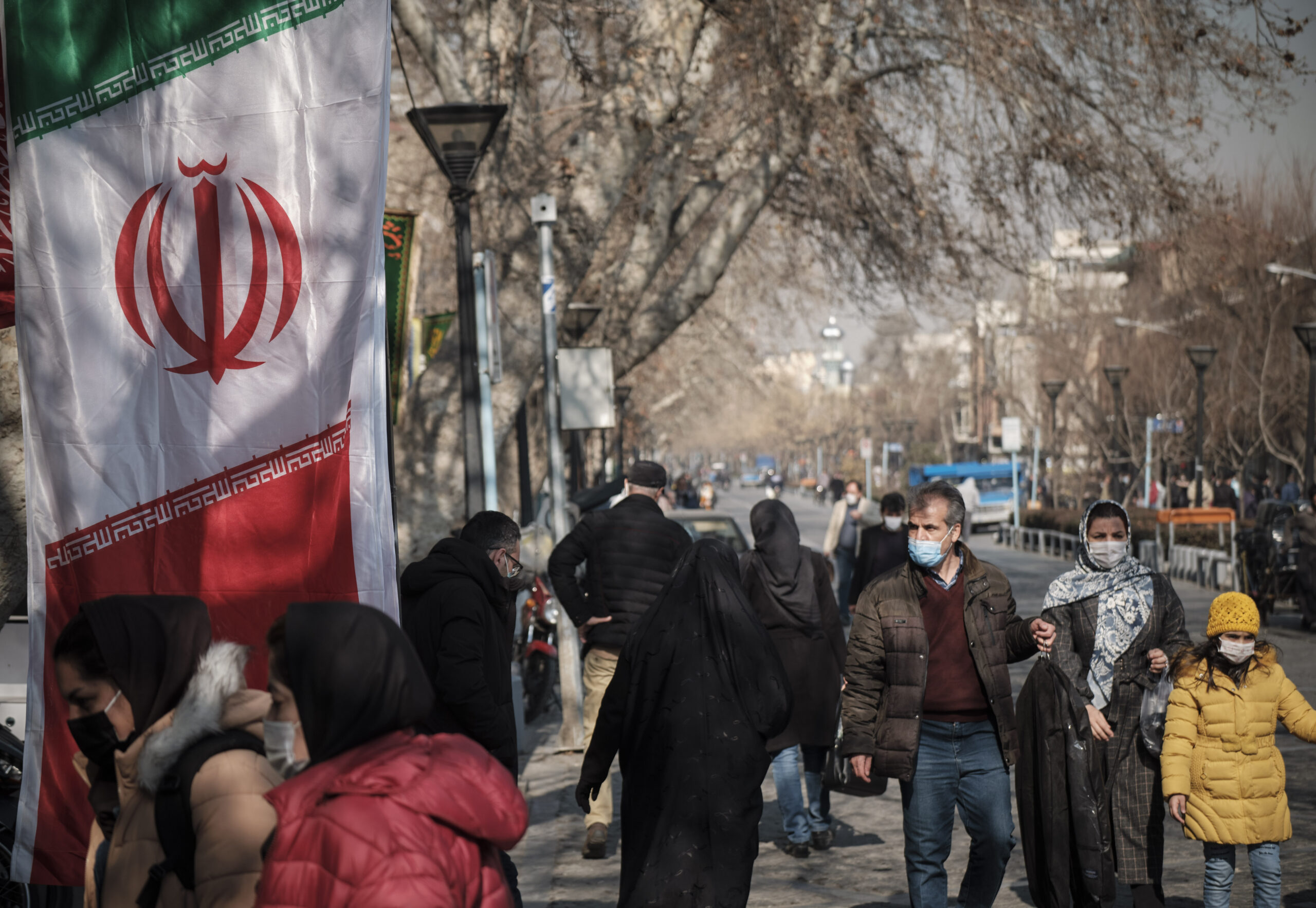
Definitional doom: How Iran and Israel derail legal application in cyberspace
Despite the importance of cyberattacks, little has been written about the relationship between these attacks and the applicable law. States are still struggling with controversies involving definitions, even though there is wide applicability of both laws and norms in this context. As a result, cyberspace remains relatively anarchic and the continued controversies have impeded further progress. Although the global discussion has only just begun, it is clear that the rising prevalence of state-led cyber operations warrants a thoughtful, innovative, and immediate regulatory response. Pressure has been building on the governments of the Middle East to join the conversation as their relevance and power in the cyber domain grows.
“الحرب الخفية بين إيران وإسرائيل تدور رحاها الآن في الميادين الثلاثة: الجوي والبري والبحري. لكن نتيجتها ستُحسم في نهاية المطاف في ميدان الدبلوماسية والسياسة، وبشكل أساسي من خلال خيارات السياسة الأمريكية”.
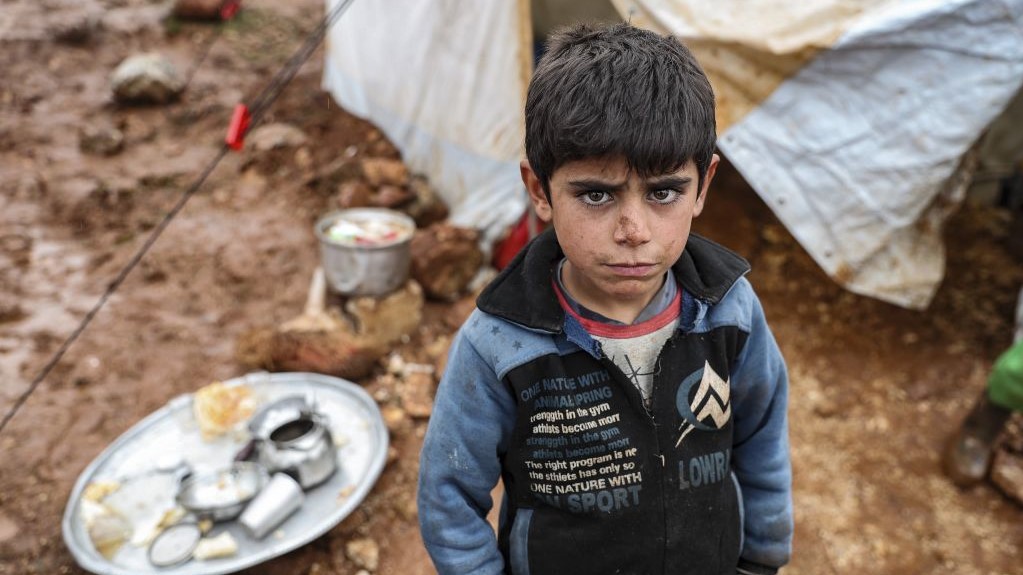
A decade on, the Syrian crisis is far from over and the US must step up
As Syrians mark the 10-year anniversary of the 2011 uprising this week, it remains inescapably true that the country’s debilitating crisis is far from over. After a decade of conflict that was initiated and driven by an utterly ruthless regime and reinforced and diplomatically protected by its Russian and Iranian allies, Syria is broken.