US Military Assistance to Lebanon: A Discussion of the Pros and Cons
The Middle East Institute is proud to host Aram Nerguizian and David Schenker for a discussion about the pros and cons of US support to the Lebanese Armed Forces (LAF). In 2005, after the withdrawal of Syrian military forces from Lebanon and the subsequent election of a pro-Western Lebanese government, the Bush Administration pledged to help the LAF bolster domestic security and to strengthen state institutions. Since then, the US has provided more than $530 million in security assistance to the LAF and other Lebanese security forces.
Introduction to The State of the Arts in the Middle East: Volume IV
Literature, visual art, and photography not only serve an aesthetic purpose, but often act as mediums through which their creators explore deeply personal experiences and their broader social implications. In this, the fourth volume of MEI’s “The State of the Arts in the Middle East,” Najat Rahman considers the works of the Palestinian artists Emily Jacir and Eman Haram, and W. Scott Chahanovich (with Pauline Pannier) discusses the memoirs of the Moroccan-born writer Abdellah Taïa.
Economic Peace in the West Bank and the Fayyad Plan: Are They Working?
There can be a democratic, de facto Palestinian state by 2011, according to Salam Fayyad, the Prime Minister of the Palestinian Authority (PA). The goal was outlined in an eloquent two-year plan entitled “Ending the Occupation, Establishing the State,”[1] published in August 2009, which called for the formation of the institutional foundations of statehood prior to, and independent of, an agreement with Israel.
Introduction to The Legacy of Camp David: 1979-2009
Since the “Six Day War” in June 1967, countless American and other diplomats have sought almost continuously to broker peace between Israel and its surrounding Arab enemies. From that tangled history, one achievement stands tallest in a forest of scrub: the Egypt-Israel Treaty signed on March 26, 1979 on the White House front lawn by President Anwar Sadat, Prime Minister Menachem Begin, and President Jimmy Carter.
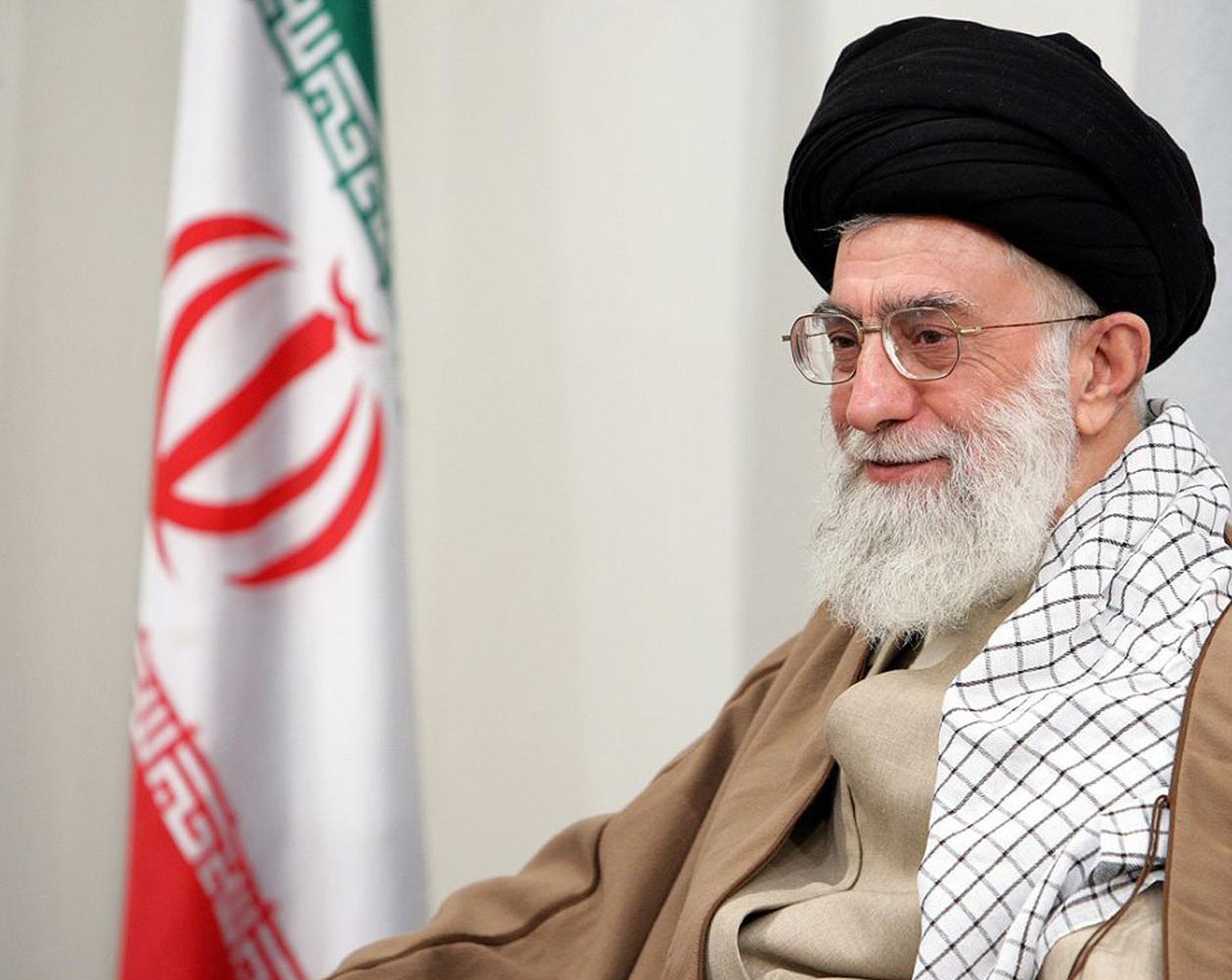
Next to the Arab-Israeli conflict, perhaps few other topics in the history of the modern Middle East have captured the interest of policymakers and scholars alike as has post-revolutionary Iranian-Lebanese Shi‘ite relations, particularly the creation of Hizbullah. Although both groups have come to this topic with a set of similar questions — namely, what is the impact of this transnational network among Lebanese Shi‘ites and how does it operate? — thankfully, they have arrived at very different conclusions.
How the New Arab Media Challenges the Arab Militaries: The Case of the War between Israel and Hizbullah in 2006
One, Two / the Arab army where are you?/ The Arab army where are you?/The Egyptian Arab Army/ resides in an-Nasr [victory] compound/ Wakes up in the afternoon/ to drink its tea/ The Gulf Arab army/ can do absolutely nothing/ “Strategic silence” indeed/ “cut us some slack, man!”/ The Tunisian Arab army/ is green like parsley/ But ‘Aziza loves Yunis/ the wars can wait/ The Sudanese Arab army/ I can hear its clamor in my ears/ “Damn it!
The trials that have faced a sovereign Lebanon as it emerges from a long and bloody civil war, as well as Syrian and Israeli occupations, have been immense. In 2008, Beirut confronted an existential challenge. After years of conflict, the vast majority of Lebanese citizens clamored for positive change to buttress the state and to facilitate prosperity.
The Jordan Valley is a lush, wetland ecosystem that is the biological heart of the Middle East region at large. As the meeting point of the Asian, African, and European continents, the valley is at the crossroads of biodiversity. In addition to the unique flora and fauna, the valley is one of the world’s most important migratory pathways for birds. Over 500 million birds migrate from Europe to Africa twice a year, dependent on the Jordan Valley as a stopping ground on their long journey.