Caesar Bill could ratchet up US sanctions on the Syrian regime and its allies
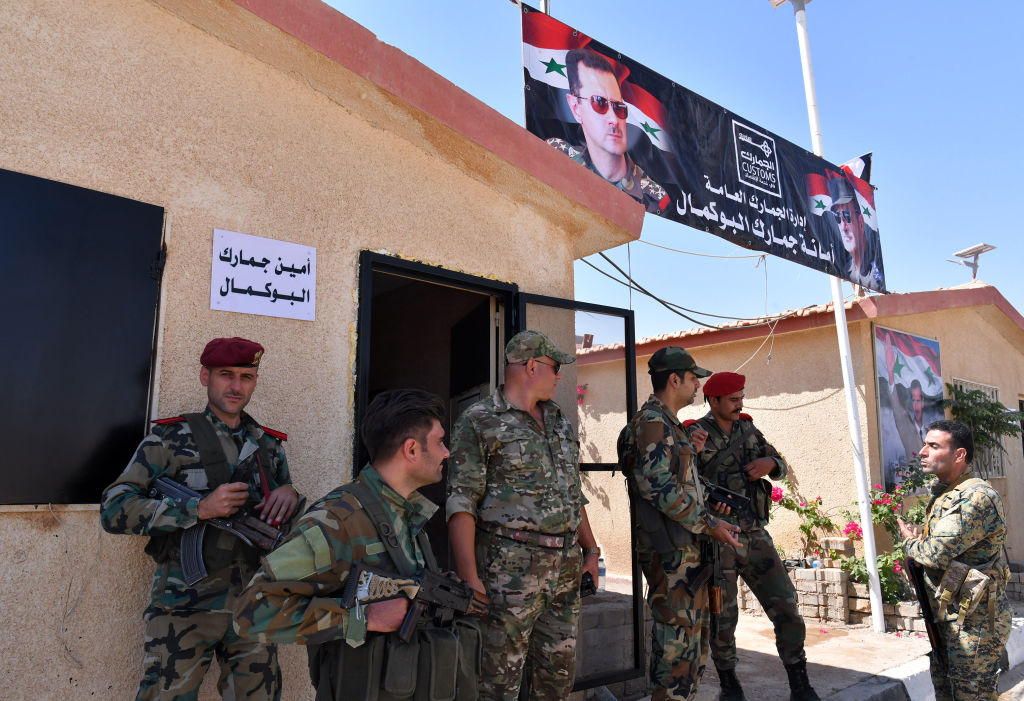
After several years of behind-the-scenes efforts, the Caesar Syria Civilian Protection Act will be signed into law in Washington. It is an extraordinarily expansive and aggressive piece of legislation, allowing for a significant expansion of sanctions against Syrian regime figures and bodies, including the Central Bank and multiple sectors of the state economy. More significantly, the “Caesar Bill” will place an expectation on the U.S. government to sanction any individual or organization anywhere in the world who provides any form of financial support to the Syrian regime that furthers its ability to repress its people.
Kuala Lumpur summit: A challenge to Saudi leadership?
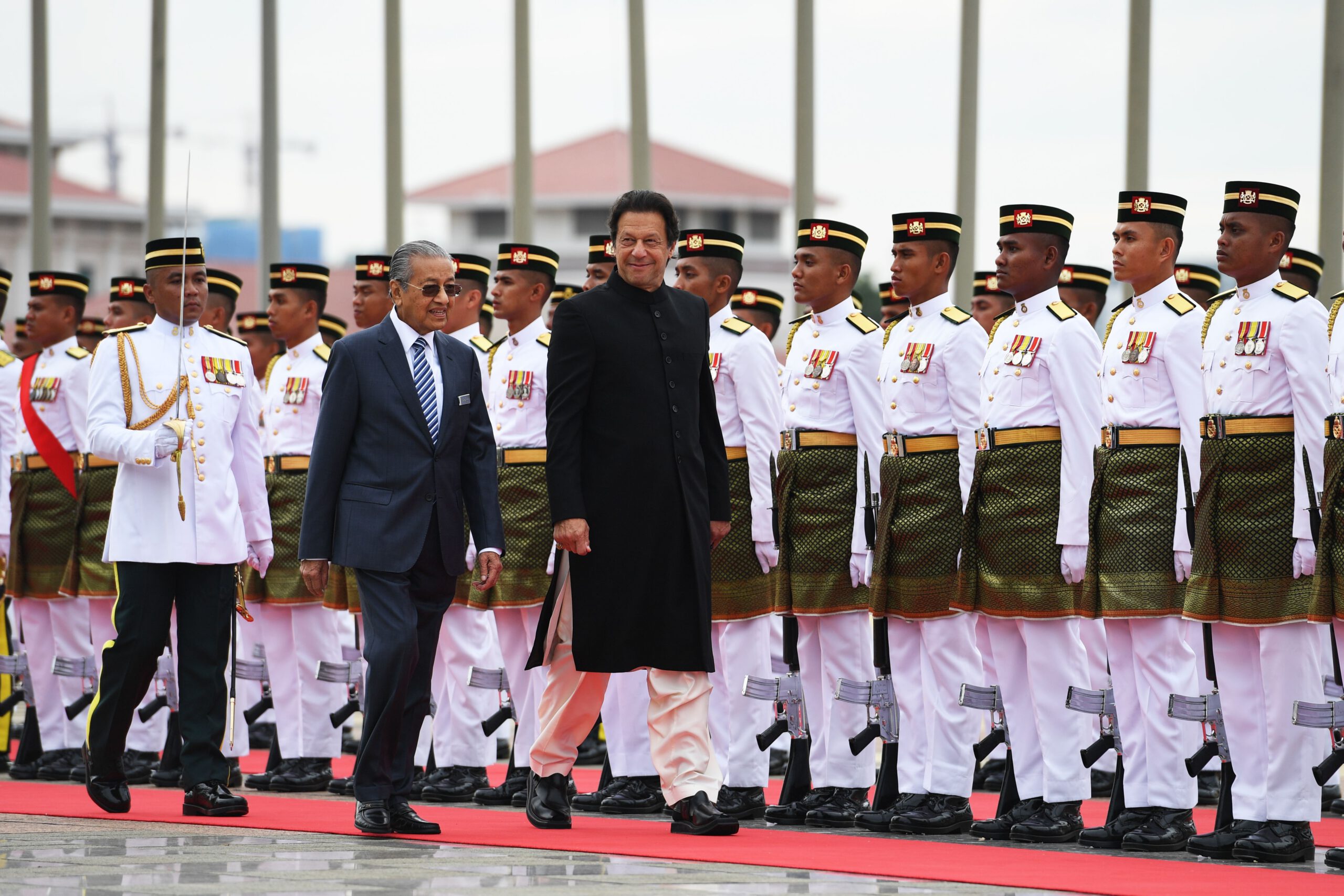
On Nov. 23, Malaysia’s prime minister, Mahathir Mohamad, announced that his country will stage an Islamic summit in Kuala Lumpur from Dec. 19-21. The event, on the theme of “The Role of Development in Achieving National Security,” will feature representatives from the host country as well as Indonesia, Pakistan, Qatar, and Turkey. Around 450 leaders, scholars, clerics, and thinkers from 52 countries will attend, along with Turkish President Recep Tayyip Erdoğan, Qatari Emir Sheikh Tamim bin Hamad al-Thani, Indonesian President Joko Widodo, and Pakistani Prime Minister Imran Khan.
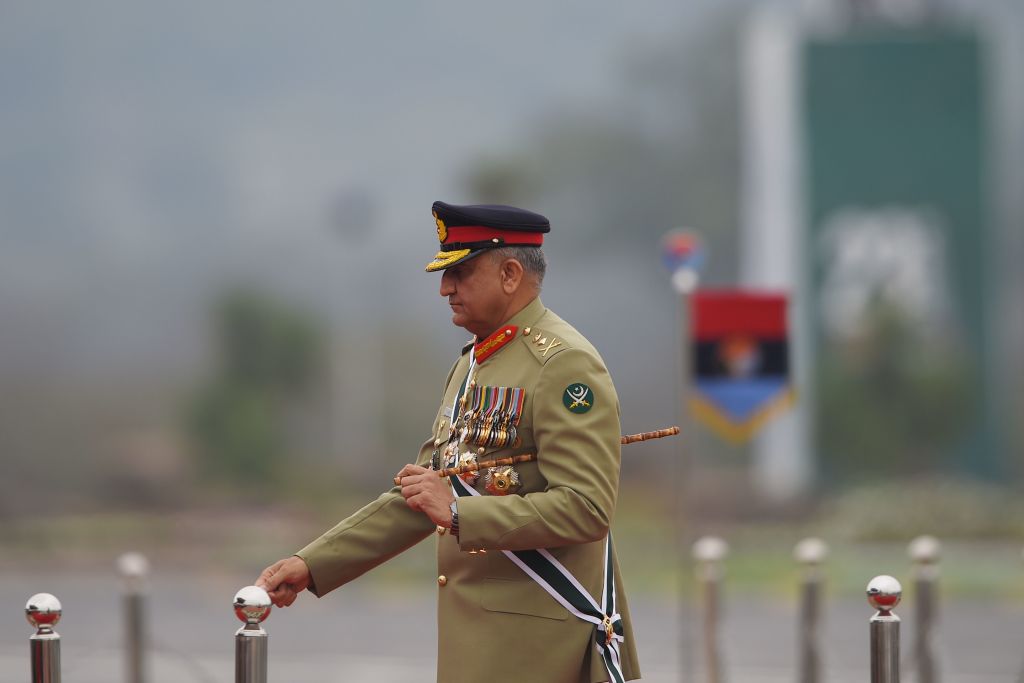
Pakistan’s Gen. Bajwa gets an extension amid political drama
Understanding a state and its society involves understanding how the state treats its military, its record of governance, and the relationship between the military and civilian politicians. By all accounts, Pakistan, a state founded in 1947 as a homeland for the Muslim population of British India, is a unique case where the military dominates all other institutions in both state and society. This was on clear display in the recent court battle over the extension of Army Chief of Staff Gen. Qamar Javed Bajwa’s tenure.
Gen. (Ret.) Joseph Votel discusses the role of Afghanistan in US regional strategic interests, whether a peace deal is possible with the Taliban, and how important Pakistan is to achieving a sustainable political settlement.
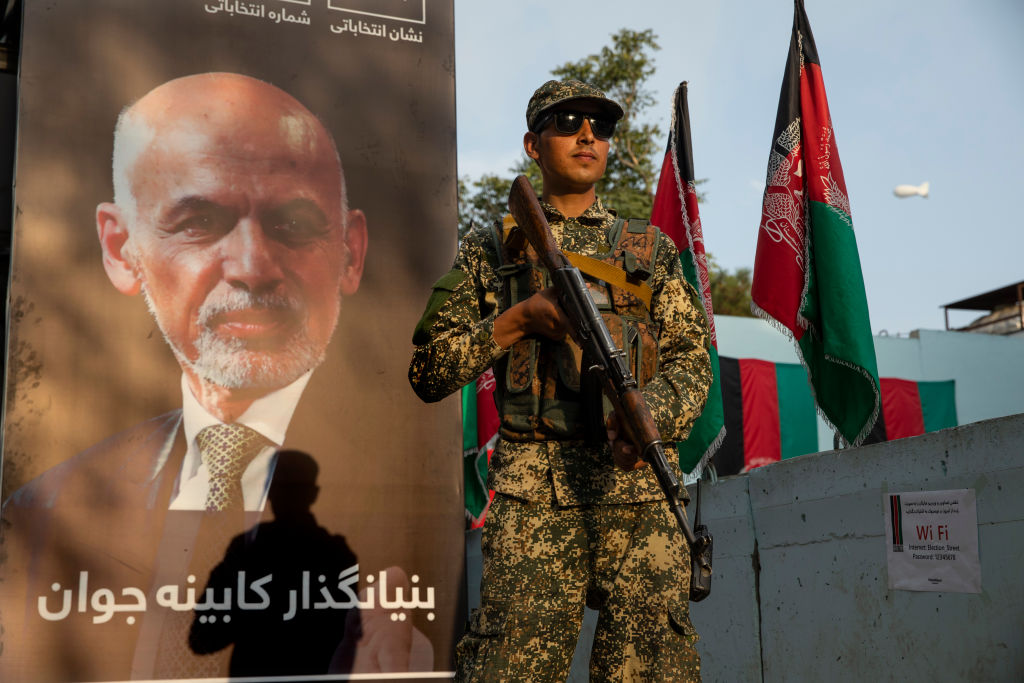
US-Taliban talks are back on but little has changed
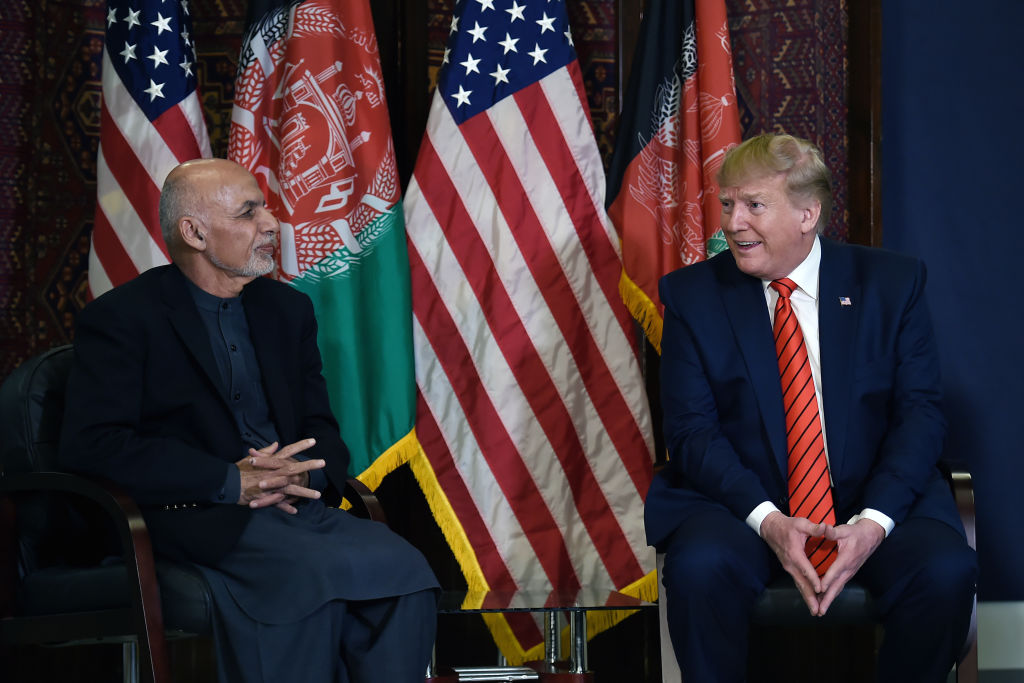
President Donald Trump’s lightning fast roundtrip to Bagram airbase north of Kabul had its share of surprises. In addressing troops, he confirmed previous reports that talks are once again underway with the Taliban, but then went on to inject a ceasefire as a condition for a new agreement.
Syrian activists Sarah Hunaidi, Rafif Jouejati, and Jomana Qaddour join host Alistair Taylor to discuss the involvement and role of women in civil society and efforts to shape the country’s political future.
The constitutional committee must be part of a holistic Syrian peace process
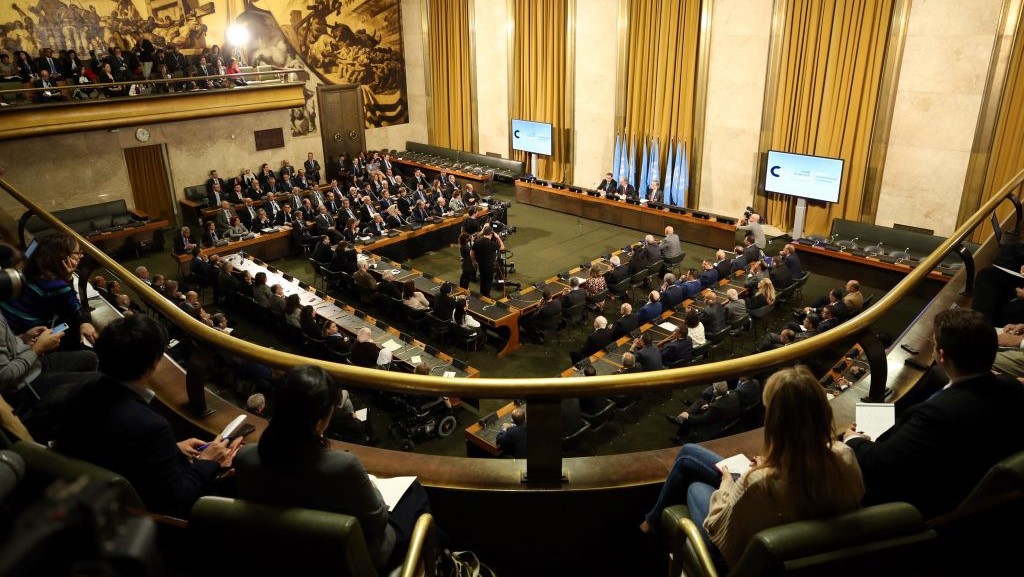
This week marks the second round of constitutional committee negotiations in Geneva, Switzerland convened by UN Special Envoy to Syria Geir Pedersen. The committee is convened under the auspices of UNSCR 2254, which requires the drafting of a new constitution among many other important obligations. The fact that only one of those requirements is being pursued seriously by the international community is — understandably — beyond frustrating for Syrians. Attempting to solve the Syrian conflict by addressing only one of so many outstanding issues is not only a mistake, but will also do little to bring any lasting peace to this war-torn country.
A prisoner swap with the Taliban, but will it lead to anything?
Last week saw the Taliban’s release of two kidnapped professors in exchange for the Kabul government’s freeing of three prized Taliban prisoners. While the swap may have been necessary on humanitarian grounds, it was unfortunate otherwise. Rather than defending the swap on its own merits, Kabul and Washington are hailing the exchange as a possible breakthrough following the collapse of the Doha agreement and the stalling of planned intra-Afghan discussions.
Russia’s military police face their toughest challenge yet in north Syria
Russia’s ability to control the pace and scope of developments in Syria has been a moving target ever since its intervention four years ago. At varying times, Moscow has found itself both firmly in the driver’s seat and a helpless bystander — the latter most vividly illustrated by events such as the regular Israeli airstrikes on Russia’s Iranian and Syrian regime allies.
Return to the northeast: Syrian Army deployments against Turkish forces
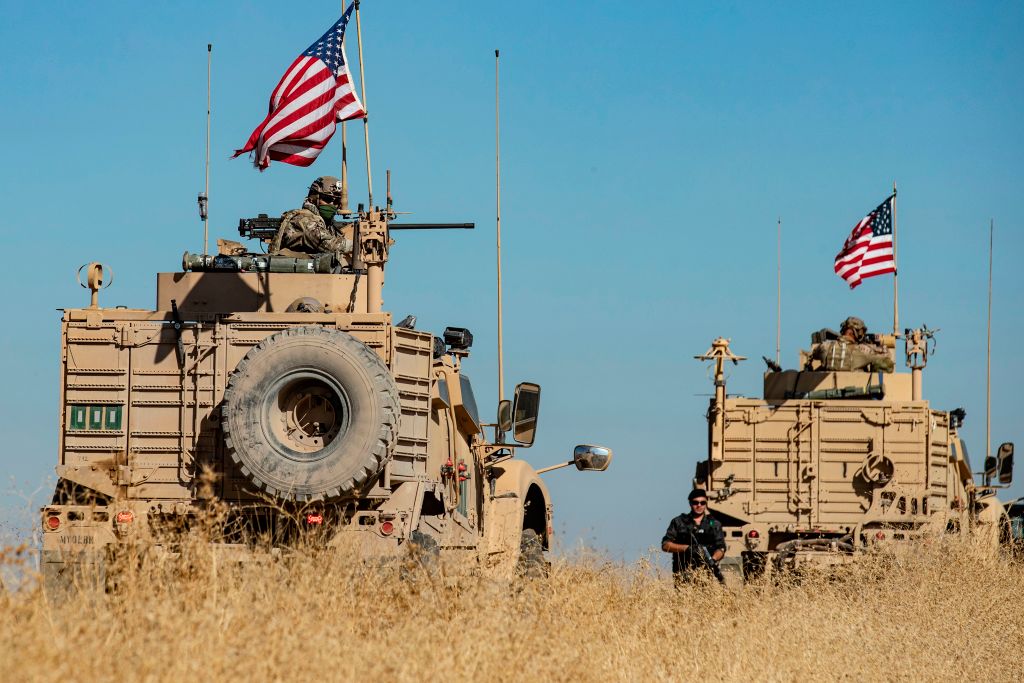
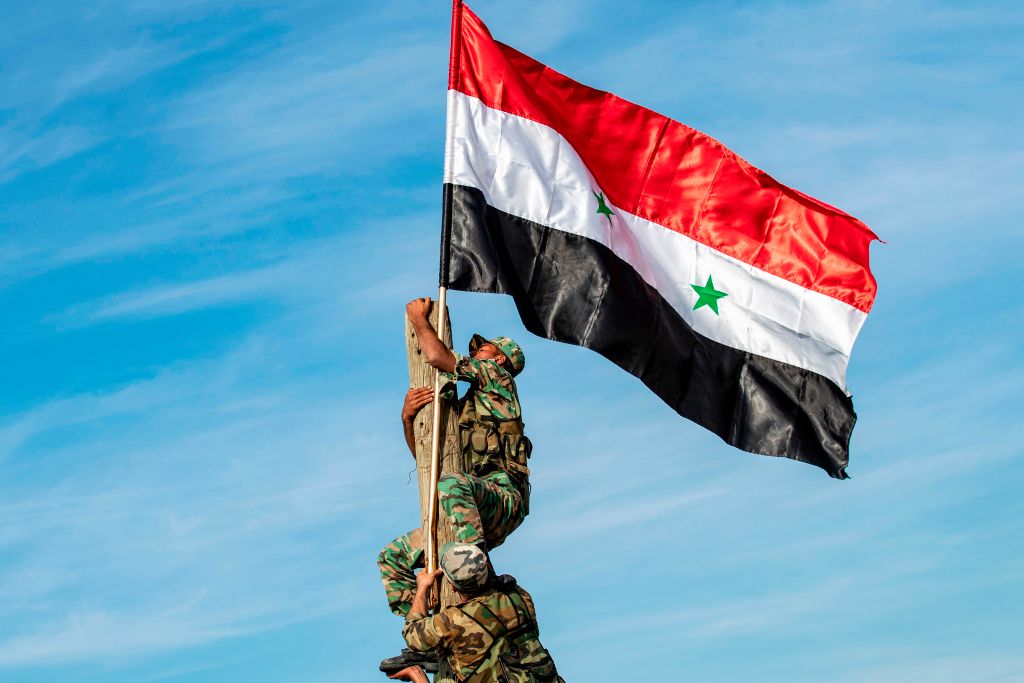
In mid-October, five years after it was expelled from most of eastern Syria as ISIS swept in, the Syrian Arab Army (SAA) returned to much of the northeast as part of a deal between the Syrian Democratic Forces and Damascus struck just days after Turkey launched an offensive against the region. By examining the distribution and make-up of units sent to the northeast we can better understand the strength of the SAA in the region and the current state of its broader deployments across the country.
Despair and Decay: East Ghouta After 18 Months of Renewed Regime Rule
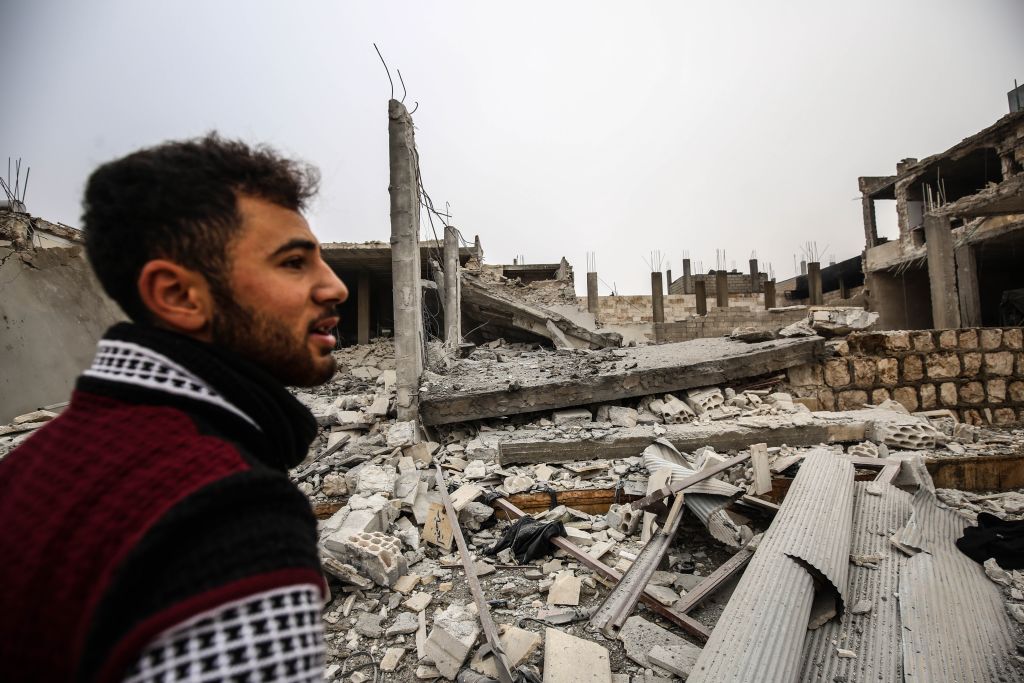
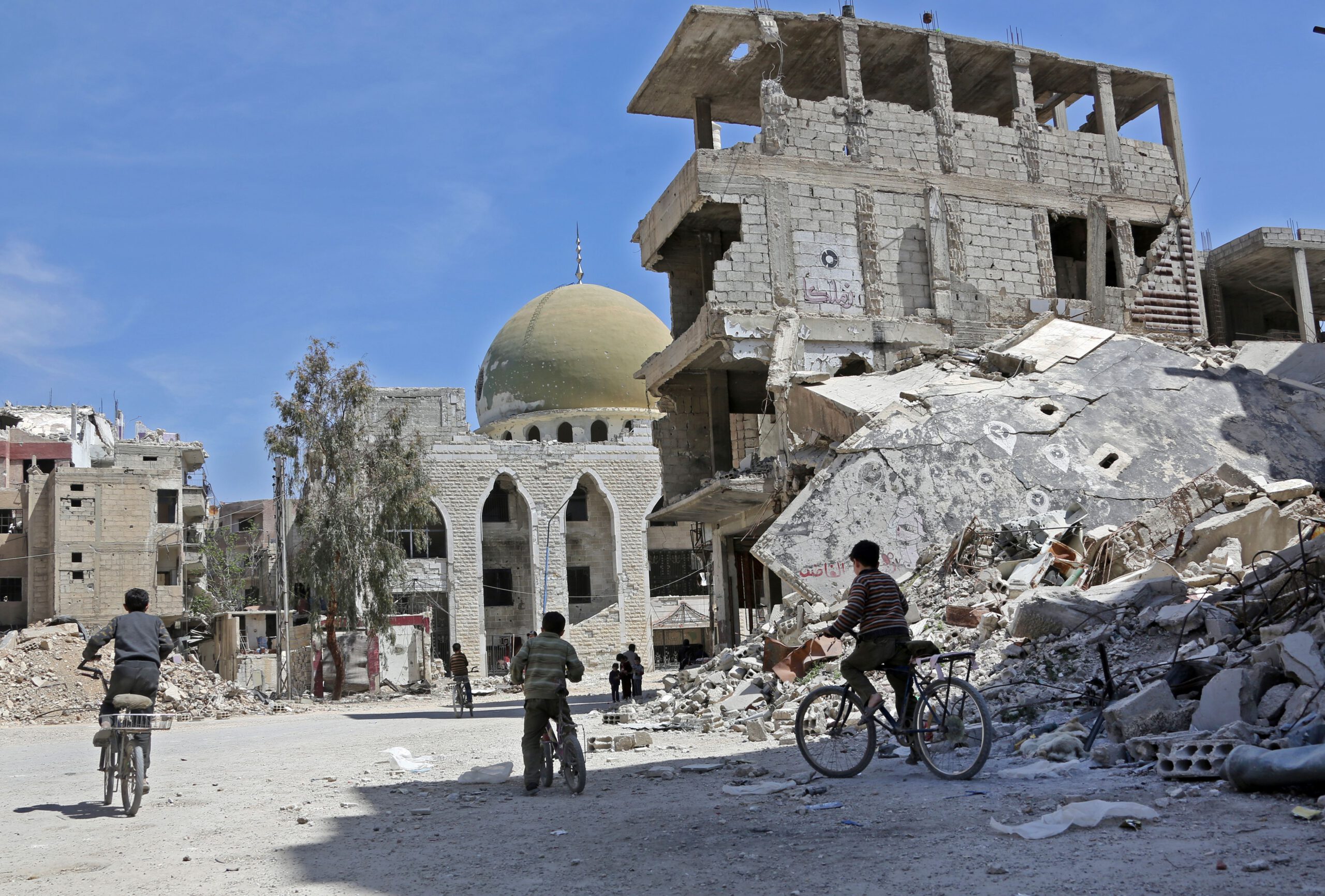
East Ghouta is perhaps the darkest example of renewed Assad regime rule over former opposition territory. 18 months after the regime recaptured the area, its security forces and intelligence apparatus continue to terrorize Syrians there. Night-time raids on homes, mass arrests, and forced disappearances are common occurrences across the region. Intelligence forces assert themselves in every aspect of daily life, especially at the ubiquitous checkpoints where personnel extort residents for bribes when they pass, subjecting them to security checks that can lead to civilians either being arrested on the spot or conscripted into military service. In addition, residents of East Ghouta are facing a humanitarian crisis amid a total lack of basic services, from sewage to schools and hospitals, and the basic pillars of the local economy remain in total disrepair.
Syria tops the agenda as Erdogan heads to Washington
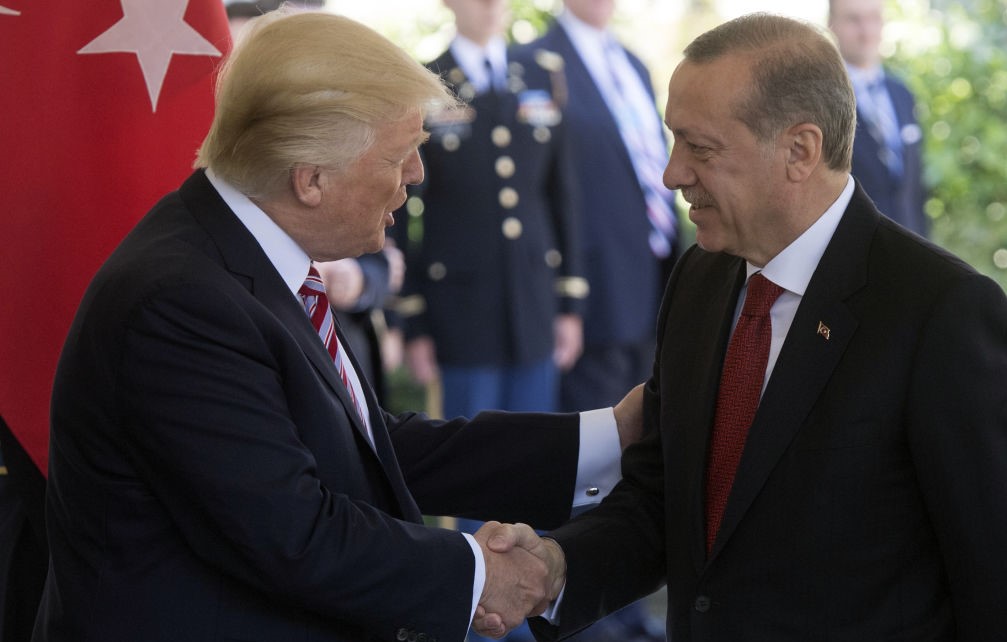
Turkish President Recep Tayyip Erdogan is set to meet with his U.S. counterpart, Donald Trump, in Washington on Wednesday. While there are doubtless other items for discussion on the agenda, at the top of the list is, at least on Turkey’s side, Syria — or more specifically, what U.S. policy is and should be in Syria.