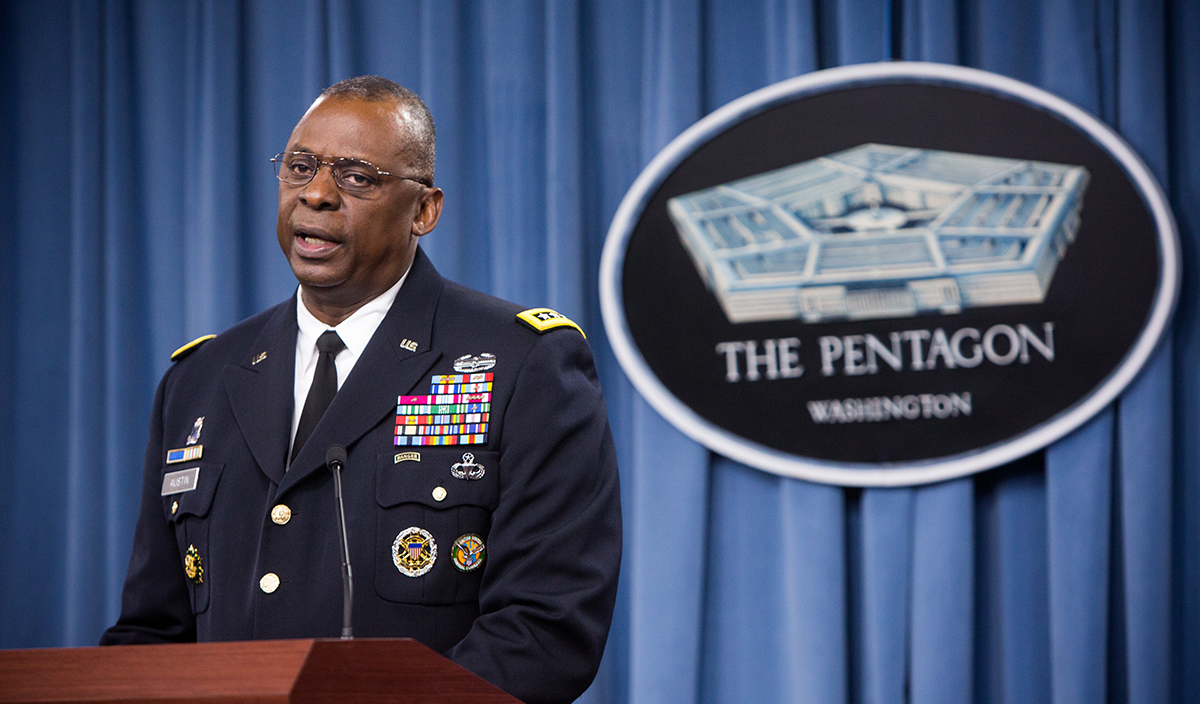
For someone who’s on the record strongly supporting Michèle Flournoy, the former under secretary of defense for policy in the Obama administration, to serve as President-elect Joe Biden’s secretary of defense, I don’t believe the choice of Lloyd Austin is as troubling as many portray it to be. He’s an impeccable and loyal public servant who will bring a wealth of relevant experience to the job. He is more than qualified. And he enjoys the full trust of Biden, which is indispensable.
The Trans Adriatic Pipeline: Why it Matters and What Comes Next?
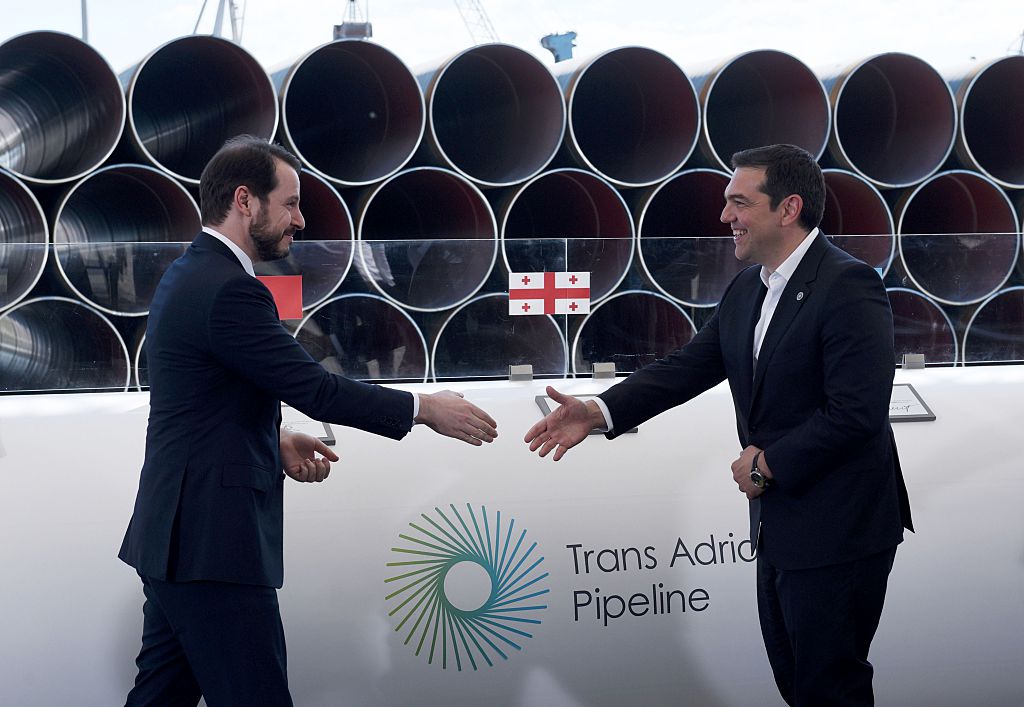
On November 14, the Transadriatic Pipeline (TAP) commenced operation. It is difficult to overstate the significance of this development. The new transit link running from Greece’s border with Turkey all the way to Italy, via a 878-stretch that also crosses Albania and the Adriatic Sea, makes the much-discussed Southern Gas Corridor a reality. It brings an annual 10 billion cubic meters (bcm) of natural gas from the Shah Deniz offshore field in the Caspian to consumers in the EU and the Western Balkans, helps diversify supplies away from Russia, and enhances Azerbaijan’s position on European markets.
Absent with Leave: Moscow’s Deficient Eurasian Military Alliance
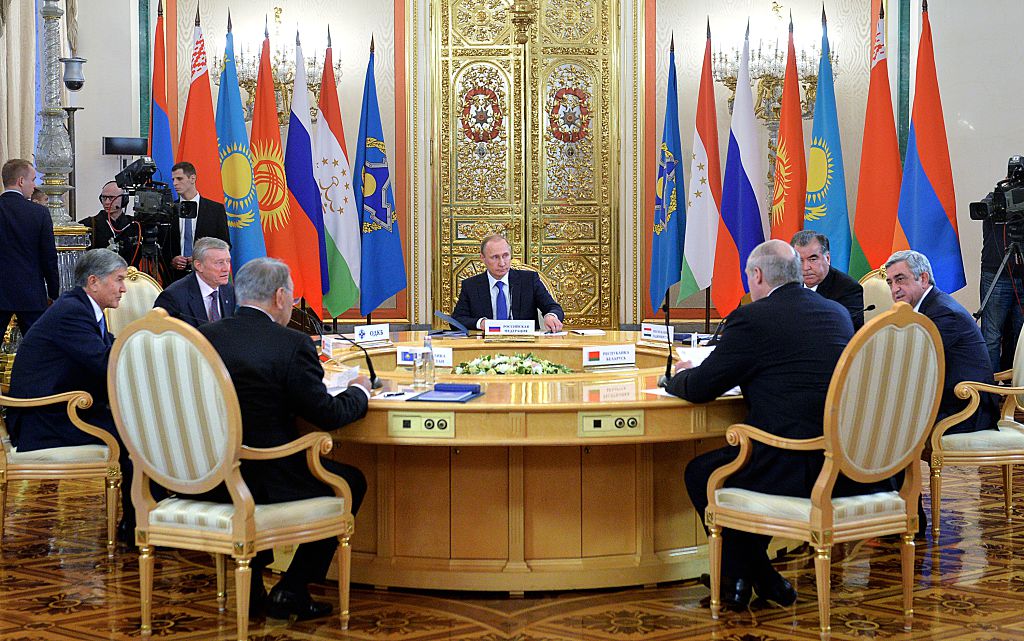
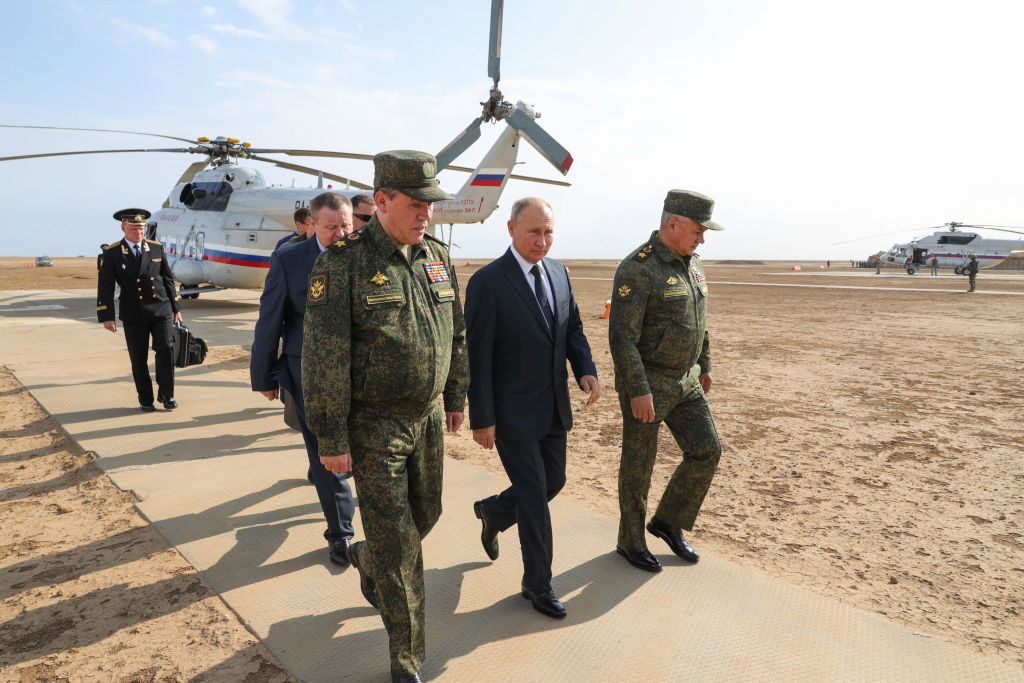
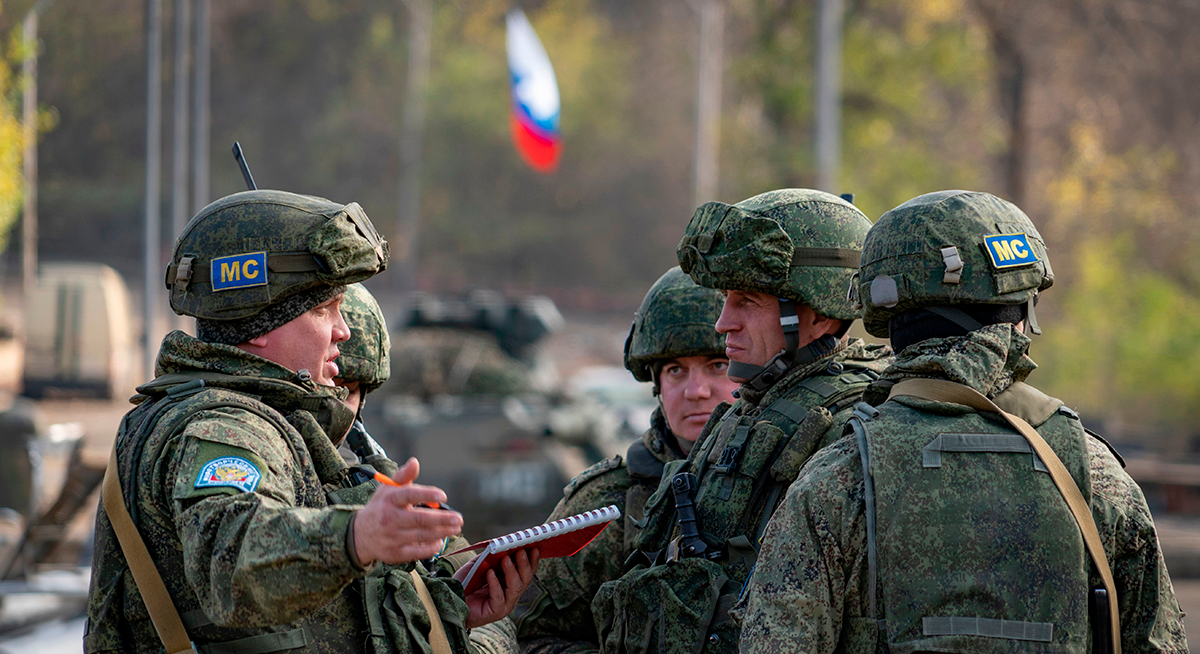
The Russian government has spent more than a decade constructing a multilateral security structure for the former Soviet space—the Collective Security Treaty Organization (CSTO). Yet, despite the occurrence this year of some of the most serious crises in Russia’s neighboring former Soviet republics, the CSTO has been notable for its absence in the Kremlin’s response.
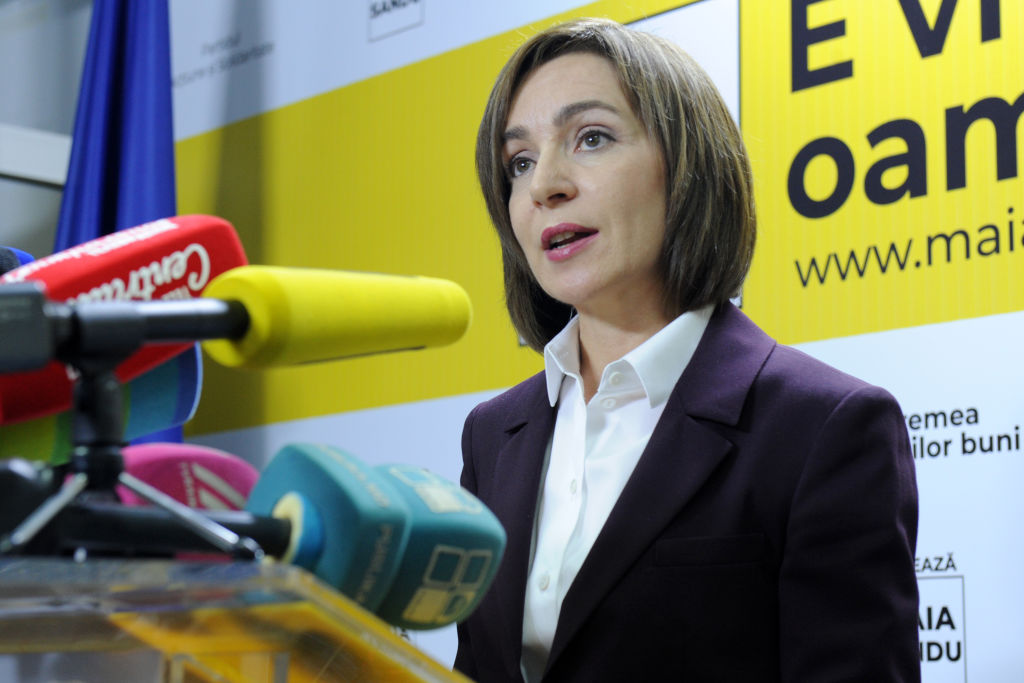
Recent presidential elections in the Republic of Moldova were won by Maia Sandu of the Action and Solidarity Party (PAS), a party advocating for judicial and anti-corruption reform and for rapprochement with the European Union (EU). Sandu becomes the first female president of Europe’s poorest country, securing 57.7 percent of the vote ahead of incumbent Igor Dodon’s 42.2 percent. The result followed an unprecedented election campaign during which verbal violence was widely witnessed.
The recent ceasefire agreement signed by Armenia, Azerbaijan, and Russia halted the armed phase of the Nagorno-Karabakh conflict following 45 days of fighting and thousands of military and civilian lives lost on both sides. Russian peacekeepers have already been deployed to the conflict zone to oversee implementation of the agreement. It now remains to be seen whether they will be joined by Turkish counterparts, either in the field or at a joint monitoring center in Azerbaijan. The latter is the first disagreement between Moscow and Ankara over peacekeeping in the region.
The geopolitics of Crimea are important, but we mustn't overlook the persecution of Crimean Tatars
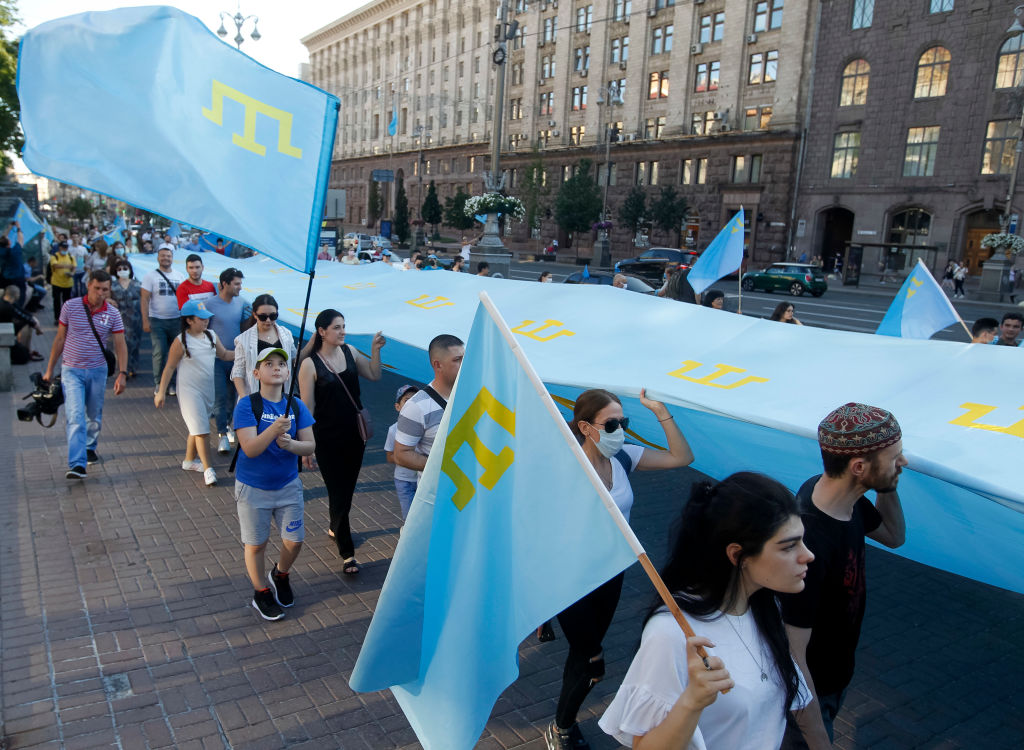
When commentators and policymakers discuss Russia’s illegal annexation of Crimea in 2014, the focus is often placed on geo-politics and Black Sea security. This is understandable. While the geo-politics of Crimea are important, one should not overlook the tragedy taking place to many of the people living there. This is especially true with the Crimean Tatar community – an ethnically Turkic and religiously Sunni Islam minority population which has faced decades of religious and political persecution under Russian domination.
The Consequences of Inaction: US and NATO Syria Policy
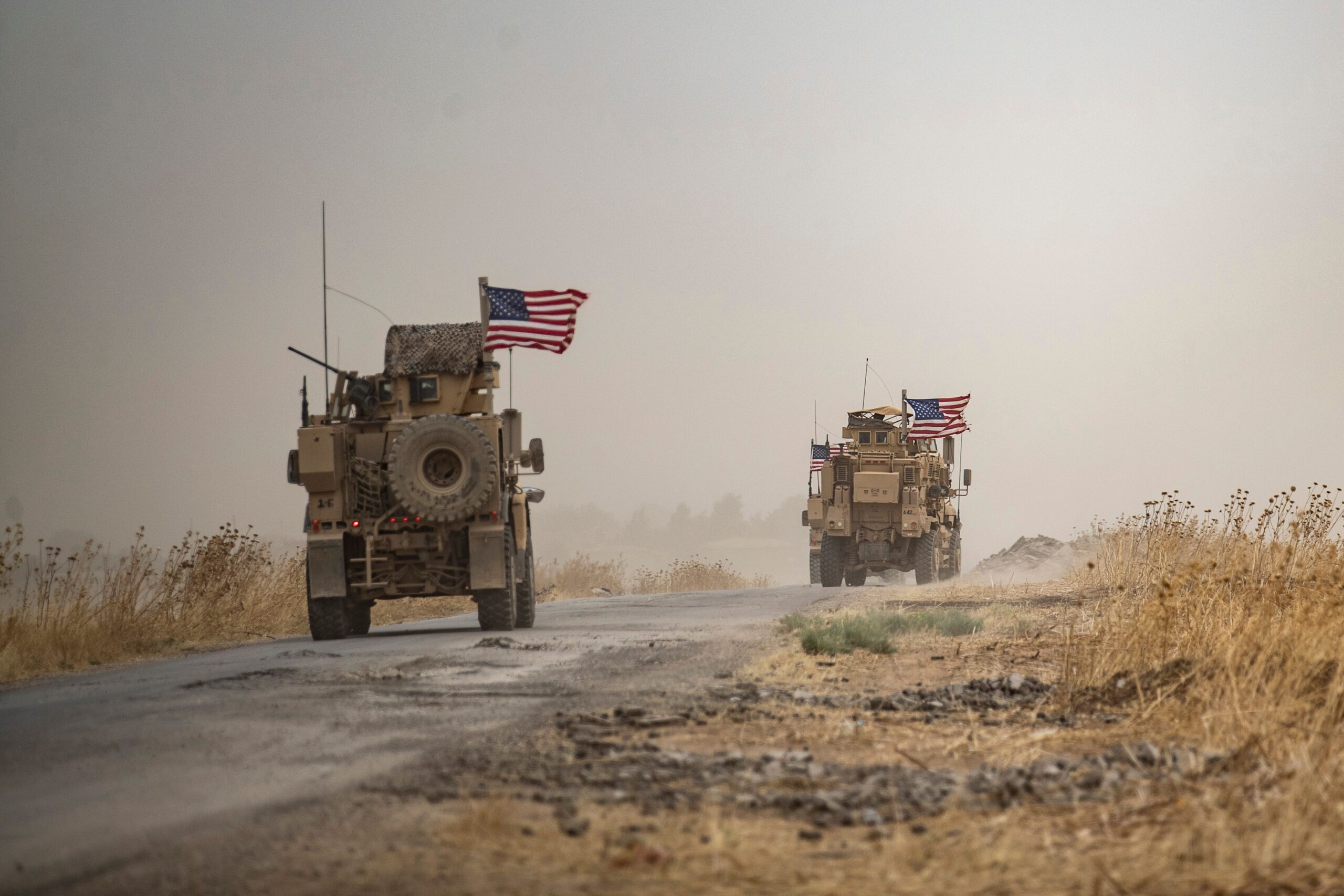
In recent years of the Syrian crisis, the reluctance of NATO states to take decisive action to secure their interests and protect Syrian lives has had drastic repercussions in both Syria and the wider region. Where NATO members have shown indecisiveness and a refusal to engage, their geopolitical rivals, Iran and Russia, have seized the moment and cemented their influence. However, as the regime is challenged by a crippling economic crisis, a new U.S. administration may offer an opening for the U.S. and its NATO allies to develop a collective approach in Syria that will secure their interests and bolster regional security.
Iran’s strong hand in the Arab world is missing in the Caucasus
Iranian military advisers and pro-Iran foreign proxy groups are present from Yemen and Iraq to Syria and Lebanon. Tens of thousands of armed men operating across the Middle East look to Tehran for guidance and patronage. This sort of sway has made Iran into a regional power broker — at least in the Arab world. But Tehran’s deep ideological and financial investments in Arab states have come at the expense of neglecting Iranian interests closer to home.
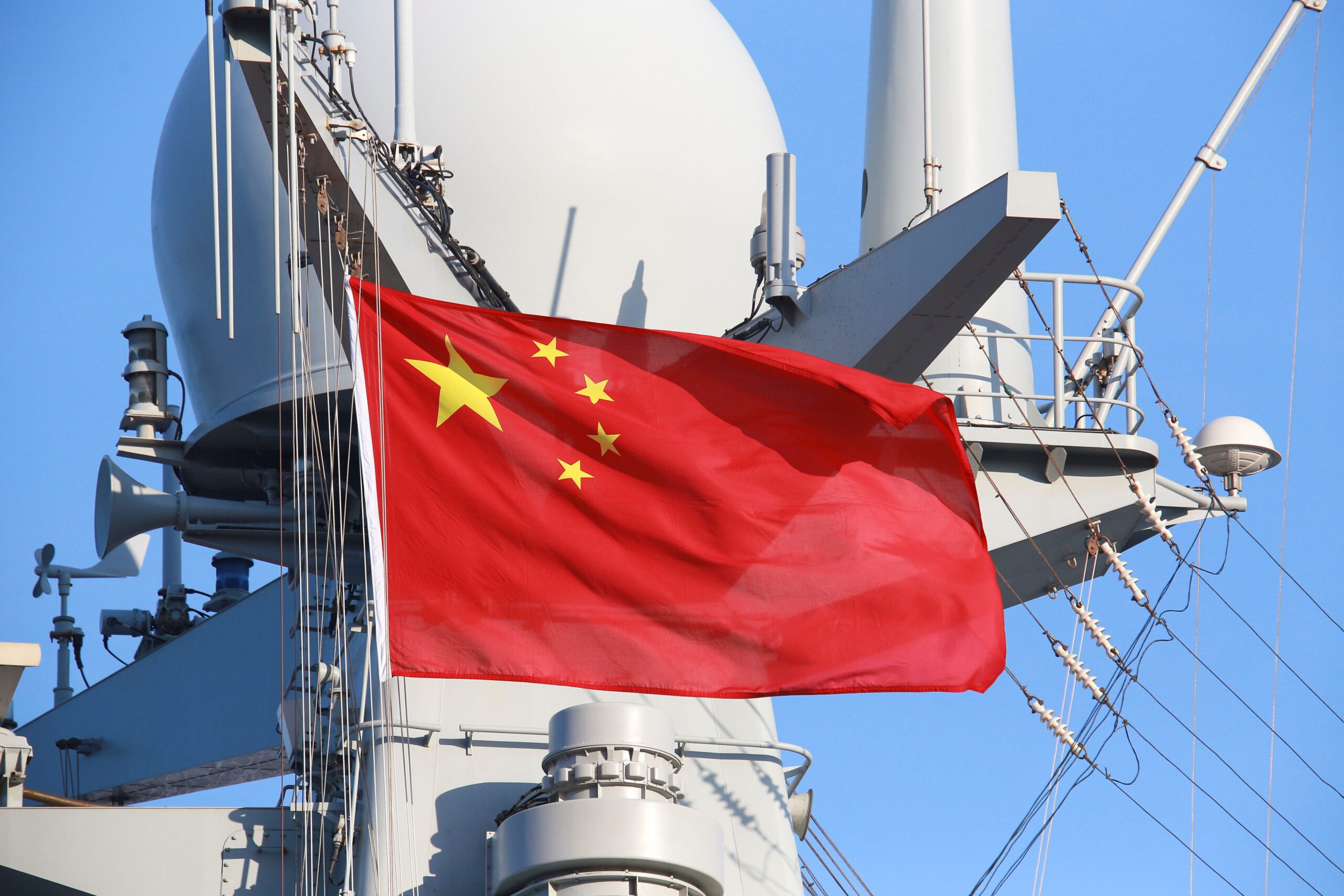
Through its Belt and Road Initiative, China seeks to play a larger role in the Black Sea region. China has been wooing littoral states in hopes of securing new markets for its goods and investing in infrastructure projects. But some worry that there is more to Chinese actions in the region than meets the eye. The worry is that China will increase its political and diplomatic clout in a region that is considered vital for Russian interests and create tension between Moscow and Washington. Despite the uneasiness in the West about China’s increasing presence in the Black Sea, there is not enough focus on the issue in the scholarly debates in Western capitals. The MEI’s Frontier Europe Initiative aims to contribute to the debate on the role of China in the Black Sea. We hope the articles in this report will help to address several important unaddressed questions.
Trusted networks: How the Assad regime subverts clan ties in Daraa
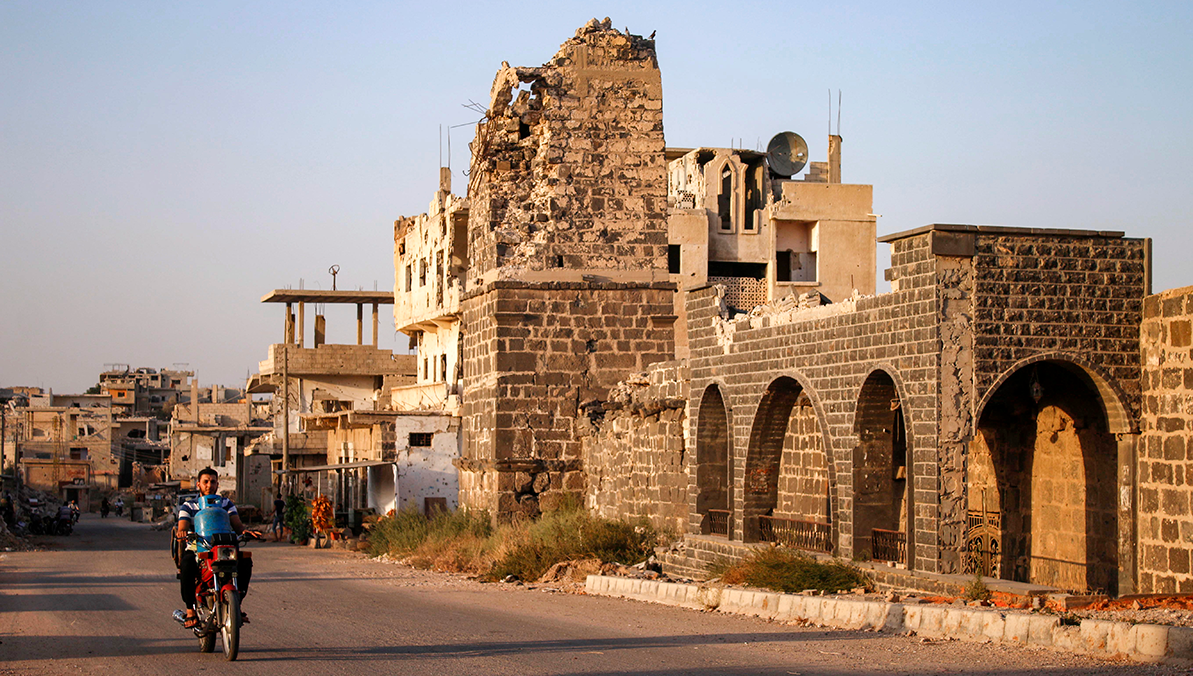
In 2018, Assad’s Syrian government forces, with Russian support, managed to regain control of opposition-held areas in Daraa. Russia has emerged as the primary power broker by arranging agreements between the rebels and the regime, which, in turn, has allowed the rebels to keep some of their arms under the banner of the Russian-formed Eighth Brigade. Nevertheless, since 2018, the tight-knit tribal networks in Daraa have functioned as a nucleus for the continuation of the uprising against the Assad regime. The same tribal attributes that create interconnectedness among the people of Daraa, however, also render them susceptible to the regime’s strategy of pitting clans against each other and leveraging the resulting strife to justify the use of force with the goal of asserting full control.
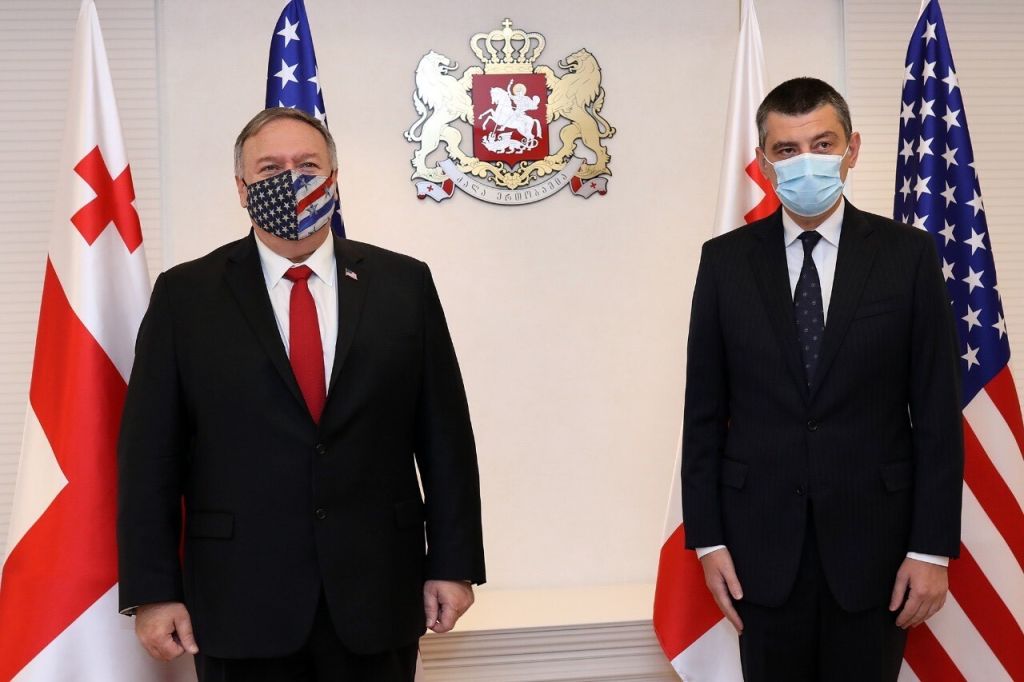
Pompeo’s visit to Tbilisi is a both a victory lap and an opportunity
Pompeo’s visit to the small post-Soviet democracy Georgia reflects U.S. efforts to reassure Georgia of its support as a strategic partner. As possibilities for Western engagement in Eastern Europe and the South Caucasus are increasingly diminished by Russia’s rising force projection, the visit is an opportunity to consolidate President Donald Trump’s regional focus on great power competition with China and Russia.
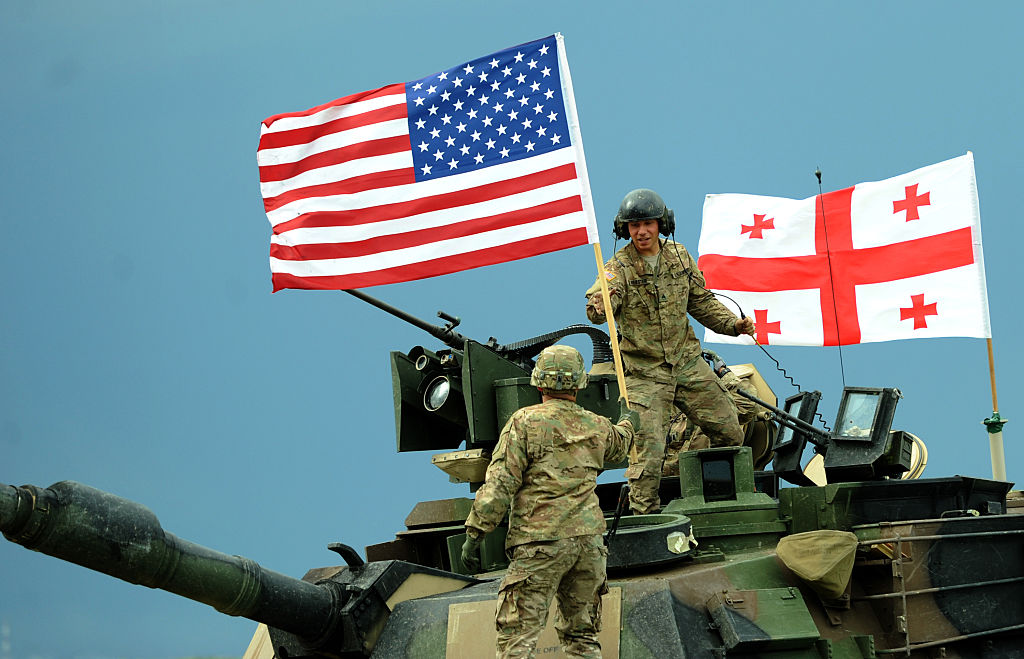
United States-Georgia Charter on Strategic Partnership: Defense and Security
As part of these two countries’ defense and security cooperation, the US provides financial support to the Georgian military, support for Georgia’s territorial defense and sovereignty, and, ultimately, for Georgia’s procurement of US defensive weapons. This triple combination ensures Georgia’s military strength and demonstrates America’s unwavering support for Georgia’s independence, sovereignty, and territorial integrity. However, a lack of medium- to long-term US political and military commitment to Georgia’s security could put Georgia in jeopardy.
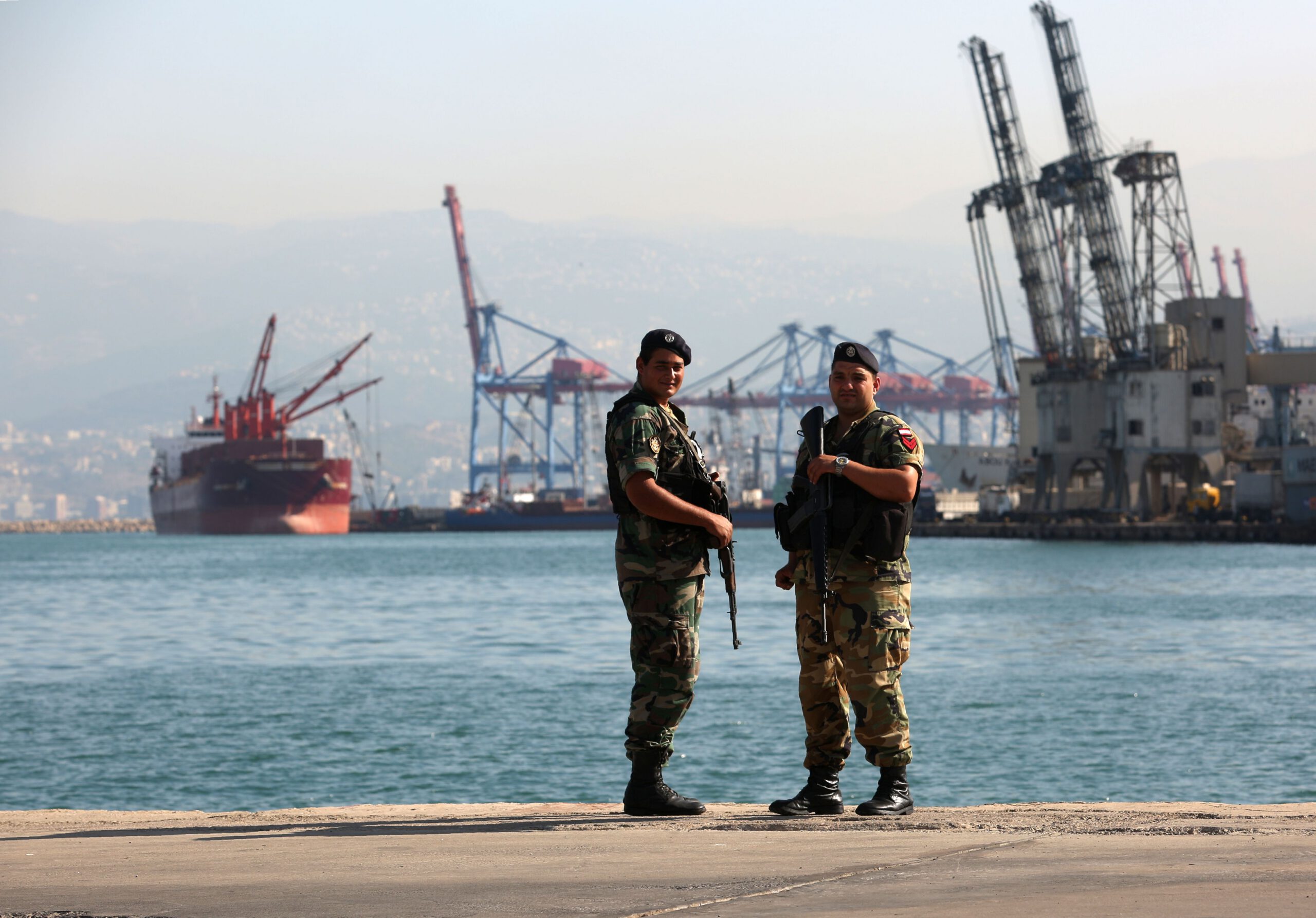
Lebanese maritime security: Navigating rough seas with good policy
Lebanon has a coastline of 120 nautical miles (NM) along the eastern Mediterranean and an exclusive economic zone (EEZ) that encompasses an area of 5000 square nautical miles (SNM). While this wide expanse presents many opportunities, it also represents a pressing security challenge for the Lebanese Navy and the region in general.