No real alternative: The failure of opposition parties in Iraq’s Kurdistan Region
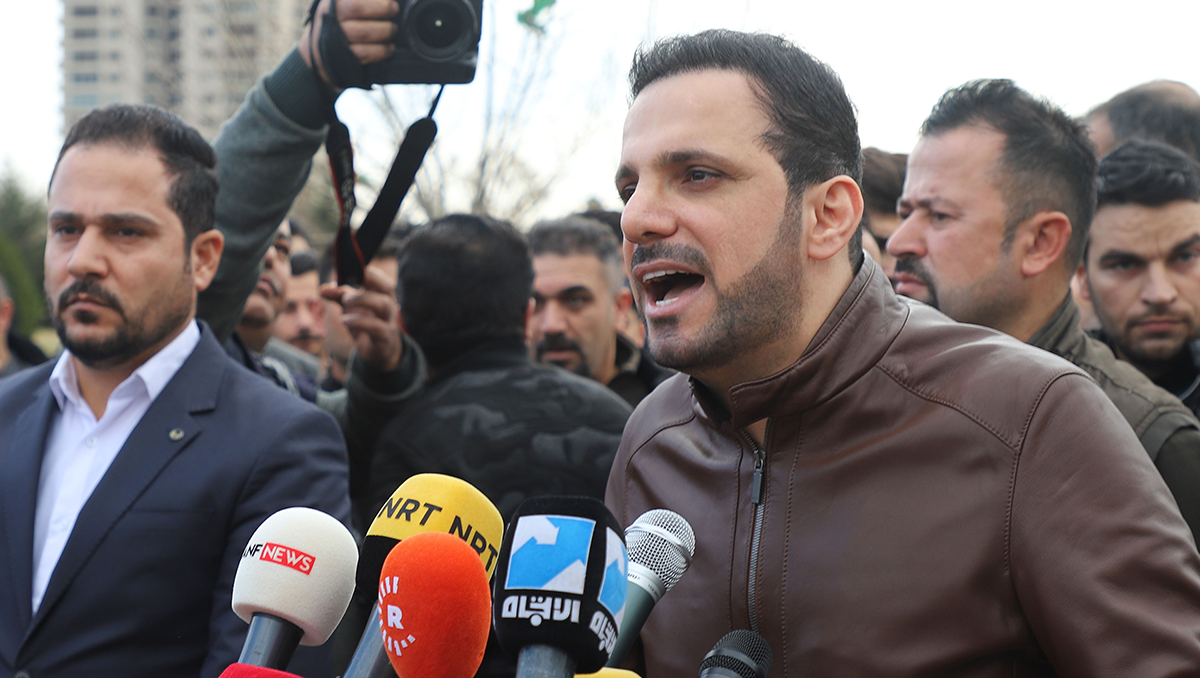
Politics in Iraq’s Kurdistan Region is centered on the ruling duopoly of the Kurdistan Democratic Party (KDP) and the Patriotic Union of Kurdistan (PUK). Other political parties — broadly referred to as the opposition — offer themselves as alternatives to the KDP and the PUK, but are disorganized, divided, and largely unable to capitalize on public grievances about governance. At present, they do not constitute a viable alternative to the ruling parties.
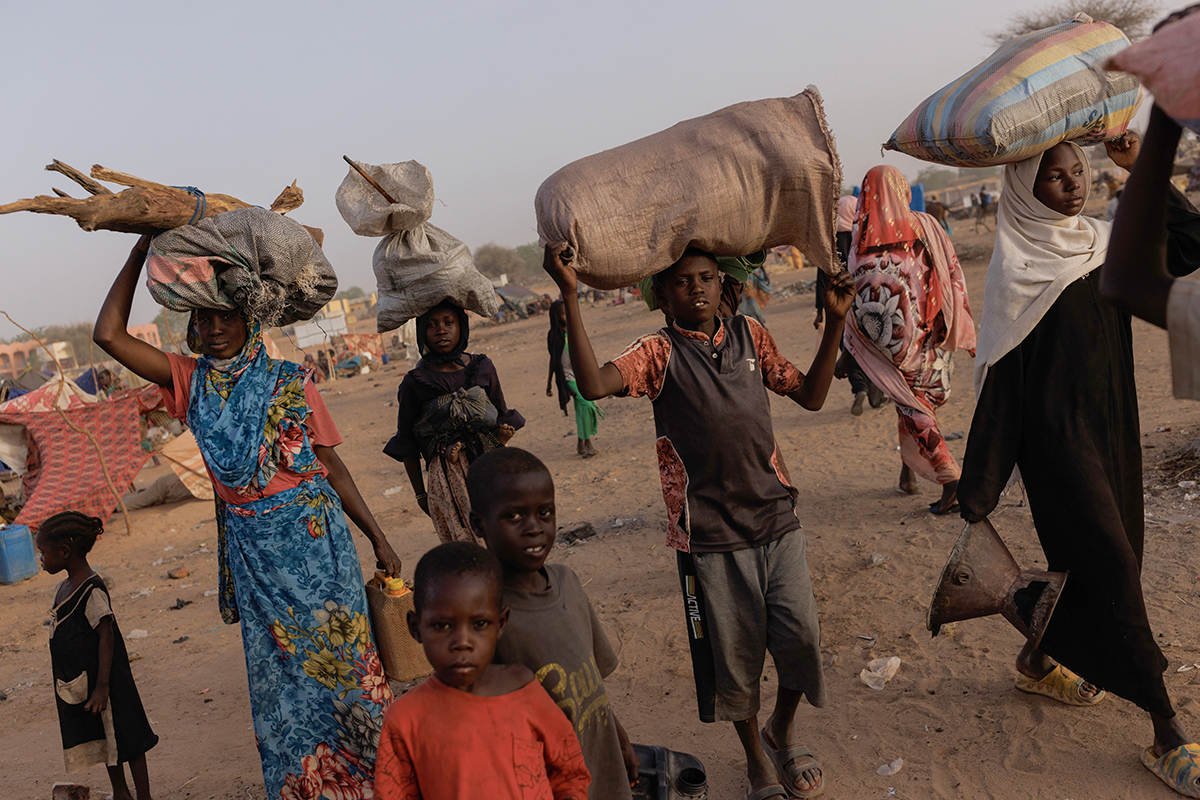
On this week’s episode, Jehanne Henry, Mirette Mabrouk, and MEI Editor-In-Chief Alistair Taylor discuss Sudan’s civil war and its regional impact. The conflict began on April 15th, 2023, when fighting broke out in Sudan’s capital of Khartoum between the Sudanese Armed Forces (SAF) under Gen. Abdel Fattah al-Burhan and the paramilitary Rapid Support Forces (RSF) under Mohamed Hamdan Dagalo (known as “Hemedti”). More than a year on, the fighting continues to rage and there seems to be no end in sight to the conflict.
Since April 15, 2023, the Sudanese people have borne the brunt of the country’s civil war. According to the Norwegian Refugee Council, more than 9 million people have been internally displaced over the past year, and another 1.7 million have been forced to flee to neighboring states. Peace remains a distant prospect, as a result of the failure of diplomatic efforts to date to convince both Abdel Fattah al-Burhan, commander of the Sudanese Armed Forces, and Mohamed Hamdan Dagalo, commander of the paramilitary Rapid Support Forces, to end the conflict through a political settlement.
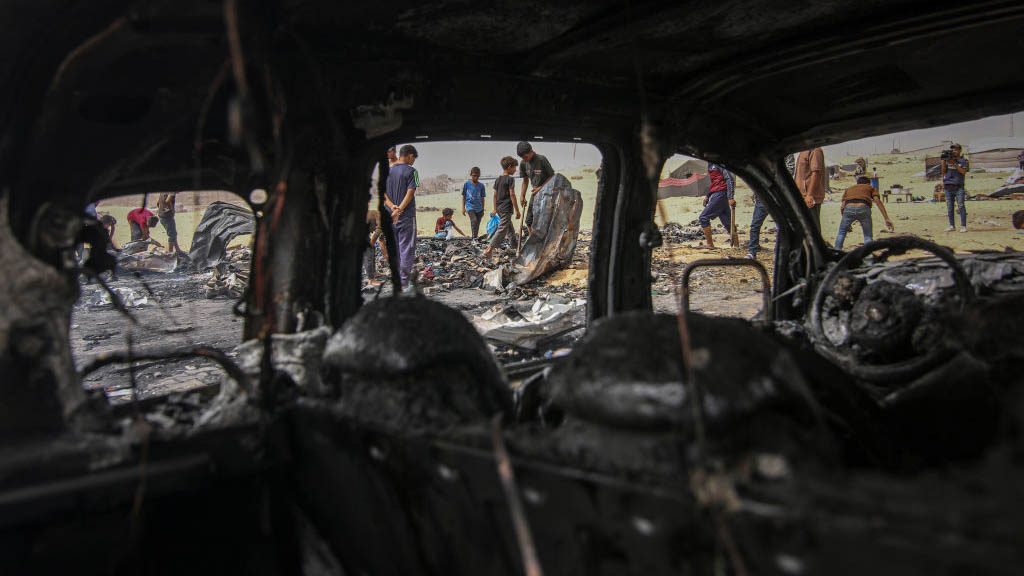
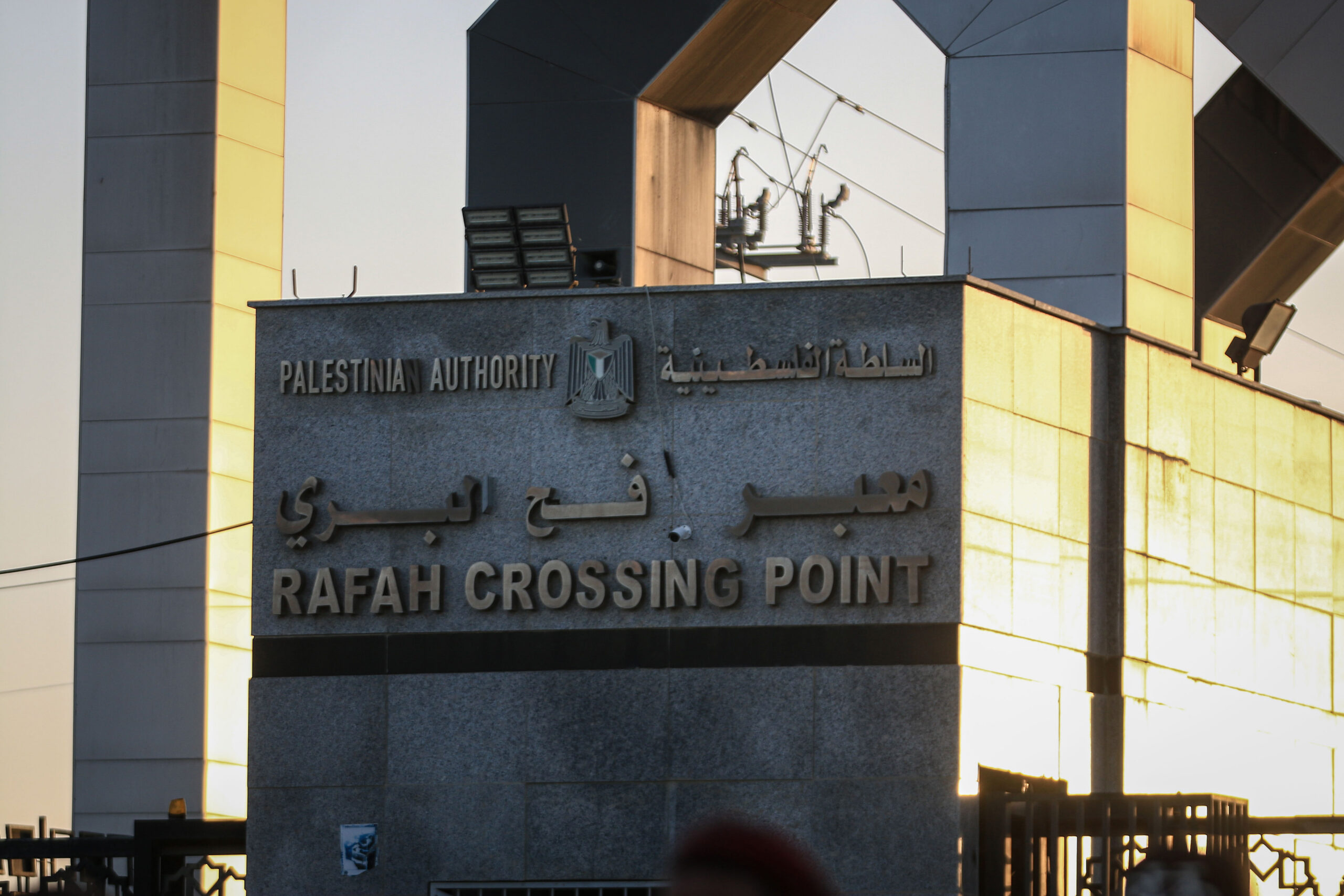
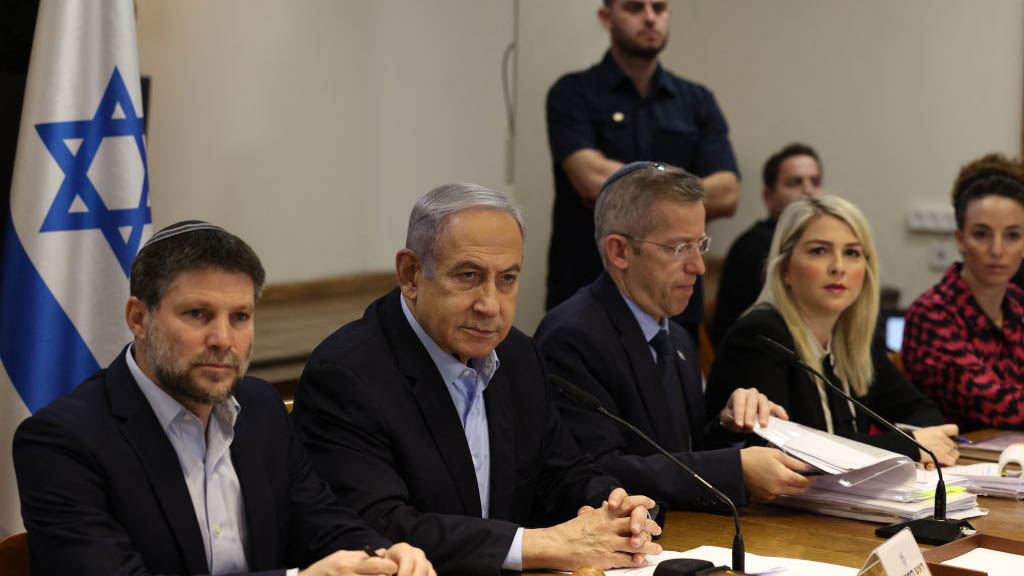
The way out of the war in Gaza will shape Israel-Egypt relations for years
March 26, 2024, marked the 45th anniversary of the signing of the peace agreement between Israel and Egypt. Over the years, this bilateral settlement has proven its stability and resilience, despite a series of crucial challenges. Yet the Begin-Sadat legacy, and the benefits it brings, is now in jeopardy.
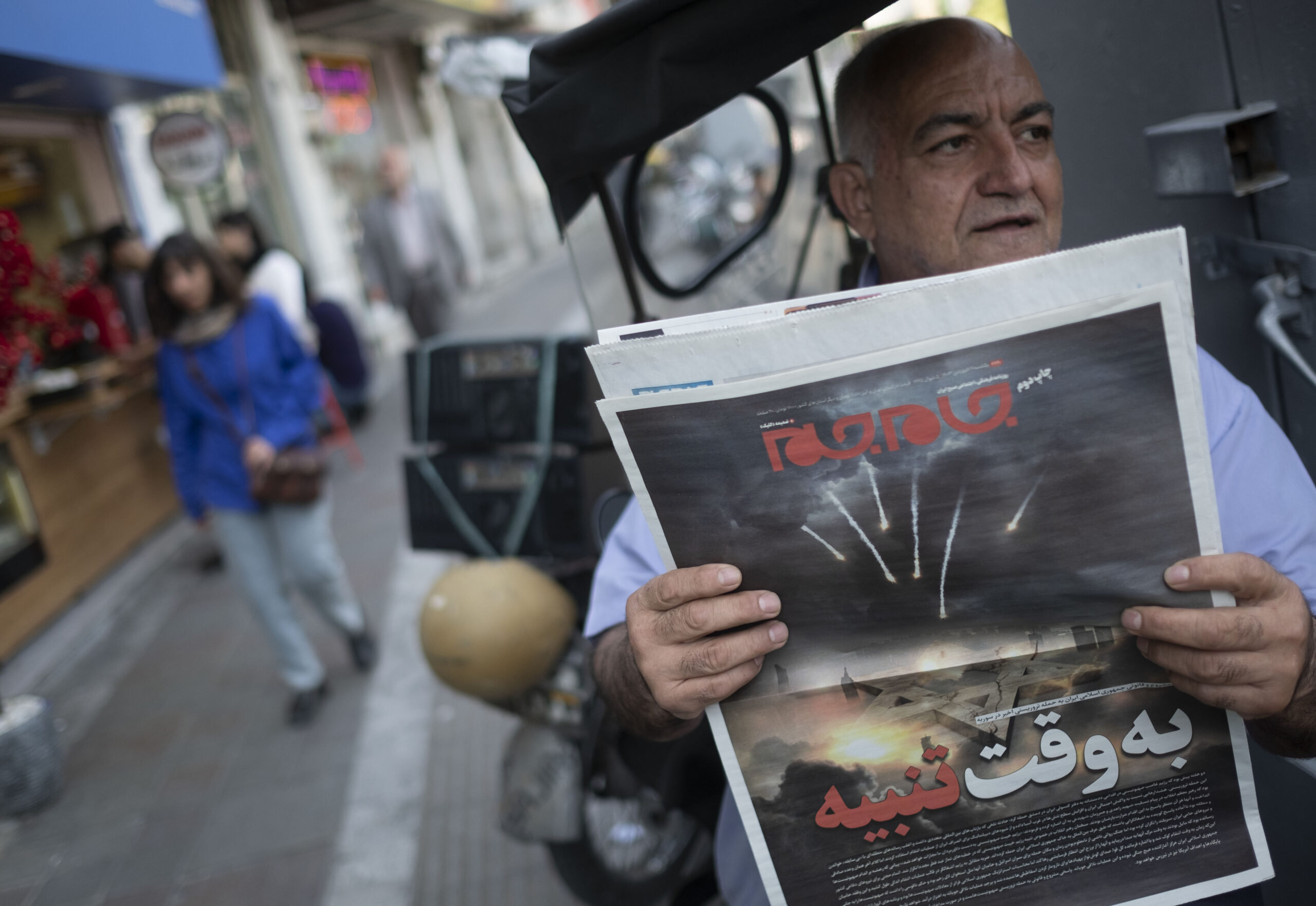
Expert Views: How should we navigate the new rules of the game in the Israel-Iran conflict?
The month of April saw a series of unprecedented escalations in the long-simmering Iranian-Israeli conflict, with both countries launching missile and drone attacks against the other’s territory for the first time in history.
In the wake of these strikes, what will be the impact on the regional security and political environment going forward, what is needed to stabilize the new rules of the game, and how can US diplomacy help to facilitate that process? MEI has asked its experts to weigh in.
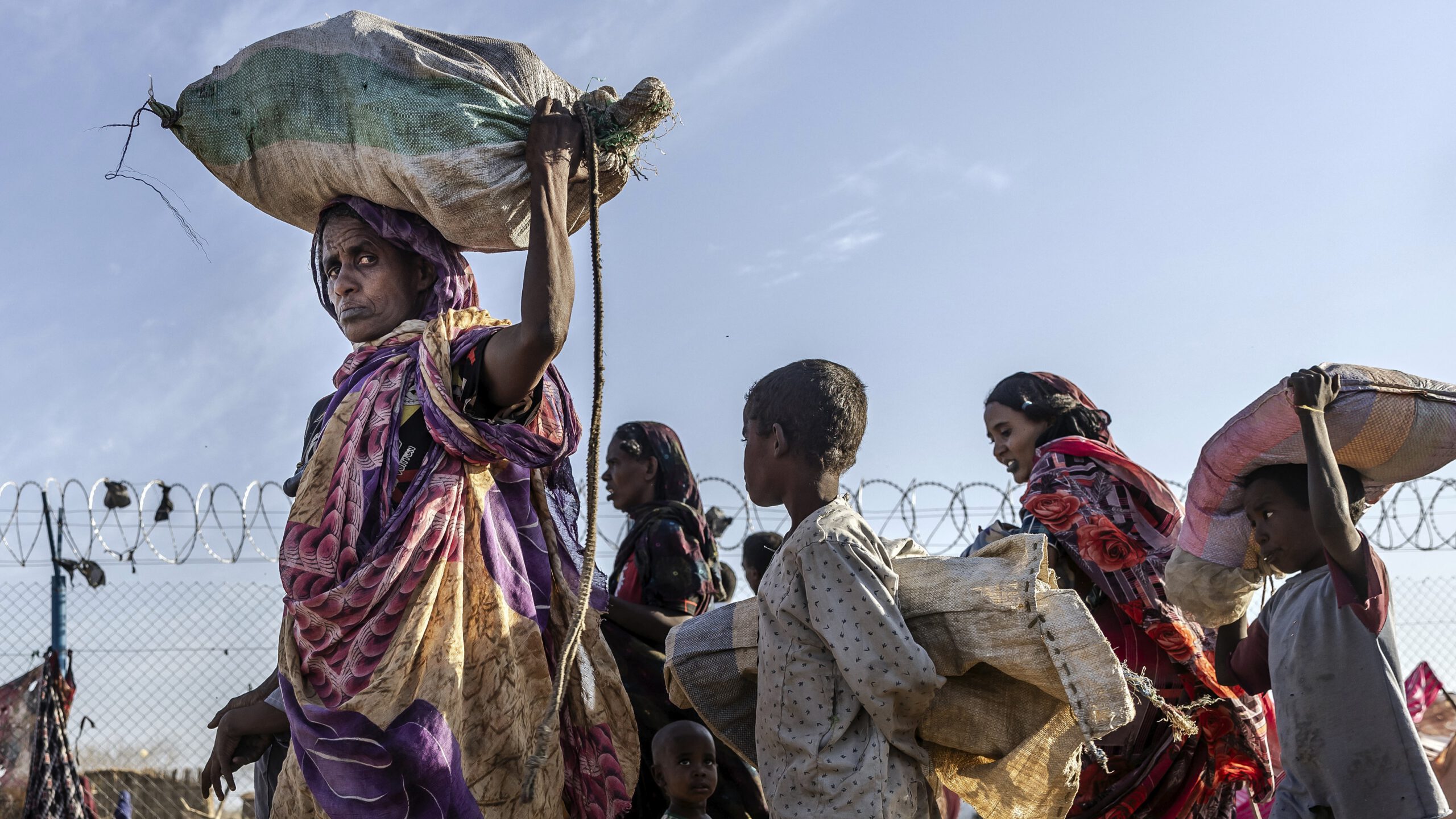
The worst forgotten conflict in the world: Sudan’s civil war one year on
This week marks one year of Sudan’s brutal civil war, when the Sudanese Armed Forces (SAF) and the paramilitary Rapid Support Forces (RSF) started battling in the capital city of Khartoum. Far from silencing their guns, the two sides continue to fight fiercely to devastating effect; and with scant global attention or outcry, the Sudanese war has quickly become the world’s worst forgotten conflict.
Iraq’s prime minister will toe a fine line in Washington visit
Prime Minister Sudani has been delicately balancing between maintaining bilateral relations with Washington and ensuring political support for his cabinet from pro-Iran hardliners in Baghdad. Both sides have conflicting expectations from the prime minister, and delivering on his promises will come down to his ability to convince each to compromise. But Sudani’s task has now become even more challenging as Iraq finds itself in the middle of direct confrontation between Iran and Israel.
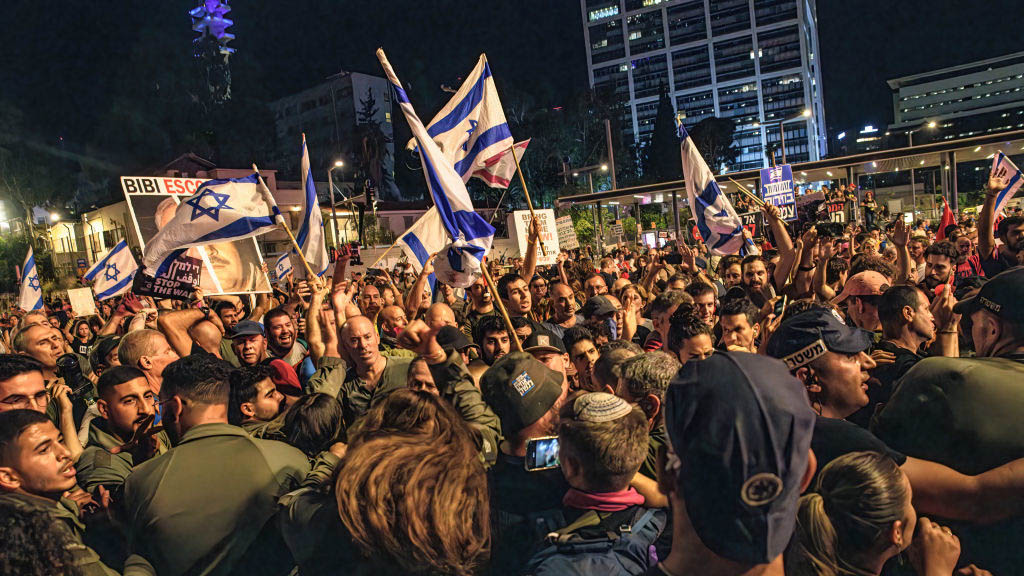
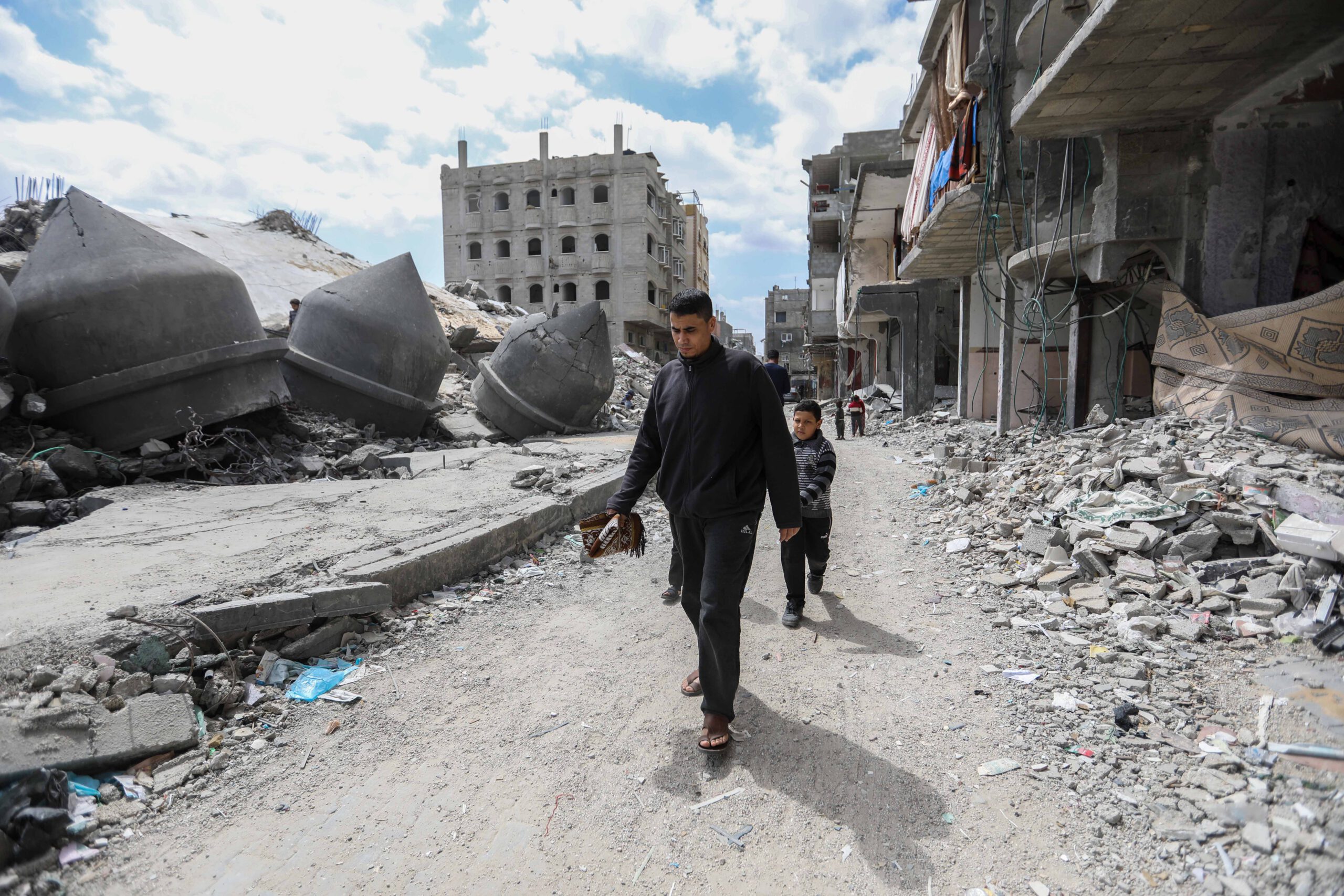
Expert Views: What is needed to end the war in Gaza?
Six months since the October 7 Hamas attacks on Israel and subsequent outbreak of war in Gaza, the deadly and devastating conflict looks no closer to concluding. Is it still possible to achieve a sustainable cessation of hostilities and restart the conflict-resolution process? To get there, what are the incentives and disincentives that could be constructed for the two main combatants, Israel and Hamas?