From “fierce entanglement” to a viable path toward Palestinian statehood: A pragmatic proposal
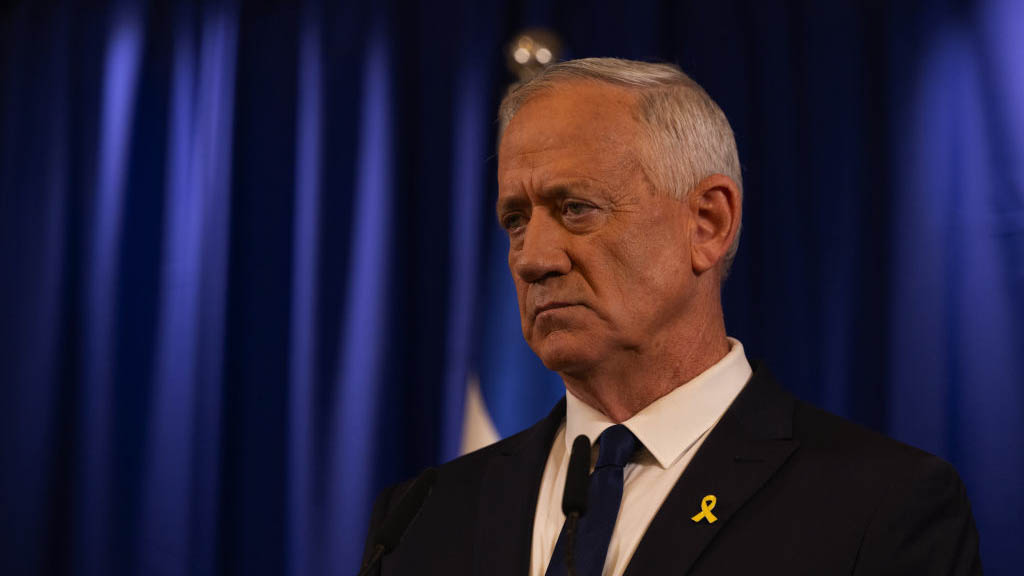
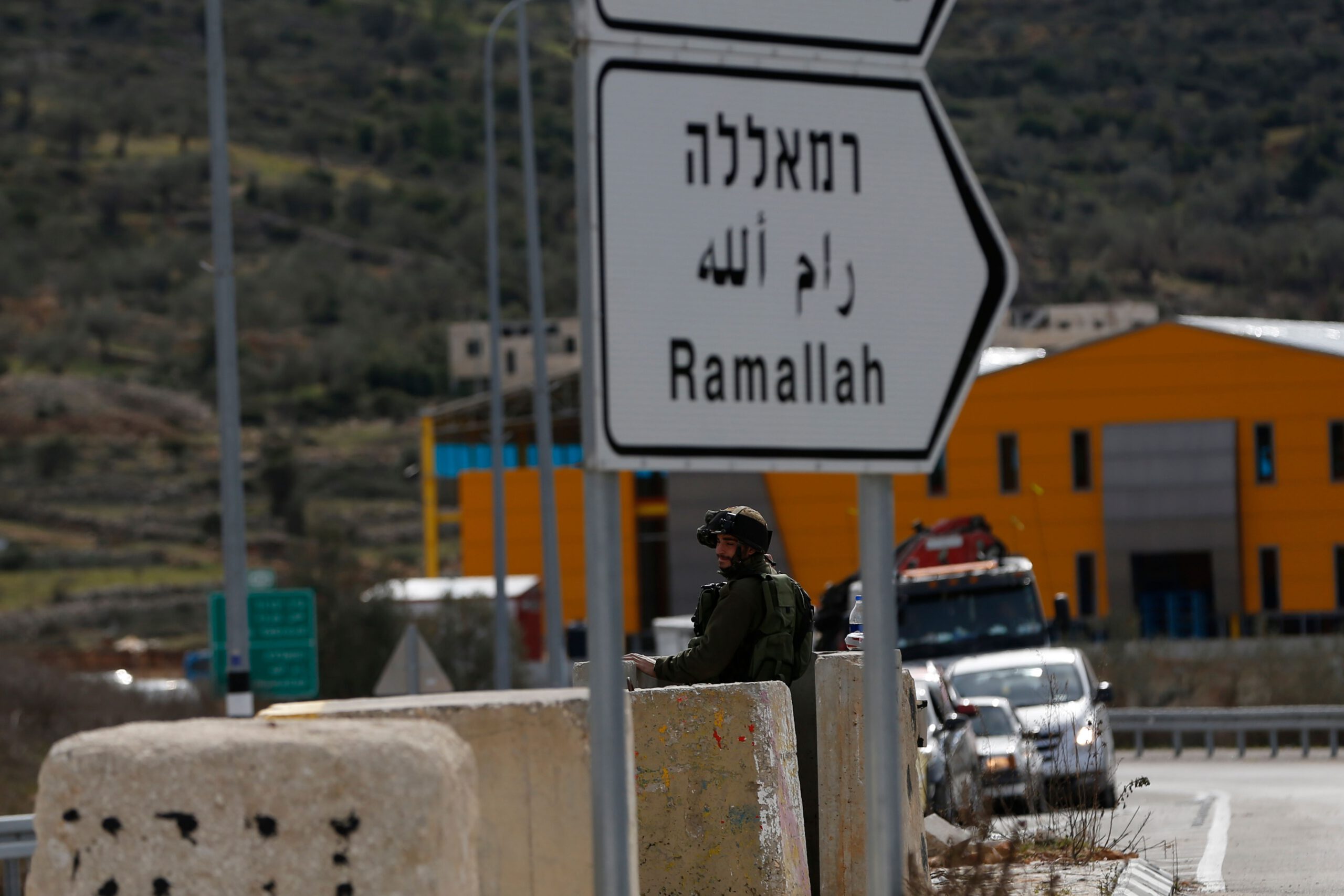
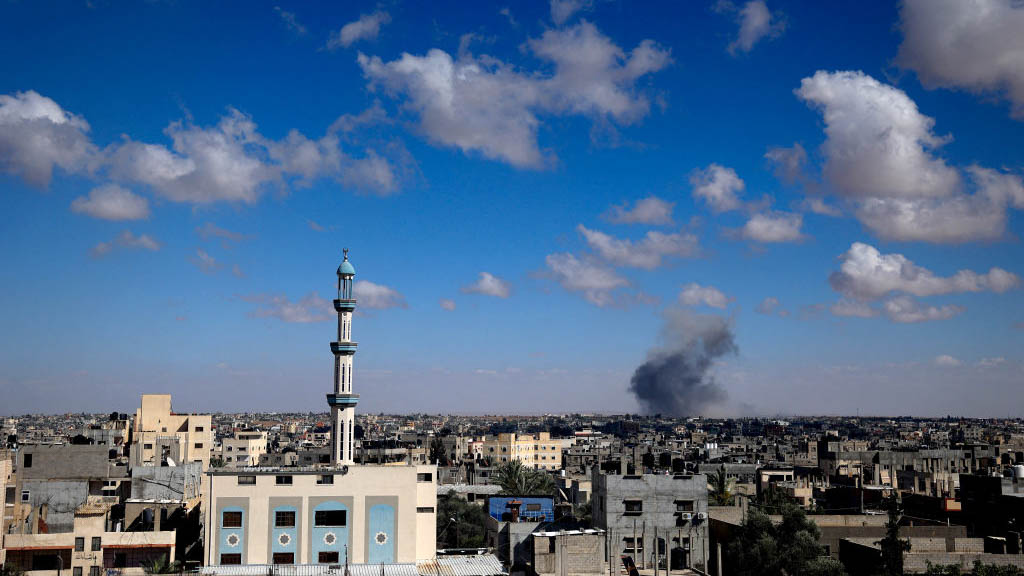
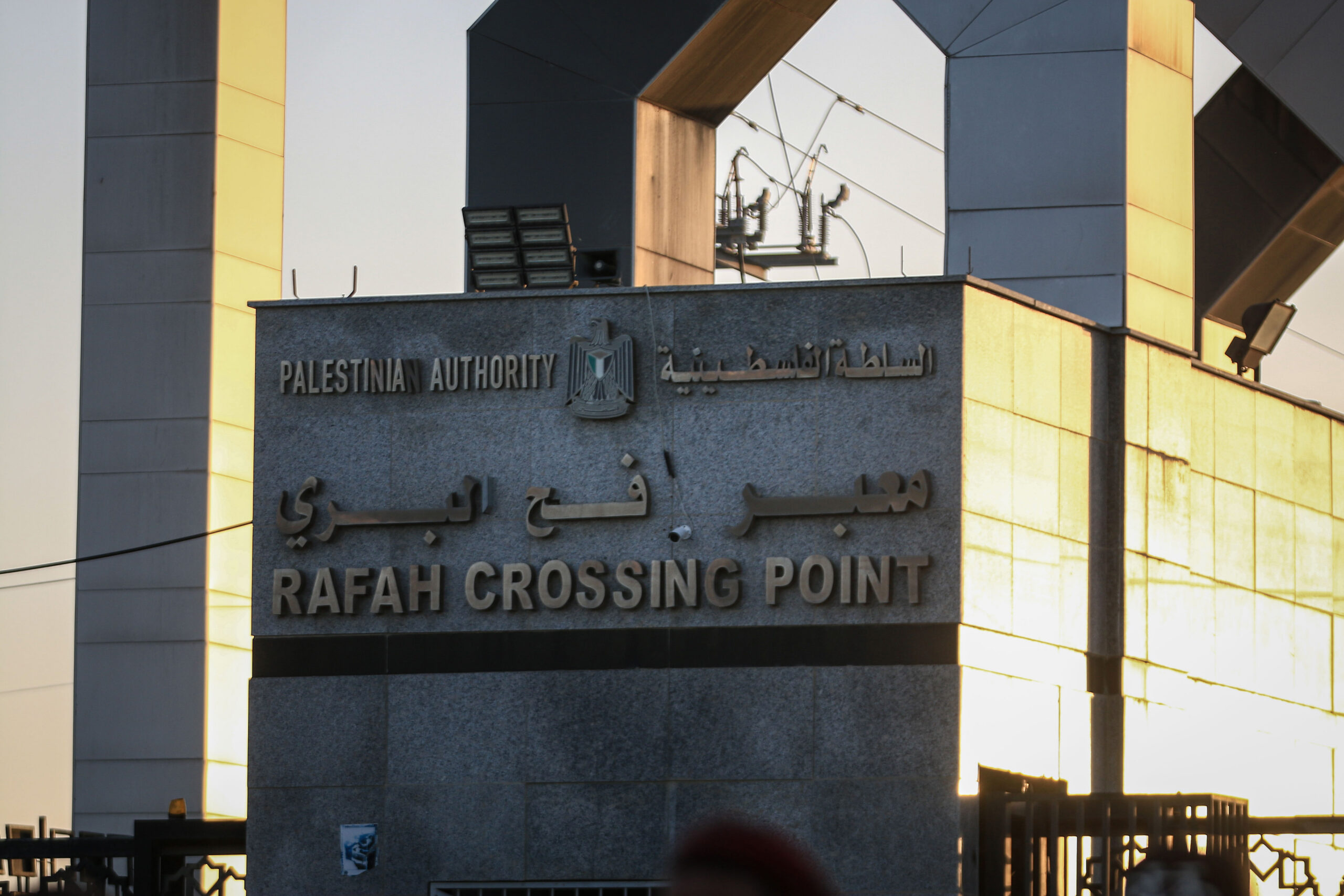
The Israelis and Palestinians are stuck with each other in a situation of “fierce entanglement.” Things never got “bad enough” for Israel to work toward a better and lasting solution with the Palestinians until Oct. 7 abruptly changed the status quo. After the visceral anger subsides and Hamas is replaced in Gaza, Israel and the Palestinian Authority must work together for something other than “waiting for the next round of violence.”
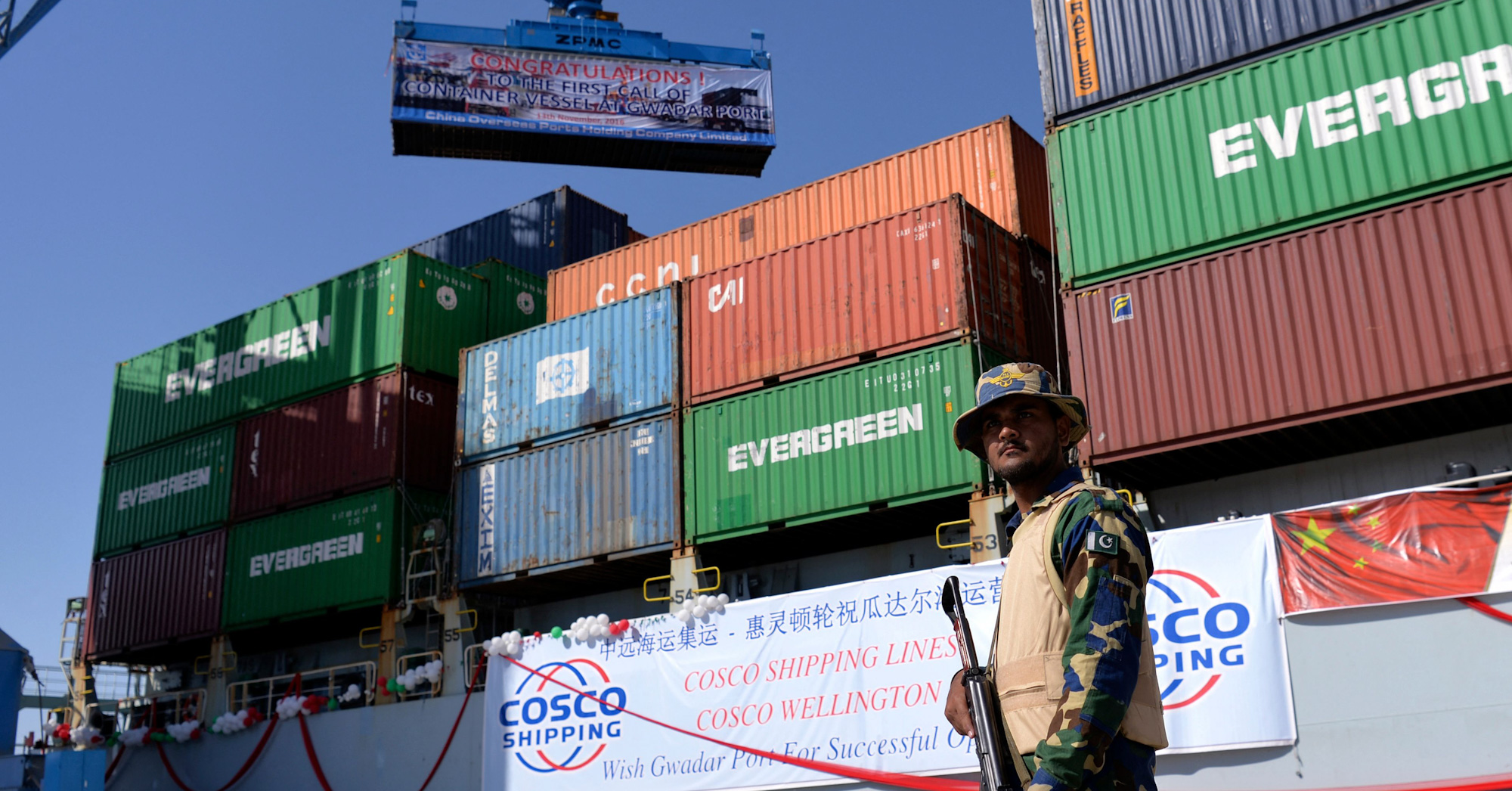
“Gwadar is the future”: China and Pakistan’s troubled strategic port on the Arabian Sea
Strategically located at the mouth of the Strait of Hormuz on the Arabian Sea, Gwadar, once a derelict port, was revitalized as part of the broader development of China-Pakistan Economic Corridor (CPEC) and declared fully operational in 2021. Can a renewed focus on the Gwadar port and the socio-economic and security situation of the surrounding region help Islamabad and Beijing rescue CPEC from failure?
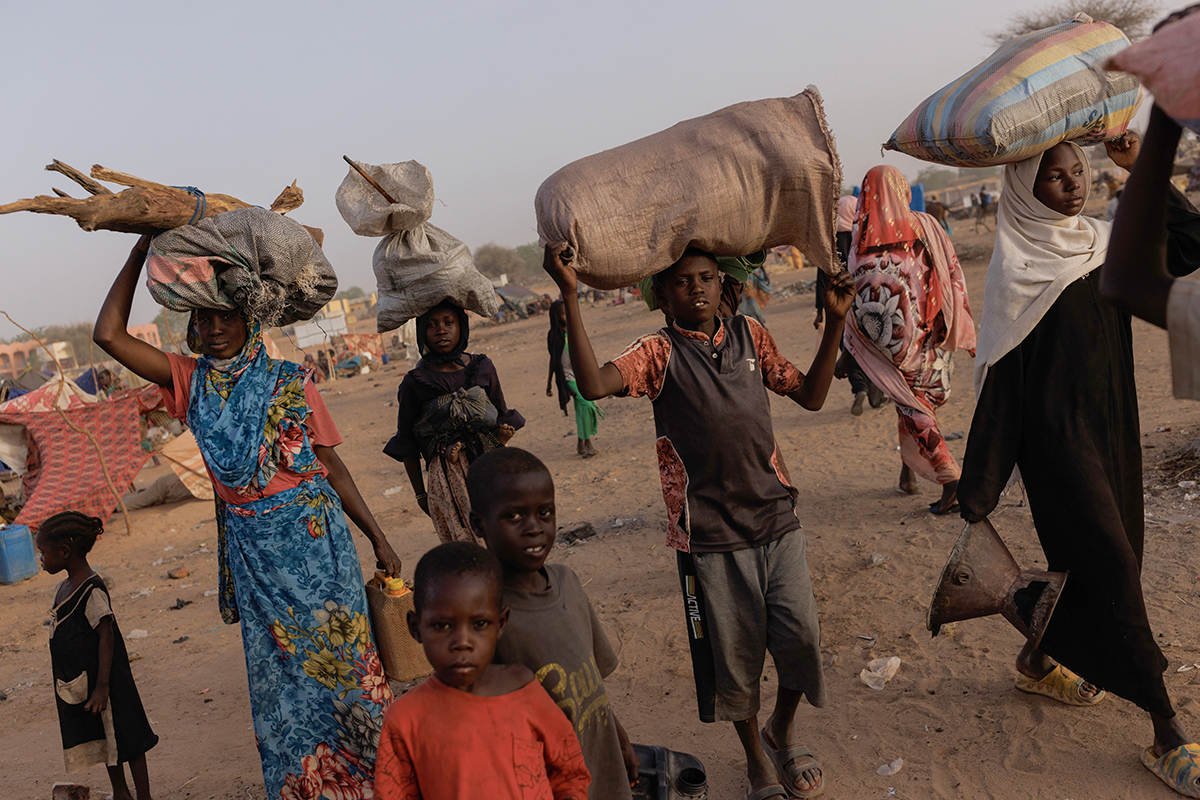
On this week’s episode, Jehanne Henry, Mirette Mabrouk, and MEI Editor-In-Chief Alistair Taylor discuss Sudan’s civil war and its regional impact. The conflict began on April 15th, 2023, when fighting broke out in Sudan’s capital of Khartoum between the Sudanese Armed Forces (SAF) under Gen. Abdel Fattah al-Burhan and the paramilitary Rapid Support Forces (RSF) under Mohamed Hamdan Dagalo (known as “Hemedti”). More than a year on, the fighting continues to rage and there seems to be no end in sight to the conflict.
Since April 15, 2023, the Sudanese people have borne the brunt of the country’s civil war. According to the Norwegian Refugee Council, more than 9 million people have been internally displaced over the past year, and another 1.7 million have been forced to flee to neighboring states. Peace remains a distant prospect, as a result of the failure of diplomatic efforts to date to convince both Abdel Fattah al-Burhan, commander of the Sudanese Armed Forces, and Mohamed Hamdan Dagalo, commander of the paramilitary Rapid Support Forces, to end the conflict through a political settlement.
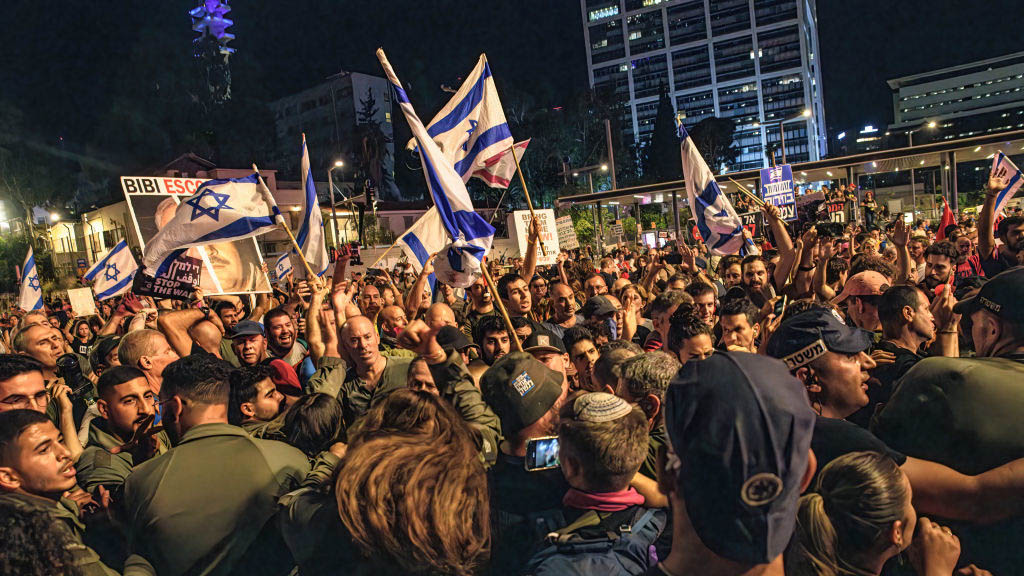
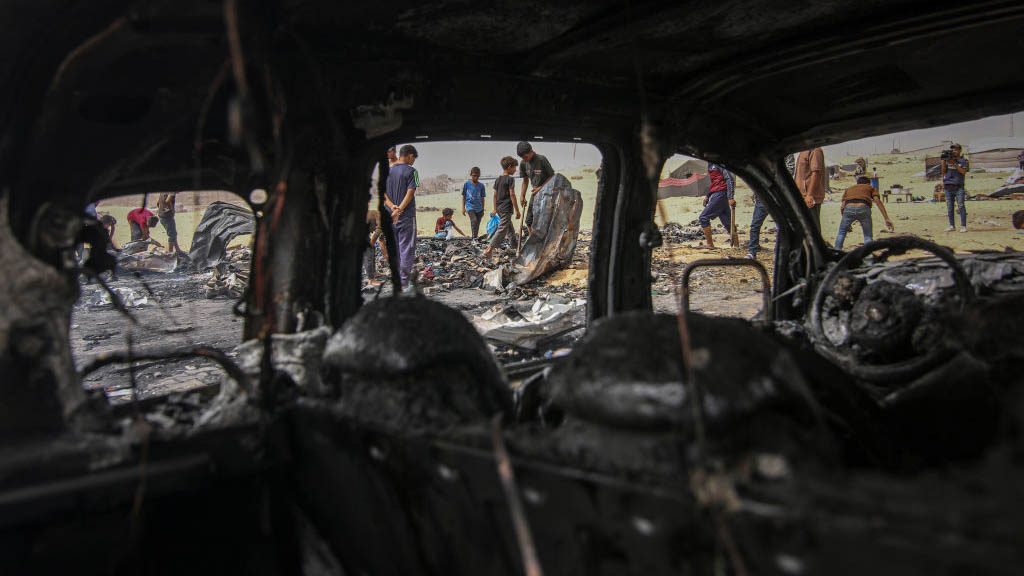
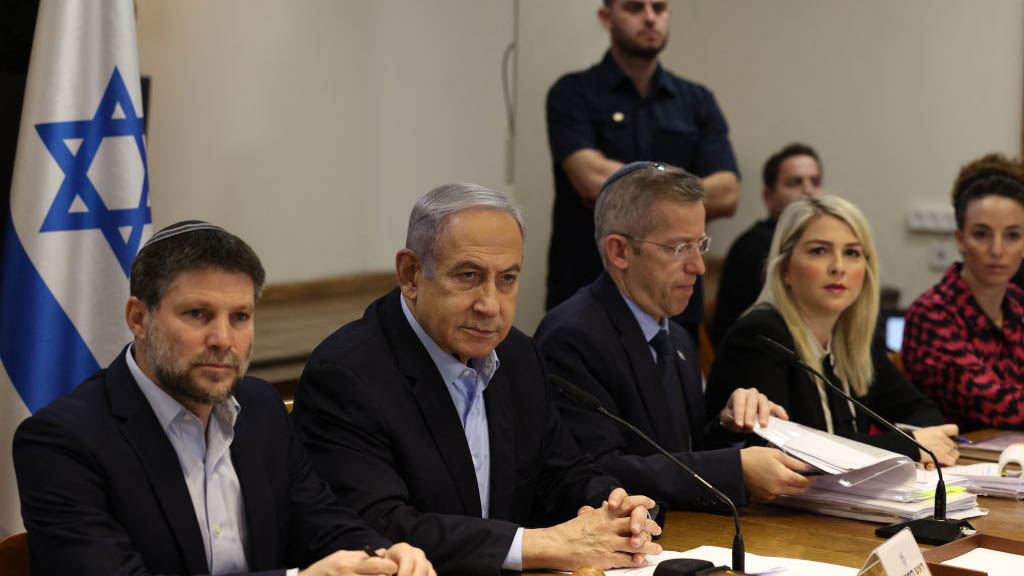
The way out of the war in Gaza will shape Israel-Egypt relations for years
March 26, 2024, marked the 45th anniversary of the signing of the peace agreement between Israel and Egypt. Over the years, this bilateral settlement has proven its stability and resilience, despite a series of crucial challenges. Yet the Begin-Sadat legacy, and the benefits it brings, is now in jeopardy.
Evolving Middle Eastern imperatives on the Indo-Pakistan rivalry
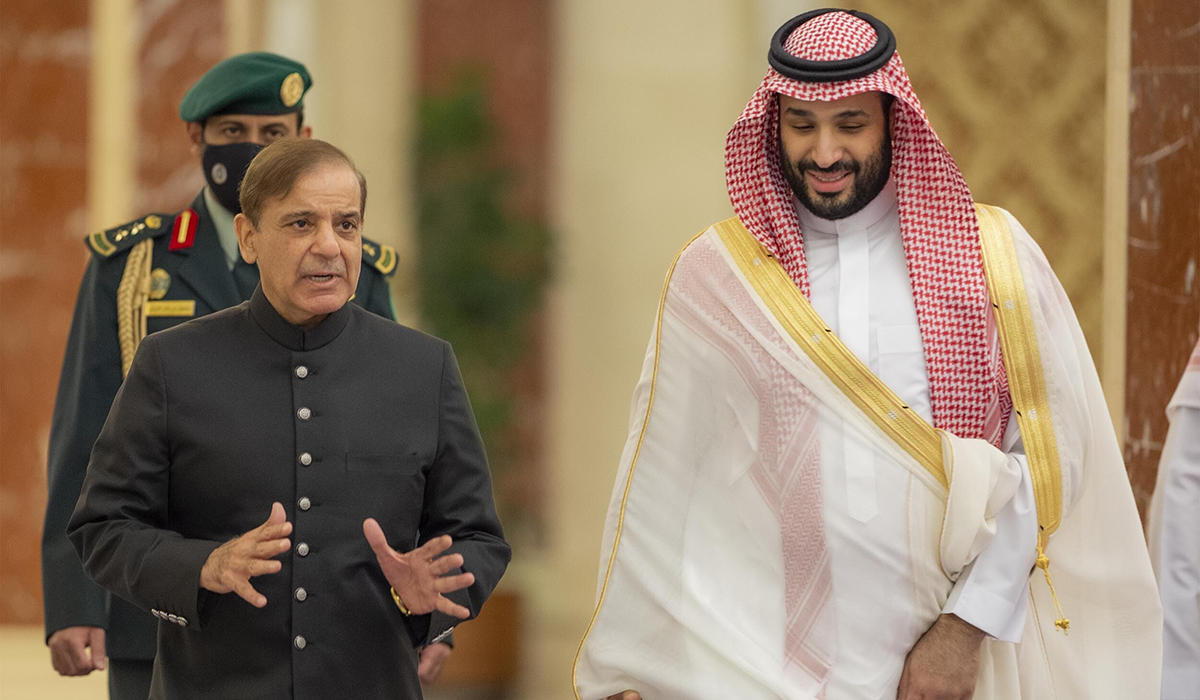
It was no surprise to see Pakistan’s new prime minister, Shehbaz Sharif, choose Saudi Arabia as the destination of his first official visit. What was more surprising, however, was the joint announcement that emerged from the trip, which called on Pakistan and India to resolve their outstanding disputes, especially the Jammu and Kashmir problem. There are several factors that have impelled Saudi Arabia and the United Arab Emirates to take on the tricky task of mediating the protracted rivalry between the two key South Asian states.
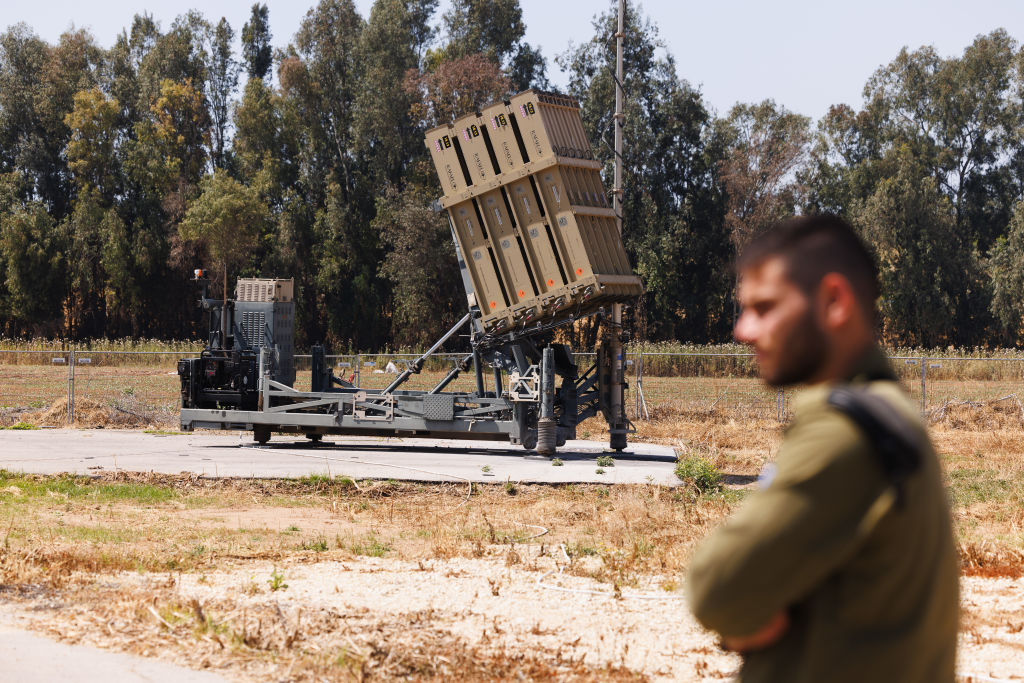
Expert Views: How should we navigate the new rules of the game in the Israel-Iran conflict?
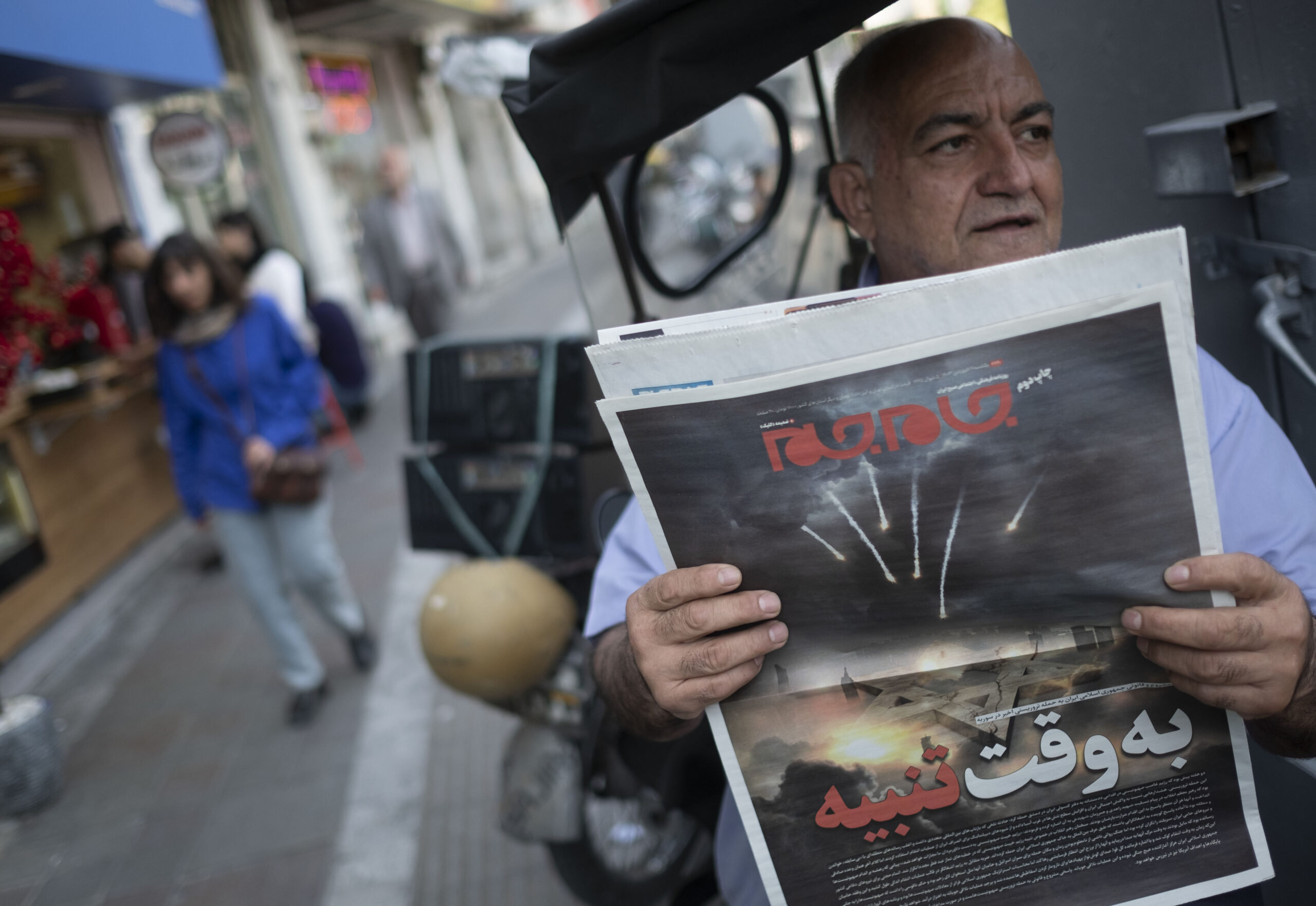
The month of April saw a series of unprecedented escalations in the long-simmering Iranian-Israeli conflict, with both countries launching missile and drone attacks against the other’s territory for the first time in history.
In the wake of these strikes, what will be the impact on the regional security and political environment going forward, what is needed to stabilize the new rules of the game, and how can US diplomacy help to facilitate that process? MEI has asked its experts to weigh in.