Policy shifts and political challenges as Algeria prepares for upcoming elections
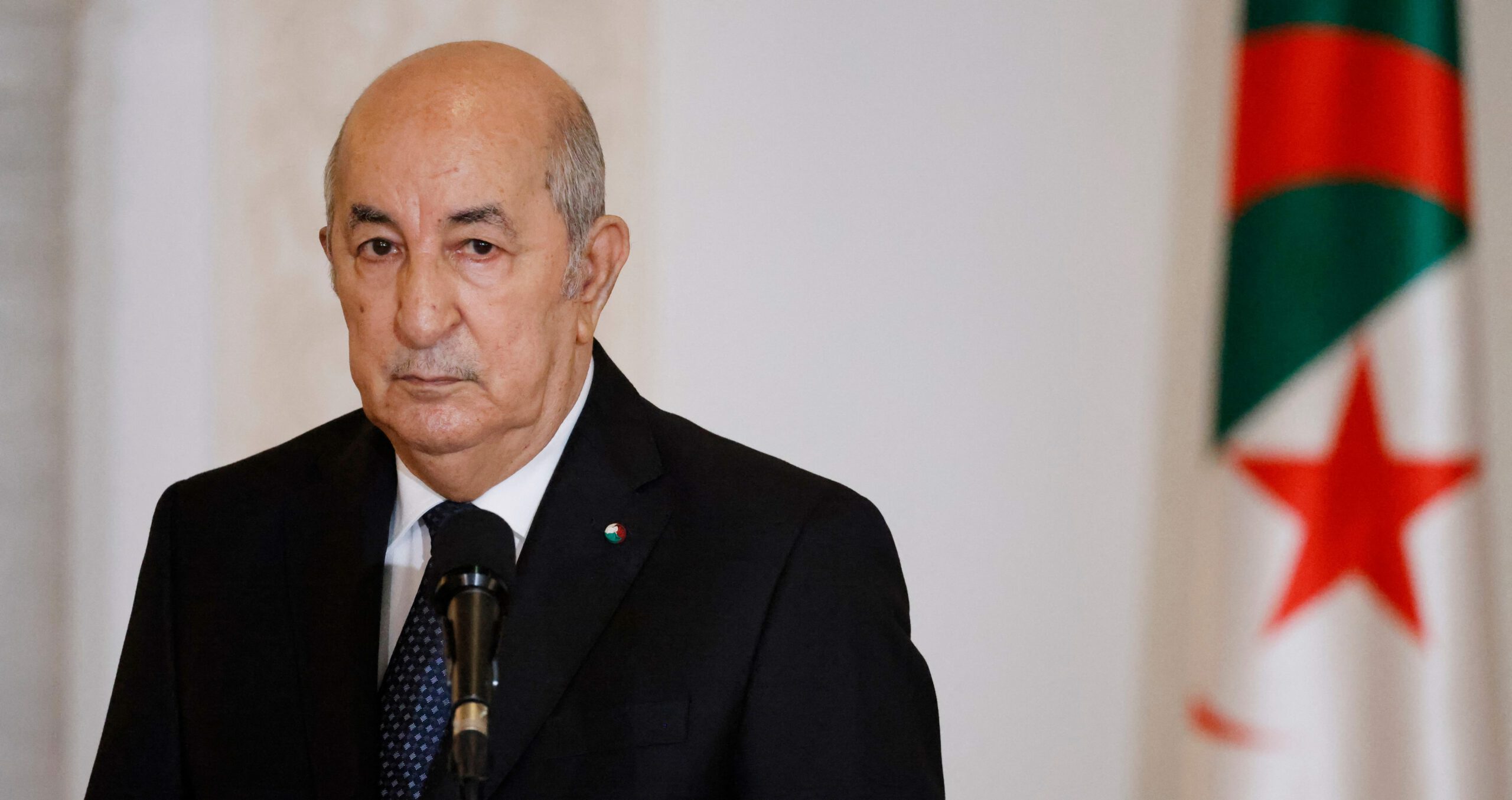
A closer look at the impact of domestic and international developments on Algeria’s agenda as the country prepares for a complicated and critical presidential race in December 2024.
Tunisia’s 2023 local elections: How the "bottom-up structure" will strengthen Kais Saied's one-man rule
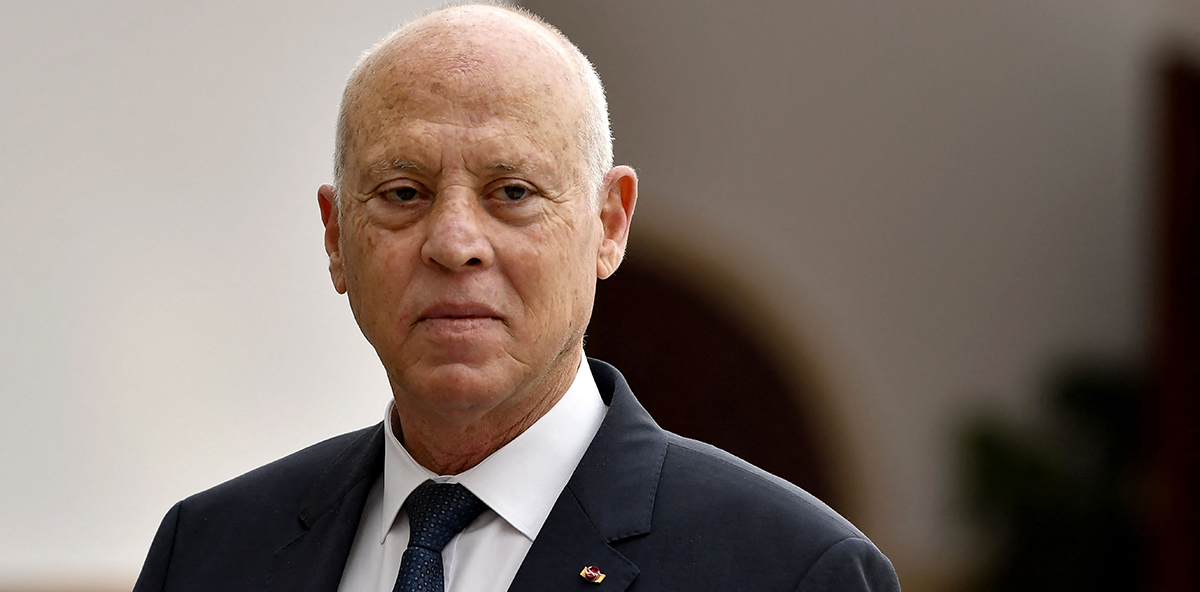
Tunisia’s upcoming local elections, the first to be held under the country’s new constitution, are set to take place on Dec. 24, 2023. The announcement of the date came roughly six months after the publication of presidential decrees, in March 2023, that dismantled Tunisia’s first ever democratically elected municipal councils, putting an end to the decentralization process initiated in 2018.
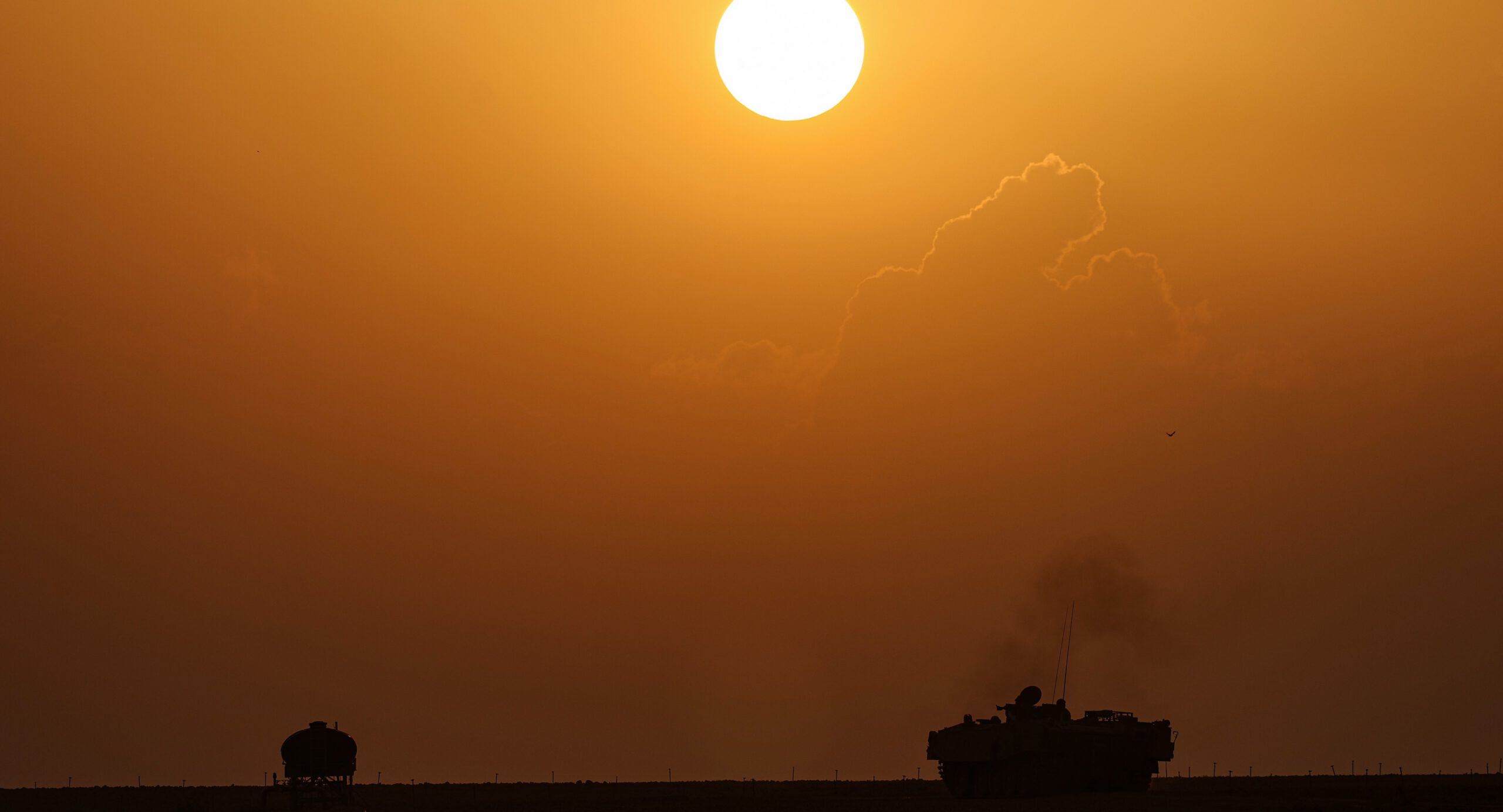
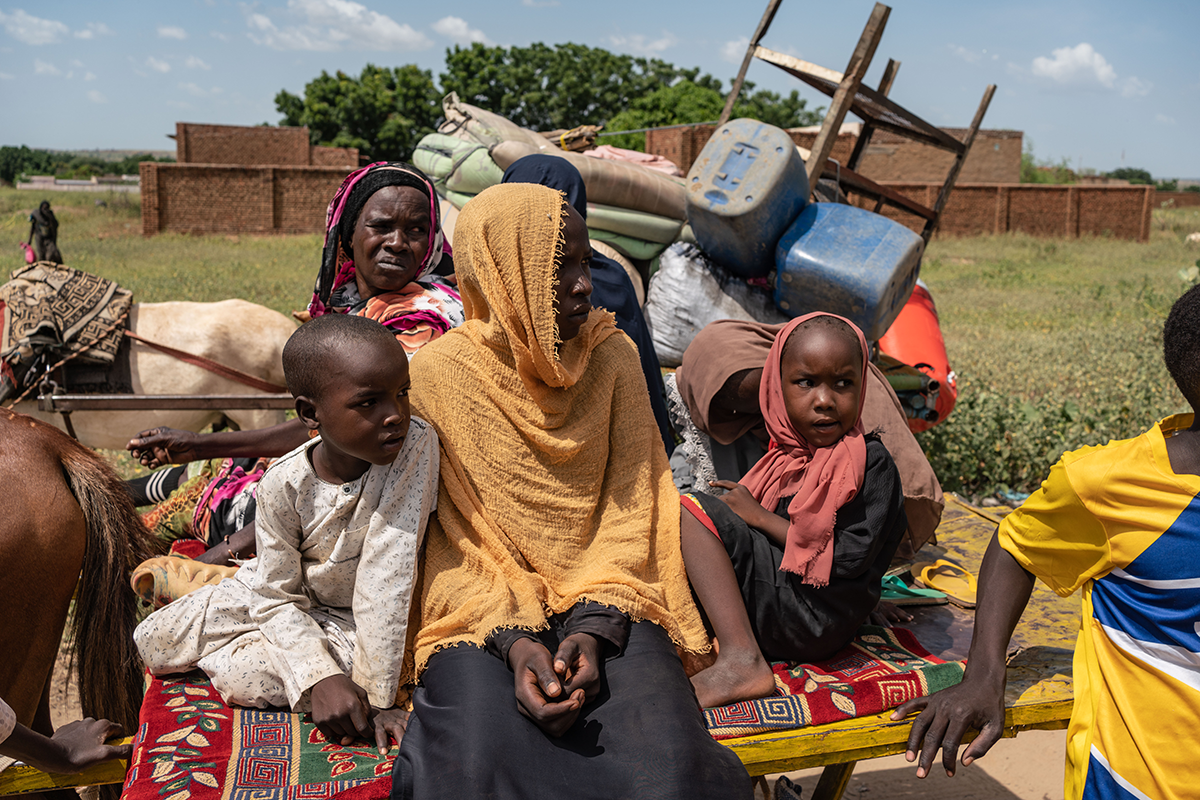
It isn’t a surprise that Sudan’s two warring sides — the Sudanese Armed Forces and its sprawling paramilitary Rapid Support Forces — did not agree to a ceasefire. When they resumed talks in Jeddah, mediated by the U.S. and Saudi Arabia in late October, the RSF was busy launching a major offensive on the vast western region of Darfur.
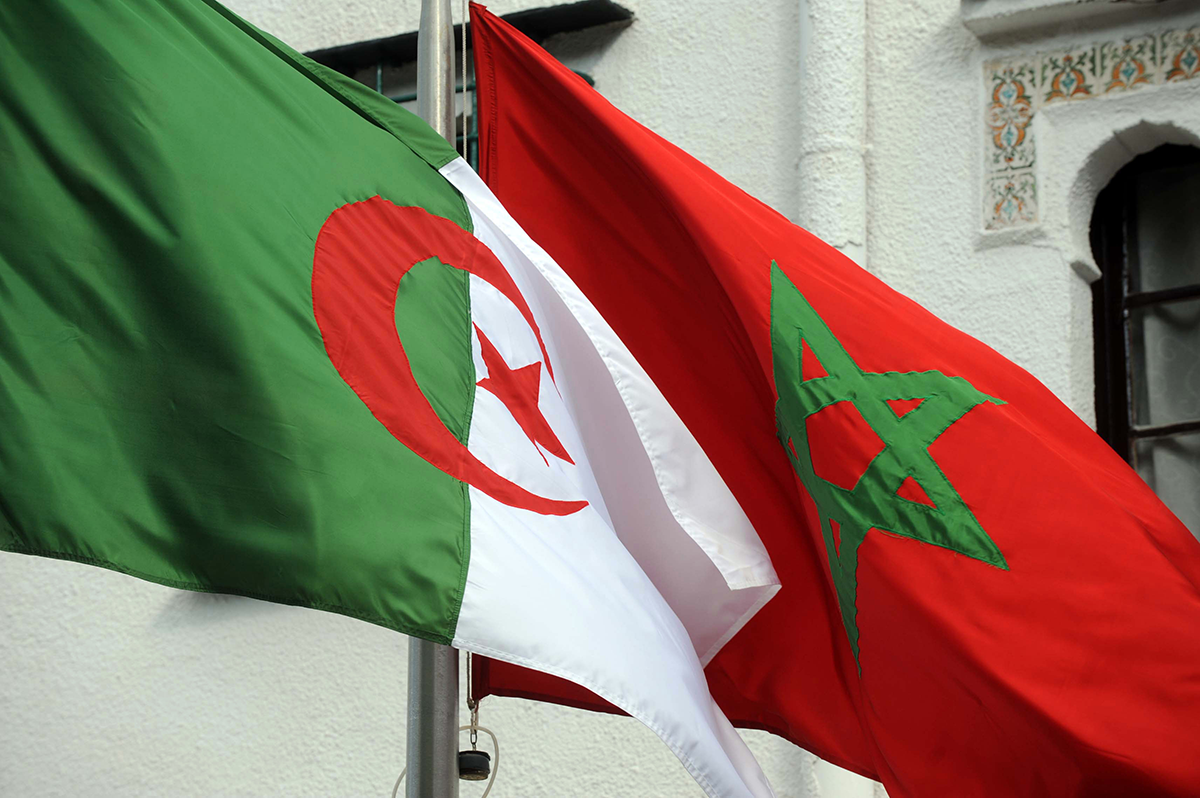
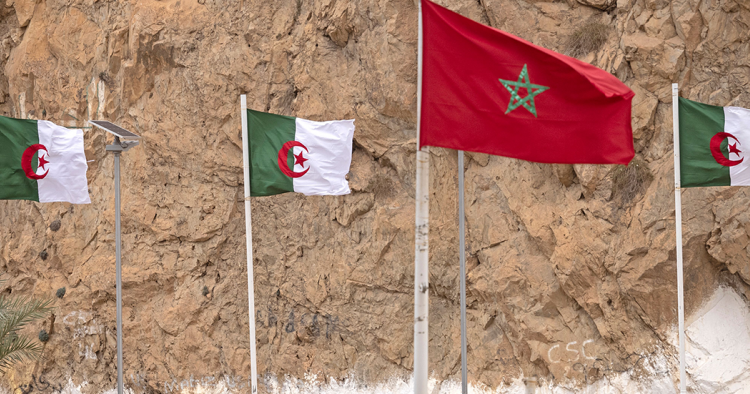
Morocco and Algeria’s regional rivalry is about to go into overdrive
The rivalry pitting Rabat against Algiers has been intensifying for years. But there are increasing risks that the political and economic competition between the two North African neighbors will accelerate into new and more challenging directions.
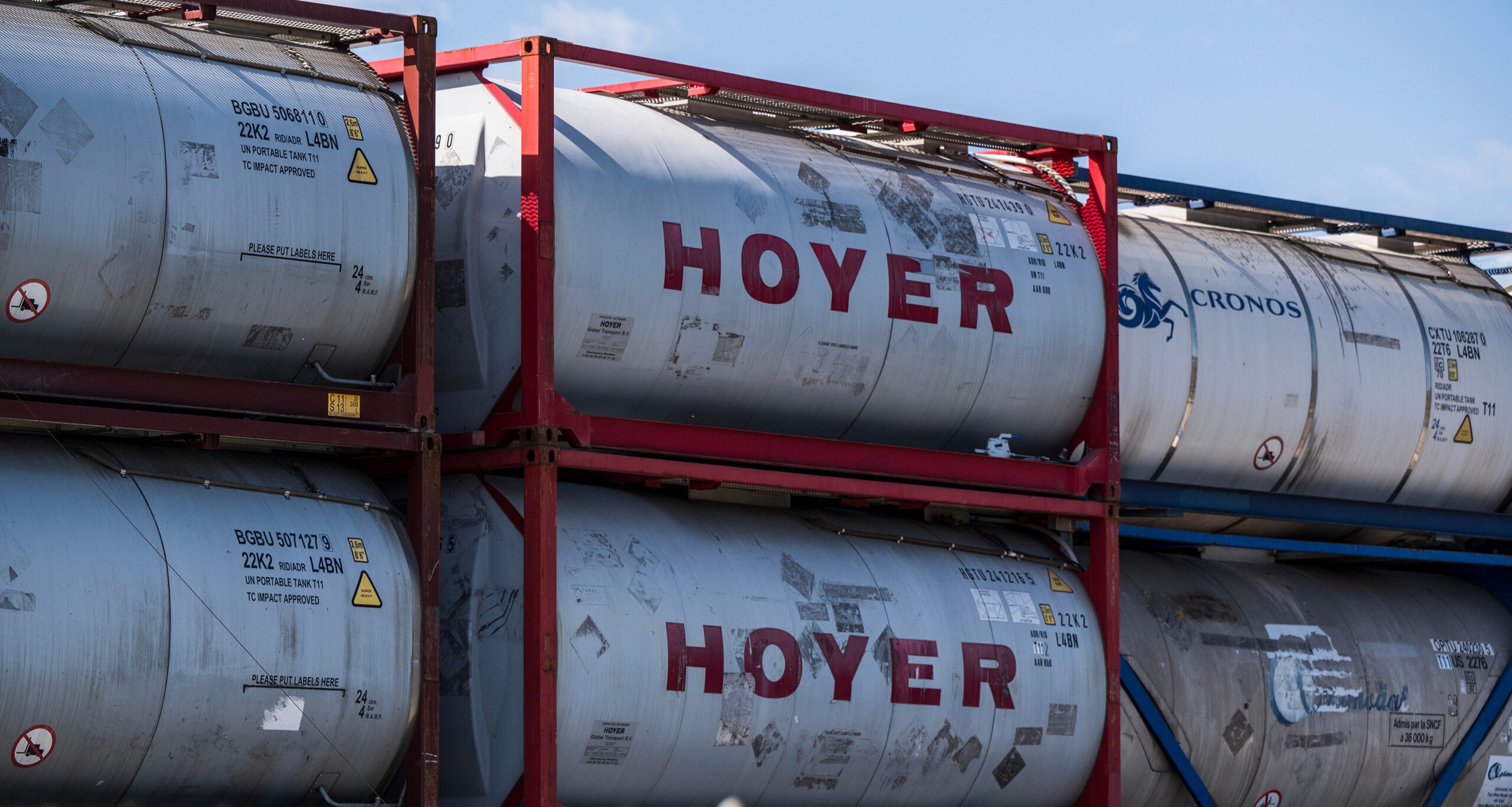
Enhancing Morocco's energy supplies with ISO tank and small-scale LNG
With no new interregional or international gas pipelines currently planned, gas-poor Morocco should consider alternative import schemes, such as LNG import via ISO tank containers, utilizing its well-developed port, rail, and road infrastructure.
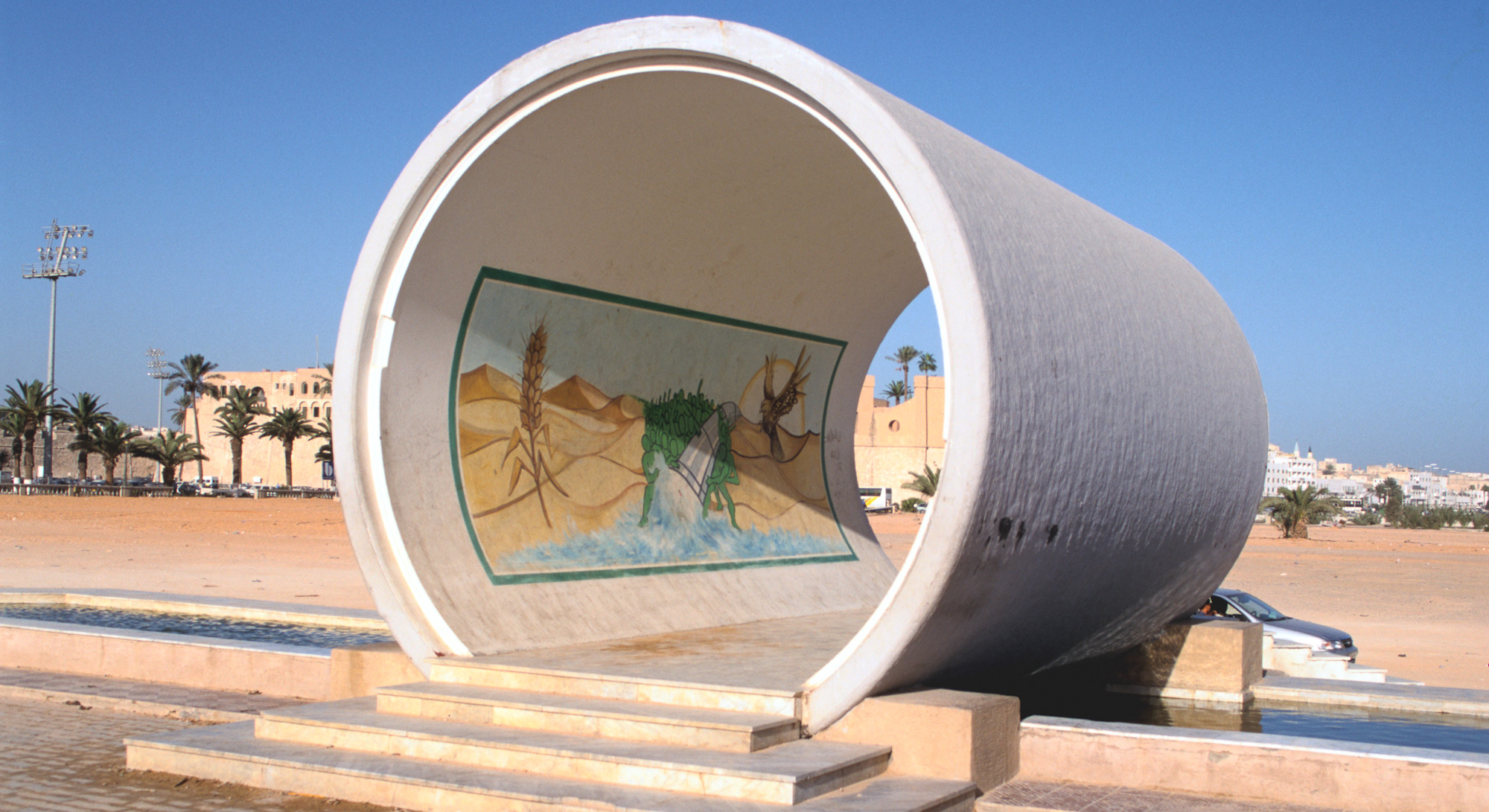
Shared governance of groundwater resources: The case of the Nubian Sandstone Aquifer System
Groundwater resources are critical for the MENA region as much of it suffers from high water scarcity, and for some countries, groundwater aquifers are the only sources of available freshwater supply. The Nubian Sandstone Aquifer System in northeastern Africa is one of the most prominent examples, and must be managed properly in order to maintain regional security and avoid transboundary conflicts.
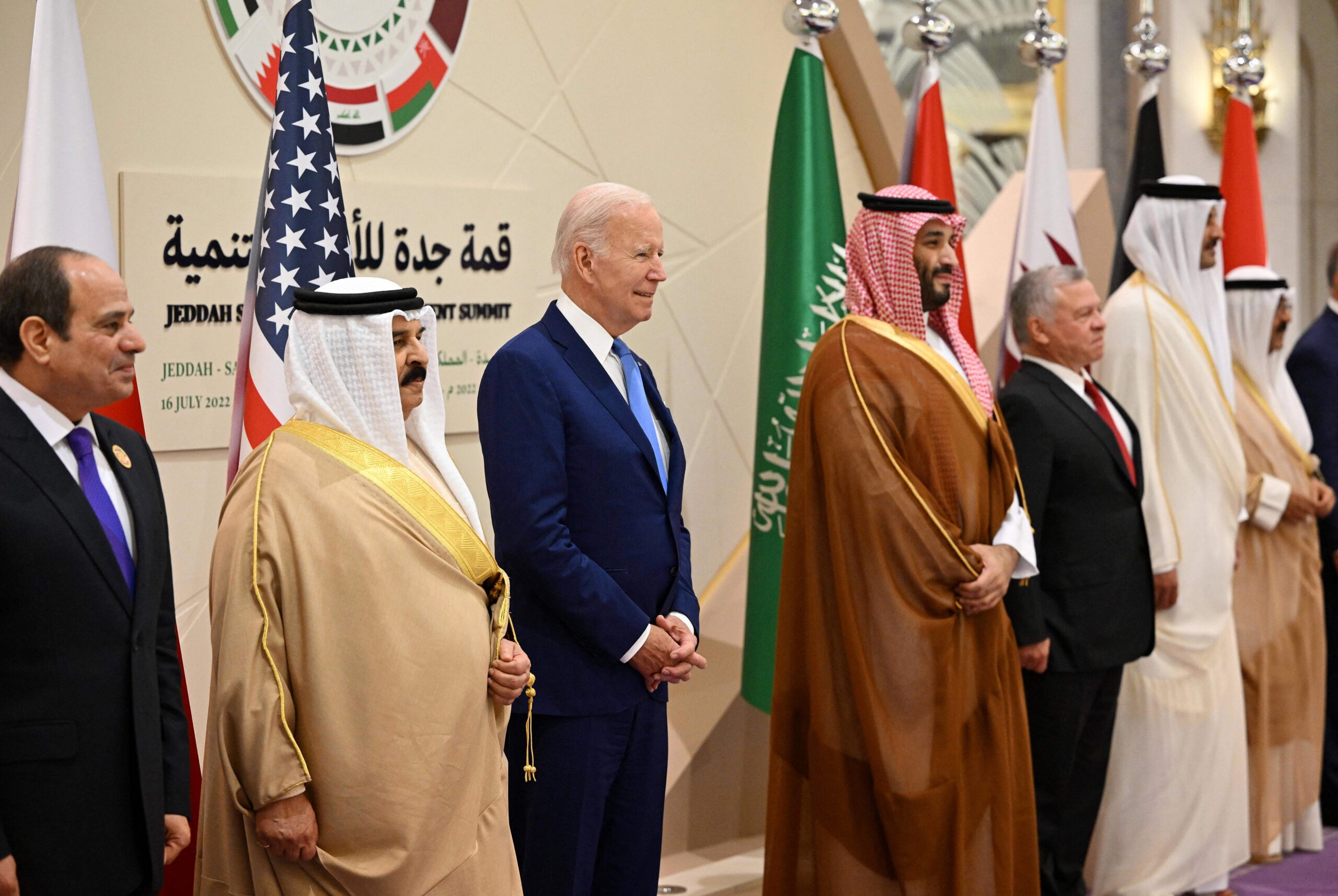
Treading Cautiously on Shifting Sands: An Assessment of Biden’s Middle East Policy Approach, 2021-2023
This report provides an interim assessment of the Biden administration’s overall Middle East strategy and examines the strategic opportunities and risks for U.S. policy in the broader region.
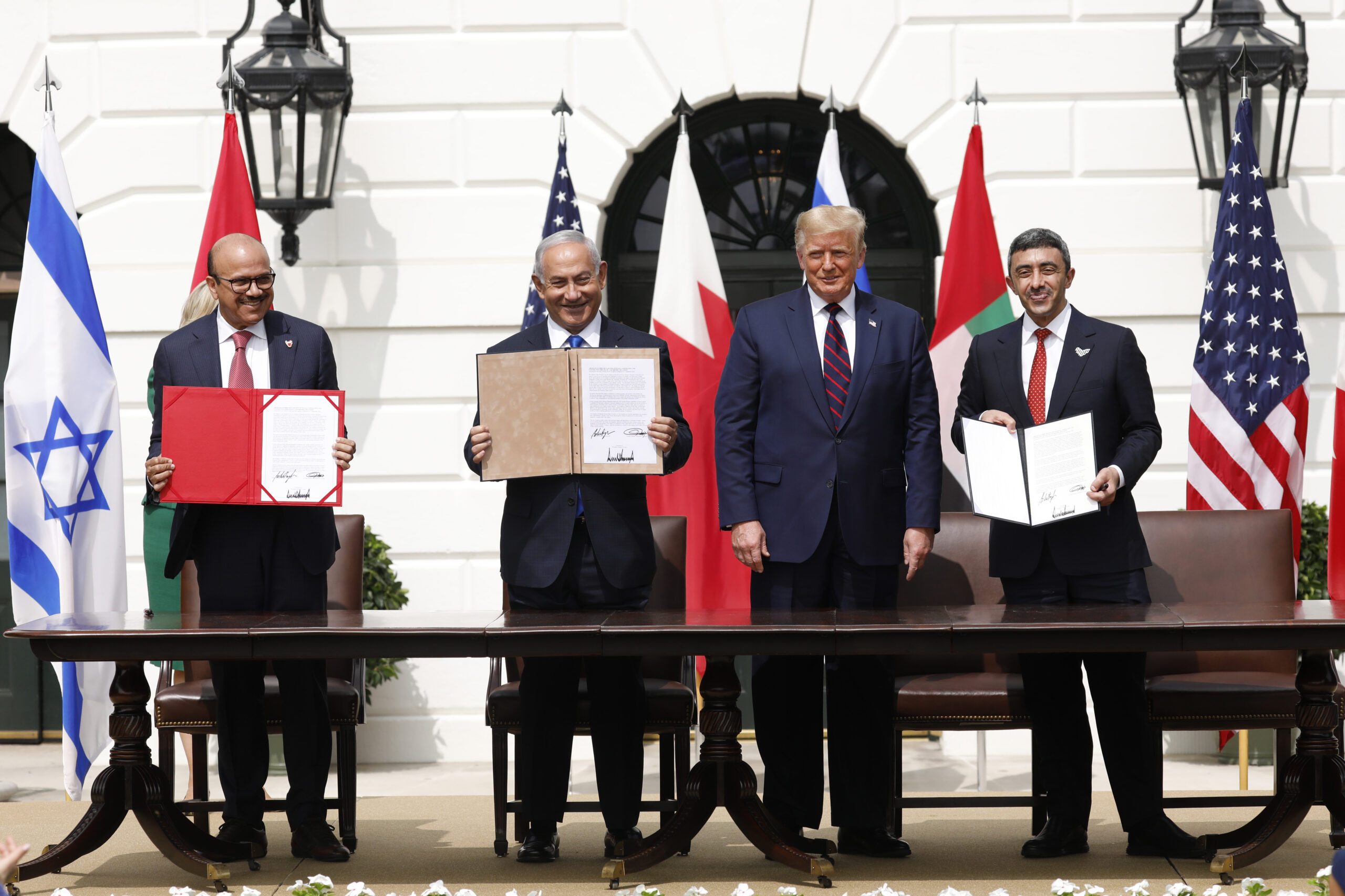
As the original Abraham Accords signatories — Israel, the United Arab Emirates, and Bahrain — observe the third anniversary of their September 2020 agreement, there is a sufficient basis to evaluate whether the Abraham Accords are real, hype, or something in-between. Much like the case a year ago, the results so far remain mixed.
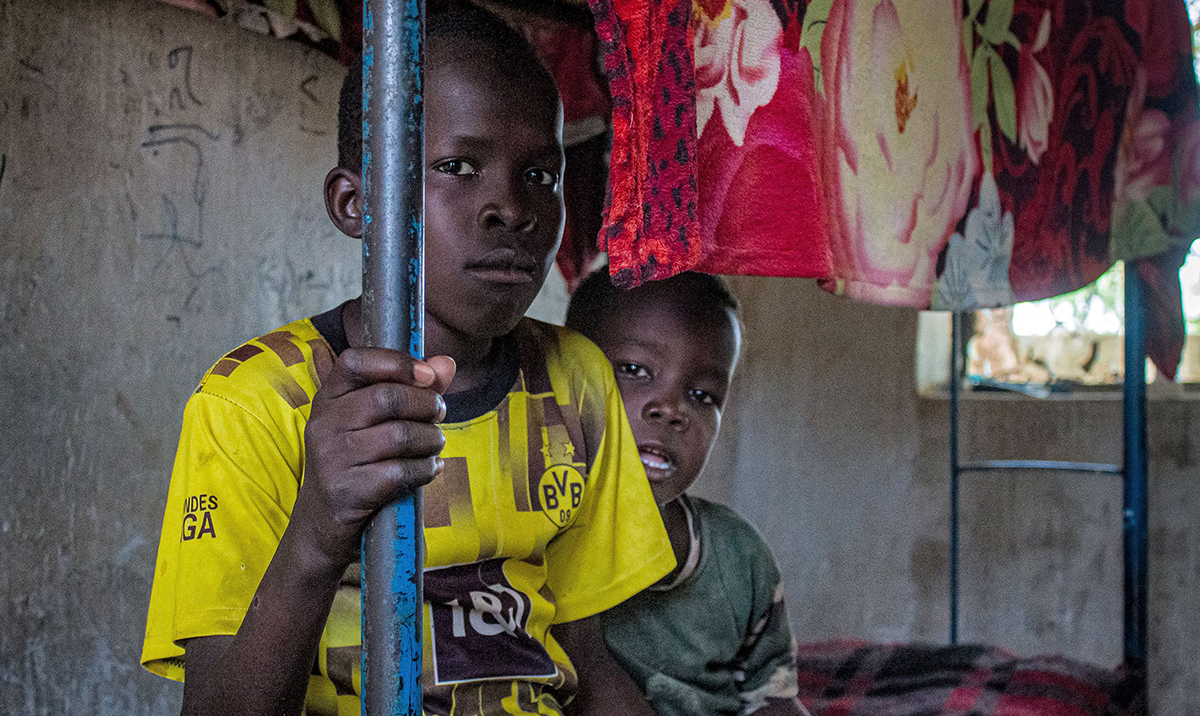
Nearly five months on, Sudan’s war between its army and largest paramilitary force has destroyed much of Khartoum, the adjacent cities of Bahri and Omdurman, as well as key towns in Darfur. The warring forces have killed thousands of civilians, destroyed critical infrastructure, and forced a staggering 4.9 million people to flee their homes. The U.N. is providing important humanitarian assistance, but it should be doing far more, especially to advance accountability and improve coordination in the messy diplomatic arena. Both the high-level week in New York and the Human Rights Council session in Geneva present opportunities that it should not squander.
Why North Africa is a natural choice for Brics expansion
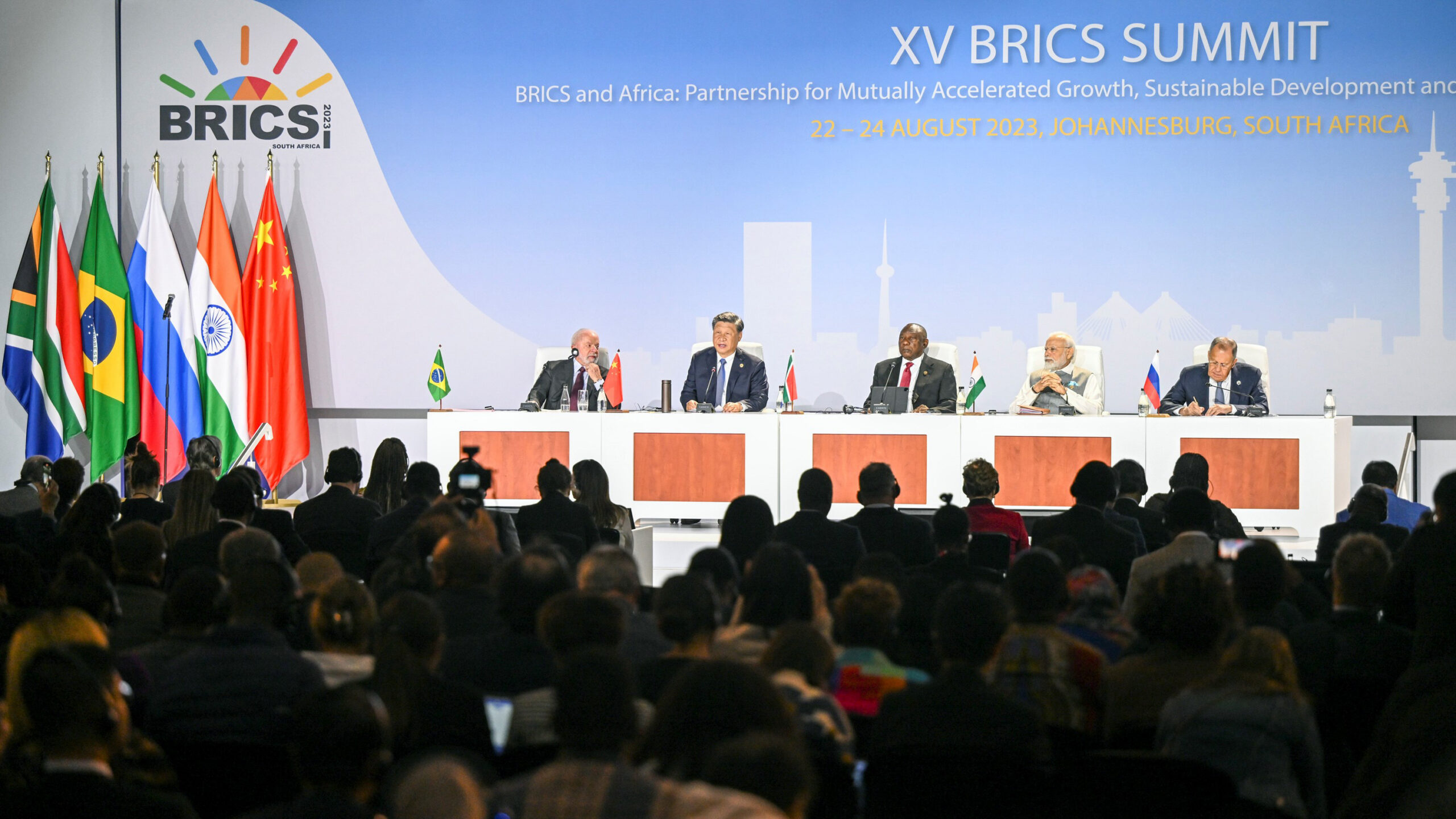
In a move of unprecedented geopolitical consequence, the Brics grouping of nations has made the landmark decision to expand beyond its five founding members. Announced on Thursday at the conclusion of the Brics summit in Johannesburg, host South Africa along with Brazil, Russia, India and China invited six nations to join the bloc – Egypt, Ethiopia, Iran, Saudi Arabia, the UAE and Argentina.