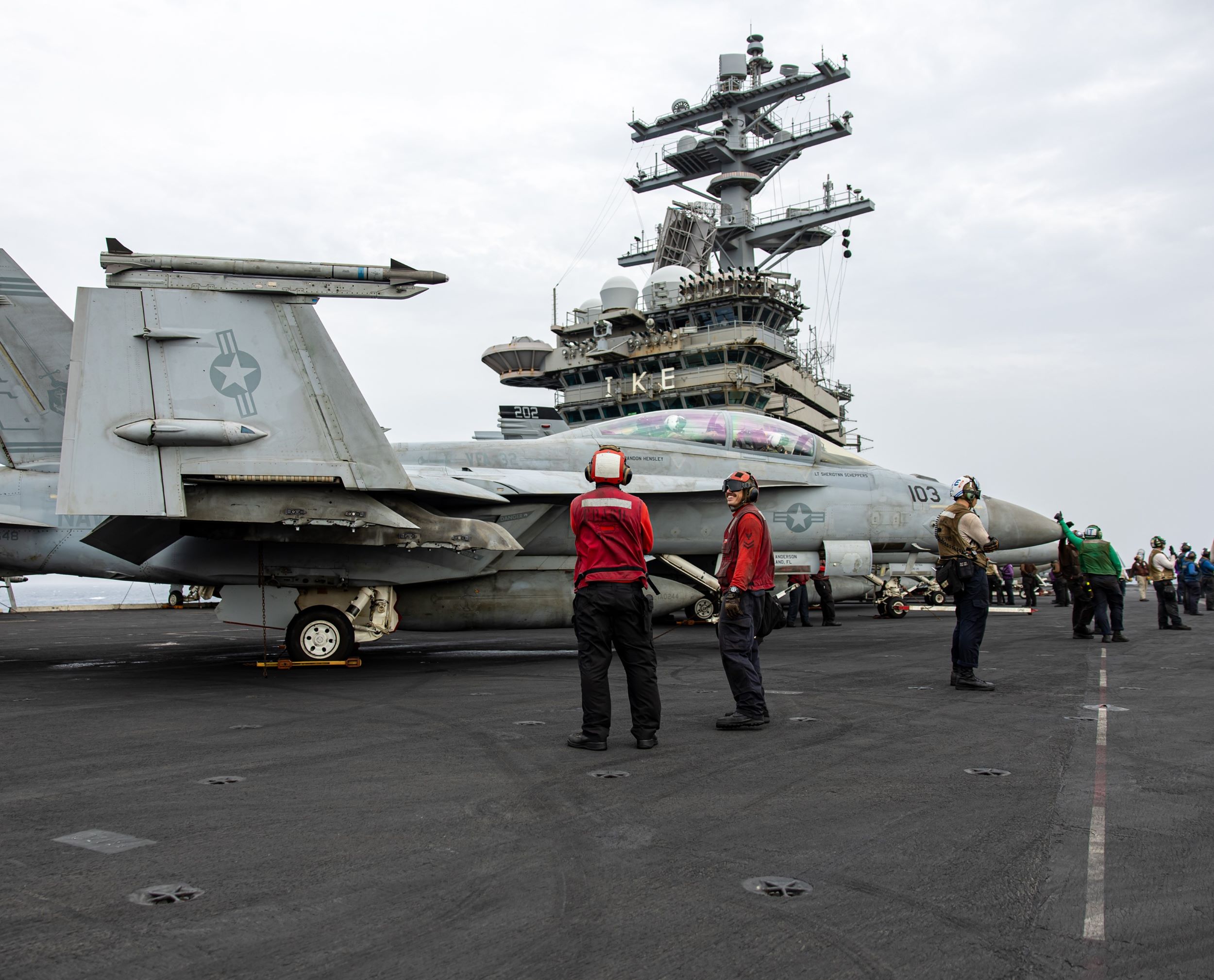
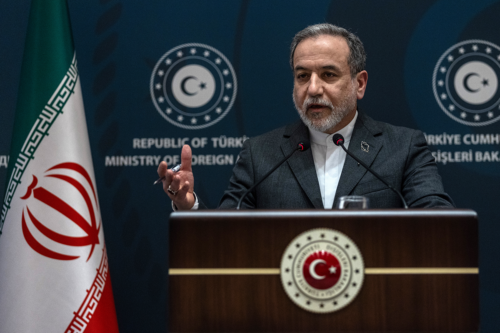
Against the backdrop of one of the largest US military deployments to the Middle East since 2003, MEI Senior Fellow Alex Vatanka joins hosts Alistair Taylor and Matthew Czekaj to assess the situation inside Iran on the eve of potential war. Weeks after the Islamic Republic’s brutal crackdown on anti-government protesters and as negotiations with the US fail to find common ground, Donald Trump is reportedly weighing options for military action against Iran. Vatanka breaks down the regime’s strategic calculus, the current dynamics of Iran’s opposition movement, and the likely domestic political consequences of a military strike.
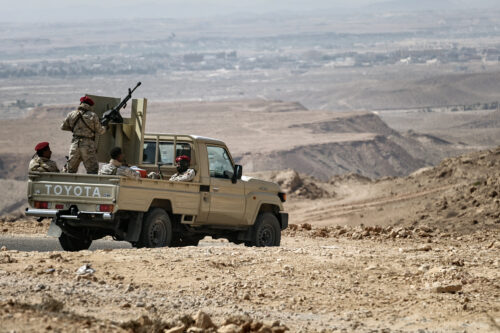
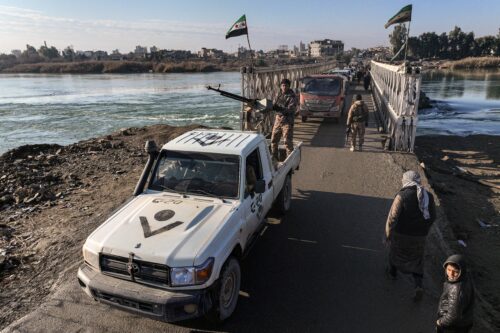
Saudi Arabia has stepped up its efforts to unify and restructure Yemen’s anti-Houthi forces after the rapid expansion and sudden implosion of the United Arab Emirates-backed secessionist Southern Transitional Council following Abu Dhabi’s military withdrawal from the country.
Iran looms large over Trump’s address to the nation
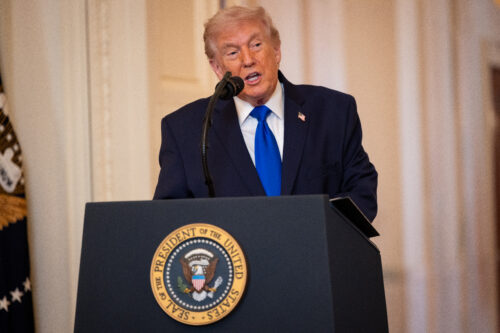
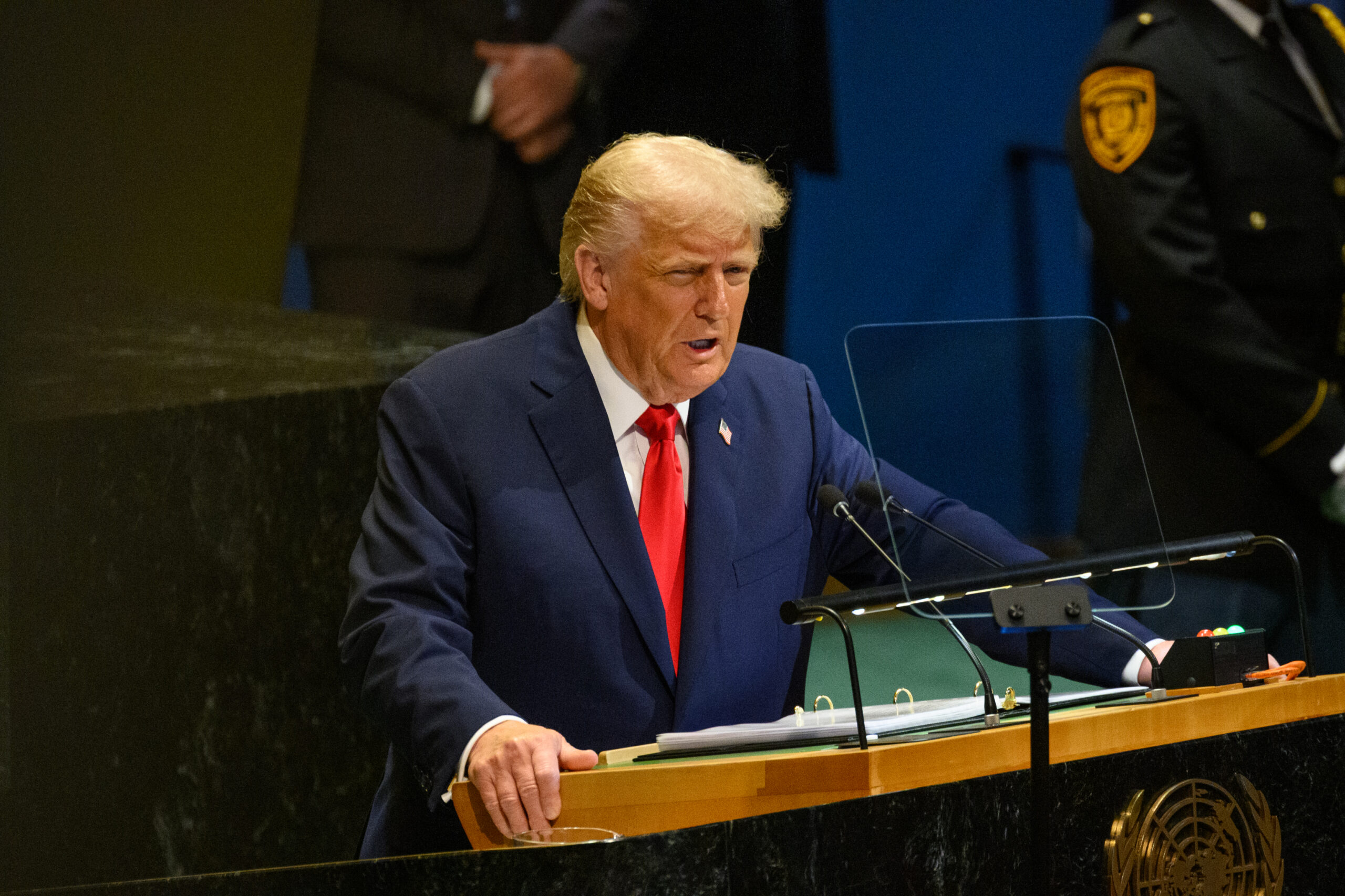
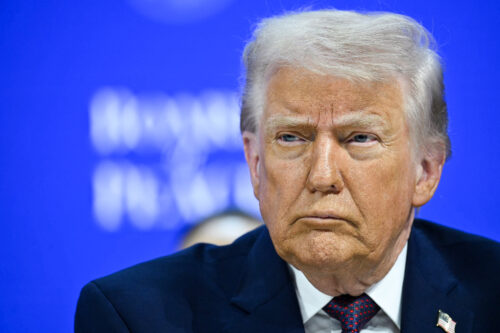
US President Donald Trump takes to the podium tonight to deliver the first State of the Union address of his second term.
“It’s going to be a long speech because we have a lot to talk about,” Trump said ahead of the address. The State of the Union—an annual speech delivered by the US president to Congress—typically focuses heavily on domestic policy issues, and that’s likely to be the case with tonight’s speech as well. Concerns about the health of America’s economy and growing public controversy about the Trump administration’s immigration policies are two of the domestic policy issues Trump will likely address.
Iran considers its response to potential renewed US-Israeli strikes
The United States’ rapid military buildup across the Gulf has triggered a familiar anxiety in Tehran, but the Iranians’ reading of American intentions has grown sharper and more layered than at any point in recent years.
Hosts Alistair Taylor and Matthew Czekaj are joined by MEI Senior Fellow Natan Sachs to discuss Israeli Prime Minister Benjamin Netanyahu’s February 11 visit to the White House, Israel’s anxieties surrounding the ongoing US-Iran talks, and the domestic political dynamics Netanyahu is operating under. Taylor, Czekaj, and Sachs unpack what Netanyahu hoped to achieve during the visit, particularly regarding Iran, and what his relationship with President Donald Trump can tell us about the relative coordination and policy alignment between the US and Israel. They also examine Netanyahu’s political standing at home, two and half years since the October 7 attacks, as the 2026 election campaign begins in Israel. Finally, Sachs assesses what lies ahead for Israeli politics.
Syria’s Path Toward Stabilization — and How the US Can Help
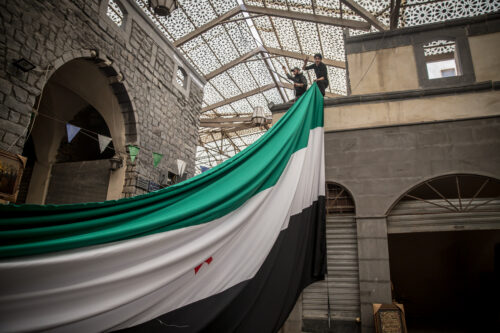
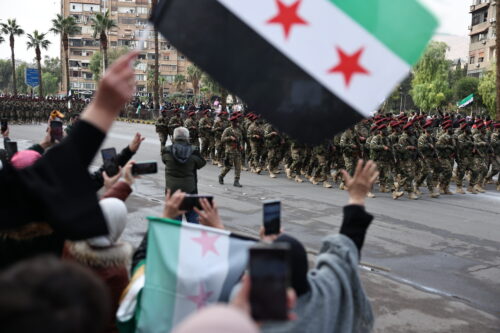
After more than 50 years of brutal dictatorial rule and 13 years of civil conflict, the first year of Syria’s transition has been complex, imperfect, and fraught with difficulties. However, despite some significant challenges, Syria is clearly stabilizing. To sustain this progress, the United States must remain engaged.
Syria’s transition still faces a formidable array of challenges — from the implementation of the deal to integrate the SDF into state structures and the military, to the economy, reconstruction, transitional justice and accountability, refugee returns, and geopolitical tensions with Israel. However, a steady and significant decline in violence offers perhaps the most encouraging and consequential metric.
Putting Trump on paper: What the new US strategy documents say about the Middle East
Trying to capture US President Donald Trump’s proudly unpredictable approach to foreign policy in fixed policy documents is inherently difficult. Surprise, leverage and improvisation are not bugs in Mr Trump’s world view; they are features. Yet the administration has now attempted this exercise twice: with the release of the National Security Strategy last December and the National Defence Strategy this January.
America’s New Defense Strategy — and What It Means for Iran
Hosts Alistair Taylor and Matthew Czekaj are joined by MEI Distinguished Military Fellow Mick Mulroy to discuss the Trump administration’s new National Defense Strategy (NDS) and its implications for the Middle East. While serving as the Deputy Assistant Secretary of Defense (DASD) for the Middle East from 2017 to 2019, Mulroy helped prepare the 2018 NDS, giving him an insider perspective on US defense planning. Together, Taylor, Czekaj, and Mulroy unpack what the new strategy means for US priorities globally and for the Middle East in particular, including how it could be reflected in a potentially looming military strike on Iran.
With the US and Iran on a knife-edge, can Oman once again step in to mediate?
The decision by Washington and Tehran to shift their long-anticipated meeting, set for February 6, from Istanbul to Muscat is not merely a logistical detail. It is the latest reminder that when US-Iran diplomacy is on the verge of breaking down completely, Oman is the regional player the Iranian regime trusts the most to step in and mediate.
Against the backdrop of the Iranian government’s brutal crackdown on protestors, Brian is joined by Emad Shargi, an Iranian-American businessman who was unjustly detained by the regime in 2018 until his release in 2023. Shargi recounts his firsthand experience in the notorious Evin Prison and offers rare insights into the mentality and tactics of the Islamic Republic. He and Brian also discuss his recommendations for US engagement in Iran and his hopes for the country’s future.
Integration or conflict in northeastern Syria? Ten key points to consider
After 10 months of US-mediated talks failed to achieve an integration of the Syrian Democratic Forces into Syria’s transitional state, hostilities erupted in early January. US diplomacy stepped in to try to calm tensions and force through the integration of the SDF’s Kurdish core into the Syrian state. Here are 10 key takeaways and indications of where things could go next.
From a US military build-up in the region to Trump’s growing unpopularity at home, several factors could influence his decision on whether or not to attack.
This bonus episode of Middle East Focus features an excerpt from a recent MEI Virtual Briefing recorded on January 20. Director of Communications Zeina Al-Shaib is joined by MEI Affiliate Fatima Abo Alasrar and Associate Fellow F. Gregory Gause III to discuss the dramatically changing dynamics in Yemen’s civil war. Last month, Yemen emerged as a focal point of rising tensions between Saudi Arabia and the United Arab Emirates. The Southern Transitional Council, a UAE-backed southern separatist movement, has disbanded in recent weeks, following fierce clashes with Saudi-backed forces. In the conversation, Alasrar and Gause analyze the political, security, and socio-economic shifts affecting Yemen’s internal dynamics and what all this means for regional stability.
The Pakistan-Afghanistan conflict: A strategic concern for the US
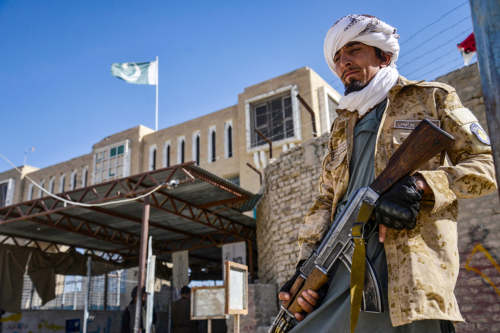
Pakistan’s relationship with the Afghan Taliban has shifted from open sponsorship in the 1990s to a silent partnership following 2001 to alienation and belligerence since 2021. Their current conflict, which comes at great cost to both countries and seems to have no easy military or political resolution, also poses a threat to the stability and prosperity of neighboring states. Although American strategic interests in the region greatly diminished following the United States’ military withdrawal from Afghanistan in August 2021, the region’s altered political dynamics have prompted a growing American engagement with Pakistan and tentatively with Afghanistan. At the same time, the US has become a factor in how both Islamabad and Kabul have come to form their national security strategies.