Climate-smart cities in the MENA region: Promise and pitfalls
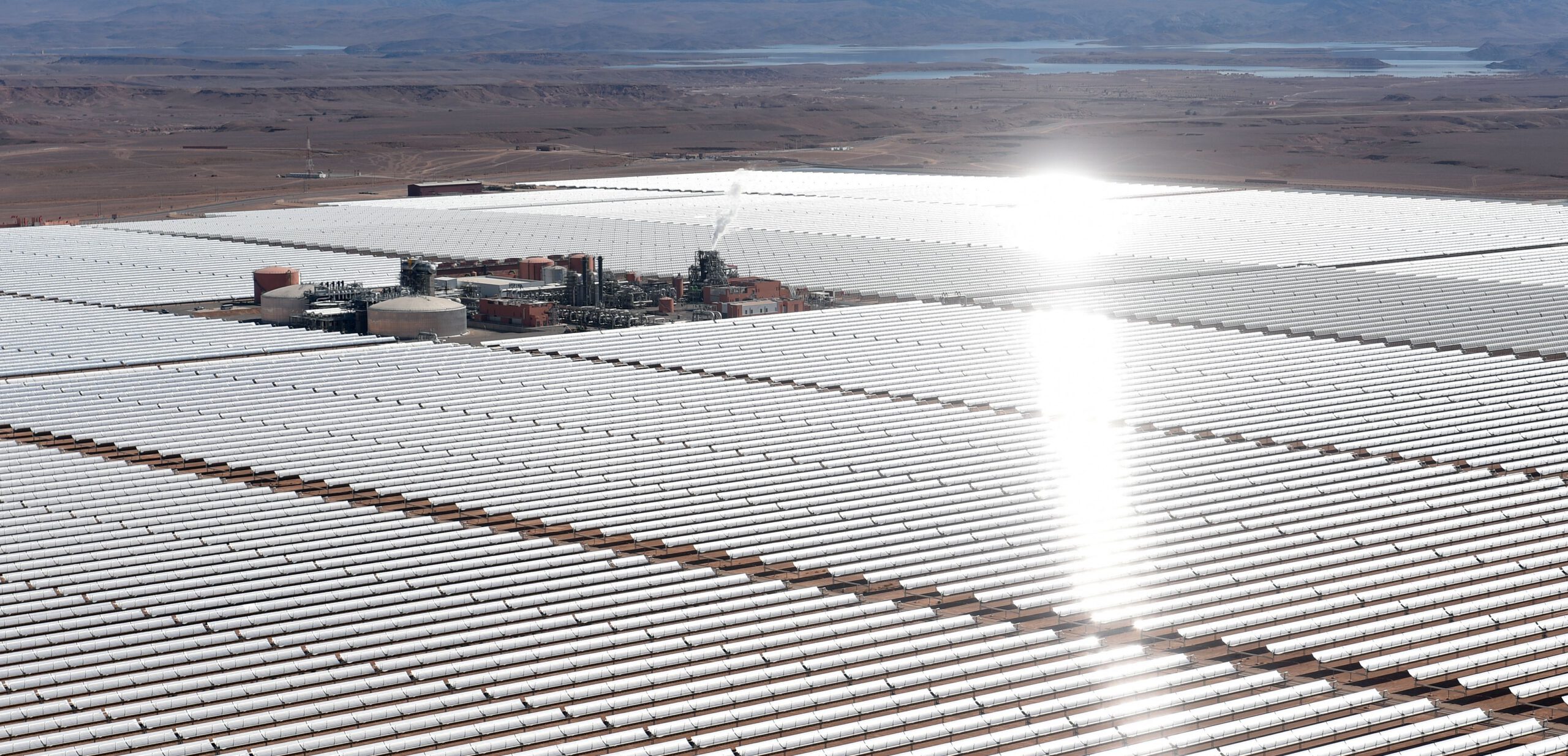
Around two-thirds of the population in the Middle East and North Africa lives in urban settlements and the region’s population is projected to double by 2050, exposing a growing number of people to intensifying natural and climate hazards. As a result, cities will need to take additional steps to boost climate resilience and advance decarbonization efforts, including through climate-informed urban planning measures like compact, transit-oriented development, urban greening initiatives, and a focus on green buildings. With this in mind, regional governments have recently adopted the concept of “smart cities,” aiming to utilize technology and sustainable practices to address the challenges of urbanization and climate change.
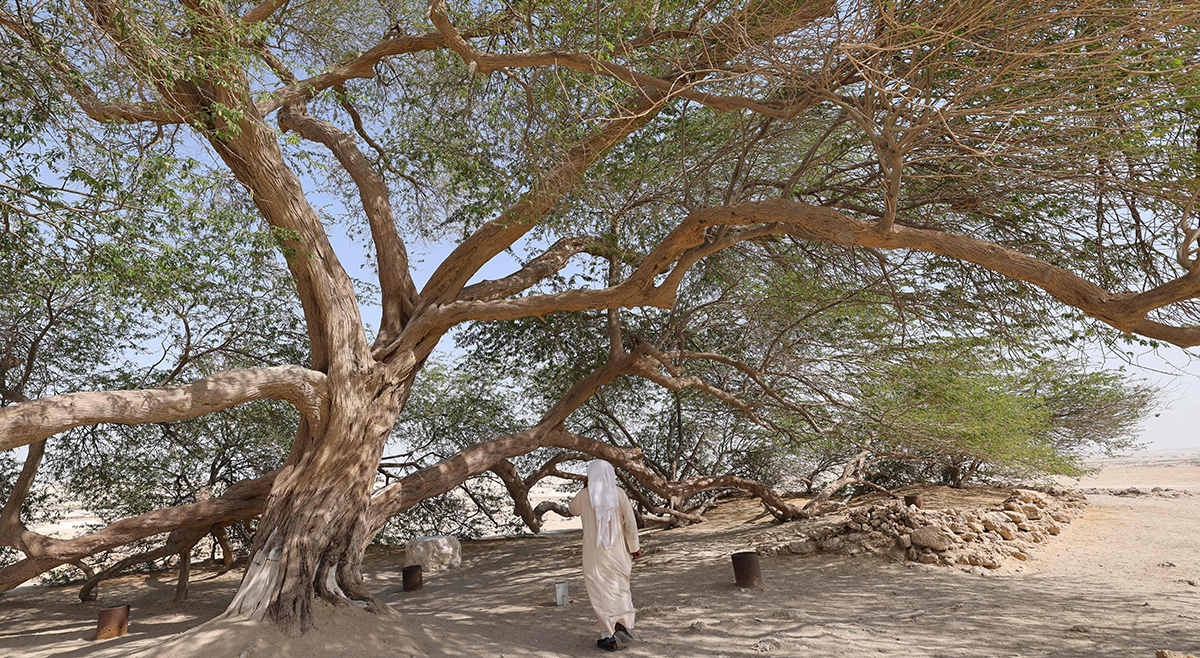
Building a More Resilient Bahrain: An Integrated Approach to Climate Change, Socioeconomic, and Governance Challenges
From extreme heat and drought to dust storms and rising sea levels, the Kingdom of Bahrain is facing the growing impact of climate change, with projections indicating conditions will only get worse in the future. Manama’s vulnerability to the effects of climate change directly intersects with its broader societal and governance issues, necessitating comprehensive climate-resilience strategies to address these interconnected challenges.
Debunking the role of cloud seeding in the April Arabian Gulf floods
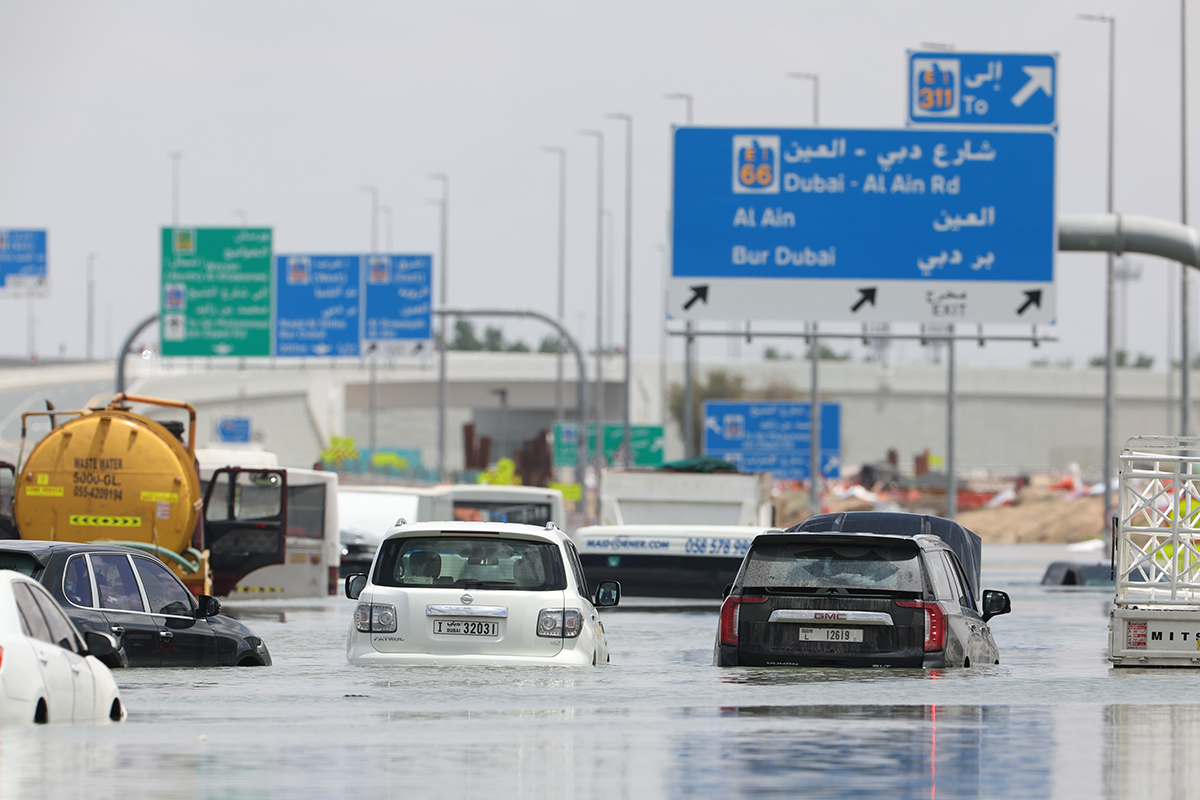
Intense flooding across the Arabian Peninsula caused by a storm in mid-April sparked speculation about the role cloud seeding might have played in the precipitation event, giving rise to conspiracy theories on social media and warnings trumpeting the hazards of human intervention into natural processes. Cloud seeding is not the only climate change-adaptive strategy to have been targeted in this way, and the effort being expended to combat such disinformation (though nascent) is growing.
Post-disaster reconstruction: Tackling water security in Derna after Storm Daniel
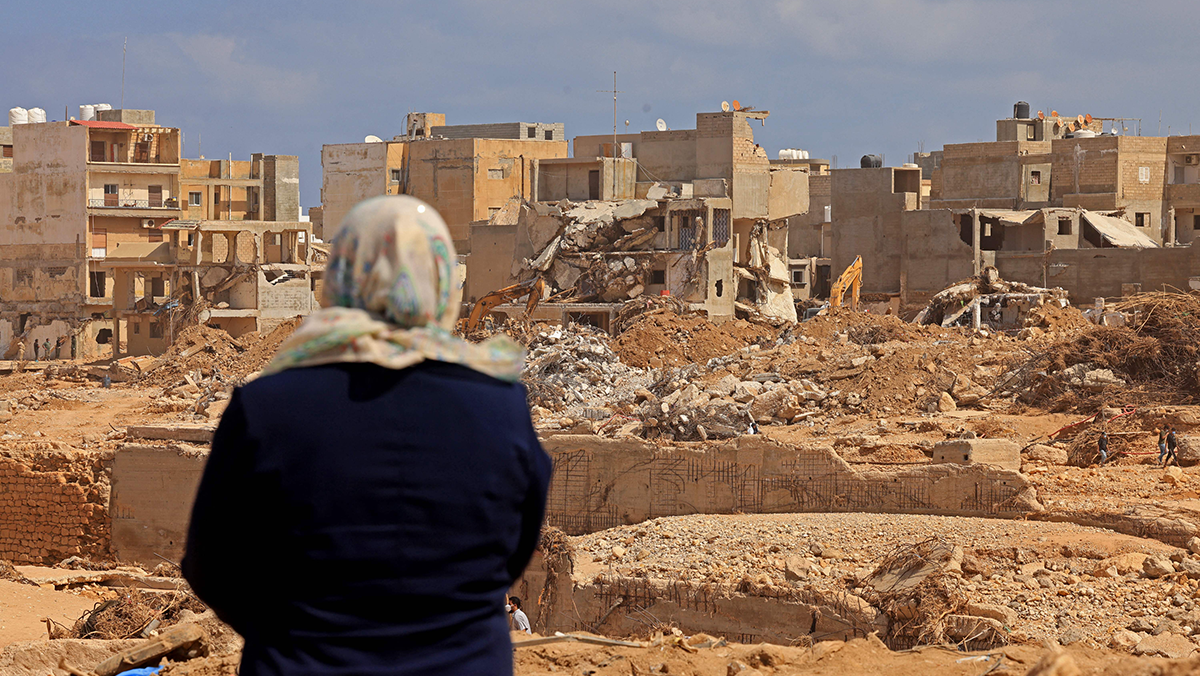
Storm Daniel struck Libya on Sept. 10, 2023. The northeastern coast of the country was the hardest hit by the storm, especially the city of Derna. The storm generated strong winds and heavy rains that led to massive flooding throughout the city, washing away entire residential neighborhoods. The death toll from the floods was staggering, estimated in the thousands.
Qatar’s LNG expansion plans and the issue of market oversupply
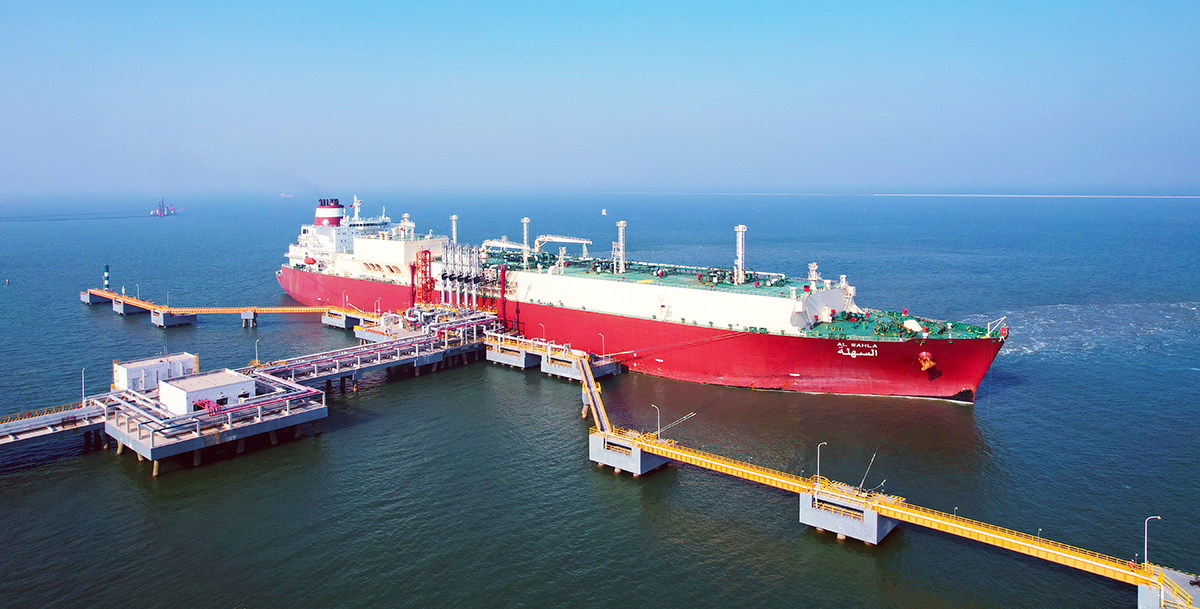
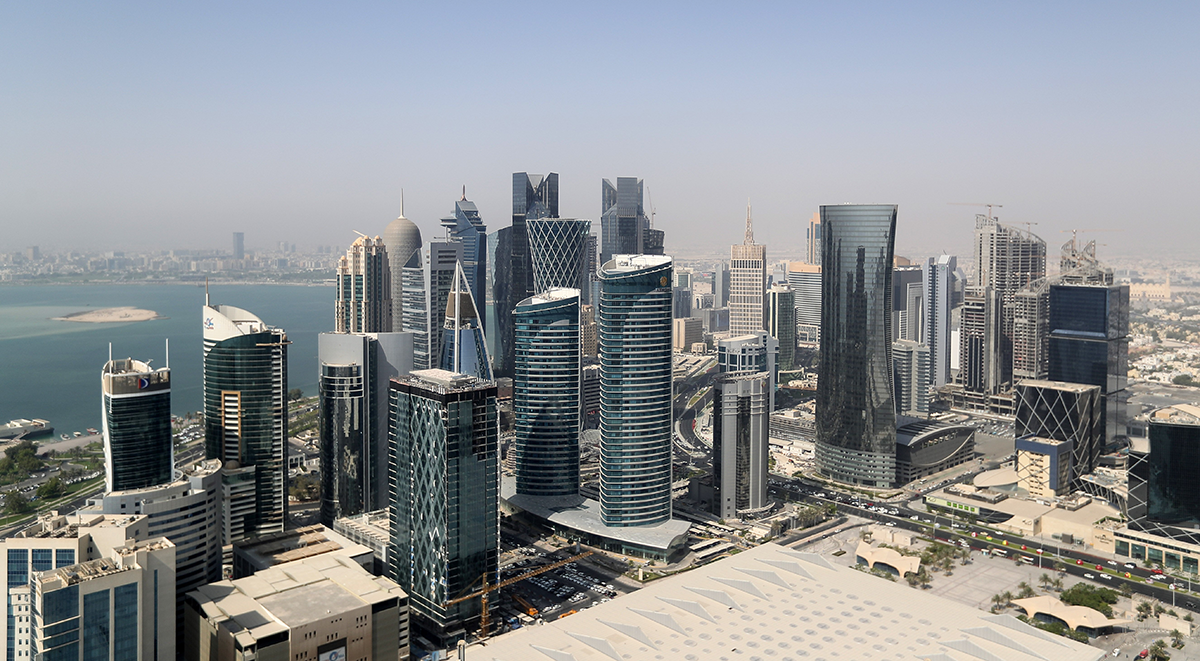
On Feb. 25, 2024, Qatar announced plans to increase its LNG production capacity by a further 16 million tons per annum (mtpa) in 2029-30, bringing the total to 142 mtpa. This would be the third such large-scale expansion of its LNG production within the next six years, but there’s one wrinkle: These new production volumes are set to come online at a time of significant oversupply in the LNG market. What accounts for Qatar’s decision?
Navigating the crossroads: Actionable cooperative measures to address global development challenges
As the world faces unprecedented challenges, from climate crises to migration pressures, the need for concerted action to address financing for development has never been more urgent. Against a backdrop of resource constraints, geopolitical shifts, and faltering progress on the UN Sustainable Development Goals, it is imperative to chart a course of action that is both pragmatic and visionary. This piece outlines 10 actionable measures to tackle these multifaceted challenges and pave the way for a more sustainable and equitable future.
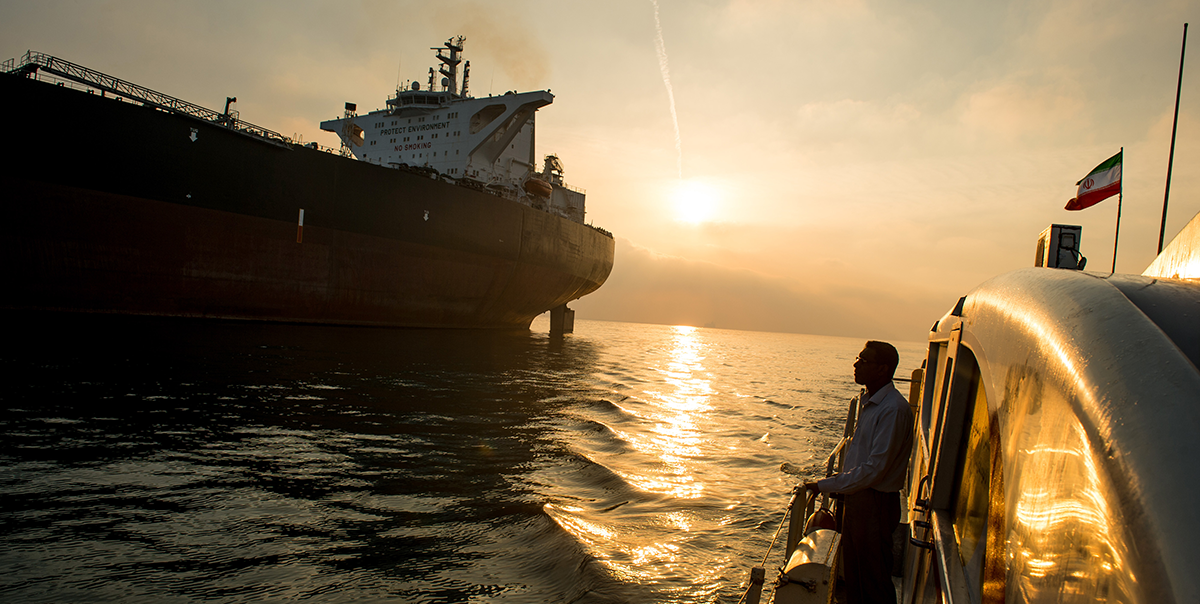
Despite new sanctions measures, targeting Iranian oil sales is a lose-lose proposition for the US
On April 21, the US House of Representatives passed the long-awaited aid package for Israel, Ukraine, and Taiwan. The legislation contained another long-sought-after measure: authority for the US government to tighten restrictions on Iran’s oil exports. But in truth, aggressive US action remains unlikely and there are powerful operational, strategic, and political barriers preventing the US from shutting down Iran’s oil trade or hindering it in a material way.
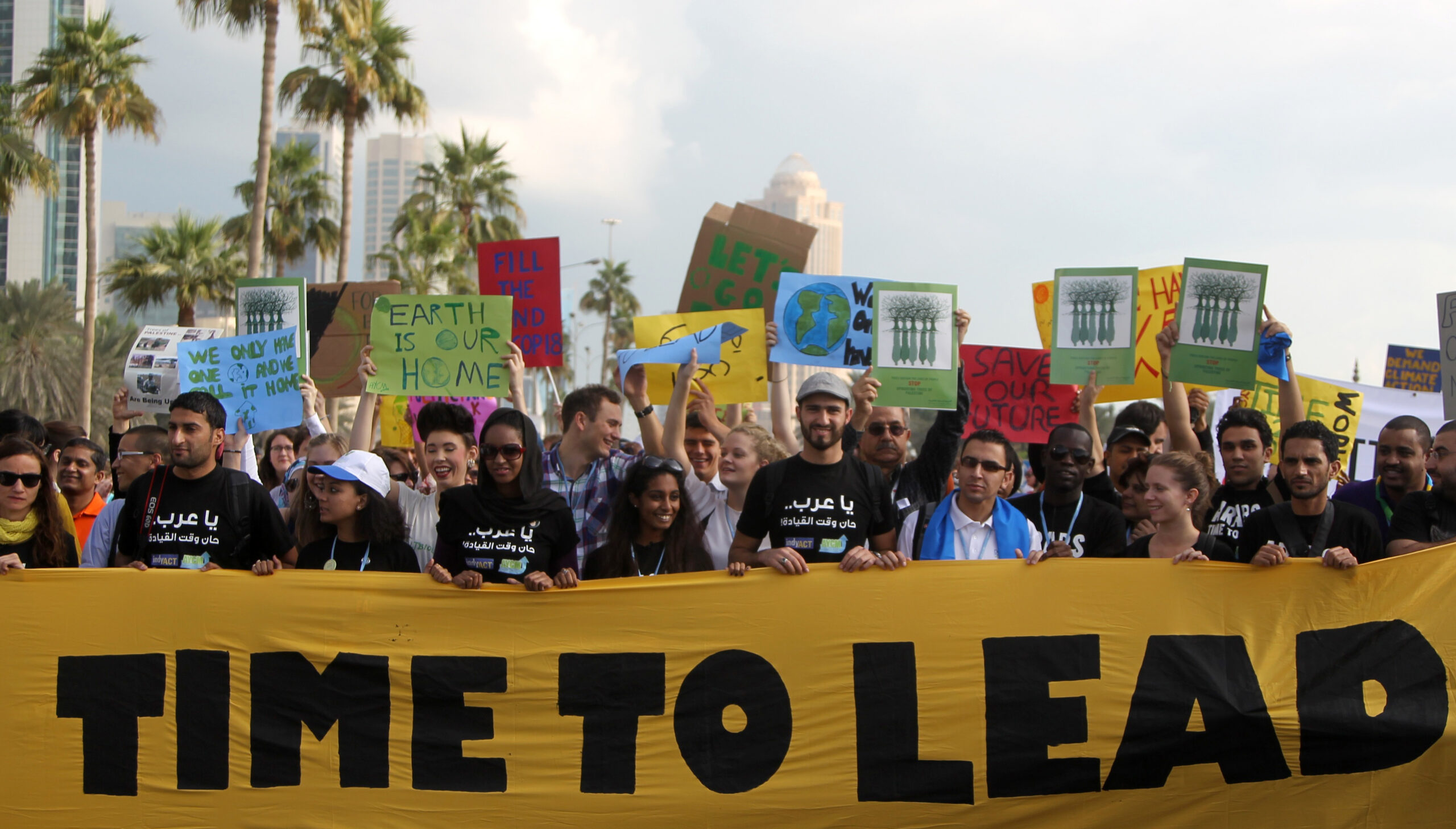
Circus of Parties: The COP is broken but it is the only show in town
COP28 was billed as our last best chance to get the world’s act together and save our chances of limiting warming to 1.5 degrees Celsius. However, the final outcome fell far short of the commitments so desperately needed to keep the target alive. The future of COP lies in refocusing on its fundamental objective: ensuring that countries are held accountable to science-based targets that prioritize the needs of vulnerable communities most affected by climate change.
COP28 introduced peace and conflict into the climate discussion. What comes next?
At the COP28 in Dubai last December, 74 countries, organizations, and multinational development banks officially linked climate change and conflict for the first time in the conference’s history by signing the Declaration on Relief, Recovery, and Peace. This declaration recognizes that countries affected by conflict and fragility are significantly more vulnerable to the effects of climate change and calls for the scaling up of climate finance to help them better prepare for and respond to climate impacts
Pillars of sand: The environmental fragility of Gulf cities
Future climate change is set to increase temperatures around the Gulf further still, rising twice as fast as the global average and pushing the cities of this rapidly growing region toward the edge of their viability as human habitats. But how did this situation come to be in the first place, and why did humans settle in such an inhospitable environment and build such cities around the Gulf waters?
The great financing gap: The state of climate funding in MENA
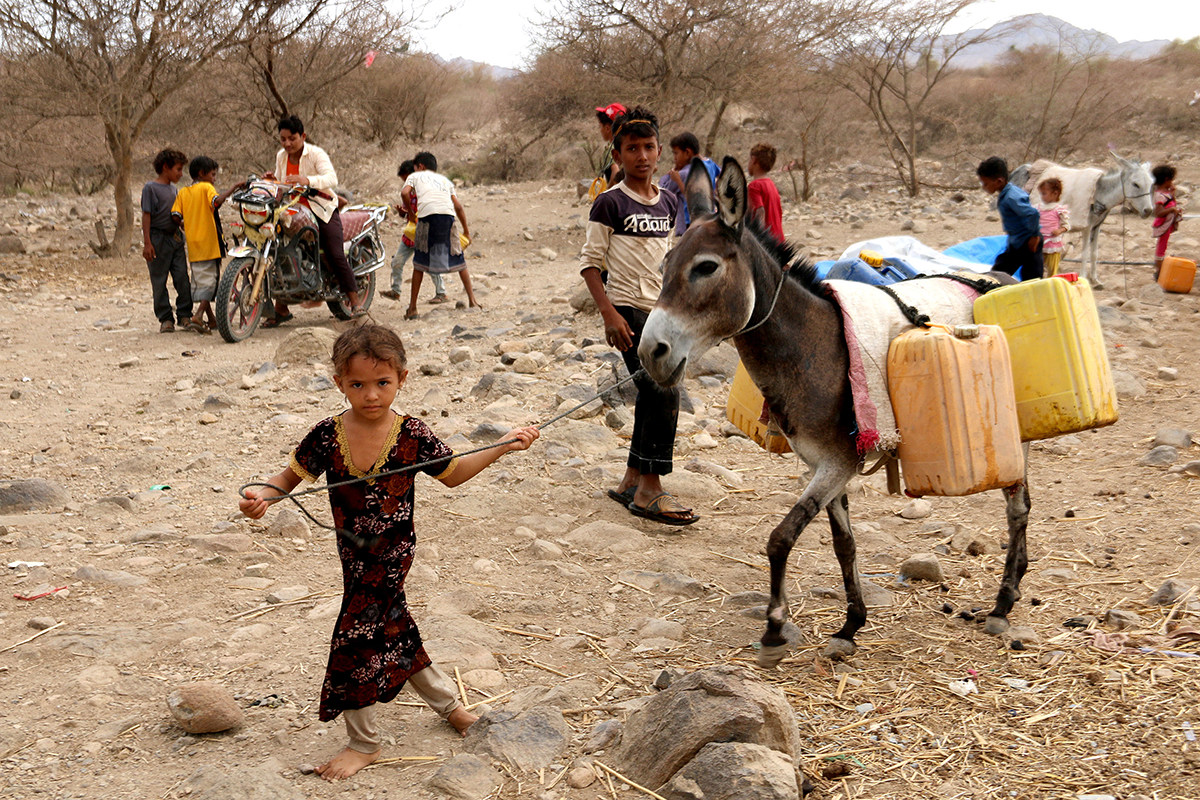
The Middle East and North Africa region is one of the lowest recipients of climate finance compared to other areas of the globe, such as East Asia and the Pacific Islands, despite MENA’s exposure to extreme climate risks. The MENA region’s share of climate financing from the big three global climate funds — the Green Climate Fund (GCF), the Climate Investment Funds (CIF), and the Global Environment Facility (GEF) — and their sub-funds made up only 6.6% of their cumulative global financing through 2023.
The devastating impact of Gaza’s acute and prolonged water crisis
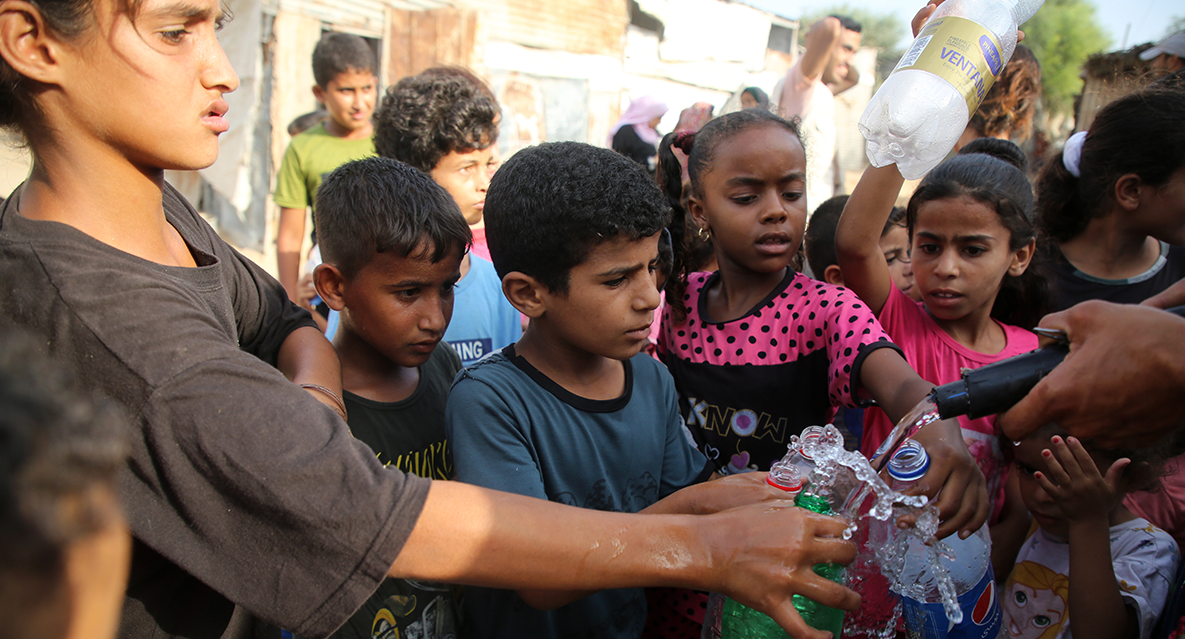
The Gaza Strip faces a severe and worsening water crisis. With the death toll now above 31,000 and a catastrophic humanitarian crisis plaguing the strip, one of the most urgent challenges facing its residents is access to water.
Africa-to-Europe value chains: How nearshoring can mitigate Europe’s migration crisis and aid energy transition
Africa-to-Europe value chains in manufacturing and agri-food production can mitigate factors driving current migration patterns by employing Africans in local value-added production and boosting African GDP growth, reorienting Africa-Europe relations towards mutual economic benefit and dignity.