Turkey caught in the vortex of a widening Iran war
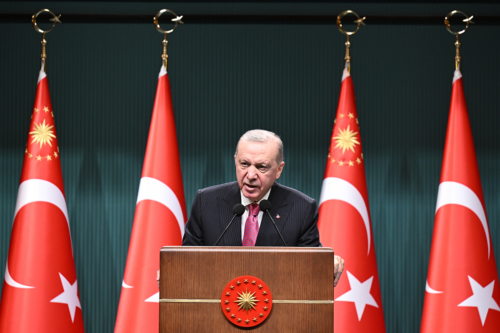
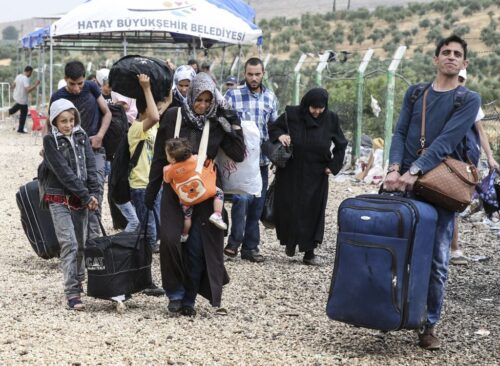
After months of trying to head off a US-Israeli war with Iran, Turkey now finds itself caught in the middle of it — and deeply concerned that a prolonged, regionalized conflict could pose serious security, economic, and political risks.
Lebanon on the Brink: Hizballah, Iran, and the War’s Spillover
Hosts Alistair Taylor and Matthew Czekaj are joined by MEI Senior Fellow Fadi Nicholas Nassar to discuss Hizballah’s role in the escalating conflict in the Middle East and the implications for Lebanon. A day after the United States and Israel launched a joint military campaign against Iran, Tehran’s Lebanese proxy fired missiles at northern Israeli territory. Israel responded swiftly and forcefully, and Lebanon’s government and population now fear the Iranian-backed militia is dragging the country back into war. The conversation explores the broader repercussions of Hizballah’s actions against the backdrop of a widening war in Iran and Lebanon’s quickly evolving political climate. Nassar also outlines recommendations for how Lebanon can move forward as a sovereign and effective state.
How Lebanon’s authorities can keep the Iran war from engulfing the country
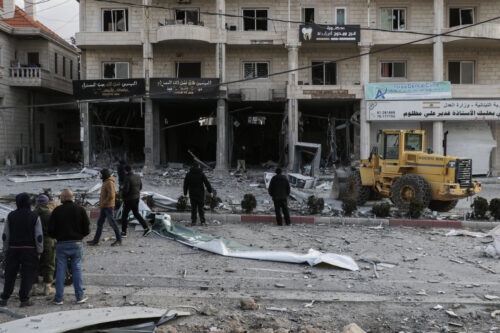
Today’s decision taken by the Lebanese government — to declare all of Hizballah’s security and military activities illegal — is a landmark development. But how the government and the Lebanese Armed Forces implement this directive now that a new round of attacks has actually taken place will be the ultimate test of their credibility.
After Khamenei: Iran enters its most uncertain transition since 1979
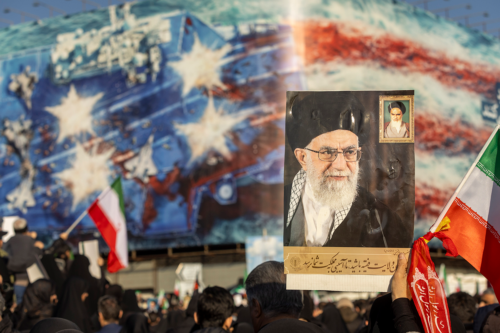
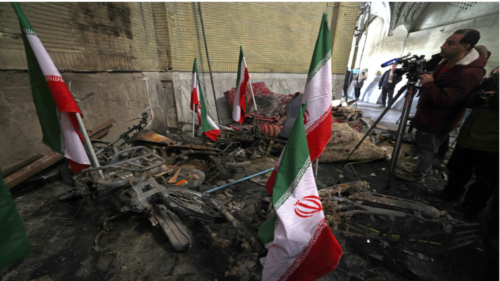
For nearly four decades, Ayatollah Ali Khamenei embodied the Islamic Republic’s certainty: a singular authority who shaped every major decision on war and peace, repression and reform, economics and ideology. His death, in a coordinated US-Israeli strike on his Tehran command compound on February 28, has ripped that certainty away in the most violent fashion imaginable.
As the third and seemingly decisive round of talks in Geneva concluded, the Trump administration had avoided diplomatic deadlock — but only by narrowing negotiations to the nuclear file.
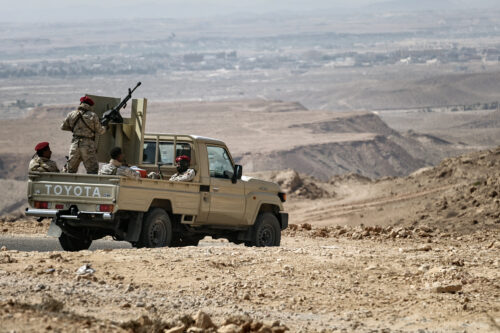
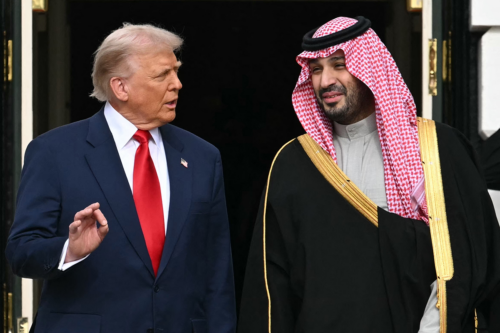
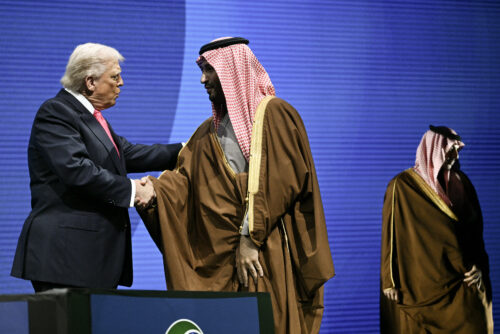
Saudi Arabia has stepped up its efforts to unify and restructure Yemen’s anti-Houthi forces after the rapid expansion and sudden implosion of the United Arab Emirates-backed secessionist Southern Transitional Council following Abu Dhabi’s military withdrawal from the country.
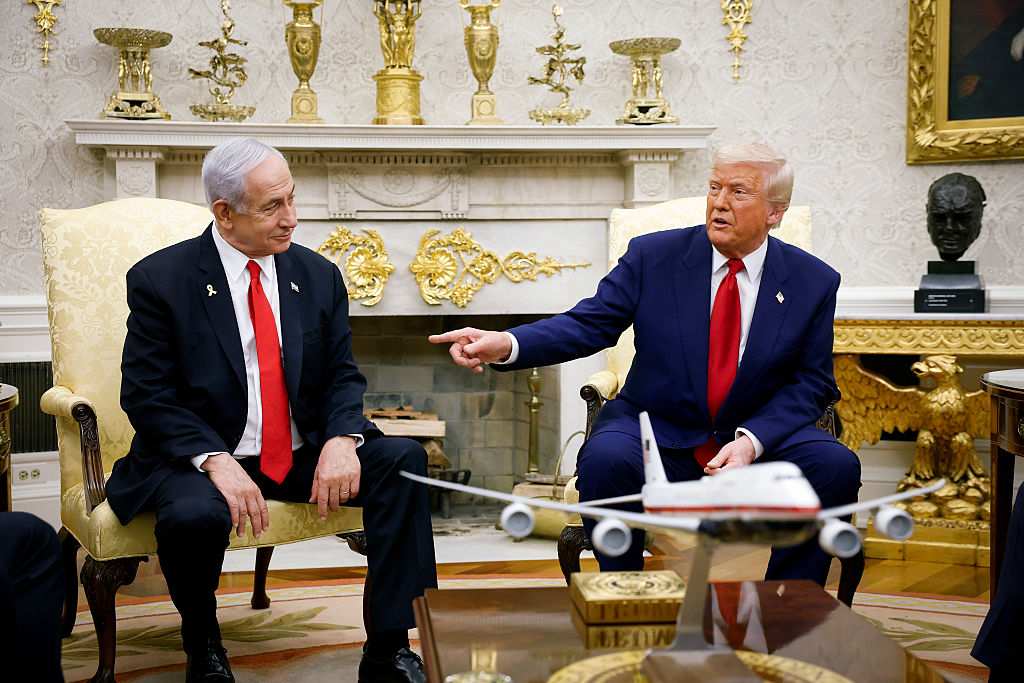
The United States is Israel’s closest ally, and its support is a central pillar of Israel’s national security. The US provides Israel access to purchase advanced weapon systems, ammunition and weapon emergency supplies in times of war, intelligence sharing, opportunities for cooperation in defense technology, and crucial diplomatic cover at the UN Security Council and elsewhere. It also provides Israel with regular security aid, to be spent in the United States, currently at an annual rate of $3.8bn (under an MOU that expires in 2028). Since October 2023, the US also offered active military support, in a break from the historical norm. It contributed substantially to Israel’s defense against Iranian ballistic missiles, in conjunction with Arab regional partners, and bombed nuclear sites in Iran in support of Israel’s campaign in the “12 Day War” of June 2025.
Freedom’s arrival in Syria remains deeply fragile. Even as the country’s new rulers gain diplomatic recognition, goodwill, and early relief from Western sanctions, Syria itself is still fractured—geographically, socially, and institutionally.
Ambiguous Uncertainties: Phase Two of Trump’s Plan for Gaza
MEI Senior Fellow Lucy Kurtzer-Ellenbogen joins hosts Alistair Taylor and Matthew Czekaj to discuss the latest developments in Gaza. Nearly four months after the Israeli government and Hamas agreed to President Donald Trump’s 20-point plan, Washington has announced that phase two of the process is now underway. Kurtzer-Ellenbogen, Taylor, and Czekaj examine the humanitarian situation in the devastated coastal strip, assess what phase two could entail, break down how international actors are responding, and explore what would need to happen to realize the plan’s aspirations.
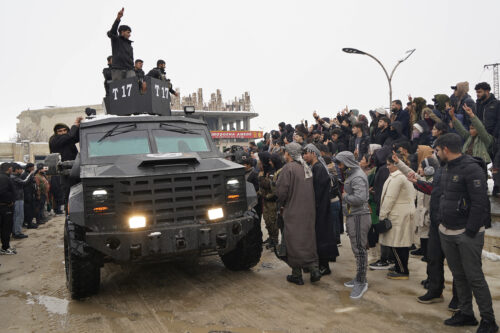
Ankara’s double win: Kurds, Israel, and the new Syria
Whether the truce between Damascus and the Kurdish-led Syrian Democratic Forces holds or collapses will have major implications for neighboring Turkey, which has long-standing interests in Syria, but recent developments already point to a win for Ankara.
This bonus episode of Middle East Focus features an excerpt from a recent MEI Virtual Briefing recorded on January 20. Director of Communications Zeina Al-Shaib is joined by MEI Affiliate Fatima Abo Alasrar and Associate Fellow F. Gregory Gause III to discuss the dramatically changing dynamics in Yemen’s civil war. Last month, Yemen emerged as a focal point of rising tensions between Saudi Arabia and the United Arab Emirates. The Southern Transitional Council, a UAE-backed southern separatist movement, has disbanded in recent weeks, following fierce clashes with Saudi-backed forces. In the conversation, Alasrar and Gause analyze the political, security, and socio-economic shifts affecting Yemen’s internal dynamics and what all this means for regional stability.
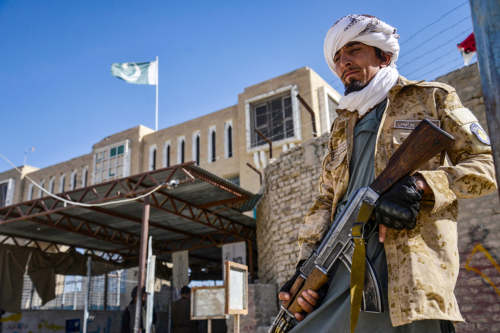
The Pakistan-Afghanistan conflict: A strategic concern for the US
Pakistan’s relationship with the Afghan Taliban has shifted from open sponsorship in the 1990s to a silent partnership following 2001 to alienation and belligerence since 2021. Their current conflict, which comes at great cost to both countries and seems to have no easy military or political resolution, also poses a threat to the stability and prosperity of neighboring states. Although American strategic interests in the region greatly diminished following the United States’ military withdrawal from Afghanistan in August 2021, the region’s altered political dynamics have prompted a growing American engagement with Pakistan and tentatively with Afghanistan. At the same time, the US has become a factor in how both Islamabad and Kabul have come to form their national security strategies.