Skip to Content

Research & Commentary Results

Filter by
3213 Results
Turkey and Egypt: Time for Normalization? Not Quite Yet
  • Commentary
  • Turkey and Egypt: Time for Normalization? Not Quite Yet

    Dr. Marwa Maziad discusses the relationship between Turkey and Egypt over the long term, analyzing the causes and effects of the divergent approaches to domestic and regional politics held presently by the respective Turkish and Egyptian presidents.

    February 15, 2021

    Conflict and Rivalry in the South Caucasus
    Middle East Institute
  • Podcast
  • Conflict and Rivalry in the South Caucasus

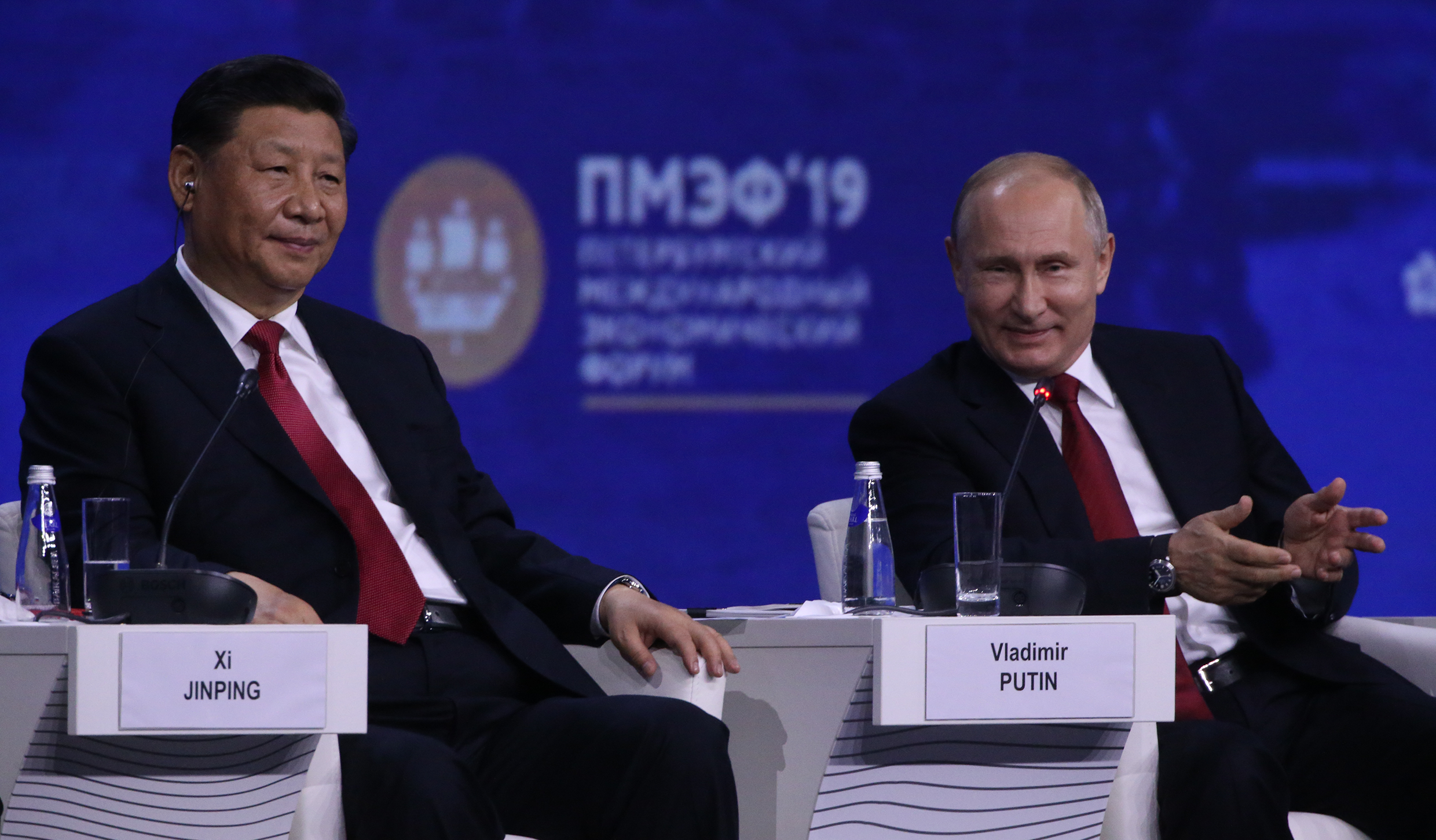
    Paul Goble, Gonul Tol, and Alex Vatanka join host Alistair Taylor to discuss the Nagorno-Karabakh conflict and the role of Russia, Turkey, and Iran in the South Caucasus.

    February 11, 2021

    Iran’s unrealized economic potential
    Photo by Morteza Nikoubazl/NurPhoto via Getty Images
  • Analysis
  • Iran’s unrealized economic potential

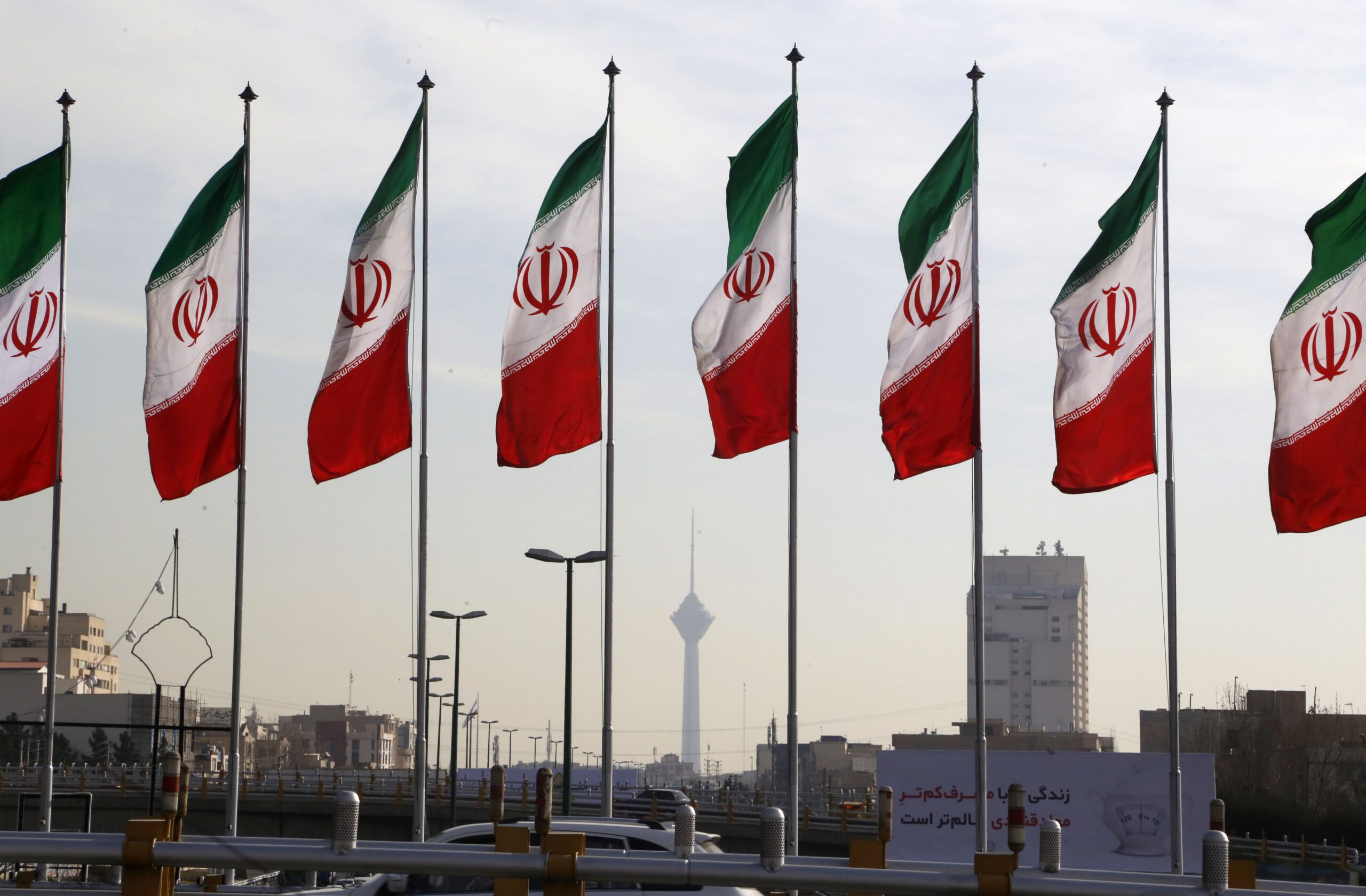
    The news coming out of Iran does not paint a pretty picture of its economy. Economic mismanagement, widespread corruption, weak legal and institutional capacity, and unfavorable business regulations, alongside the unprecedented U.S. financial and economic sanctions and the coronavirus pandemic, have been choking the Iranian economy. However, with a population of 85 million, half under the age of 30 and highly educated, as well as a strategic location on the Persian Gulf and vast reserves of energy and other natural resources, including wind and solar energy, Iran’s economy has incredible potential waiting to be unlocked.

    February 9, 2021

    The IRGC and Iran’s “Water Mafia”
    Photo by Mahmood Hosseini (Tasnim News Agency), CC BY 4.0, photo cropped.
  • Analysis
  • The IRGC and Iran’s “Water Mafia”

    Since its founding the IRGC has evolved into a significant military and financial player in Iran. Khatam al-Anbiya, its construction arm, gets funding from the government for all kinds of major building projects. It is particularly actively in water management projects, like dam construction and water transfer schemes, and it forms a key part of Iran’s “Water Mafia.”

    February 5, 2021

    Finding common ground: Fostering environmental cooperation in the Persian Gulf
    Photo by Eric Lafforgue/Art in All of Us/Corbis via Getty Images
  • Analysis
  • Finding common ground: Fostering environmental cooperation in the Persian Gulf

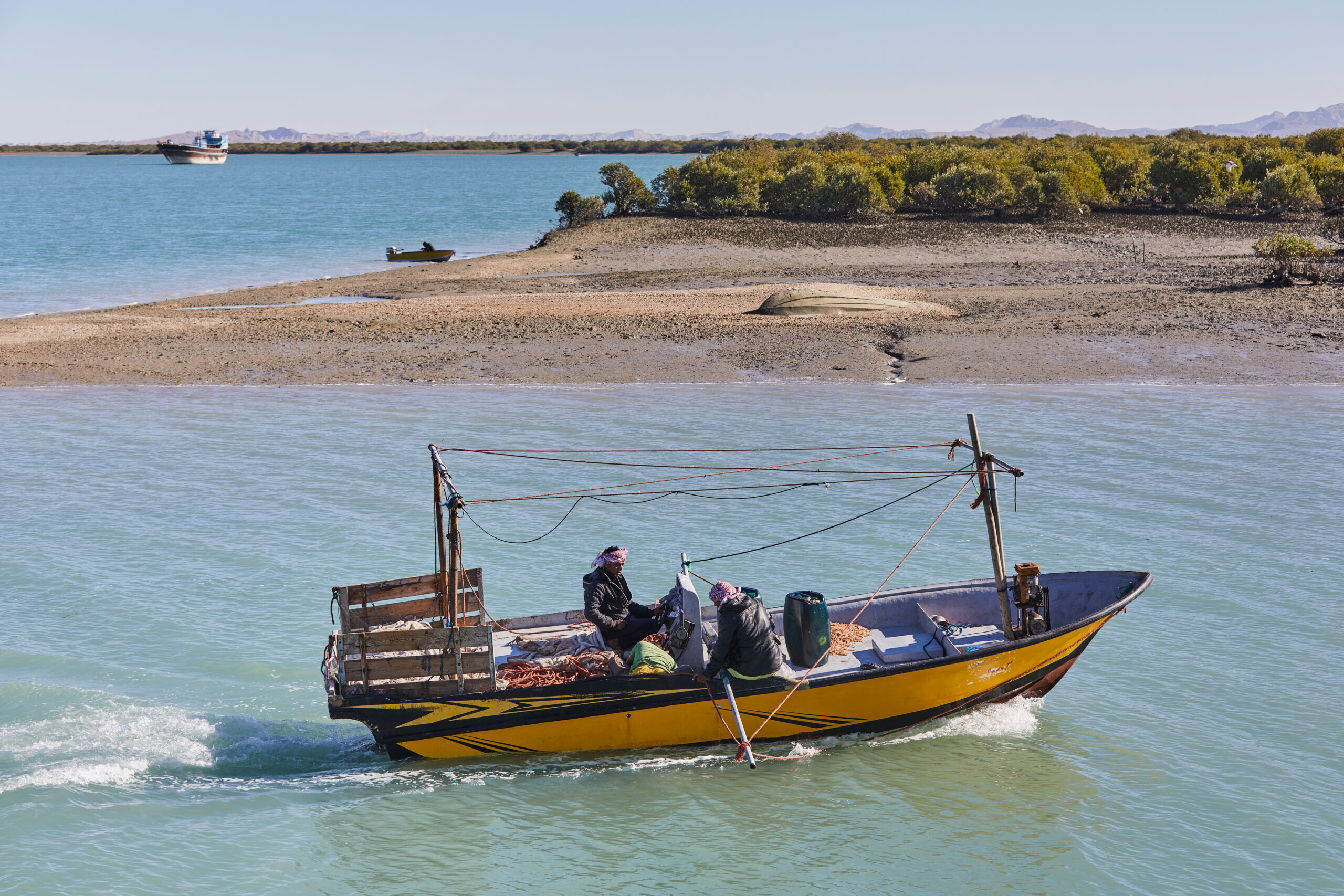
    When it comes to the Persian Gulf, saving the environment might seem like it would be the last item on the to-do lists of the region’s Iranian and Arab rivals. It is an urgent matter, however — and one that could help turn these foes into friends. The United States can play an important role in this: It has helped the region to resolve conflicts over water in the past, and it could do so again.

    February 4, 2021

    Iran-US negotiations 2021: No 2015 redux by the standards of the Iranian economy
    Photo by Morteza Nikoubazl/NurPhoto via Getty Images
  • Commentary
  • Iran-US negotiations 2021: No 2015 redux by the standards of the Iranian economy

    The core question for Iran watchers this year is the likelihood and nature of a renewed Iranian nuclear deal. However, the circumstances are very different and the respective bargaining power of the two sides does not mirror the negotiations in 2015. In particular, the macroeconomic backdrop is considerably worse today and the regime more desperate for sanctions relief than it seems.

    February 3, 2021

    Regional tensions and proxy conflict
  • Podcast
  • Regional tensions and proxy conflict

    MEI’s Paul Salem and Ross Harrison join host Alistair Taylor to discuss what the Biden Administration can do to reduce regional tensions and proxy conflicts in the Middle East.

    January 28, 2021

    What a new Iran nuclear deal really requires
  • Commentary
  • What a new Iran nuclear deal really requires

    To get Washington’s Gulf partners on board, Biden needs an actual strategy for protecting them and ways to make them contribute to it.

    January 28, 2021

    Ethiopia’s domestic problems risk becoming international
  • Analysis
  • Ethiopia’s domestic problems risk becoming international

    In Egypt, Ethiopia, and Sudan, coverage of negotiations around the Grand Ethiopian Renaissance Dam (GERD) has tended to consistently be in the news over the past few years. The events of the last few weeks, however, have easily pushed GERD talks to the side. On Nov. 4, 2020, Ethiopian federal government forces started pounding the Tigray region, one of 10 semiautonomous regions in the country, after Prime Minister Abiy Ahmed accused the Tigray People’s Liberation Front (TPLF) of attacking a federal base. Relations had been disintegrating after Abiy cancelled elections, due to COVID, that would have marked the end of his term. While most of Ethiopia’s ethnic minorities took umbrage, the TPLF went a step further by holding their own elections, the results of which were declared null and void by the federal government.

    Monday Briefing: Biden administration sends mixed signals on Afghanistan
    Photo by WAKIL KOHSAR/AFP via Getty Images
  • Commentary
  • Monday Briefing: Biden administration sends mixed signals on Afghanistan

    Contents:

    Biden administration sends mixed signals on Afghanistan

    Marvin G. Weinbaum
    Director, Afghanistan and Pakistan Studies

    الحظر يصل إلى إيران
  • Commentary
  • الحظر يصل إلى إيران

    باحث ومدير برنامج الفضاء الإلكتروني بمعهد الشرق الأوسط

    January 25, 2021

    Political football: How the Iranian government intervenes in sports
  • Analysis
  • Political football: How the Iranian government intervenes in sports

    Because of football’s popularity, there is significant involvement by regime insiders. The Revolutionary Guards’ transition from barracks to boardrooms began back in the mid-1990s, when they took on management roles in some of the country’s most high-profile sports. Sports were not high on the agenda for the revolutionaries who overthrew the Shah Mohammad Reza Pahlavi in 1979, but as sports has grown in popularity and in profitability, it has become increasingly politicized.  Over the past two decades, most sports clubs and related bodies have been taken over by political or security-military organizations, with former Revolutionary Guards holding the top positions.

    January 25, 2021