Monday Briefing: Will Afghanistan have a Christmas surprise?
This week’s briefing on recent news and upcoming events in the region featuring Marvin G. Weinbaum, Hafsa Halawa, Robert S. Ford, and Thomas W. Lippman.
The Palestinian-Israeli conflict: Has the equation changed?
Throughout his term in office, the longest in Israeli history, Benjamin Netanyahu has sought to implement his expansionist vision regarding the Palestinian territories occupied in 1967. Netanyahu’s vision was explicitly articulated in the Nation-State Law, which declares that “the state views the development of Jewish settlement as a national value and will act to encourage and promote its establishment and consolidation.” The Israeli PM reiterated his stance at the most recent U.N. General Assembly meeting in a speech that described such Palestinian demands as the right of return for refugees, Israeli withdrawal from the occupied Palestinian Territories, and the evacuation of Israeli settlers from the West Bank as unrealistic.
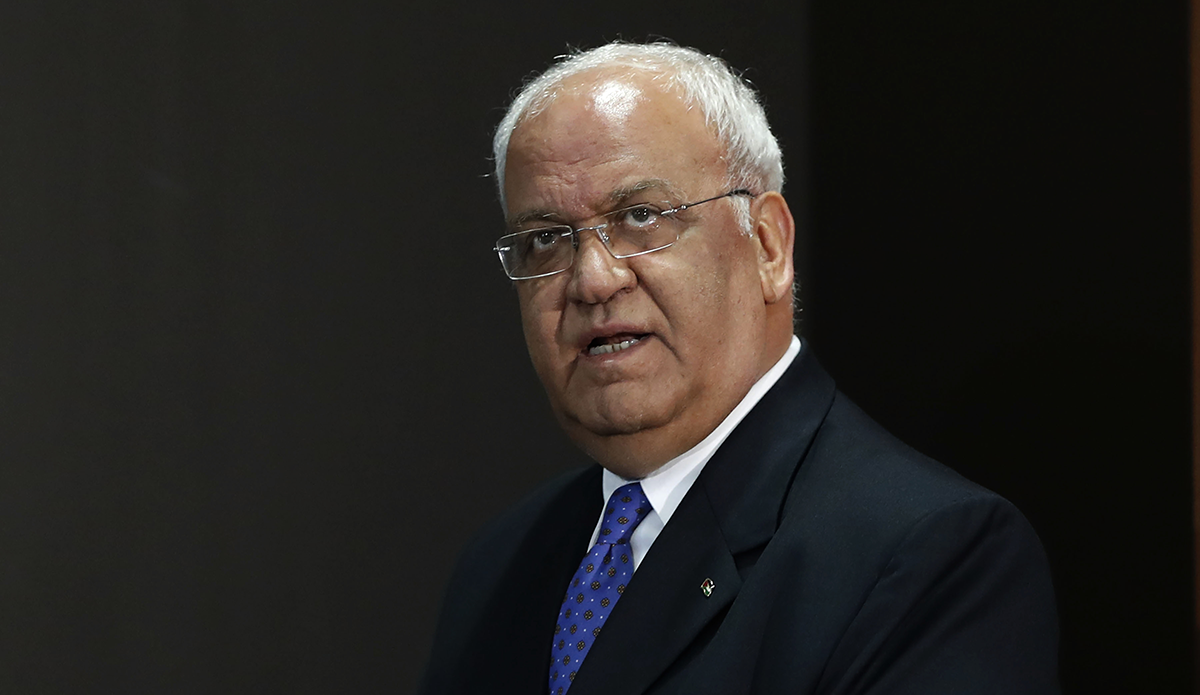
The passing of Palestinian chief negotiator Saeb Erakat is a tremendous loss, not only for his family but for the Palestinian people and all those who knew and worked with him as well. He was a tireless advocate for his people who dedicated his life to the goal of Palestinian freedom and the dream of Israeli-Palestinian peace.
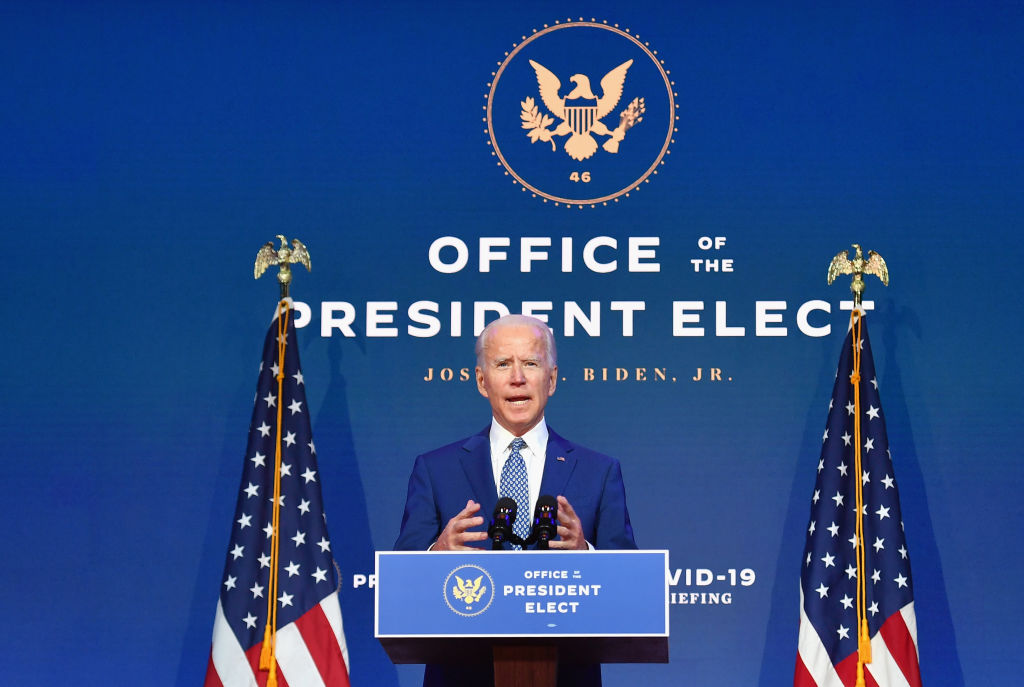
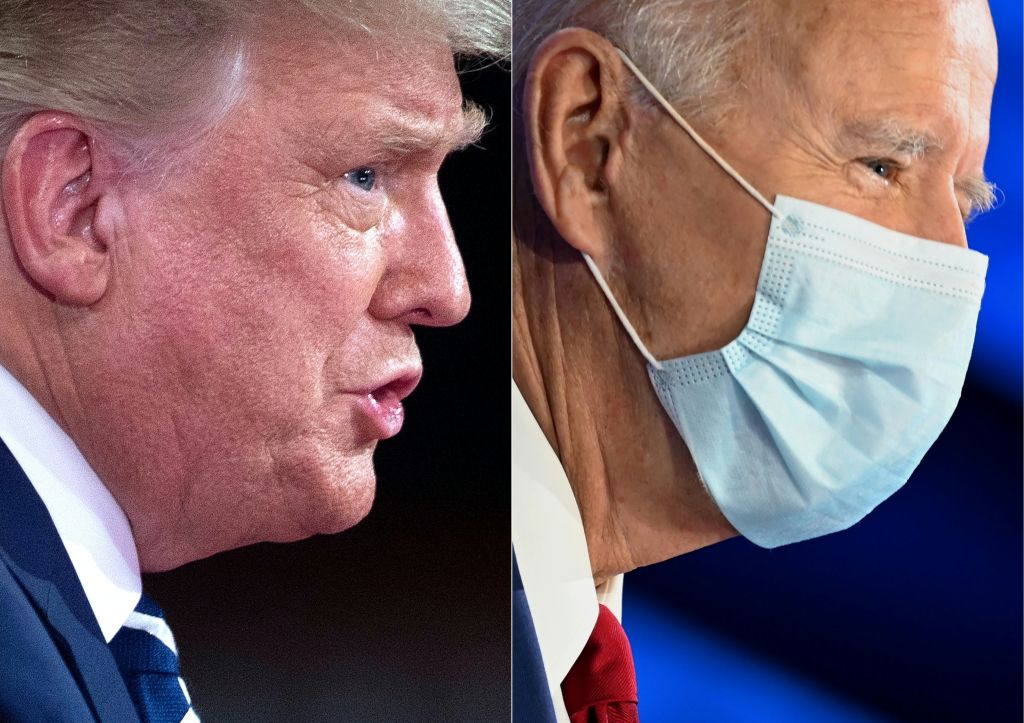
Monday Briefing: The reverberations of the US election in the Middle East
This week’s briefing on recent news and upcoming events in the region featuring Paul Salem, Alex Vatanka, Gonul Tol, Gerald Feierstein, Randa Slim, Khaled Elgindy, Charles Lister, Mirette F. Mabrouk, and Marvin G. Weinbaum.
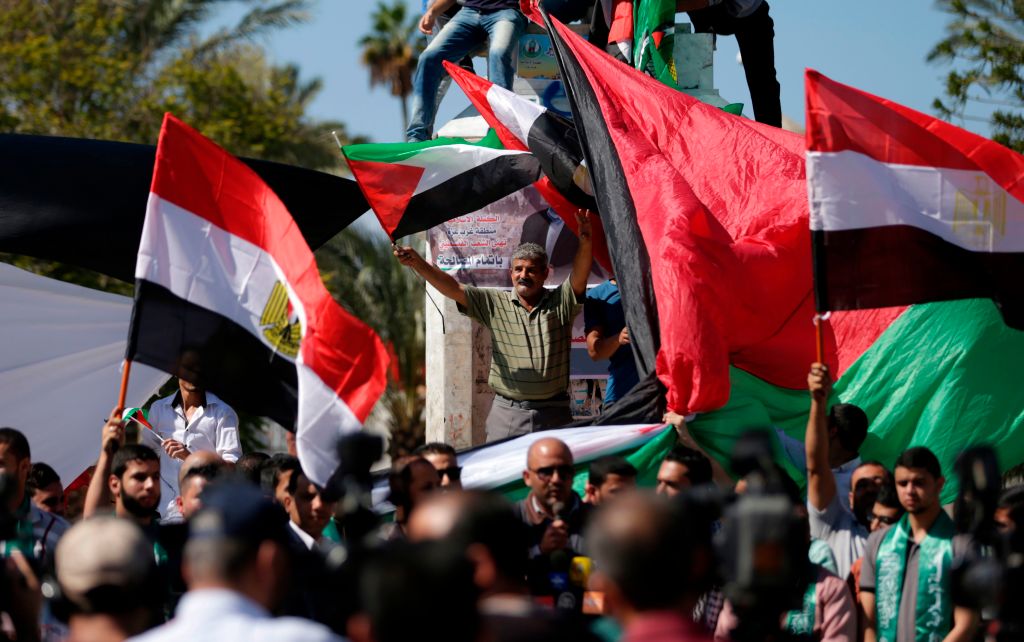
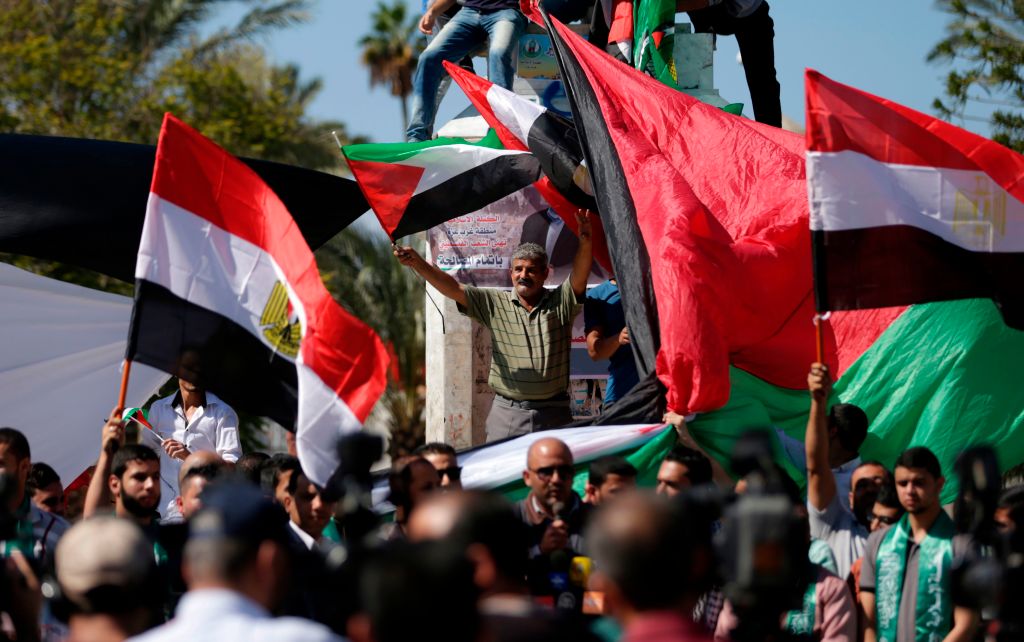
Forget the US elections, the Palestinians need to choose their own way forward
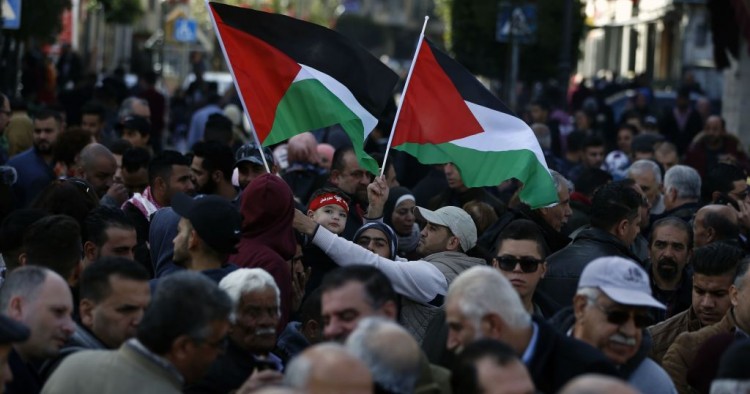
Since Fatah and Hamas reached a reconciliation agreement in September, Palestinian scholars, activists, and journalists have speculated over when, how, and if this latest reconciliation might actually go forward. Many observers, both inside and outside of Palestine, view the move as a response to the recent rapprochement of Arab countries with Israel, as well as to uncertainty over this week’s U.S. presidential elections.
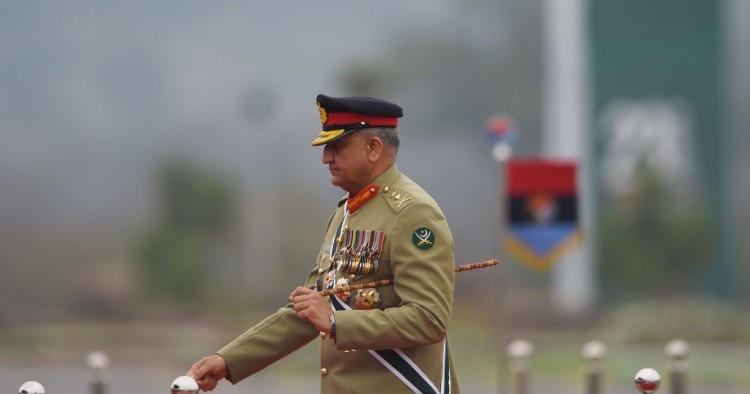
Pakistani politics at a crossroads: The new opposition to Imran Khan and to the military establishment
On October, 16, Pakistan’s former Prime Minister Nawaz Sharif set his country’s politics ablaze by offering a withering critique of the military establishment. Calling in from London via video conference, Sharif addressed a crowd of over 20,000 protestors at a rally in the Punjabi city of Gujranwalla organized by the Pakistan Democratic Movement (PMD), a recently formed coalition that brings together all major opposition parties. Under the PMD’s banner, erstwhile rivals like the Pakistan Muslim League-Nawaz (PML-N), the Pakistan People’s Party (PPP), and the Jamiat Ulema-e-Islam–Fazlur (JUI-F) have joined forces to achieve two goals that they see as intertwined: unseating Prime Minister Imran Khan and regaining power from the military.
How the UAE-Israel deal could change the regional power balance
While most experts believe that the recent normalization of ties between Israel and the UAE will not lead to a significant change in the regional balance of power, there are indications that it has the potential to bring about such a change in the long run.
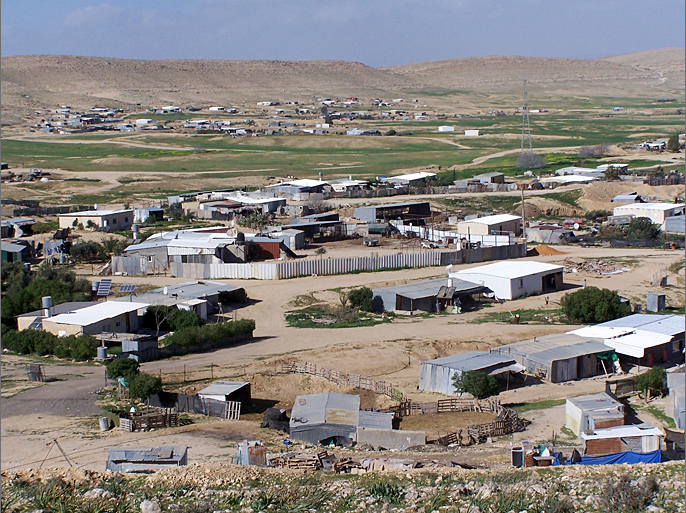
Left to fend for themselves, Israel’s Bedouin are struggling with COVID-19
The COVID-19 pandemic is impacting all communities in Israel, but it has hit some of them much harder than others. The plight of the Haredim (ultra-Orthodox Jews) has been widely publicized, but the Bedouin of the Negev Desert are also being devastated by the pandemic and no one seems to care.
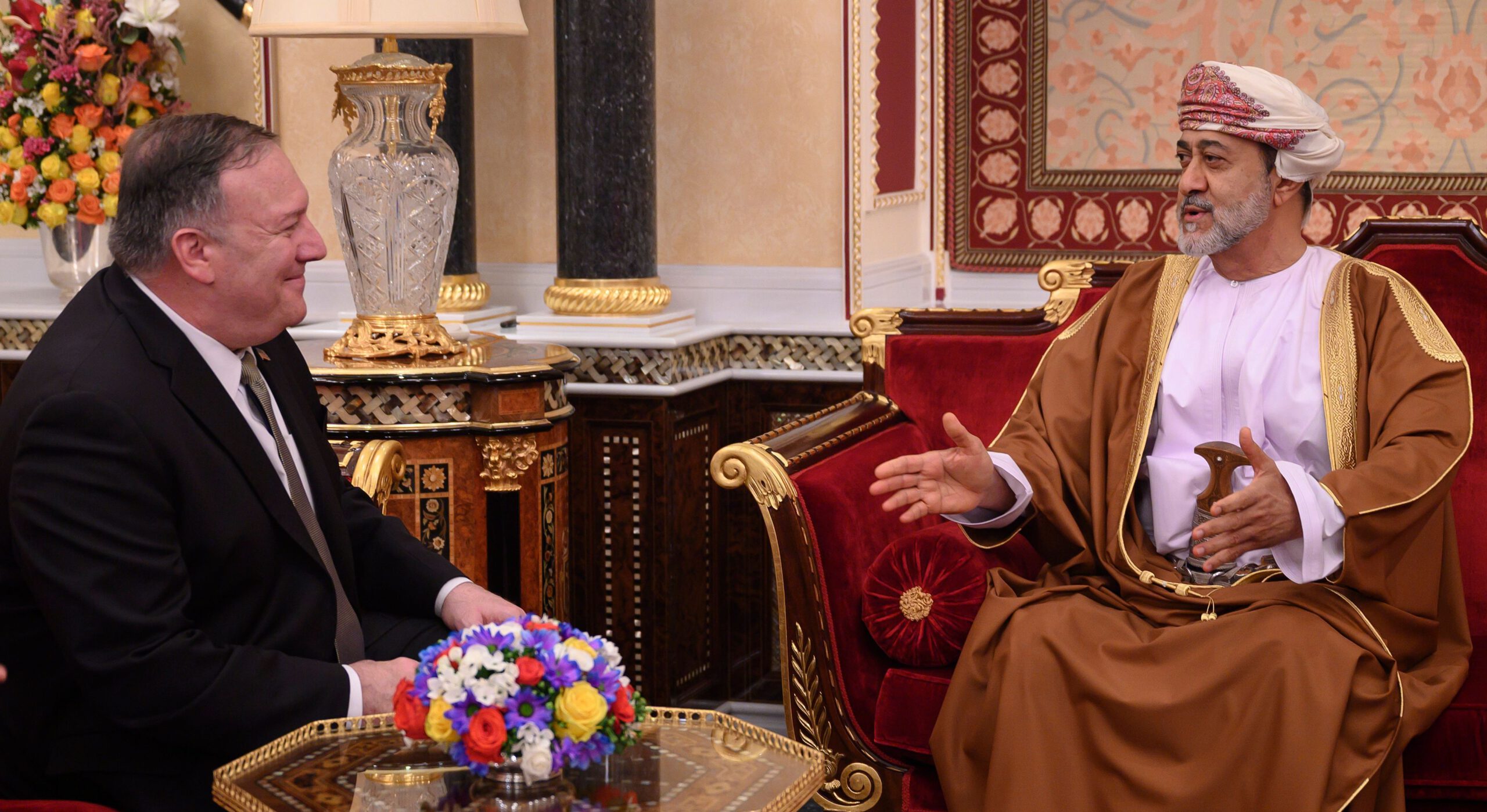
Since Aug. 13, speculation has been rife that the Sultanate of Oman will soon follow the United Arab Emirates’ (UAE) lead and formalize full-fledged ties with Israel. Yet, at least thus far, Muscat has refused to join the UAE, Bahrain, and now Sudan in normalizing relations with Tel Aviv. As a moderate Arab country, where tolerance is firmly embedded into the national ethos and the Ibadi sect of Islam, Oman appears to be maintaining a balanced position on the overall Arab trend toward normalizing relations with Israel. Muscat’s positive reaction to the Abraham Accords is not a major change in strategy and is more illustrative of Oman’s longstanding position on normalization.
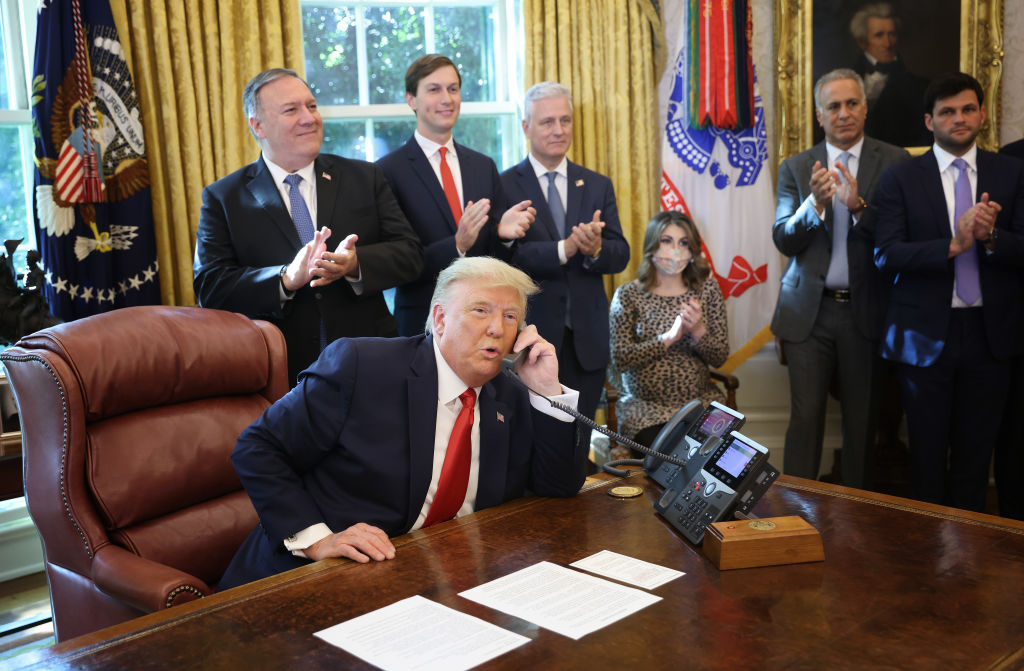
Monday Briefing: Regional reverberations of the Sudan-Israel announcement
This week’s briefing on recent news and upcoming events in the region featuring Paul Salem, Jonathan M. Winer, Gonul Tol, Mohammed Soliman, Marvin G. Weinbaum, Elizabeth Dent, Mirette F. Mabrouk, and Robert S. Ford.
Afghanistan’s Terrorism Challenge: The Political Trajectories of al-Qaeda, the Afghan Taliban, and the Islamic State
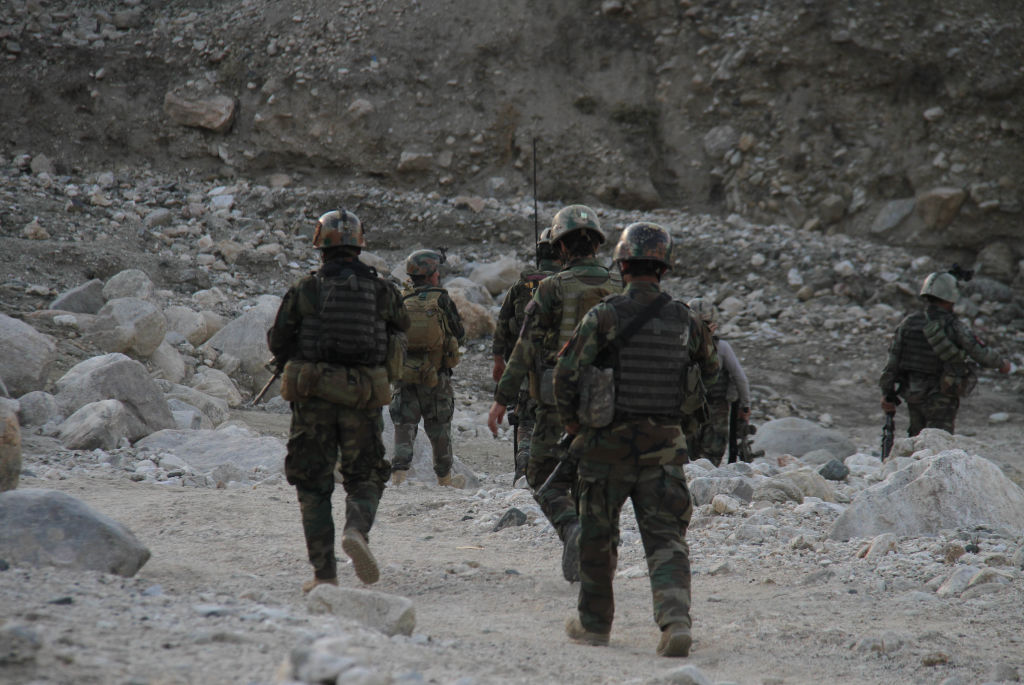
Afghanistan remains at the center of U.S. and international counterterrorism concerns. As America prepares to pull out its military forces from the country, policymakers remain divided on how terrorist groups in Afghanistan might challenge the security of the U.S. and the threat they pose to allies and regional countries. Advocates of withdrawal argue that the terrorism threat from Afghanistan is overstated, while opponents say that it remains significant and is likely to grow after the drawdown of U.S. forces. This report evaluates the terrorism challenge in Afghanistan by focusing on the political trajectories of three key armed actors in the Afghan context: al-Qaeda, the Afghan Taliban, and the Islamic State.
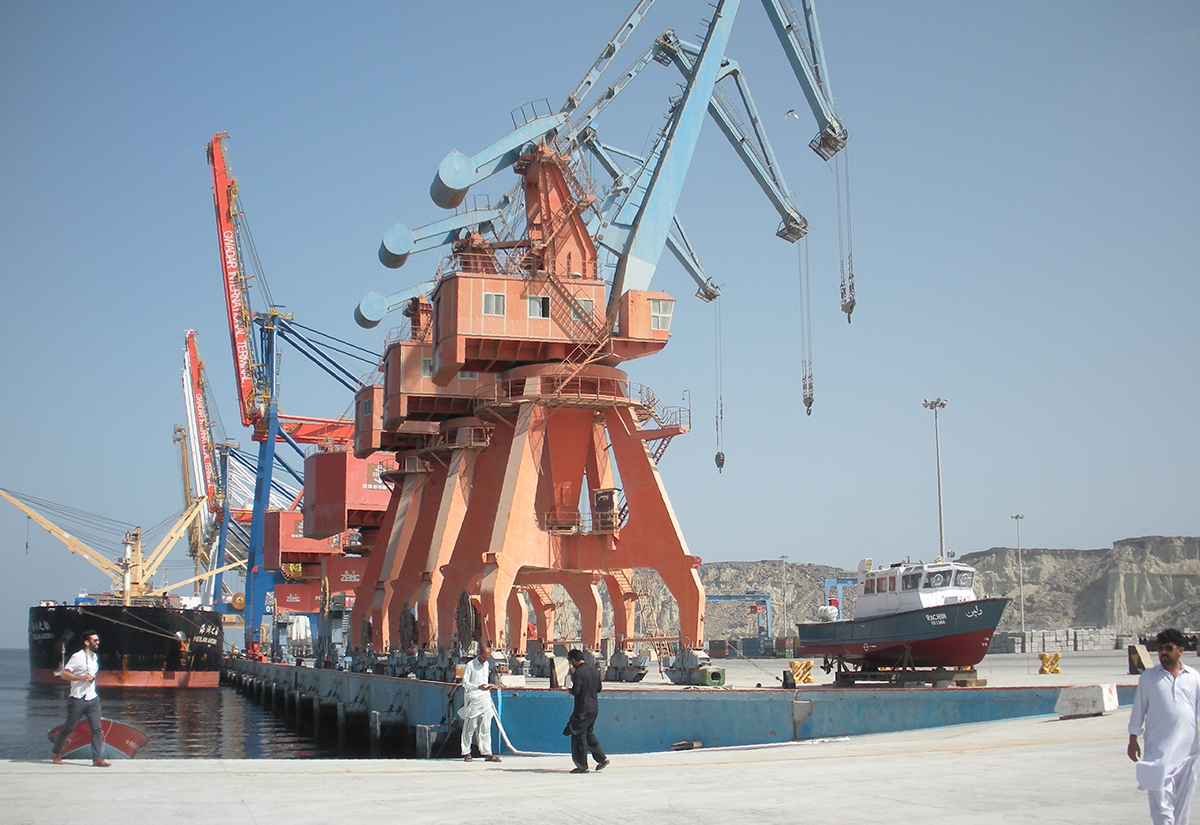
Regional transit trade isn’t enough to drive Pakistan’s Gwadar Port
Landlocked Afghanistan has begun using the Chinese-operated Pakistani port of Gwadar for transit trade — a development Pakistani officials see as marking the start of Gwadar’s role as a gateway port through the China-Pakistan Economic Corridor. Pakistan’s hope to develop the Arabian Sea port into a gateway for Afghanistan, Central Asia, and China’s Xinjiang region has been a long-standing one — and it is misguided. Islamabad should instead focus on local drivers to build the port and use it as a vehicle to develop the impoverished, but resource-rich region of southern Balochistan.